Max Verstappen was declared the winner of the Belgian Grand Prix after the requisite two laps amidst a never-ending downpour at Spa.
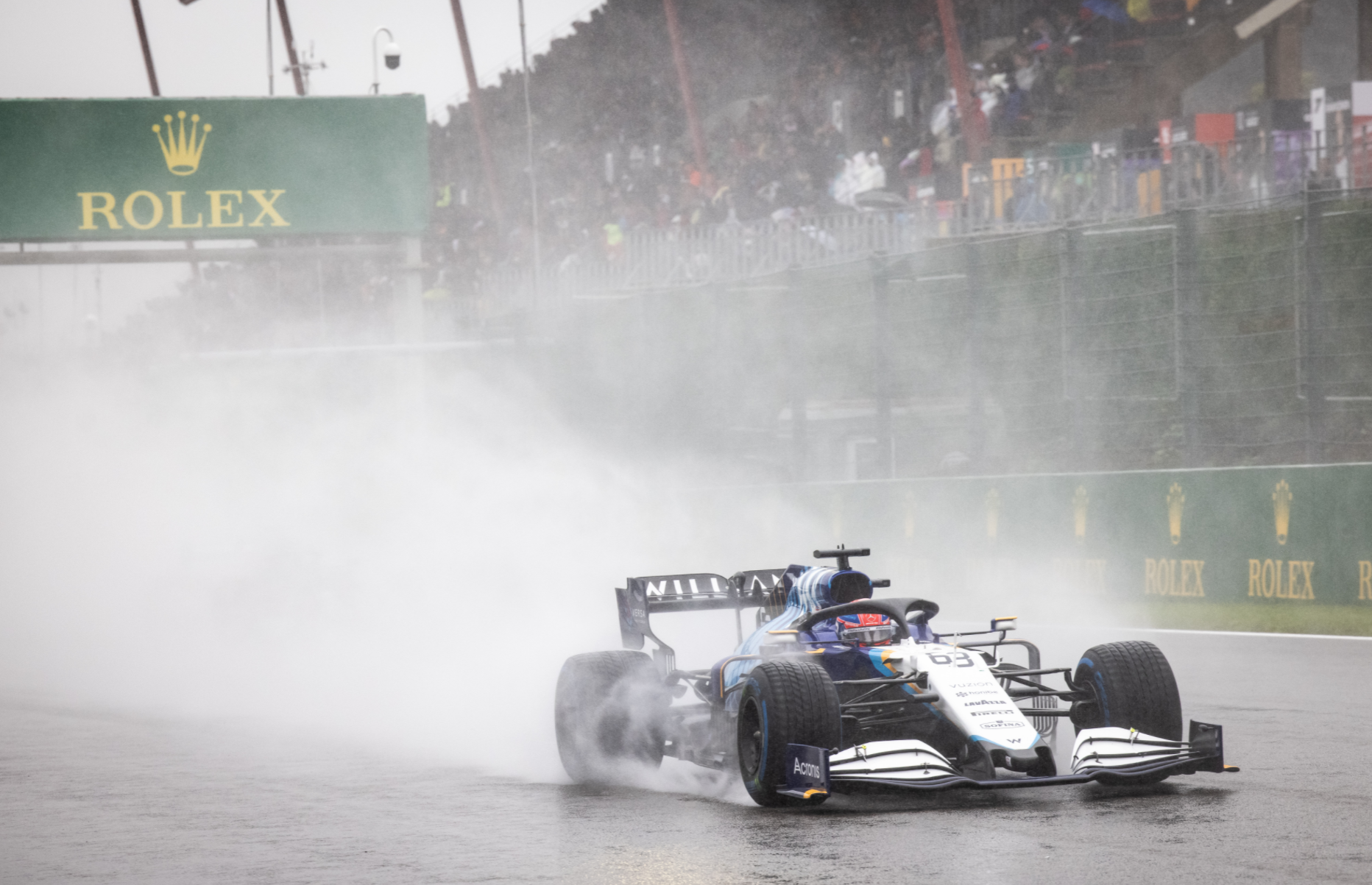
After a spectacular qualifying session on Saturday, which saw George Russell very nearly snatch the unlikeliest of pole positions, fans waited for hours as the race was continuously delayed.
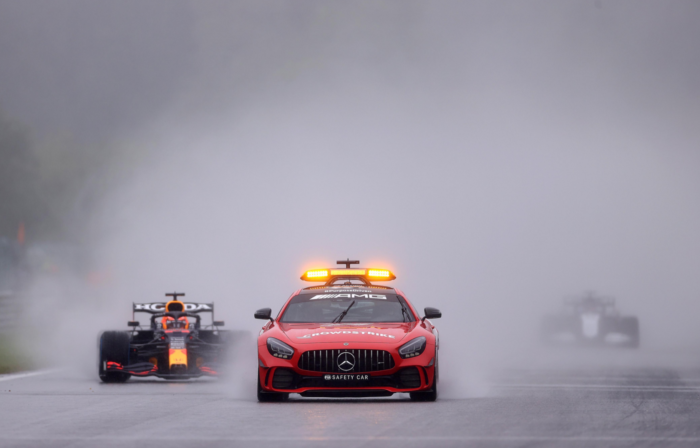
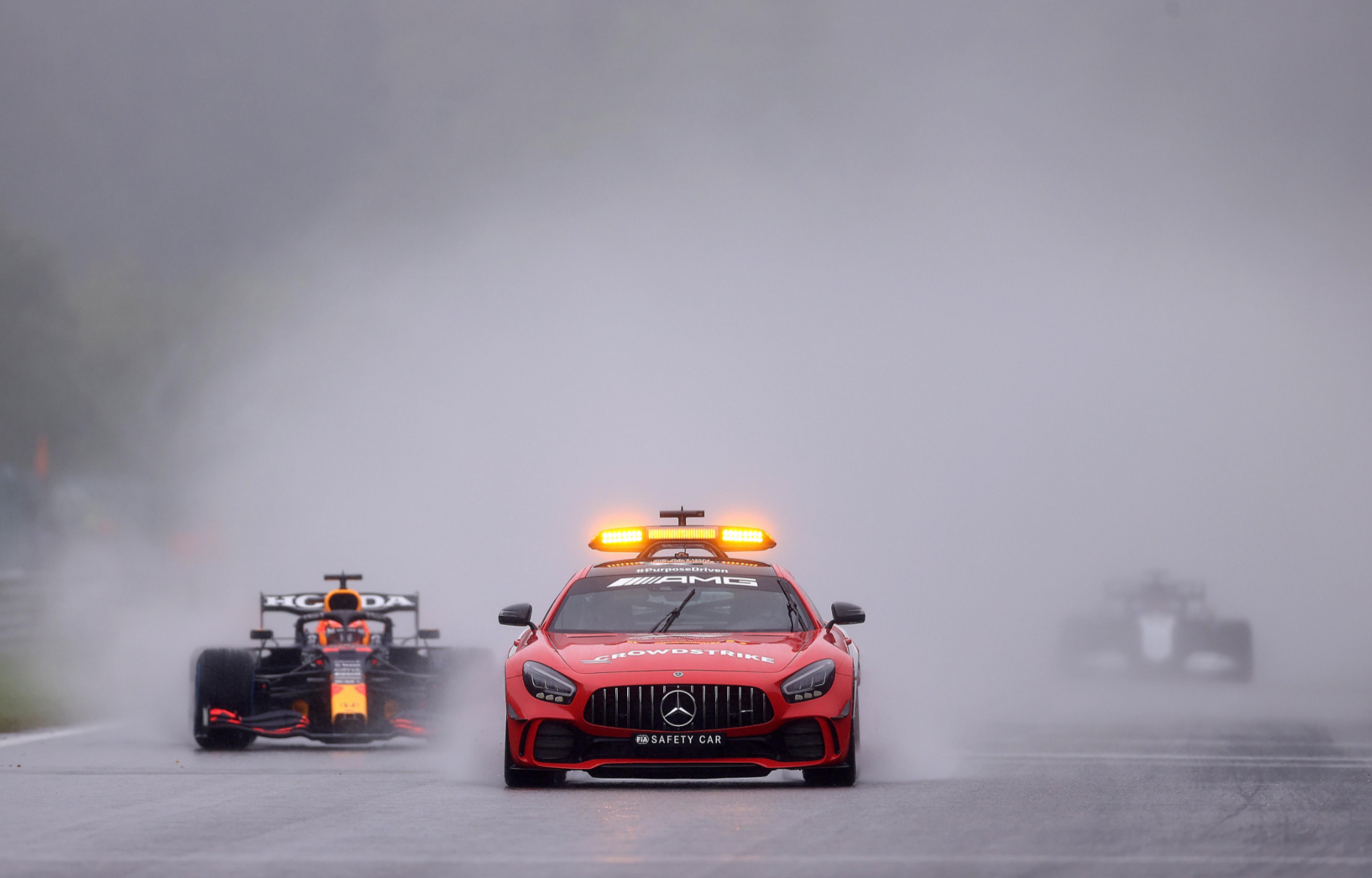
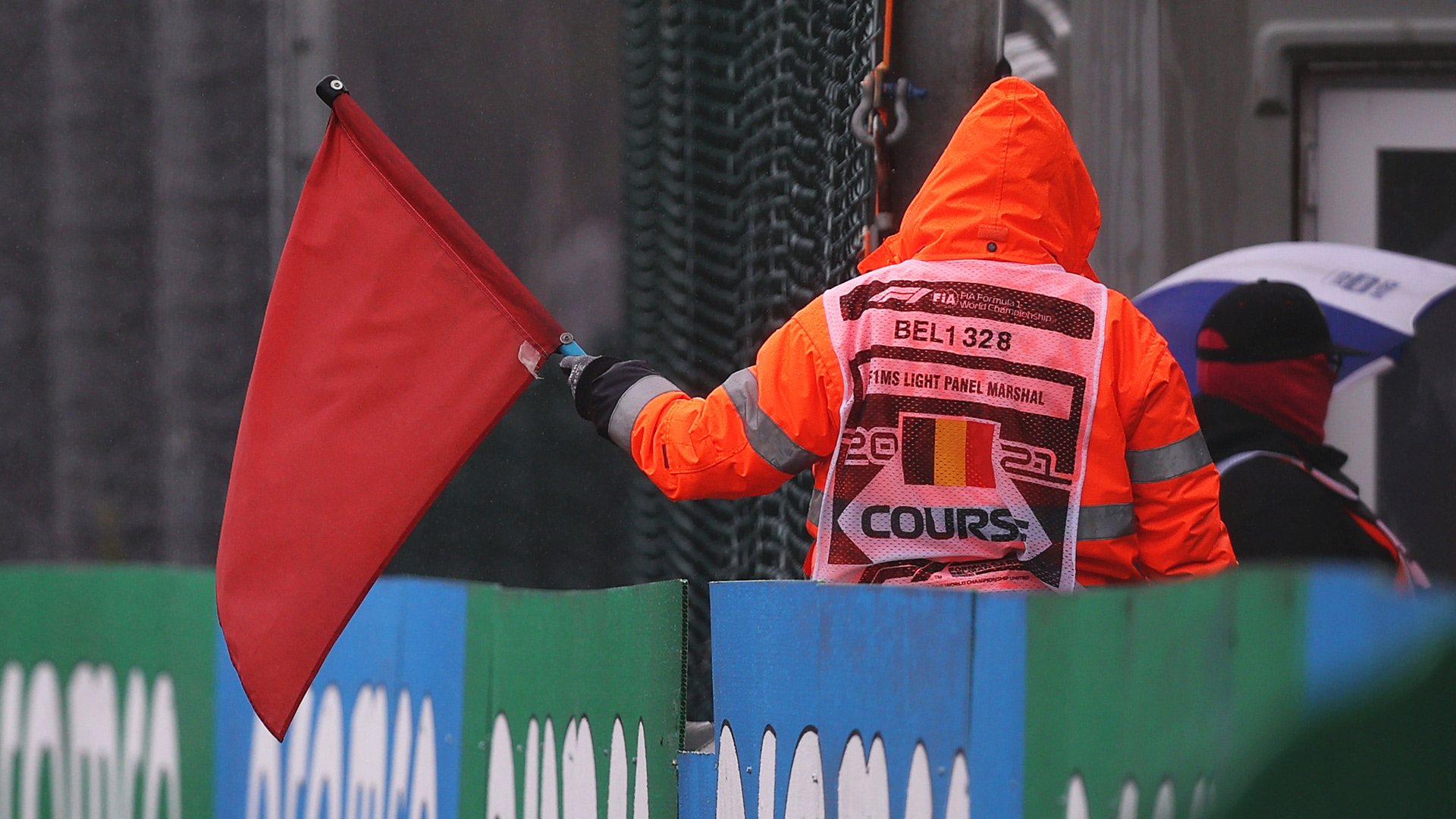
Eventually, with light fading fast and the rain showing no sign of dissipating, the drivers went out behind the safety car on what were – officially at least – reconnaissance laps, only for the race to be red flagged once again.
Around three and a half hours after the lights should have gone out, it was confirmed that the race would not restart and Verstappen was announced as the winner. That also meant a first ever podium for Russell in second and a 174th podium for Lewis Hamilton in third, with the field awarded half points.
A Bad Day for Formula 1
Image credit: Getty Images
Either side of the summer break, we went from one of the best races in years, to one of the worst ever.
If you can even call it a race.
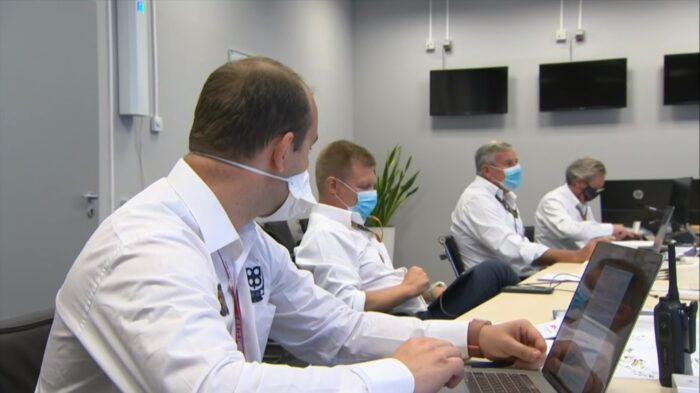
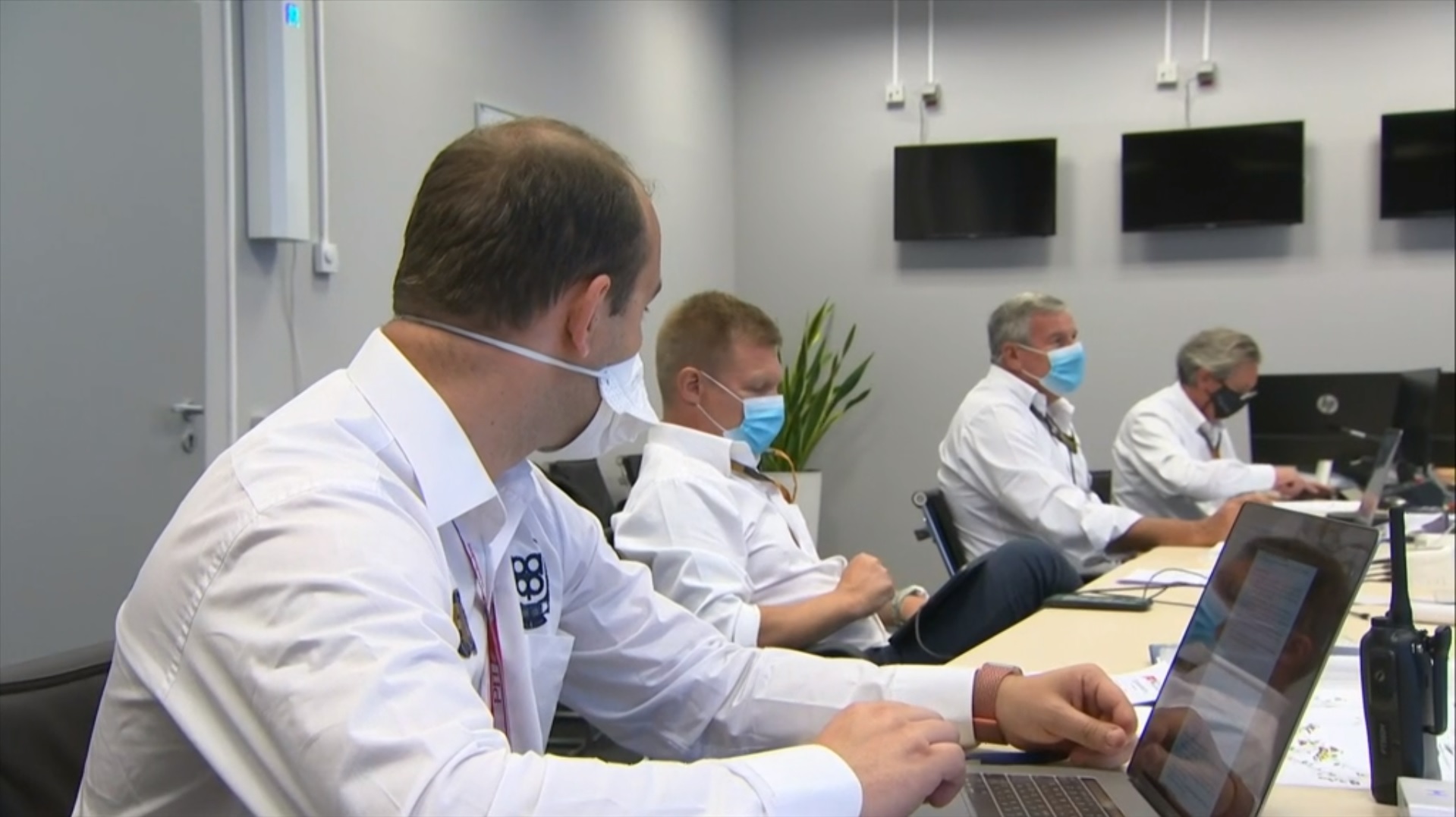
The situation was clearly a very challenging one for all involved, but the way in which those in charge dealt with it left a lot to be desired. This is not simply a case of having the benefit of hindsight – it was clear to see at the time that many of the procedures were farcical.
Team strategists radioed Michael Masi, clueless of the situation, and received conflicting answers; the commentators did their best to inform the viewers but repeatedly found out that they were wrong.
This writer was just as confused as Martin Brundle upon discovering that the race had been shortened by one lap for each ‘delayed start’. Race start times have been changed in the past without it being classed as such. And then there was the debacle of the various clocks that may or may not have started, and were ultimately paused by the stewards anyway.
Image credit: XPB Images
It felt as though the rules were often being applied far too literally and that all common sense had been washed away by the biblical rain.
And finally came the laps that were classed as ‘the race’. As Hamilton stated in his post-race interview, they were sent out for “one reason and one reason only”: to ensure that there was an official result at the end of the day.
It is a result, however, that leaves a bitter taste in the mouth. For most of the teams and drivers, for those watching at home, and particularly for those in the grandstands. It is particularly painful to read first-hand accounts such as this one of fans who had paid hundreds of pounds or euros to sit in the rain for hours and then, in theory, not receive a refund as – they officially at least – witnessed an ‘event’.
We can only hope that F1 will do something to reimburse them. And that it will learn from this shambles for the future.
The ‘Belgian Grand Prix’ in 30 Seconds
Answering the Burning Questions
What madness happens on the first lap this time? Nothing. Absolutely nothing.
Will Red Bull decide to get an almost inevitable engine penalty out of the way here? Nope.
Are we set for a typical wet and wild race in Spa with showers forecast all weekend? It was too wet and wild…to the point that there was no race.
More Austrian dominance for the man becoming the clear title favourite.
Image credit: Getty Images
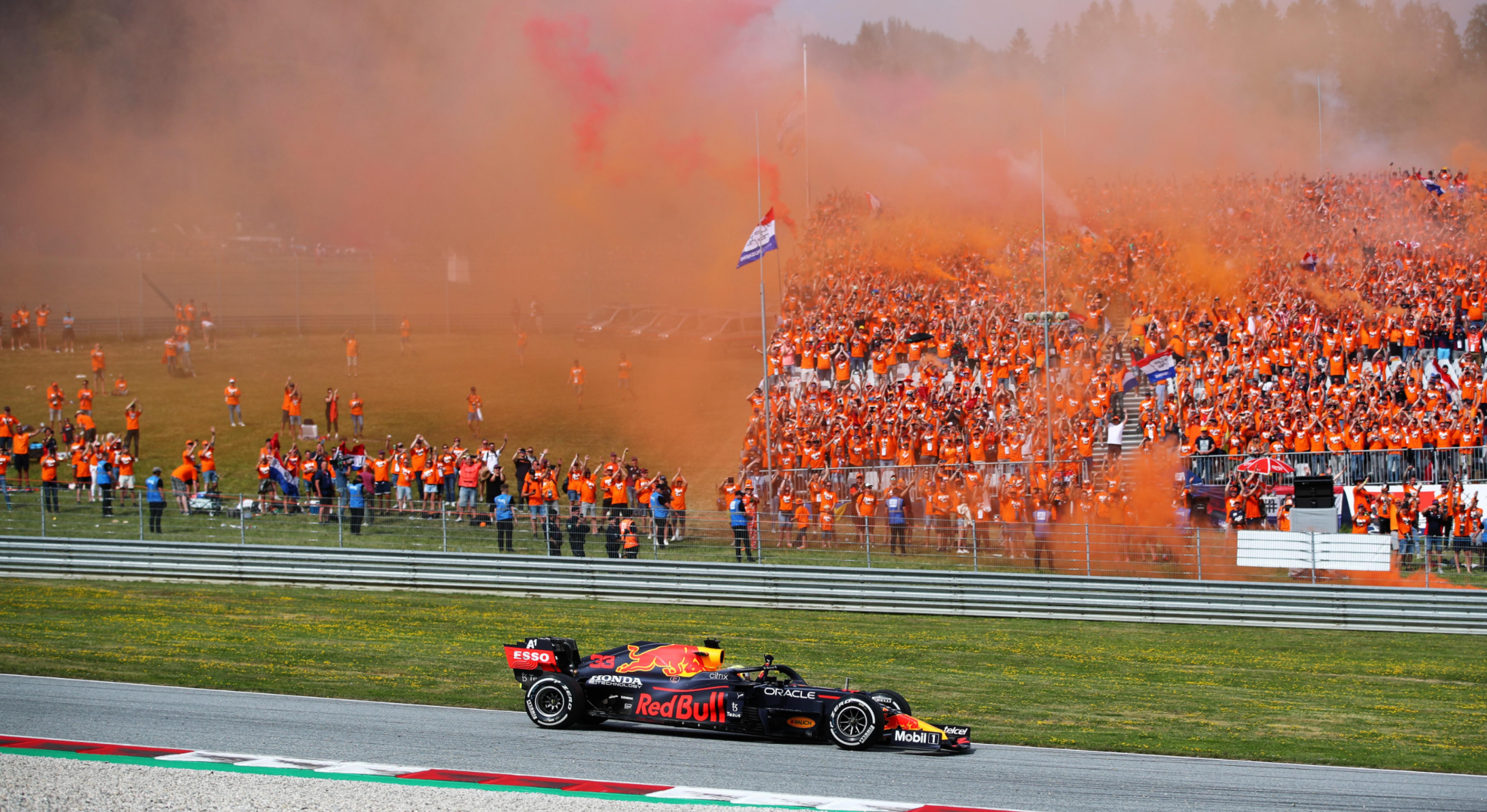
Seven days after his first domination at the Red Bull Ring, it was a similar serene drive to the win for Max Verstappen at the Austrian Grand Prix.
As predicted, with no freak mechanical issues or weather to intervene, the Dutchman delighted the swathes of fans clad in orange.
Mercedes hoped to have found something to reduce the gap to their rivals in the days since the Styrian Grand Prix. But that was clearly not the case when they found themselves down in fourth and fifth on the grid, behind both Red Bulls and the excellent Lando Norris.
Once the lights went out, Verstappen sailed off into the distance and did not look back. He had a gap easily large enough to pit late on and earn himself the fastest lap – by nearly two seconds – and took the first grand chelem of his career, having also claimed pole position and led every lap.
Lewis Hamilton probably would have settled for more damage limitation in the shape of a second place, and he looked on for just that once he’d found a way past Norris on lap 20. But, just before his pit stop, a piece of crucial aero fell off the back of his car, leaving him with massively reduced rear downforce and costing him half a second per lap.
Image credit: Motorsport Images
It remains something of a mystery what caused this. The World Champion did not run especially wide when the bodywork made a break for it – he was running over the kerbs at Turn 10 as normal. Team Principal Toto Wolff believes it was simply a case of fatigue as teams are forced to make parts last longer amid the new cost cap for 2021.
So, further bad luck for Hamilton and he was helpless to defend as teammate Valtteri Bottas and Norris repassed him. That left the 36-year-old in fourth and he is now a massive 32 points behind his title rival in the standings.
The Future May Be Orange, but It’s Also British
Whilst Verstappen demonstrated once again what we all know – that he will be a superstar for many years to come – there were two other drivers who showed their considerable potential.
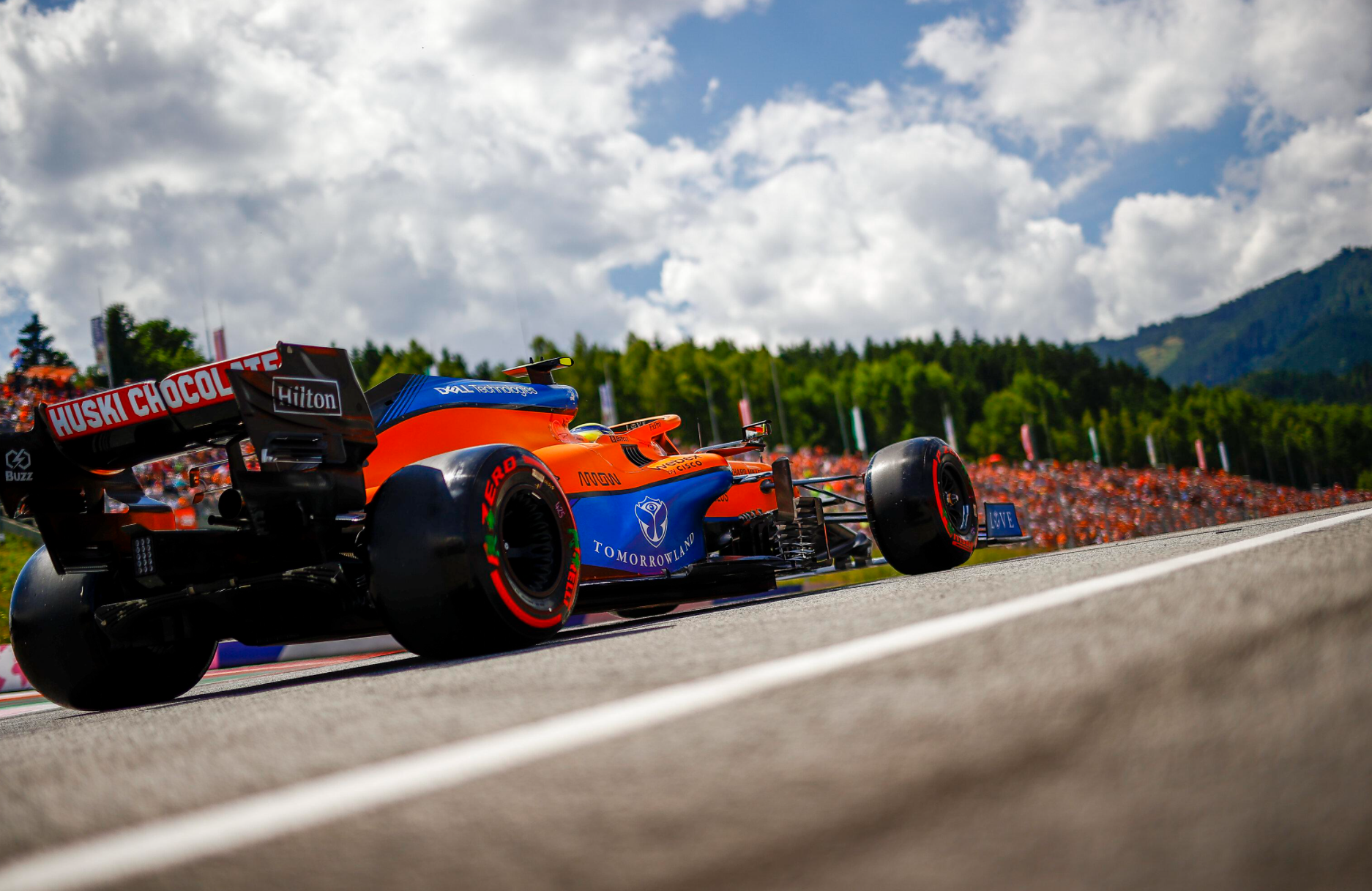
Norris’s qualifying lap was extraordinary. He took his McLaren to within five hundredths of a second of the all-conquering Verstappen to take his first ever front row grid slot.
Image credit: Motorsport Images
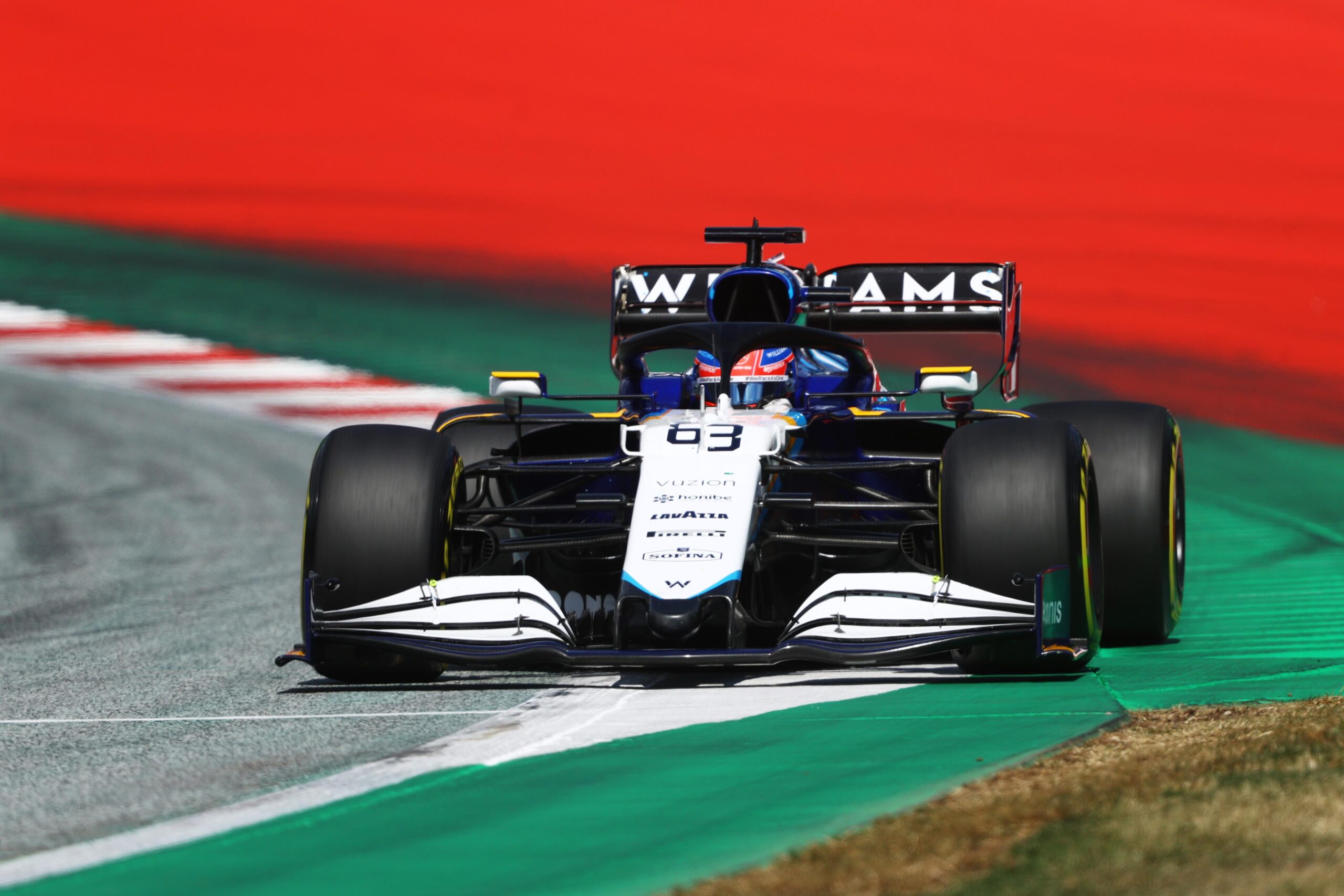
And Russell was equally impressive, dragging his Williams into Q3 for the first time and ending up eighth on the grid after a Sebastian Vettel penalty.
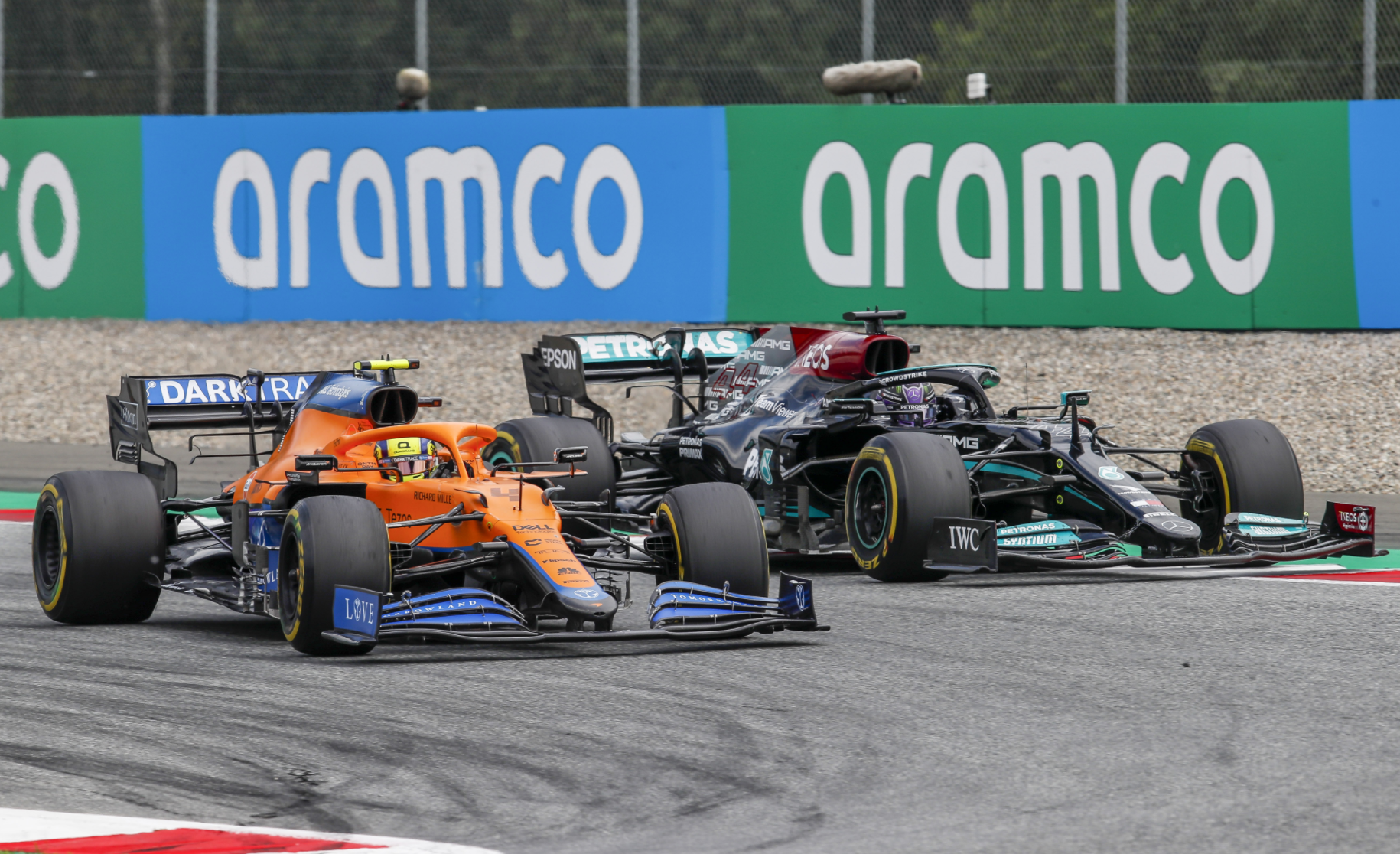
On race day, Norris defended against the Mercedes pair with nous and composure far beyond his years, even prompting Hamilton to say over the radio, “Such a great driver, Lando”. That is something you very rarely hear from a driver mid-race.
Bottas would only succeed in passing Norris after the young Briton received a debatable penalty for forcing Sergio Pérez wide following a safety car restart early in the race. And the Mercedes driver hardly disappeared into the distance once in front as Norris tailed him home to finish just two seconds back and earn his fourth career podium.
Further back, Russell had recovered from an iffy start to run in a legitimate 10th place through solid race pace and was heading for his first point with Williams. But then came Fernando Alonso. The 23-year-old defended hard from the man he has formed an unlikely bromance with, but eventually had to concede to the Alpine‘s far fresher tyres with just three laps to go.
After a mechanical retirement in the previous race removed Russell from eighth, his luck may not have improved but he continues to earn fans, including Alonso: “I felt a little bit sad for George because he drove an amazing weekend. When I saw P10, I was hoping anyone apart from him…but that’s the sport. He will have more opportunities hopefully for podiums and wins in the future.”
Image credit: Getty Images
Earning compliments from legends like Hamilton and Alonso shows just how much respect these two young drivers have earned over their two and a half years in F1.
In Verstappen, Norris, Russell and Charles Leclerc, the future of the sport looks in safe – and exciting – hands.
Were the Penalties Fair?
The move for which Norris earned his penalty, was mirrored by Pérez himself as he ran Leclerc wide twice later in the race. Each incident earned a five-second penalty.
It is good to see consistency from the stewards for once – though perhaps not in the long term – but were they consistently right or wrong on this occasion?
It’s tricky. The issue is Turn 4, where the two main incidents happened. It is a demanding corner with significant adverse camber and a gravel trap on the outside. So, this was not simply a case of Norris opening the steering up and running Pérez out of road – something we have seen go unpunished many times before anyway. It was more a case of the McLaren naturally understeering towards the edge of the track.
So, the only way to avoid contact or forcing the car on the outside wide would be to get off the throttle and cede the position. Is that something the lead driver on the inside line should ever have to do?
Image credit: Getty Images
The penalty seems more harsh given that it was on the first full lap of racing, when incidents are normally treated with more leniency due to cold tyres, cold brakes and the general mayhem. Case in point: Leclerc not even being investigated for clumsily ending Gasly’s race a week ago, a few seconds earlier in the lap.
Whatever your opinion on the decisions, the penalty points system is clearly broken.
Two penalty points for the incident leaves Norris on ten points – although two will be wiped before the next race – which is just two away from a race ban.
I have touched on the penalty points system as recently as the Azerbaijan Grand Prix – when Norris and Nicholas Latifi were each given three points for tricky situations in which they found themselves somewhat helpless – and they remain unfit for purpose.
Can Mercedes find anything to challenge Red Bull more than last weekend? Nope.
Will the softer tyres make much of a change to the pecking order? Alpine appeared to find some more pace but events conspired to prevent them utilising it.
Any chance of some rain this time? *sigh* Of course not.
Charles Leclerc had made it back-to-back pole positions against the odds on Saturday. Hamilton was ecstatic to have recovered to second on the grid, after a very challenging start to the weekend for Mercedes, and Verstappen was just behind in third.
The order at the front remained the same as the lights went out, but it was always going to be a matter of time before the Ferrari succumbed to the faster cars behind. Hamilton used his extra straight-line speed to take the lead after two laps and Verstappen followed suit at the start of lap 7. Pérez had made good progress from sixth on the grid and was also able to dispatch the Ferrari a lap later.
Hamilton was just about able to hold the chasing Bulls at bay. His low-downforce setup meant that he had the top speed to keep out of reach on the straights but was unable to break away as he lacked his rivals’ grip in the middle sector. With Verstappen closer than ever and Hamilton’s tyres long past their best, Mercedes brought him into the pits on lap 12. However, the World Champion had to be held in his box as Pierre Gasly trundled past and, with a pair of quick in-laps, the Red Bull drivers were both able to overcut him.
Over the next hour, Hamilton pressured Pérez but never looked close enough to truly challenge him. Even a safety car on lap 31, when Lance Stroll had a scary crash as his tyre exploded at over 300 kph on the main straight, didn’t change much at the front. It looked as though we had our finishing order wrapped up as Verstappen delivered a fastest lap with five laps remaining. But then…
Image credit: XPB Images
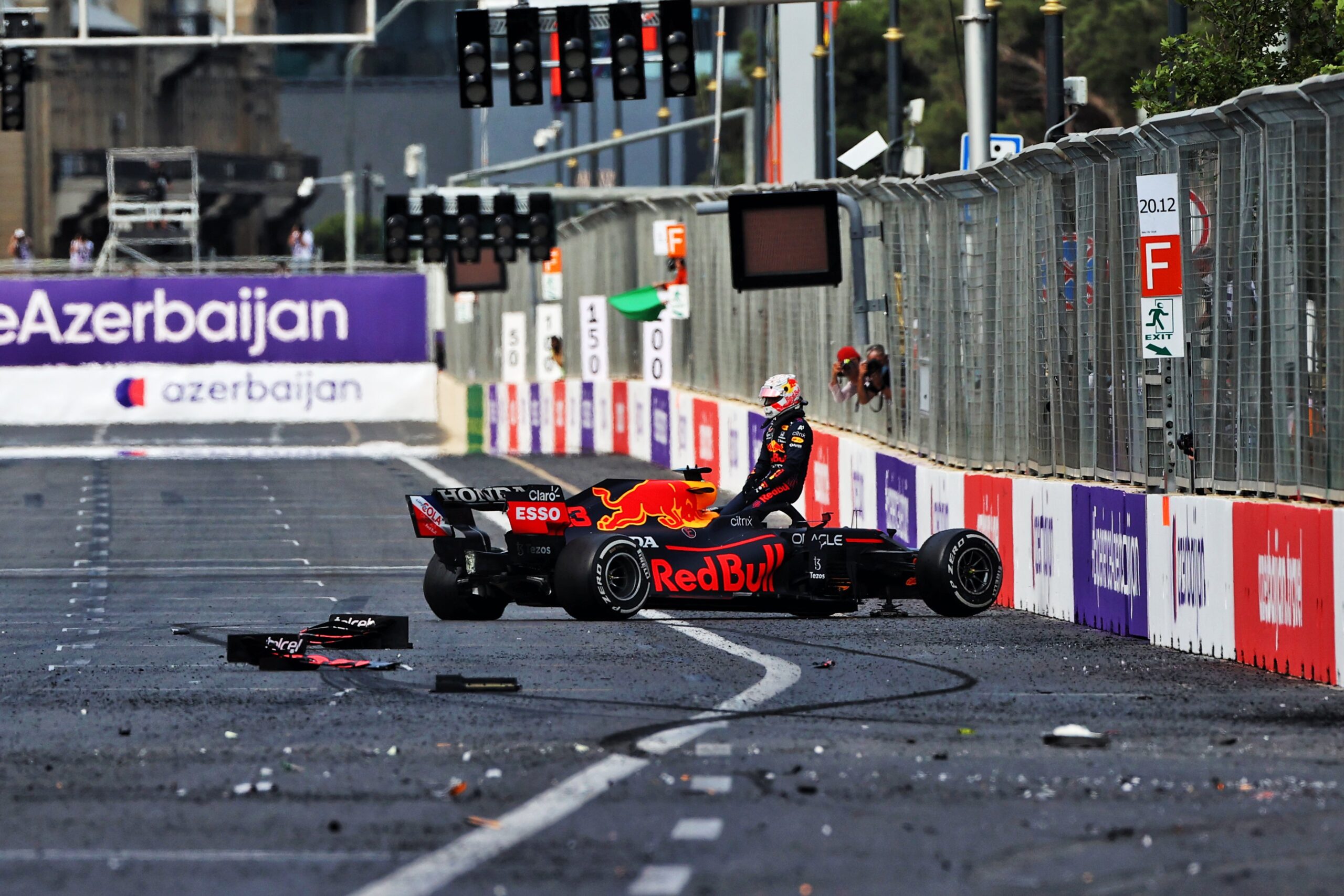
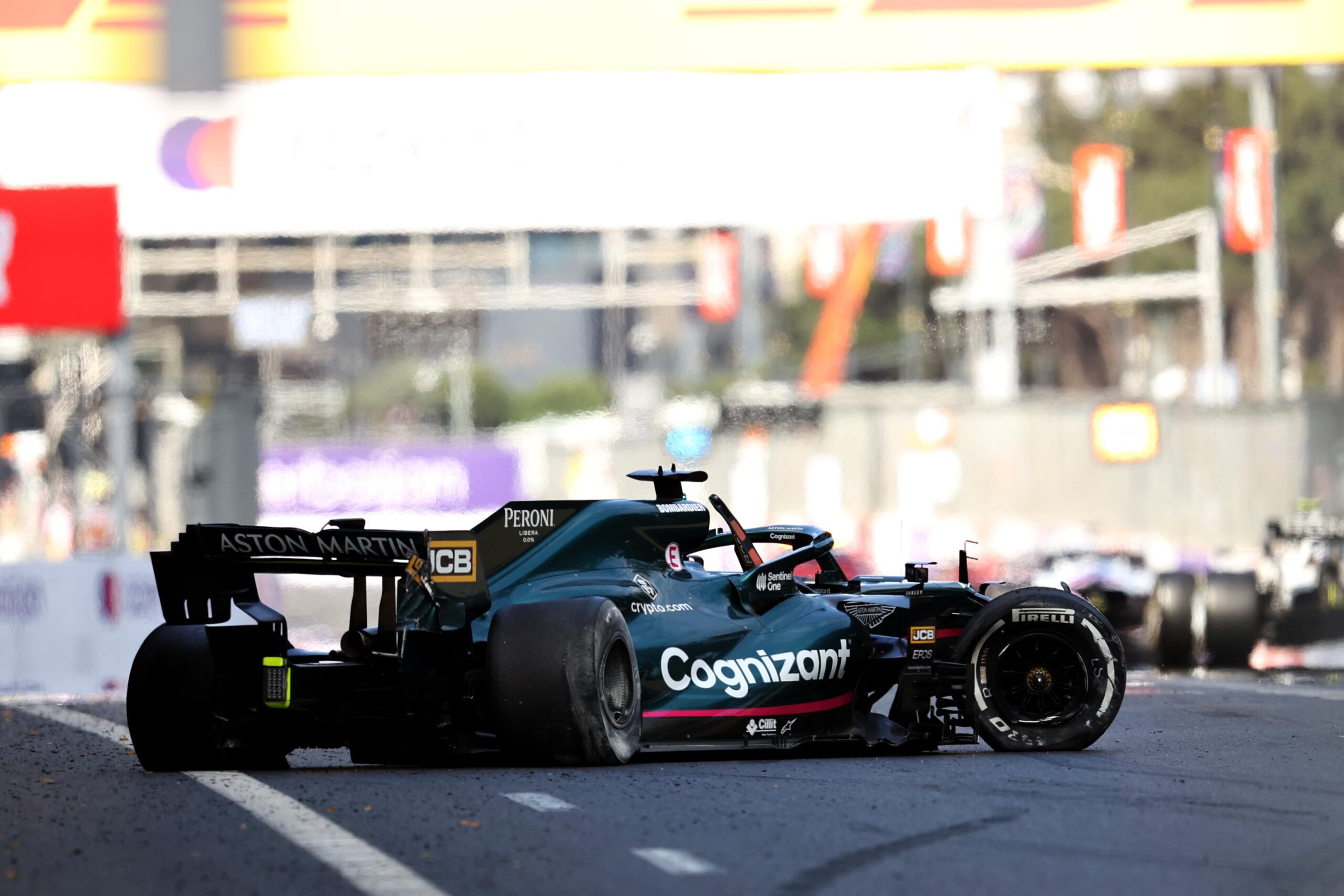
Just as Stroll’s left-rear tyre had failed him, Verstappen’s decided it too was done for the day. The Red Bull speared into the barriers at an equally terrifying speed, leaving shrapnel scattered across the track. Verstappen was unhurt but understandably distraught to have had a win snatched away so late on.
With questions now very much being asked of the stability of the Pirelli tyres, Race Director Michael Masi deployed the red flag.
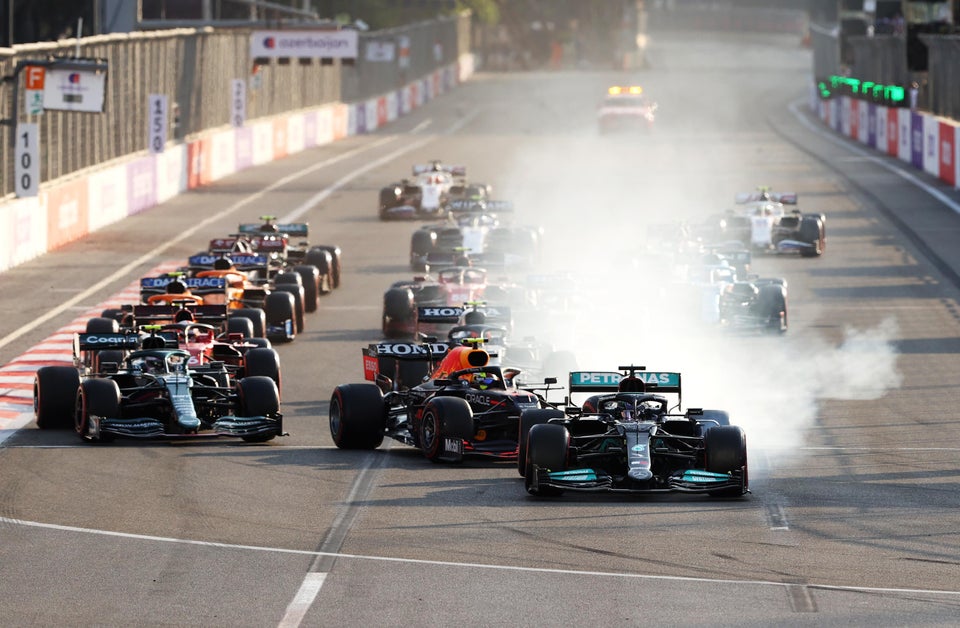
After a considerable wait, and with all the cars now on soft tyres, the field lined up on the grid for a two-lap sprint to the finish. As the lights went out for a second time, Hamilton got away well and was immediately alongside Pérez. But this race had one more significant twist in its tale.
Image credit: Getty Images
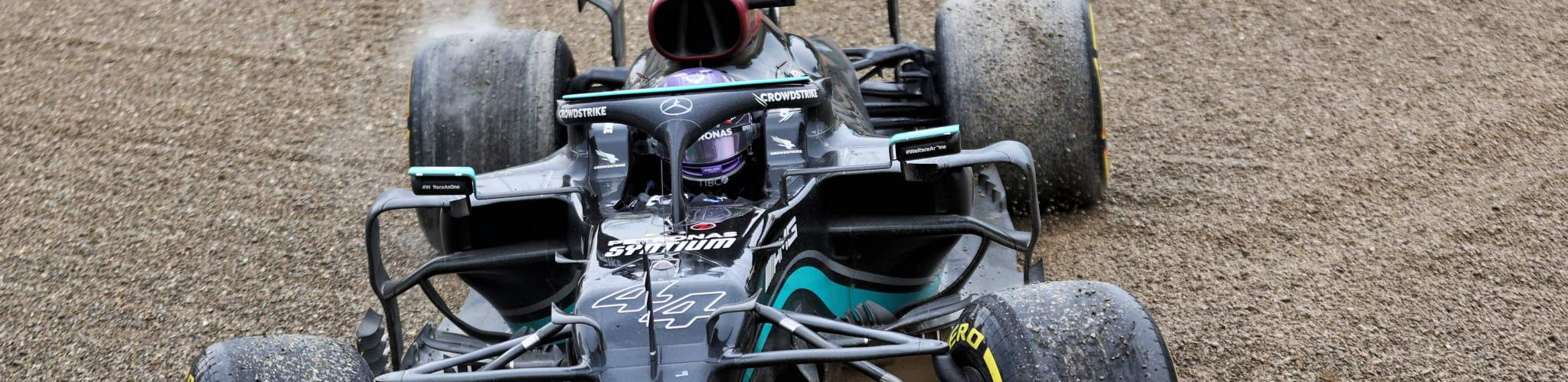
As Pérez came over to defend the position, Hamilton swerved to the left. In doing so, he accidentally knocked a switch on his steering wheel which is designed to warm up the brakes. It brings the brake bias forward to around 90% and that meant, as Hamilton touched the brake pedal, he instantly locked up and went straight on at Turn 1, rejoining at the back of the field. A tiny mistake with massive consequences.
Pérez successfully held onto his lead to take the chequered flag and earn his second F1 victory. It would transpire that his car was minutes – if not metres – from failing him, as his team asked him to park the car seconds after he crossed the line.
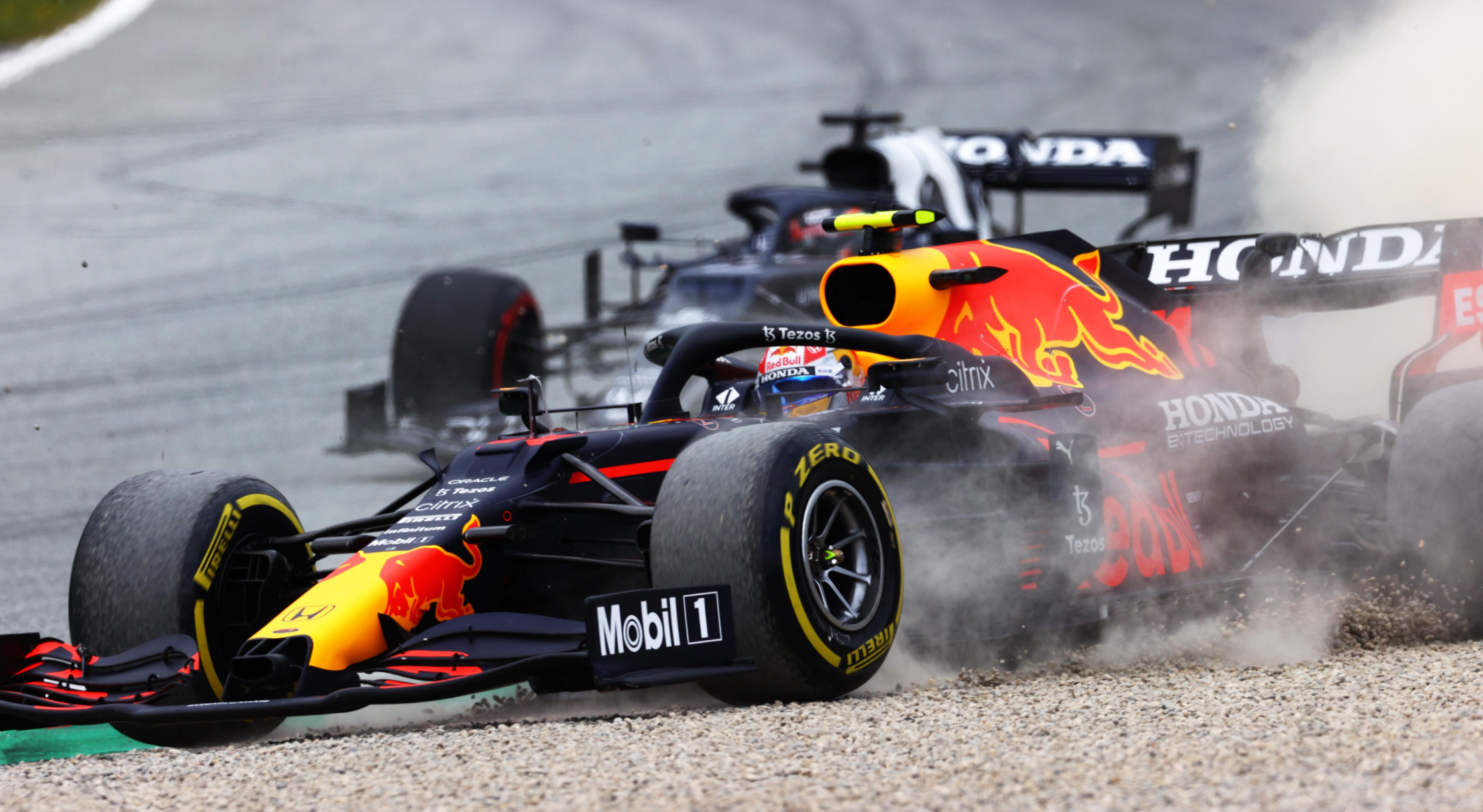
An unusual podium was completed by Sebastian Vettel and Gasly. Vettel drove an incredible race, from 11th on the grid to second at the line. Starting on fresh tyres, he pulled out the longest first stint of anyone to move up to fifth, before passing Gasly after the first safety car. A well-deserved Driver of the Day performance as the four-time champion continues to look more at ease in his new, green machine.
Gasly was also excellent, following up an impressive fourth in qualifying with genuine race pace. He then came out on top in an enthralling last lap battle between himself, Leclerc and Lando Norris to earn his third podium.
Image credit: XPB Images
Fernando Alonso produced his best result since returning to the sport, snatching sixth from Yuki Tsunoda after the restart. Nonetheless, it was a much-improved weekend for the Japanese rookie, who has struggled since his impressive debut in Bahrain. Carlos Sainz – whose race was ruined early on when he took an unscheduled trip down an escape road – finished eighth, ahead of Daniel Ricciardo and Kimi Räikkönen.
So, in the end, it was all a bit much-ado-about-nothing for Verstappen and Hamilton in terms of the title battle. After both drivers significant ups and downs over the weekend, they leave Baku with the same number of points as when they arrived.
As much as that costly slip of a finger will have hurt Hamilton, if you had offered him the opportunity to leave this weekend with as many points as Verstappen on Friday – when Mercedes were struggling to even break into the top 10 – he would likely have taken it…
Who Said the Second Red Bull Seat Was Cursed?
After a hit-and-miss start to his Red Bull career, Pérez thoroughly proved his worth this weekend.
Image credit: Getty Images
On Friday, the Mexican said he now finally felt at home in the car, and he backed that up with his level of performance throughout the event. He was legitimately ahead of Verstappen on more than one occasion and then did exactly what he was brought into the team to do on Sunday. That is, provide support to Verstappen in the fight for the win and be there to capitalise should any unforeseen dramas befall the lead driver.
In Baku, the usual roles were reversed with Mercedes outnumbered two to one in the fight for the lead. And the difference that made in the strategic battle was clear to be seen.
Pérez is now only 30 or so points behind the leading pair. One more shock result like this – twinned with the consistency for which he is renowned – and he could even consider himself genuinely in the title battle.
Penalty Points and Late Calls
Along with the questions to be answered by Pirelli, Masi and the FIA will have a few of their own.
Leclerc described the delay in deploying the Safety Car for Verstappen’s incident as “a joke”. It took nearly 20 seconds for double-waved yellow flags to appear and almost a minute and a half for the Safety Car, just as Pérez was approaching the start-finish straight again.
This came after Lance Stroll had been heard on the radio, pleading for a red flag as he sat in his wrecked car, rightly terrified of the cars screaming past him at full speed.
Norris was handed three penalty points after finding himself in a tricky situation, with the stewards even acknowledging that he had almost no time to react to a red flag. And Nicholas Latifi was then also handed three points after receiving a clearly misleading radio call from his engineer in which he was told repeatedly to “stay out” when the intended message had, in fact, been to come through the pit lane but not stop.
F1 is, of course, a team sport, but if Latifi were to amass the 12 points required for a race ban, Williams would still race – just with a different driver. If this situation happened four times and Latifi remained blameless in each one, how is that remotely fair on the driver?
How will Hamilton and Mercedes respond after their tough weekend in Monaco? Not that well…
Will the ‘flexi-wings’ actually make a difference? People just kind of stopped talking about them amid the drama.
And will Toto Wolff follow through on his threat of a protest? Seemingly not.
Can McLaren’s straight-line speed help them challenge for a podium? They seemed to have untapped potential through the weekend but will be content with P5 and P9.
Formula 1 stewarding has rarely been consistent. That is something which fans and drivers have become used to over the years, but it should not be the case.
There have been plenty of baffling decisions this year. At the Styrian Grand Prix, Lance Stroll escaped punishment despite clearly forcing Daniel Ricciardo off the track whilst attempting an overtaking manoeuvre – leaving the track himself for good measure – and then keeping the position.
It seemed a ‘slam dunk’ penalty to most of the paddock, thanks to the trifecta of forcing another car off the track, violating track limits and completing an overtake off the track all in one move. As well as, arguably, rejoining in an unsafe manner as he blocked Lando Norris upon his return.
The stewards, however, saw things differently. As is often the case, there was not much of an explanation as to their decision, which deemed it a “racing incident where neither driver was wholly to blame”.
Ricciardo said he thought it was “crystal clear” that it should have resulted in a penalty and, considering all he did was avoid a collision, it is difficult to see how the stewards apportioned any blame upon him.
This has long been the crux of the problem; the fans – and even the drivers – are often left bemused by the decisions and nobody stands up to justify them.
Image credit: LAT Images
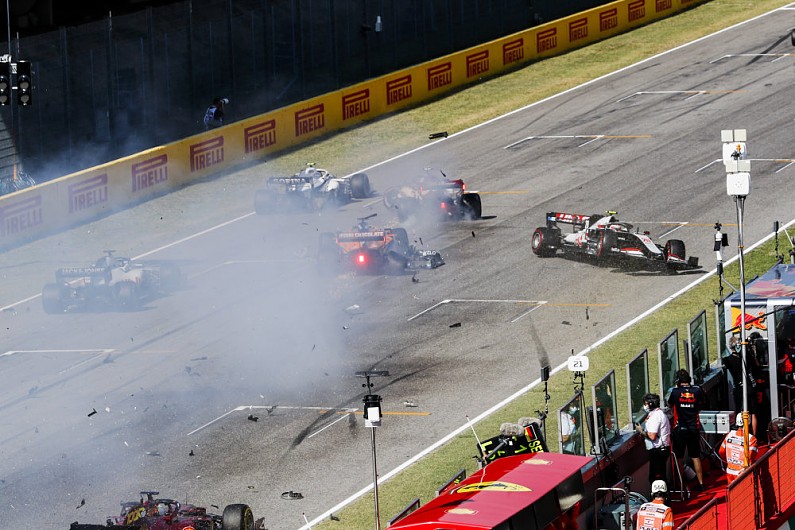
But then came the more recent issues. A multi-car pile-up in Tuscany led to numerous drivers blaming the safety car lights going out for the incident, but Race Director Michael Masi refused to take any responsibility and put the blame squarely on the drivers, in a somewhat derisive tone. And in Russia, we had the Lewis Hamilton practice start debacle.
The already flawed system has now been further undermined.
New Director, New Direction
Charlie Whiting was always going to be an impossible act to follow; the man was Formula 1.
Along with holding the all-important role of Race Director, he was safety delegate, chaired the driver briefings and wrote both the sporting and technical regulations – the ultimate poacher-turned-gamekeeper, attempting to keep the FIA a step ahead of the engineers looking for any possible loophole to exploit. Every driver had the utmost respect for him.
No one man would ever be able to fully replace Whiting but his most important role fell to Masi and, just seven races into his tenure, he was thrust abruptly into the spotlight.
Image credit: Imago Images
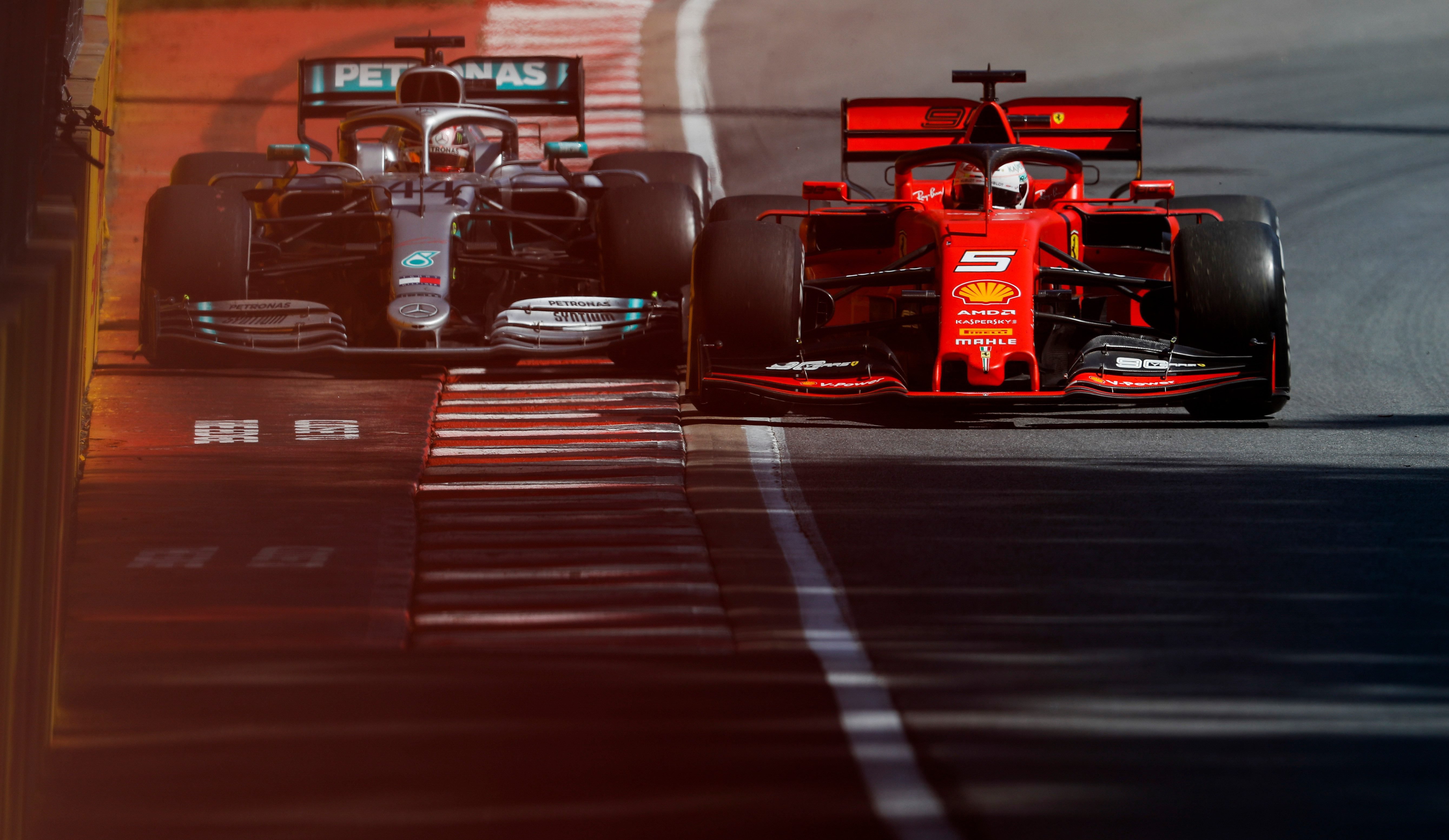
At the Canadian Grand Prix, after six races utterly dominated by Mercedes, the Ferrari of Sebastian Vettel was leading. However, on lap 48, he made a mistake under pressure from Hamilton and overcooked his entry into Turn 3, catching a snap of oversteer but in the process having to take to the grass.
He rejoined the track very close to Hamilton, who tried to go around the outside but was forced to back out as he was squeezed towards the wall. The stewards gave Vettel a five-second time penalty which effectively handed Hamilton the win and, likely in some part sparked by the unceasing Mercedes supremacy, many F1 fans took to their keyboards to vent their anger via social media.
For the record, I think it was the right decision. It was a very tough call, but the rules are the rules and they pointed to a penalty. It was uncannily similar to an incident in Japan 2018, between Max Verstappen and Kimi Räikkönen, which also resulted in a penalty and Whiting himself described as “a fairly straightforward one for the stewards”.
At the very next race, Verstappen – coincidentally at the same corner of the same circuit as the Stroll-Ricciardo incident – forced Leclerc wide and took the lead, along with the victory. Whilst in that incident, the Dutchman at least stayed on the track himself, it did appear to contradict the ruling from just two weeks earlier.
Seemingly in response to the public backlash from the Canadian Grand Prix, Masi and the FIA then announced a change in their approach when it came to applying penalties – in essence, that they would be more lenient and let the drivers battle it out on track as much as possible.
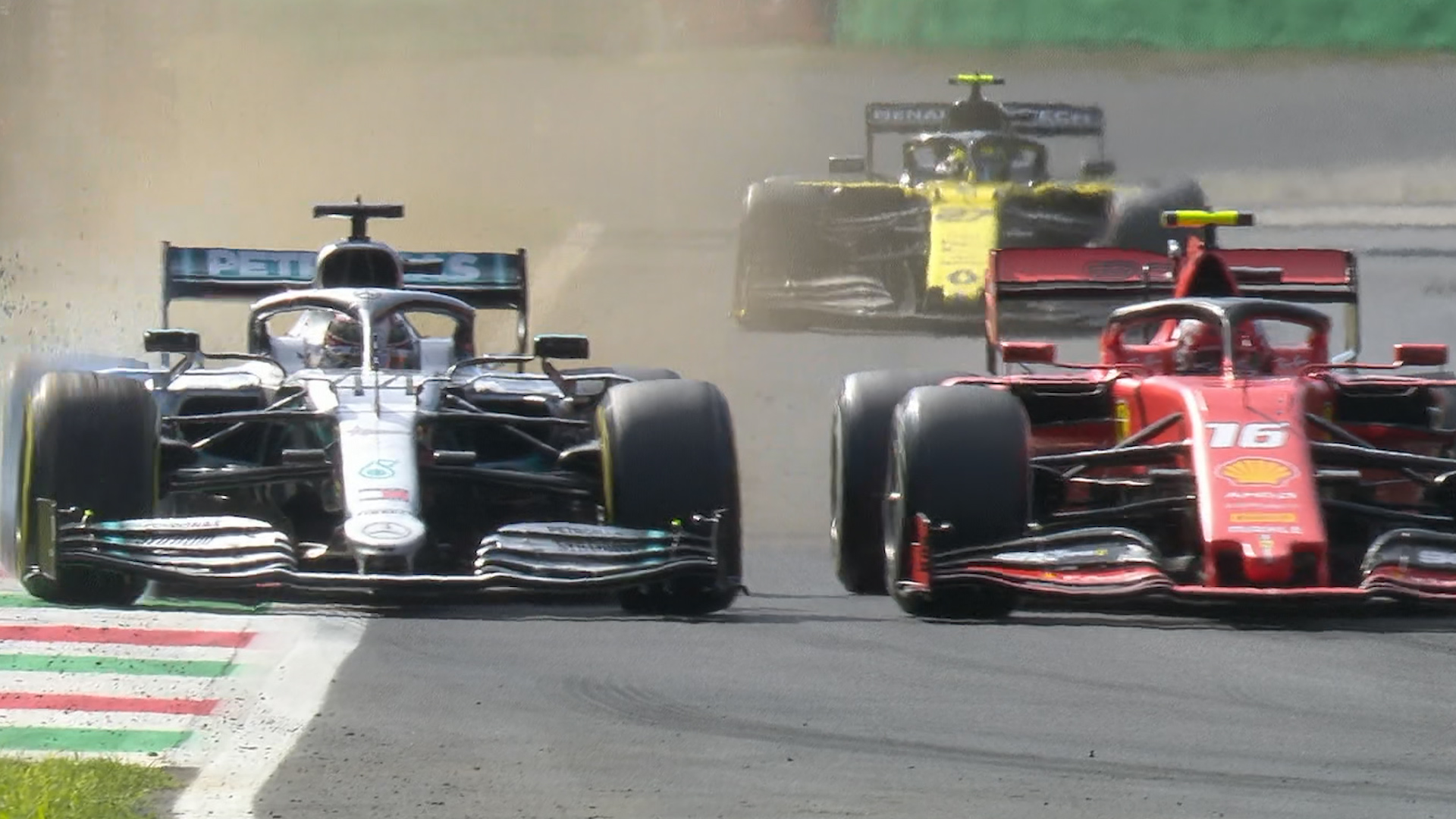
Later in the season, Leclerc would experience the other side of the coin as he forced Hamilton off the track whilst defending his lead of the Italian Grand Prix and received only a black-and-white flag as a warning for unsportsmanlike behaviour. Whilst explaining their decision-making, Masi stated that if the pair had made contact then it would have been a penalty rather than the black-and-white flag.
Image credit: Formula 1
This seems problematic. It is almost encouraging contact between drivers; in avoiding a dangerous move by another driver, the ‘victim’ of said move is putting themselves most likely off the track and doing the aggressor a favour at the same time.
We are in danger of veering towards the diving issue prevalent in football where players are required to produce theatrics in order to force the officials to make the right decision…
Is There a Solution?
We as fans must accept that the stewards have far more information than us to base their decisions on and that they are more experienced than 99% of us. That would be far easier, though, if the stewards were a consistent panel of respected figures who were fully accountable and explained exactly how and why they came to their decisions.A role as important as this, in a sport as enormous and opulent as F1, must be filled by the very best on a permanent basis.
Surely that’s not too hard for the senior leaders to put together – basically every other elite sport manages to do it.
The penalty points system may also need to be addressed as – whilst not inherently flawed – the application of points could probably be tweaked. The system was introduced in the wake of Romain Grosjean’s hit-and-miss (quite literally, at times) 2012 season and, in particular, the huge crash at the start of that year’s Belgian Grand Prix.
The rationale behind it is to prevent dangerous driving, but they are now seemingly being handed out as standard with most penalties, even when it was the team at fault.
Hamilton and Antonio Giovinazzi were given two penalty points when following team orders to pit in Monza. Another two points in Austria for the World Champion understeering into Alexander Albon on cold tyres seems a little harsh – it was a long way from a dangerous act.
The fact that one of the greatest drivers in the sport’s history – who is also universally accepted as one of the cleanest drivers on the grid – stands on the brink of a ban implies that the system should perhaps be looked at.
In the immediate future, simply some consistent calls would do. At the Styrian Grand Prix, in addition to what has already been mentioned, Sergio Pérez was allowed to drive around for three laps with a damaged front wing without seeing the black-and-orange flag – indicating a driver has a mechanical issue and must return to the pits – whilst Leclerc was given a 10-second penalty for the same offence at last year’s Japanese Grand Prix.
This is potentially due to the close call when Leclerc’s front wing end plate broke free and sliced off Hamilton’s wing mirror, but why are penalties suddenly being handed out dependent on the result rather than the letter of the law?
Consistency and transparency are vital. These are the basics and we should not have to be clamouring for them.
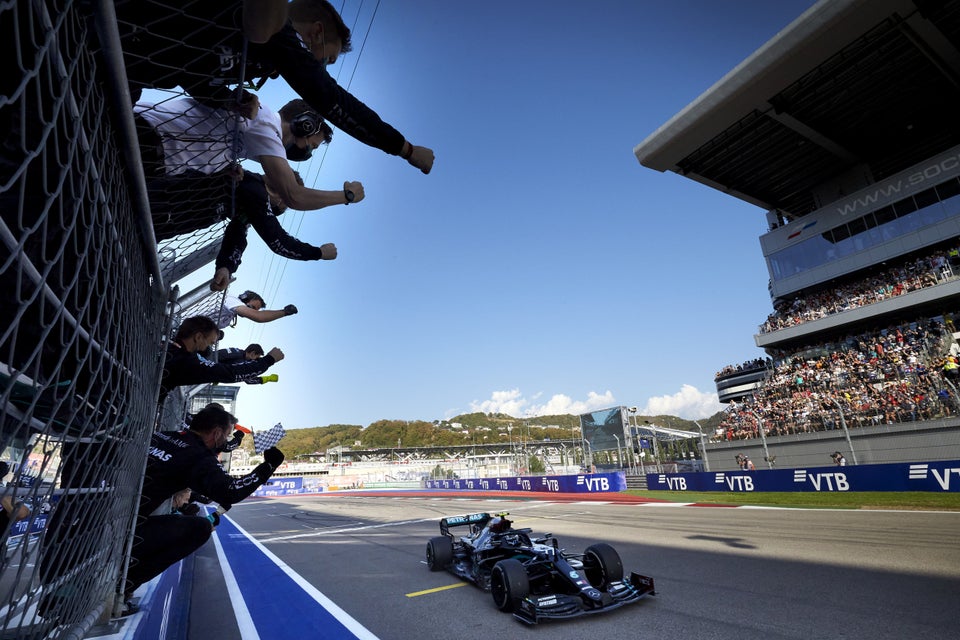
Valtteri Bottas finally took his second victory of the 2020 season at the Russian Grand Prix, as Lewis Hamilton suffered a weekend plagued by drama.
Things began to unravel for the championship leader during Q2 on Saturday. He ran wide during his first lap, which led to his time being deleted, and was just about to complete his second attempt when a Sebastian Vettel crash brought out a red flag. That led to a mad dash as most of the field attempted to get round and start a final lap in the two minutes remaining.
Hamilton passed the line with one second to spare and scraped through into final qualifying. His pole lap was characteristically emphatic – over half a second clear of Verstappen and Bottas – but he was always aware he would now have a fight on his hands in the race, as he had been forced to set his Q2 lap on the lesser-fancied soft tyre.
His problems would worsen before the lights even went out, however.
https://www.youtube.com/watch?v=nq-n9K7TxY4
He asked his team whether he was able to do his practice starts further down the pit lane as there was a lot of discarded rubber at the usual spot. The team confirmed – seemingly unaware of just how far down he meant – but the stewards saw it as an infringement and Hamilton was eventually given two five-second time penalties – one for each illegal practice start.
This, combined with his unfavourable tyre strategy, effectively removed him from the battle for the win and reduced the race at the front to a procession. Bottas didn’t put a foot wrong and claimed a comfortable victory, slightly narrowing the gap to Hamilton in the championship standings. He repeated his ‘open letter to his critics’ from Australia 2019 over the radio after the chequered flag but, frankly, there is only so much you can boast about a weekend where you qualified seven tenths behind your teammate and then profited from him receiving a penalty in the race.
Max Verstappen put two tough races in Italy behind him and resumed his M.O. this year of outperforming his Red Bull, miles clear of his teammate, and occasionally picking off a faltering Mercedes when the opportunity presents itself. Hamilton was never able to close in on the Dutchman, as he nursed his hard tyres for almost 40 laps and had to settle for third.
More First-Lap Chaos
Image credit: Reuters
Picking up where Mugello left off, there were plenty of incidents during the opening lap at Sochi. Carlos Sainz suffered a quite embarrassing retirement as he drove clean into the wall whilst attempting to navigate the bollards on the outside of Turn Two, hampering his teammate in the process as he bounced back onto the track. And a couple of corners later, Charles Leclerc clumsily understeered into Lance Stroll, pitching the Racing Point into the wall and out of the race. That brought out an early safety car.
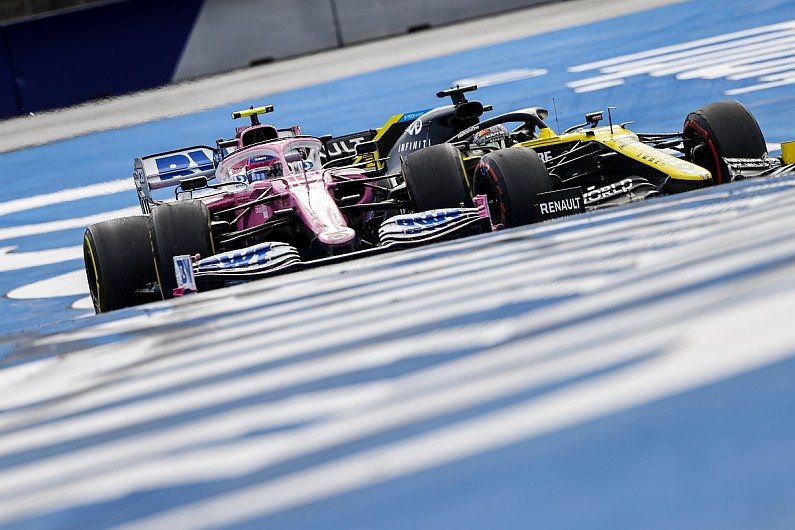
Once the race was back underway, Sergio Pérez got himself into fourth with a bit of trademark tyre preservation and comfortably held that position to the flag. An ungainly piece of synchronised swimming between the Renaults resulted in Daniel Ricciardo picking up a five-second time penalty, but he had enough pace to extend a gap from Leclerc and hold onto fifth, whilst teammate Esteban Ocon kept the fast-finishing Daniil Kvyat – on a contra strategy at his home race – at bay to complete a decent haul of points for the yellow cars.
It was another tough weekend for Alexander Albon. More than a second slower than Verstappen on Saturday – and seemingly flummoxed as to why – he qualified 10th, was then given a five-place grid penalty for a gearbox change and ended up at the back of the pack after the first lap mêlée. Red Bull gambled on switching him to the hard tyres under the safety car but getting to the end on them was always going to be an impossible task and, after another stop, he would eventually recover to 10th and a single point, behind the AlphaTauri pair.
Image credit: Getty Images
Breaking the Rules
So, is it more a case of drivers breaking the rules…or that the rules themselves are broken?
I feel like a broken record, having to speak about stewarding once again, but here we are. With controversy currently surrounding Hamilton, Leclerc and the bollards at Turn Two, the Russian Grand Prix became a story of rules as much as racing.
The Sochi track has never been a popular one – neither amongst drivers nor fans – and Turn Two has become a particular point of contention. George Russell describes it as “one of the worst corners of the calendar” and even proposed an alteration to it in a drivers briefing earlier this year.
It is just a poorly-designed corner – it’s as simple as that. It should be the main passing opportunity on a lap consisting mostly of dull 90-degree corners, but the way it narrows makes that difficult and, in past years, has led to much cutting of the kink which immediately follows. The attempts to counter that with strict measures such as time penalties is somehow worse though.
It really does feel like the FIA has lost its way when it comes to stewarding. We are now in a situation where Ricciardo – and later Albon – can receive five-second penalties for a tiny mistake, running slightly wide and in the process actually losing time, but Leclerc can take another driver out of the race and get away scot-free because it is the first lap of the race.
The alternative for Ricciardo and Albon was to attempt to get over to the bollards that define the accepted re-entry to the track, but those were criminally close to the wall and arguably less safe than rejoining in the normal manner. Whilst it was an undeniably humiliating crash for Sainz, it was on the cards. If you totally abandoned the corner – à la Verstappen on the first lap – then navigating the bollards was easy enough. But if you genuinely attempt the corner and end up that little bit wide, it’s practically impossible to get over to the bollards in time, as demonstrated by Romain Grosjean, who smashed through them in his attempt to follow the rulebook and brought out a VSC whilst they were replaced.
https://www.youtube.com/watch?v=P8N-UWbt4is
It is like the bigger picture has been totally abandoned by the FIA and its stewards.
Similarly, we had the penalties for Hamilton. A minor discretion in a “grey area of the regulations” – as described by Mark Webber and David Coulthard – before the race led to a significant in-race penalty. Hamilton was also awarded two penalty points on his licence, but they were later rescinded when the stewards determined that the team was at fault rather than the driver.
Why that’s the case here but not in Monza, where Hamilton also received penalty points for following a team order to pit, isn’t clear. Neither is it clear why it took so long for the stewards to change their mind, considering the radio of Hamilton being told he could perform the practice starts there were broadcast on the global feed immediately. And I won’t even get into the current conspiracy theories doing the rounds regarding steward Mika Salo and the Finnish commentary team receiving word on the penalties 15 minutes before they were announced…
Coulthard sums it up nicely when he says, “we’re just being bogged down by stewards getting in the way of allowing a sporting contest to play out”. This is needless micromanagement that has lost all sense of perspective. The stewarding process needs to be ripped apart and rebuilt from the ground up.
The Russian Grand Prix in 60 Seconds
Answering the Burning Questions
Can Lewis Hamilton match Michael Schumacher’s win record this weekend? Not this time.
Or will Valtteri Bottas continue his good form of past years at the Sochi track? …Kind of.
Or could a team other than Mercedes win the Russian Grand Prix for the first time?! Of course not.
Can Alexander Albon push on now that he’s claimed that first podium? Nope.
Who will top the midfield battle? Sergio Pérez in terms of a driver, Renault in terms of a team.
Hamilton is the hero again, but no more so than the Red Bull mechanics.
Image credit: LAT Images
Lewis Hamilton took a commanding victory at the 2020 Hungarian Grand Prix, winning in Budapest for the eighth time and, in doing so, matched Michael Schumacher‘s long-standing record for the most wins at one grand prix.
It is looking like the first of potentially a few Schumacher records to fall this year, considering the dominance of Mercedes and Hamilton now being just two podiums and five race wins behind the legendary German’s tallies.
The 86th victory of Hamilton’s career began in tricky conditions, with the track soaking wet from rain earlier in the day but drying out as the sun poked through the clouds and leaving the decision of which tyres to start on as a tight judgement call.
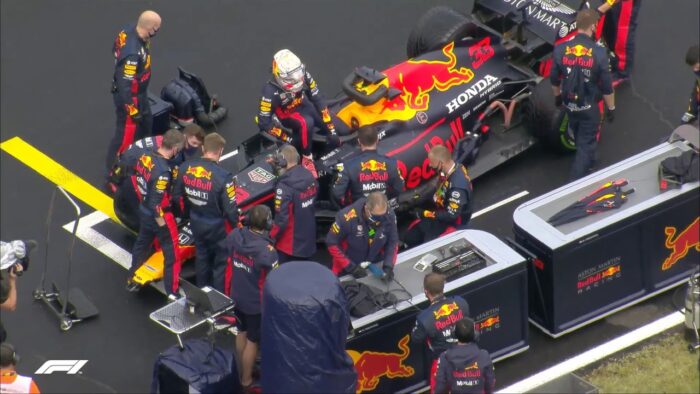
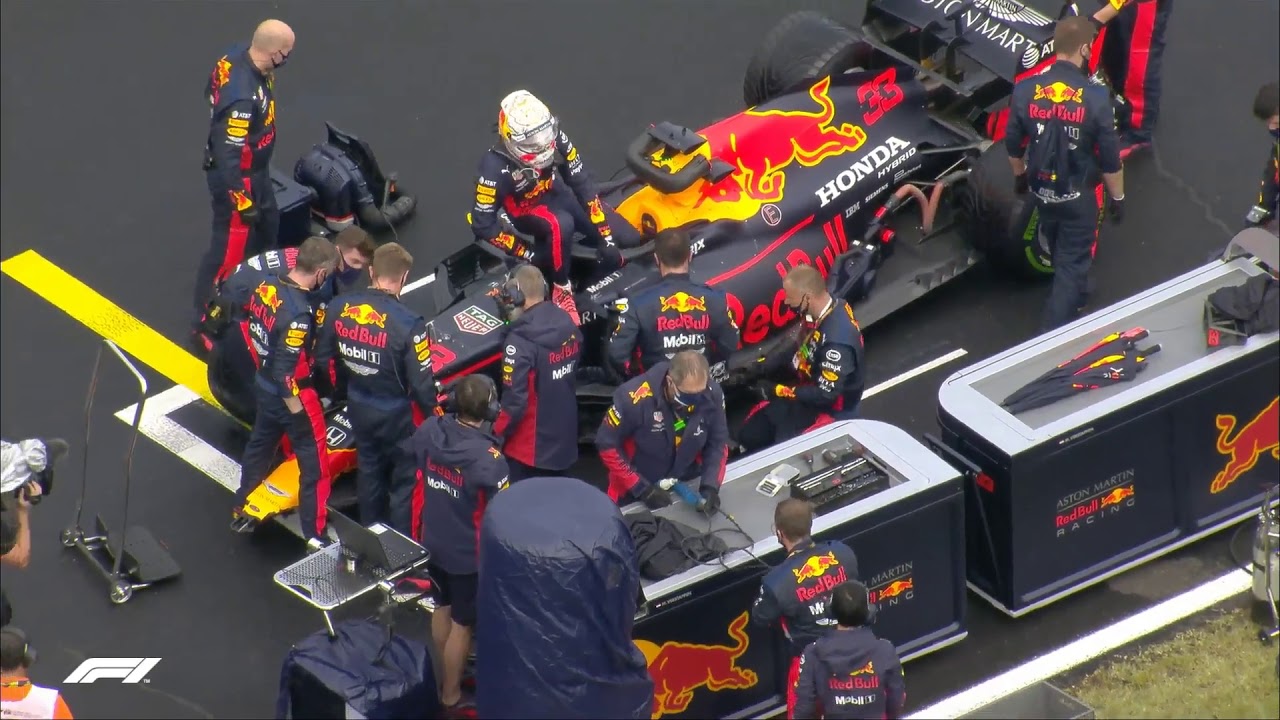
Max Verstappen – generally considered one of the very best in the rain – showed just how precarious the conditions were as he crashed on the way to the grid. Thus ensued a mad rush by the Red Bull mechanics to fix his broken front left push-rod in the remaining 15 or so minutes; they completed the work with 25 seconds to spare.
Image credit: Formula 1
The Dutchman demonstrated his gratitude, firstly over the radio and then on the track, with a stellar performance to take second place, having started seventh, and narrowly holding off the charging Mercedes of Valtteri Bottas in the final laps.
Bottas had got away poorly – he was fortunate not to receive a penalty for jumping the start after initially reacting to lights going out on his dashboard – and dropped back down the order on the run to the first corner. This is not the Bottas 3.0 that fans thought they had seen at the opening grand prix. He has now lost the championship lead to his illustrious teammate and will have to conjure up some renewed fire in his belly if he is to wrestle that lead back as we head for back-to-back races at Silverstone, where Hamilton has won five of the last six events.
And the world champion is showing some great form currently. He used all his wet-weather expertise to open up an eight second lead in the first couple of laps and, by the end, had a significant enough gap to Verstappen that he was able to comfortably pit for soft tyres and secure the extra point for the fastest lap. All in all, another masterclass to add to the collection.
Further back, Alexander Albon made a strong recovery after a disappointing qualifying to finish fifth, just ahead of Sebastian Vettel. Both drivers needed a good result and will surely have got some critics off their respective backs, for a while at least.
Neither came close to challenging Lance Stroll in the Racing Point, however, who coasted to a comfortable fourth position – the second-best result of his career. The ‘Pink Mercedes’ was undoubtedly the second-best car during qualifying and, whilst they faded a little in the race, were impressive enough to raise hackles a little more in the paddock. Renault have now lodged a second protest against the Racing Point car, before even having heard the result of their first one.
Image credit: XPB Images
An inspired call at Haas to pit at the end of the formation lap for dry tyres led to the struggling team running third and fourth in the early stages. They predictably fell down the order, but Kevin Magnussen hung on commendably to finish ninth on the road. They would later receive a penalty for breaching regulations regarding driver aids by instructing the pair to pit on the formation lap, but Magnussen still earned a single point -their first of the season – for 10th, at least.
Meanwhile, Red Bull survived without a penalty despite having clearly been caught drying the track on Albon’s grid spot…
Yet More Stewarding Inconsistency
It is so very hard to predict which way a stewarding decision is going to fall currently; it’s as if they are making it up as they go along. But then I suppose that is not a huge surprise when you have a panel that changes from race to race.
Last week saw the bewildering decision not to penalise Stroll for his attempt to pass Daniel Ricciardo late on in the Styrian Grand Prix. He clearly forced Ricciardo off the track – left the track himself for good measure – and then kept the position. It seemed a ‘slam dunk’ penalty to most of the paddock, thanks to the trifecta of forcing another car off the track, violating track limits and completing an overtake off the track all in one move. As well as, arguably, rejoining in an unsafe manner as he blocked Lando Norris upon his return.
The stewards, however, saw things differently. As is often the case, there was not much of an explanation as to their decision, which deemed it a “racing incident where neither driver was wholly to blame”. Ricciardo said he thought it was “crystal clear” that it should have resulted in a penalty and, considering all he did was avoid a collision, it is difficult to see how the stewards apportioned any blame upon him.
Image credit: LAT Images
This is the crux of the problem; the fans – and even the drivers – are often left bemused by the decisions and no one is there to justify them. I have called for it before, but what we really need is a consistent panel of respected figures who are fully accountable for their decisions and explain exactly how and why they have come to them.
A Crash Back Down to Earth for Lando
After two extraordinary races to open the season for Lando Norris, Sunday saw things go far less smoothly for the 20-year-old. After what he described as “the worst start I’ve ever got in my life”, he fell to the back of the field and, from there, never really recovered.
The Hungaroring is notoriously hard to pass on and the McLaren driver could only recover to finish 13th in the end. Still, with two stellar performances out of three so far, things could be going far worse and I’m sure, if you had offered him fourth in the championship standings at this point before the season started, he would have bitten your hand off.
Can Ferrari make some progress this weekend (and maybe not immediately crash into one another)? It wasn’t all plain sailing but certainly an improvement on the previous two races.
Will Lewis Hamilton match Michael Schumacher’s record for the number of wins at one GP with an 8th triumph in Hungary? Yep.
How will Racing Point respond to the protest about their car? By being ever more in-your-face with their speed, if anything.
Will the interview requested by Sebastian Vettel (with Martin Brundle) prove to be a major announcement? No, but it’s a thoroughly entertaining watch.
With more thunderstorms forecast, could it be another wet and wild weekend? It threatened to pour throughout the weekend, but we only ever got hints of rain when it really counted.
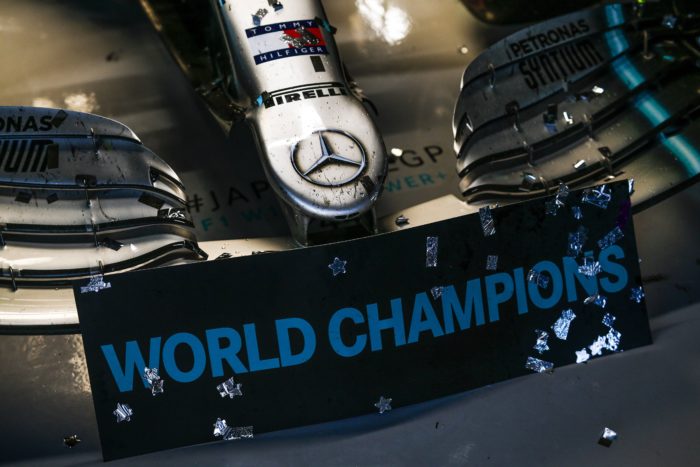
Some questionable strategy but, nevertheless, Mercedes are champions.
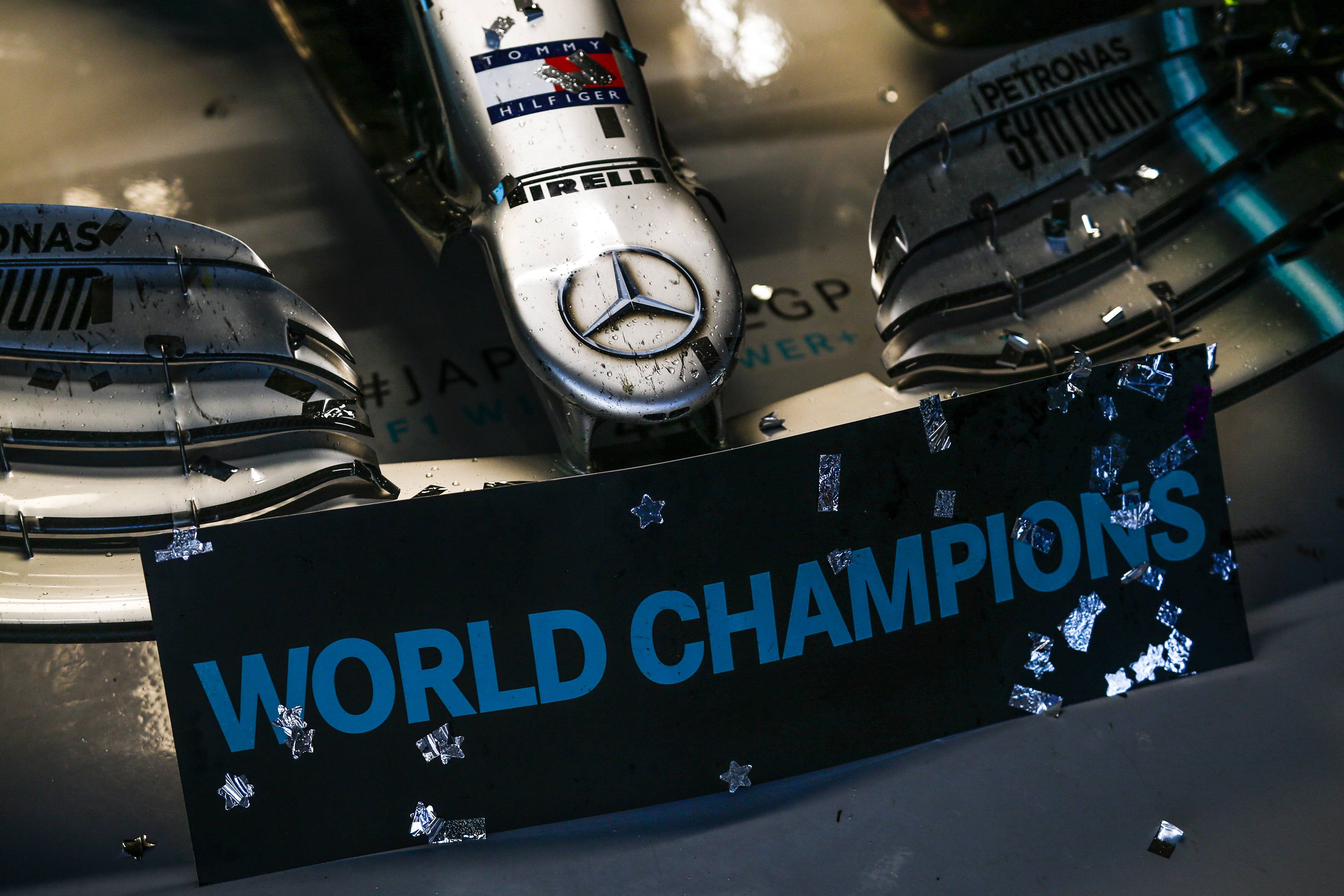
With Ferrari finding new and ever more inventive ways to capitulate, Valtteri Bottas came home a comfortable winner at the 2019 Japanese Grand Prix and sealed the Constructors’ Championship for Mercedes. The result also confirmed that only Bottas or his teammate, Lewis Hamilton, can now win the Drivers’ Championship so that is a record six consecutive world championship doubles for the Silver Arrows.
Whilst some may be tired of the recent domination within the sport, you have to admire the consistency with which the team operate. It is worth remembering that we are witnessing history in the making. In the future, people will surely point back to arguably now the greatest team the sport has ever known. The efficiency with which the German marque is renowned came to the fore at the beginning of the hybrid era in 2014 and the relentless Mercedes machine has rumbled on ever since, crushing all in its path.
It is a shame that Niki Lauda is not around to see them break the record as he was so instrumental in that success. He played a crucial role in convincing Hamilton to join the team and, together with team principal Toto Wolff, formed a fantastic management team. Touchingly, Lauda was remembered by his infamous red cap in the celebratory photos.
As for the race itself, there is a fair amount to discuss.
Typhoon Hagibis swept through the area on Saturday and produced the rarity of a Sunday morning qualifying session. Having looked considerably off the pace in Friday’s practice sessions, Ferrari produced a surprise front row lock-out, with Sebastian Vettel outqualifying his teammate, Charles Leclerc, for the first time since June to take pole position.
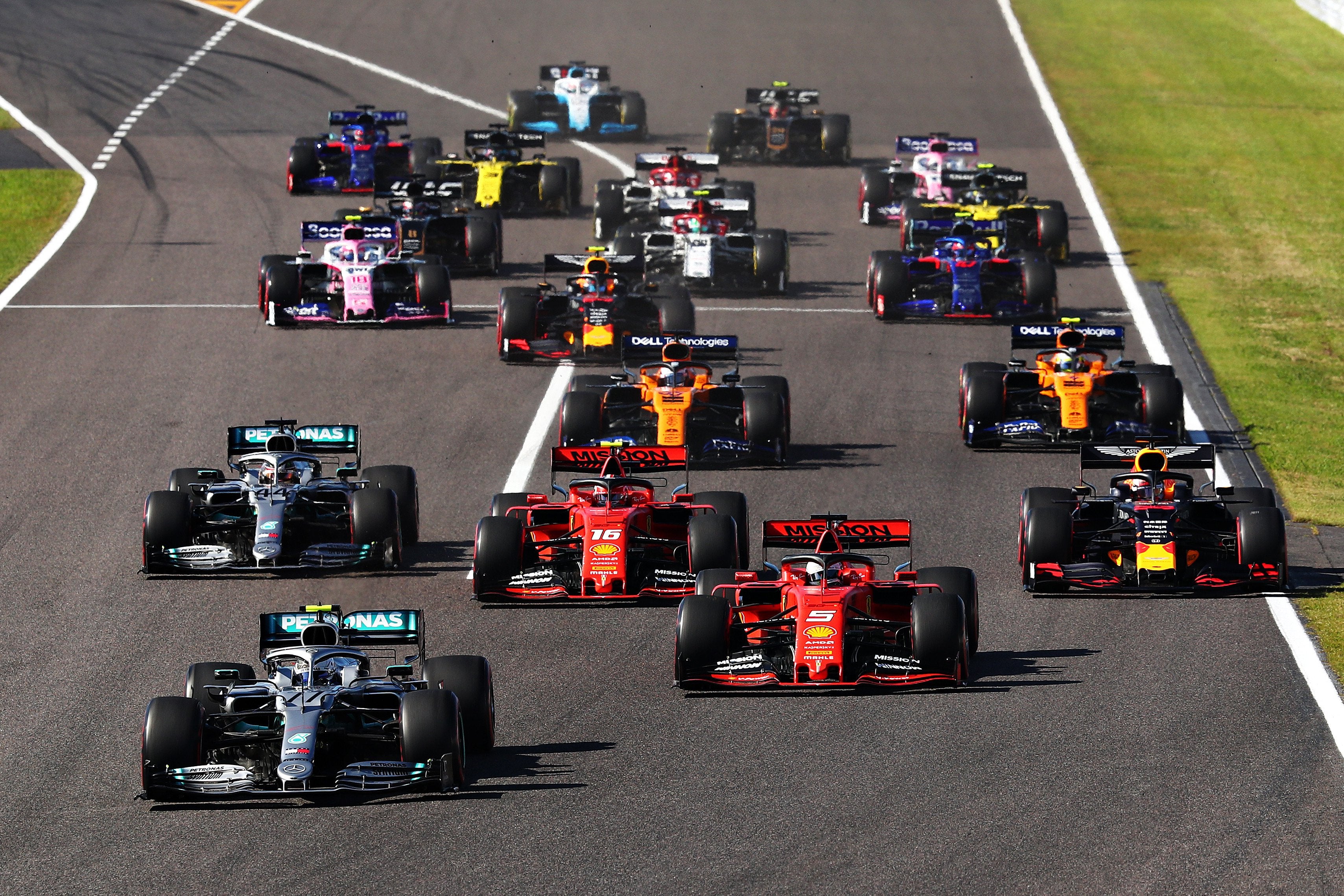
However, Ferrari’s joy was to be short-lived as three hours later, at the race start, everything rapidly fell apart.
Image credit: Getty Images
Vettel produced what appeared to be a false start. It would eventually prove to be legal, due to the peculiarities of the regulations and the sensors. Despite moving before the lights went out, Vettel stayed within the confines of his grid slot and, because he braked instantly, was stationary when they did. Thus, it was a legal start.
But not a good one.
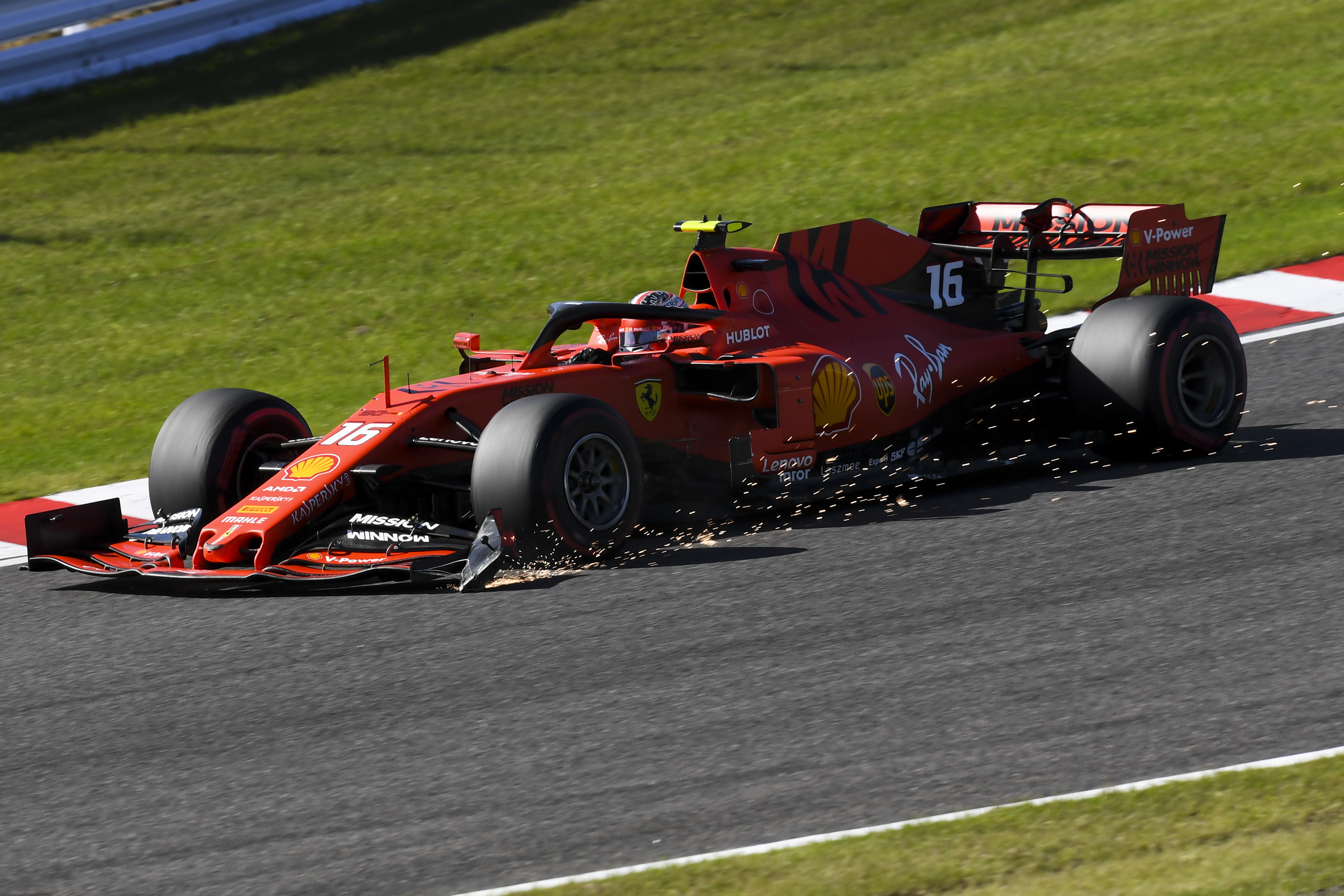
Whether distracted by this teammate or not, Leclerc also got away poorly and Bottas was comfortably leading by the first corner. Hamilton had nowhere to go but Max Verstappen had his eyes on third and set about storming around the outside. Leclerc, however, understeered into him and wrecked the Dutchman’s race – he would retire from the damage on lap 17. Leclerc survived but with damage to his front wing. He pitted on Lap 3, after showering those behind him with bits of carbon fire, and spent the rest of the race fighting back through the field.
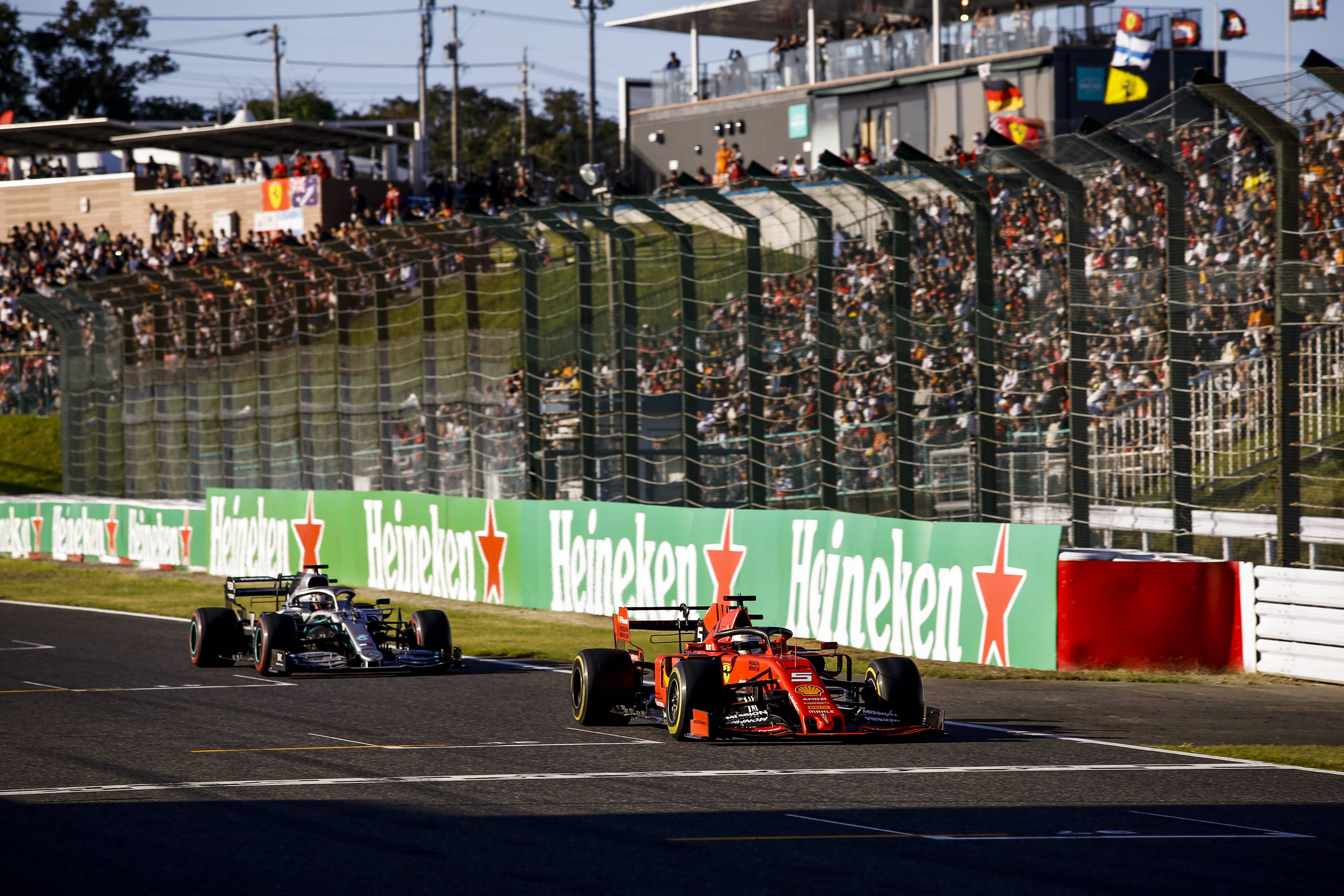
The front three of Bottas, Vettel and Hamilton broke away from the pack and it became apparent that strategy would be key. The Ferraris had been suffering with their tyres more and expected to two-stop, whilst Mercedes were aiming for just the one.
Vettel was first to blink on lap 16 and Mercedes responded by pitting Bottas the following lap. Hamilton was left out with the intention of one-stopping but this was always going to be tricky as Saturday’s typhoon had washed the track clean of rubber and left it very ‘green’. The tyres, already damaged by following Vettel, degraded quickly and Hamilton found himself almost a pit stop behind Bottas in the space of a few laps; the world champion was soon on the radio, agitated and confused by his strategy.
The particularly confusing decision by Mercedes, however, was when they bailed out of the one-stop and pitted Hamilton with 10 laps remaining. Passing the Ferrari of Vettel – with its significant straight-line speed – combined with the layout of Suzuka, was always going to be a tall order, even with fresh tyres. And so it proved to be as he closely followed Vettel home but never truly challenged him.
Image credit: DPA Picture Alliance
Hamilton has shown his expertise when it comes to managing degrading tyres and defending positions many times in the past and would surely have been better off attempting that. The worst case scenario there would be that both Bottas and Vettel pass him and then Hamilton would have pitted anyway as there was well over a pit stop’s time back to Alexander Albon in fourth.
This obsession Mercedes appear to have with the overcut – certainly when it comes to Hamilton – is quite strange considering its lack of success. In this instance, it looks a bit like they were wary of Hamilton and Bottas fighting on track and so removed him from the situation. You get the sense that the Mercedes strategy team may have been a bit flattered by the dominance of their car in recent years.
Either way, Bottas didn’t put a foot wrong out front and picked up a deserved victory – his first since Baku in April.
More Points for Sainz, More Bad Luck for Norris
It was another strong drive for Carlos Sainz and another fifth place come the chequered flag. That moves him up to sixth in the Drivers’ Championship and moves McLaren another step closer to sealing fourth in the Constructors’ Championship. The Spaniard really is showing his full ability now, after a difficult year at Renault in 2018, and is potentially making Red Bull question their decision to release him. Whilst obviously far more experienced, he is only actually 18 months older than Albon and Pierre Gasly…
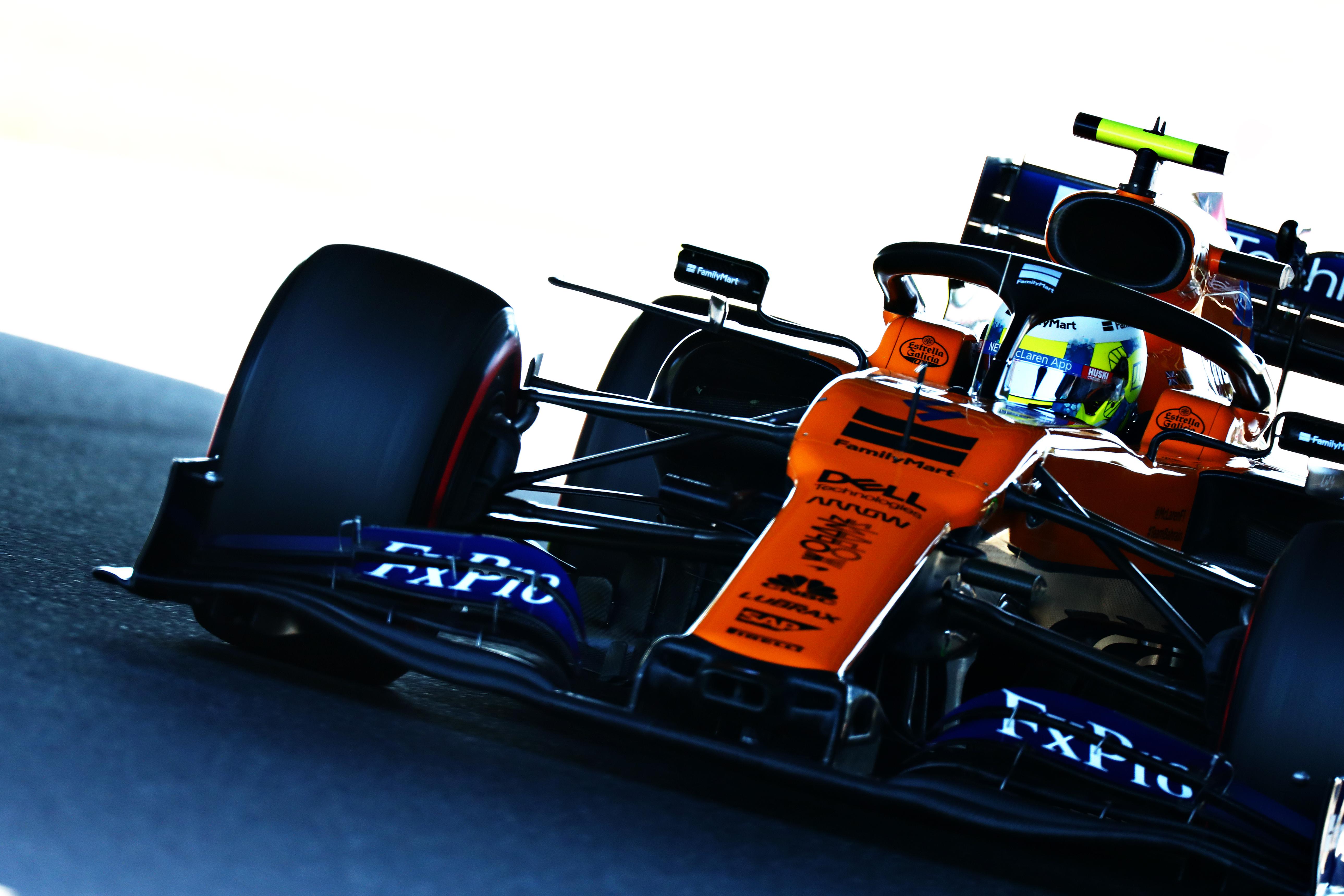
His teammate, Lando Norris, on the other hand, reverted back to form. That form being a promising race ruined by bad luck and factors beyond his control. The teenager was following his teammate comfortably in sixth for the first few laps but then collected some shrapnel from Leclerc’s disintegrating car in his brake duct, which began to overheat.
Image credit: Getty Images
To add insult to injury, just as he was about to take an early pit stop to have the debris removed, Albon launched an overambitious divebomb into the final chicane and clumsily punted his friend off the track. Norris recovered to the pit lane, his brake now on fire. He returned to the track and fought gallantly for the remainder of the race, finishing 13th, but it was another haul of points lost.
By rights, Norris should be close behind Sainz in the championship. It has been an impressive debut season for an immensely likeable character and, with some better luck and a bit more experience – particularly when it comes to race starts – the young man from Somerset could really challenge in the next couple of years.
Is Michael Masi Producing Problems?
Speaking of Albon’s overambitious divebomb, which went unpunished, it feels like F1’s stewarding and regulations are suffering from something of an identity crisis.
Michael Masi was a fairly popular replacement when we sadly lost Charlie Whiting on the eve of this season. He was stepping into some particularly large shoes and, for the first few races, he went mostly unnoticed – ergo, he was doing a fine job. But since the backlash caused by Vettel’s – in my opinion justified – penalty in Canada, Masi and co decided to change their tact somewhat and allow harder racing.
I brought up some potential issues after the Italian Grand Prix, when Masi announced that they would now be using the black and white flag more often, which I’m fine with in principle, and that Leclerc would have received a penalty had he made contact with Hamilton, which I think is somewhat ridiculous considering Hamilton had to leave the track to avoid said contact. Read that Grand Prix’s report for a more detailed analysis.
Since Verstappen’s move in Austria, the drivers have started to push the limits, finding out just how much they can get away with. And the answer appears to be a lot.
Hard racing, for me, is two drivers on the very edge but not quite making contact. Think Albon-Kvyat in Hungary this year or, particularly, Hamilton-Alonso in Mexico 2017. That’s surely the kind of racing we want to see.
But suddenly, in the space of a few races, it seems that clumsily throwing your car at the apex – Albon didn’t appear in a position to even make the corner without using Norris as a stopper – and knocking another car out of the way is apparently now okay.
This looks ridiculous when driving the wrong side of a bollard, as per Kevin Magnussen in Russia, gets you a time penalty. The lines are becoming too blurred and the stewards are losing authority. I just hope it doesn’t take a massive incident to provide perspective about what is and isn’t acceptable.
Japan was a sloppy weekend all round when it came to stewarding.
The casual viewer would struggle to understand why Vettel did not receive a penalty for what was a very visible jump start – we had expert analysts guessing at the minutiae, attempting to justify the decision – especially as Kimi Räikkönen received a penalty for an almost identical error at the very last race. It also took the best part of half the race for the stewards to reach their decision.
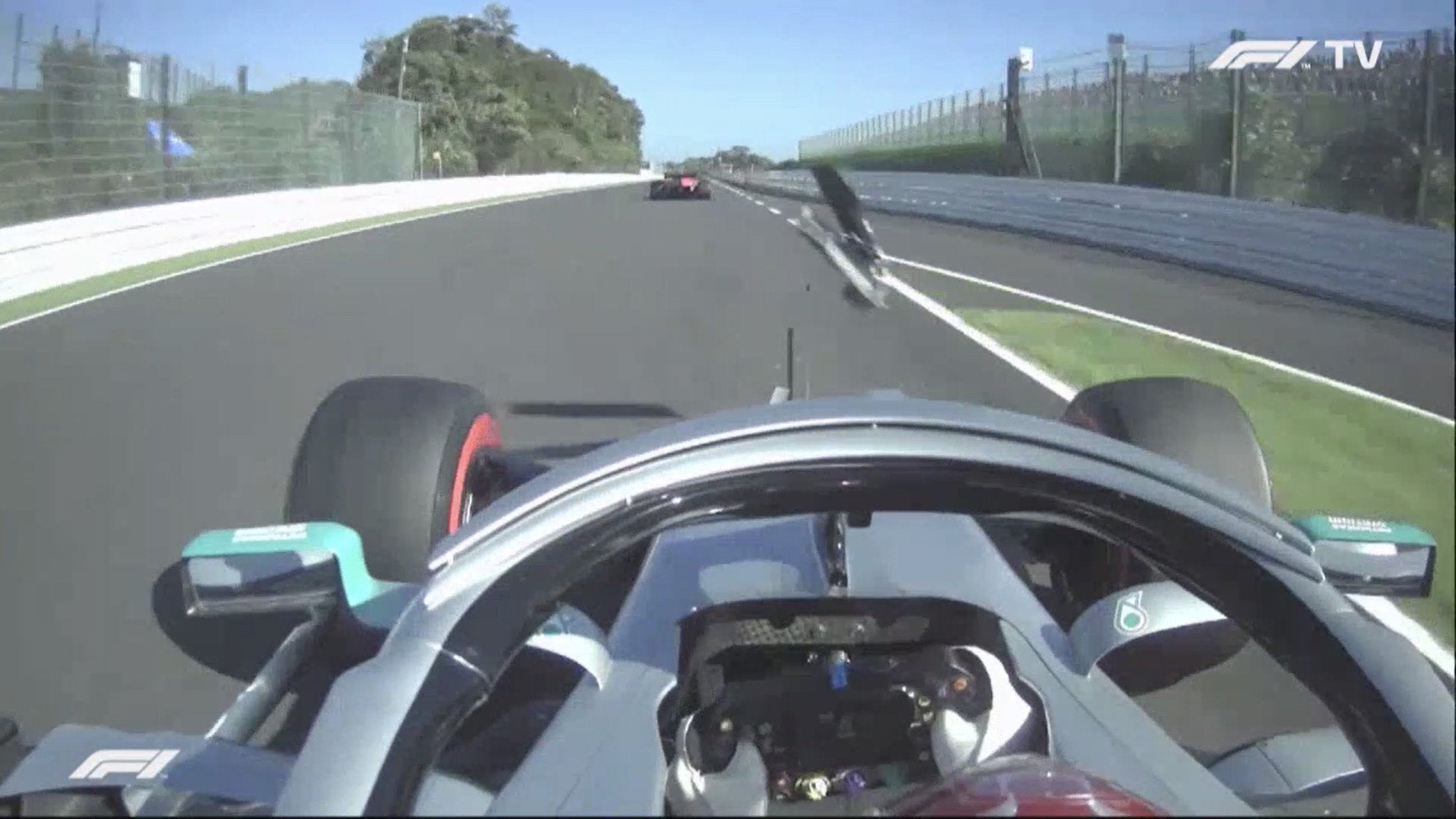
Then there was the fiasco with Leclerc’s damaged car. The blame appears to be shared by Leclerc, Ferrari and the FIA. Firstly, Ferrari called Leclerc in but he ignored the request and responded “Why?!” after having passed the pit entry. One lap later, just after the endplate had flown dangerously close to Hamilton, Ferrari told Leclerc not to come in. But the simple fact is Leclerc should immediately have been shown the black and orange flag and forced to come in by Race Control. Apparently Ferrari ‘promised that they would bring him in on the second lap’, only to go back on their word when the endplate fell off. But who is running the sport again?..
Image credit: Motorsport Images
So much time and effort has gone into safety in recent years and yet we have cars allowed to drive round at full racing speed, leaving a slew of sharp carbon fibre in their wake. That endplate sliced Hamilton’s wing mirror off; I can’t imagine it would have been pleasant had it struck him, just a few inches to the left. We have seen similar incidents in the last decade that resulted in a coma for Felipe Massa and the tragic death of Justin Wilson.
It was plainly obvious that Leclerc’s wing would not survive long and that it would most likely give up at the fastest part of the track. He also had a loose wing mirror which broke off later in the race. No one from Race Control even seemed to acknowledge that.
Leclerc and Ferrari were eventually given five and ten second penalties for the Verstappen incident and then not pitting respectively after the race. But, regardless of the fact that they are quite lenient penalties, why did the decision take so long? The first penalty seemed an absolute slam dunk – it was particularly bizarre that the initial decision was ‘no further action’ before it was then reopened – and five seconds after the race is considerably different to five seconds early in the race with traffic to navigate.
Image credit: Formula 1
Drivers with dangerous damage such as this should be shown the black and orange flag and forced to return to the pits at a reduced speed. It’s as simple as that for me.
And finally, to top things off, the new virtual chequered flag, which officially ends the race, was somehow produced one lap early. This actually changed the race result as Sergio Pérez’s last-lap retirement from eighth place was undone. Imagine if Hamilton had dramatically passed Vettel in the final few corners…
This is the very highest echelon of motorsport and it should feel as such. Right now, it doesn’t.
The Japanese Grand Prix in 60 Seconds
Answering the Burning Questions
Will there be more drama at Ferrari? Of course. But at least there was no drama between the drivers this time.
What effect will the Mercedes upgrade have? Hard to say. On Friday, it looked massive but then the Ferraris locked out the front row.
Are we going to have (lots of) rain with a typhoo heading for Suzuka? Yep. But it was all on the one day and didn’t affect a single session with the Saturday cancellation.
Can Mercedes wrap up the Constructors’ Championship? They can!
Which enthusiastic Japanese fan will have made the best hat? Got to be this one for me.