For a variety of reasons, including a lot of work and a trip to Mexico, I haven’t been able to write race reports for the first three grands prix this season.
There was also the issue of my falling out of love with F1 at the end of last year, which left me short on motivation.
However, the first race of the year did a lot to counter that.
A Positive Start in Bahrain
Image credit: Scuderia Ferrari
After pre-season testing, I was wary of a season of Red Bull and Max Verstappen domination. All allegiances aside, that really was the last thing the sport needed as it headed into its new era.
With the huge controversy of Abu Dhabi having left a bitter taste in the mouth for many, a runaway championship for the man who earned his maiden title via Michael Masi’s questionable decisions on lap 57 at the Yas Marina Circuit would not have been a good way for F1 to turn over a new leaf.
Whilst Mercedes have faltered, as their dramatic sidepod – or lack thereof – design seemingly left them suffering worse than most with the returning phenomenon known as ‘porpoising’, Ferrari have fortunately returned to the front to give us a title battle.
And armed with a truly frontrunning car, Charles Leclerc has been reminding the world exactly what he is capable of.
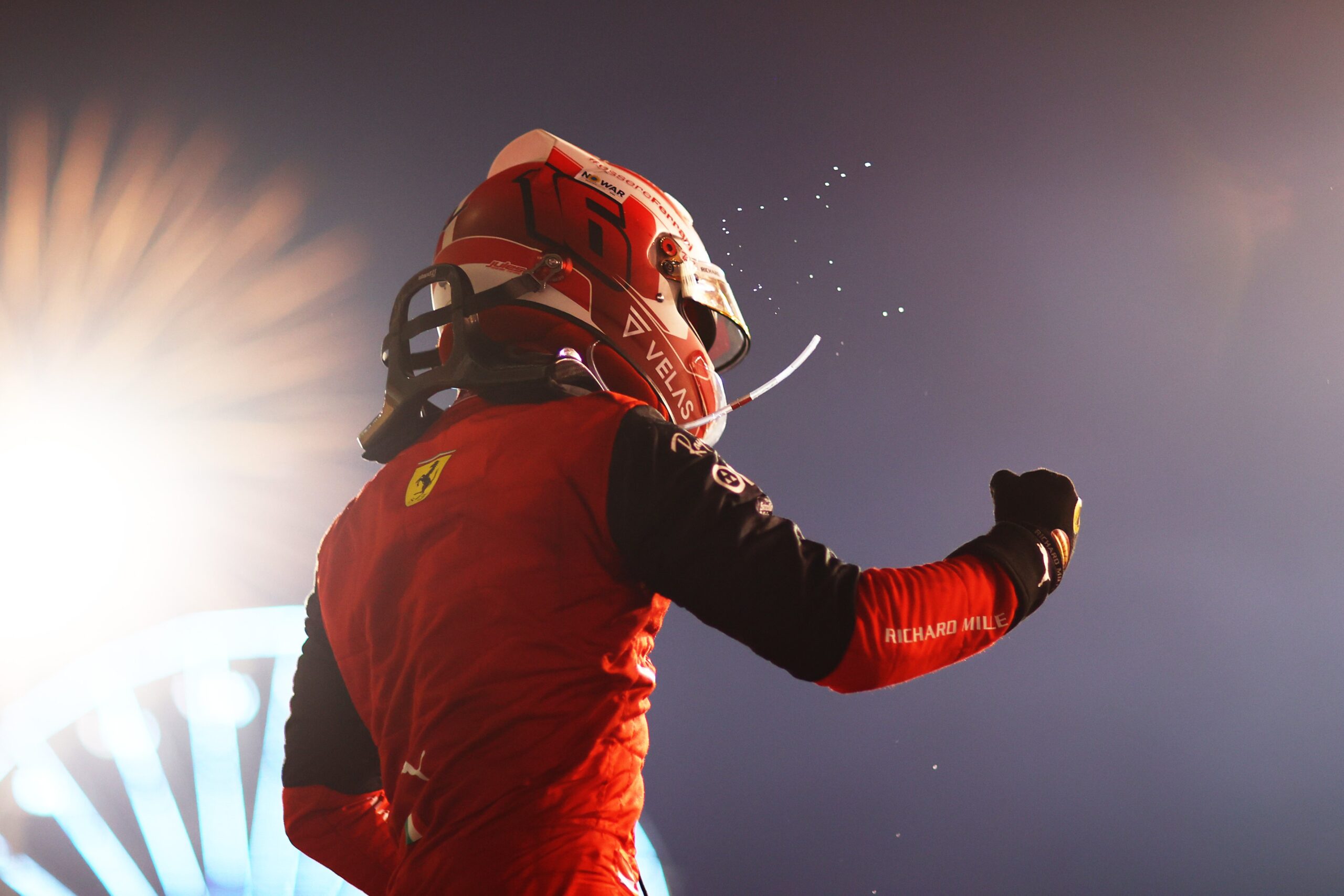
A thrilling battle with Verstappen at the season-opener in Bahrain ended up with the Ferrari man on top, the pair having gone wheel to wheel for a number of laps, but Leclerc using the DRS zones smartly and then building a gap to take his first victory since delighting the Tifosi at Monza in 2019.
Image credit: Getty Images
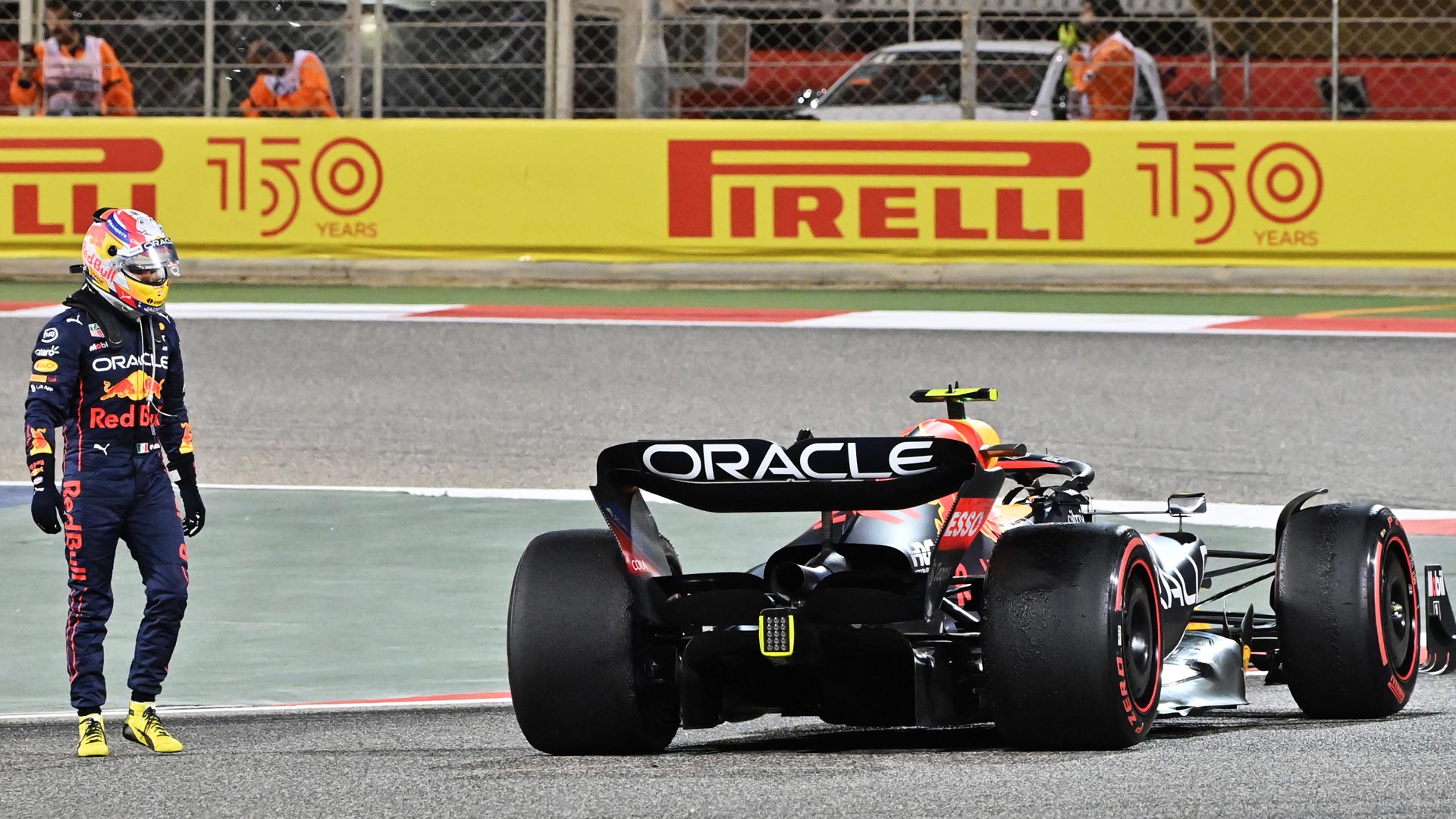
Things fell apart for the Red Bulls late on – Verstappen was forced to pull into the pits and retire just three laps from the end with a lack of fuel pressure, and teammate Sergio Pérez then suffered the same issue two laps later.
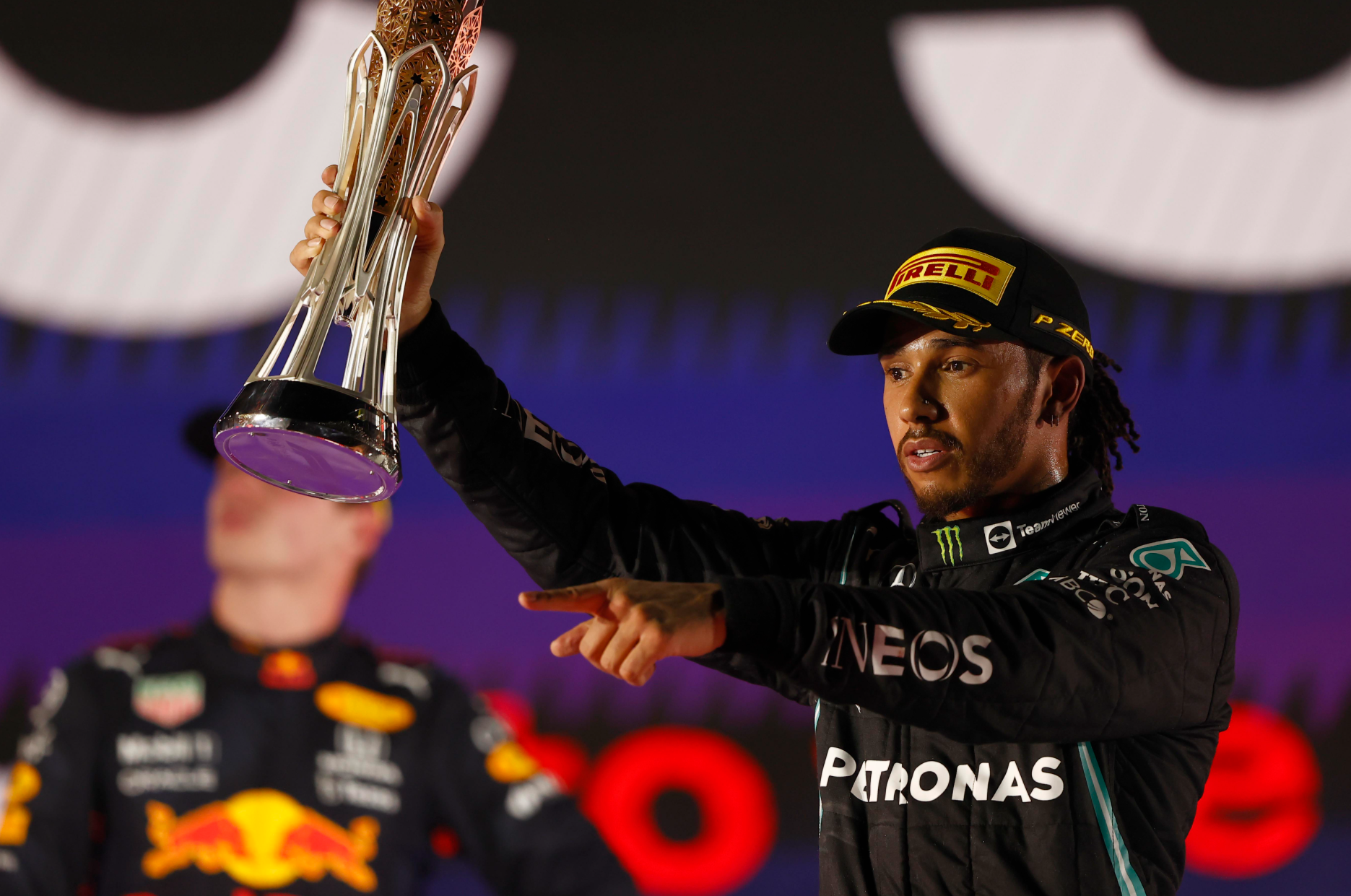
An exciting fight for the win – that hinted towards an exciting fight for the title – culminating in late drama, a Ferrari 1-2 and a surprise Lewis Hamilton podium – how many years has it been since those words would make sense together?.. – meant that the start of this season did a decent job of starting to make amends for the end of the previous one.
The Wrong Kind of Drama in Jeddah
The two drivers – who have been rivals since their karting days – were back at it again a week later in Saudi Arabia.
The scene of perhaps Verstappen’s most contentious performance during the title battle with Hamilton last year, this time the Dutchman kept it clean and ultimately took the win.
Image credit: XPB Images
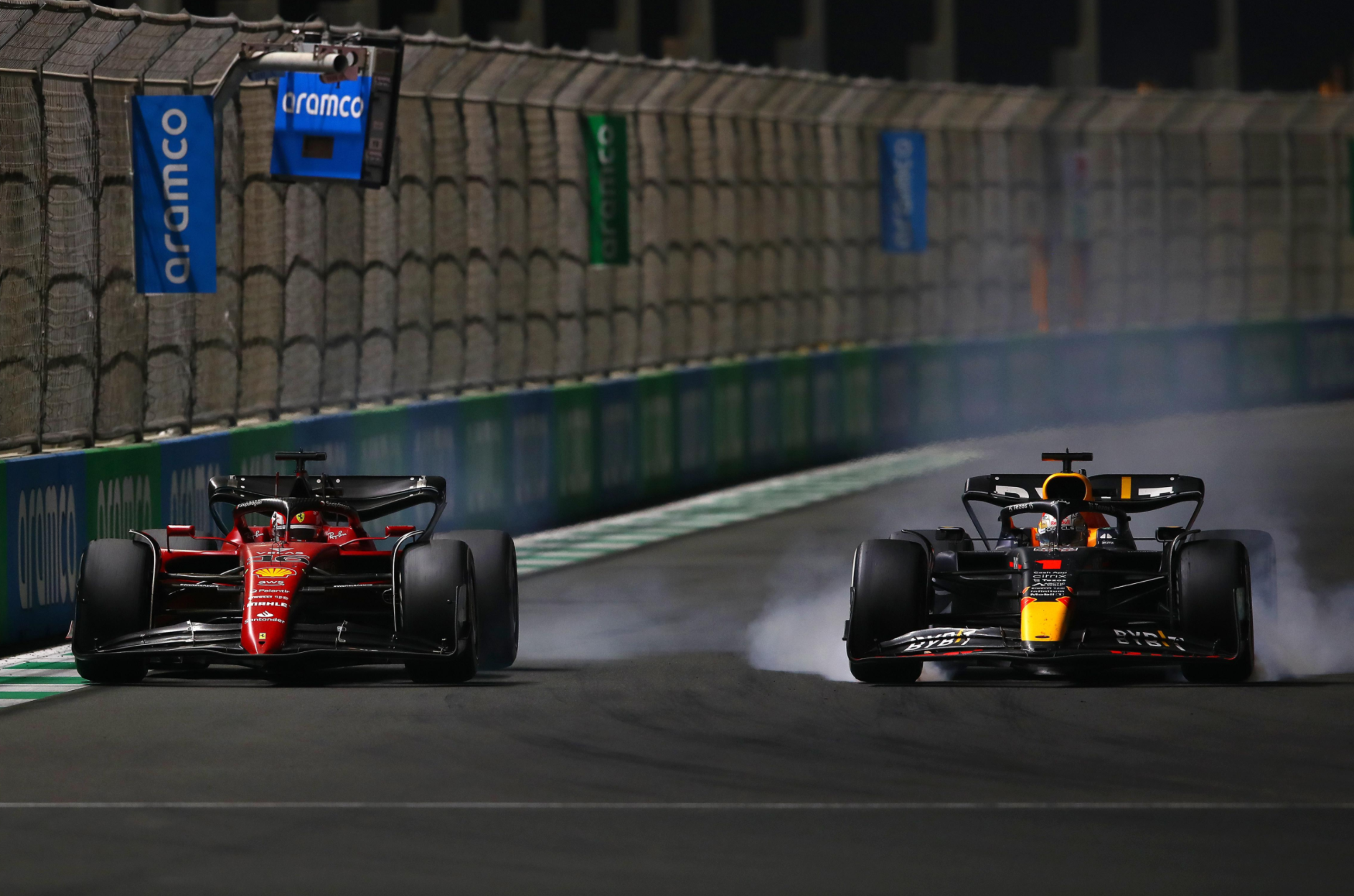
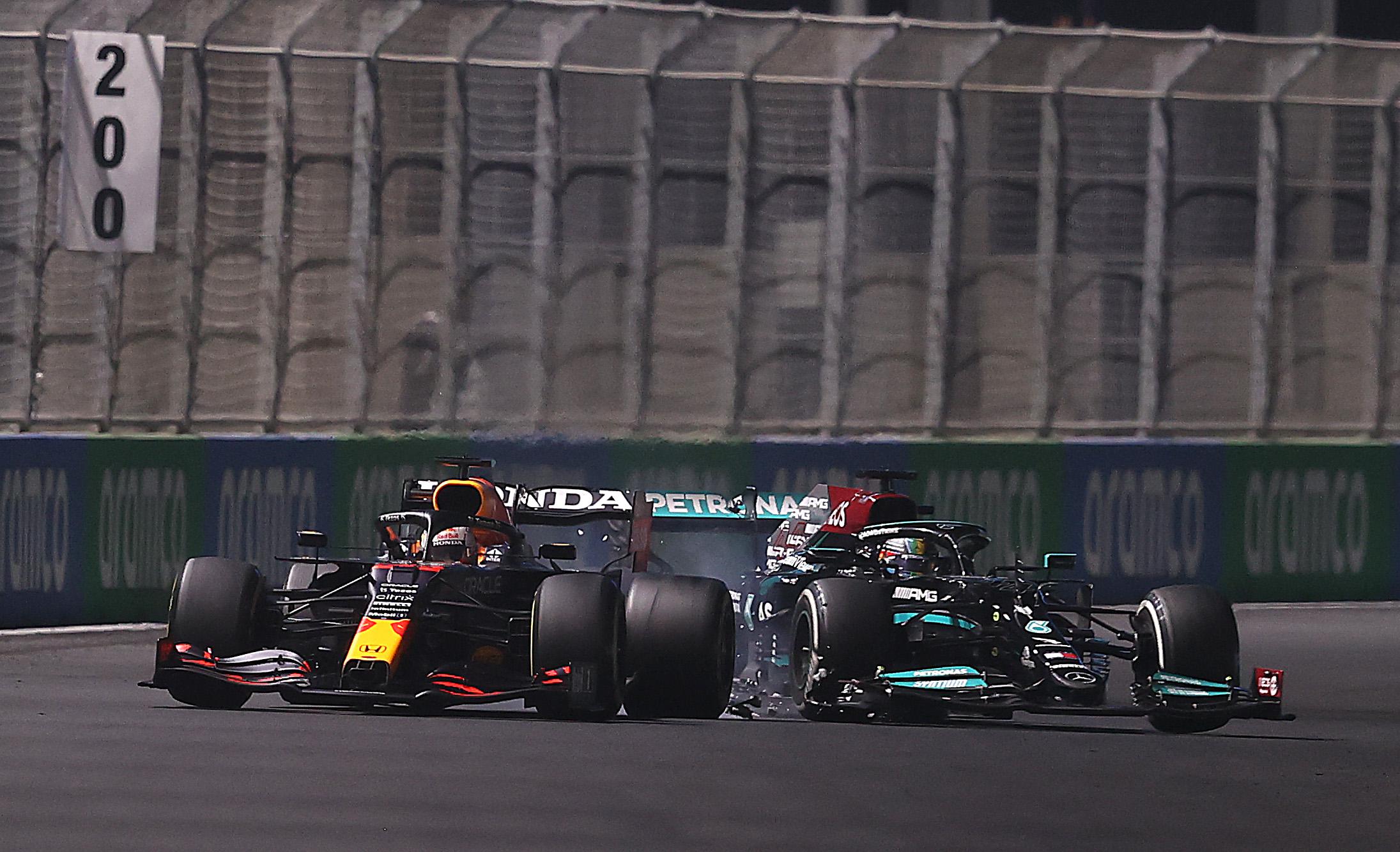
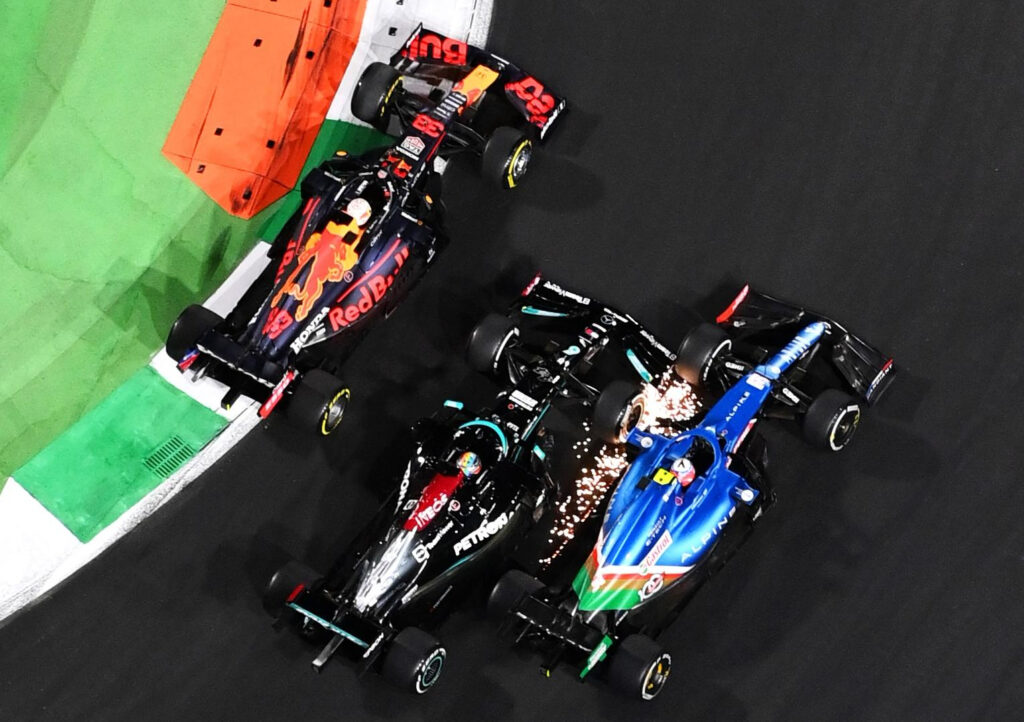
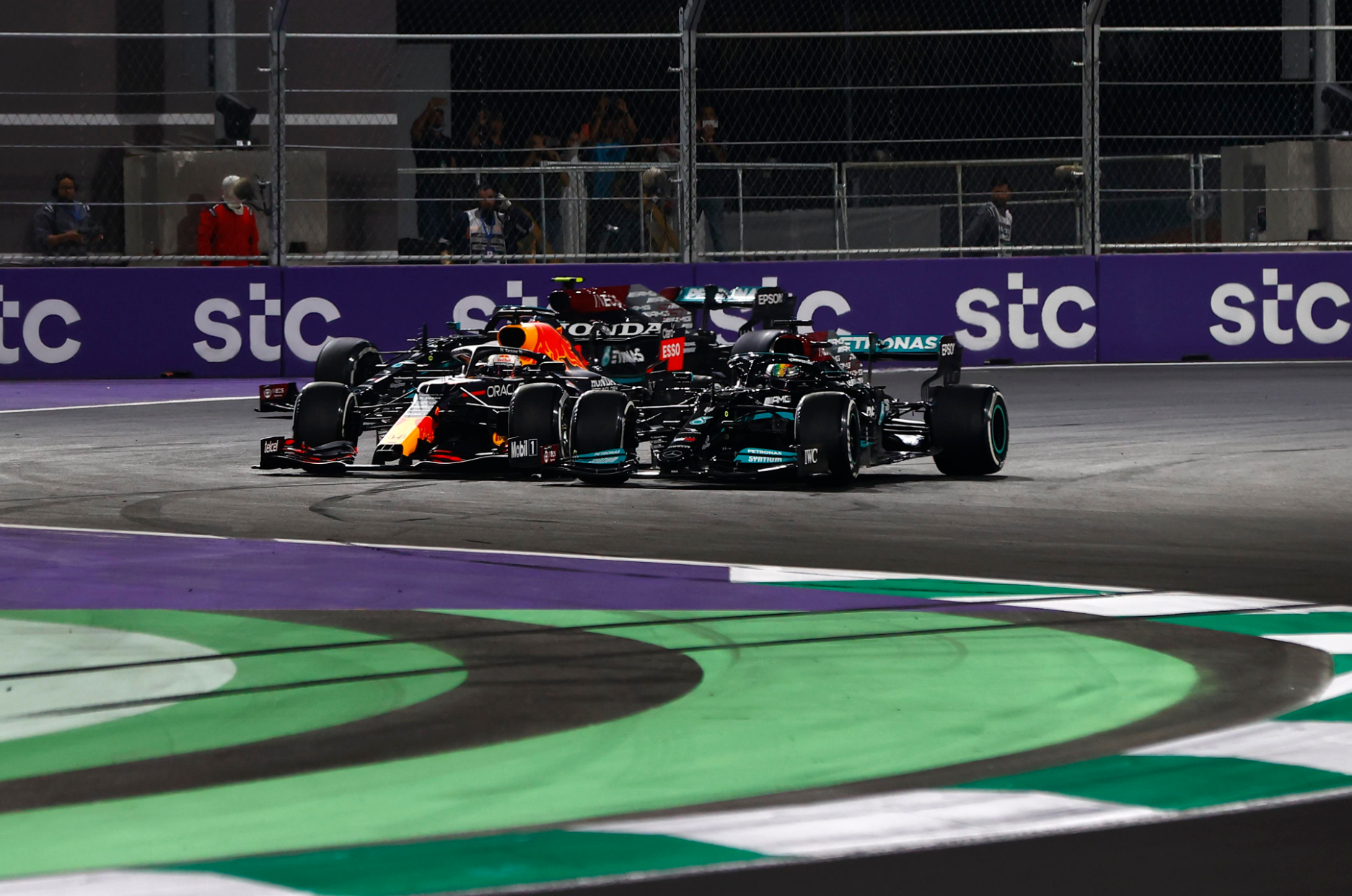
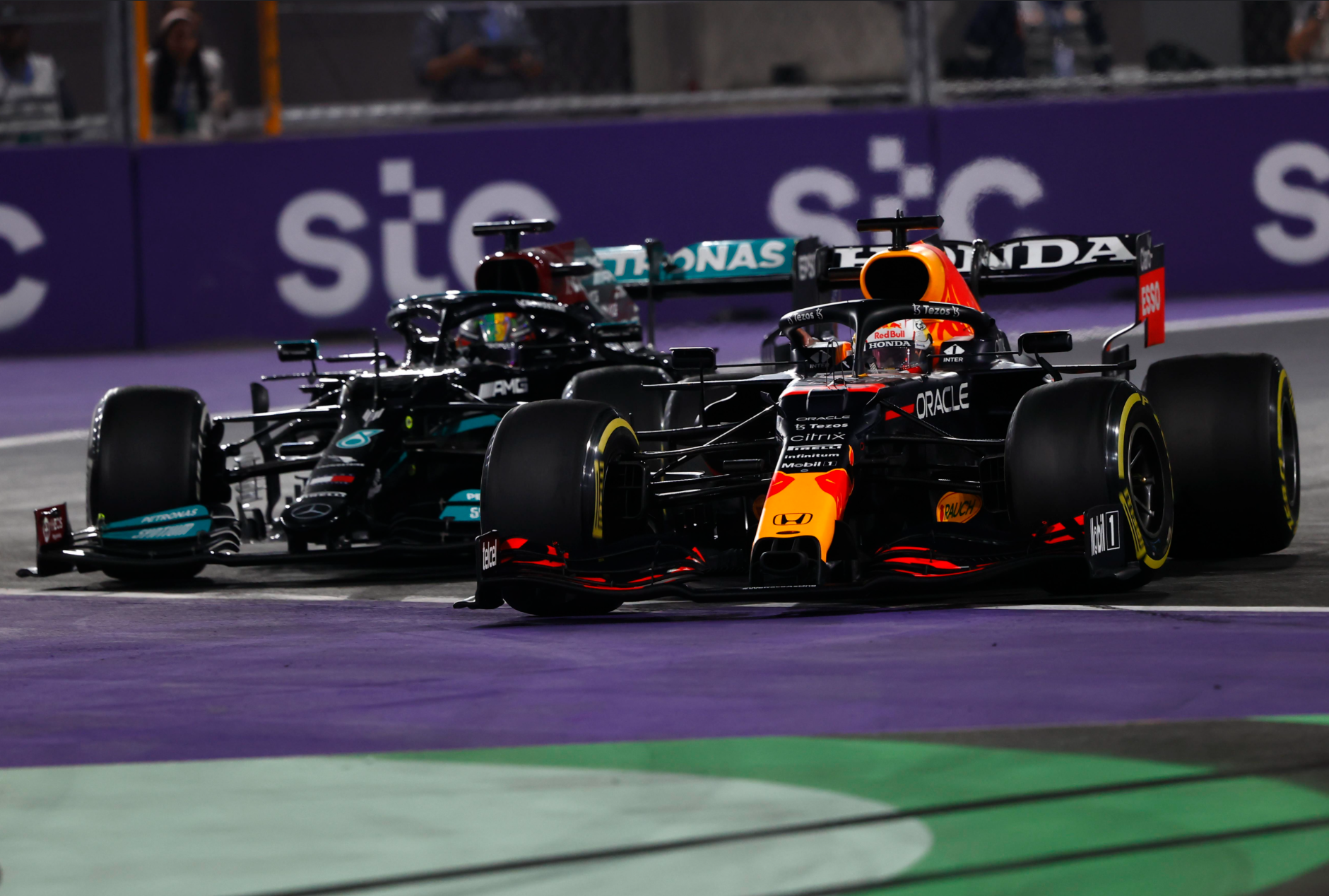
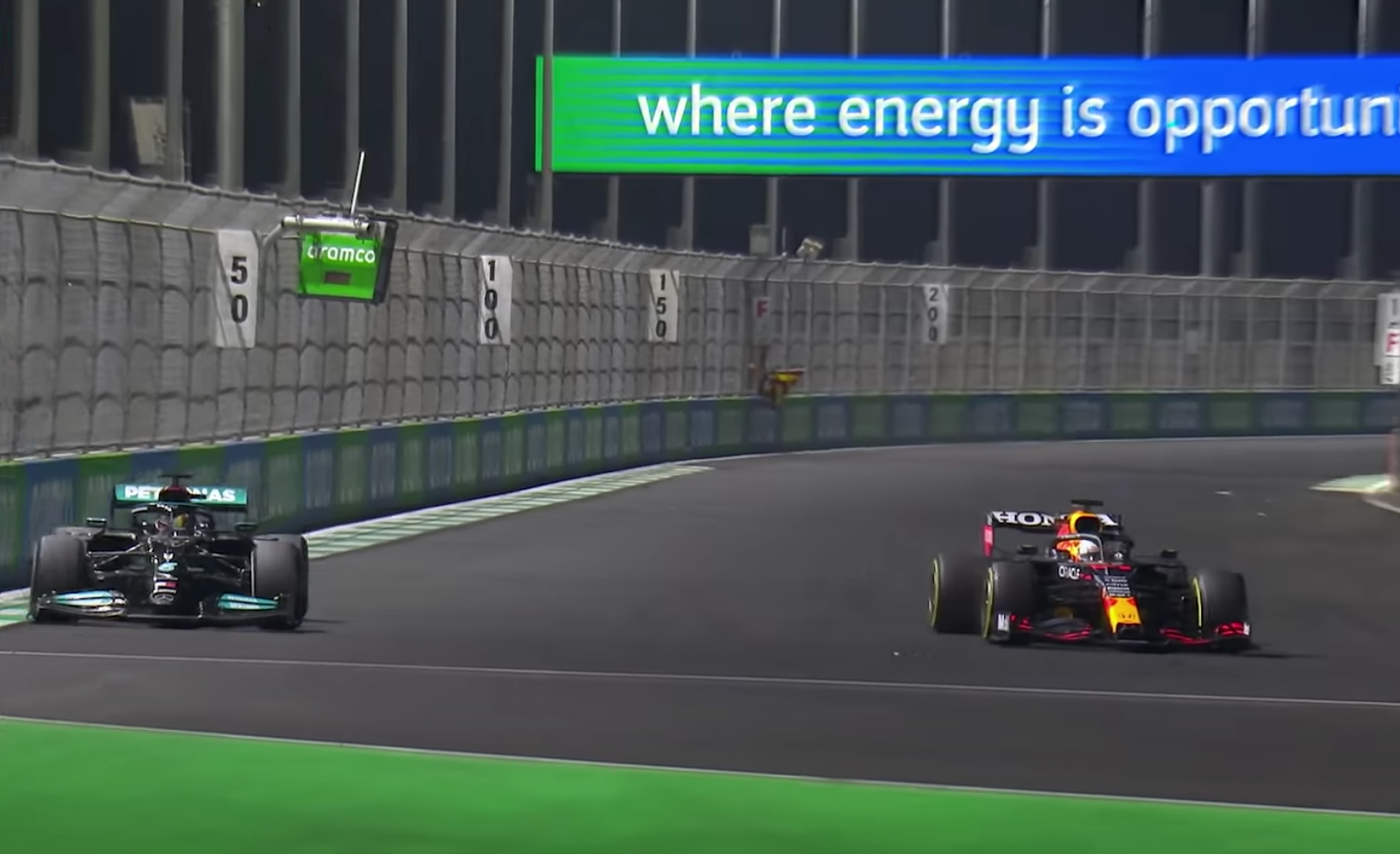
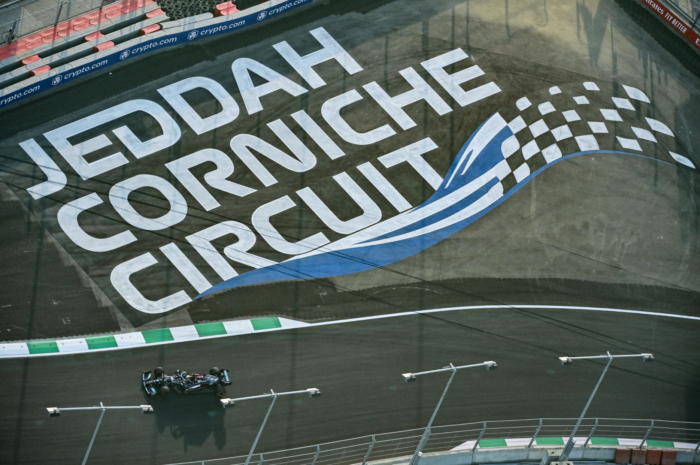
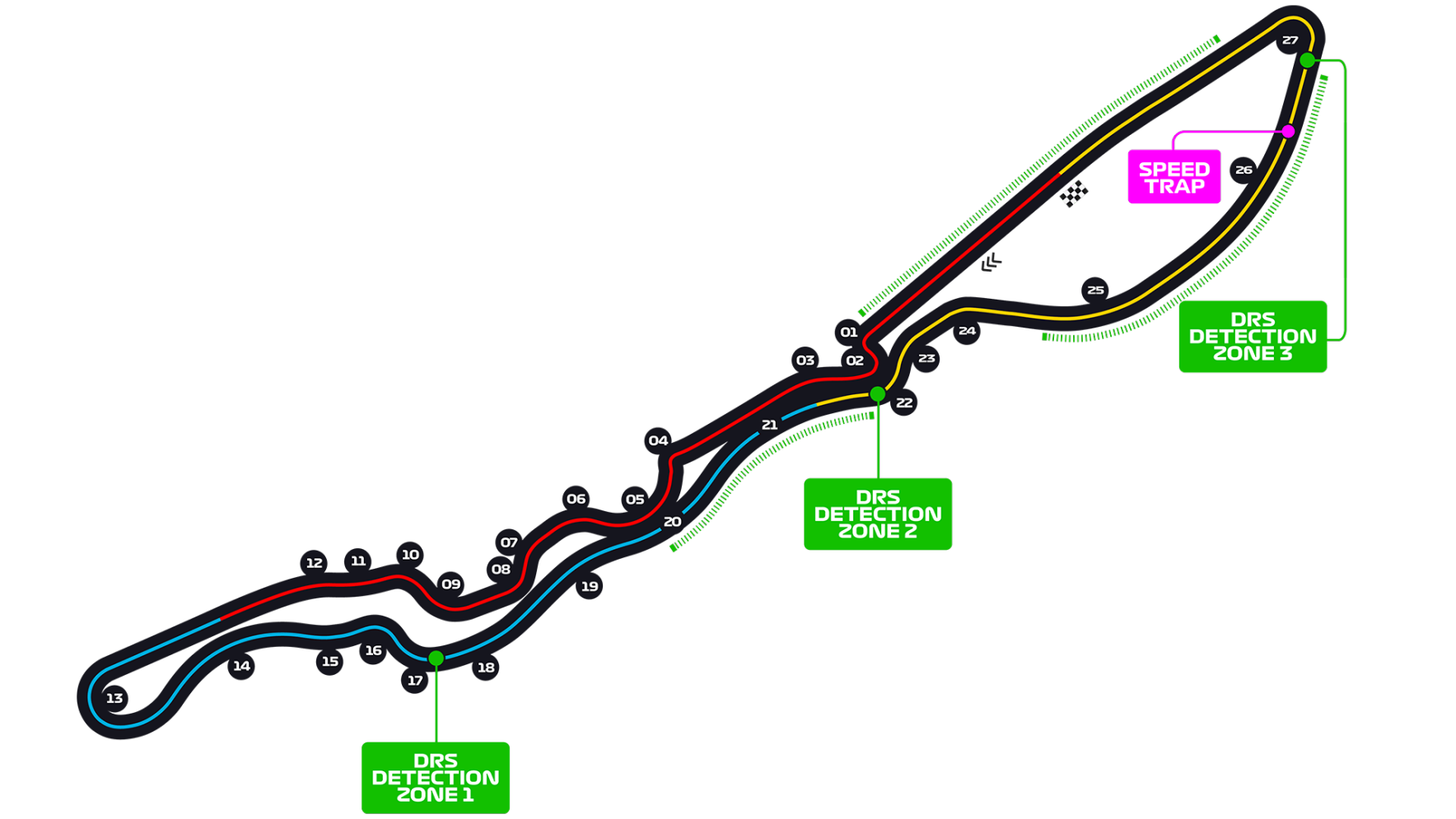
Another battle revolving around the strangely placed DRS zone before Jeddah Corniche Circuit’s final corner produced what could become an iconic photo as both drivers locked up whilst trying not to cross the detection line first.
This time, happily, there was no contact made and we avoided another brake-test-gate like in 2021.
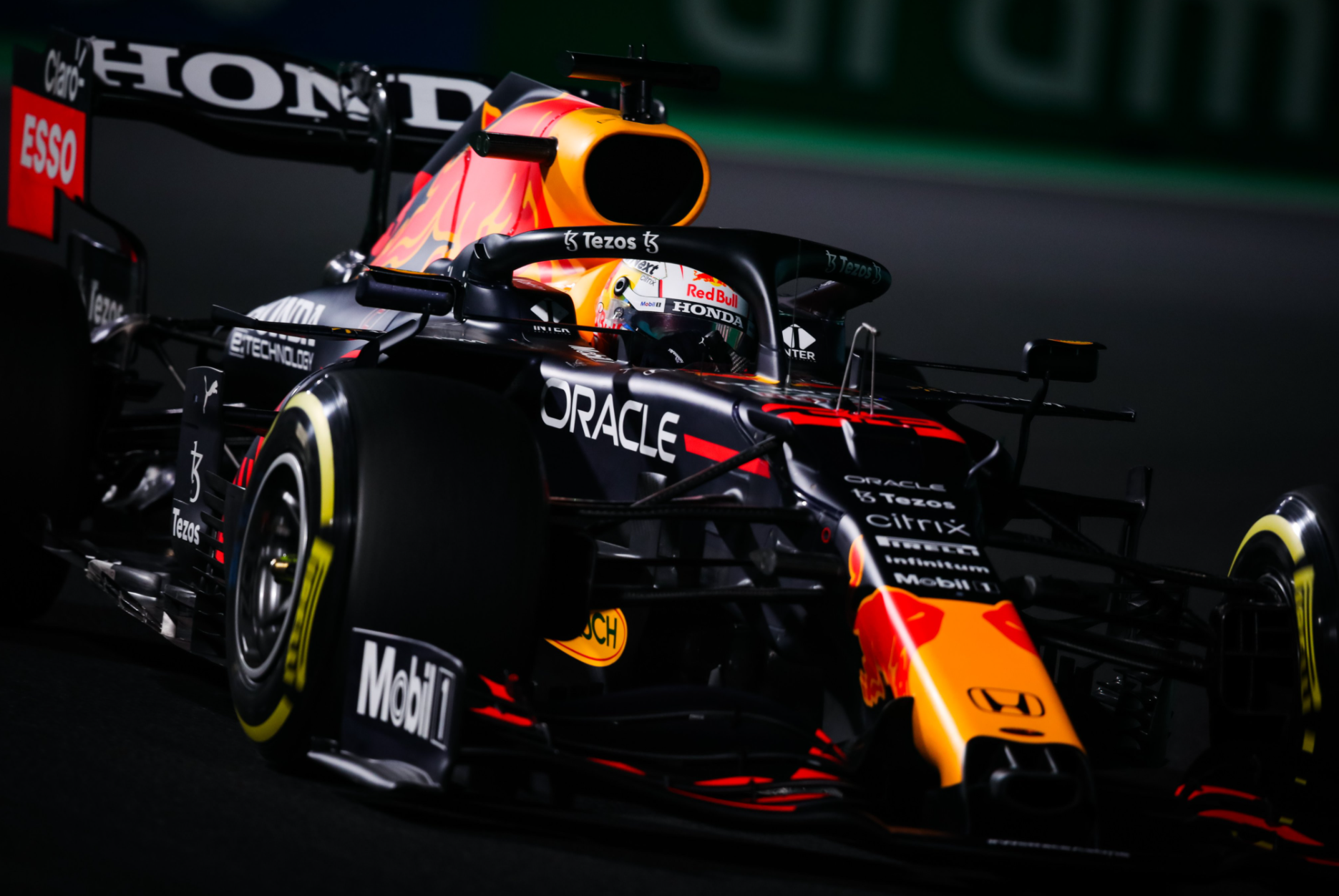
Verstappen eventually found his way into the lead with just four laps remaining in what was probably the marginally quicker car over the course of the weekend, but was actually fortunate to be the leading Red Bull.
Pérez had finally taken his first ever pole position on Saturday – at the 215th time of asking – and was leading the race until he was scuppered by a poorly timed Safety Car.
Although the on-track action was largely entertaining, this was not a good weekend for Formula 1, and on a personal note, undid a lot of the work the race in Sakhir had done in rebuilding my faith in the sport.
Putting aside the questions about whether F1 should be in Saudi Arabia at all, there were plenty more questions to be raised.
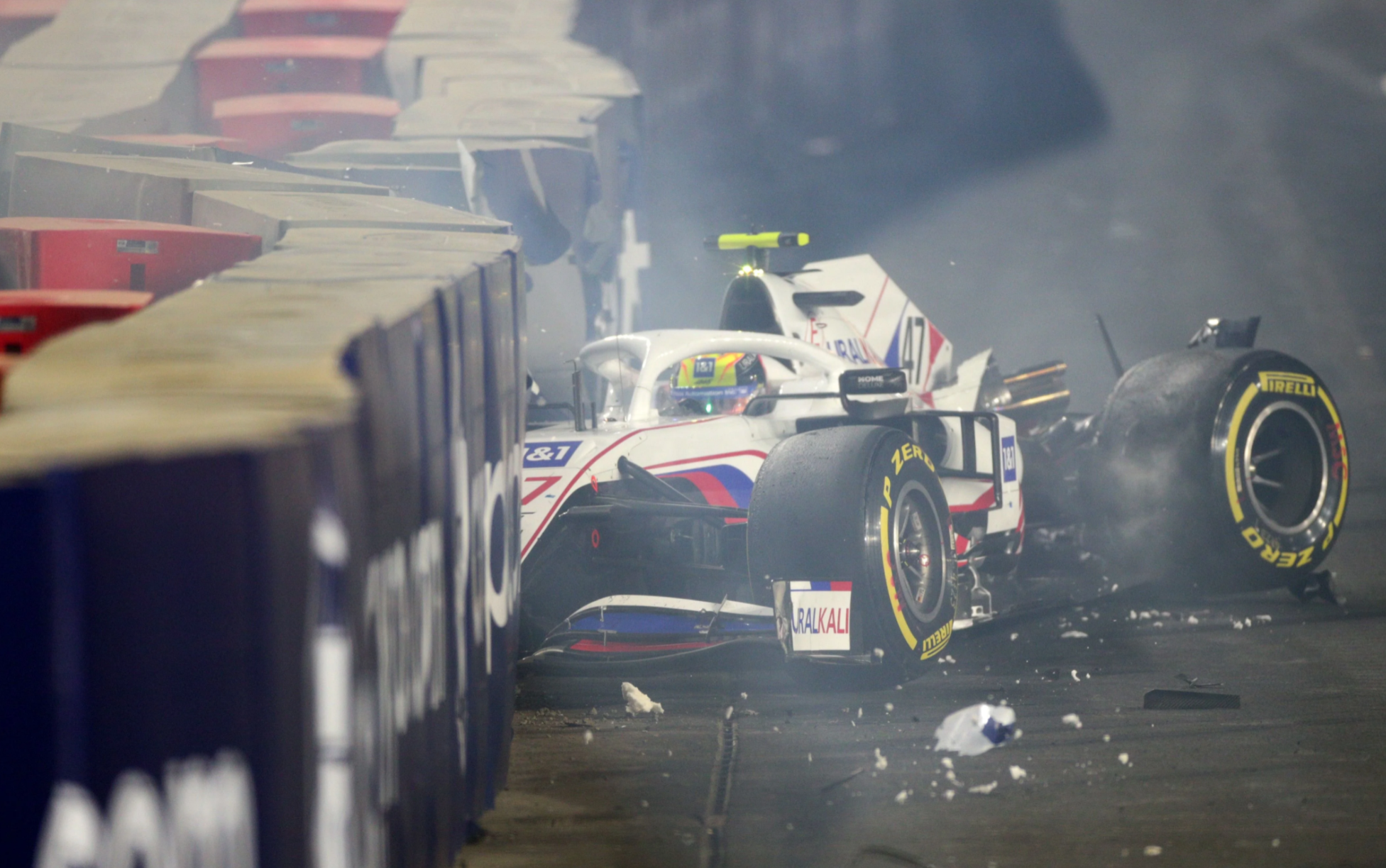
The ‘world’s fastest street circuit’ produced a horrible crash for Mick Schumacher. Luckily, the young German escaped mostly unharmed, but the incident solidified the feeling of many that the track is not truly fit for racing.
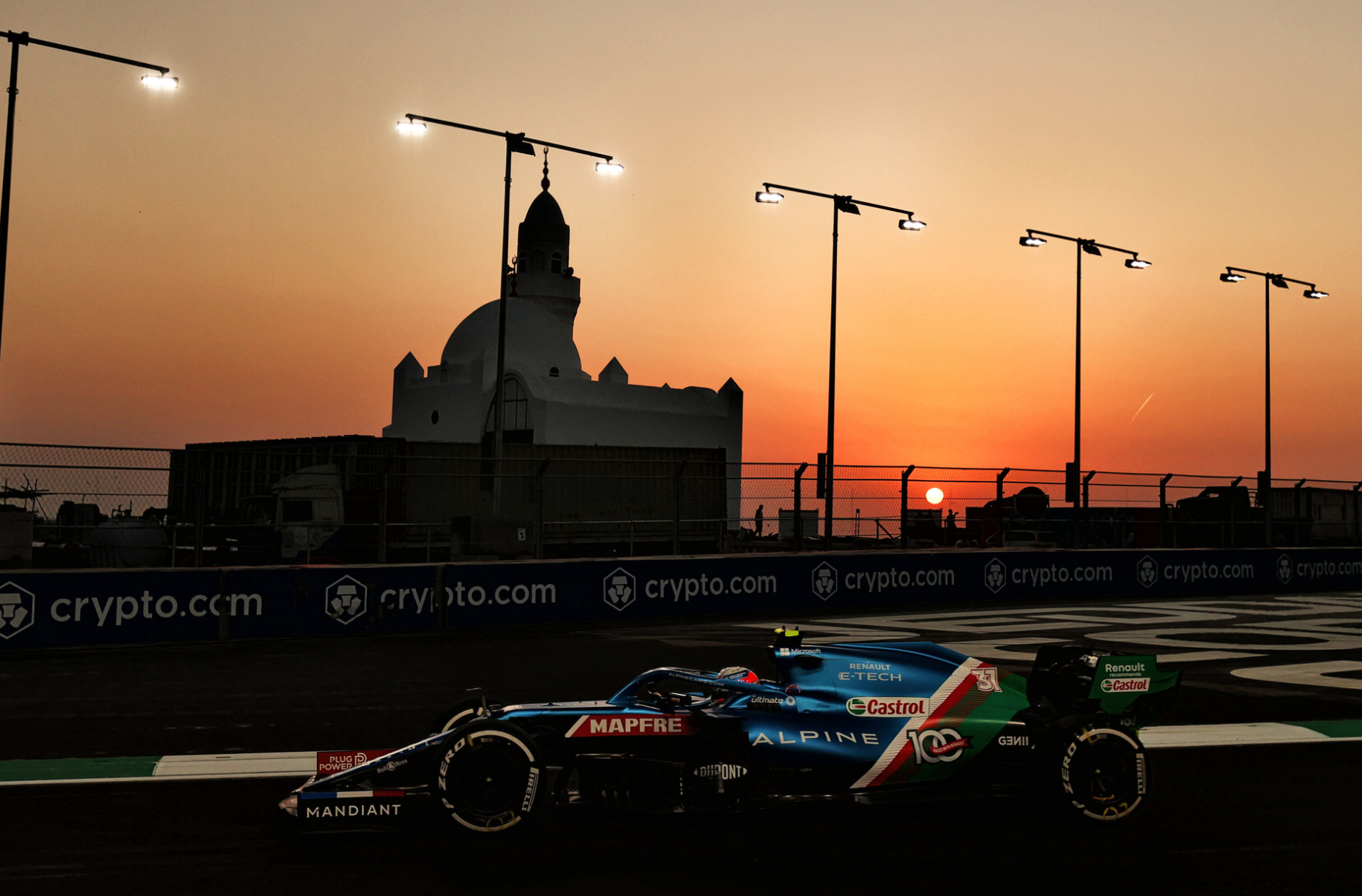
The fastest street circuit tag was simply a USP for the Saudi Arabian owners, and there is a reason that F1 cars had not previously been forced to fly through 300 km/h+ sections of consecutive blind corners at any point in its 70-year history.
Image credit: Getty Images
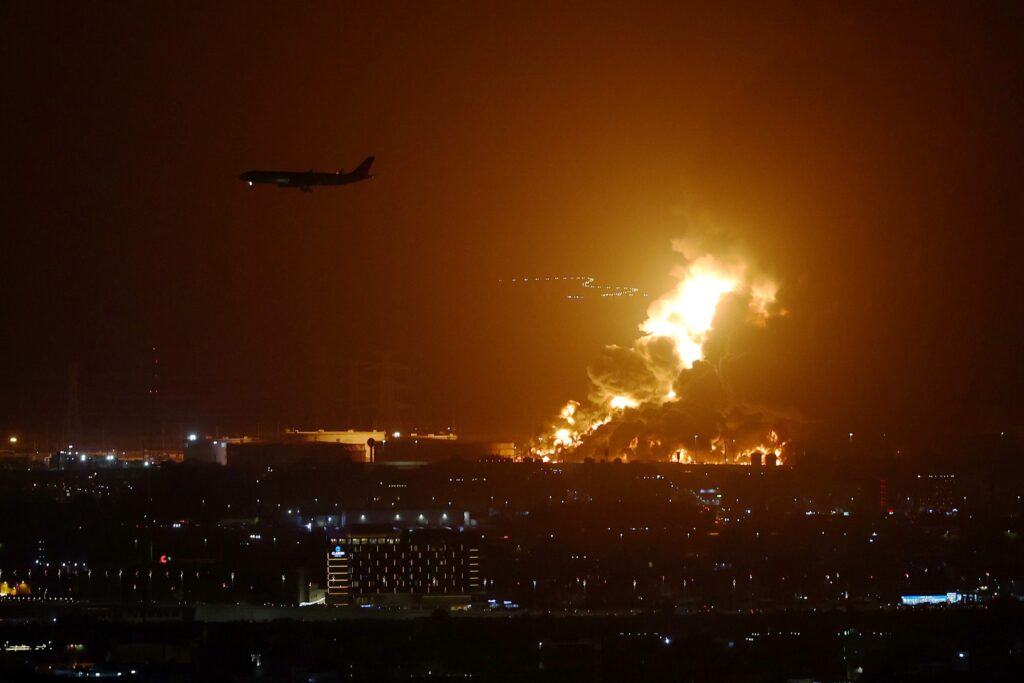
And, of course, there was also the missile attack on the Aramco oil plant just 10 kilometres from the circuit.
The drivers were clearly not okay with racing, and held talks with the various bigwigs deep into the early hours of Saturday morning before eventually agreeing to race.
Paddock rumours swirled about drivers and teams being forced to race, with the threat of ‘having a difficult time leaving the country’ if they did not.
Whether or not there was any truth to them, one thing is clear – the race should not have happened.
The irony of pushing on with the weekend in what was an effective warzone mere days after the Russian Grand Prix was cancelled and the drivers had held up ‘no war’ signs in Bahrain was obvious to all and uncomfortable to behold.
Moving onto Melbourne
A fortnight or so later, Formula 1 finally returned Down Under.
At the track where everything fell apart in March 2020, and at a time when the world appears to be moving past COVID, it felt like things had come full circle.
In terms of the F1 season, things also felt somewhat cyclical.
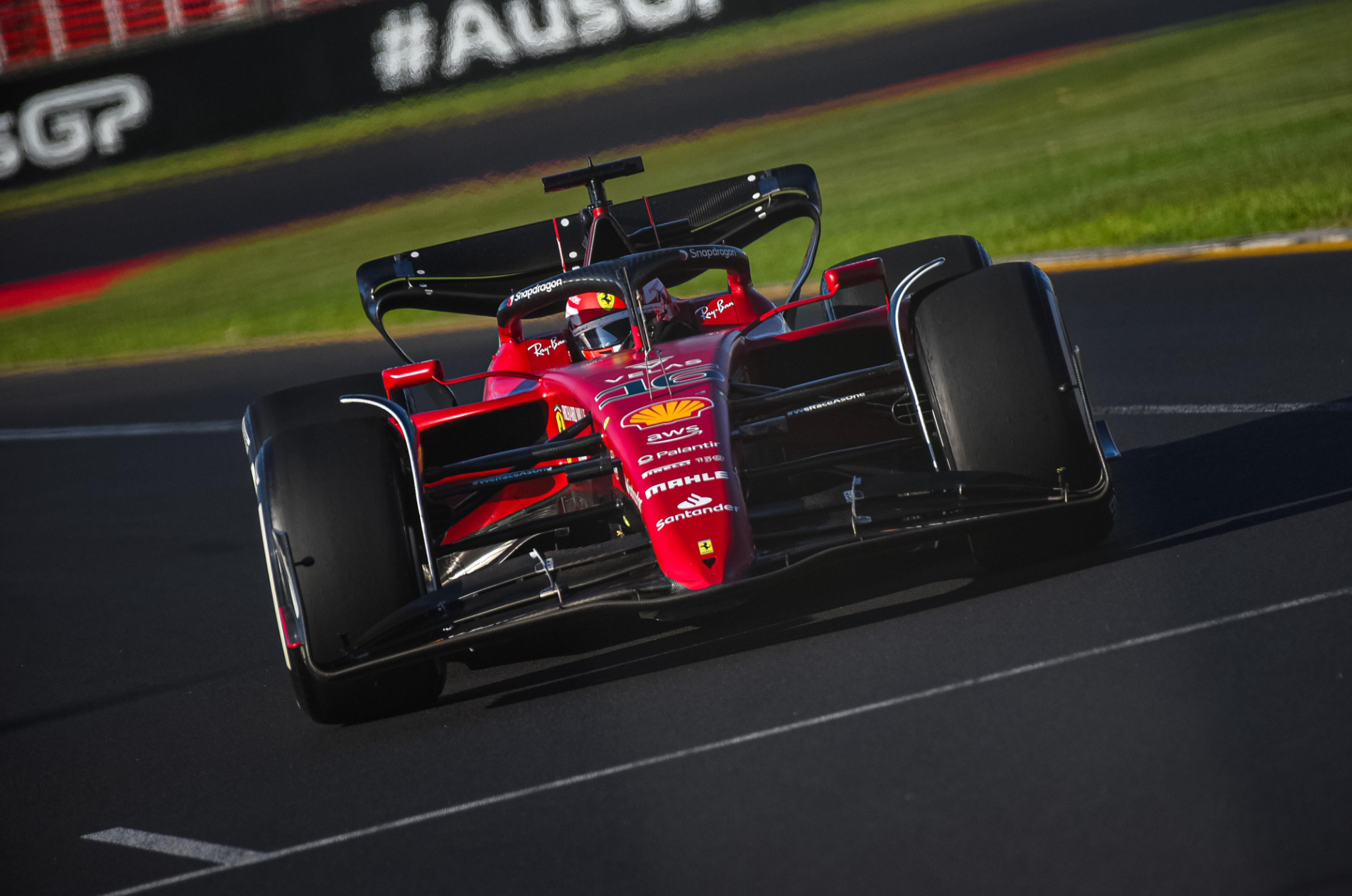
After a – this time very brief – battle with Verstappen, Leclerc dominated the race, if not the weekend, achieving his first ever grand chelem.
Image credit: Foto Colombo Images
He also extended his lead in the drivers’ standings to a mammoth 34 points as Red Bull suffered more reliability trouble and Verstappen had to pull over with a fuel leak.
The 46-point gap between the Dutchman and the Monegasque is far more than anything Hamilton or Verstappen had to overcome at any point during their battle last year, and it feels like the championship battle we all expected is already slipping away.
Of course, there are still 19 or 20 rounds to go and plenty of twists and turns to come.
Mercedes could well solve their problems and return to the battle at the front; there appears to be a lot of potential within the car.
McLaren also showed huge signs of improvement in Melbourne after a painful start to the season and Alpine have been hinting at a challenge at times.
With so much scope for development at this early stage of the new regulations, the playing field has the potential to change dramatically from race to race.
So, who knows? We could yet even end up with a four- or five-team fight at certain grands prix.
A guy can dream… And after the 2021 Abu Dhabi Grand Prix, an optimistic outlook at F1 is pretty much crucial for this writer.
Enough drama and controversy for an entire season.
Image credit: Daimler AG
Lewis Hamilton eventually took a crucial victory at a highly eventful Saudi Arabian Grand Prix, to set up a final showdown with rival Max Verstappen at Abu Dhabi.
After two red flags, three standing starts, numerous Virtual Safety Cars and even more flashpoints, Hamilton took the chequered flag ahead of Verstappen meaning they will head to the final race level on points.
The drama started on Saturday when the Dutchman, having reached the final corner of his final qualifying lap with a 0.2-second advantage and set for pole, hit the barrier and was forced to settle for third behind Hamilton and his Mercedes teammate Valtteri Bottas.
When the lights went out, all three leading drivers got away evenly and settled into a holding pattern. The first 10 laps, if anything, were actually quite dull.
But then Mick Schumacher hit the overworked tyre barrier at Turn 22, bringing out the Safety Car and setting up the first piece of controversy for the day.
The leading Mercedes pair pitted for hard tyres. Red Bull decided to roll the dice and leave Verstappen out on his aging mediums.
Image credit: FIA
Their gamble paid off as three laps later the red flag was produced, giving the championship leader a free change of tyres.
The race would restart from a standing start again and Hamilton, feeling a little hard done by, used all the tricks at his disposal to ensure his tyres were warmer than those of his rival.
His plan worked and he got a far better start, clearly past Verstappen as they approached the first corner. But, with characteristic bloody-mindedness, the Red Bull driver tried to hang it out around the outside, leaving the track and rejoining in Hamilton’s path.
An opportunistic Esteban Ocon, who had started fourth, took advantage to briefly lead before being almost immediately re-passed by Verstappen.
Only Leclerc’s car survived and Race Director Michael Masi showed another red flag.
During the pause, a bizarre situation ensued where Masi came over the radio to offer Red Bull a particular spot on the grid – initially second place as he seemingly forgot Ocon existed, before clarifying that he meant third, behind Ocon and Hamilton.
They accepted and the drivers lined up for a third time – having ticked off just 16 laps – with Ocon on pole position.
Red Bull decided to gamble again, fitting Verstappen with the medium tyres and again it worked – at least in the short term – as he used his extra grip to make a brave lunge down the inside and lead out of the first corner.
Image credit: The Guardian
Hamilton made slight contact with Ocon as he avoided the Red Bull but survived and regained second place at the end of the lap.
And so, we were faced with the prospect of yet another Hamilton-Verstappen scrap for the lead. They are rarely dull.
For a number of laps, car number 44 got agonisingly close to the DRS window but was never quite able to break into it and was frequently interrupted by a VSC to allow marshalls to pick up debris.
Eventually, as they started lap 37, Hamilton broke the one-second barrier and used DRS to fly past on the straight. As we could all have predicted, however, Verstappen wasn’t going to just sit back and take it.
With shades of Turn Four at Interlagos, he braked very late and failed to make the corner, forcing both drivers off the track. Things were about to get even sillier, though.
Red Bull radioed Verstappen, telling him to give the place back, but to do so “strategically”. He obliged, slowing as they approached the DRS detection point.
Hamilton, however, had had not yet been informed he was about to be handed the place. The pair slowed together and bizarrely made contact, Verstappen then driving off in the lead as Hamilton was left with a damaged front wing.
Image credit: Red Bull Racing
With the incident still under investigation, Verstappen let Hamilton past at the same spot five laps later, but immediately dived back down the inside to reclaim the lead.
At the same time, the 24-year-old received a five-second penalty for ‘leaving the track and gaining advantage’, seemingly for the initial Turn One incident, although at this point it was hard to keep up.
Either way, at the end of the lap, Hamilton again passed Verstappen on the run to the final corner – this time, seemingly without the Red Bull slowing to allow it – and made sure he stayed ahead by running his rival wide.
With Verstappen’s medium tyres finally having given up, Hamilton was able to streak off into the distance and set the fastest lap despite his broken wing. The gap back to the battle for third wasn’t sufficient for Red Bull to bring their man in for a new set of tyres to respond.
That battle for third was between Ocon and the recovering Bottas.
The Frenchman held off the faster Mercedes commendably in the dying laps, but was cruelly denied his third career podium as the Finn outdragged him to the line on the final lap, finishing just one tenth ahead.
But far up the road, it was an eighth victory of the season for Hamilton and the 103rd of his career, astonishingly leaving both championship protagonists on precisely 369.5 points, almost rendering the first 21 races pointless.
Even more incredibly, the total time for the two drivers in the races in which they have both finished now looks like this:
More than a solid day of racing over more than 5,000 kilometres and they are separated by mere seconds.
To put that in perspective, they have raced a little less than the distance from London to New York – more than 1/8th of the way around the entire planet – and arrived nine seconds apart.
Breaking Down the Controversies
So, where to start?
At the beginning, I suppose.
Lap 10-13: The Safety Car/Red Flag Drama
Image credit: Getty Images
Whilst it is understandable for Hamilton and Mercedes to feel a bit hard done by, there was no FIA conspiracy to give Verstappen the championship here.
Perhaps the call for the red flag could have come earlier, but it is far from unprecedented for one to be called after a period behind the Safety Car.
After all, Schumacher’s stricken Haas had to be removed from the barrier before its condition could be assessed.
The bigger question from this situation was why tyres are still allowed to be changed under red flag conditions. It was perfectly clear after the 2020 Italian Grand Prix that it effectively creates a lottery which punishes drivers at random.
Maybe now that it has (nearly) produced significant implications for the title fight, it will be addressed.
Lap 15: The First Turn-One Drama
Image credit: LAT Images
This one is pretty clear cut.
As the lights went out for a second time, Hamilton got the better start and was clearly ahead going into the first corner. Verstappen was then run out wide – as he himself has done to Hamilton numerous times this season – but rejoined in the Briton’s path and kept the position.
Although the manner in which it happened was quite bizarre, Red Bull were subsequently offered the option of produced allowing Hamilton back past, just on the grid, after the second red flag of the day had been called.
They accepted, and the drivers lined up on the grid for a third time.
Lap 37: The Second Turn-One Drama
Image credit: LAT Images
Having finally broken into the DRS window after 20 laps trying to do so, Hamilton got a run on Verstappen down the start-finish straight and, once again, arrived at Turn One ahead of his rival.
Verstappen braked very late and failed to make the corner, forcing both drivers off the track, before once again continuing on with the lead.
The post-race Red Bull narrative that only Verstappen was punished despite both drivers leaving the track is frankly a bit embarrassing, as they know full well that Hamilton was left with nowhere else to go and was clearly on a line to comfortably make the corner.
Whilst the goalposts were moved by the stewards’ inaction in Brazil – and the waters seemingly muddied in the discussions thereafter – this should be a simple case of either allowing the other driver past or taking a five-second penalty.
The Red Bull pit wall clearly acknowledged that on this occasion and radioed Verstappen to allow Hamilton through, thus leading onto…
Lap 37, Part Two: The Slowing to Pass Drama
Image credit: Getty Images
Now, this is probably the most complex of the race’s many controversies.
In his message to Verstappen telling him to give the place back, Race Engineer Gianpiero Lambiase told the Dutchman to do so “strategically”. Verstappen obliged, slowing as they approached the DRS detection point.
Hamilton slowed behind him, though, and with Verstappen now approaching a crawl in third gear, 200 km/h down on the usual speed at that area of the track, the pair collided.
Verstappen’s goal here was pretty clear – to ensure his rival passed him before the DRS detection so he could attempt to get back past immediately, whether or not that would have been legal (more on that later).
Hamilton’s part in the situation is a little more complicated. He was informed that Verstappen would be letting him past around a second after the contact.
Was he genuinely confused and wary of passing? Or was he aware of the situation and also trying to ensure that he didn’t reach the detection zone first?
With all the yellow flag dramas we have seen recently, there is certainly the chance that he was fearful of picking up a penalty for passing illegally.
But one would suspect it was more the latter. Hamilton surely knew that it was likely Verstappen would be asked to give the place back, and has been around long enough to know the game that his opponent was playing.
Verstappen was eventually given a 10-second time penalty and two points on his licence after the race for “braking suddenly (69 bar) and significantly, resulting in 2.4G deceleration.” So, it would appear Hamilton was correct in saying that he had been ‘brake-checked’ and Helmut Marko’s protestations that Verstappen had not braked at all were proven to be, well, characteristically unfounded.
The generally unbiased and analytical Karun Chandhok agrees with the stewards’ decision, saying “it’s quite clear he deviates (wrongly) from the racing line to the middle of the track and brakes unexpectedly”.
Either way, Verstappen drove off, Hamilton carried on minus a bit of front wing, Toto Wolff slammed his headphones to the floor, and the saga continued.
Lap 42: The Re-passing Drama
Image credit: Formula 1
As previously mentioned, Verstappen then let Hamilton past at the same spot five laps later, before immediately diving back down the inside to reclaim the lead.
This one was somewhat forgotten about in the grand scheme of things, with so much to already decipher and – more importantly – Hamilton finally getting the job done one lap later.
If he had not done so, the stewards would surely have been forced to intervene once more.
There are pretty clear rules about allowing a reasonable time before attempting to re-pass a car, with a precedent, in fact, set by an incident involving Hamilton some 13 years ago.
Verstappen is surely aware of this and it is hard to know exactly what his plan was by passing mere seconds after having ceded the position, but it was rendered moot when Hamilton successfully passed on lap 43.
In one final bit of drama, the seven-time world champion was warned for the manner in which he did so, Masi letting the Mercedes pit wall know that it was ‘almost a black-and-white flag’.
Image credit: Getty Images
And so, the two rivals head to the final race tied on points, and with Verstappen having shown he will do whatever it takes to win.
One can’t help but feel that we haven’t yet seen the final moment of controversy in this titanic championship battle.
The Saudi Arabian Grand Prix in 60 Seconds
Answering the Burning Questions
So, does round 21 go to Lewis Hamilton or Max Verstappen? It was a fight that packed some punches but Hamilton took it in the end.
Will Mercedes or Red Bull prove to have the stronger package around the world’s fastest street circuit? Until Verstappen’s error it looked like Red Bull on Saturday, but the Mercedes seemed to have the edge on race pace.
Can McLaren do anything to keep their fight against Ferrari for third alive? They narrowed the gap very slightly but not enough.
Will Mercedes or Red Bull prove to have the stronger package around the world’s fastest street circuit?
Can McLaren do anything to keep their fight against Ferrari for third alive?
The Track
The Stats
Track Length: 6.174 km
Laps: 50
Race Distance: 308.450 km
Maximum Speed: 330 km/h
Lap Time at Full Throttle: 72%
First Grand Prix: 2021
Race Lap Record: n/a
Outright Lap Record: n/a
Most Driver Wins: n/a
Most Constructor Wins: n/a
The Trivia
Jeddah features a calendar-high 27 corners, four more than the previous record at Singapore
In 1970 – the final year that Spa-Francorchamps was run as a true ‘road course’ – Chris Amon lapped at an average of 244.7 km/h. Whether you regard the old Spa as a true street track or not, Jeddah looks set to be comfortably quicker than that, and all of the other street tracks on the 2021 calendar
The track is one of only three on the 2021 calendar to feature three DRS zones
The Weather
The Quotes
Lewis Hamilton | “Do I feel comfortable here? I wouldn’t say I do. But it’s not my choice to be here. The sport has taken the choice to be here. If anyone wants to take the time to read what the law is for the LGBTQ+ community, it’s pretty terrifying. There’s changes that need to be made.
Max Verstappen | “We just have to try to put a good car on the track, and then of course you need to get comfortable driving as well because the track layout is very quick and not a lot of room for error. It’s a special track. We don’t really know what our competitors are going to do. We always try to do the best we can.”
Fernando Alonso | “I felt that we were building something even before the podium because the team had some weaknesses that we saw very early in the year. We worked on those throughout 2021 and I think we’ll be more ready in 2022. The podium for sure brings an extra boost for everyone.”
Stefano Domenicali | “[Sir Frank Williams] was a true giant of our sport that overcame the most difficult of challenges in life and battled every day to win on and off the track. We have lost a much loved and respected member of the F1 family and he will be hugely missed.”