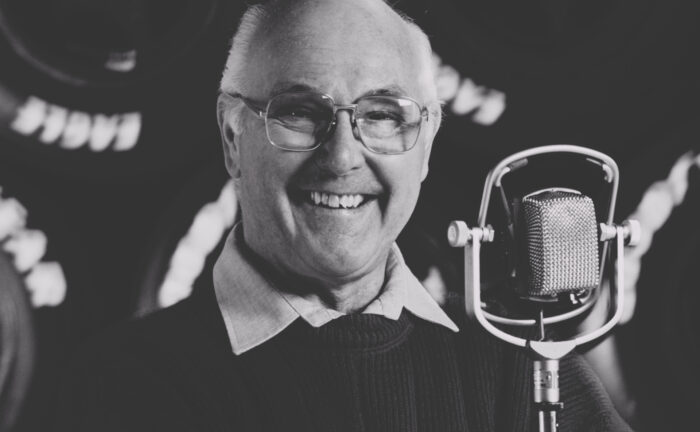
Murray Walker, 1923-2021

Image credit: Getty Images

It’s rare that it feels as though somebody has been taken too soon at 97. And yet that is how it feels with the loss of Murray Walker.

The voice of Formula 1 for half a century, Murray – as the entire sport affectionately referred to him – had what was described as a ‘pants on fire’ style of commentary; his infectious enthusiasm for the sport oozed from his every word and he had an innate ability to produce the perfect line for the moment. This most likely stemmed from his earlier career in advertising. Murray famously coined the slogan ‘made to make your mouth water’ for Opal Fruits and his team created ‘a Mars a day helps you work, rest and play’.

Of course, there were the ‘Murrayisms’: “This would have been Senna’s third win in a row, if he’d won the two before…”; “Mansell is slowing down, taking it easy. Oh no he isn’t – it’s a lap record!”; “I’m ready to stop my startwatch!”; and of course, “There is nothing wrong with his car, except that it is on fire!”

A lesser commentator would likely have been criticised for these mistakes but, if anything, they just made Murray even more treasured – both by the viewers at home and every member of the paddock.

And he was never above poking fun at himself – he called his autobiography ‘Unless I’m Very Much Mistaken’ and often played up to his caricature, such as in his Pizza Hut advert alongside Damon Hill.

It is unfair to focus solely on the enthusiasm and the endearing mistakes, though, as Murray was a true professional. He would often visit races in the lower formulae to spot the next up-and-coming talent and was never without his fastidious notes, which he would not allow James Hunt to see during their pairing in the commentary box. The Walker-Hunt partnership was a tale of two totally opposing characters who – whilst they often disagreed and even nearly came to blows – made an incredibly entertaining team and came to share a great mutual respect.

The later combination of Murray with Martin Brundle was another huge success, Brundle politely correcting Murray when he made an overexcited mistake and complimenting the experienced man’s excitement with his technical nous and ability to turn a phrase of his own. Brundle says, “Learning to commentate on motorsport alongside Murray Walker for a number of years was like having Pele teach you how to kick a ball”.
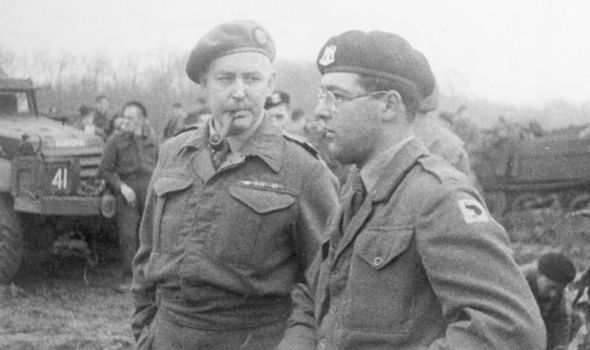
It is worth remembering just how much Murray achieved in his life. In addition to his commentary and advertising careers, a young Walker joined the armed forces and went on to command a Sherman tank in World War 2, eventually leaving the Army having attained the rank of captain. He even once recalled visiting the area of the Spa-Francorchamps circuit in a tank in 1944.

Murray claimed that his OBE was the proudest moment of his life. It is a real shame that he never received what would have been a thoroughly deserved knighthood, but that doesn’t change the fact that he was, and will remain, a national treasure who defined a sport for far more than one generation of fans.

As Brundle elegantly puts it, ‘It was never work to Murray, it was never just commentating, it was simply telling the world about something he loved”.

In the words of the great man, “I’ve got to stop because I’ve got a lump in my throat.”
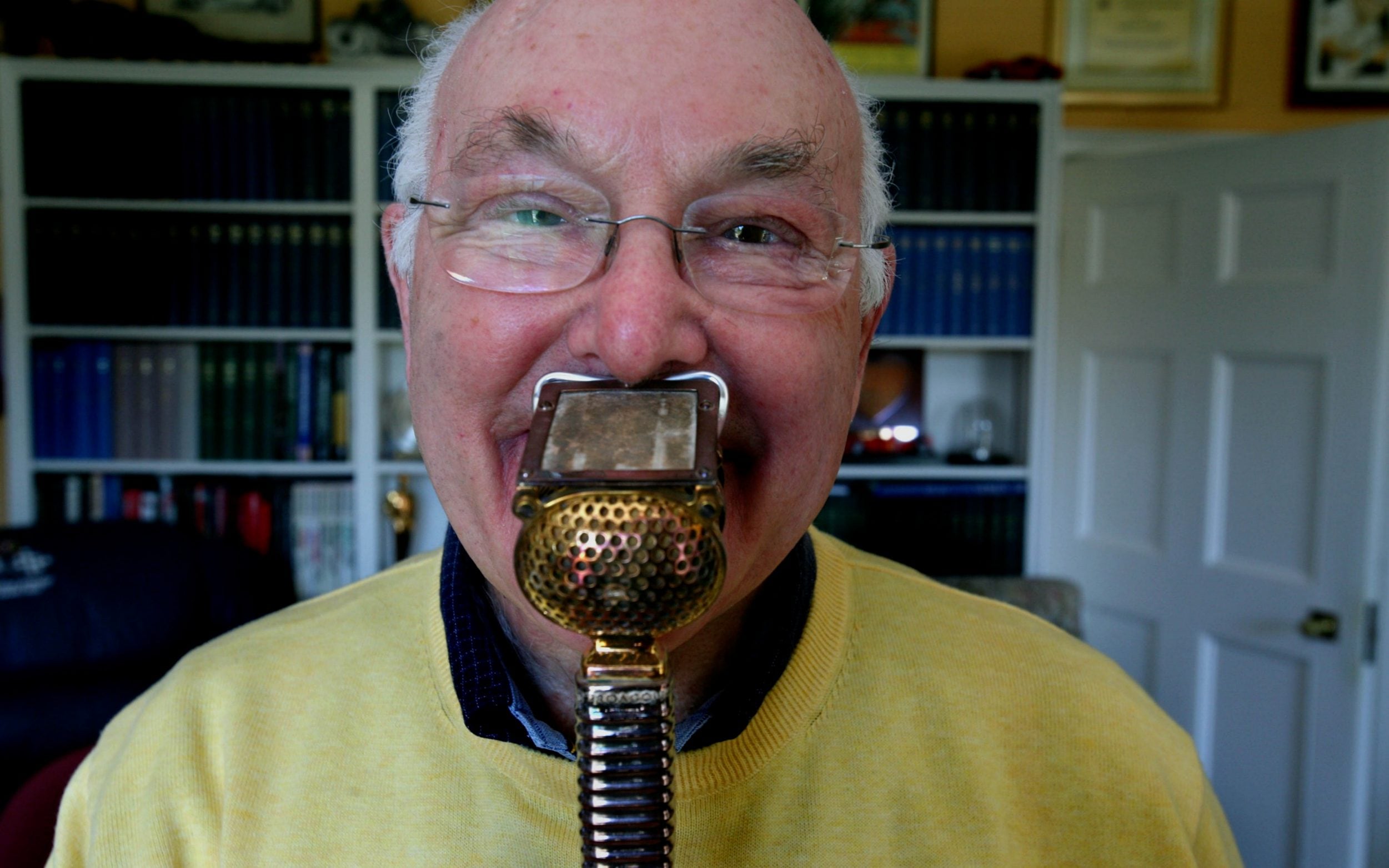
Image credit: The Telegraph

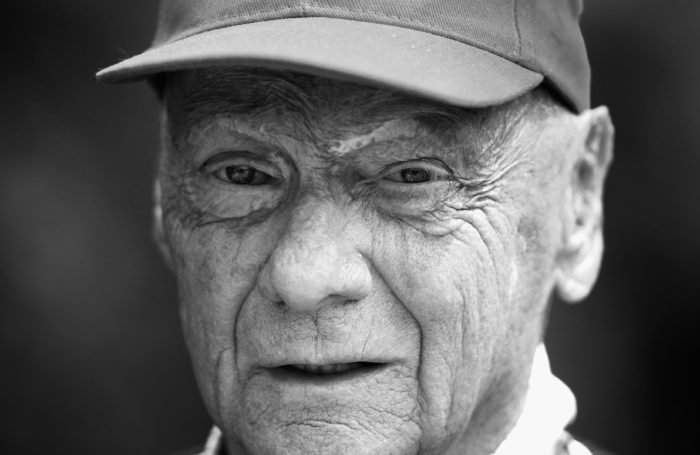
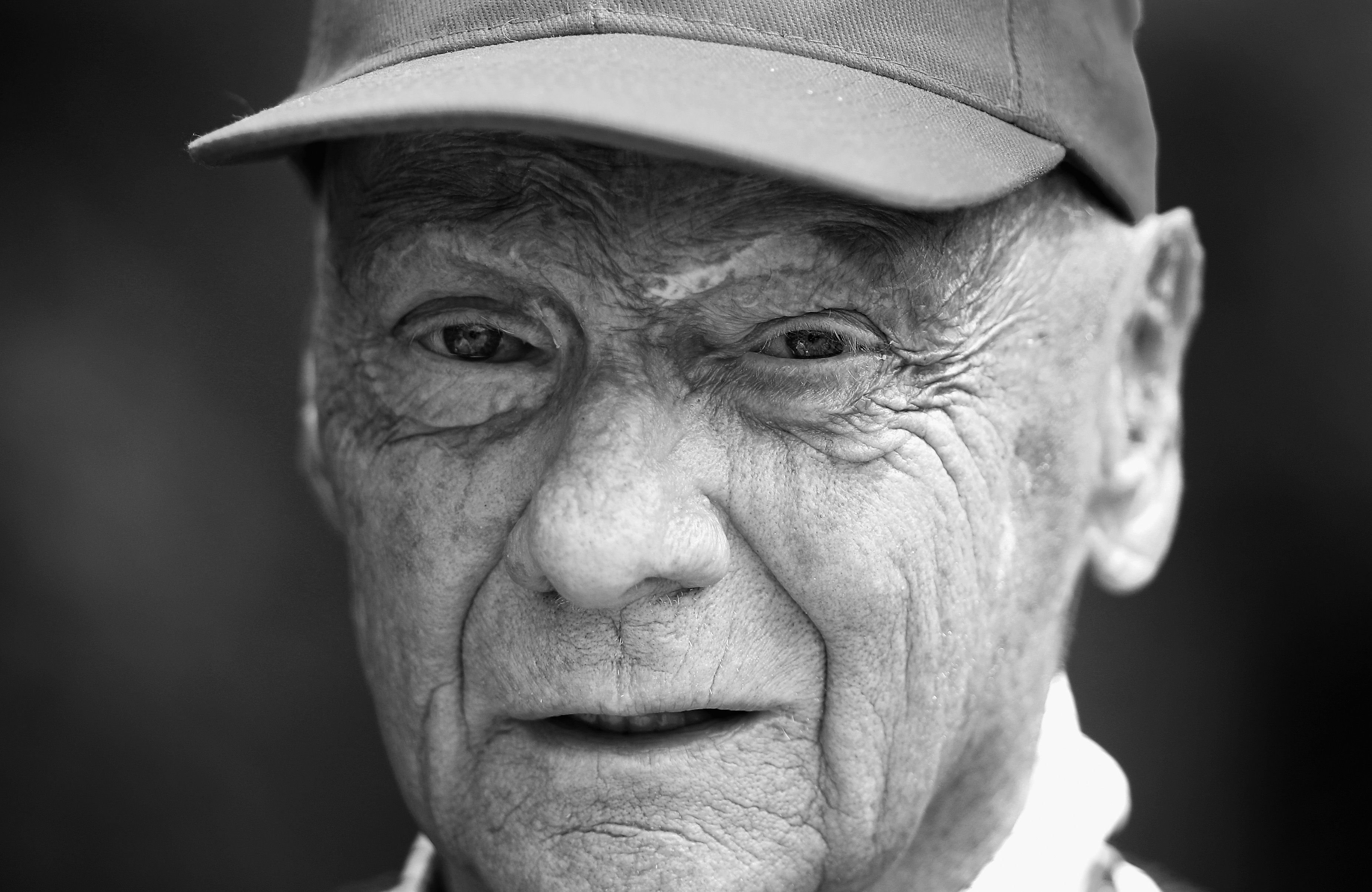
Niki Lauda, 1949-2019

Niki Lauda, 1949-2019
Image credit: Getty Images

Niki Lauda has passed away at the age of 70. An undeniable great of the sport, the three-time world champion will forever be remembered for arguably the greatest comeback in Formula 1, if not sporting, history.

His infamous, fiery crash at the Nürburgring in 1976 left him with third-degree burns to his head and face as well as severely damaged lungs from inhaling the toxic gases produced in the fire. He was given the last rites in hospital…before reportedly ‘telling the priest to f off’. Remarkably, he would return to racing just 40 days later for the Italian Grand Prix, his burns far from healed and bleeding once forced inside his crash helmet.

This epitomises an incredible, indestructible man.

He went on to narrowly lose that year’s championship to James Hunt – a story that inspired the 2013 film, Rush – before regaining his title, the following year. Lauda briefly retired in 1979 but returned with McLaren and won his third title in a one-on-one battle with the new superstar Alain Prost.

Outside racing, Lauda had a fascination with aviation, starting his own airline, Lauda Air. This led to another of his greatest triumphs, but one in very different circumstances.

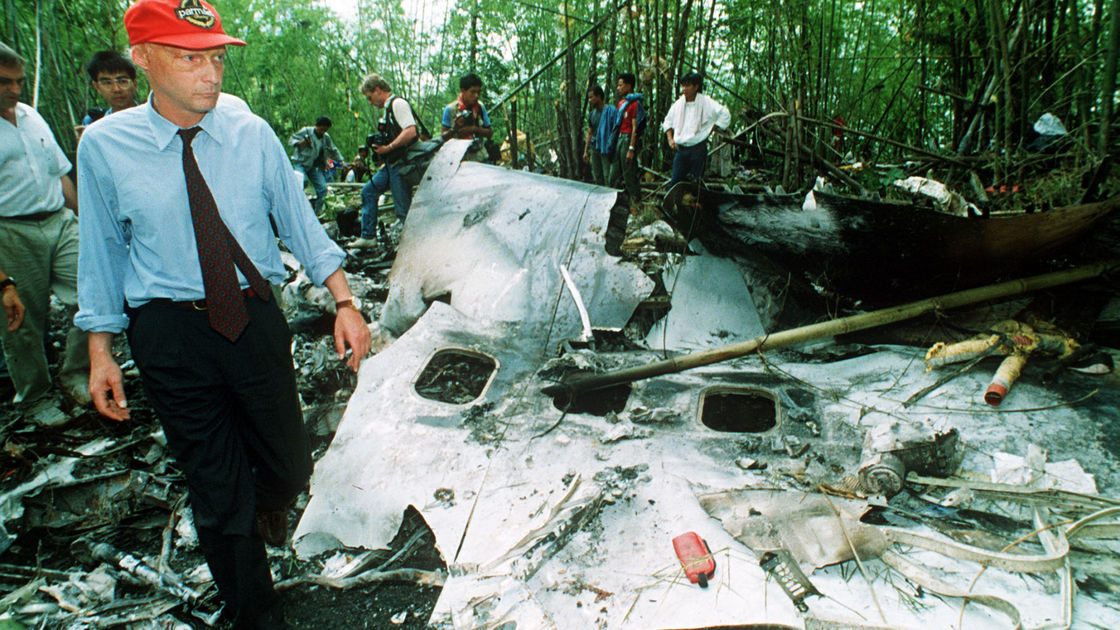
Niki Lauda examines the wreckage of a Lauda Air plane crash.
Image credit: AP

On 26th May 1991, Lauda Air flight 004 crashed over the mountains of Thailand, breaking apart in mid-air and killing all 223 people on board. The investigation, spearheaded by Lauda, found critical problems with Boeing’s safety testing; specifically, that a thrust reverser had deployed in flight without being commanded, causing the aircraft to spiral out of control.

Lauda was angry with Boeing’s refusal to issue a statement, particularly with their reasoning that it would take ‘three months to adjust the wording’, and so told Boeing that he would be willing to fly on a 767 with two pilots and have the thrust reverser deploy in air.

Boeing told Lauda that it would not be possible to recover that situation and so he asked Boeing to issue a statement stating that was the case; that it would not be survivable. They did and, subsequently, additional safety measures were added to the aircraft.

He was a man willing to put his own life on the line for what was right. Those safety measures have likely saved many lives.

Lauda has left an indelible mark on Formula 1. Along with his talent and bravery in a car, he has been just as successful outside of it. After stints with Ferrari and Jaguar, he more recently has been a large part of the unprecedented Mercedes success and was instrumental in bringing Lewis Hamilton to the team.

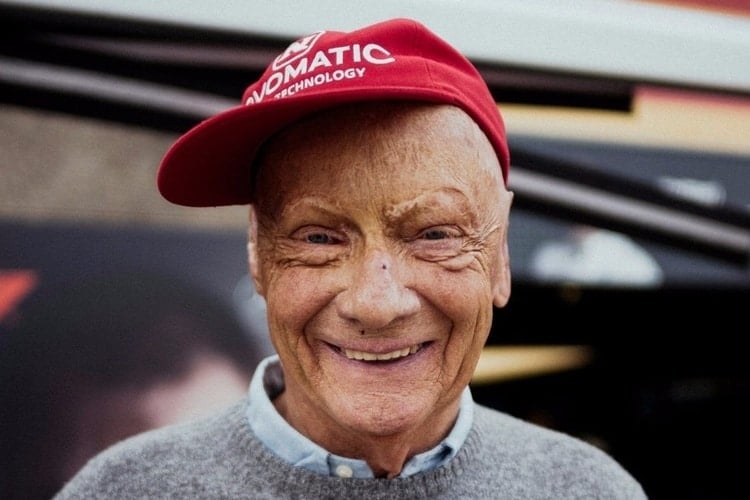
The paddock will be a little less vibrant without that bright, red cap and the sparkling personality beneath it.

He will be sorely missed by all.

Rest In Peace, Niki.

Niki Lauda in his infamous red cap.
Image credit: Mercedes-AMG

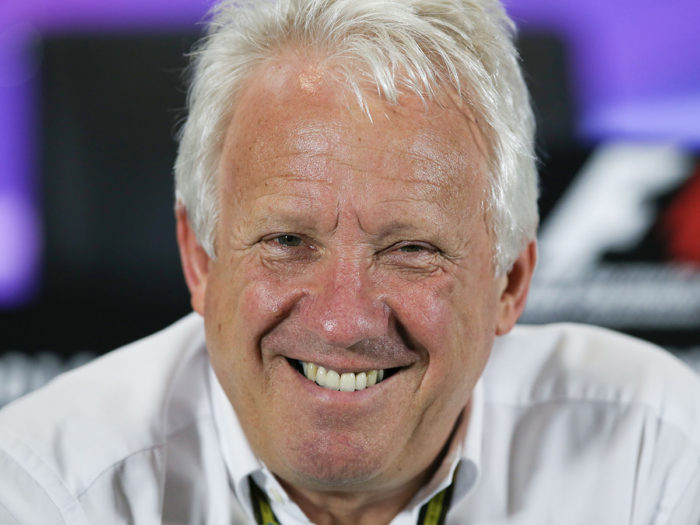
Charlie Whiting, 1952-2019

I was halfway through writing a predictions post when I heard the news about Charlie. And he is absolutely worthy of his own post rather than any kind of footnote.

Charlie Whiting has been a name synonymous with the sport throughout my time following it. Growing up, I remember classing him, along with Professor Sid Watkins and of course Bernie Ecclestone, as the ‘important grey-haired men’.

He started in the sport over 40 years ago as an engineer at Hesketh Racing, before becoming chief mechanic for Nelson Piquet during his title-winnings years of 1981 and 1983 and then moving into various roles within the governing body – culminating in his most famous, long-term position as Race Director.

Jake Humphrey shared a touching story about his first day in the F1 paddock – Charlie had come over and introduced himself, whilst reassuring him that ‘this place is known as the piranha club…but it’s also a family’. Bernie was probably the godfather of that family, but Charlie was the dad.

You can hear that in the hundreds of radio messages every season, if not race, where the drivers will address him by his first name, whatever the situation.. In the few behind-the-scenes clips of driver briefings that we outsiders get to see, the respect that every driver had for him was plainly obvious.

For this to have happened on the very eve of a new season is particularly shocking and his absence will overshadow the weekend, along with leaving a giant hole in the sport in general. The show will go on, but it won’t be quite the same.

I’d like to think he can now join Professor Sid and Ayrton Senna on that fishing trip in the sky.

Rest In Peace, Charlie.

Charlie Whiting, RIP.
Image credit: AFP