2021 Italian GP report | Ricciardo’s redemption as Hamilton and Verstappen clash again

It’s shoeys all round…except for the title rivals.
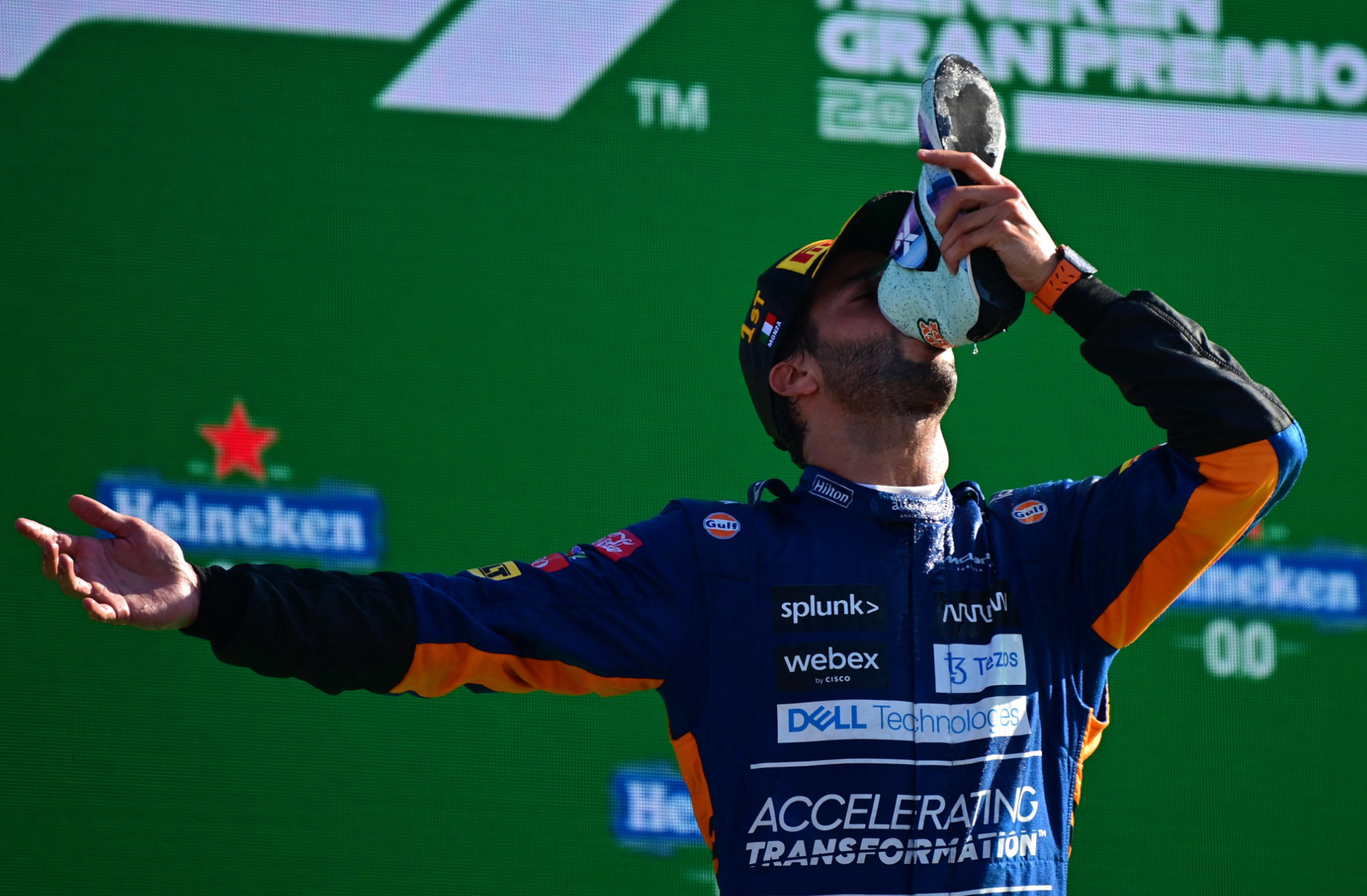
Daniel Ricciardo celebrates winning the Italian Grand Prix with a trademark 'shoey'.
Image credit: Getty Images

Daniel Ricciardo won his first race since leaving Red Bull in 2018 on an extraordinary Italian Grand Prix weekend.

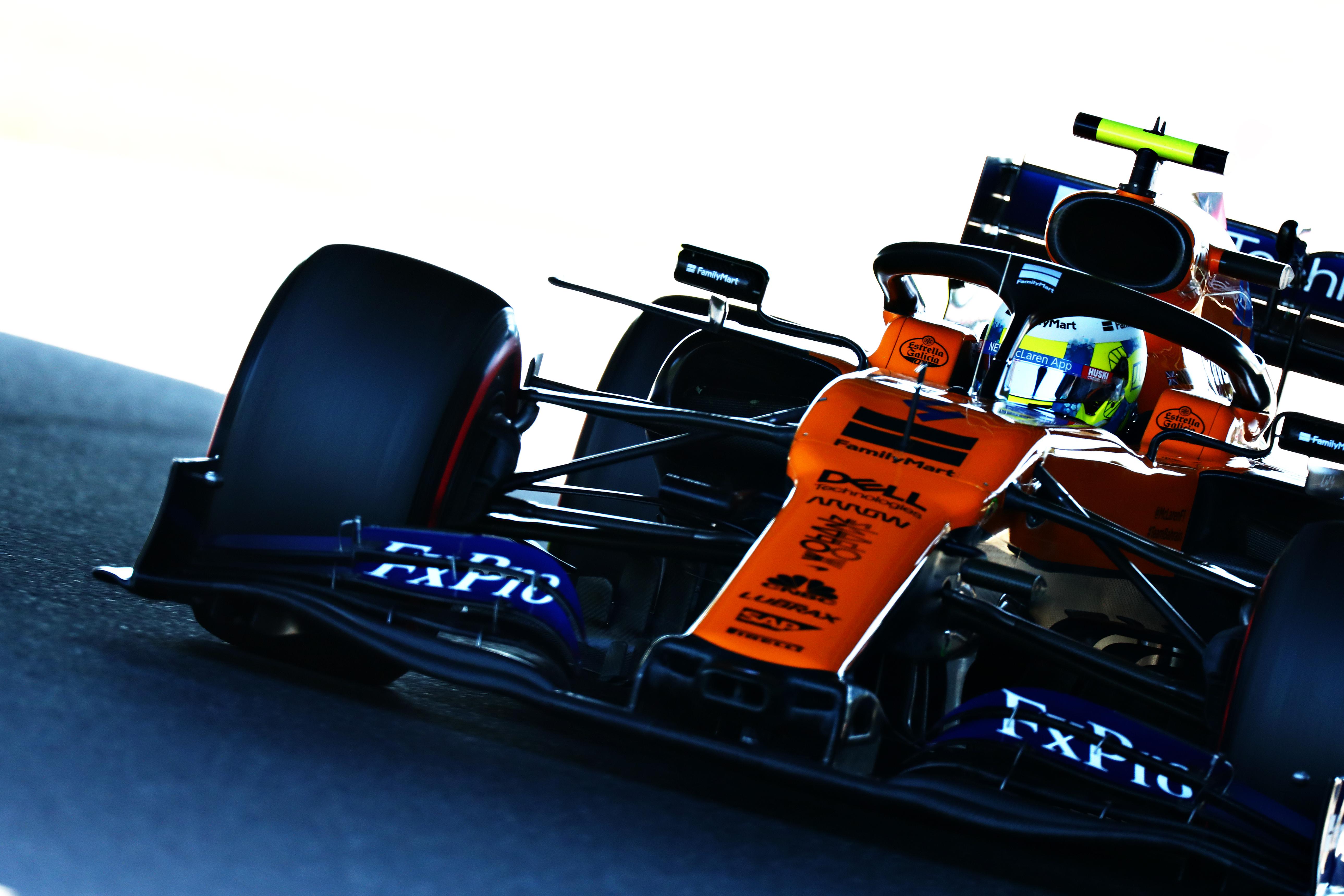
McLaren were legitimate challengers in Monza and took advantage of the leading teams’ messy weekends to claim a first victory since 2012, with Lando Norris making it a 1-2 for the papaya team.

After a poor start in the sprint race, Lewis Hamilton found himself fourth on the grid and, with teammate Valtteri Bottas starting at the back after taking a new engine, it was Max Verstappen and Ricciardo who lined up on the front row.

The Honey Badger nailed his getaway and comfortably beat the Red Bull to the first corner. From there, he never looked back.

Hamilton also got a good start, passing Norris for third and then challenging Verstappen into the second chicane of Variante della Roggia. The reigning champion got himself alongside the Red Bull but – not for the first time this season – was run out of road on the outside and rejoined the track behind Norris.
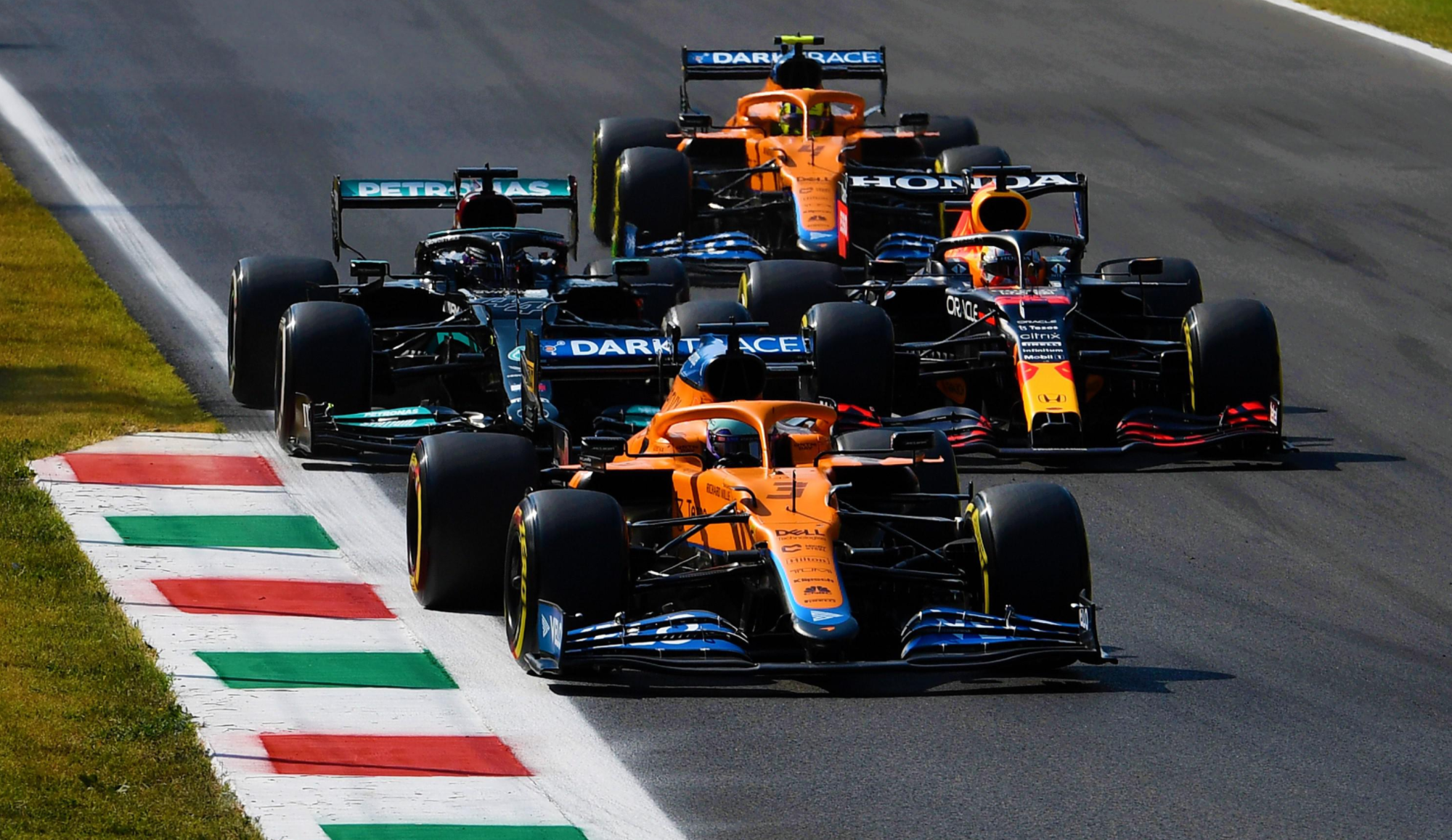
The two McLarens and the two title rivals battle.
Image credit: Getty Images

It would not be the rivals’ final meeting on track.

The first stint of the race was a tale of the two title contenders failing to pass the McLaren in front of them, largely thanks to their excellent straight-line speed and strong traction out of the final corner.

Ricciardo triggered the sole round of pit stops when he came in on lap 23, but the series of events leading to the biggest moment of the weekend began when Verstappen responded one lap later.

The usually flawless Red Bull pit crew suffered a sensor issue which led to a painful, 11-second stop for the championship leader and saw him fall behind Norris.

Mercedes – despite Hamilton having started on the harder tyre compound – knew this was their chance to jump Verstappen and brought car number 44 in two laps later. It was another poor stop, however – at a little over four seconds – and saw Hamilton rejoin right between Norris and Verstappen.

The Dutchman tried to stick it out around the outside of Turn One but ran out of road and bounced over the sausage kerbs. That sent him straight on into Hamilton and, as his right rear rode over the left rear of the Mercedes, he suddenly found himself sitting on top of his rival’s car.
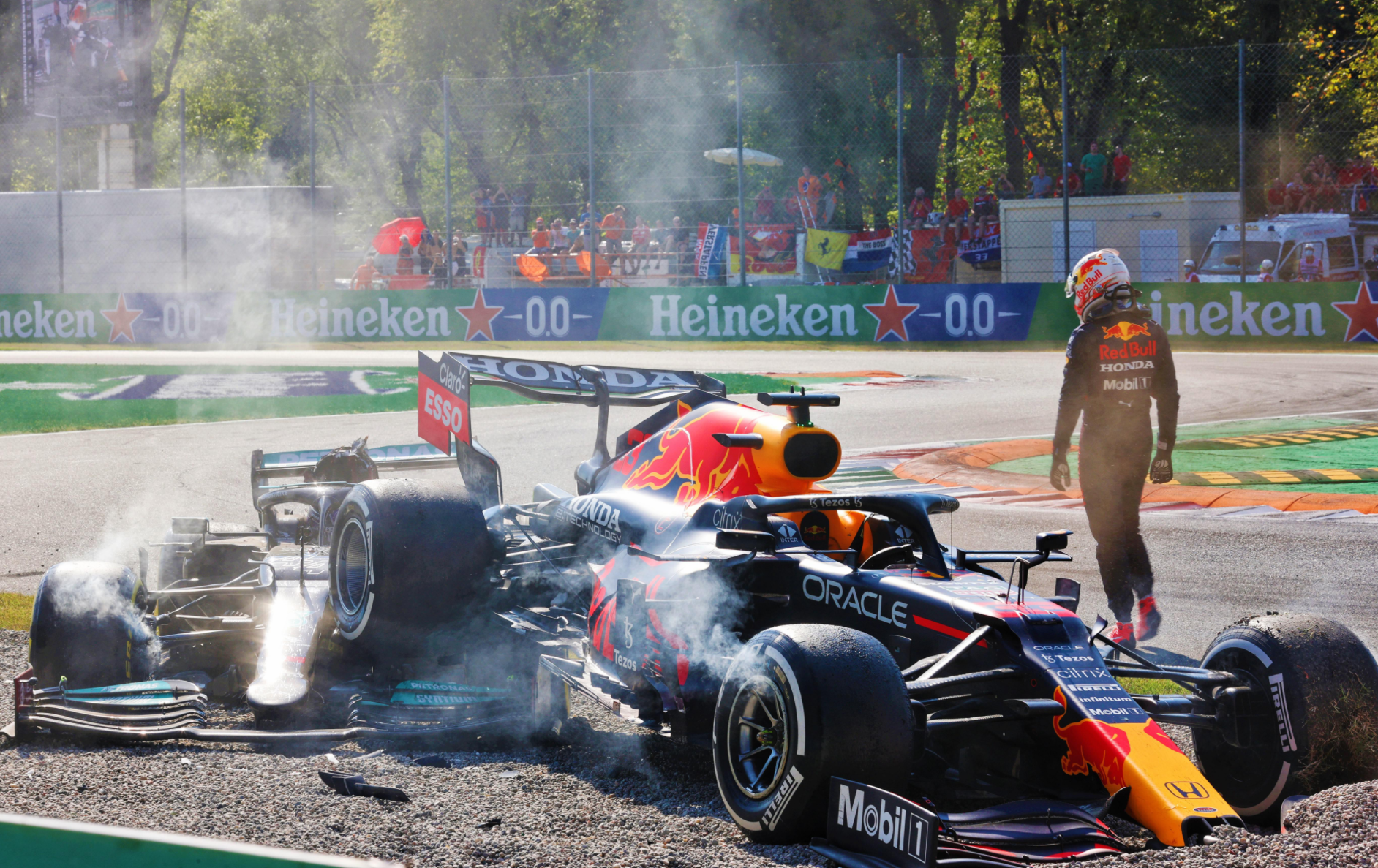
The aftermath of the clash between Lewis Hamilton and Max Verstappen.
Image credit: GPblog NL

Despite Hamilton’s efforts to reverse out from underneath the Bull which had so rudely mounted him, both were out of the race and the Safety Car was called.

The race restarted on lap 30 with Charles Leclerc delighting the Tifosi by having moved up into second with a cheap pit stop during the Safety Car period.

Not for long, though, as Norris bravely kept his foot in at almost 200 mph with two tyres on the grass through Curva Grande to retake the position from the Ferrari.

After a brief challenge on his teammate for the lead, McLaren decided to call the race off and focus on securing a scarcely believable 1-2.
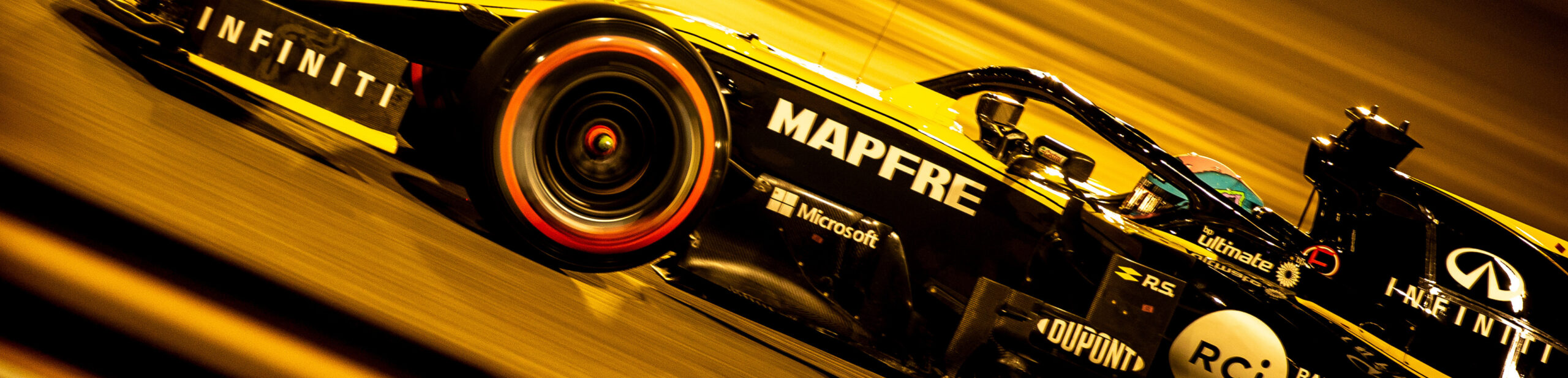
Behind them, Bottas continued his inspired charge through the field. The Finn had topped qualifying on Friday and won the Sprint on Saturday but started at the back for the main event after taking on a new engine.

He fought his way up to fourth on the road, which became a podium once Sergio Pérez was hit with a five-second time penalty for overtaking off the track. The Mexican also recovered well from a disappointing qualifying but would ultimately claim fifth – splitting the two Ferraris – once the penalty was applied.

Out front, though, it was all about the McLarens, who completed another wave of of orange celebrations – after Verstappen’s win at home seven days before – as they crossed the line in first and second.

What a tale of redemption for the team and their Aussie driver, who had struggled so badly to adapt to his new car in the first part of the season.
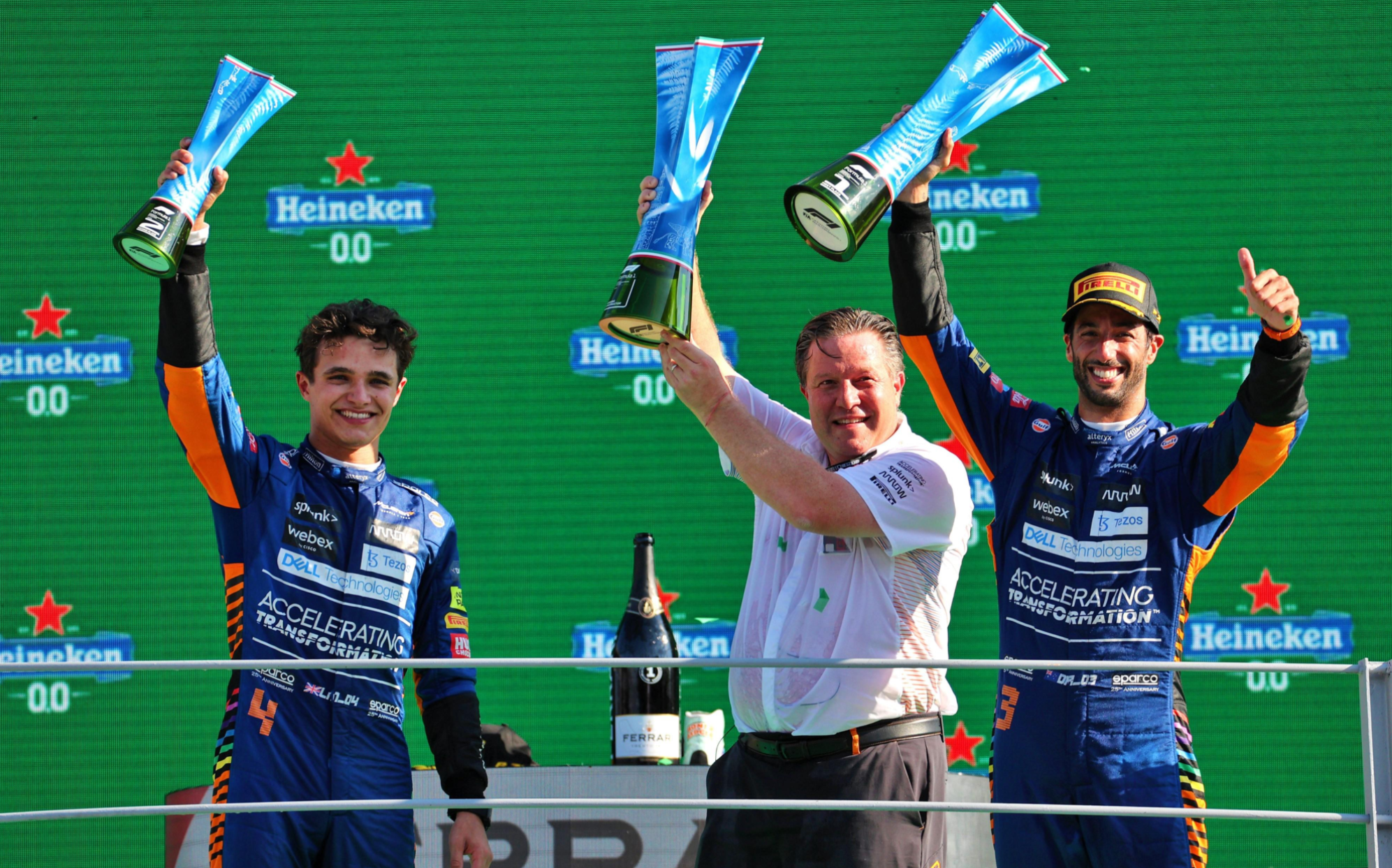
McLaren celebrate on the Italian Grand Prix podium.
Image credit: AFP

He appears to have succeeded in mentally resetting over the summer break and his eighth F1 victory will perhaps be the most satisfying of his career to date.

Now we wait to see what the Woking team can do with the regulations reset for next season. If they continue on their current trajectory, they could well be fighting for victories on a far more regular basis.

Breaking Down the Latest Hamilton-Verstappen Incident

Just as the battle at the front was becoming more amicable once again – with Hamilton appearing genuinely please for his rival’s home success – we get another flashpoint.

There was much debate over the culpability in their dramatic clash at Silverstone, and that will likely be the case again over the next fortnight.

Predictably, the drivers blamed each other. But the stance of Christian Horner – and even the ever-outspoken Helmut Marko – that it was a racing incident shows an effective admission of guilt on this one.

It usually takes just the slightest hint of accountability from Hamilton for them to go on the media warpath, encouraging their followers to raise their pitchforks to the sky.

There was an element or irony in elements of the Red Bull camp’s reaction in Italy. Firstly, Verstappen’s protestations that Hamilton should have left him more space are somewhat hypocritical, considering his approach to a very similar situation with the roles reversed on lap 1.

And, in hindsight, after having made such ridiculous accusations to the extremes of Hamilton having practically committed attempted murder in Silverstone, playing off an incident where their driver’s car struck Hamilton’s helmet as no big deal also seems a little incongruous.
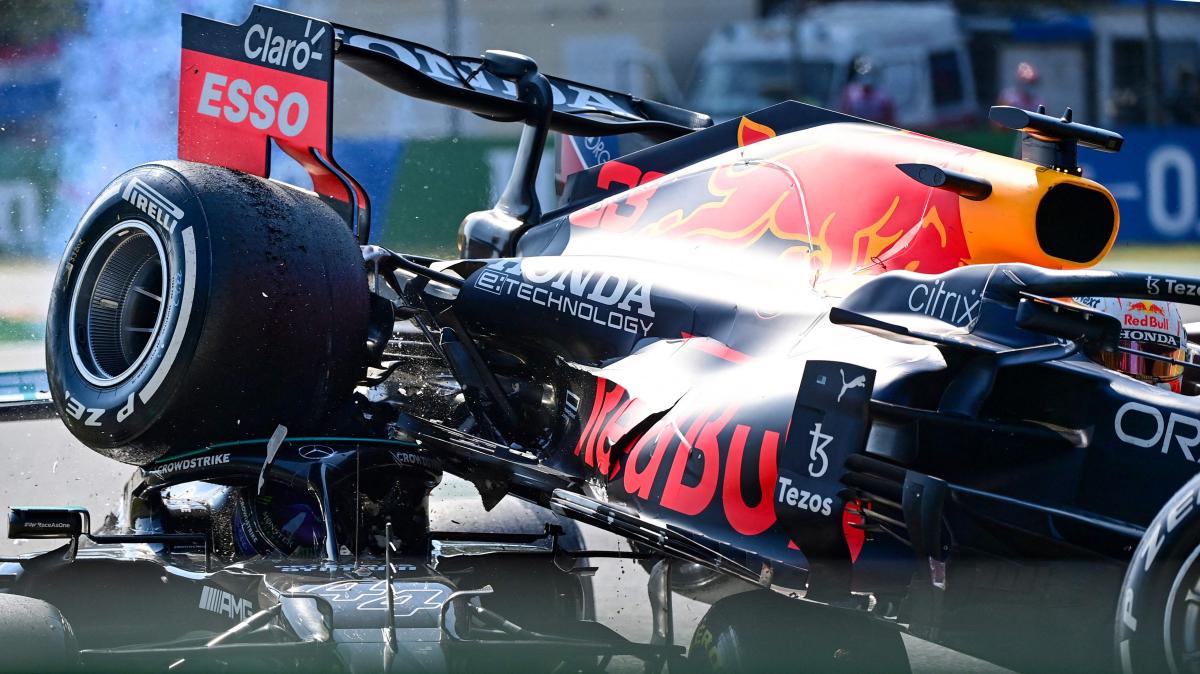
Max Verstappen's wheel strikes Lewis Hamilton's helmet.
Image credit: AFP

The stewards decided Verstappen was predominantly to blame and have handed him a three-place grid penalty for the next event. Not that it will matter considering the likelihood of Red Bull taking an engine penalty in Sochi.

From this writer’s point of view, the penalty feels about right. The Dutchman entered the chicane behind Hamilton but his overspeed meant that he was probably justified in sticking his car on the outside initially.

However, despite Hamilton leaving just about enough space to do so, it was clear that the trajectory and speed at which Verstappen entered was only going to result in one outcome, unless Hamilton basically parked his Mercedes on the outside of the second corner and waved him through.

That is the point at which most drivers on the grid – including Hamilton himself earlier in the race – would bail out of the move and take to the escape road. But Verstappen is not most drivers.

His sheer bloody-mindedness means that he will almost never back out of a confrontation. Since joining the sport – even as a 17-year-old – he has epitomised the Ayrton Senna ‘back out or we crash’ mantra.

Personally, I would much rather see a hard battle over the course of a series of corners or laps, with two racers battling it out right on the edge.
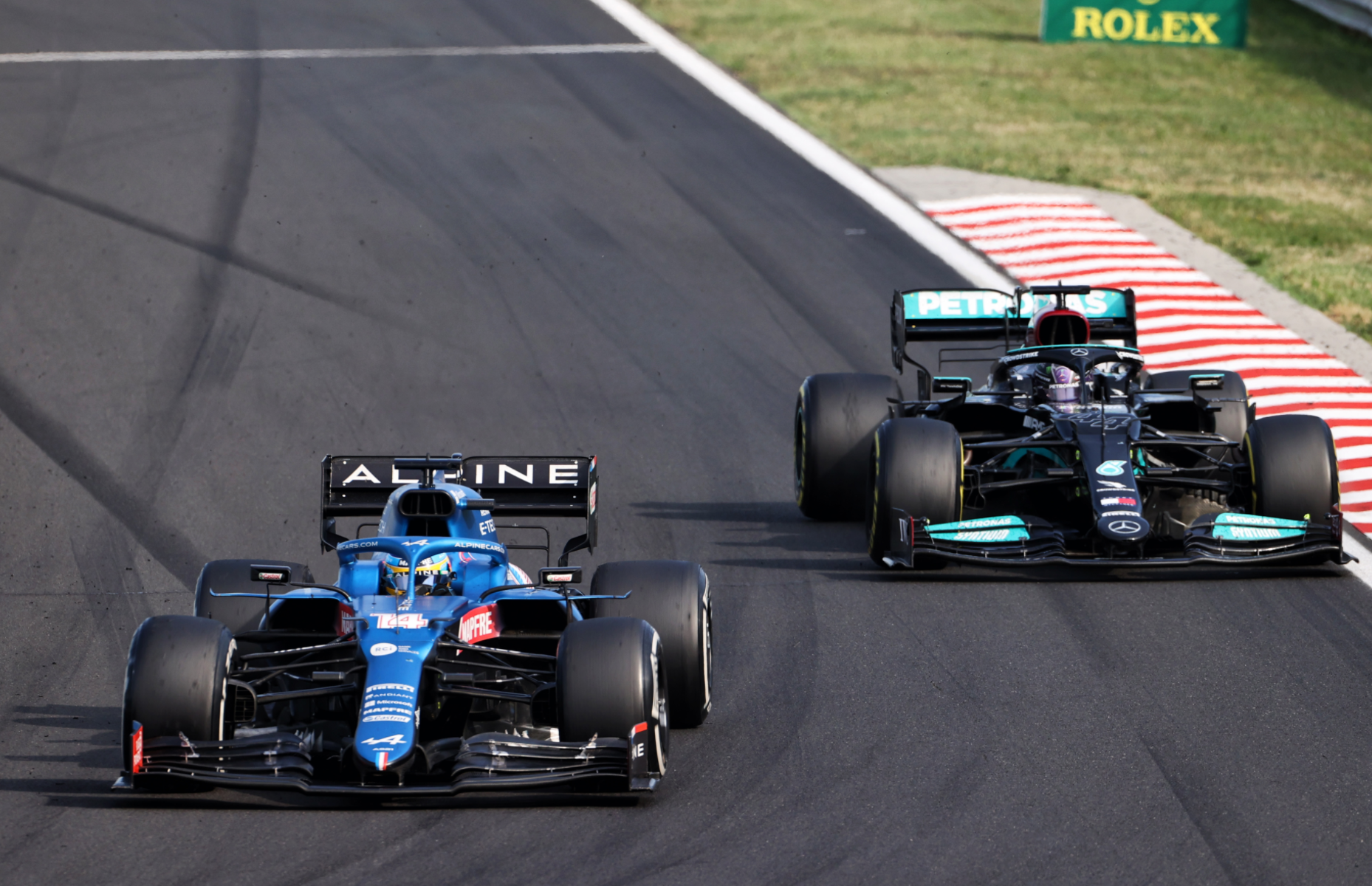
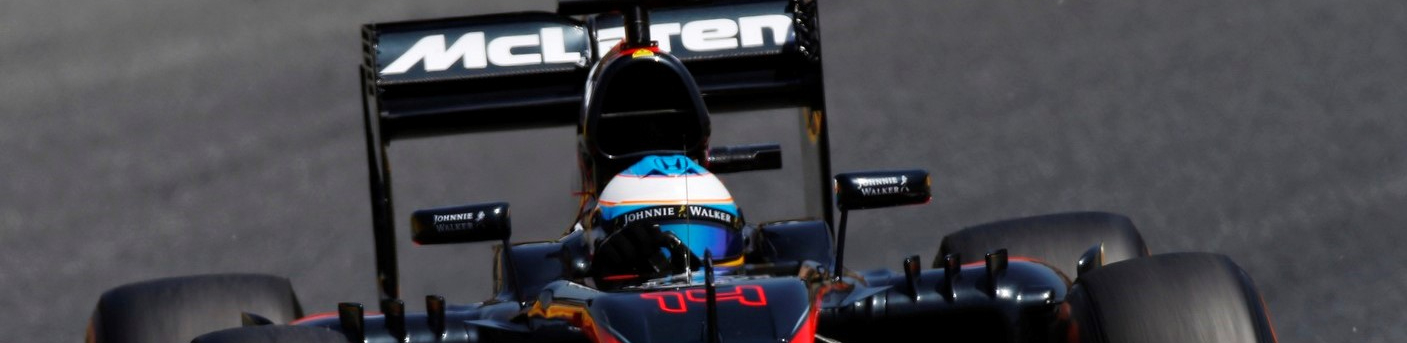
Fernando Alonso and Lewis Hamilton battle at the Hungarian Grand Prix.
Image credit: XPB Images

Hamilton and Fernando Alonso demonstrated that in Hungary this year – and many times before – as have plenty of other drivers.

That is surely what we want to see. Whilst these monumental crashes are great for the drama, and will be spoken about for years, it is a shame that the most referenced points of this incredible season will be the leaders ending up in the gravel, rather than battles for the ages like Alonso and Michael Schumacher at Imola in 2005.

It almost brings a question to Verstappen’s wheel-to-wheel ability. The 23-year-old is clearly spectacularly fast, but at what point do we consider him to be poor in wheel-to-wheel combat? The instances of him forcing drivers off the road outnumbers his on-the-edge battles at an increasing rate.

He surely has the ability and spatial awareness required, but whether he chooses to do so is the bigger issue.

There is a very fine line between hard driving and poor driving.

The Italian Grand Prix in 60 Seconds

Answering the Burning Questions

How will the Sprint Qualifying format play out this time around? Once again, we had a crazy weekend – but whether the format was instrumental in that is up for debate.

Will Mercedes dominate on a power-sensitive track? In terms of outright pace, probably. In terms of the race, it was actually a McLaren domination.

Will we get the usual Monza shenanigans in the regular qualifying session on Friday? Yep, as predicted it was all a bit cringeworthy at points.
2021 Dutch GP report | Verstappen sends the Orange Army wild

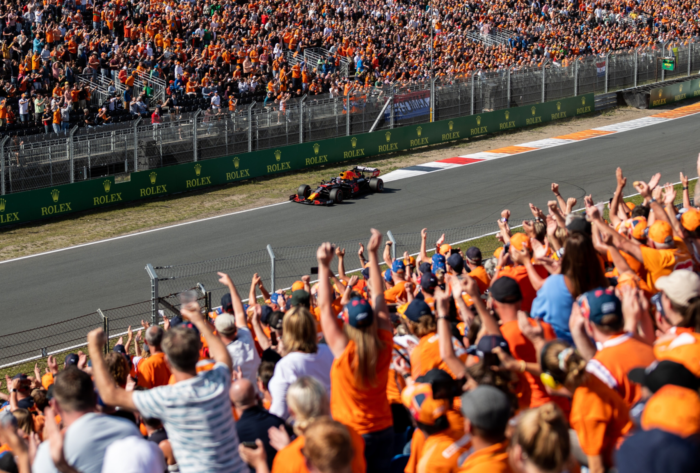
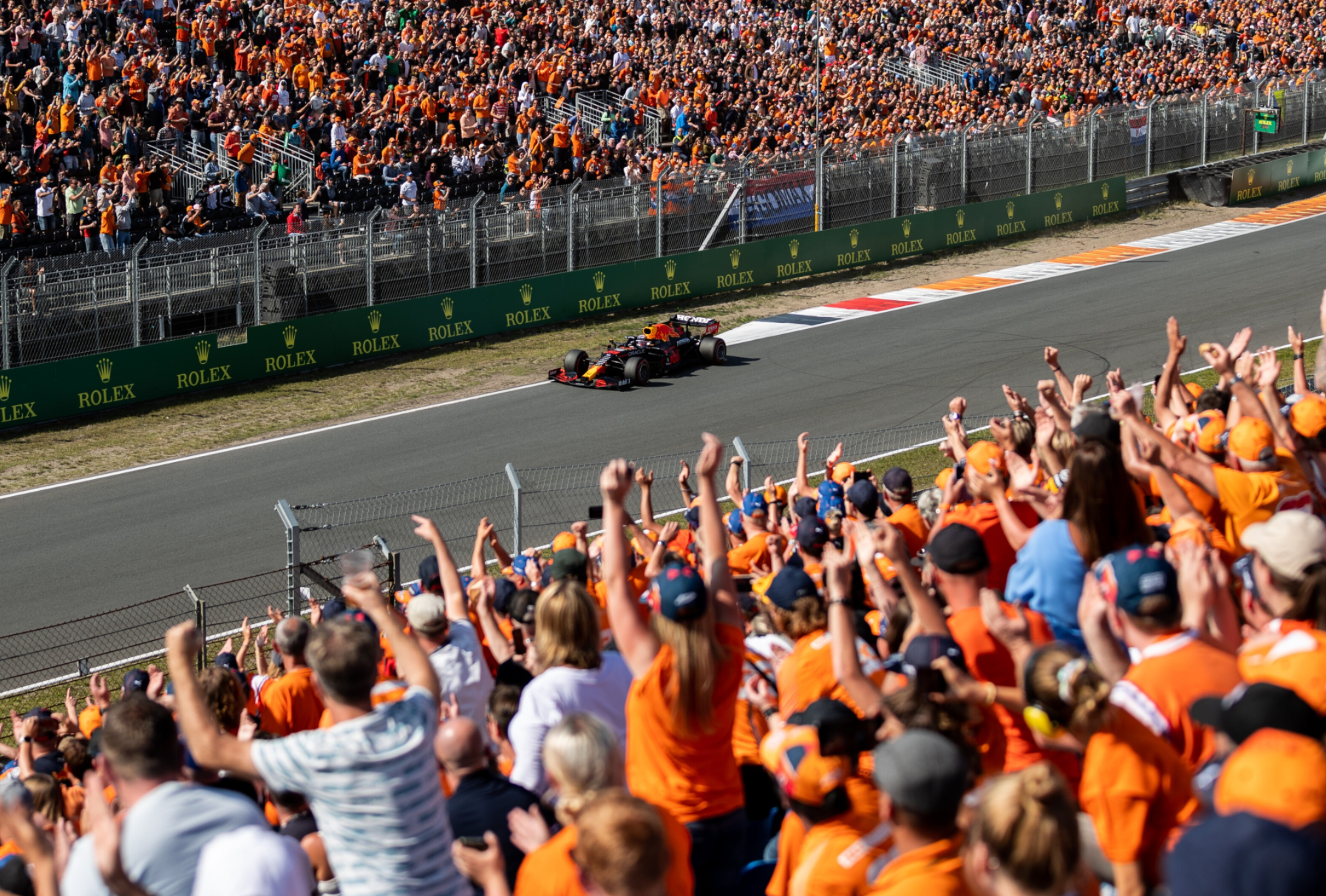
The Dutch sure know how to throw a party.
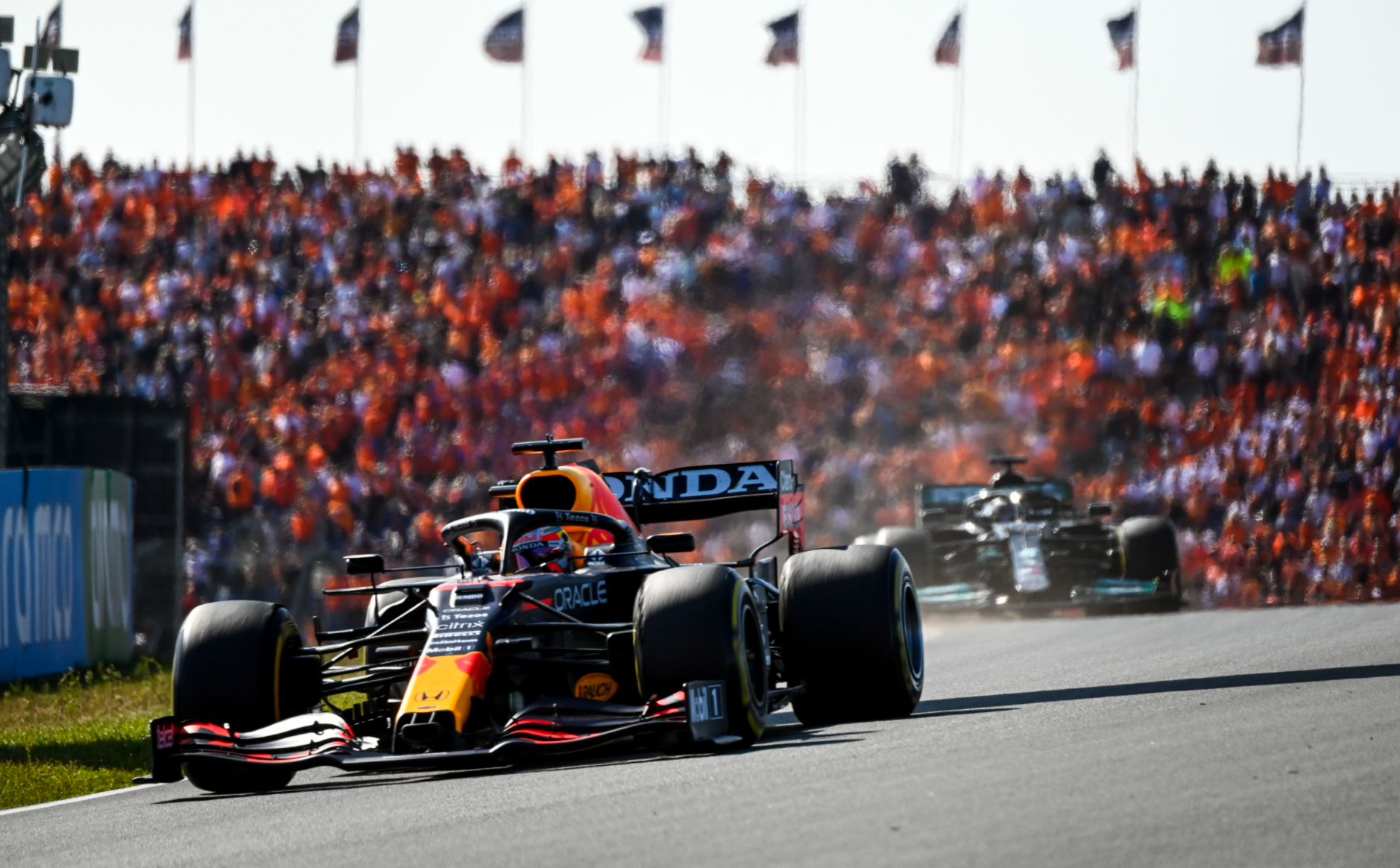
The Orange Army goes wild at the Dutch Grand Prix.
Image credit: Getty Images

Max Verstappen withstood everything Mercedes threw at him to win the Dutch Grand Prix – his home race – at the first attempt, much to the delight of a sea of orange.

The Red Bull looked the slightly better car over the course of the weekend – at least in the hands of Verstappen – and it was the 23-year-old who narrowly secured pole position on Saturday.

Lewis Hamilton impressively closed to within 0.038 seconds of his title rival, after a tricky weekend where he missed almost all of Practice 2 with an engine issue, but the margin should have been larger with Verstappen’s DRS failing to open after he had also missed fifth gear earlier in the lap.

On Sunday, as soon as the flying Dutchman had successfully navigated the run to the first corner, it was to be a tale of strategy.

Sergio Pérez in the other Red Bull had been caught out in Q1 and would be starting from the back, which left Mercedes able to utilise two-versus-one tactics.

Lewis Hamilton chases Max Verstappen.
Image credit: Sutton Images

They attempted to take advantage, bringing Hamilton in for an attempted undercut, whilst teammate Valtteri Bottas ran long on a one-stop. The Finn made his Mercedes as wide as possible when Verstappen caught him, but was unable to stop him sailing past after one lap, despite the Zandvoort circuit proving predictably difficult to pass on.

Once again, Mercedes attempted the undercut with Hamilton, pulling the trigger unexpectedly early on lap 39. It was poorly executed, though, with the reigning champion emerging into traffic and Verstappen was easily able to cover him.

From there, it was plain sailing for the home favourite and car number 44 eventually gave up the chase to pit and secure the fastest lap.

A six-point swing in the title battle leaves Verstappen three points ahead in the standings heading to the season’s second sprint-qualifying weekend at Monza. On paper, it is a track that should favour the Silver Arrows. But how often have things followed the script this season?

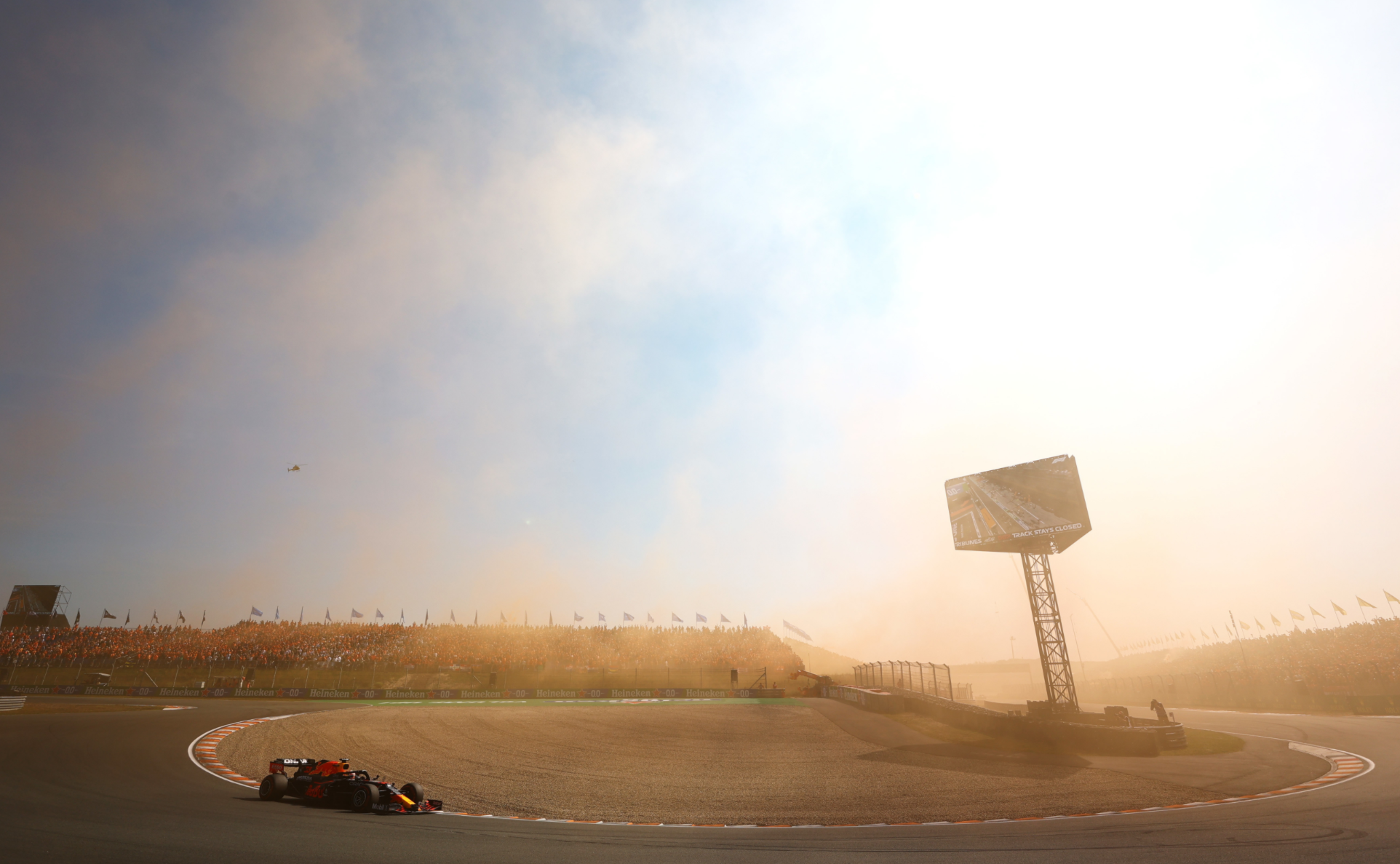
An orange haze from the Dutch fans' flares.
Image credit: Getty Images

A Tough Weekend for McLaren

Behind the most common podium trio of all time, Pierre Gasly once again excelled in the AlphaTauri, backing up his excellent fourth in qualifying with a lonely but flawless race.

Behind him, the Ferraris finished fifth and seventh – split by Fernando Alonso, who judged his tyre life to perfection to pass Carlos Sainz on the last lap – which sees them open out an 11.5-point gap to McLaren in the Constructors’ Championship.

The crowd may have been wall-to-wall orange, but things did not go the way of the papaya team in the Netherlands.

Unusually, Lando Norris struggled for pace throughout the weekend, and was then caught out by the pair of Williams crashes in Q2, leaving him 13th on the grid. Teammate Daniel Ricciardo did make it through to Q3 but could only manage 10th and, after nearly not starting the race at all, struggled for pace during it.

Norris extended his first stint well and caught the Honey Badger towards the end of the race. Team orders allowed him past but, after a tough battle with the recovering Pérez, Norris would only finish one place in front of a mildly disgruntled Ricciardo to claim the final point.

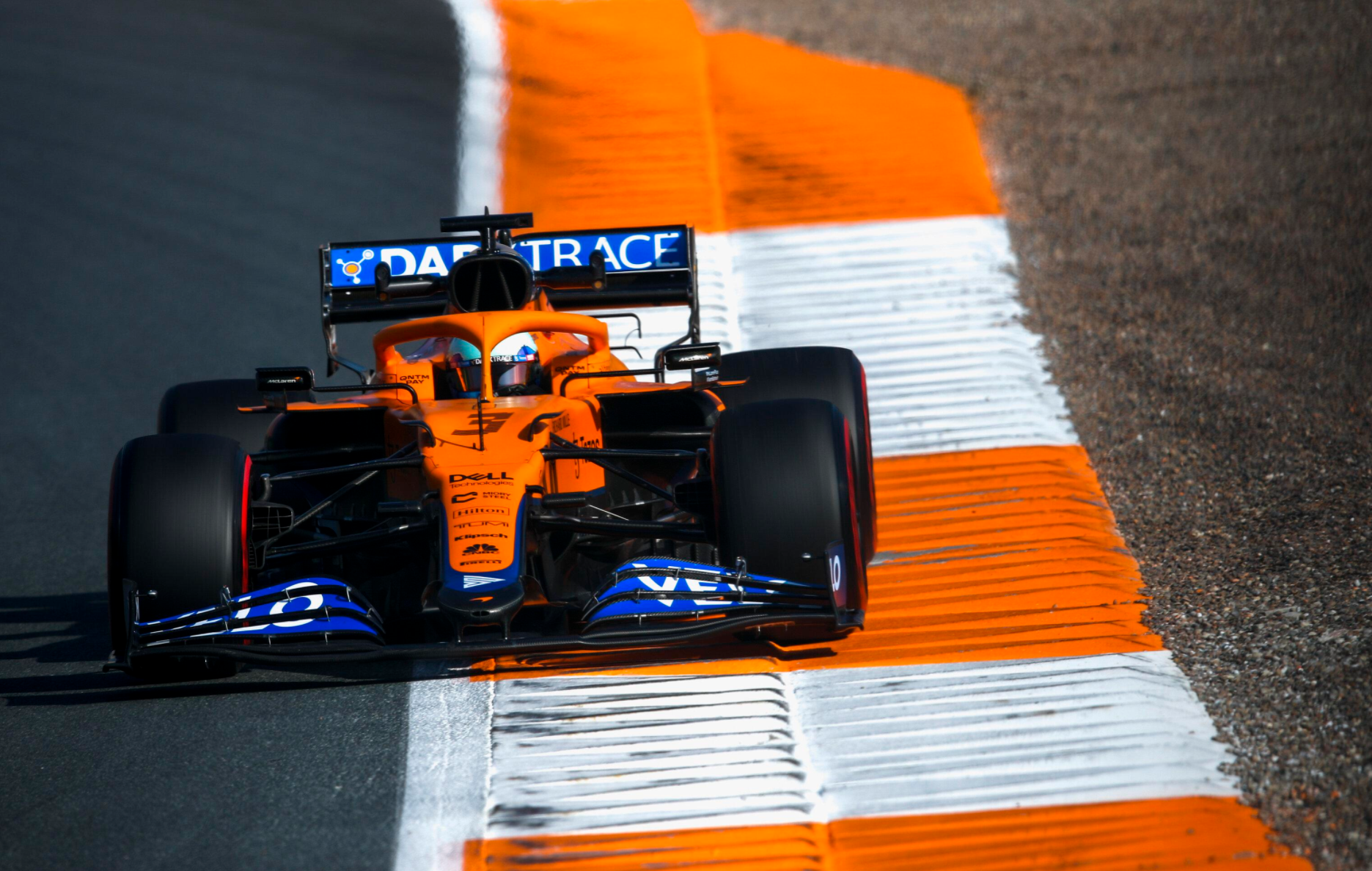
Daniel Ricciardo at the Dutch Grand Prix.
Image credit: Motorsport Images

Monza will give them an excellent chance to bounce back immediately, however. They are renowned for their straight-line prowess this season and could even find themselves mixing it with the big boys next weekend at the Temple of Speed.

The Dutch Grand Prix in 60 Seconds

Answering the Burning Questions

Will Red Bull or Mercedes come out on top at a track that is somewhere between the Red Bull Ring and the Hungaroring? It was pretty tight, but Red Bull appeared to have a slight edge.

How will the drivers cope with a very unique circuit? They all seemed to love it. Along the lines of Mugello last year – a thrilling rollercoaster but not designed for modern F1 cars to overtake.

Will there be any overtaking? See above. Although Pérez produced some inventive moves to make his way back through the field.

2020 Abu Dhabi GP report | Verstappen wins season finale

As is often the case, the Abu Dhabi finale produces a spectacle of style over substance.
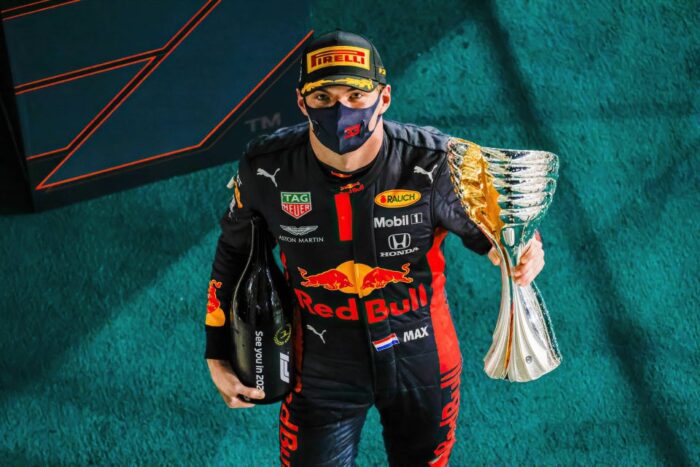
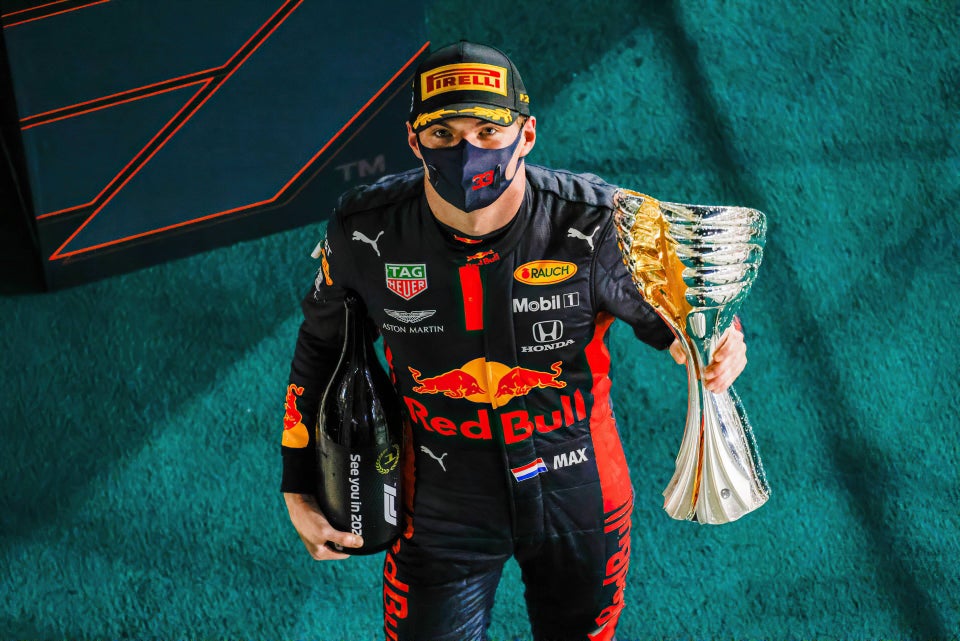
Max Verstappen wins the Abu Dhabi Grand Prix.
Image credit: Getty Images

Max Verstappen took his second victory of 2020 at the Abu Dhabi Grand Prix, during a weekend where, for the first time this year, Red Bull clearly had the outright fastest car.

Qualifying on Saturday was close – the top three separated by less than a tenth of a second – but surprisingly it was Verstappen who came away with his first pole of the year. And on Sunday, he simply drove away into the setting sun. It was a performance reminiscent of the Red Bull glory days of 2010 – 2013 but now with Verstappen at the wheel rather than Sebastian Vettel. Unfortunately it proved to be yet another sopirific race at the Yas Marina circuit.

The Mercedes behind never looked a threat and it was telling that Alexander Albon was challenging them in the final laps, rather than battling midfield cars. An off-colour Lewis Hamilton – clearly still struggling as he recovers from contracting Covid-19 – meandered round to third before saying, “I’m destroyed – I do not feel good. But I’m happy, I’m grateful. I’m alive, and I live to fight another day.”

Some saw this as promising for a close title battle next year – and Mercedes predictably talked up that prospect – but this dominant win came with some caveats.

In addition to housing a less-than-100% Hamilton, the World Champions had detuned their engines after discovering a reliability concern with their MGU-K. They had also struggled with balance throughout the weekend and were losing three tenths per lap in Turns Five, Six and Seven alone.

Image credit: Getty Images

Most importantly, though, Mercedes – after seeing the level of their dominance early in the year – abandoned development on the all-conquering W11 to concentrate on next year’s car about halfway through the season. Technical director James Allison has pointed out that 2021’s regulations aren’t quite as copy-paste as many would have you believe.

“Actually, you can design an entire new suspension on next year’s car. You can spend your allowable tokens on quite considerable upgrades. You could be permitted to put a new gearbox on your new car if you use your permitted development tokens for that, or a new chassis.

“These are not small twiddles to an existing package. They are quite large ones. If we showed up with the first iterations of this modified regulation set, we would go from pole position to more or less last on the grid. So, there is a lot of work to do.”

If they are truly to challenge, Red Bull must put to bed their recent habit of starting the season slowly, with a tricky car which they slowly gain an understanding of. And a second driver who can consistently challenge at the front wouldn’t hurt either…

The Battle for the ‘Best of the Rest’

After last weekend’s shock win – and double podium – for Racing Point, third place in the constructors’ standings looked theirs to lose.

But things started to unravel when they discovered an engine issue on Sergio Pérez’s car – one that, in fact, came perilously close to denying him an emotional maiden win. The Mexican would have to start the race from the back of the grid. This problem for the Pink Panthers was then compounded by the McLarens’ excellent performance in qualifying, with Lando Norris starting in fourth and Carlos Sainz in sixth.

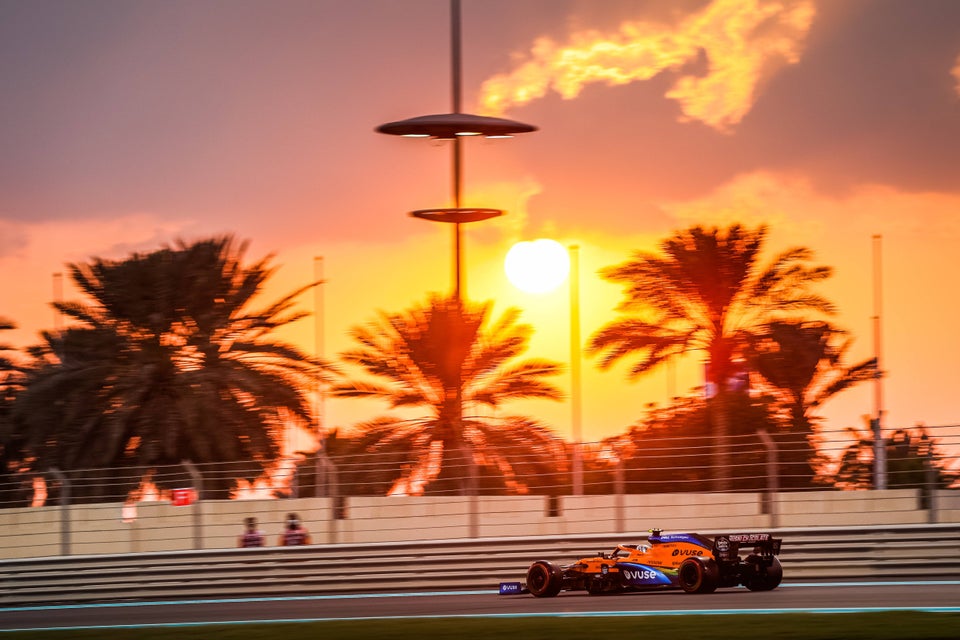
The sun sets on Lando Norris at the Abu Dhabi Grand Prix.
Image credit: DPPI

On race day, Norris inevitably fell behind the rapid Red Bull of Albon but, from there, those in papaya didn’t put a foot wrong and came home in fifth and sixth for a crucial haul of 18 points.
Pérez’s recovery drive was short-lived; another engine failure cruelly put an end to his final race with the team. After seven years – during which time he has saved the team from bankruptcy and delivered their first win – this will have had absolutely no effect on his hero status though.

The other Racing Point of Lance Stroll could only struggle to a single point for 10th and, with the Renaults in seventh and ninth, the unofficial title of ‘best of the rest’ – and more importantly, the extra prize money – went to McLaren.

Racing Point’s 15-point deduction back in the summer for illegally copying the Mercedes 2019 car proved crucial in the end. But they start afresh next year – rebranded as Aston Martin, with four-time world champion Vettel leading the team – and will look to push on towards the battle at the front.

A Race of Farewells

Abu Dhabi saw the end of many chapters. As mentioned, Pérez leaves Racing Point to be replaced by Vettel; the Ferrari driver was given a guard of honour by his mechanics and honoured via a special helmet design from teammate Charles Leclerc.

Image credit: James Moy

It was also Daniil Kvyat’s last race for AlphaTauri. The Russian’s Red Bull rollercoaster ride is finally over, but he is determined to find a spot on the grid elsewhere in 2022 and – after a mediocre start to the season – his performances of late have shown that he still has the potential to shine if given the right car.

The Sainz-Norris bromance at McLaren was heartbreakingly torn apart as the former prepares for his move to Ferrari. They signed off in trademark style though. And a Ricciardo-Norris partnership is unlikely to be dull.

Finally, it was farewell to the Haas drivers. It has been an underwhelming year in terms of performance, but Kevin Magnussen has shown a characteristic fighting spirit throughout. And if we’re talking of fighting spirit… Romain Grosjean was sadly unable to compete in his final race, but the images of him escaping that terrifying fireball in Bahrain will last forever. He may even have bagged himself a drive in the fastest F1 car of all time to see off his career. There are far worse ways to end a career and I’m sure many of them ran through his mind during those excruciating 28 seconds.

The Abu Dhabi Grand Prix in 60 Seconds

Answering the Burning Questions

Will Lewis Hamilton experience any knock-on effects from the virus? Apparently so. He certainly didn’t seem his usual self.

How will George Russell readjust to the Williams after a taste at the front? All the usual talk of being happy to be back and he performed at his usual high level.

Who can go into the winter break on a high? Verstappen, Red Bull and McLaren.

Which team will claim third in the standings and which driver will claim fourth? Pérez held on for fourth, despite his retirement contributing to McLaren snatching third from Racing Point.

An orange phoenix emerging from grey flames: McLaren rises from the ashes

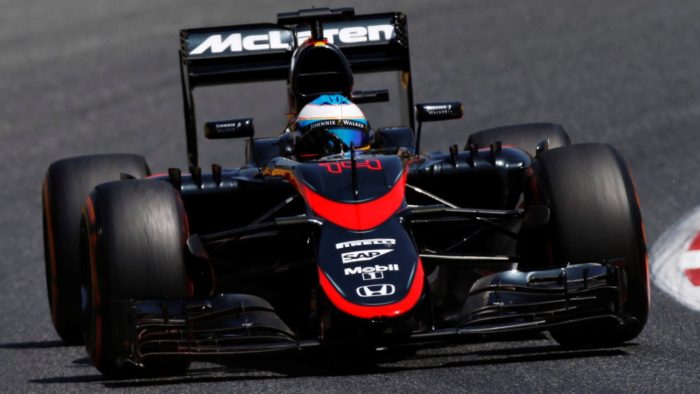
After a rapid decline and a few years in the doldrums, McLaren are on the rise again – fighting for third in the Constructors’ Championship with Ferrari and aiming to move back to the very front when the new regulations kick in next season. How high were the highs? How did they fall? And how have they risen up again?

Image credit: Getty Images

McLaren were a behemoth of Formula 1 for the best part of four decades, largely thanks to Ron Dennis and his infamous, meticulous attention to detail.

Dennis took charge of an ailing McLaren team in 1980 and turned them into champions in just four years. Whilst not the outright fastest car in 1984, anything as fast as the McLarens often fell apart and anything as reliable usually finished behind.

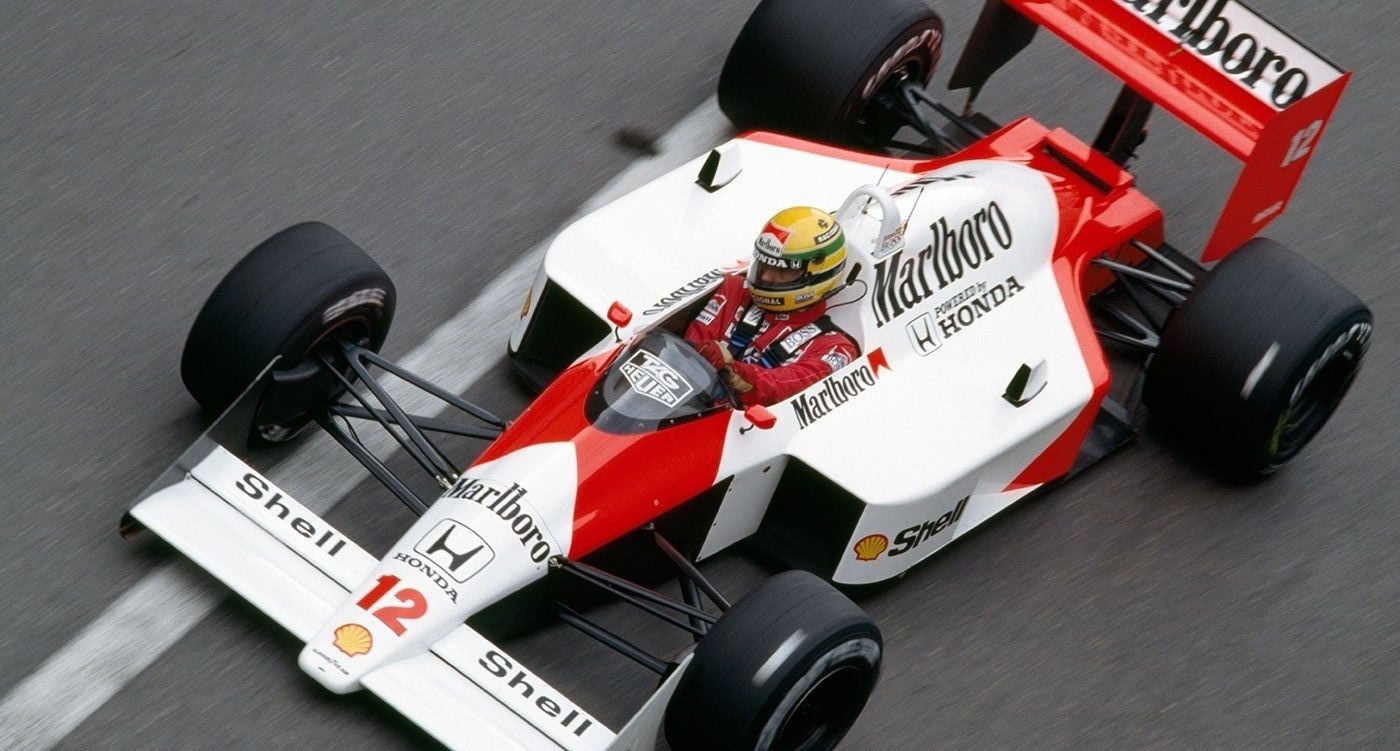
They would claim further titles in the following two years and, when the Williams-Honda partnership proved to be the class of 1987, Dennis lured the Japanese marque to leave Williams and join them. He also hired a certain Ayrton Senna. Thus ensued the most dominant season the sport has ever seen as McLaren won 15 of the 16 races.

The mid-90s saw something of a transitional period for the team, before Dennis stole from Williams again – this time, it was Adrian Newey – and the design genius led the now silver McLarens to back-to-back championships in 1998 and 1999. That would prove to be the final truly successful era of Dennis’s reign, however.

The only title they have won, so far, in the 21st Century is Lewis Hamilton’s maiden drivers’ title in 2008. By rights, 2007 should have been a double-championship year for them, but the eccentric character of Dennis is a double-edged sword and that second edge would contribute to the Spygate dramas.

Whilst his peculiarities undeniably produced much success, they also meant he lacked flexibility and had a relentless self-assurance that sometimes prevented him from seeing the bigger picture.

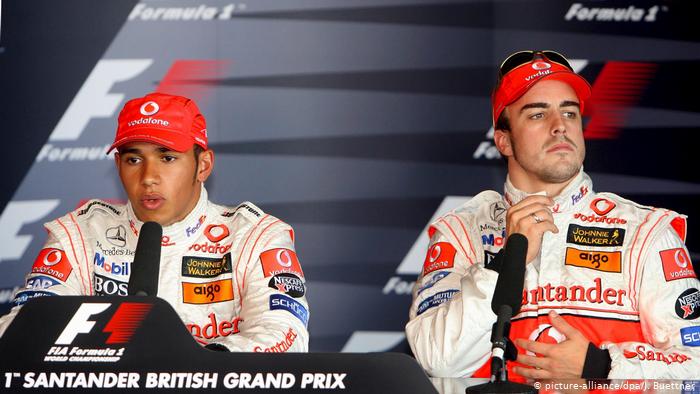
Lewis Hamilton and Fernando Alonso during their tense season as McLaren Formula 1 teammates.
Image credit: Picture-Alliance/DPA

Fernando Alonso had been promised lead driver status upon his arrival at McLaren, but once it became clear that Hamilton – who Dennis had nurtured since the age of 12 – was just as good, Dennis went back on his word and set off the chain of events that would end up costing McLaren $100 million. Just as with Senna and Alain Prost before, Dennis’s lack of empathy was a factor in the damaging decline of the warring duo’s relationship.

After a period of Red Bull domination, during which McLaren usually had a fast but unreliable car, came the hybrid era.

It started well with a double podium in the opening race, but that would prove to be McLaren’s final podium for over five years. As Mercedes took command of Formula 1, McLaren slipped further and further from their perch.

Dennis stated his belief that “customer teams will never be able to win the championship” and so ended ties with Mercedes and brought about a reunion with Honda; the nostalgic partnership would prove to be a story of style over substance and sentimentality over success, though.

McLaren’s entitled attitude under Dennis cost them greatly as they blamed Honda for all their issues and the once great constructor fell to a nadir of ninth in the 2017 Constructors’ Championship. A switch to Renault the following year showed that it was, in fact, McLaren’s design philosophy which caused significant straight-line speed issues and, to add insult to injury, Red Bull would go on to win a grand prix with Honda power at just their ninth attempt.

The blame culture and bland, grey precision in Dennis’s operations was arguably becoming outdated compared to the party atmosphere at Red Bull and the stereotypically efficient but, nonetheless, fun and blame-free approach adopted by Toto Wolff and the entire Mercedes operation.

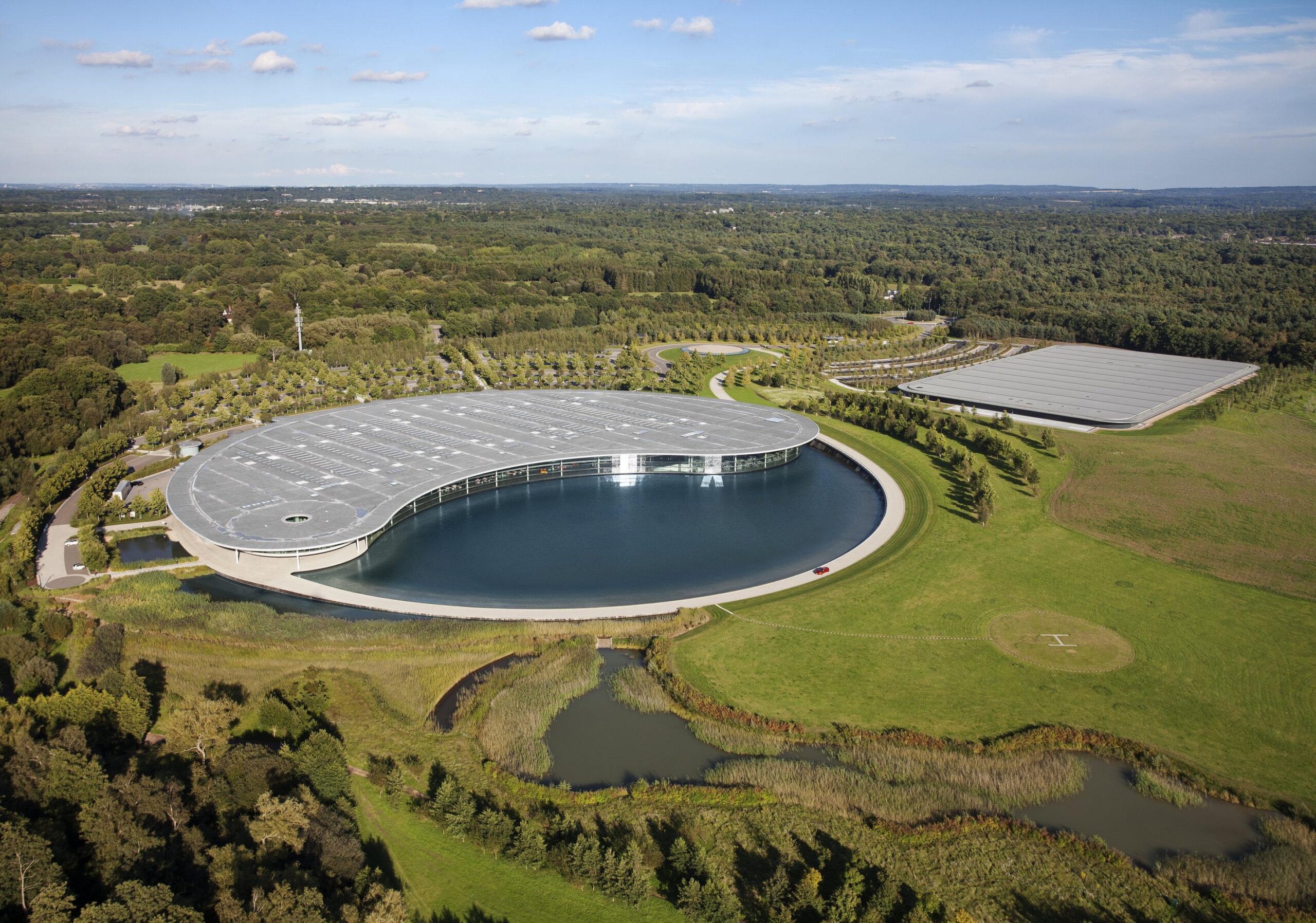
The Bond villain-esque lair and base of Formula 1 operations that is the McLaren Technology Centre.
Image credit: McLaren

The levels to which Ron Dennis’s forensic, quixotic approach extended are mind-boggling, and best surmised by his former employee: “One of the best ways to upset Ron Dennis is to sit down in his office, where he’ll usually have a few piles of papers neatly stacked on his desk, and just tip one of those piles by a few millimetres, knowing he’ll then focus on that pile for ages, because he won’t be sure whether you’ve straightened it or made it crooked”, Newey says.

“To me the new building was oppressive in its ordered greyness. Reminiscent of something from Fritz Lang’s Metropolis, it featured rows and rows of desks with nothing out of line. Built by the Empire. Not an environment in which I, among others, found it easy to be creative.”

“When we first moved in, we weren’t even allowed glasses of water at our desk, and absolutely no tea or coffee or personal effects. Somebody pointed out that it was probably illegal to deny workers water at their desk, so he had to relent on that, but not on the tea or coffee, and as far as personal effects went, you were allowed one family picture on your desk but it had to be stored in a drawer overnight.”

For all his success, having taken McLaren from a scruffy industrial estate in Woking to the futuristic, Norman Foster-designed Technology Centre, Dennis’s time seemed to be drawing to a close.

He would eventually ‘quit’ after being told by fellow shareholders that he had to give up his position as chairman and chief executive of McLaren Group.

With that, McLaren set about building a new legacy. They instantly chose to eschew the previous ‘Predatory Grey’ livery, in favour of incorporating the papaya orange historically associated with the team. It has taken some time but the new approach, led by a passionate and enthusiastic CEO in Zak Brown, is beginning to show dividends.

2019 saw McLaren outperform Renault – their current engine supplier, no less – to claim their best result since 2012, with fourth in the Constructors’ Championship. The business side of things is flourishing too, with a car now decked out with major sponsors such as Coca-Cola and Dell. Whilst their driver line-up also reflects their new values; Carlos Sainz and Lando Norris are fun-loving and have a light-hearted, harmonious relationship, but are equally – of course – very quick.

Norris is fast becoming one of the most popular drivers on the grid and has emphatically shown his progress on the track at the start of 2020. A maiden podium at the opening grand prix was a pleasant surprise and another flying finish one week later, moving up from eighth to fifth in the final two laps, has led to the ‘Last-lap Lando’ nickname. Meanwhile, Sainz came agonisingly close to taking a maiden victory – and McLaren’s first for eight years – at the chaotic Italian Grand Prix.

The team from Woking seem to be on the up and will be hoping to take advantage of the new regulations in 2022 to take that next step. In the meantime, they have a certain Daniel Ricciardo joining them next year, so things are unlikely to get dull any time soon…

2019 Japanese GP report | Bottas wins as Mercedes seal title

Some questionable strategy but, nevertheless, Mercedes are champions.

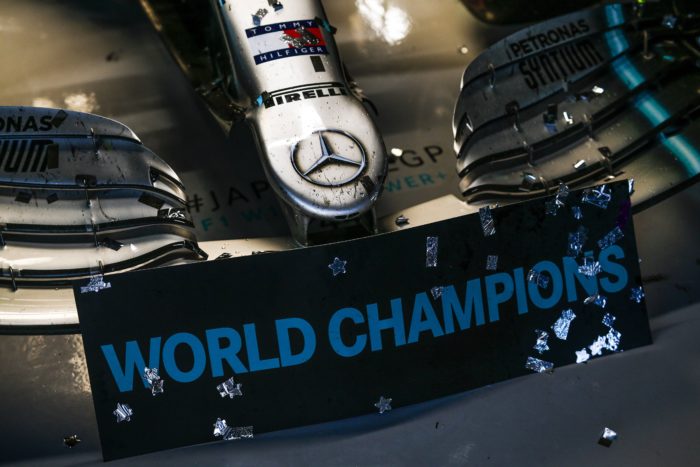
With Ferrari finding new and ever more inventive ways to capitulate, Valtteri Bottas came home a comfortable winner at the 2019 Japanese Grand Prix and sealed the Constructors’ Championship for Mercedes. The result also confirmed that only Bottas or his teammate, Lewis Hamilton, can now win the Drivers’ Championship so that is a record six consecutive world championship doubles for the Silver Arrows.

Whilst some may be tired of the recent domination within the sport, you have to admire the consistency with which the team operate. It is worth remembering that we are witnessing history in the making. In the future, people will surely point back to arguably now the greatest team the sport has ever known. The efficiency with which the German marque is renowned came to the fore at the beginning of the hybrid era in 2014 and the relentless Mercedes machine has rumbled on ever since, crushing all in its path.

It is a shame that Niki Lauda is not around to see them break the record as he was so instrumental in that success. He played a crucial role in convincing Hamilton to join the team and, together with team principal Toto Wolff, formed a fantastic management team. Touchingly, Lauda was remembered by his infamous red cap in the celebratory photos.

As for the race itself, there is a fair amount to discuss.

Typhoon Hagibis swept through the area on Saturday and produced the rarity of a Sunday morning qualifying session. Having looked considerably off the pace in Friday’s practice sessions, Ferrari produced a surprise front row lock-out, with Sebastian Vettel outqualifying his teammate, Charles Leclerc, for the first time since June to take pole position.

However, Ferrari’s joy was to be short-lived as three hours later, at the race start, everything rapidly fell apart.

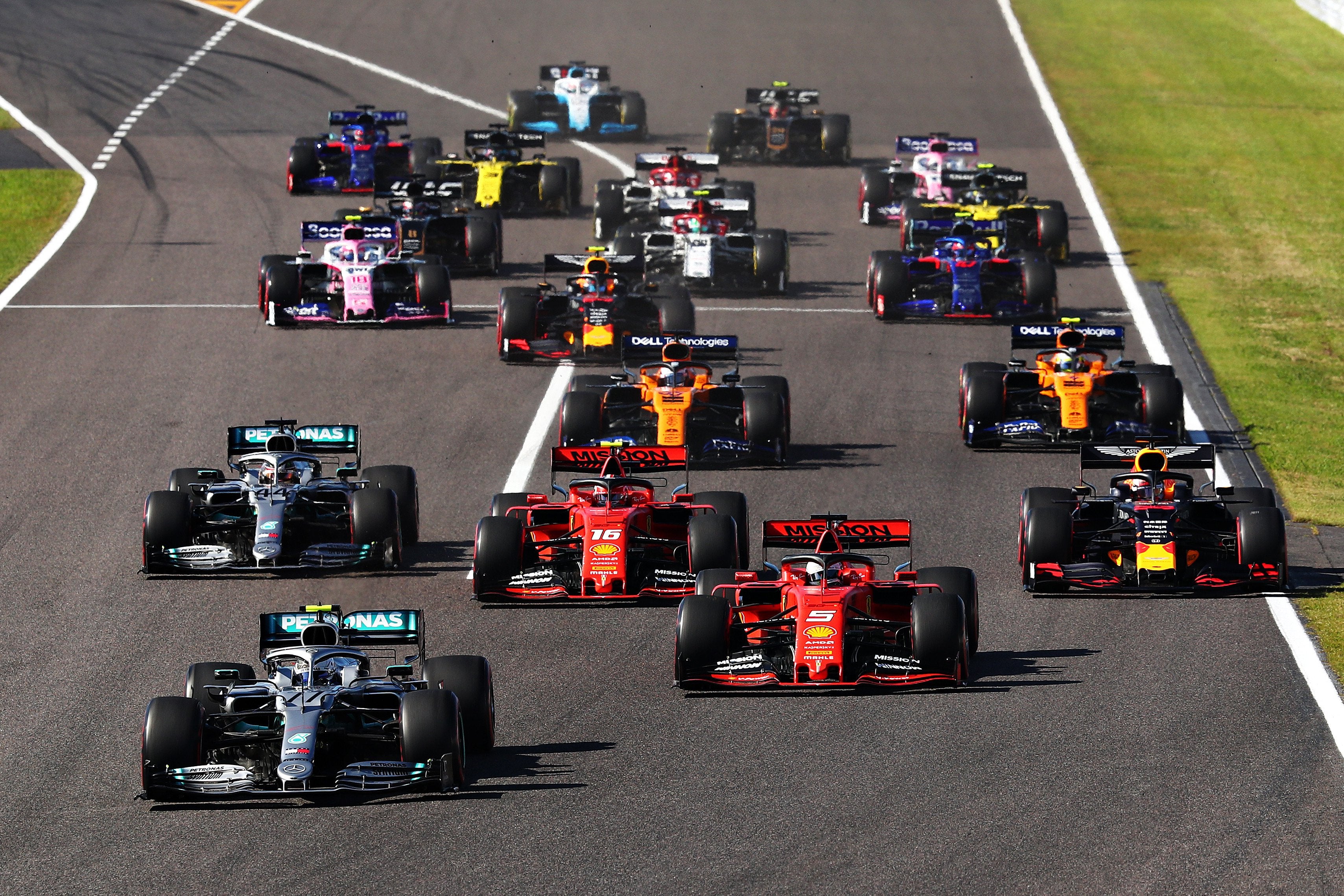
The start of the Japanese Grand Prix.
Image credit: Getty Images

Vettel produced what appeared to be a false start. It would eventually prove to be legal, due to the peculiarities of the regulations and the sensors. Despite moving before the lights went out, Vettel stayed within the confines of his grid slot and, because he braked instantly, was stationary when they did. Thus, it was a legal start.

But not a good one.

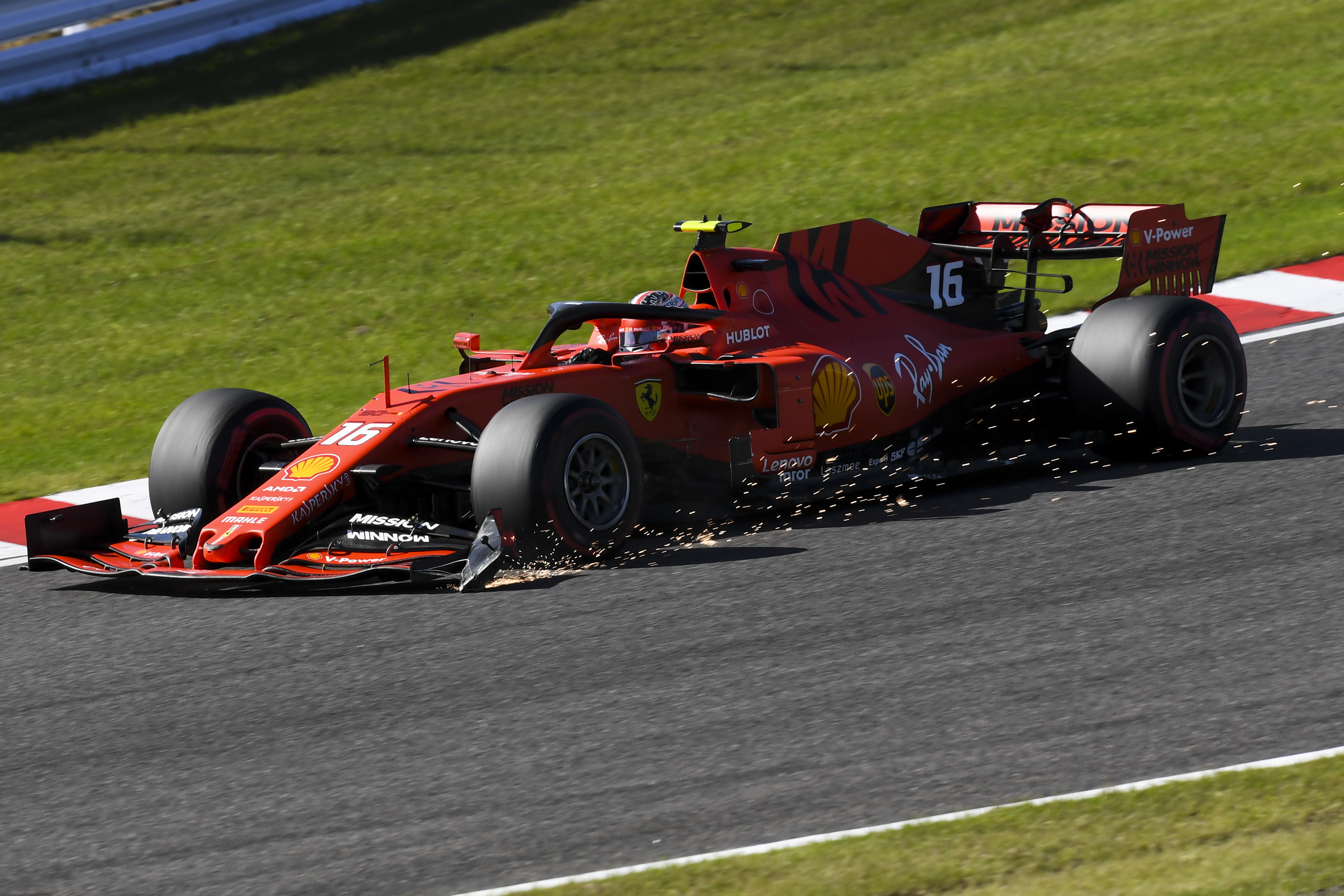
Whether distracted by this teammate or not, Leclerc also got away poorly and Bottas was comfortably leading by the first corner. Hamilton had nowhere to go but Max Verstappen had his eyes on third and set about storming around the outside. Leclerc, however, understeered into him and wrecked the Dutchman’s race – he would retire from the damage on lap 17. Leclerc survived but with damage to his front wing. He pitted on Lap 3, after showering those behind him with bits of carbon fire, and spent the rest of the race fighting back through the field.

The front three of Bottas, Vettel and Hamilton broke away from the pack and it became apparent that strategy would be key. The Ferraris had been suffering with their tyres more and expected to two-stop, whilst Mercedes were aiming for just the one.

Vettel was first to blink on lap 16 and Mercedes responded by pitting Bottas the following lap. Hamilton was left out with the intention of one-stopping but this was always going to be tricky as Saturday’s typhoon had washed the track clean of rubber and left it very ‘green’. The tyres, already damaged by following Vettel, degraded quickly and Hamilton found himself almost a pit stop behind Bottas in the space of a few laps; the world champion was soon on the radio, agitated and confused by his strategy.

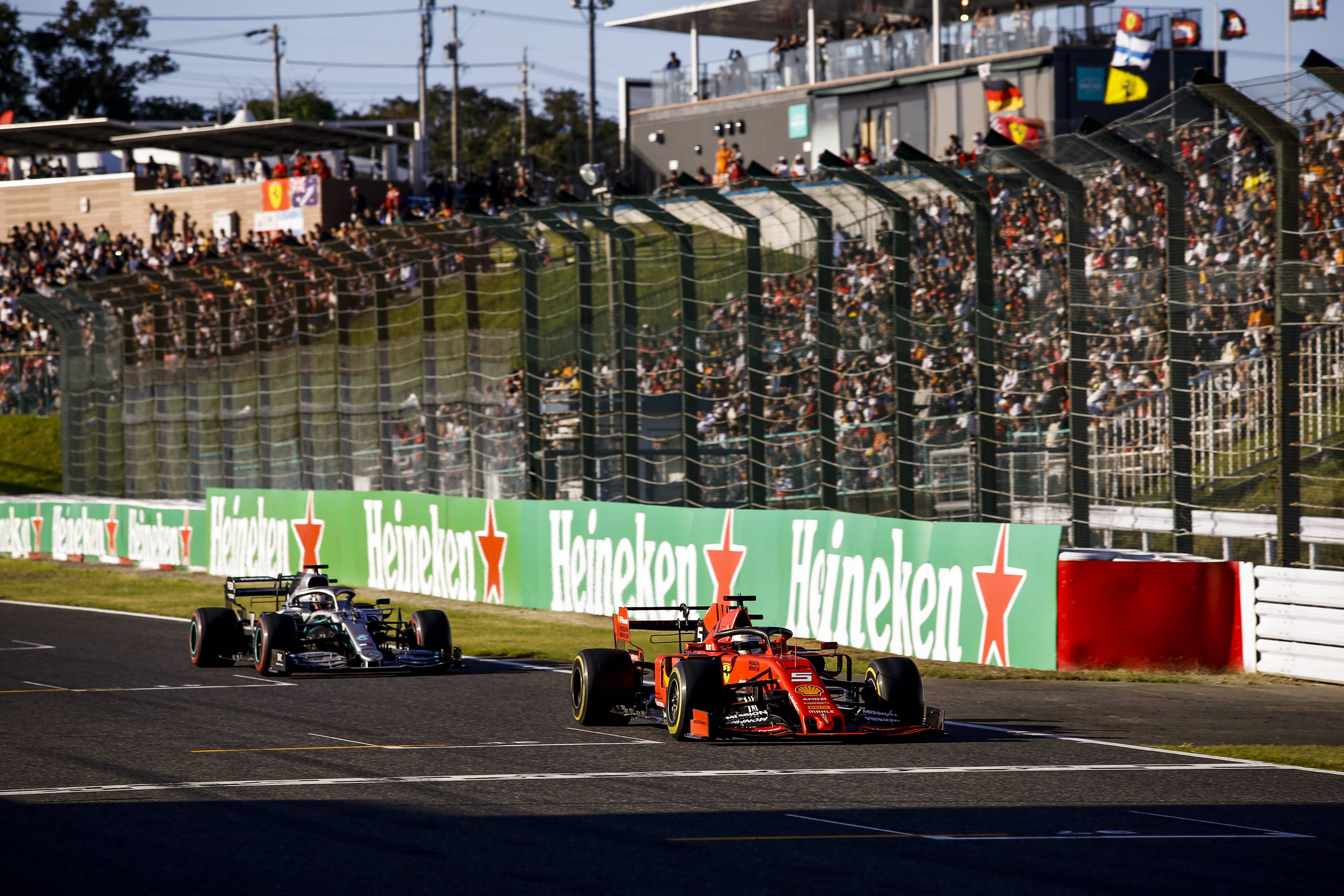
The particularly confusing decision by Mercedes, however, was when they bailed out of the one-stop and pitted Hamilton with 10 laps remaining. Passing the Ferrari of Vettel – with its significant straight-line speed – combined with the layout of Suzuka, was always going to be a tall order, even with fresh tyres. And so it proved to be as he closely followed Vettel home but never truly challenged him.

Sebastian Vettel and Lewis Hamilton at the Japanese Grand Prix.
Image credit: DPA Picture Alliance

Hamilton has shown his expertise when it comes to managing degrading tyres and defending positions many times in the past and would surely have been better off attempting that. The worst case scenario there would be that both Bottas and Vettel pass him and then Hamilton would have pitted anyway as there was well over a pit stop’s time back to Alexander Albon in fourth.

This obsession Mercedes appear to have with the overcut – certainly when it comes to Hamilton – is quite strange considering its lack of success. In this instance, it looks a bit like they were wary of Hamilton and Bottas fighting on track and so removed him from the situation. You get the sense that the Mercedes strategy team may have been a bit flattered by the dominance of their car in recent years.

Either way, Bottas didn’t put a foot wrong out front and picked up a deserved victory – his first since Baku in April.

More Points for Sainz, More Bad Luck for Norris

It was another strong drive for Carlos Sainz and another fifth place come the chequered flag. That moves him up to sixth in the Drivers’ Championship and moves McLaren another step closer to sealing fourth in the Constructors’ Championship. The Spaniard really is showing his full ability now, after a difficult year at Renault in 2018, and is potentially making Red Bull question their decision to release him. Whilst obviously far more experienced, he is only actually 18 months older than Albon and Pierre Gasly…

His teammate, Lando Norris, on the other hand, reverted back to form. That form being a promising race ruined by bad luck and factors beyond his control. The teenager was following his teammate comfortably in sixth for the first few laps but then collected some shrapnel from Leclerc’s disintegrating car in his brake duct, which began to overheat.

Lando Norris at the Japanese Grand Prix.
Image credit: Getty Images

To add insult to injury, just as he was about to take an early pit stop to have the debris removed, Albon launched an overambitious divebomb into the final chicane and clumsily punted his friend off the track. Norris recovered to the pit lane, his brake now on fire. He returned to the track and fought gallantly for the remainder of the race, finishing 13th, but it was another haul of points lost.

By rights, Norris should be close behind Sainz in the championship. It has been an impressive debut season for an immensely likeable character and, with some better luck and a bit more experience – particularly when it comes to race starts – the young man from Somerset could really challenge in the next couple of years.

Is Michael Masi Producing Problems?

Speaking of Albon’s overambitious divebomb, which went unpunished, it feels like F1’s stewarding and regulations are suffering from something of an identity crisis.

Michael Masi was a fairly popular replacement when we sadly lost Charlie Whiting on the eve of this season. He was stepping into some particularly large shoes and, for the first few races, he went mostly unnoticed – ergo, he was doing a fine job. But since the backlash caused by Vettel’s – in my opinion justified – penalty in Canada, Masi and co decided to change their tact somewhat and allow harder racing.

I brought up some potential issues after the Italian Grand Prix, when Masi announced that they would now be using the black and white flag more often, which I’m fine with in principle, and that Leclerc would have received a penalty had he made contact with Hamilton, which I think is somewhat ridiculous considering Hamilton had to leave the track to avoid said contact. Read that Grand Prix’s report for a more detailed analysis.

Since Verstappen’s move in Austria, the drivers have started to push the limits, finding out just how much they can get away with. And the answer appears to be a lot.

Hard racing, for me, is two drivers on the very edge but not quite making contact. Think Albon-Kvyat in Hungary this year or, particularly, Hamilton-Alonso in Mexico 2017. That’s surely the kind of racing we want to see.

But suddenly, in the space of a few races, it seems that clumsily throwing your car at the apex – Albon didn’t appear in a position to even make the corner without using Norris as a stopper – and knocking another car out of the way is apparently now okay.

This looks ridiculous when driving the wrong side of a bollard, as per Kevin Magnussen in Russia, gets you a time penalty. The lines are becoming too blurred and the stewards are losing authority. I just hope it doesn’t take a massive incident to provide perspective about what is and isn’t acceptable.

Japan was a sloppy weekend all round when it came to stewarding.

The casual viewer would struggle to understand why Vettel did not receive a penalty for what was a very visible jump start – we had expert analysts guessing at the minutiae, attempting to justify the decision – especially as Kimi Räikkönen received a penalty for an almost identical error at the very last race. It also took the best part of half the race for the stewards to reach their decision.

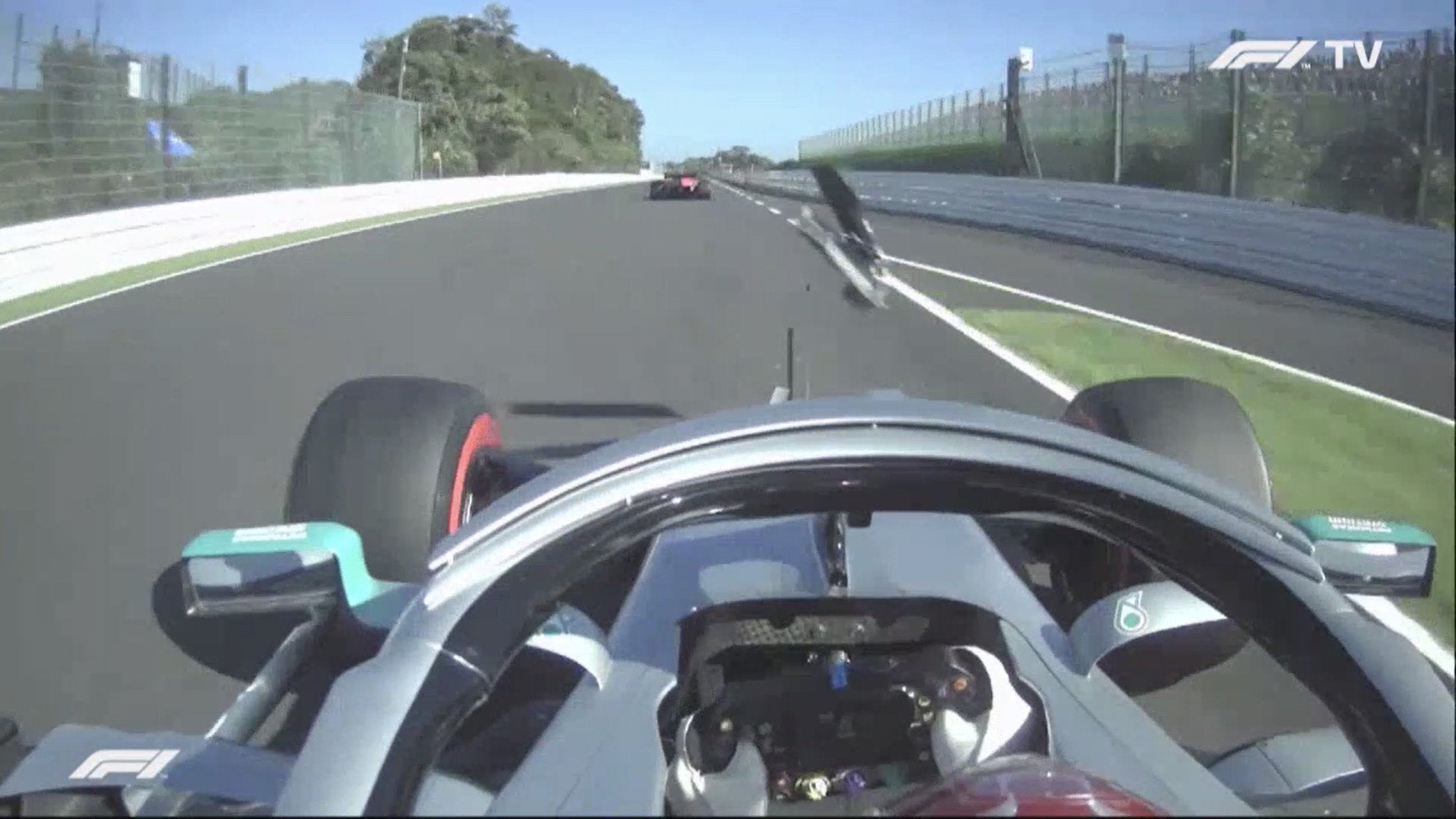
Then there was the fiasco with Leclerc’s damaged car. The blame appears to be shared by Leclerc, Ferrari and the FIA. Firstly, Ferrari called Leclerc in but he ignored the request and responded “Why?!” after having passed the pit entry. One lap later, just after the endplate had flown dangerously close to Hamilton, Ferrari told Leclerc not to come in. But the simple fact is Leclerc should immediately have been shown the black and orange flag and forced to come in by Race Control. Apparently Ferrari ‘promised that they would bring him in on the second lap’, only to go back on their word when the endplate fell off. But who is running the sport again?..

Image credit: Motorsport Images

So much time and effort has gone into safety in recent years and yet we have cars allowed to drive round at full racing speed, leaving a slew of sharp carbon fibre in their wake. That endplate sliced Hamilton’s wing mirror off; I can’t imagine it would have been pleasant had it struck him, just a few inches to the left. We have seen similar incidents in the last decade that resulted in a coma for Felipe Massa and the tragic death of Justin Wilson.

It was plainly obvious that Leclerc’s wing would not survive long and that it would most likely give up at the fastest part of the track. He also had a loose wing mirror which broke off later in the race. No one from Race Control even seemed to acknowledge that.

Leclerc and Ferrari were eventually given five and ten second penalties for the Verstappen incident and then not pitting respectively after the race. But, regardless of the fact that they are quite lenient penalties, why did the decision take so long? The first penalty seemed an absolute slam dunk – it was particularly bizarre that the initial decision was ‘no further action’ before it was then reopened – and five seconds after the race is considerably different to five seconds early in the race with traffic to navigate.

Image credit: Formula 1

Drivers with dangerous damage such as this should be shown the black and orange flag and forced to return to the pits at a reduced speed. It’s as simple as that for me.

And finally, to top things off, the new virtual chequered flag, which officially ends the race, was somehow produced one lap early. This actually changed the race result as Sergio Pérez’s last-lap retirement from eighth place was undone. Imagine if Hamilton had dramatically passed Vettel in the final few corners…

This is the very highest echelon of motorsport and it should feel as such. Right now, it doesn’t.

The Japanese Grand Prix in 60 Seconds

Answering the Burning Questions

Will there be more drama at Ferrari? Of course. But at least there was no drama between the drivers this time.

What effect will the Mercedes upgrade have? Hard to say. On Friday, it looked massive but then the Ferraris locked out the front row.

Are we going to have (lots of) rain with a typhoo heading for Suzuka? Yep. But it was all on the one day and didn’t affect a single session with the Saturday cancellation.

Can Mercedes wrap up the Constructors’ Championship? They can!

Which enthusiastic Japanese fan will have made the best hat? Got to be this one for me.

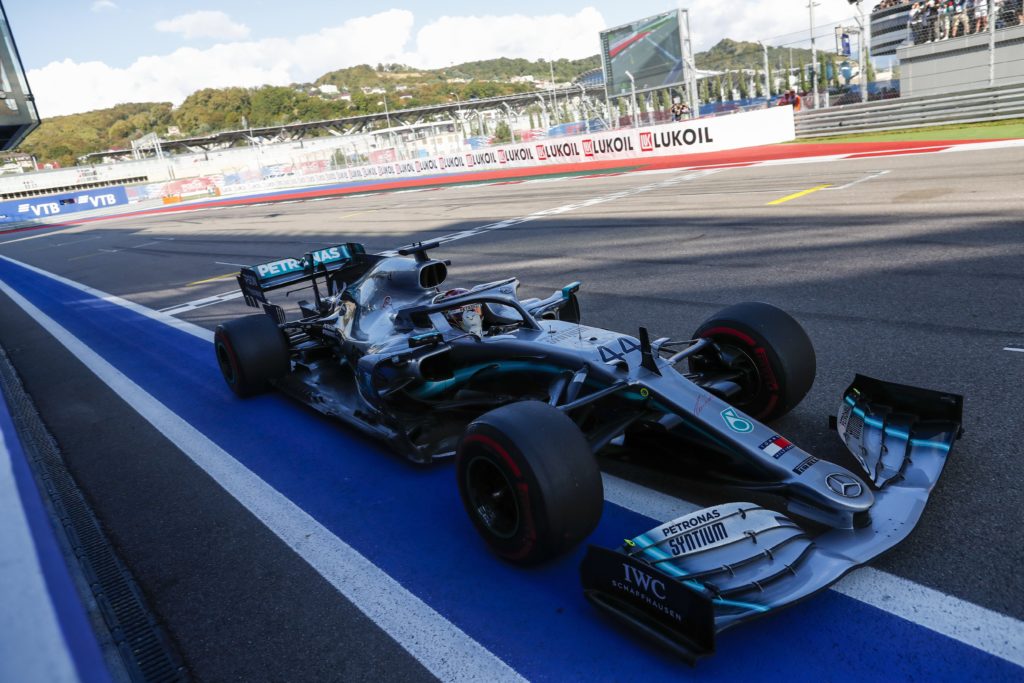
2019 Russian GP report | Hamilton takes surprise victory in Sochi

Strange words to hear but an unlikely Mercedes win…
Lewis Hamilton wins the Russian Grand Prix.
Image credit: Motorsport Images

Lewis Hamilton made the most of a Mercedes strategy gamble and some good fortune to take his ninth win of the season at the 2019 Russian Grand Prix.

Considering Mercedes are the only team to win in Russia since its debut in 2014 – even the unofficial Grands Prix in 1913 and 1914 were won by Benz, before their merger with Mercedes – it may seem a strange prospect that they were the underdogs this time around. But the characteristics of the front-running cars have changed. Ferrari’s class-leading straight-line speed, combined with the successful aerodynamic upgrade they brought to Singapore, saw them as the class of the field.

Through the Friday practice sessions, it appeared it may be a fight between Ferrari and Max Verstappen’s Red Bull as Mercedes struggled to get on top of their setup. Come qualifying, however, they had made some progress and Hamilton produced a trademark lap to claim a spot on the front row, albeit four tenths shy of Charles Leclerc’s equally impressive pole time.

But pole is something of a poisoned chalice at this track.

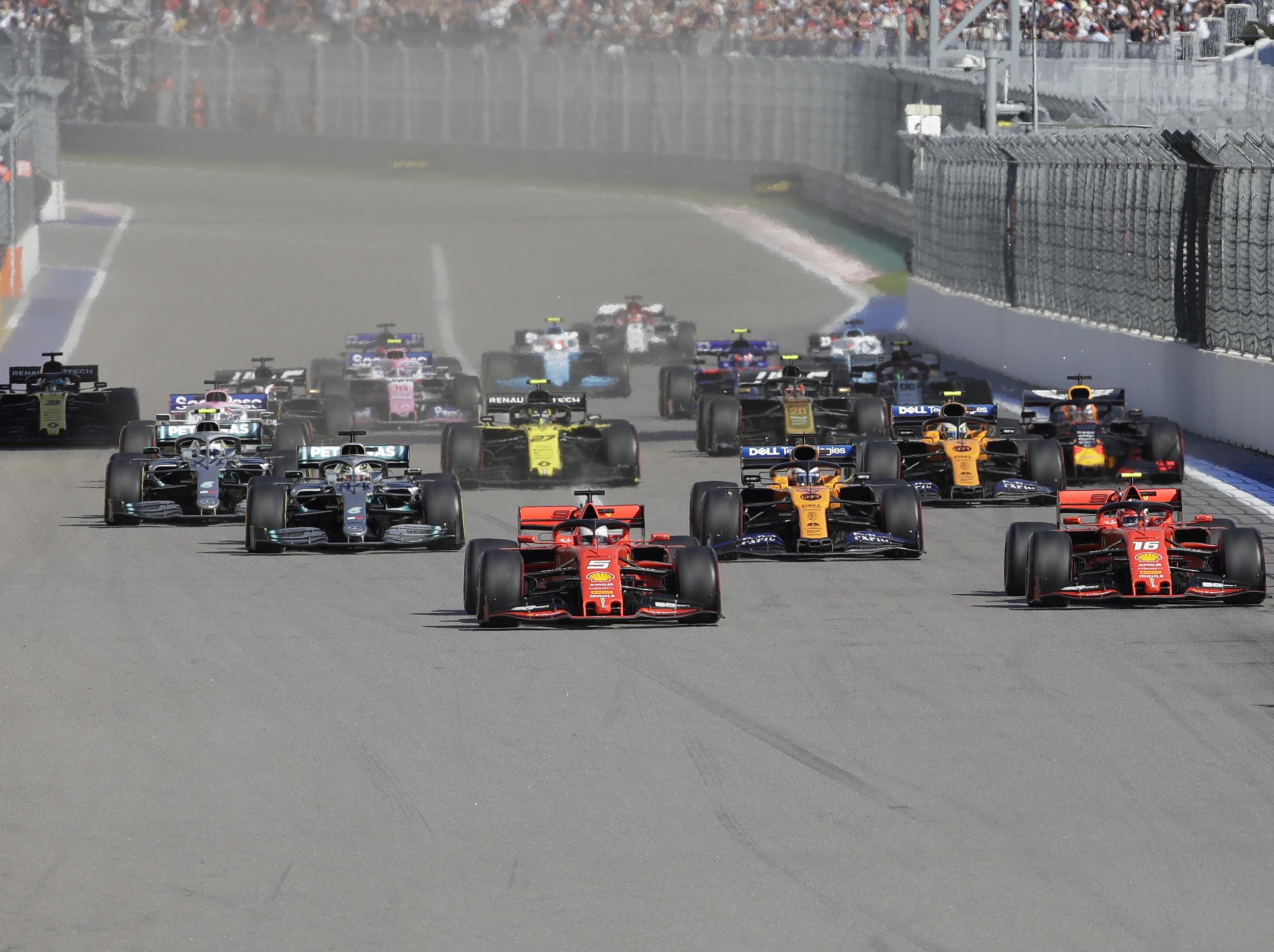
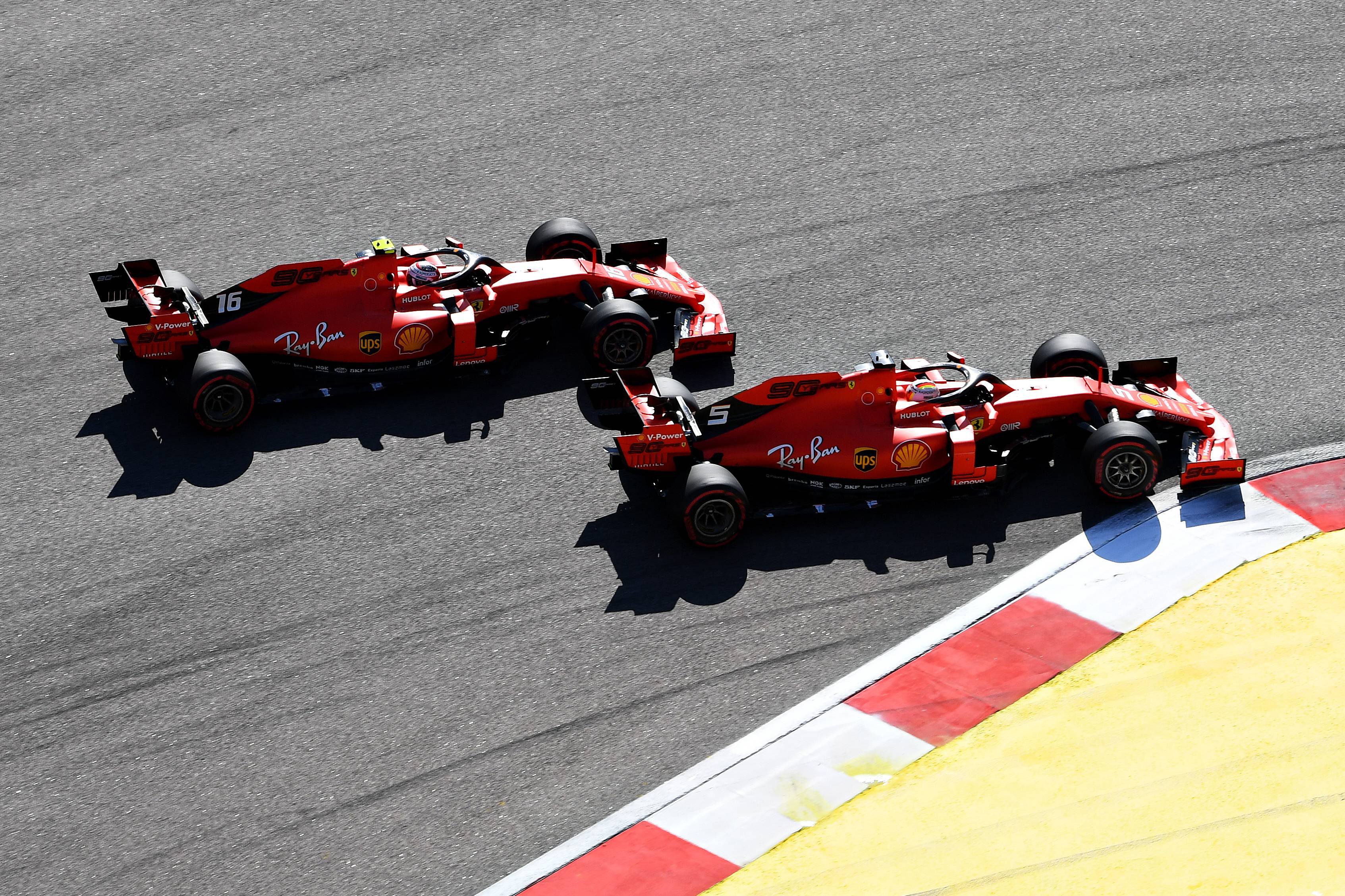
The long run down to the first corner – officially Turn Two – gives those behind a slipstream and puts the polesitter in an uncomfortable position. And so it proved to be again as Sebastian Vettel stormed past from third on the grid to take the lead. There was clearly some kind of agreement and the Ferrari drivers and engineers then spent the first phase of the race bickering about who should be in front. (More on that later.)

Image credit: AFP

Having spent most of the last three races trying to navigate past a slightly slower Ferrari on race day, Mercedes decided to take an alternate strategy and start on harder tyres. As it turned out, this would win them the race.

Shortly after the Ferrari pit stops, Vettel’s MGU-K went bang and the German ground to a halt. This brought out the Virtual Safety Car and played into the Silver Arrows’ hands, allowing Hamiton to take his pit stop and rejoin ahead of Leclerc. Something Mercedes Technical Director James Allison described as “deliciously ironic”.

Immediately after the VSC, a full safety car was called for a George Russell crash, which actually played slightly back into Ferrari’s hands. With Leclerc on harder, older tyres, Ferrari decided to take a gamble of their own and pit him for new softs under the safety car, dropping him behind only Valtteri Bottas and giving him the upper hand for the remaining 20 or so laps.

As it was, Mercedes handled the situation perfectly and just about kept the hungry, young Ferrari driver at arm’s length for the remainder of the race.

Whilst undoubtedly fortunate, Mercedes put themselves in that position strategically and showed their strong race pace on Sunday. Arguably, the narrowly faster car has lost the last three races. But that just shows how fine the margins currently are between the top two teams – with Verstappen forever snapping at their heels – and that is great for Formula 1.

McLaren Best of the Rest

Behind the top two teams, Verstappen came home a fairly lonely fourth and Alexander Albon produced a decent – if also quite fortunate – fightback to finish fifth after what had been a sloppy weekend. One that may prove crucial in his quest for next year’s Red Bull seat.

But it was McLaren who were the stars of the midfield.

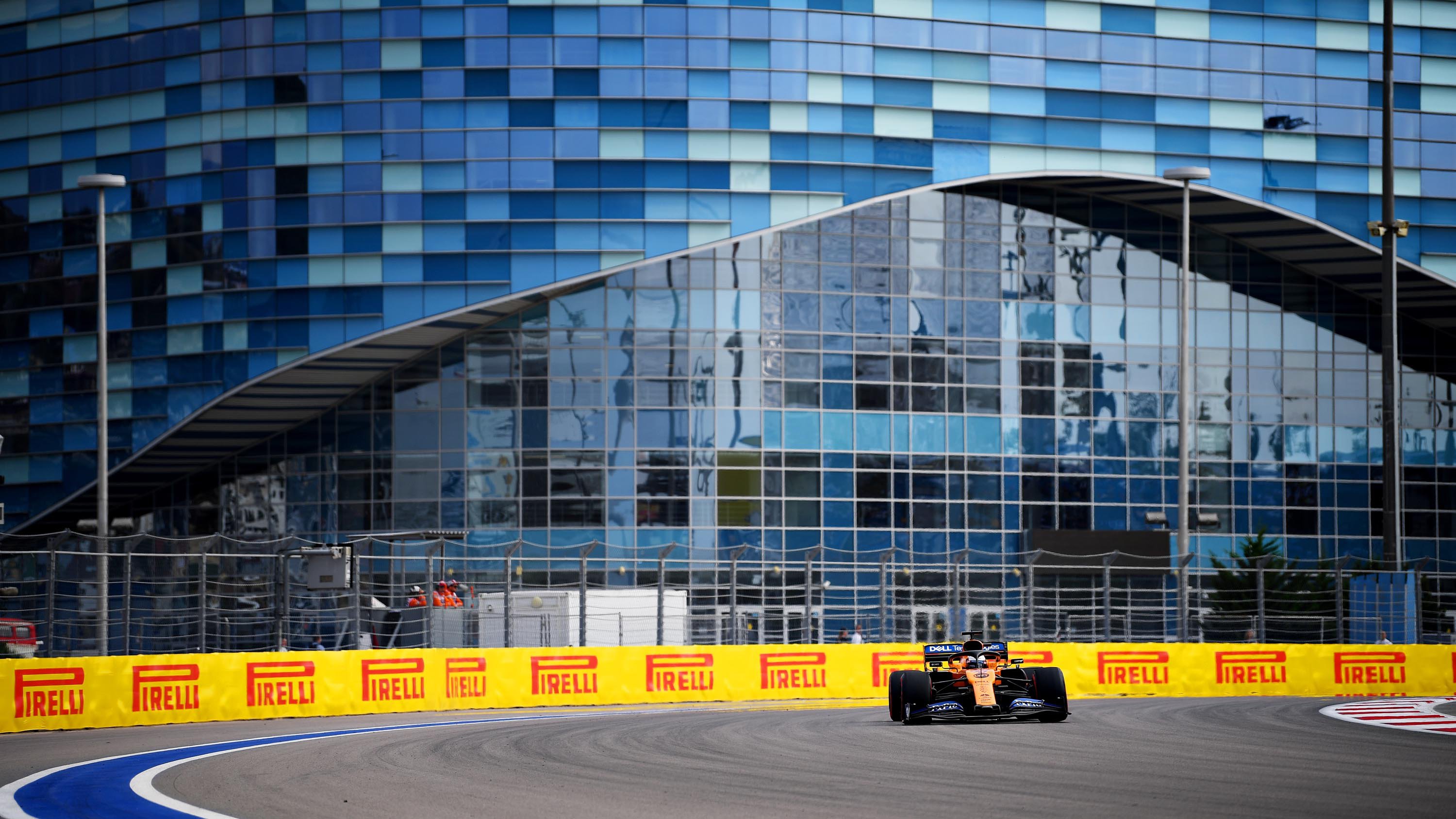
Steadily improving throughout the weekend, after initially struggling to get on top of their setup on Friday, the papaya cars found themselves fifth and seventh on the grid – after a penalty had been applied to Verstappen – and with excellent starts converted that to fourth and sixth, Carlos Sainz even challenging Hamilton for third into Turn Two.

Carlos Sainz at the Russian Grand Prix.
Image credit: Getty Images

Over the course of the race, the faster cars got past – as did Sergio Pérez when Lando Norris got a bit too involved in fighting a Red Bull – but sixth and eighth on the day takes the team into triple figures in the Constructors’ Championship for the first time since 2014. That’s a real sign of the progress they’ve made and the direction they’re going in.

Fourth in the standings is now looking very likely. And with the deal to return to Mercedes power from 2021 announced this weekend, things are looking promising for a team that has been trying to rebuild what was a true empire of the sport. Just think how many more points they would have this year without those costly Renault enging blow-ups…

The future’s bright, the future’s (papaya) orange.

What Was Going on With the Ferrari Team Orders?

Nobody is coming out and officially saying what deal was agreed within Ferrari regarding the start of the race.

It would appear, though, that Leclerc had agreed to give his teammate the tow to Turn Two to ensure he got ahead of Hamilton and produced a Ferrari one-two. However, it would also appear that if Vettel got past during that sequence that he was due to hand the lead back to Leclerc. Vettel did get past but did not hand the place back and, from there, things started to get a little complicated.

Image credit: Getty Images

Vettel made the point that he would have passed Leclerc anyway and that the other Ferrari should get closer before he can pass. He certainly had a point with the latter – he would have left himself in the clutches of a certain Lewis Hamilton had he allowed Leclerc through at any point during that first phase of the race. The former, though, I’m not totally convinced by.

If Leclerc were purely thinking of himself, I think he would have emerged from Turn Two as the leader. He could have moved right to give Hamilton the tow – knowing the Mercedes has less straight-line speed and seeing that he had got away poorly – and then defended the inside line of the corner.

By cutting a deal with both drivers that had some very grey areas, they were always putting themselves in an awkward position. Particularly given the current climate within the team, with it plain to see that there is something of a power struggle going on between the two drivers.

As it was, they were forced to run Vettel long on his first stint and effectively pass the lead to Leclerc in that way. Whilst giving the German fresher tyres and the chance to fight back on track was arguably a decent compromise, it all felt a bit uncomfortable and Vettel didn’t sound too pleased. Sadly, it would prove to be a moot point anyway as his SF90 pulled up next to the crash barriers on lap 26.

As has generally been the case this season, the Ferrari team orders seem to be producing more issues than they are solving. And, with the car now looking likely to be competitive for the remainder of the season, there could be more flashpoints to come to test the inter-team harmony. If Ferrari then convert this current strong form into a title battle next year…expect real fireworks for 2020.

The Russian Grand Prix in 60 Seconds

Answering the Burning Questions

Has that Ferrari upgrade changed the pecking order this season or was Singapore an outlier? It would appear to have legitimately changed the pecking order.

Can Sebastian Vettel push on now having put some demons to rest with a win? Qualifying pace was still lacking but he produced a strong performance on Sunday before team orders and a failed engine got in the way.

Will tensions rise further in the Ferrari camp? Yup.

Will we see the longest winless run for Mercedes in the hybrid era? Nope.

Who will come out on top in the McLaren/Renault fight this weekend? McLaren had the edge and now have a tight grip on fourth in the standings.

Will Valtteri hear from James during the race? Certainly not in the meme sense.

How awkward will the cool down room with Putin be this year? There was no Putin thankfully. But Hamilton did hug a giant Russian doll which was a little odd.

2019 Austrian GP report | Verstappen takes dramatic victory

An end to the Mercedes domination…and what a way to end it.
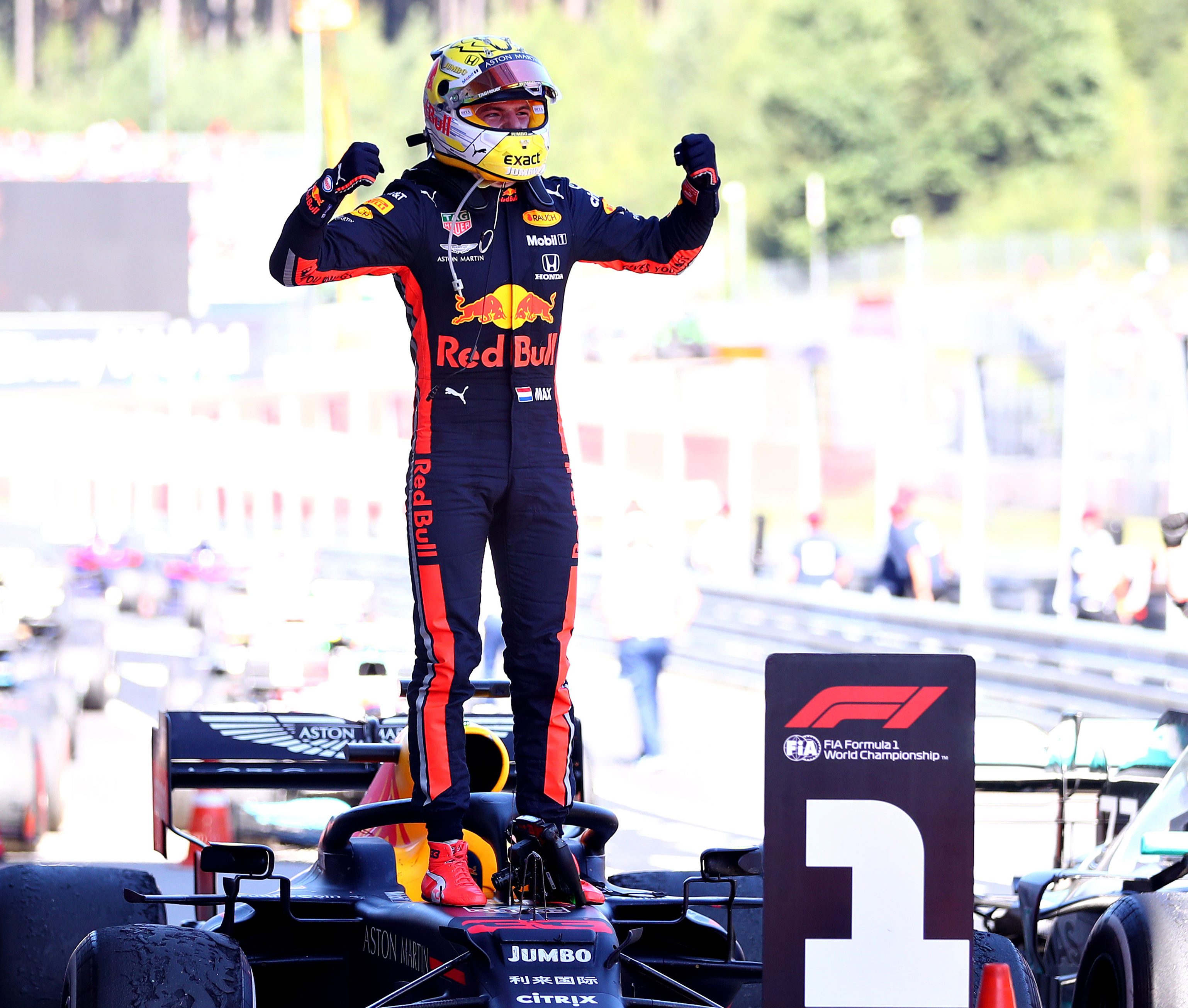
Max Verstappen wins the 2019 Austrian Grand Prix.
Image credit: Getty Images

Many criticised the sport in the wake of an uneventful race in France but, just seven days later, Formula 1 reminded the world of the drama it can produce with an action-packed 2019 Austrian Grand Prix, a last-gasp pass for the win and obviously some controversy to boot.

The youngest ever front row promised excitement into the first corner but, after Max Verstappen got away horribly, Charles Leclerc was left unchallenged and all the drama unfolded behind him with Lando Norris even momentarily passing Lewis Hamilton for 3rd. The following laps produced some good racing as Hamilton, Verstappen and Sebastian Vettel worked their way past the slower cars, before the usual top five started to break away from the pack and the race somewhat settled down.

Leclerc appeared comfortable at the front but was forced to pit slightly early to cover off Bottas – something that would prove decisive later on. Hamilton and Verstappen aimed to go long in their first stint but the Briton put paid to his chances by clipping one of the many unforgiving kerbs around the Spielberg track and damaging his front wing. The younger man in the Red Bull made no such mistake however and re-emerged in 4th with tyres 10 laps fresher than those ahead of him.

Verstappen then set about chasing Vettel, passing him with about 20 laps remaining and suddenly the masses of orange in the crowd realised there was the chance of an unlikely victory. Bottas proved easy to dispatch – the Mercedes had been short of power throughout as they struggled with cooling – and he was right on Leclerc’s tail with four laps to go. On Lap 68, Verstappen dived down the inside into Turn 3, allowing Leclerc a Ferrari’s width on the outside and they drag raced along the back straight with Leclerc coming out on top. One lap later, Verstappen made the same move but this time did not leave the room, taking the lead and then the victory – the first for a Honda engine since Jenson Button in 2006.

“Hard Racing” or “Not the Way You Overtake

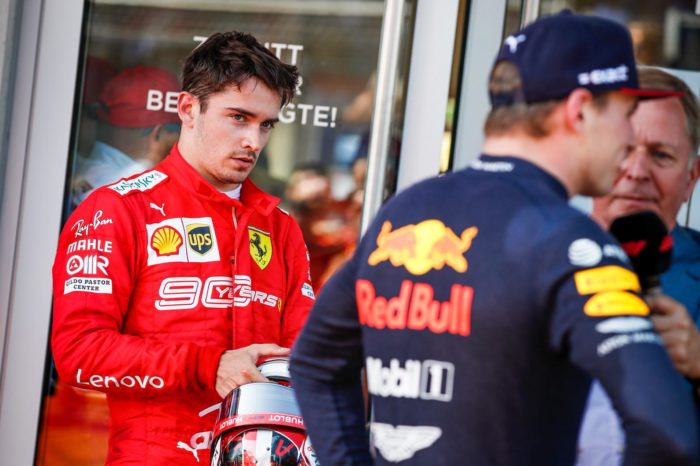
As you would expect, Verstappen and Leclerc had very different views on the overtake. They both immediately came on the radio; Verstappen claiming Leclerc had turned in on him and Leclerc asking “what the hell is that?”

Image credit: DPPI

The stewards decided to investigate, with the result only being confirmed as a Verstappen victory three hours after he had taken the chequered flag. And so the conversation of what the rules should be and how they should be enforced reared its ugly head once more.

It is very easy to see why Ferrari and their fans could feel aggrieved. There have been two fairly similar incidents in which they have somehow lost out on both occasions, despite being on opposite sides of the two. Vettel was penalised for not leaving Hamilton a car’s width in Canada and the obvious differences between there and here are that Verstappen was fully in control of his vehicle and that Leclerc was fully alongside his rival. Both of which you could reasonably expect to further cement a penalty.

Personally, whilst I’m glad the result stood – the sport didn’t need another overturned win fiasco and Leclerc deserves a better maiden victory than being told three hours after the fact – I can’t help feeling that Formula 1 has contradicted itself. After the Vettel penalty, there was a lot of talk of ‘the letter of the law’ and so on, but now it’s about ‘the way to interpret the rules’. I refer back to my post after the Canadian Grand Prix and my opinion that the stewards should be a consistent panel of respected figures who are accountable and explain exactly how and why they have come to their decisions. There is no point having thousands of regulations if they are not airtight and leave so many situations that are open to interpretation – that has been the case in the three most recent races and they all appear to have been dealt with differently. It is obviously far easier said than done but a reasonable number of more iron-clad rules and a stable stewarding presence is surely the answer.

Whatever your opinion on the incident though, it could well turn out to be an infamous moment that defines the beginning of an intense rivalry. One that could even dominate the sport for the next decade.

McLaren Prosper Whilst Mercedes Faulter

McLaren continued their good run of form and excellent progress this season with 6th and 8th place finishes. Both impressive drives in very different circumstances. Norris showed his star potential again by qualifying 5th and then mixing it with the front-runners for a few laps before settling into a very solid 6th and holding off the other Red Bull of Pierre Gasly – yet another disappointing performance from the under-pressure Frenchman. Meanwhile, Carlos Sainz fought admirably from the back of the grid to end up 8th.

Lando Norris at the 2019 Austrian Grand Prix.
Image credit: DPA

To have had two great races back-to-back on such different tracks as Paul Ricard and the Red Bull Ring shows how much progress McLaren have made and, for all his undeniable talent, there is a distinct freshness to the team since Fernando Alonso’s departure. They are enjoying the challenge of their revival without the pressure that Alonso puts on a team. There are no politics; it’s just racing. And they continue to punch above their weight, or at least their weight of recent years.

Mercedes, however, finally had an off-week.

It’s unlikely to prove a huge turning point, as the unique combination of high temperatures and altitute, twinned with a very short track, meant they had cooling issues throughout the weekend. Their engines were not at full power and they were even having to do a considerable amount of ‘lift and coast’ during the race, where the drivers lift off the throttle up to 400m before the corner.

But certainly it bodes well for some more competitive races whilst temperatures are likely to be higher in the summer.

The Austrian Grand Prix in 60 Seconds

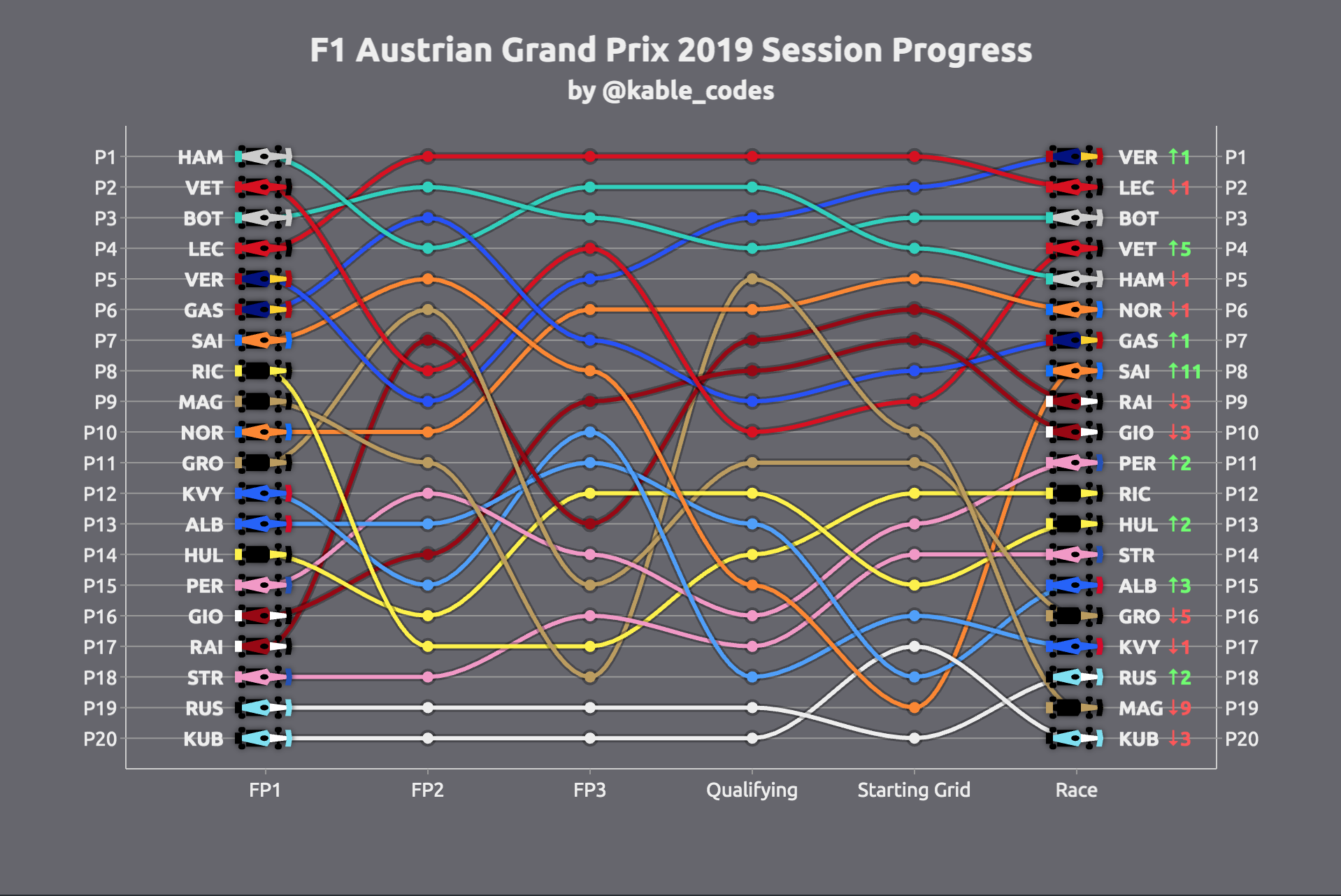
Session Progression

2019 French GP report | Hamilton cruises to victory

Something of a damp squib after the high drama (or at least controversy) of last race.
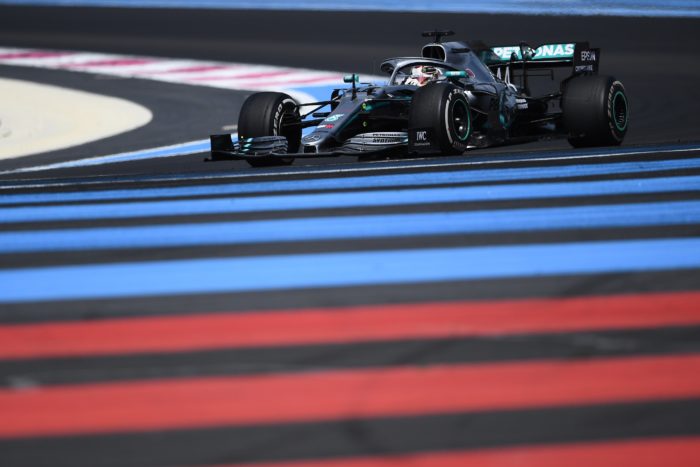
Lewis Hamilton at the 2019 French Grand Prix.
Image credit: AFP

Damp squib or not, there is no denying Lewis Hamilton‘s brilliance at the front of the 2019 French Grand Prix.

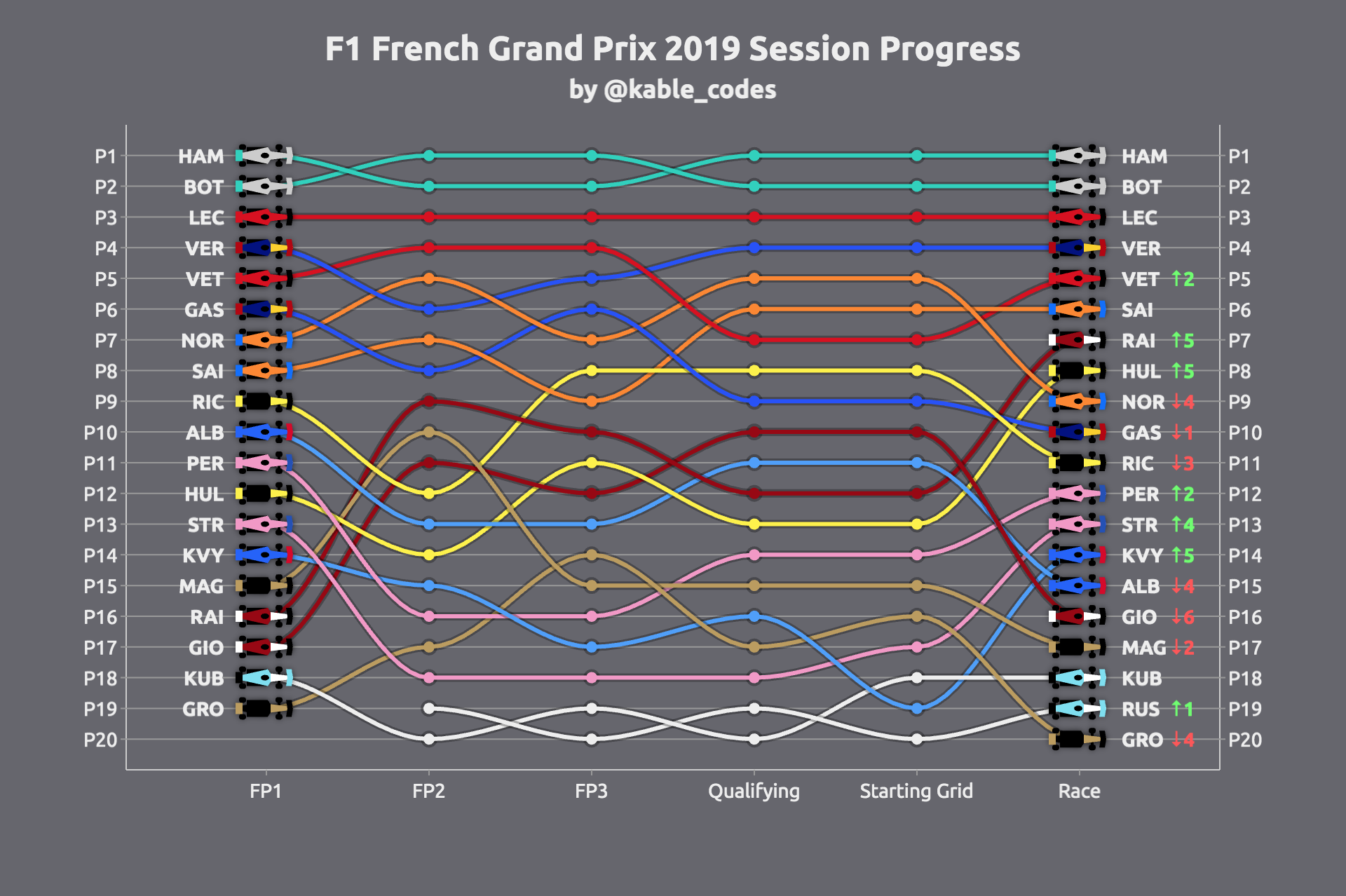
It was all something of a walk in the park; albeit a hot, sweaty, tiring walk. Through the practice sessions, the balance of power had somewhat swung between himself and his teammate – Valtteri Bottas arguably even appearing to have the edge ahead of qualifying – but when it hit crunch time it was the reigning champion who delivered, as he so often does. An 18-second gap to 2nd place is an age in modern Formula 1. The mantra of winning as slowly as possible has become increasingly accepted, with the limit on engines meaning they are only used as much as is absolutely required. Hamilton’s lead in the championship is looking increasingly insurmountable.

Behind the two Mercedes, Charles Leclerc drove an excellent race to the final step of the podium, even closing and pressuring Bottas in the last couple of laps in what appeared to be an inferior car. Whilst his more experienced teammate, Sebastian Vettel, toiled – recovering from 7th to 5th after a poor qualifying – the young Monegasque shone. This was exactly the race he needed after a run of bad luck and costly mistakes had left him further back in the championship than was a true reflection of his quality. This was a very mature performance and one that will potentially turn senior Ferrari heads.

Vettel remains the de facto lead driver but, with it looking increasingly like Ferrari will not be involved in a serious title challenge this season, perhaps they’re better off letting their drivers fight and gaining Leclerc some valuable further experience.

Time Running Out For Gasly?

Whilst the locals were happy with quasi-French Leclerc’s podium, they must have been somewhat embarrassed by yet another lacklustre performance from their man at Red Bull. The Honda upgrade may not have made a noteworthy difference to the Red Bull performance but Max Verstappen still put in another solid performance to split the Ferraris and take another haul of points. Gasly, meanwhile, claimed one solitary point thanks to a 10-second penalty for Daniel Ricciardo.
Christian Horner recently made a pointed remark regarding Helmut Marko ‘softening in his old age’ but there are surely now discussions happening behind the scenes as to how you solve a problem like Pierre. The excuse of acclimatising to the car must be long gone but Gasly is still alarmingly far behind his teammate. Even with a softer tyre in Q2 than most of his competitors he only scraped into the top 10. How much longer can this continue? Daniil Kvyat was bumped down to Toro Rosso for far less… Admittedly with Verstappen crying out for his seat.

What saves Gasly could just be a lack of competition as it is surely too soon for Alexander Albon and there would be a significant slice of humble pie involved in re-promoting Kvyat…

A Renaissance in Papaya Orange

Carlos Sainz at the 2019 French Grand Prix.

The story of the weekend was arguably McLaren’s performance. 5th and 6th on the grid and out-qualifying the Ferrari of Vettel clearly meant a huge amount to the team as they celebrated on the pit wall. They had not expected to be particularly strong on this track after all. Coming into the weekend, all the attention had been on Renault’s upgrades and whether they could move clear of the midfield pack. But it was the other cars with the French engines that were to do so.

Come race day, the two orange cars held their own and looked comfortable for 6th and 7th – after Vettel had predictably passed them – only for Lando Norris to experience hydraulic issues in the closing stages of the race and agonisingly lose three places on the final lap. He regained one after Ricciardo’s penalty but 9th was not befitting of another excellent drive from the young rookie.

Nonetheless, this has been an excellent spell for the McLaren team. Their new Team Principal, Andreas Seidl, appears to be another solid addition to a much-improved leadership team as they continue their steady ascent towards former glories.
Championship Over?

With Mercedes seemingly having developed a car with no clear weaknesses this season and five-time world champion Hamilton hitting his stride, is the championship as good as done in June? The Briton has now opened up a 36-point gap over teammate Bottas after four wins on the trot. And the odds are he is just getting going.
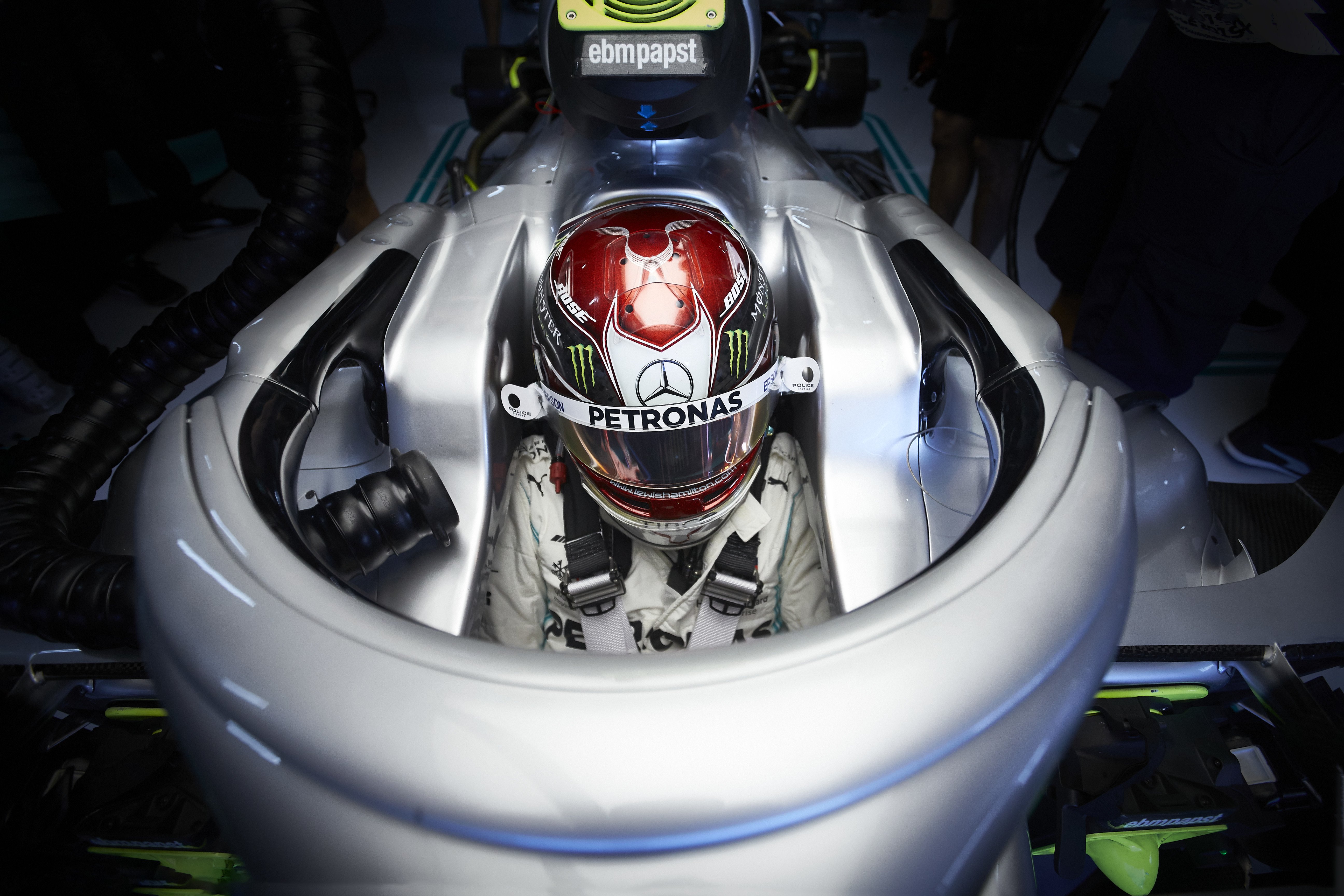
Hamilton has generally always become stronger as the season progresses and he gets more comfortable with the car. Was Bottas 2.0 for real early in the season or was it just Hamilton getting his eye in? His new steely persona seemed to be visibly slipping as he crouched forlornly in the background after qualifying on Saturday and such a dominant performance one day later will surely have him wondering how, and if, he can compete with his illustrious teammate.

Image credit: LAT Images

Can the Finn make a fight of this championship still? The next race in Austria has been a strong one for him in recent years so he will really need to make the most of that. And maybe grow a 2nd beard?..

Oh and Ferrari…well, Vettel is now more than three clear victories behind Hamiton in the standings. I’ll leave it at that.

Answering the Burning Questions

Will Vettel’s penalty be overturned? Will the situation actually be resolved this weekend? No and yes, respectively. People even seemed to have moved on for the mostpart.

Can Bottas or Ferrari do something to reduce Hamilton’s momentum towards another title? Just a plain no for this one.

Can Renault’s aero upgrade help keep up the progress they’ve made in the last two races? McLaren stole their limelight but it was another decent race for the French team. Can’t say the upgrade made a noticeable difference though.

Will we have the same ridiculous trophy as last year? Yup. And a giant version of it next to the podium.

What effect will the new Honda engine have on Red Bull? Not much of one.

Will anyone make it through the race without a migraine from those stupid lines in the run-off area? I did, just about.

The French Grand Prix in 60 Seconds

Session Progression

A Quick Public Service Announcement

I’m heading off to Glastonbury in the morning (to work in a smoothie stall for a week) so there will be a bit of radio silence. And next week’s report will probably be a day or two late.

See you on the other side.

No Triple Crown this year

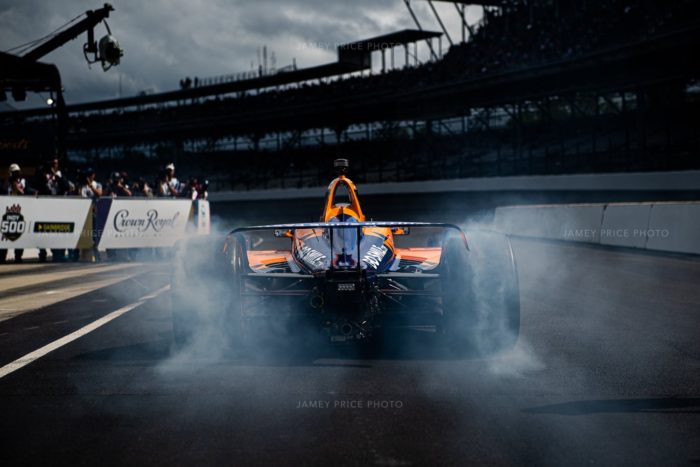
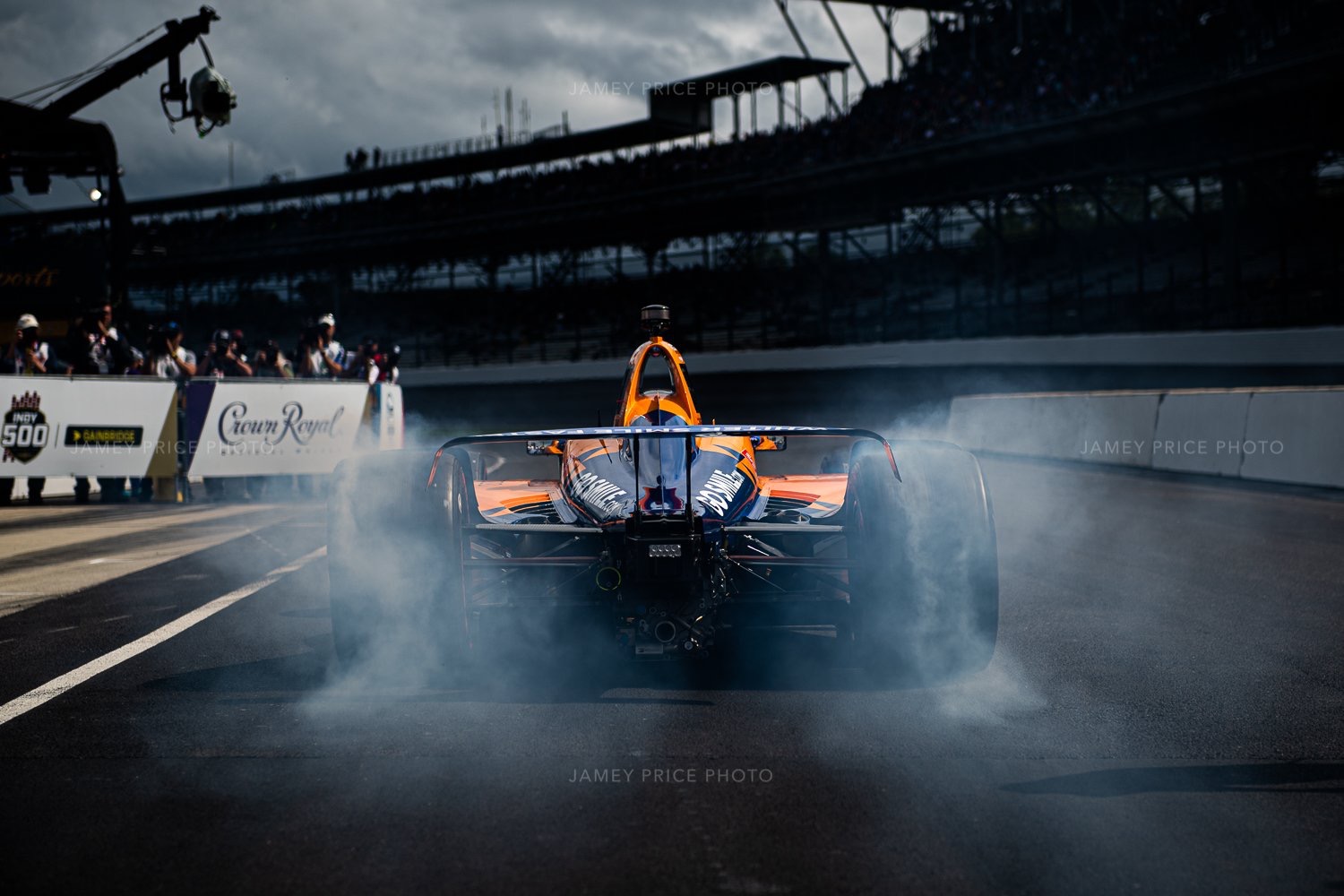
Fernando Alonso spins his wheels in the Indy 500.
Image credit: Jamey Price Photo

Slightly off-topic but a quick word on Fernando Alonso and his Indy 500 attempt this year in his quest to achieve the Triple Crown of Motorsport.

As Alonso completed his lap of honour at (most likely) his final Formula 1 race last November in Abu Dhabi, team boss Zak Brown said over the radio, “You are a champ! Let’s go win the Triple Crown”. But here we are six months later with Alonso and his team embarrassed, having not even qualified for the Indianapolis event.

The lead-up to the qualifying session was fraught with issues. Alonso lost the majority of the first practice day with an electrical issue, before a pretty nasty crash during the second. McLaren struggled to build a new car, having also discovered an engine problem, and the Spaniard did not run at all on the third day, leaving just the final practice day in which to do all their preparations. Alonso narrowly missed the cut-off in qualifying on Saturday, finishing 31st when the top 30 qualify, meaning he had to compete in yesterday’s ‘Bump Day’. This is when the bottom drivers compete for the final three spots available for the race. Alonso finished fourth of the six drivers competing, thus narrowly missing out again. This time by just 0.019mph.

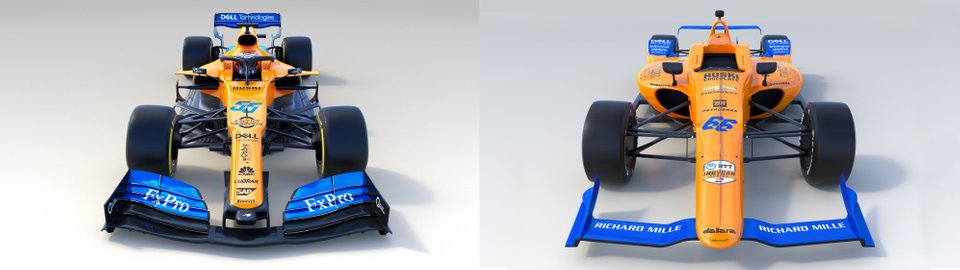
McLaren’s choice to set up their own team from scratch was brave but not totally unheard of for the Indy 500. The project has struggled from the outset, however, with many questioning decisions they have made throughout the process. Namely that they built the car in England, teamed up with Carlin, who have only 2 years of IndyCar experience, and scheduled only one test day before the first official test.

Image credit: McLaren

The situation was further complicated by Alonso’s Toyota contract from the World Endurance Championship which meant that Honda were unable to provide him an engine. They had said they were willing to, despite their largely uncomfortable recent history with McLaren in F1, but with that contract in place, their choice of teams to link up with was limited. Penske, the only available larger team, were not interested.

McLaren have given an impression of arrogance through this endeavour and it has ended up in a pretty embarrassing position for their company and brand. You wonder whether Alonso will now seek to move to a more established team for next year. His patience with McLaren in F1 was commendable in recent years but I doubt he will commit another year to this project when he has apparently made a good impression in the Indy paddock and would likely be taken on by the big-hitters – certainly once his Toyota contract has ended next year.

Speculation regarding new Le Mans regulations could even seen Juan Pablo Montoya beat him to the Triple Crown. And Alonso would certainly not enjoy that.

2019 Chinese (1000th) GP report | Hamilton wins with ease

Mercedes domination and Ferrari politics. Not much has changed in 1000 races.
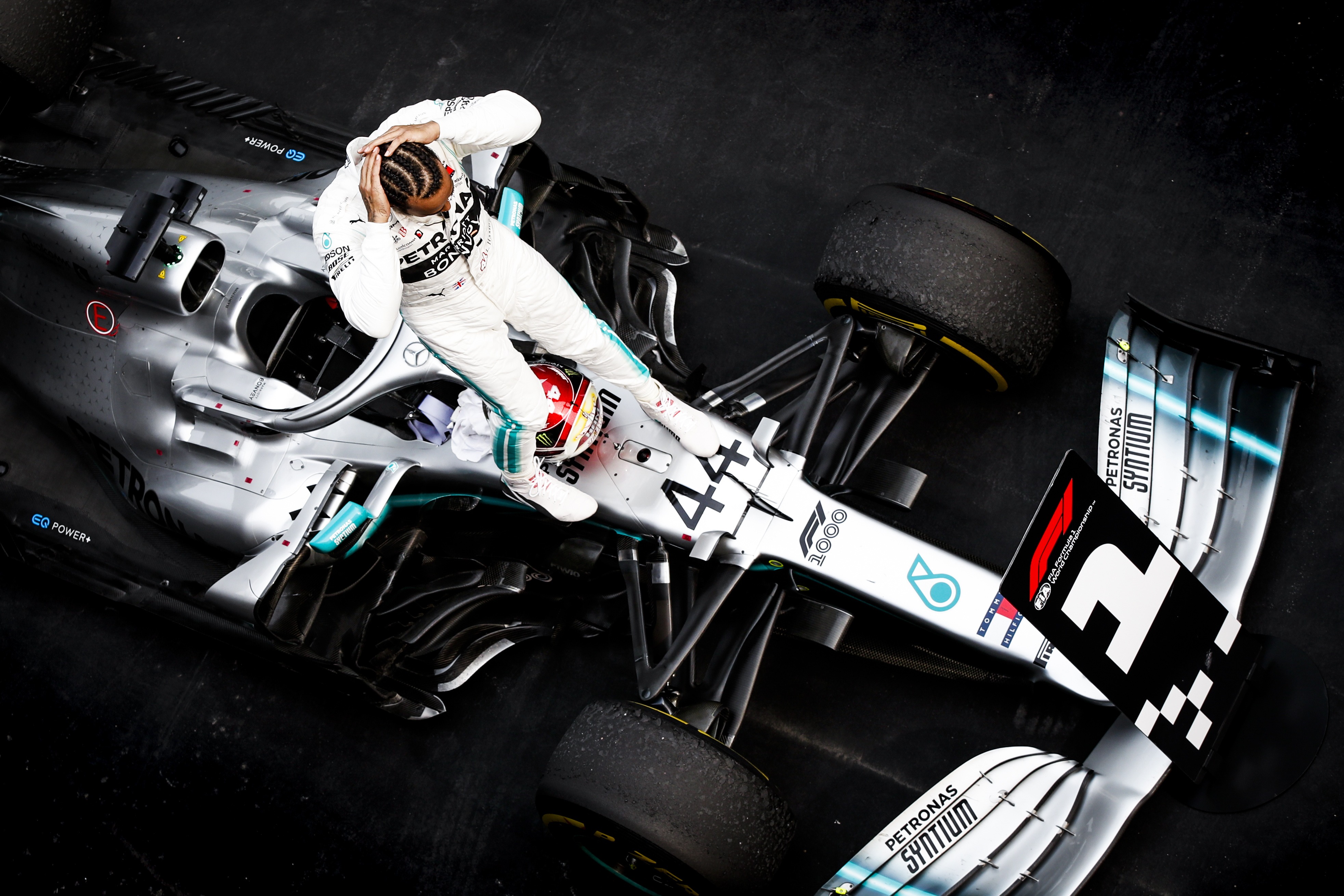
Lewis Hamilton wins F1's 1000th grand prix.
Image credit: Daimler AG

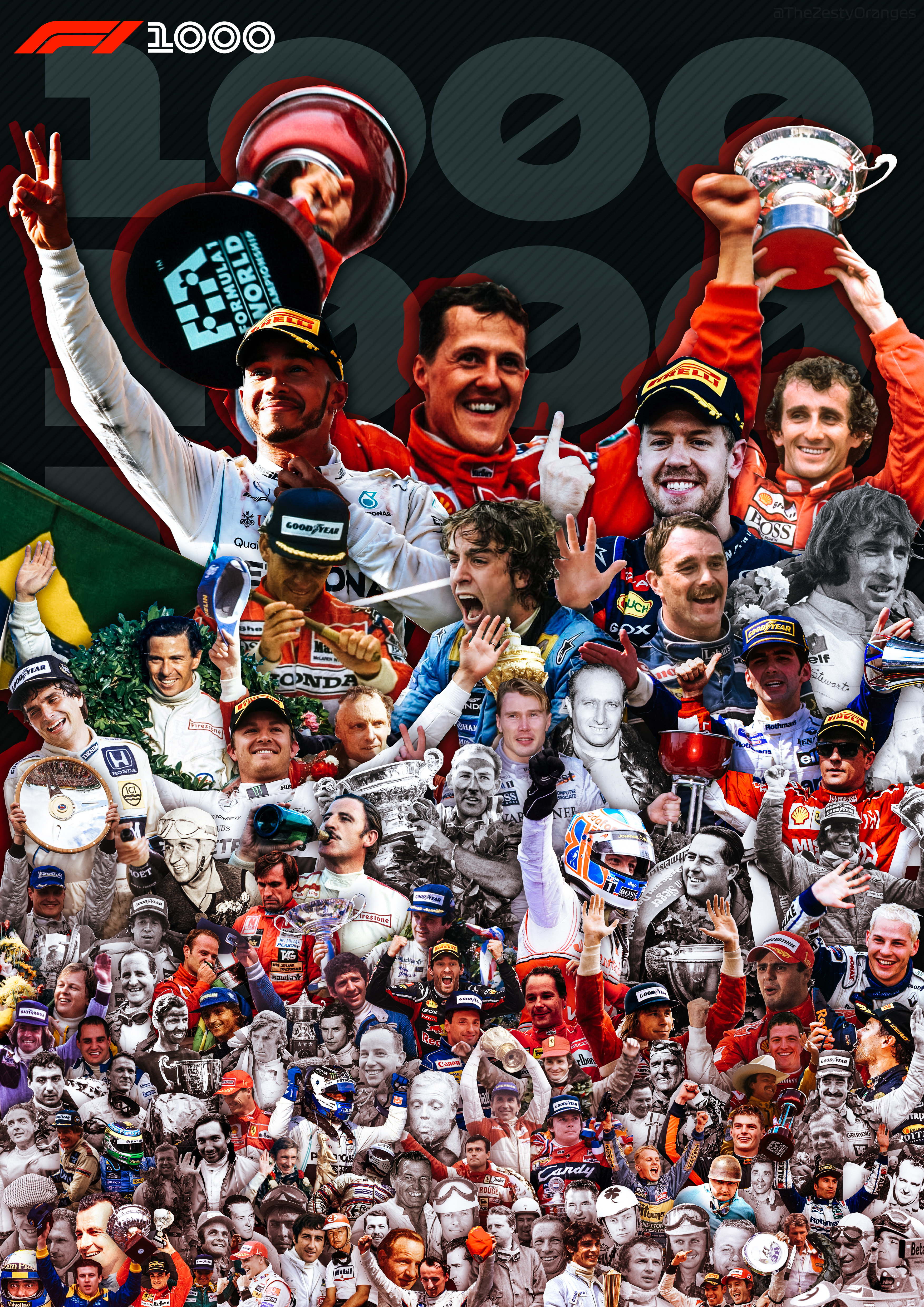
Lewis Hamilton recovered from a tricky start to the weekend at the 2019 Chinese Grand Prix and ultimately took a comfortable win on what was Formula 1’s 1000th grand prix.

Coming into the weekend, most were expecting Ferrari to be on top. It was somewhat in the balance, with the top two teams having had superiority at one race each this year, but the track layout appeared to favour Ferrari. Particularly considering their straight line speed and the Shanghai International Circuit’s 1.2 km back straight. But it was the Mercedes team who seemed to have the edge throughout the weekend.

The Ferraris had two main problems. Firstly, they don’t seem to be able to release their full engine power consistently on a Sunday. Surely if that’s the case on a grey day in April, they are going to struggle at most races. And secondly, they were losing so much to Mercedes on the long, right-hand corner before the straight, that it didn’t matter anyway. There could be fundamental issues with this car.

Between the two drivers of the Silver Arrows, Valtteri Bottas had held a reasonably comfortable margin of around half a second over his world champion teammate through all the practice sessions. But then Lewis Hamilton did what Lewis Hamilton does. He pulled a bunch of speed from nowhere in qualifying to get within a few hundredths of the Finn’s pole time, then nailed the start and never looked back, sailing off into the distance to claim the honour of winning F1’s 1000th race. The Ferraris meanwhile were struggling – not only with speed but also decision-making…

Ferrari Team Orders: Round 3

That’s three team orders given out in the first three races…and not much to show for them. Charles Leclerc has remained magnanimous and toed the company line thus far, but has certainly given the impression that he has a backbone and won’t stand for this in the long run. In Australia, he dutifully stayed behind Sebastian Vettel in the closing stages despite clearly being faster. In Bahrain, he was asked to stay behind for two laps (for a reason I’m unsure of) but the pass presented itself too easily and he was gone. And now in China, he has been asked to move aside, before being sacrificed in an attempt to slow up Bottas.

At the time, the first part of that was pretty understandable – Vettel had been the quicker driver through the weekend and did appear to be stuck behind his teammate. But once freed, he didn’t get away…the Mercedes did. But the second part harked back to the days of Kimi Räikkönen being left on an incomprehensible strategy, purely to cost a Mercedes maybe a couple of tenths. Ferrari waited too long to order Vettel past and his tyres were already damaged from Leclerc’s dirty air, but it doesn’t look like they were ever going to challenge Mercedes this weekend. All they did was cost themselves a 4th place finish.

It could be argued that without these team orders Leclerc would be significantly closer to Hamilton in the title race than Vettel is even with their favouring of him. Either way, these team orders will only matter if Ferrari solve their car issues. And fast.

A Flying McLaren and a Flying Thai

McLaren came back down to earth with a bang here (quite literally in the case of Lando Norris) after their excellent result in Bahrain. They had said that they expected to struggle in Shanghai and so it proved to be with the drivers only managing to qualify 14th and 15th. And then came the torpedo. In fairness, Daniil Kvyat can count himself quite unlucky to receive that penalty. Whilst a little clumsy from the Russian, it looked the type of crash that would normally be filed under ‘first lap racing incident’. Norris was rejoining the track at a pretty sharp angle and left the other McLaren of Carlos Sainz nowhere to go. Add in a bit of understeer from Kvyat and you have an airborne teenager and three damaged cars. Norris did at least utilise the opportunity to continue his reign as F1’s Resident Memelord.

Meanwhile, his former GP2 rival, Alexander Albon, was not long out of the pit lane and possibly wondering if he was set for a tough race fighting his way into the midfield. You could wonder how a rookie would cope mentally with a big crash in Practice 3 that left him out of qualifying and starting from the pit lane. The answer, in this case, was ‘commendably’. The young Thai driver moved slowly but surely through the field and somehow found himself in the points, then impressively holding off Romain Grosjean’s Haas in the final few laps despite being on far older tyres. These are the kind of performances that could have him entering the frame for a future Red Bull drive. And one that could be not too far away considering Pierre Gasly’s current struggles…

An Underwhelming 1000th Grand Prix

The Grand Prix was fairly uneventful beyond the first few laps, but it was the event itself that particularly disappointed. It had been built up for a long time, with a countdown extending back to last season, but in the end it was something of a damp squib.

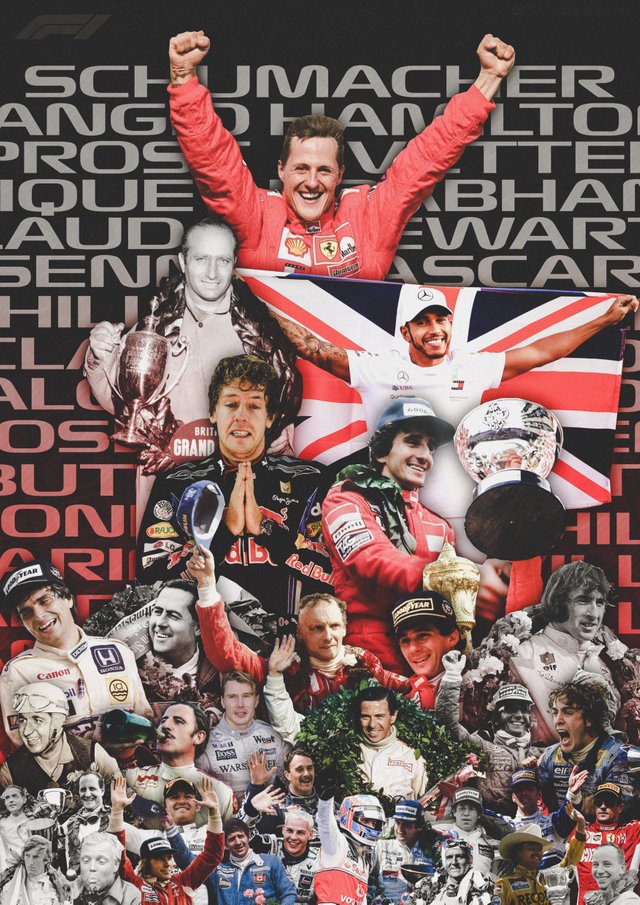
It’s a shame number 1000 ended up falling in China. The complexities of getting old champions and cars to Shanghai proved too much, so we were left with just Damon Hill driving his father’s Lotus 49B. It also doesn’t help that the country itself has little to no motorsport heritage. Just look at all the empty stands. The promoters claim it was sold out but that’s only due to them closing huge expanses of grandstand. This should have been a massive event. Race 1000 – that’s the milestone. But for all the build up, in reality it amounted to not much more than a few special helmets, some stickers on the cars and the champagne bottles being painted red.

Still, at least people on Reddit made some cool stuff.

The 1000th Grand Prix in 60 Seconds

Answering the Burning Questions

Will Charles Leclerc pick up where he left off after his stunning performance in Bahrain? Not quite. But it’s complicated…

With one dominant race each (in terms of pace anyway), who will come out on top between Mercedes and Ferrari this time? Mercedes, pretty comprehensively.

Can Pierre Gasly get his Red Bull closer to its probably rightful place in the top 6? Well, he did get into the top 6… And claimed the fastest lap. But realistically was still a long way shy of Max Verstappen’s pace.

What happened to Bottas 2.0? Will he reappear here? Inconclusive. Was it Lewis lacking early in the weekend or Bottas 2.0? Either way, we know who ended up with the win.

Who will have the best special one-off helmet design for the 1000th GP? For me, the retro simplicity of Daniel Ricciardo’s Brabham-inspired lid takes it.