20/20 vision for 2020

It’s nearly time! So, here is everything you could want to know about the 2020 season…

The Drivers

Lewis Hamilton

AGE: 35 | GPs: 250 | Championships: 6 | Wins: 84 | Poles: 88 | Podiums: 151

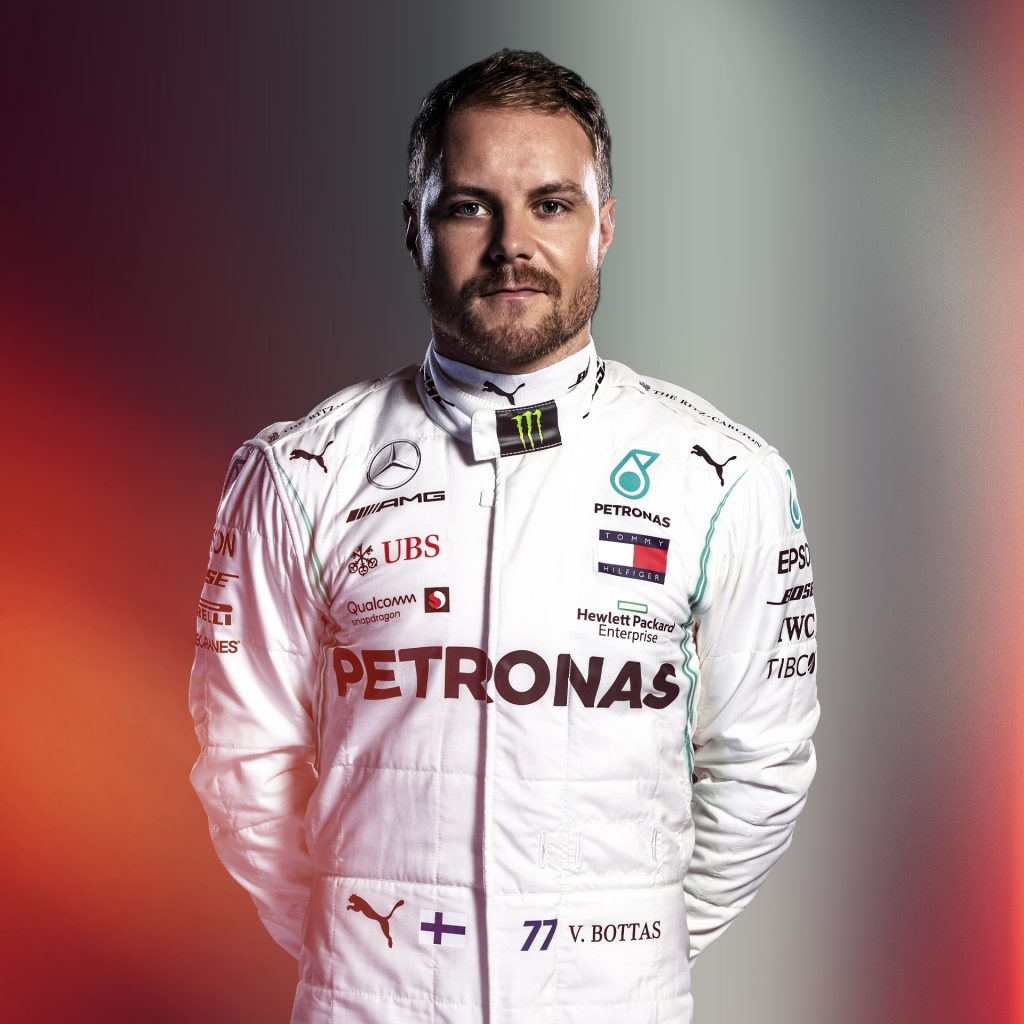
Valtteri Bottas

AGE: 30 | GPS: 140 | CHAMP. BEST: 2ND | WINS: 7 | POLES: 11 | PODIUMS: 45

Sebastian Vettel

AGE: 32 | GPS: 241 | CHAMPIONSHIPS: 4 | WINS: 53 | POLES: 57 | PODIUMS: 120

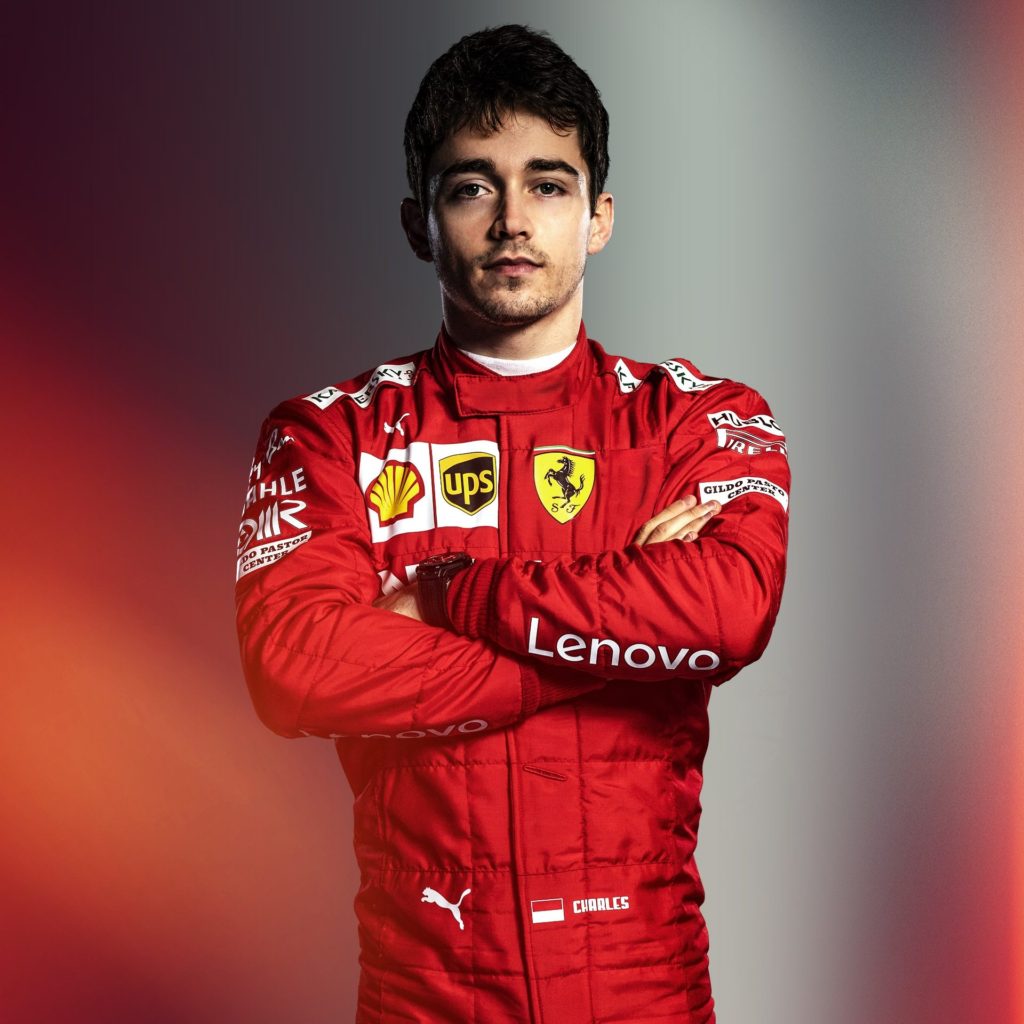
Charles Leclerc

AGE: 22 | GPS: 42 | CHAMP. BEST: 4th | WINS: 2 | POLES: 7 | PODIUMS: 10

Max Verstappen

AGE: 22 | GPS: 102 | CHAMP. BEST: 3RD | WINS: 8 | POLES: 2 | PODIUMS: 31

Alexander Albon

AGE: 23 | GPs: 21 | CHAMP. BEST: 8TH | RACE BEST: 4TH | QUAL. BEST: 5TH

Carlos Sainz

AGE: 25 | GPs: 102 | CHAMP. BEST: 6TH | RACE BEST: 3RD | QUAL. BEST: 5TH | PODIUMS: 1

Lando Norris

AGE: 20 | GPS: 21 | CHAMP. BEST: 11TH | RACE BEST: 6TH | QUAL. BEST: 5TH

Daniel Ricciardo

AGE: 30 | GPS: 171 | CHAMP. BEST: 3RD | WINS: 7 | POLES: 3 | PODIUMS: 29

Esteban Ocon

AGE: 23 | GPS: 50 | CHAMP. BEST: 8TH | RACE BEST: 5TH | QUAL. BEST: 3RD

Pierre Gasly

AGE: 24 | GPS: 47 | CHAMP. BEST: 7TH | RACE BEST: 2ND | QUAL. BEST: 4TH | PODIUMS: 1

Daniil Kvyat

AGE: 25 | GPS: 170 | CHAMP. BEST: 7TH | RACE BEST: 2ND | QUAL. BEST: 4TH | PODIUMS: 3

Sergio Pérez

AGE: 30 | GPS: 178 | CHAMP. BEST: 7TH | RACE BEST: 2ND | QUAL. BEST: 4TH | PODIUMS: 8

Lance Stroll

AGE: 21 | GPS: 62 | CHAMP. BEST: 12TH | RACE BEST: 3RD | QUAL. BEST: 2ND | PODIUMS: 1

Kimi Räikkönen

AGE: 40 | GPS: 315 | CHAMPIONSHIPS: 1 | WINS: 21 | POLES: 18 | PODIUMS: 103

Antonio Giovinazzi

AGE: 26 | GPS: 23 | CHAMP. BEST: 17TH | RACE BEST: 5TH | QUAL. BEST: 7TH

Romain Grosjean

AGE: 33 | GPS: 166 | CHAMP. BEST: 7TH | RACE BEST: 2ND | QUAL. BEST: 2ND | PODIUMS: 10

Kevin Magnussen

AGE: 27 | GPS: 103 | CHAMP. BEST: 9TH | RACE BEST: 2ND | QUAL. BEST: 4TH | PODIUMS: 1

George Russell

AGE: 22 | GPS: 21 | CHAMP. BEST: 20TH | RACE BEST: 11TH | QUAL. BEST: 14TH

Nicholas Latifi

AGE: 24 | GPS: 0 | CHAMP. BEST: N/A | RACE BEST: N/A | QUAL. BEST: N/A

The Teams

Mercedes-AMG Petronas Formula One Team

FIRST GP: 1954 | GPS: 210 | CHAMPIONSHIPS: 6 | WINS: 102 | POLES: 111 | PODIUMS: 211

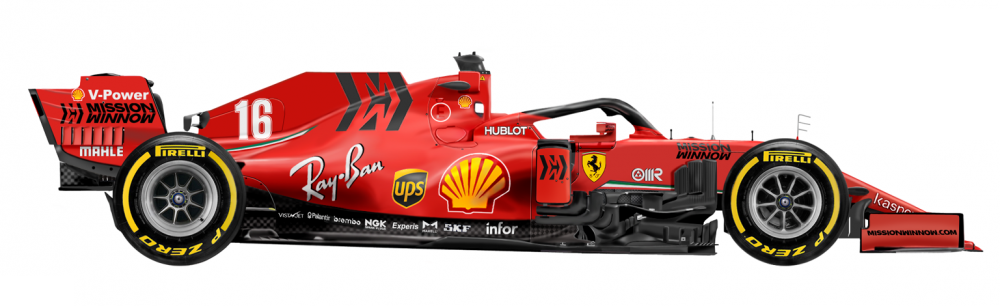
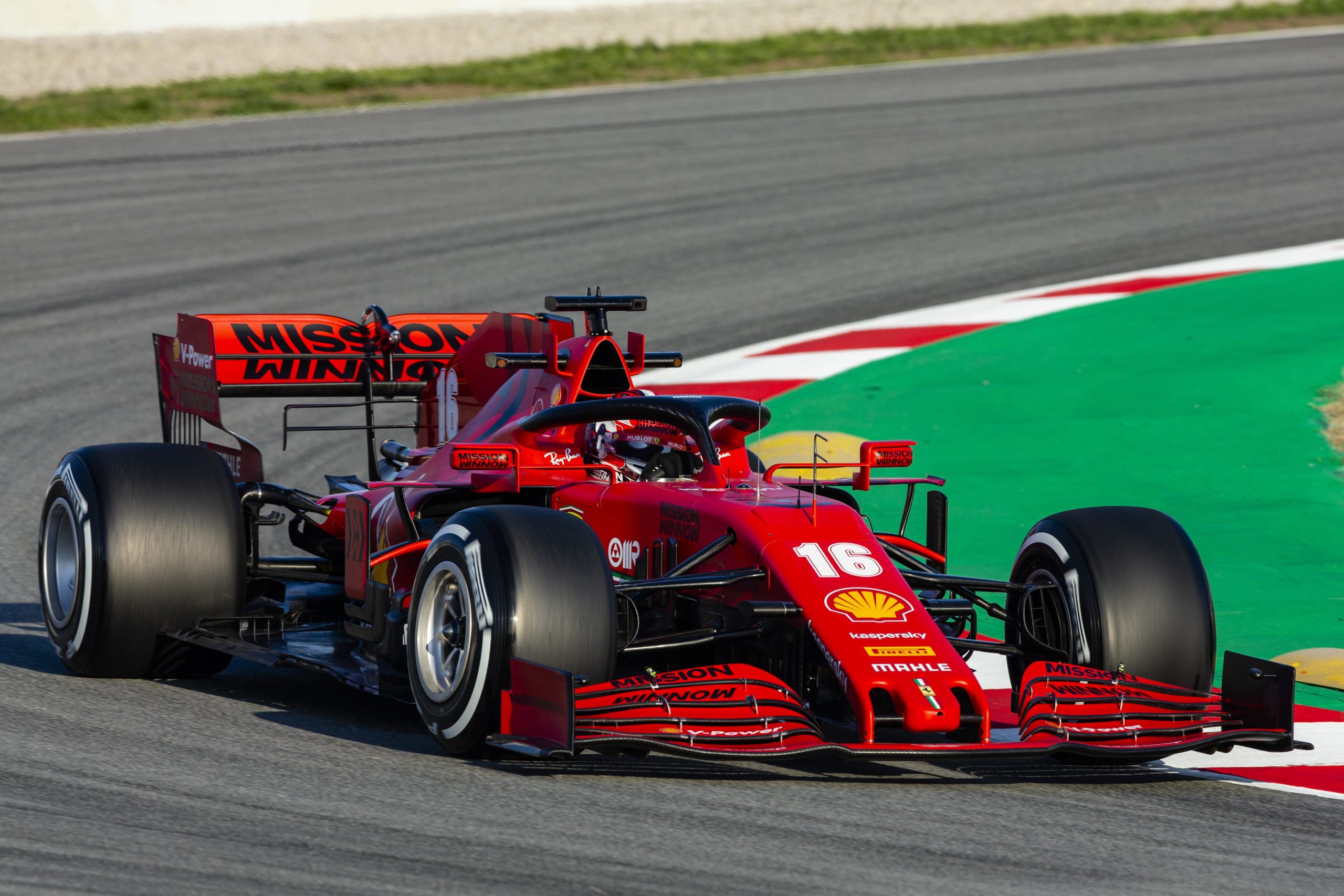
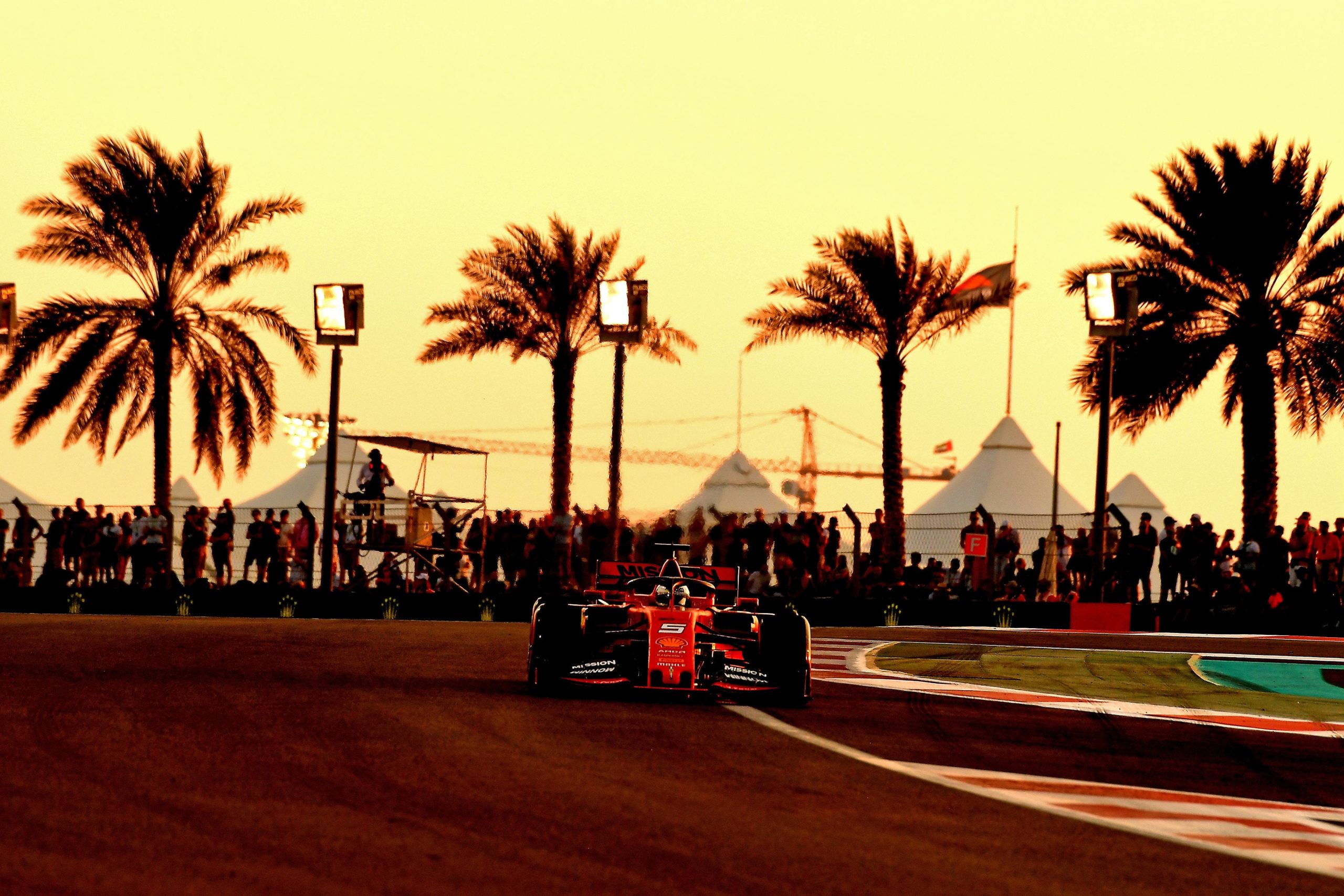
Scuderia Ferrari Mission Winnow

FIRST GP: 1950 | GPS: 993 | CHAMPIONSHIPS: 16 | WINS: 237 | POLES: 228 | PODIUMS: 765

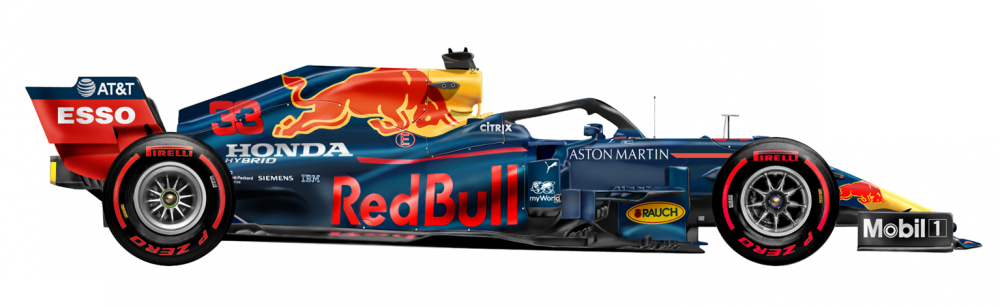
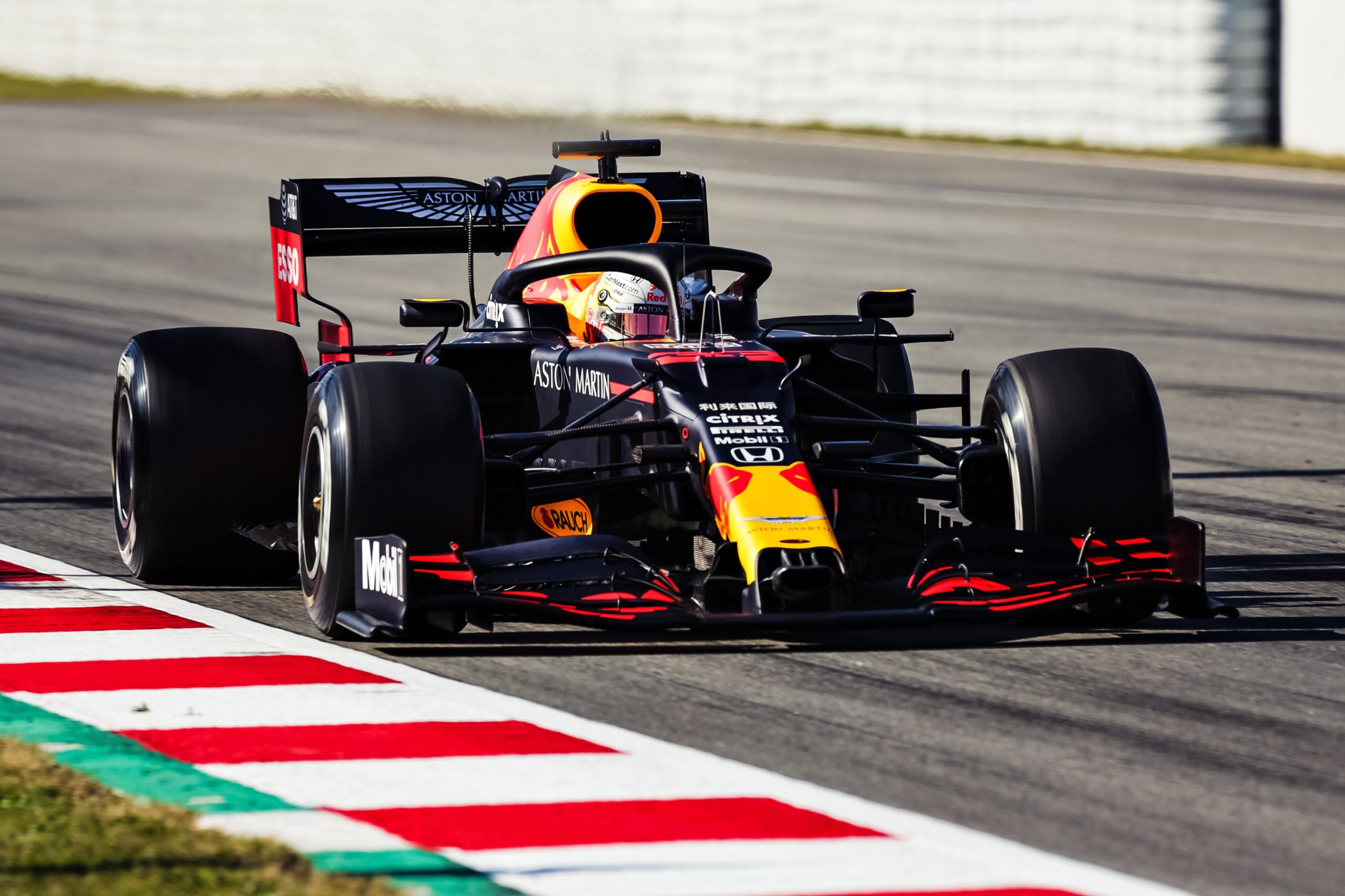
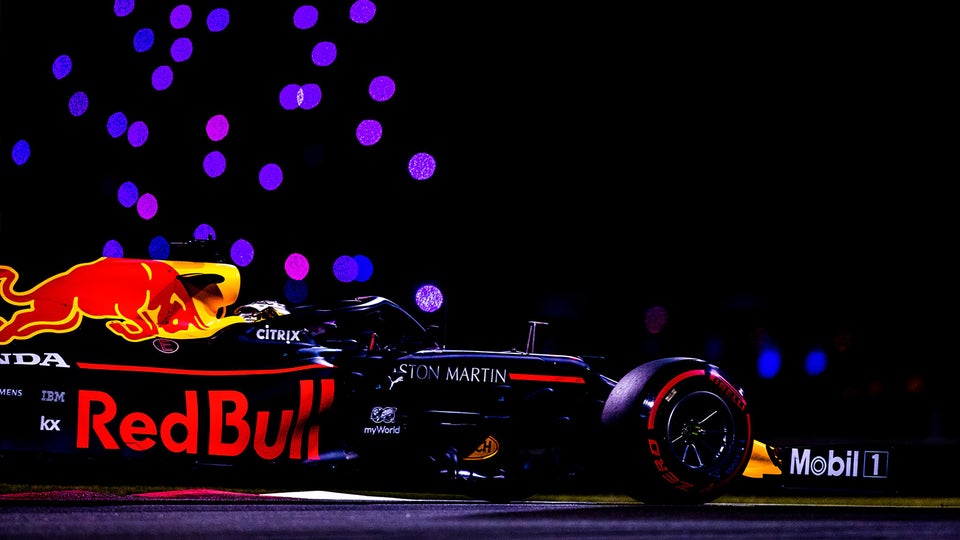
Aston Martin Red Bull Racing

FIRST GP: 2005 | GPS: 287 | CHAMPIONSHIPS: 4 | WINS: 62 | POLES: 62 | PODIUMS: 170

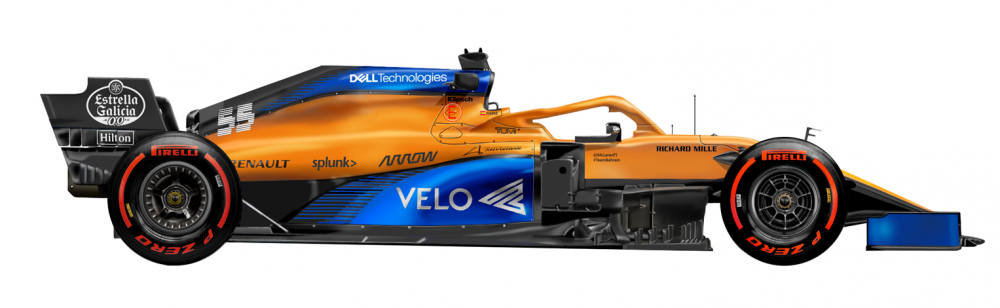
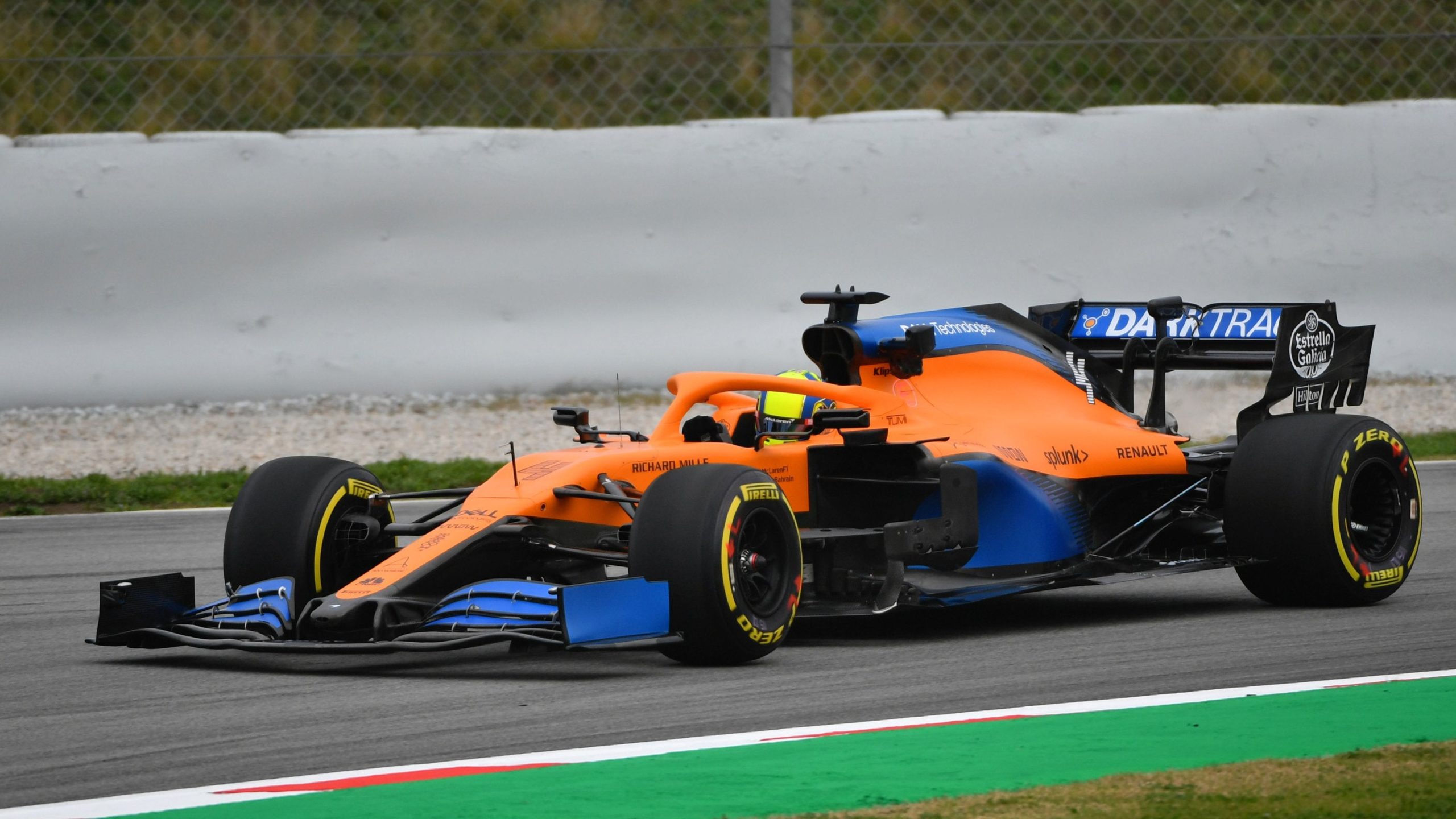
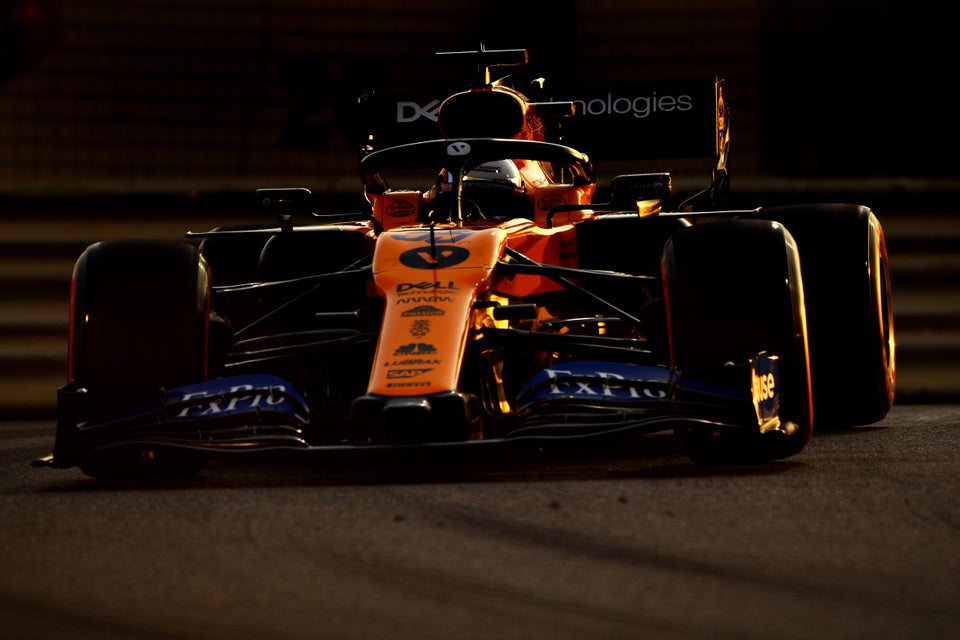
McLaren F1 Team

FIRST GP: 1966 | GPS: 867 | CHAMPIONSHIPS: 8 | WINS: 182 | POLES: 155 | PODIUMS: 486

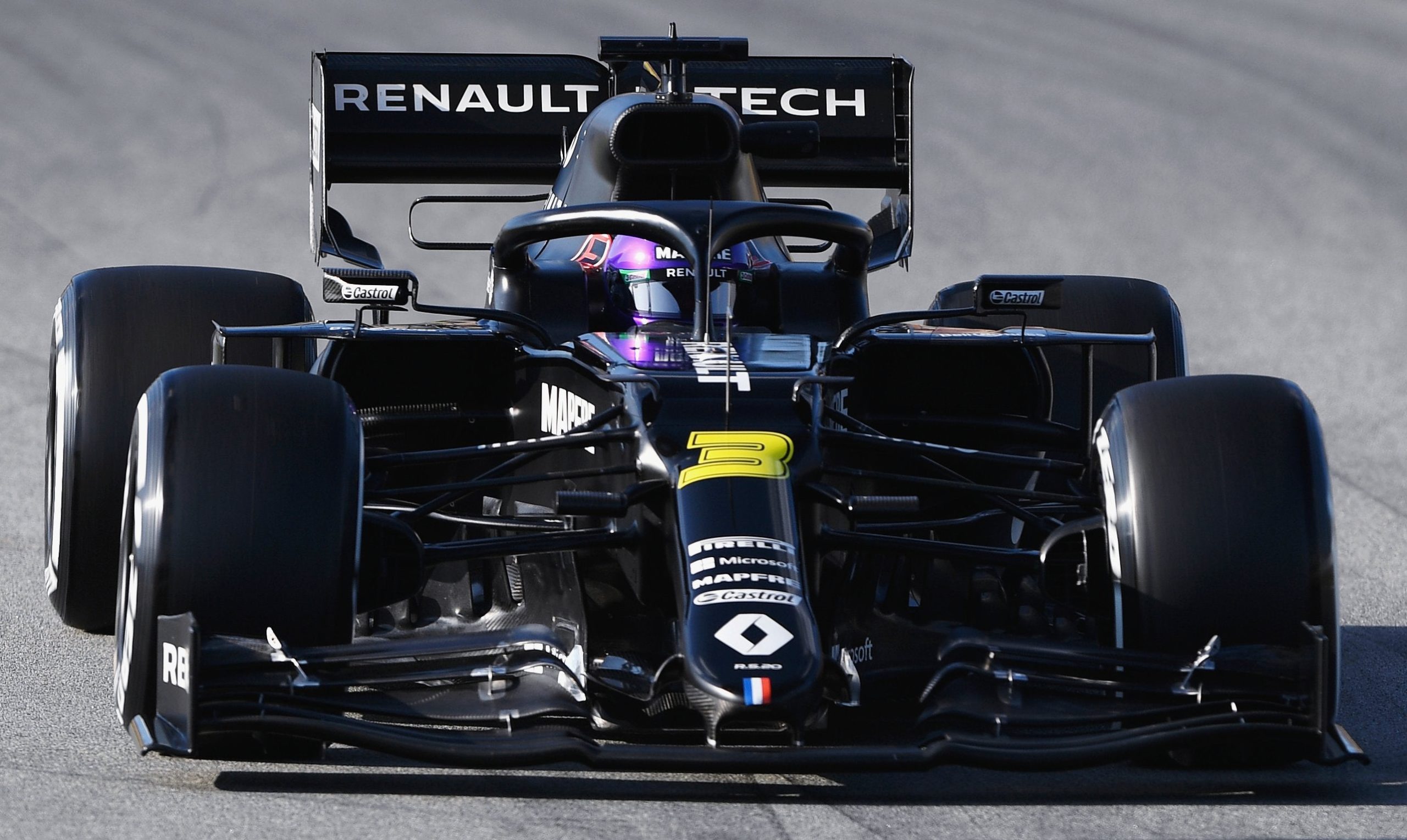
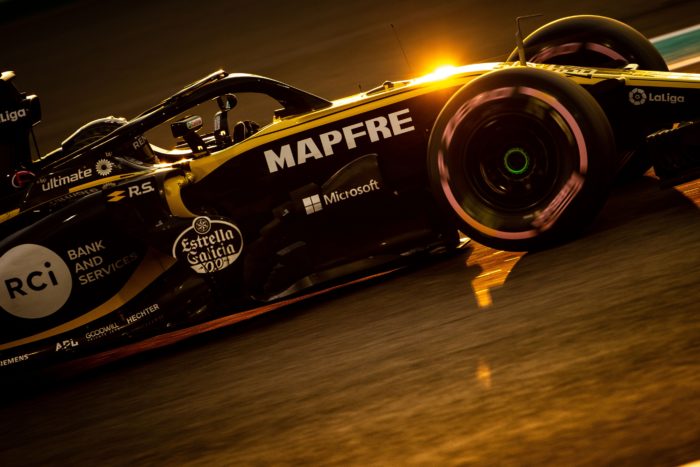
Renault DP World F1 Team

FIRST GP: 1977 | GPS: 386 | CHAMPIONSHIPS: 2 | WINS: 35 | POLES: 51 | PODIUMS: 100

Scuderia AlphaTauri Honda

FIRST GP: 2020 | GPS: 0 | CHAMP. BEST: N/A | RACE BEST: N/A | QUAL. BEST: N/A

BWT Racing Point F1 Team

FIRST GP: 2019 | GPS: 21 | CHAMP. BEST: 7TH | RACE BEST: 6TH | QUAL. BEST: 5TH

Alfa Romeo Racing Orlen

FIRST GP: 1950 | GPS: 131 | CHAMP. BEST: 6TH | WINS: 10 | POLES: 12 | PODIUMS: 26

Haas F1 Team

FIRST GP: 2016 | GPS: 83 | CHAMP. BEST: 5TH | RACE BEST: 4TH | QUAL. BEST: 5TH

ROKiT Williams Racing

FIRST GP: 1978 | GPS: 720 | CHAMPIONSHIPS: 9 | WINS: 114 | POLES: 128 | PODIUMS: 312

The Grands Prix

Australia

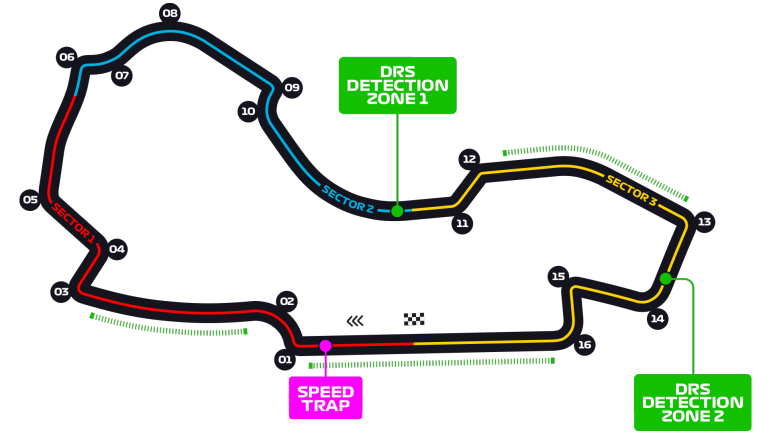
Melbourne | 13-15 Mar | Laps: 58 | Length: 5.303 km | Lap Record: 1:24.125

Bahrain

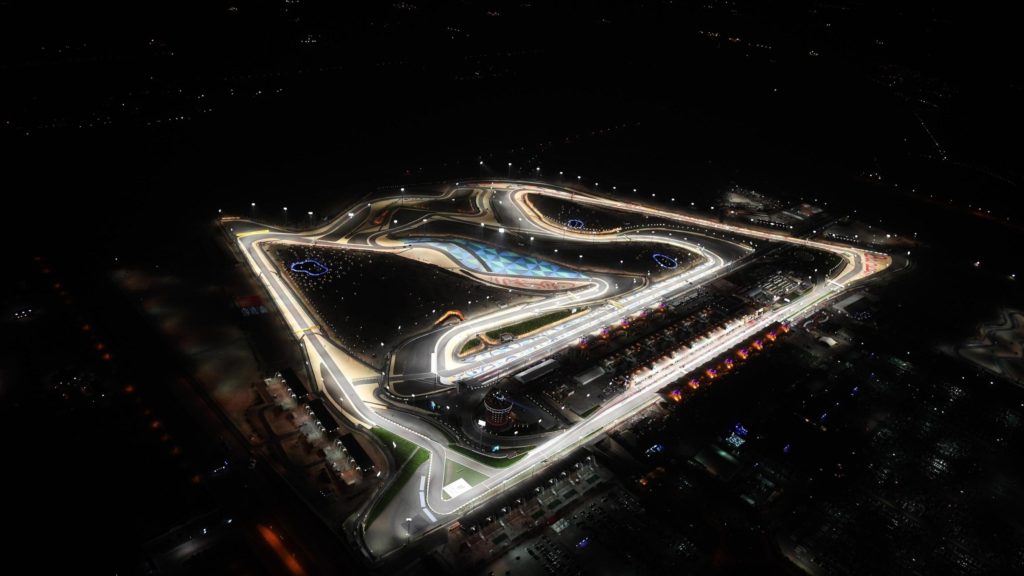
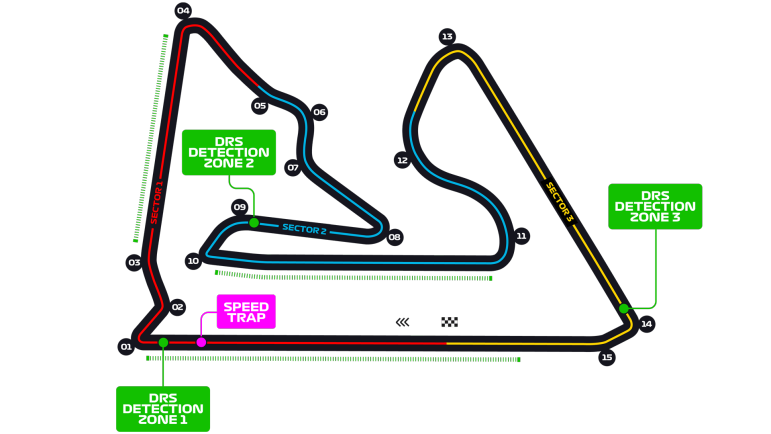
SAKHIR | 20-22 MAR | LAPS: 57 | LENGTH: 5.412 KM | LAP RECORD: 1:31.447

Vietnam

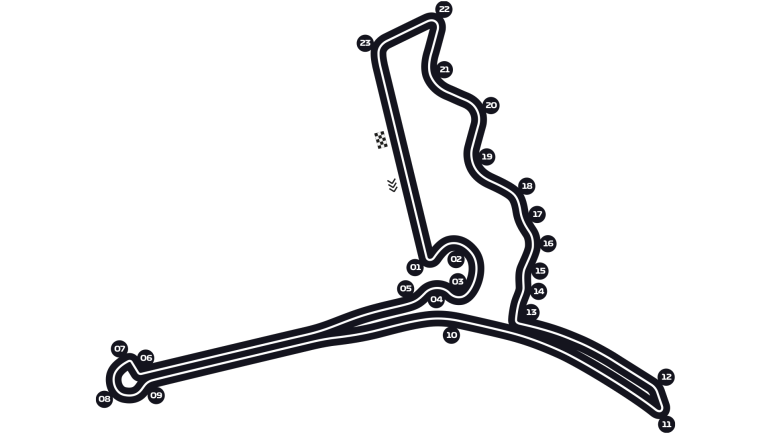
HANOI | 03-05 APR | LAPS: 55 | LENGTH: 5.607 KM | LAP RECORD: N/A

CHINA

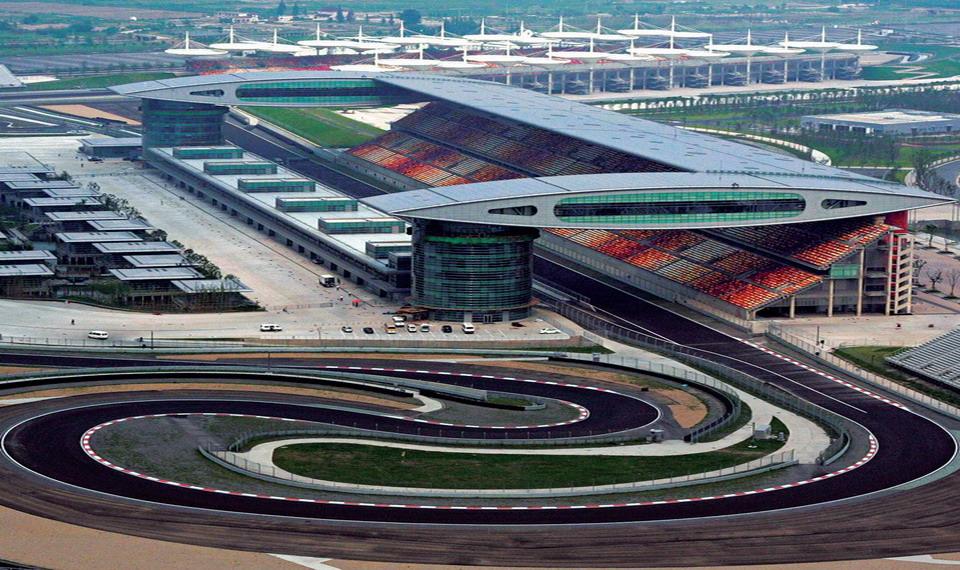
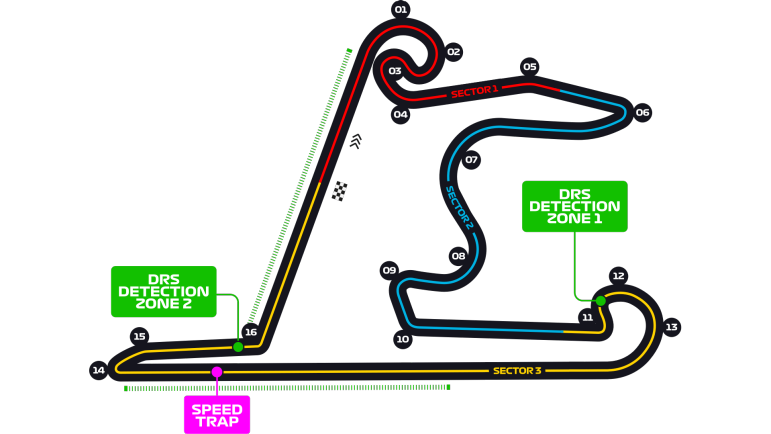
SHANGHAI | POSTPONED | LAPS: 56 | LENGTH: 5.451 KM | LAP RECORD: 1:32.238

NETHERLANDS

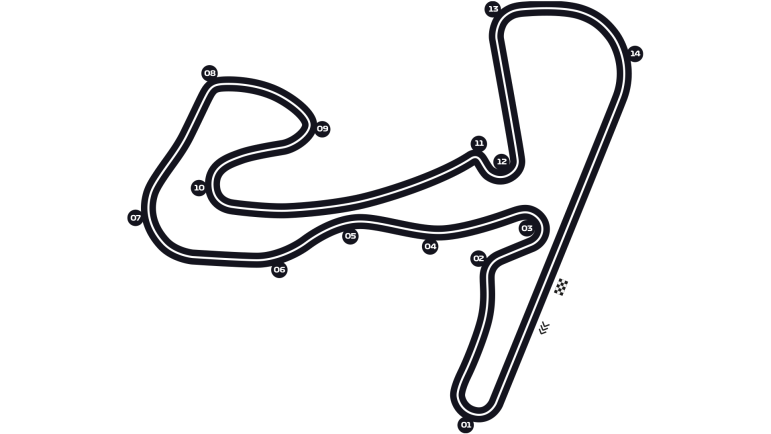
ZANDVOORT | 01-03 MAY | LAPS: 72 | LENGTH: 4.252 KM | LAP RECORD: N/A

SPAIN

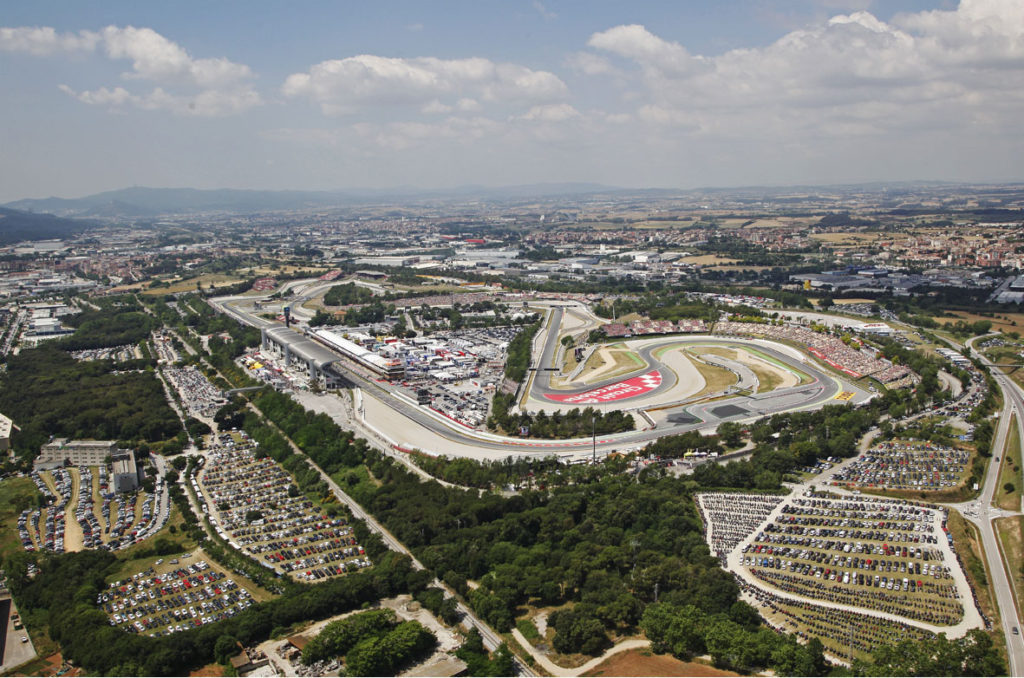
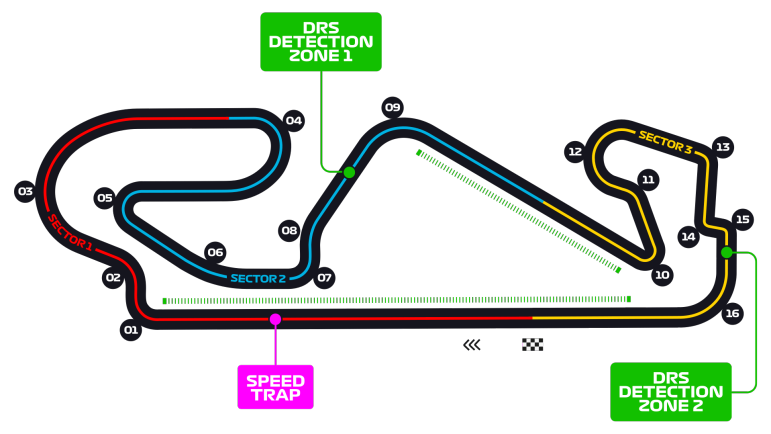
BARCELONA | 08-10 MAY | LAPS: 66 | LENGTH: 4.655 KM | LAP RECORD: 1:18.441

Monaco

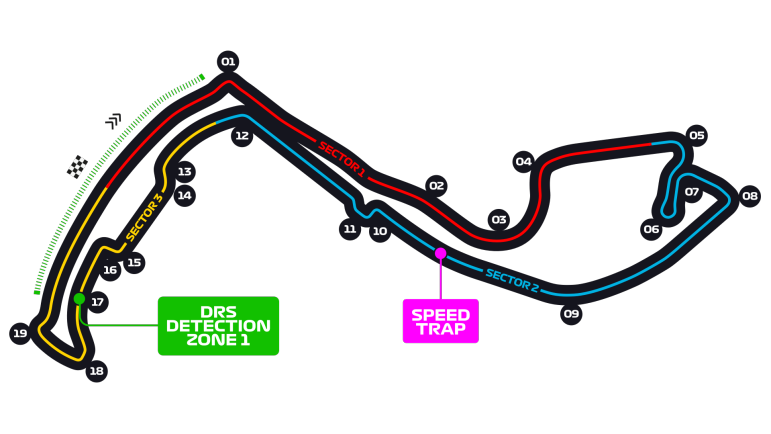
MONACO | 21-24 MAY | LAPS: 78 | LENGTH: 3.337 KM | LAP RECORD: 1:14.260

AZERBAIJAN

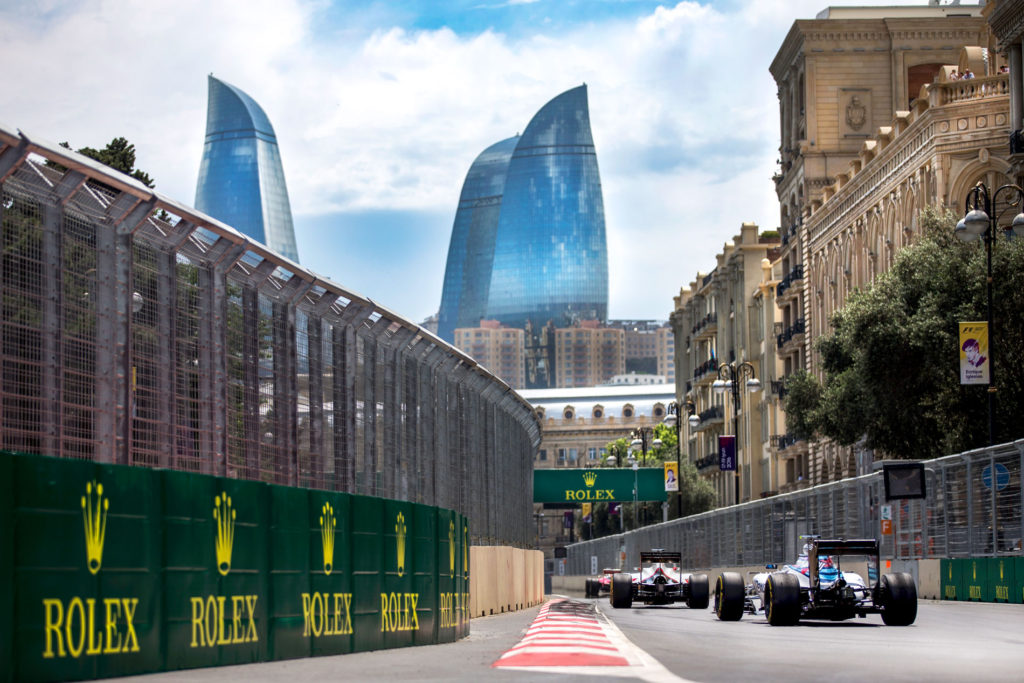
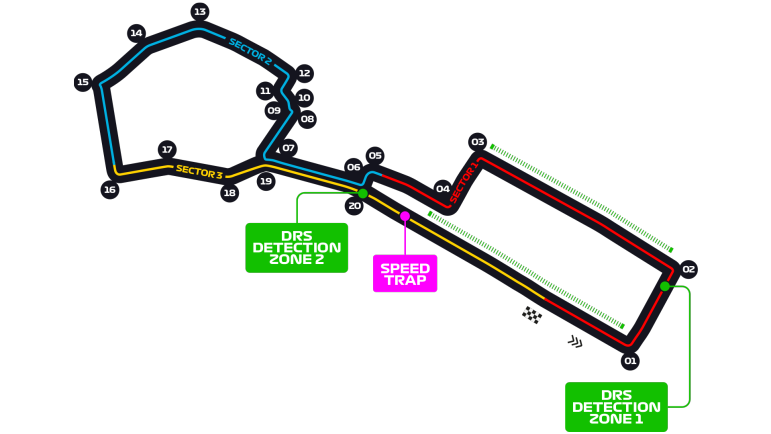
BAKU | 05-07 MAY | LAPS: 51 | LENGTH: 6.003 KM | LAP RECORD: 1:43.009

CANADA

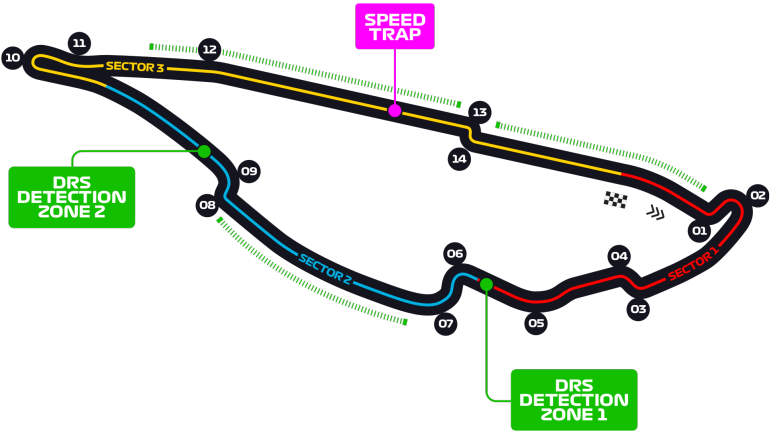
MONTRéAL | 12-14 JUN | LAPS: 70 | LENGTH: 4.361 KM | LAP RECORD: 1:13.078

FRANCE

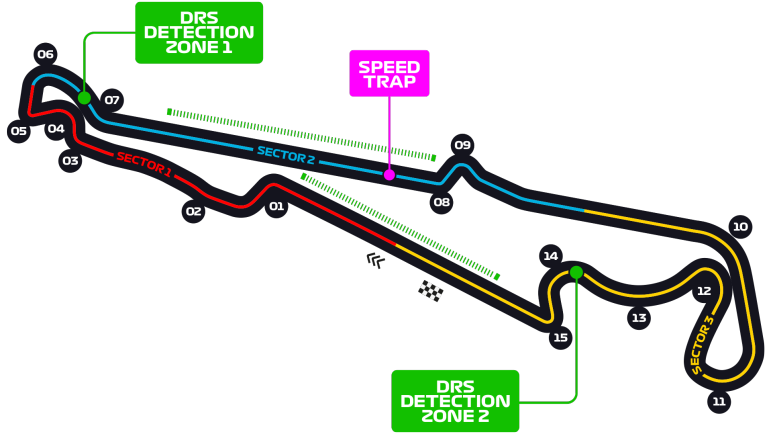
LE CASTELLET | 26-28 JUN | LAPS: 53 | LENGTH: 5.842 KM | LAP RECORD: 1:32.740

AUSTRIA

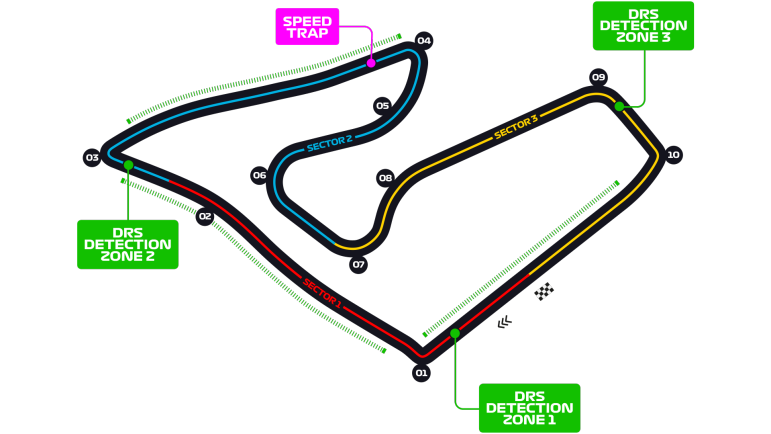
SPIELBERG | 03-05 JUL | LAPS: 71 | LENGTH: 4.318 KM | LAP RECORD: 1:06.957

GREAT BRITAIN

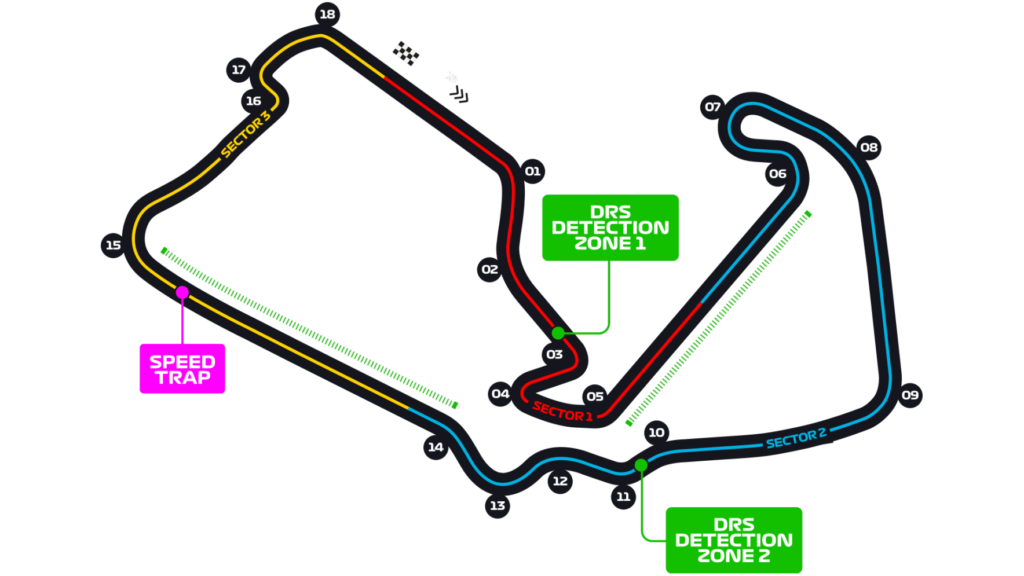
SILVERSTONE | 17-19 JUL | LAPS: 52 | LENGTH: 5.891 KM | LAP RECORD: 1:27.369

HUNGARY

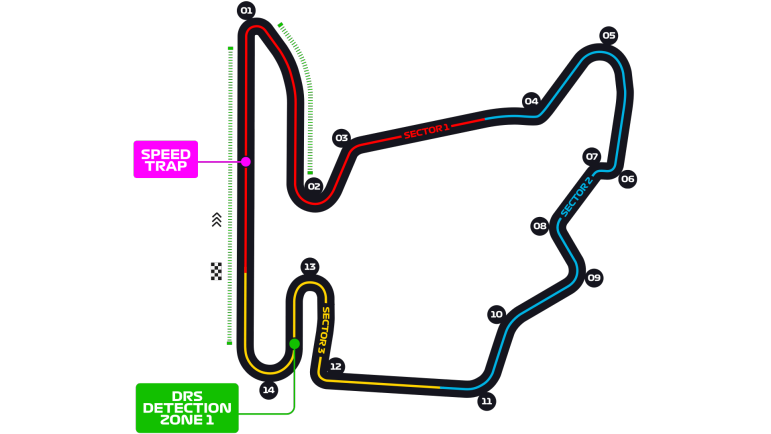
Mogyoród | 31 JUL-02 AUG | LAPS: 70 | LENGTH: 4.381 KM | LAP RECORD: 1:17.103

BELGIUM

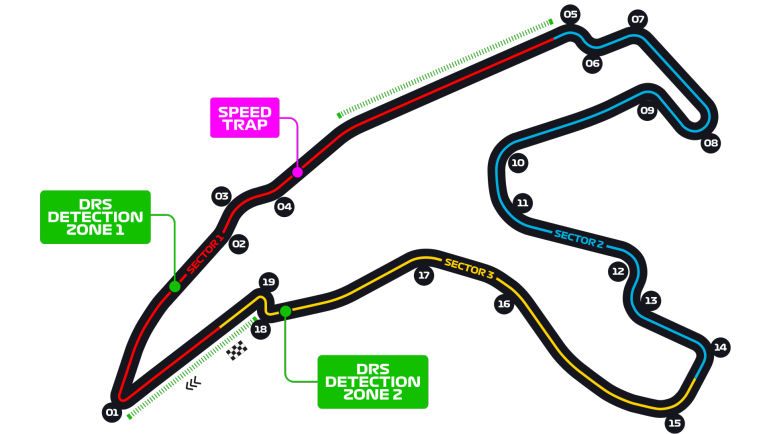
Stavelot | 28-30 AUG | LAPS: 44 | LENGTH: 7.004 KM | LAP RECORD: 1:46.286

ITALY

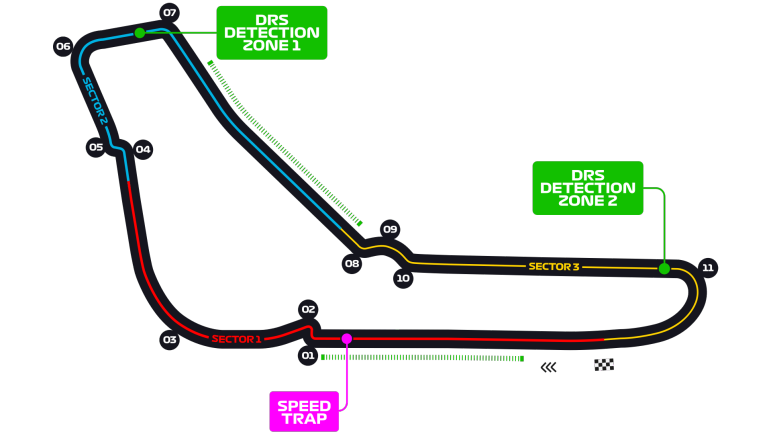
MONZA | 04-06 SEP | LAPS: 53 | LENGTH: 5.793 KM | LAP RECORD: 1:21.046

SINGAPORE

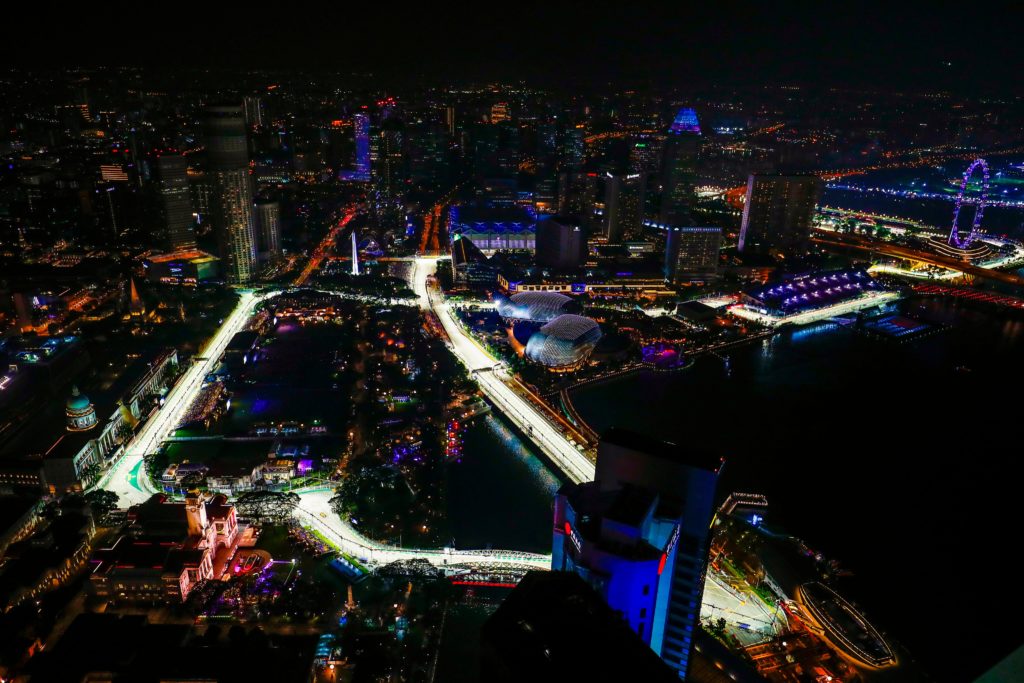
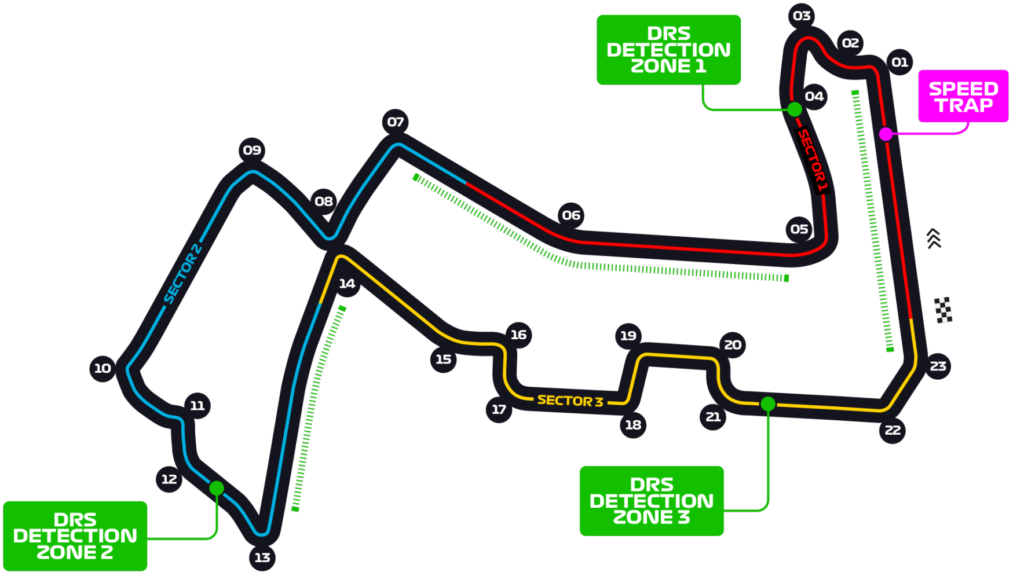
SINGAPORE | 18-20 SEP | LAPS: 61 | LENGTH: 5.063 KM | LAP RECORD: 1:41.905

RUSSIA

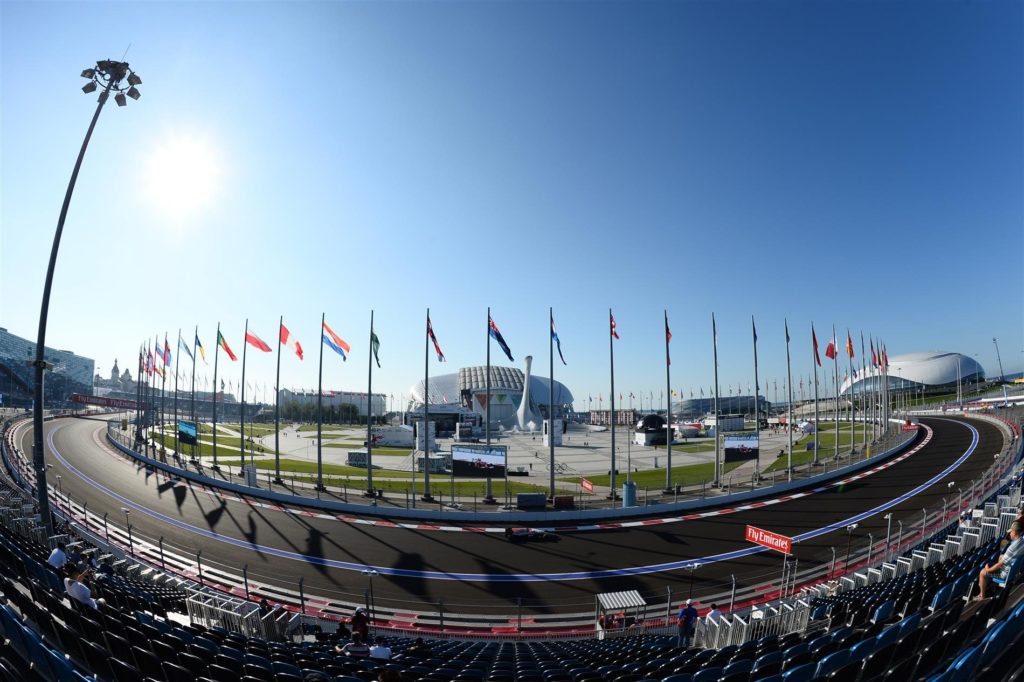
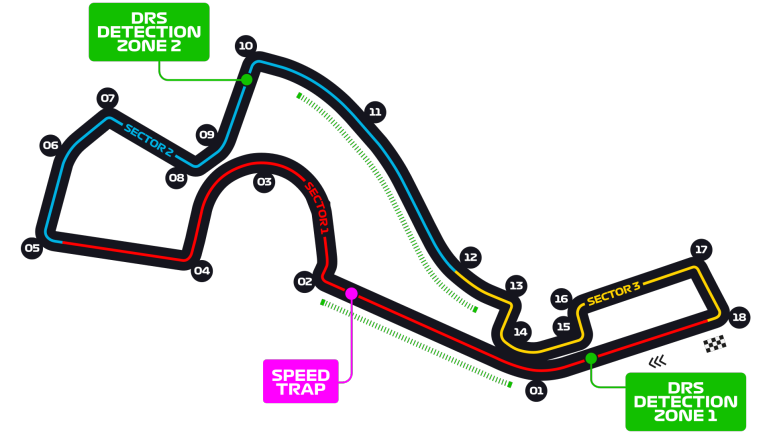
SOCHI | 25-27 SEP | LAPS: 53 | LENGTH: 5.848 KM | LAP RECORD: 1:35.761

JAPAN

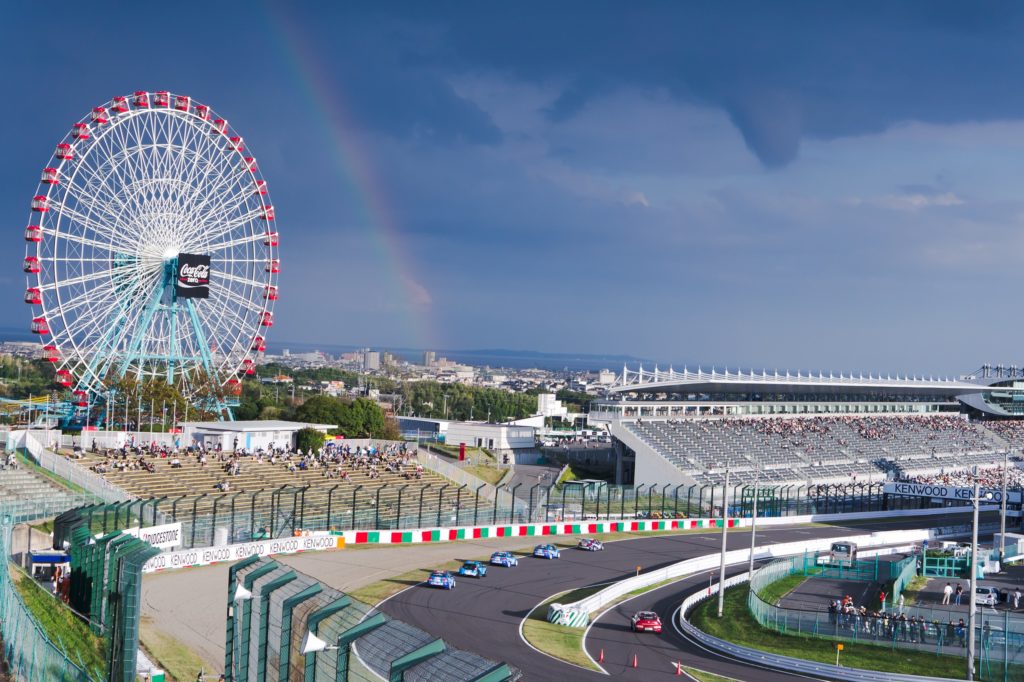
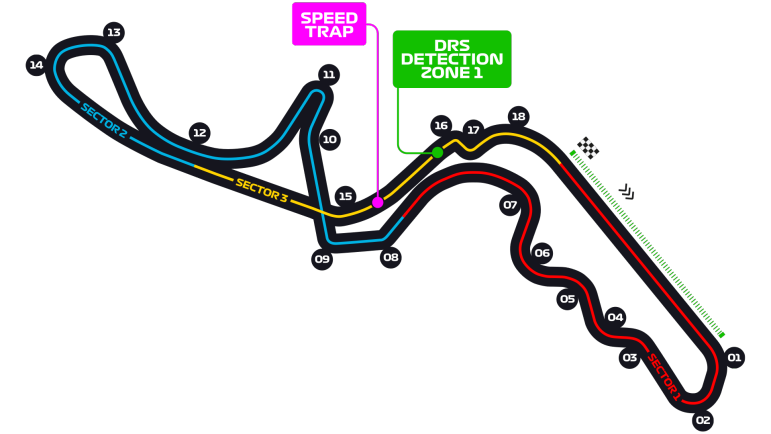
SUZUKA | 09-11 OCT | LAPS: 53 | LENGTH: 5.807 KM | LAP RECORD: 1:30.983

UNITED STATES

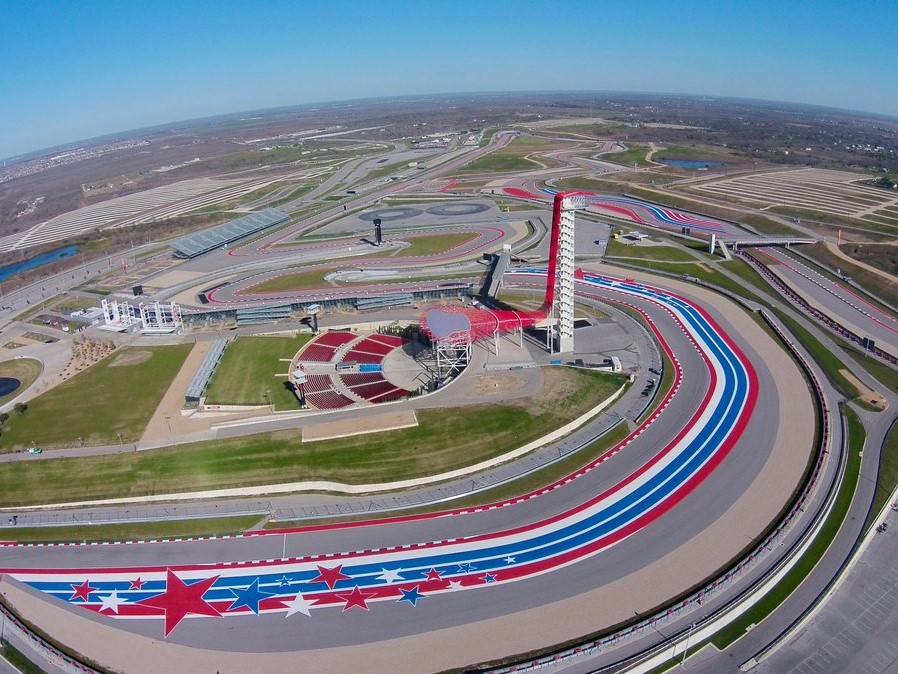
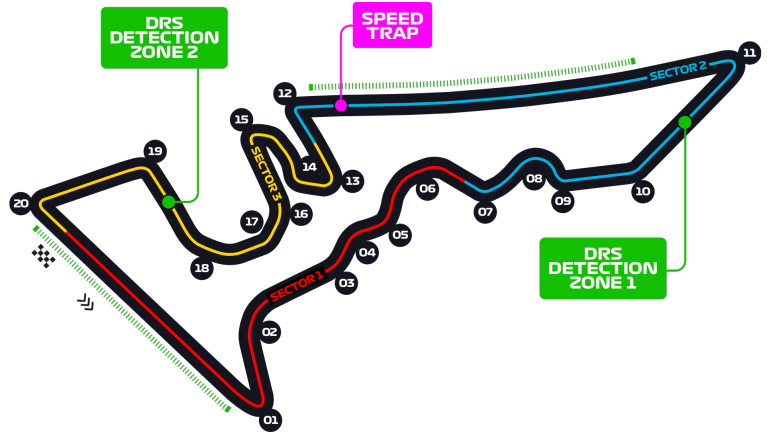
AUSTIN | 23-25 OCT | LAPS: 56 | LENGTH: 5.513 KM | LAP RECORD: 1:36.169

MEXICO CITY

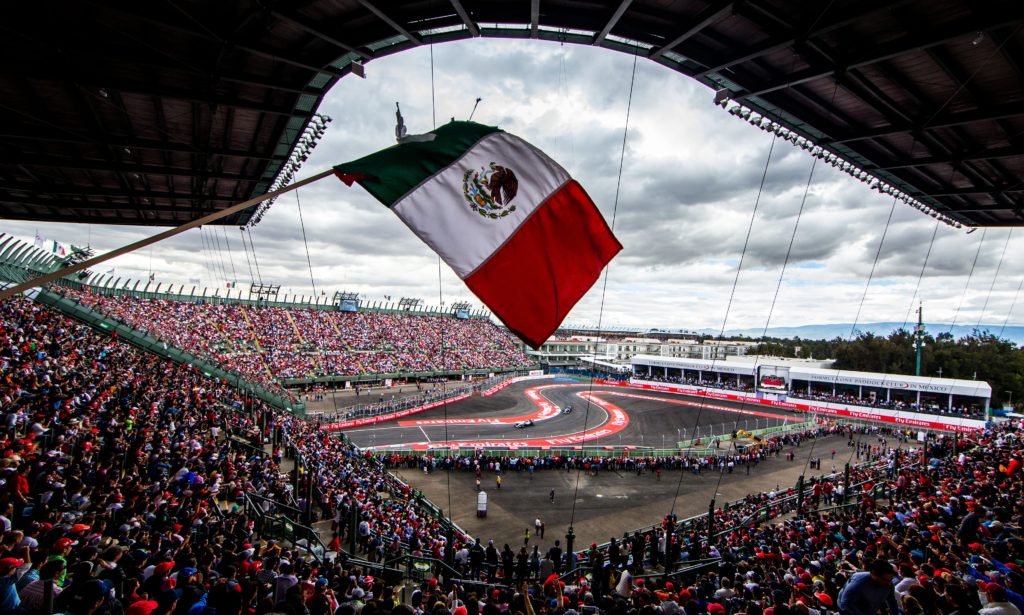
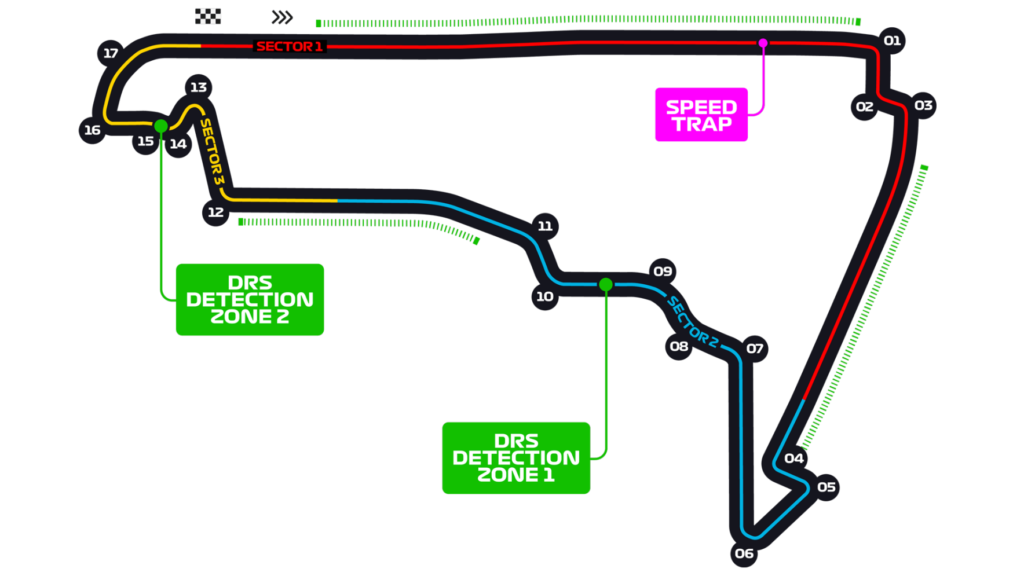
MEXICO CITY | 30 OCT-01 NOV | LAPS: 71 | LENGTH: 4.304 KM | LAP RECORD: 1:18.741

BRAZIL

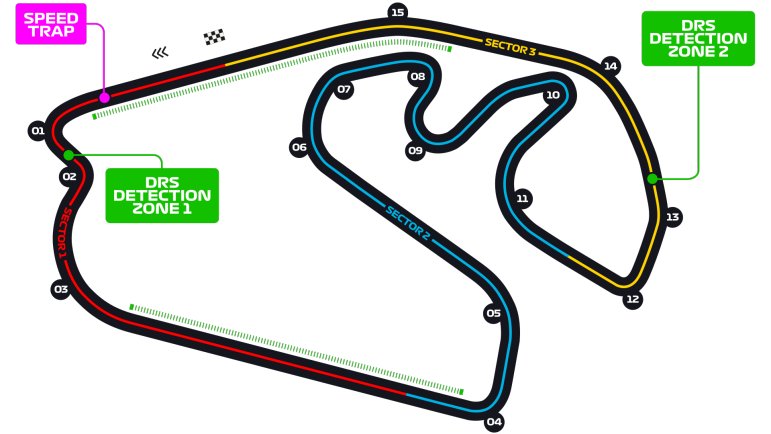
São Paulo | 13-15 NOV | LAPS: 71 | LENGTH: 4.309 KM | LAP RECORD: 1:10.540

ABU DHABI

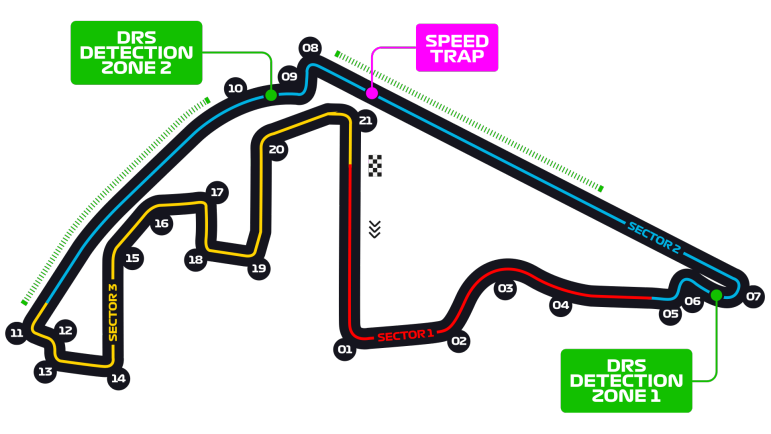
ABU DHABI | 27-29 NOV | LAPS: 55 | LENGTH: 5.554 KM | LAP RECORD: 1:39.283

The Changes

Drivers

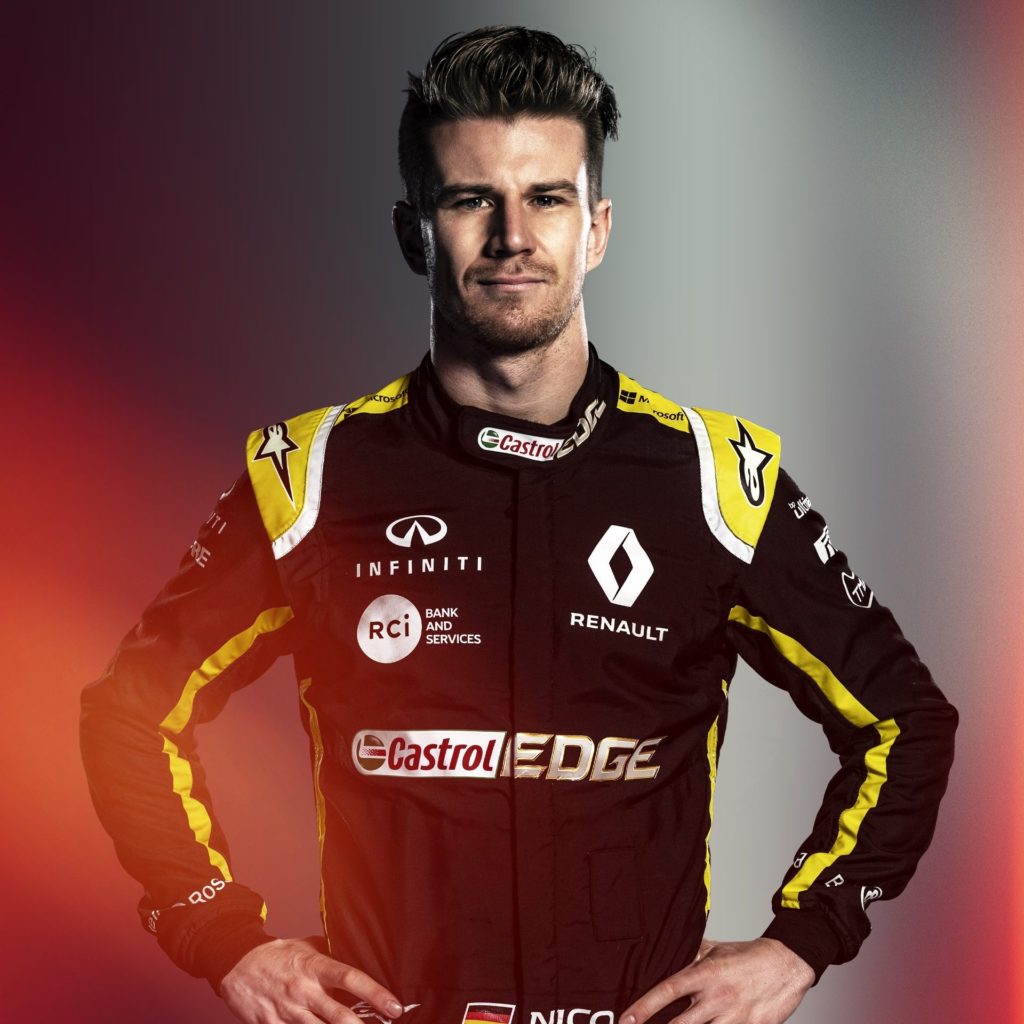
Esteban Ocon replaces Nico Hülkenberg at Renault

Nicholas Latifi replaces Robert Kubica at Williams

Teams

Toro Rosso are renamed as AlphaTauri

Grands Prix

The Vietnamese and Dutch Grands Prix are added

The German Grand Prix is removed

The Mexican Grand Prix is renamed as the Mexico City Grand Prix

The Chinese Grand Prix is currently postponed due to the COVID-19 outbreak

Regulations

Teams will be allowed to use one more MGU-K compared to 2019

The rules surrounding jump starts and the weighbridge have been relaxed with the race stewards now able to hand out less severe punishments

In order to reduce the risk of punctures, the last 50 mm of the front wing can no longer contain any metal

Brake ducts can no longer be outsourced and must be made and designed by the team

The amount of fuel that can be outside of the fuel tank has been reduced from 2 litres to 250 millilitres

The level of driver aids at the start have been decreased

The Burning Questions

Can Lewis Hamilton match Michael Schumacher’s record of seven world championships? And how many of his other records can he break during the season?

Will anyone be able to challenge him? Can Red Bull or Ferrari produce a car capable of doing so? Can Bottas upgrade again to 3.0?

Who will come out on top in the teammate battle at Ferrari? And can they keep it clean?

Is the “Pink Mercedes” of Racing Point actually the class of the midfield?

Will the Mercedes DAS system have a noticeable effect?

Have Williams clawed their way back to respectability?

How badly will the COVID-19 outbreak affect the calendar?

What will the repercussions of the controversial Ferrari/FIA settlement be?

How long until the first Kimi bwoah?

Let’s act like we know what’s going on in testing: 2020 edition

It’s that time of year again.

The teams have packed up in Barcelona and now prepare for the long haul to Melbourne for the season-opener. Meanwhile, the rest of us try to figure out who was ‘sandbagging’, who was doing ‘glory runs’, who’s worried about their reliability and who’s quietly confident.

Let me pose some questions.

A Few Worries for Mercedes?

Image credit: Getty Images

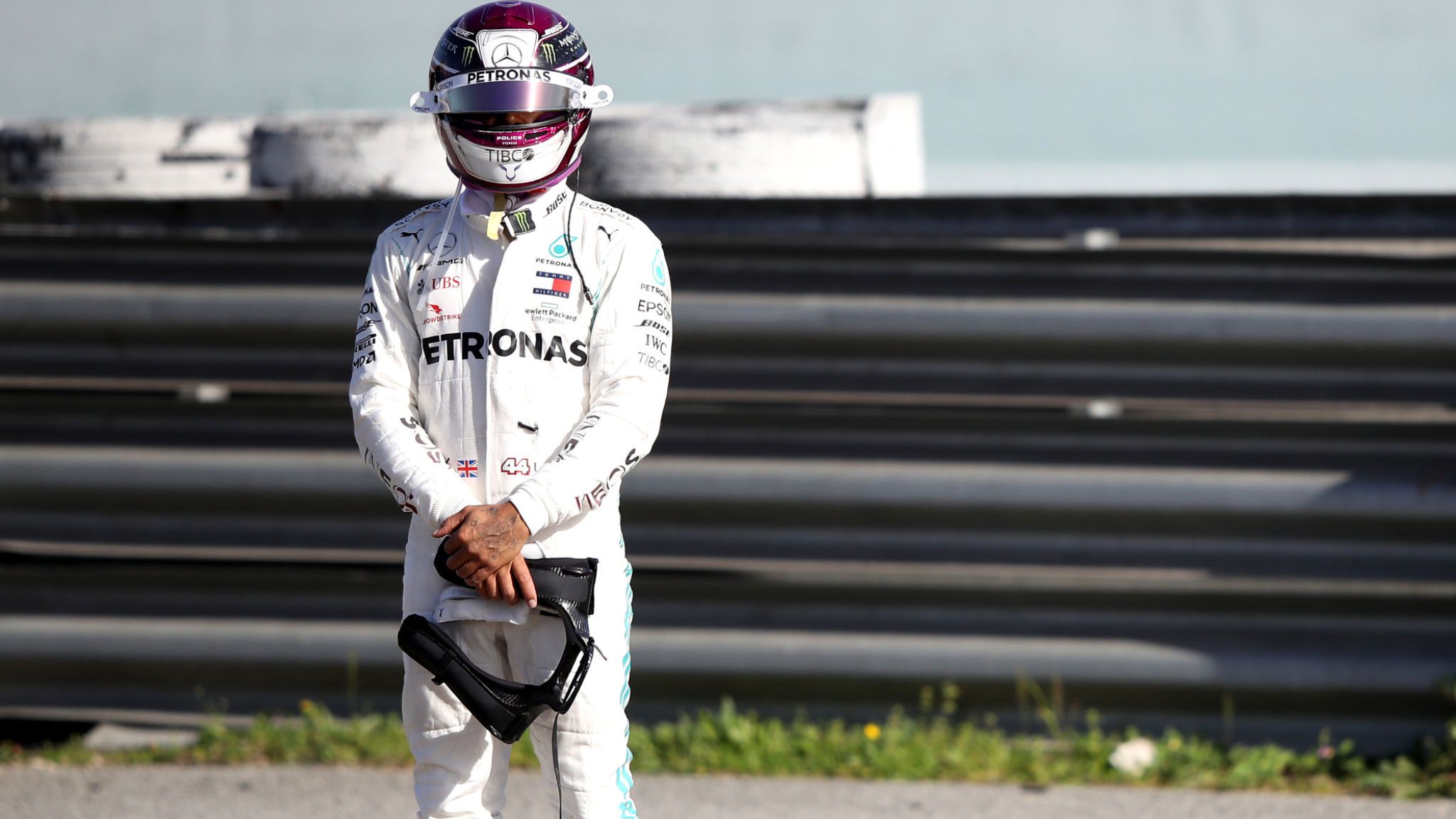
Mercedes continued their fine form from the first week of testing for the most part, but it wasn’t all plain sailing. Reigning world champion Lewis Hamilton missed most of the penultimate day after an oil pressure anomaly caused a precautionary shutdown of the power unit. There had been a couple of other more minor engine-related issues prior to that and Williams, who are an engine customer of Mercedes, had similar problems.

Could this be an Achilles heel for the six-time world champions? We’ve seen the impact having to run on reduced power has had on the team in the past; at high altitude and with high temperatures in Austria last year, they suffered with engine overheating and were not on the level of Ferrari or Red Bull. Have they pushed their new engine too far in trying to catch up to the possibly illegal (more on that later) power achieved by Ferrari last year? Time will tell. But at least they have discovered the issues now. Better in testing than in qualifying or the race in Melbourne.

You can be sure that they will leave no stone unturned back at Mercedes HQ and the Silver Arrows certainly still head into the season as the team to beat. But maybe this development will have given some hope to those in the two garages next door. Speaking of which…

Can Red Bull and/or Ferrari Really Challenge This Year?

Having kept their heads down for the first week of testing, the other two members of the ‘big three’ started to show their hand a little more as they entered the final couple of days.

Ferrari spent the first week insisting that they were in trouble, that they were not sandbagging and that they may well even be battling with the midfield this year. But there was always a hint of the-Italian-lady-doth-protest-too-much about it. And it could be seen from an impressively fast and consistent long run by Charles Leclerc on the final day that they have been keeping their true pace under wraps.

The car was still very slow on the straights, however. How much of that is down to conservative power modes and how much is due to their focus on increasing downforce levels in slower corners will probably only become apparent during Q3 in Australia.

After last year’s pre-season testing promised far more than the season ended up delivering for the Scuderia, they have been maybe too self-deprecating this time round.

Red Bull have taken a similarly reserved approach, with even the notoriously outspoken Dr Helmut Marko not producing anything especially headline worthy. They have been producing solid lap times throughout the test, however, and look like they could pose a real threat to Mercedes. Max Verstappen did suffer a surprisingly high number of spins which raised suspicions about whether the new car has issues with stability on corner entry. The Dutchman dismissed these rumours with talk of the weather conditions and “finding the car’s limits”.

If there is nothing substantial to those rumours then Red Bull are looking in pretty good shape to take the fight to the world champions. Verstappen’s fastest time was only half a second down on that of Valtteri Bottas – who achieved the best lap for Mercedes during the first week – and was completed on a harder tyre. Watch this space.

Who Will Be Best of the Rest?

Image credit: XPB Images

Assuming that Ferrari’s talk of being comparable with those in the midfield is simply a case of tempering expectations, the fight for fourth place and ‘best of the rest’ is looking mighty tight.

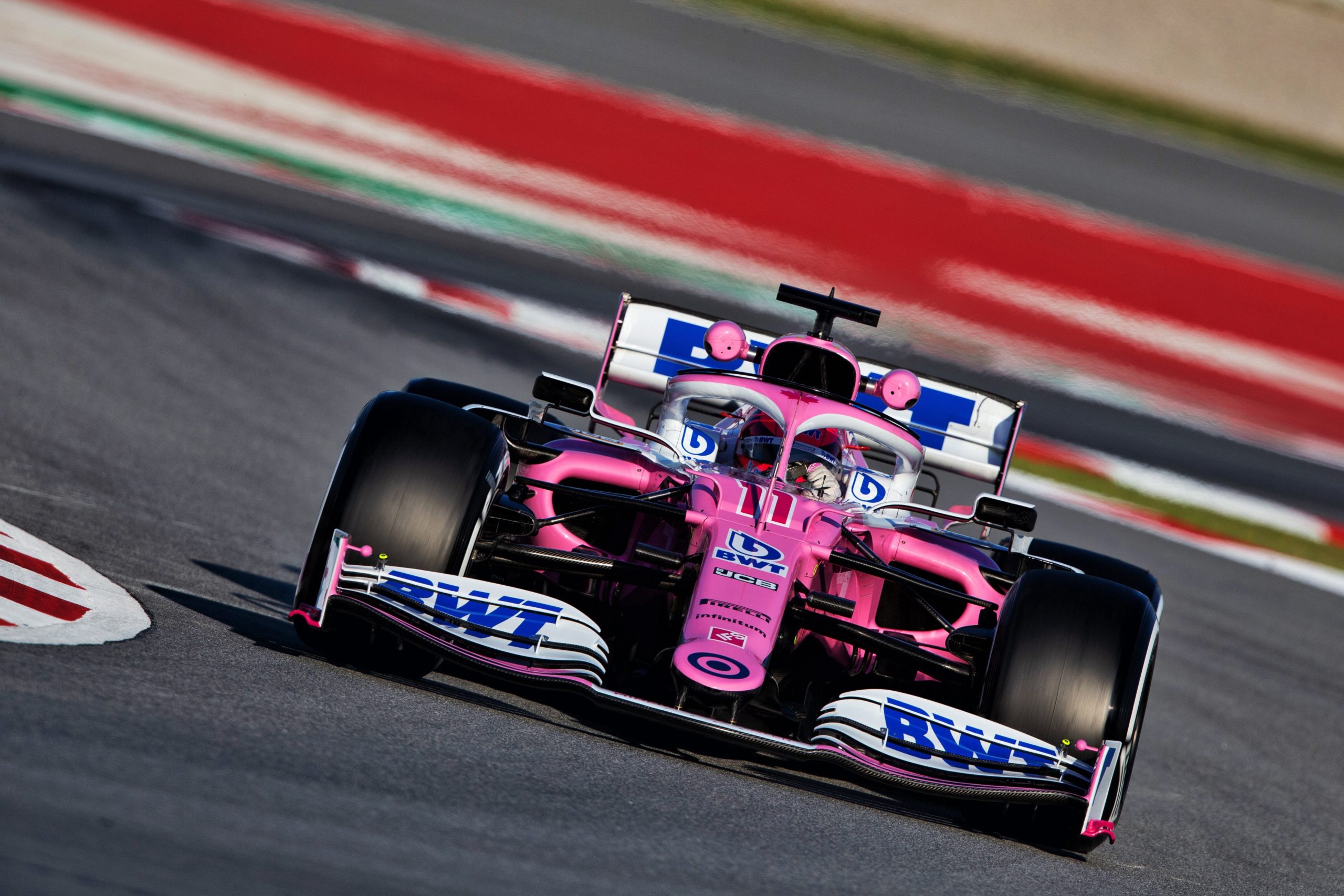
Racing Point have caused many a raised eyebrow with their new car thanks to its striking resemblance to last year’s Mercedes; particularly once it had gone nearly as fast as the championship-winning car. Their two drivers – Sergio Pérez and Lance Stroll – spent large periods of testing in the top three and Pérez struggled to hide his glee during every interview, describing this year’s challenger as “the best car I’ve had in pre-season“.

The more established heads of the midfield – McLaren and Renault – pride themselves on making all their own parts and will be very bitter if they are beaten by a “Pink Mercedes“. But it all seems quite logical when technical director Andrew Green says they simply “copied the quickest car from last year”. He also pointed out that they had not had the budget to do so in the past but, with Lawrence Stroll’s investment, they can now achieve great things. And, in fairness, this is a team that has perennially punched above its weight.

McLaren and Renault aren’t looking too bad themselves though.

Image credit: XPB Images

Last year’s ‘Formula 1.5‘ champions have produced another handsome papaya and blue machine which, whilst they don’t appear to have been doing glory runs, looks like it will be there or thereabouts come Melbourne. It has produced some impressive long runs and the team seem very content with their work so far.

Renault, after a very disappointing 2019, have seemingly ripped up their former blueprints and started from scratch. A visibly different car, with a far thinner (and uniquely rounded) nose and reprofiled sidepods and airbox, looks like it could propel them back to the front of the midfield. Daniel Ricciardo’s lap, which left him top of the timings on the penultimate day, looked fast and a lot of their last car’s issues seem to have been solved.

Whilst those three are the favourites to fight for fourth, the others are not far behind. AlphaTauri, Alfa Romeo, Haas and even Williams have looked to be in the mix at varying points throughout the two weeks and the general consensus is that the midfield, as a whole, has closed the gap to the top three.

Image credit: James Moy

All this makes for the prospect of some great racing in the final year of these regulations. And, whilst we all agree that the new regulations were necessary for the health of the sport, it is ironic that the best racing always seems to happen at the end of a set of regulations, once all the teams have figured out what works best, copied each other a fair bit, and the pack has levelled out.

A Couple of Other Points of Order

The two other pressing issues in the sport right now are the FIA ruling regarding Ferrari’s engine last year and, as with most of the world, the Coronavirus.

The FIA revealed on Friday – conveniently just as pre-season testing was concluding – that they had “reached a settlement” with Ferrari after a “thorough technical investigation” into last year’s engine but would be keeping the specifics of said settlement between the two parties.

The opacity and underhandedness of this decision has shocked and infuriated the other teams. The term “settlement” certainly appears to imply wrongdoing on Ferrari’s part but, if that is the case, then why such leniency? Especially considering that would mean the team were using an illegal engine for most of the season.

The announcement was clearly timed to avoid lots of talk in the paddock through testing but you can be sure that the teams will not have forgotten by Melbourne. The drama here is far from over as Ferrari’s competitors “consider their next steps”.

Barring some kind of mass protest by those teams, the Australian Grand Prix does, at least, look likely to go ahead…

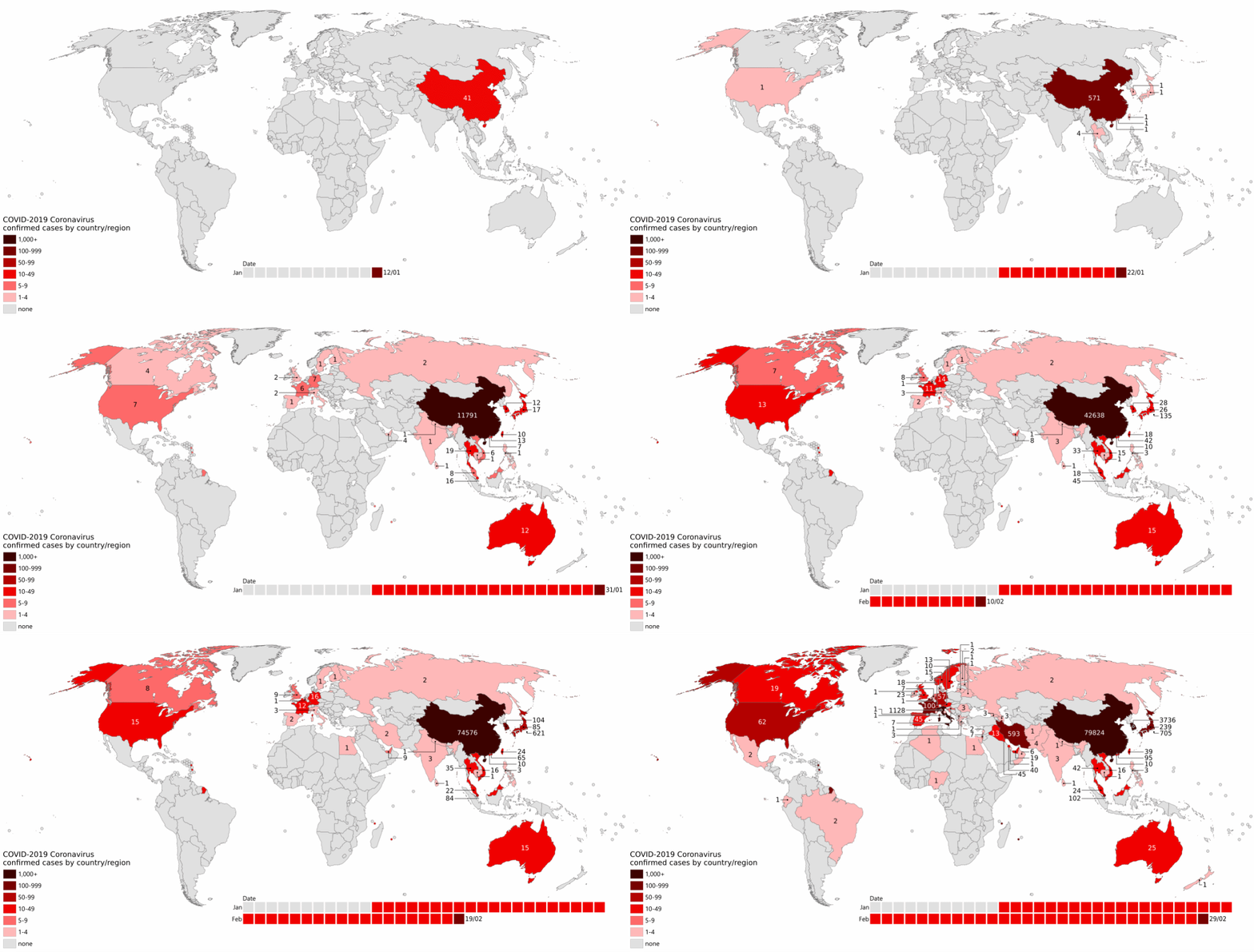
Some of the others remain very much in the balance. The Chinese Grand Prix has inevitably been postponed – and it will be a challenge for them to find a spot in the calendar for it later in the year – whilst Bahrain and Vietnam especially are looking pretty iffy. Both Grands Prix are instigating special measures, including a 14-day quarantine on travellers from countries where outbreaks are the most severe. That includes Italy.

Obviously, Italy is the home of Ferrari, but also AlphaTauri, some members of Haas and tyre supplier Pirelli. Whilst authorities in Bahrain are planning an expedited process for F1 personnel, Vietnam’s arrangements are less concrete at this point. There would always likely have been teething problems for a country hosting its ever first Grand Prix and the Coronavirus outbreak will have made thing considerably harder for them.

Ross Brawn has said that a race would not be held in a country that denies access to any team to ensure that the competition remains fair. The irony there, considering the controversial FIA/Ferrari settlement, will likely not have been lost on the teams.

The 2020 season starts here

The first week of this year’s truncated pre-season testing is done. So, what – if anything – have we learnt?

We can certainly analyse the livery changes and then do our best to figure out the new design ideas, innovations and philosophies that the teams have produced and how they have been performing on track thus far.

Mercedes-AMG Petronas Formula One Team
Image credit: LAT Images

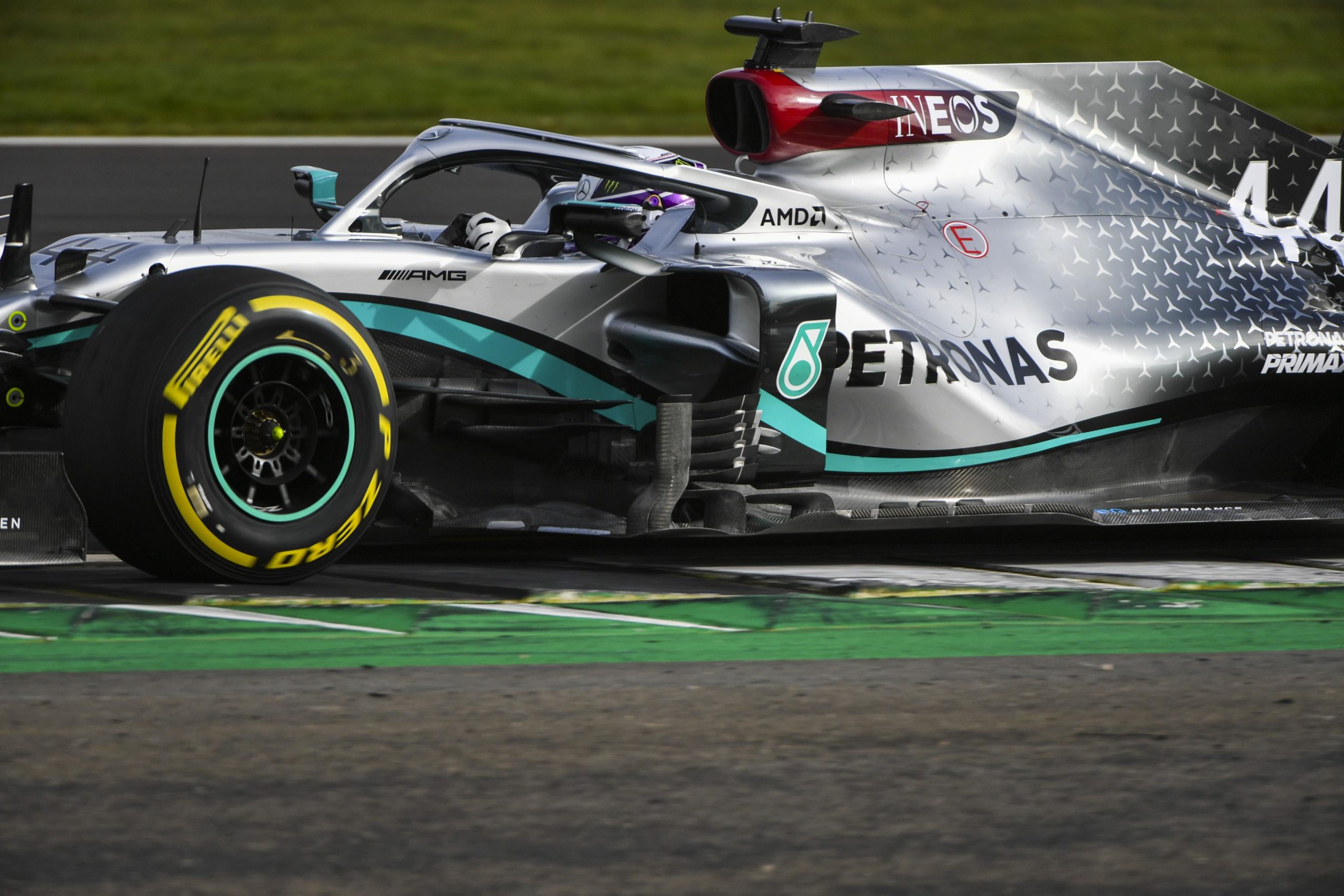
The Livery: A slightly different iteration of the Mercedes theme for 2020. The ‘Petronas green’ element has become a solid stripe rather than their previously more textured lines and there is a distinctive flash of deep red courtesy of new sponsor INEOS. Personally, I prefer last year’s livery but it’s hardly a drastic change and if it remains the class of the field then does it really matter?

The Car: Mercedes have been the talk of testing thanks to their innovative and somewhat controversial ‘DAS’ system, which affects the toe of the car whilst on a straight via the driver pushing and pulling the steering wheel. When you see all the members of other teams crowding around a replay of your car trying to figure out what’s going on, you know you’ve created something novel. It has already been banned for 2021 but appears to be cleared for this season. How much difference it really makes remains to be seen and it could even be that it’s just a smokescreen to deflect people away from their other developments towards the rear of the car. Namely, moving the wishbone backwards to open up the car’s floor. That could have a far larger effect on their performance than the one everyone is paying attention to. And that performance is looking pretty ominous so far…

Scuderia Ferrari Mission Winnow
Image credit: XPB Images

The Livery: Yep. Still red.

The Car: It’s definitely evolution rather than revolution for the Scuderia. Whilst many have gone more towards the Mercedes philosophy – particularly the thinner noses – Ferrari have kept most of last year’s design and apparently tried to add some more downforce, which had been the car’s biggest issue in 2019. But there is a rather worrying feeling emanating from those in Red; everyone just seems a bit…jaded. Like they’ve maybe written off this year, already resigned themselves to defeat and are focussing on the new regulations in 2021. The lap times have certainly been conservative. But then again, that is the opposite of the headline-grabbing times that Ferrari have produced in past pre-season tests, only to ultimately fall short, so who knows what they’ll do come Melbourne?

Aston Martin Red Bull Racing
Image credit: Honda Racing F1

The Livery: Another Ctrl+C, Ctrl+V job. Still nice though.

The Car: Red Bull are one of those teams to have changed to a far narrower nose this year and have also generally cleaned up the aero at the front of the car with a previously unseen double bulkhead design. The entire machine is as elegant as you’d expect from Red Bull and Adrian Newey, full of smooth, sweeping lines. A pretty car is often a fast car and, whilst not having gone for headline times, the team have looked pretty confident with how things have been going this week.

McLaren F1 Team
Image credit: Sutton

The Livery: Another papaya orange and blue number from the boys in Woking; this one with a more horizontal, striped feel than last year’s triangular, diagonal affair. They’ve also followed Red Bull and Ferrari into the matte-paint world. None of these changes are especially dramatic, anyway, and the car still looks great.

The Car: McLaren seem quietly confident with their progress, team principal Andreas Seidl saying it had been their “best winter test in years”. There is a continued, subtle evolution from last year’s car and they have been steadily working through their programme, introducing a new front wing on day three of the test. Everything seems to be going to plan and if they can keep their position at the head of the midfield this year, they’d probably be happy enough heading into 2021.

Renault F1 Team
Image credit: Getty Images

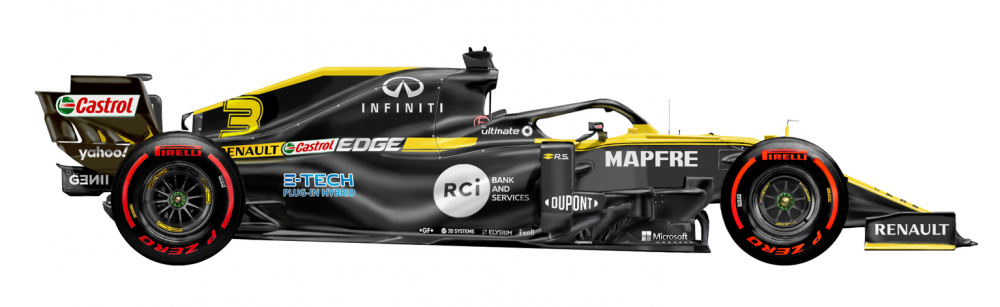
The Livery: It’s currently a solely black (apart from white sponsors and a yellow number) testing livery. But it actually looks pretty awesome like that to be honest.

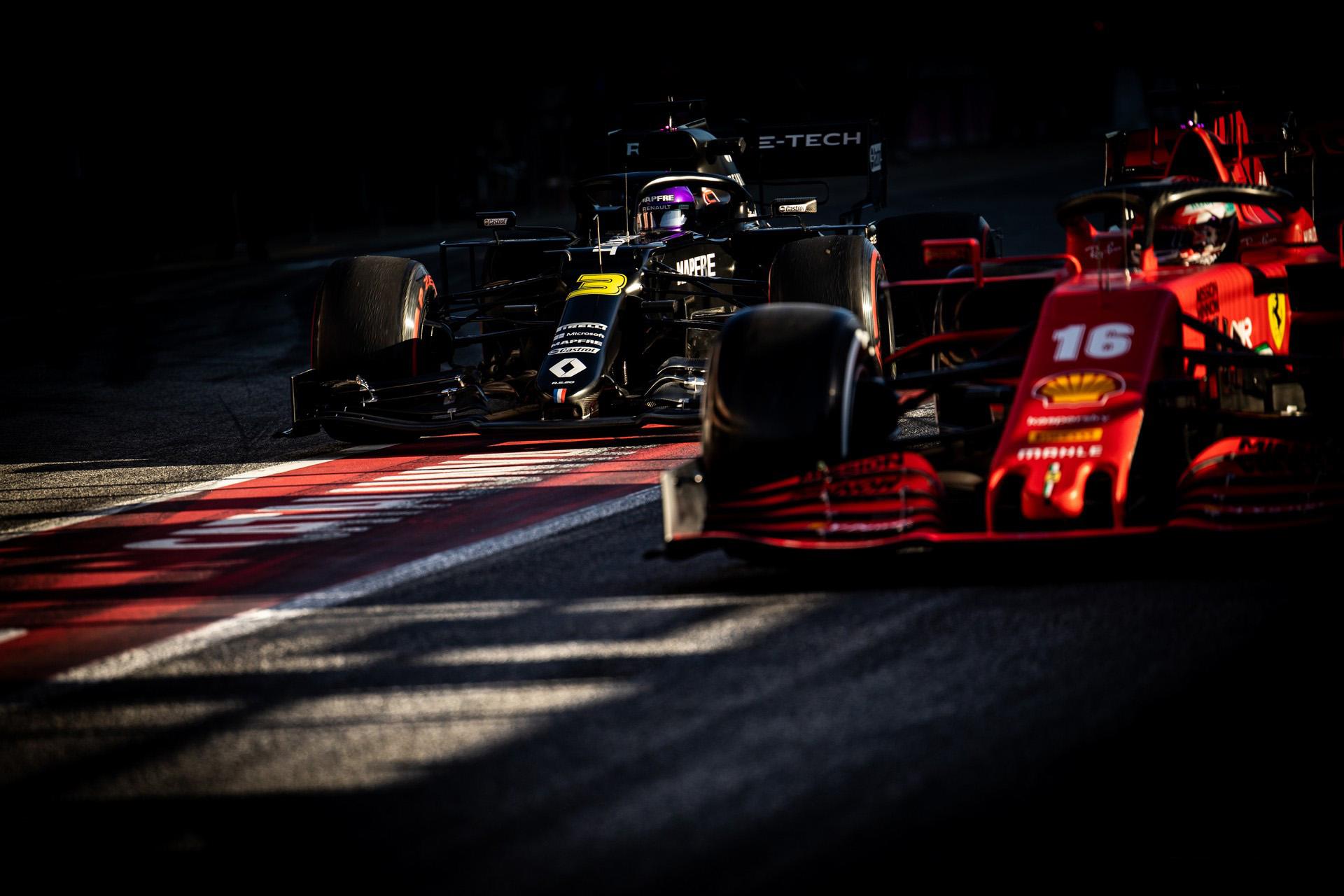
The Car: Renault have not only changed to the thinner style of nose but have made it rounded for good measure. It is the first of that kind in a long time and quite reminiscent of a Ferrari from the early 90s. Renault have gone with revolution over evolution and produced a dramatically different car to their disappointing 2019 model. The airbox and sidepods are also significantly changed as they try to prove to both Daniel Ricciardo and the big bosses at Renault HQ that they can follow through on their promises of moving up the grid.

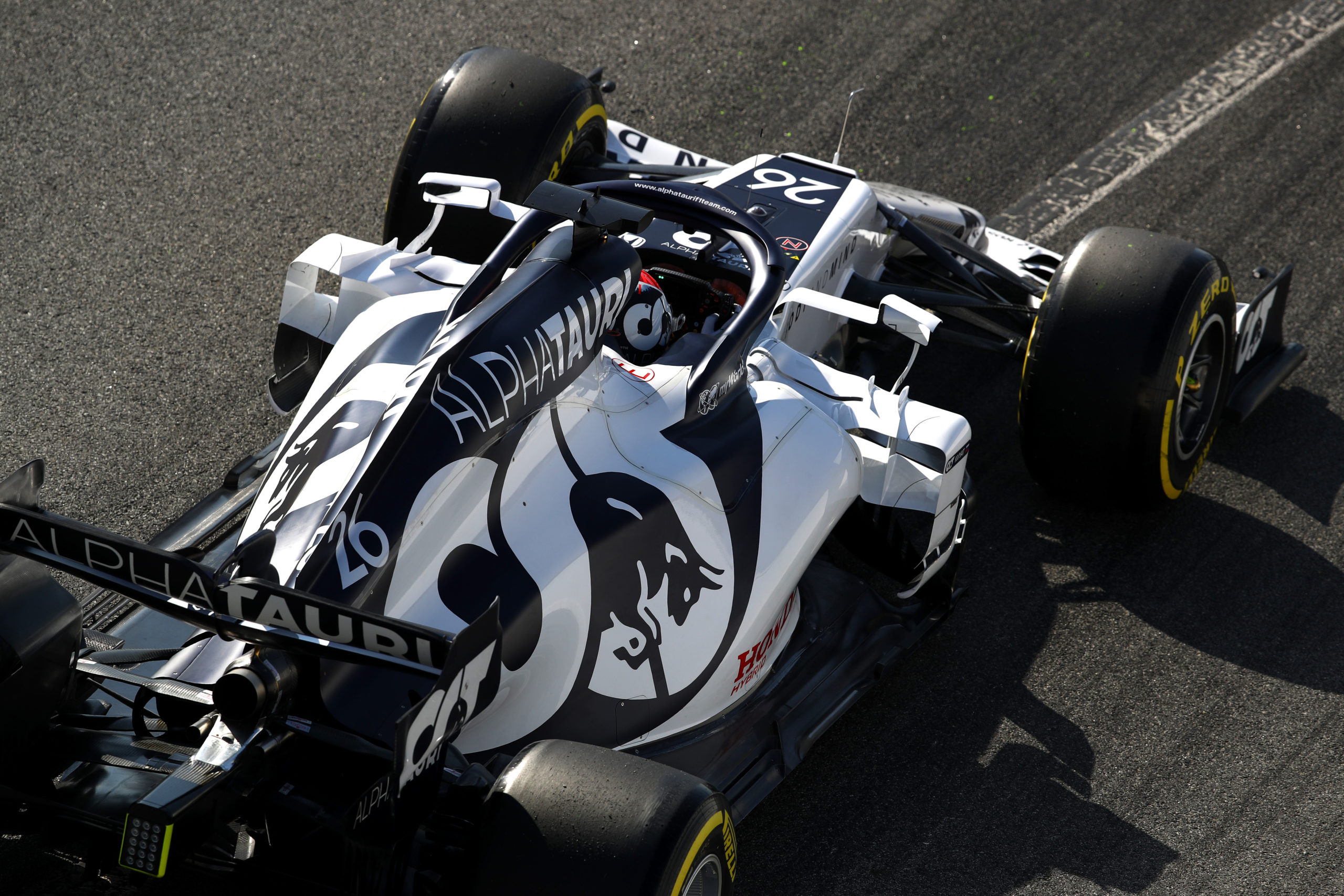
Scuderia AlphaTauri Honda
Image credit: Getty Images

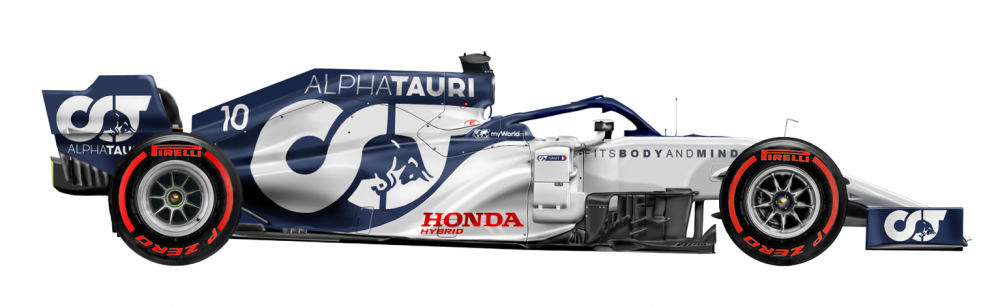
The Livery: With the rebranding of Toro Rosso to AlphaTauri – Red Bull’s fashion brand – comes a brand new livery too. Whilst the former STR blue and red was a favourite amongst many, they’ve arguably surpassed it with this striking white and navy blue design.

The Car: Interestingly, AlphaTauri (it will take a while to get used to that) have not followed the design path of sister team Red Bull and kept faith in their wider, flatter nose. And sister team is now officially what they are, according to Helmut Marko; the Austrian putting out a statement stating that they had been upgraded from junior team. We will find out whether that actually amounts to anything as the season progresses.

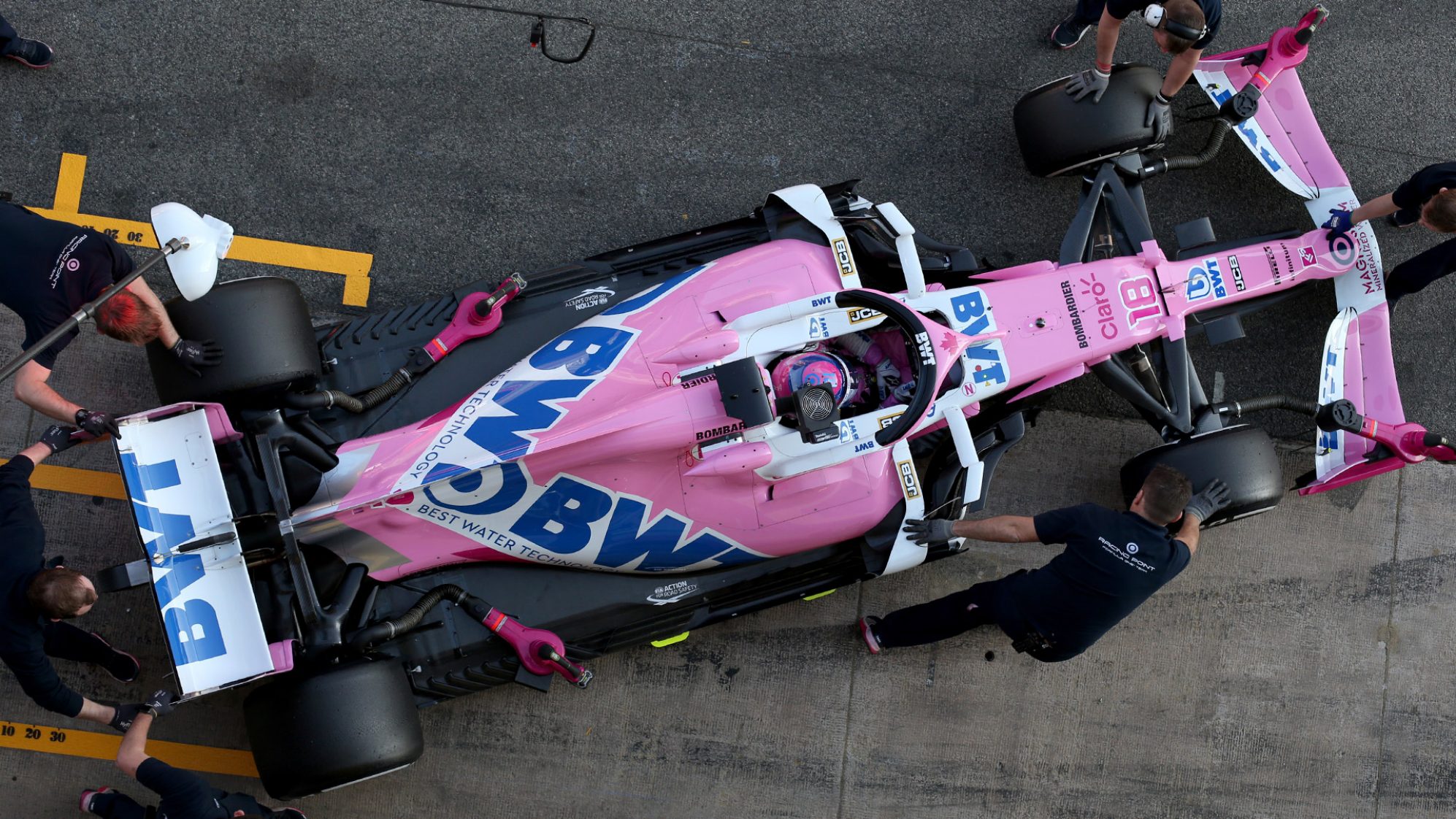
BWT Racing Point F1 Team
Image credit: Getty Images

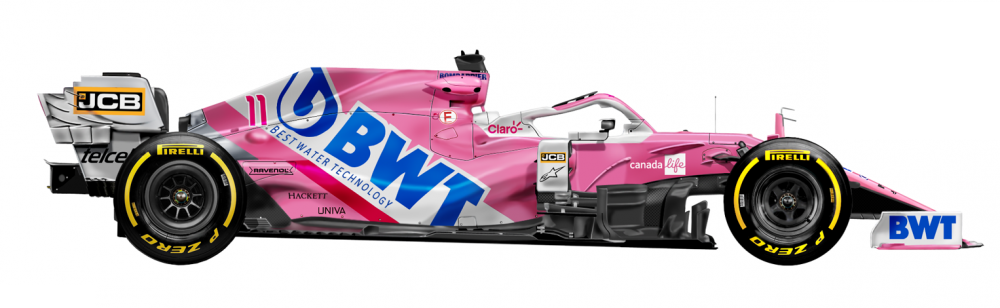
The Livery: Even pinker than last year, having lost the blue SportPesa branding.

The Car: Racing Point have found themselves the other main talking point of this first week of testing, due to their car’s similarity to the 2019 Mercedes. The team from Silverstone have often bordered on being a Mercedes B-team but this year’s car is nearly identical to last year’s Silver Arrow and the paddock is somewhere between suspicious and angry, christening the new car the ‘pink Mercedes’. This hasn’t been helped by its seemingly excellent form, with the Racing Point drivers consistently running in the top three or four throughout the test. The team insist that they simply based their car on the class of the field, which seems logical…but then if it were that easy…

Alfa Romeo Racing Orlen
Image credit: Alfa Romeo

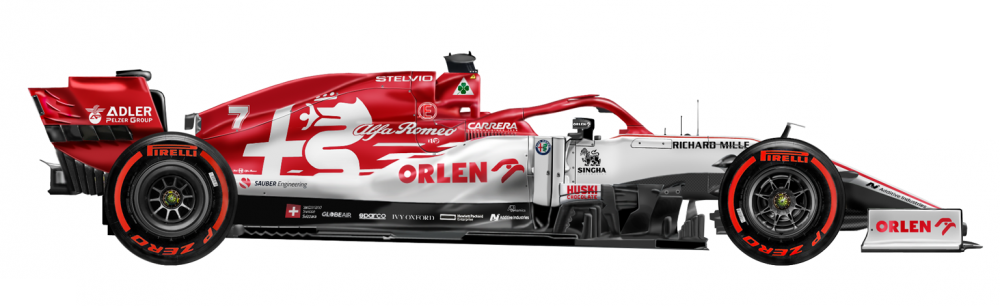
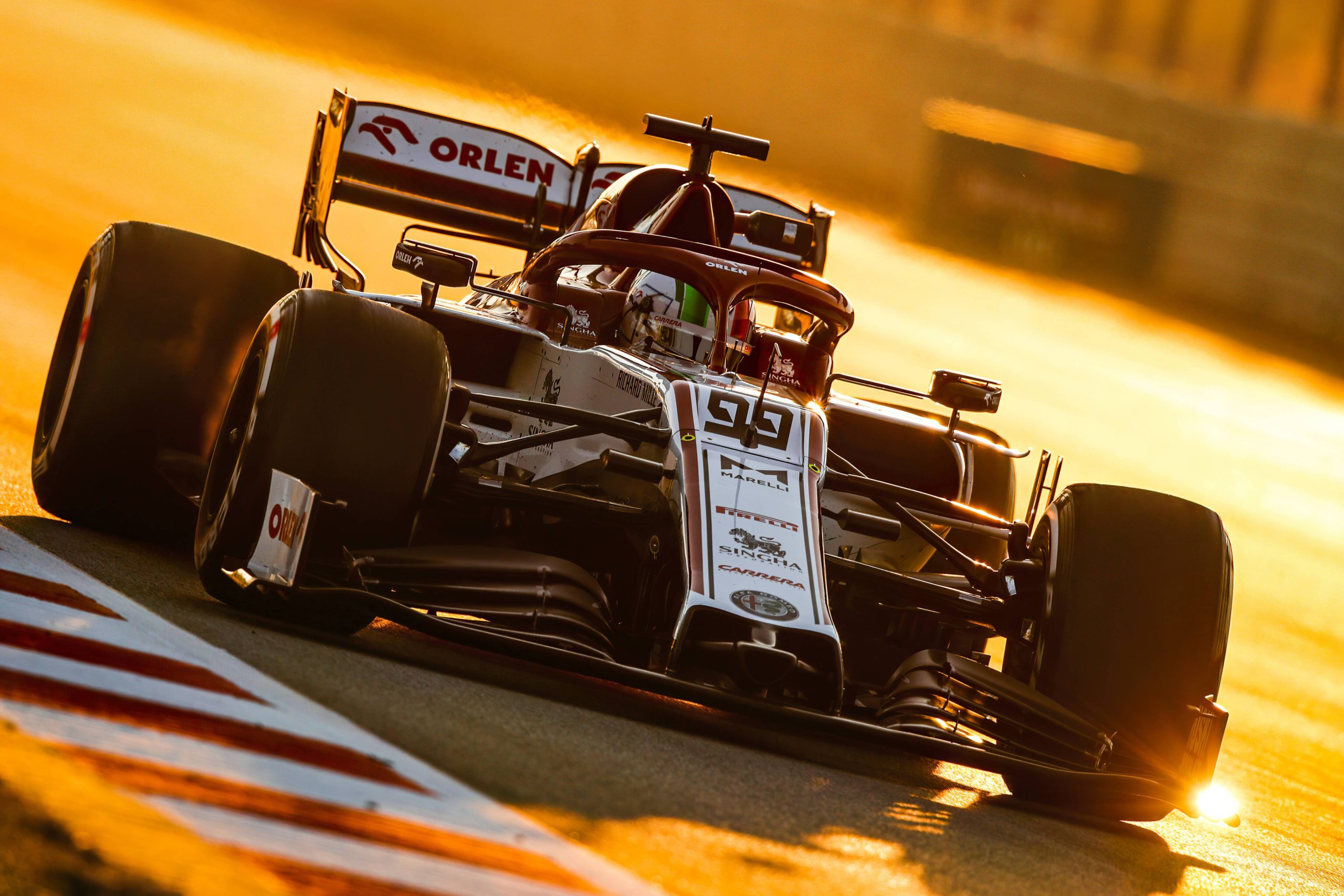
The Livery: Pretty similar to last year’s stylish design but the stripes down the edge of the nose being changed from navy blue to red are a slight improvement.

The Car: Along with the livery, the car’s design appears to have remained consistent also. Last year’s Alfa was seen as something of a trailblazer initially but it has all been rather subdued this time round, barring a ‘glory run’ on soft tyres on day two that saw Kimi Räikkönen top the timings, before promptly grinding to a halt…

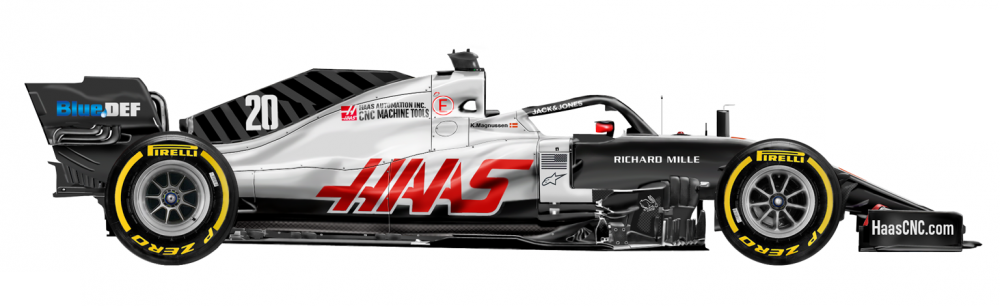
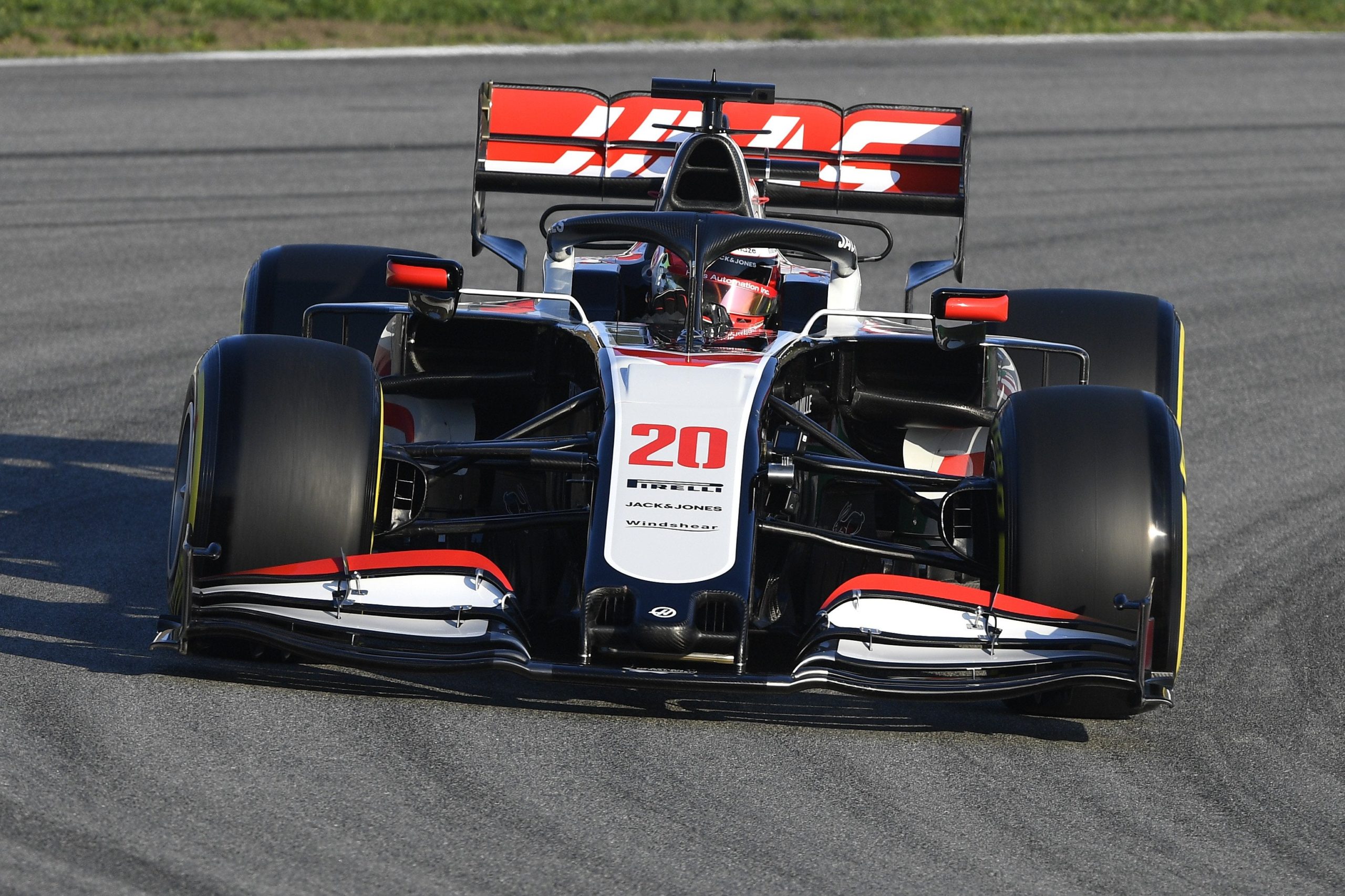
Haas F1 Team
Image credit: Getty Images

The Livery: With last year’s Rich Energy sponsorship debacle a distant memory, Haas have reverted to their traditional grey, white and red theme. And produced a pretty nice livery in the process.

The Car: The fundamental issue for Haas last year was their inability to keep their tyres in a good operating window and team principal Guenther Steiner has said that they are “taking a different approach” this year to address that. If they can get that issue under control, they can likely move back into the midfield fight. Of course, Kevin Magnussen and Romain Grosjean managed one obligatory crash each during the test. (In fairness, the Dane’s was caused by a puncture.)

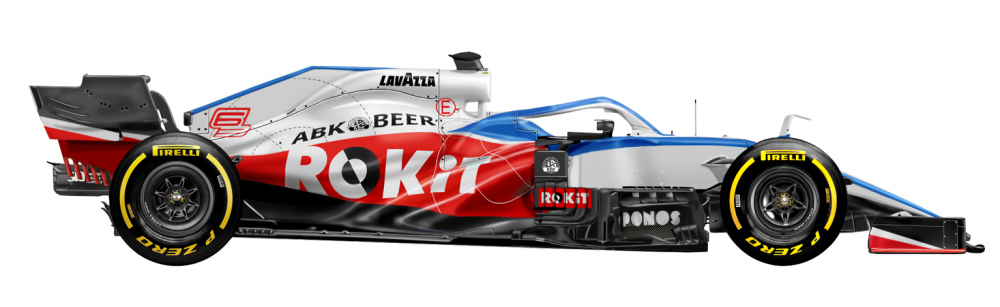
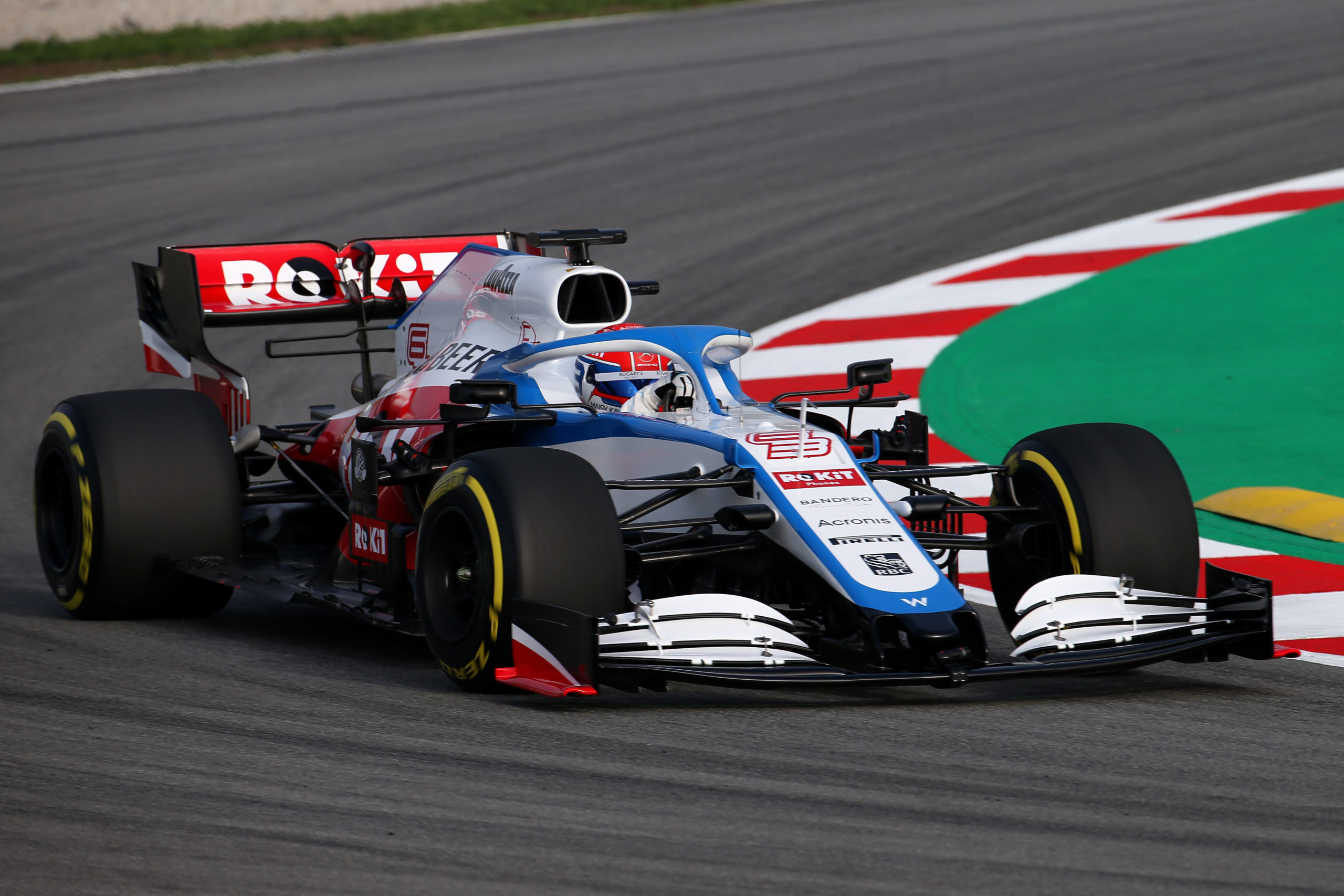
ROKiT Williams Racing
Image credit: Williams Racing

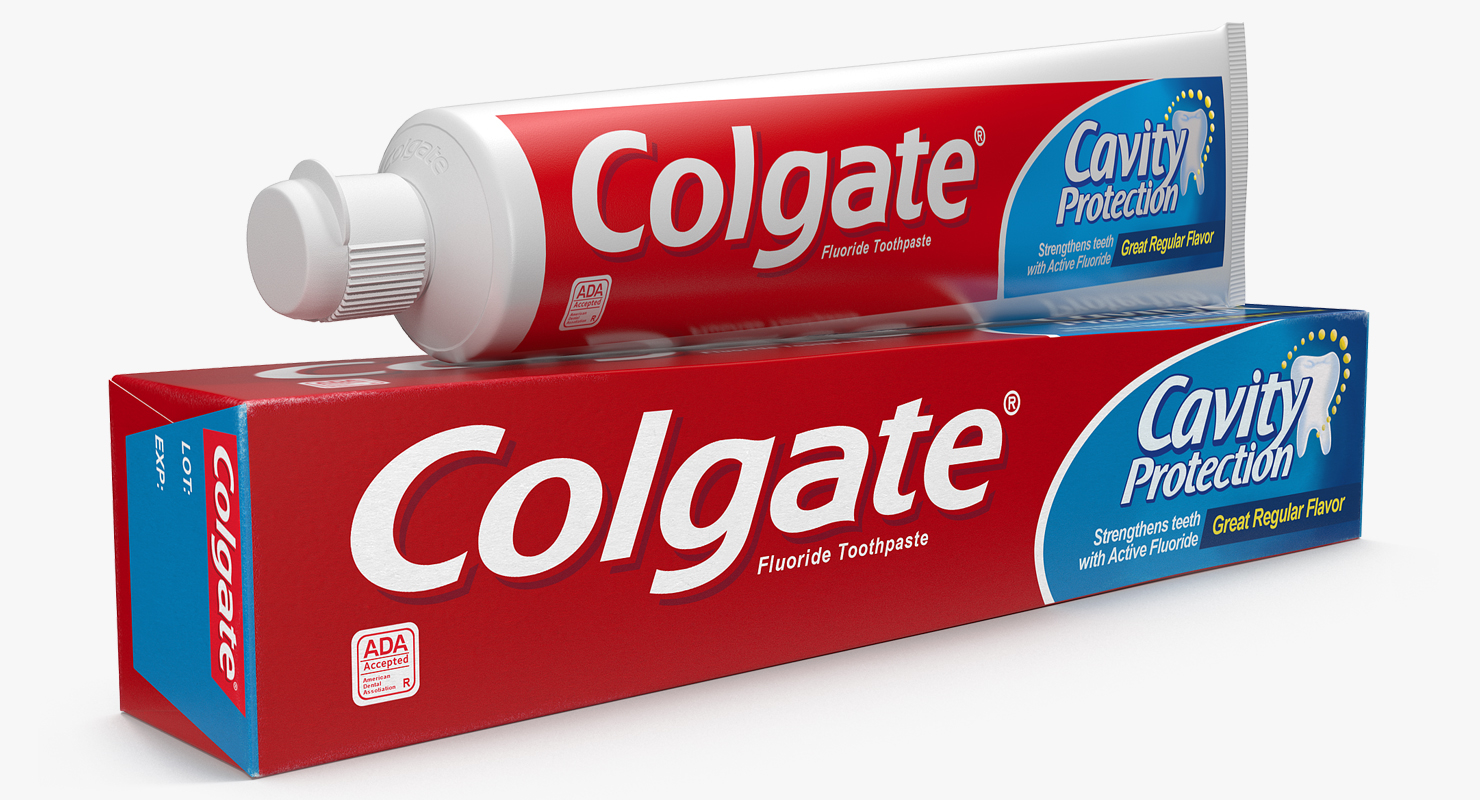
The Livery: A fresh, new livery for what Williams are hoping can be a fresh, new start this year. No ‘fresh’ puns intended there as some have pointed out the car’s resemblance to a specific brand of toothpaste… But, for me, it’s certainly an improvement on last year’s design and looks pretty clean. Again, no pun intended.

The Car: It has been an infinitely better start to the year than Williams endured in 2019, when they missed the first two days of the test altogether. They made the point of being the very first car out on track at this test as a means of catharsis and, once out there, ran very reliably and at a far more respectable pace than last year. They may well still end up as the slowest car on average this year but it’s looking like they should at least be able to compete with the others as things stand. It is reassuring to see that the slide of this once great time has hopefully halted.

Lewis Hamilton and his place in history

As Lewis Hamilton turns 35 years old – and stands on the brink of practically every record the sport has – let’s discuss his standing in the annals of Formula 1.

Lewis Hamilton streaks past in his Mercedes.
Credit image: Mercedes

The Greatest of His Generation?

Hamilton burst onto the scene in 2007 and made about as big a mark on the sport as is possible in a rookie season. He had built up some hype through his stellar junior career, but he would be going up against Fernando Alonso – the reigning double world champion and the man who had just dethroned the great Michael Schumacher – as his McLaren teammate. Expectations were that he would be a solid number two driver whilst he gained some experience and learnt the intricacies of Formula 1.

But that’s not how Lewis Hamilton operates.

He swept around the outside of his teammate at the very first corner of his F1 career and that set the tone for what would be a most fractious and dramatic year at McLaren.

The then 22-year-old should probably have won the championship but for a bizarre moment in China – McLaren leaving him out on tyres that were down to the canvas led to the driver sliding agonisingly into the gravel trap upon entering the pit lane – and some technical gremlins in the last race. But, whilst one point shy of the first rookie title in the sport’s history, Hamilton still finished ahead of his illustrious teammate, who promptly left for Renault.

Hamilton would right some wrongs and claim his maiden title the following year with the infamous ‘Is that Glock?‘ moment but then followed something of a dry spell. Brawn turned the sport on its head in 2009 and the beginning of the 2010s were a tale of Red Bull and Sebastian Vettel dominance.

McLaren provided Hamilton with cars that were fast but often fragile. That, combined with frequent operational errors in the team and an annus horribilis for the driver himself in 2011, meant there was never a sustained title challenge.

Around this time, popular consensus was that Alonso, Hamilton and Vettel were the three biggest talents of their generation. But the order was up for debate.

Then came the hybrid era, however.

Hamilton’s move to the Mercedes team, a year earlier, turned out to be arguably the best career decision in the history of the sport as McLaren – ironically, with Alonso back at the helm – stalled with underpowered Honda engines and Mercedes took up their now perennial position as the class of the field.

Add to that, Hamilton combining his undeniable speed with a new-found maturity and he has become near untouchable in the years since. He has won 62 of the 121 races – a little over 50% – and every world championship bar 2016, when he was denied by a lot of bad luck with mechanical issues and some impressive consistency by then teammate Nico Rosberg.

The 2017 and 2018 seasons were billed as the battle for supremacy between Hamilton and Vettel with Mercedes and Ferrari finally closely matched. In the end, it was the man from Stevenage who consistently landed knockout blows, as Vettel’s challenges faltered and there is now no real debate as to which of the two men is top dog.

Some have pointed to Alonso as the most complete driver, but surely Hamilton has proven his worth in all areas by now. And Alonso’s notoriety when it comes to being hard to work with, along with the path of destruction he has left in his wake throughout his career, must be factored in. There is a point at which career choices are no longer poor by coincidence but that there are reasons for each failure.

Lewis Hamilton is the greatest driver of his generation.

The Greatest of His Nation?

This is where things start to get particularly tricky. It is incredibly difficult to compare drivers across different eras of the sport as Formula 1 today is near unrecognisable when compared to the 60s. The cars, the technology, the safety, the media – it is simply a different beast.

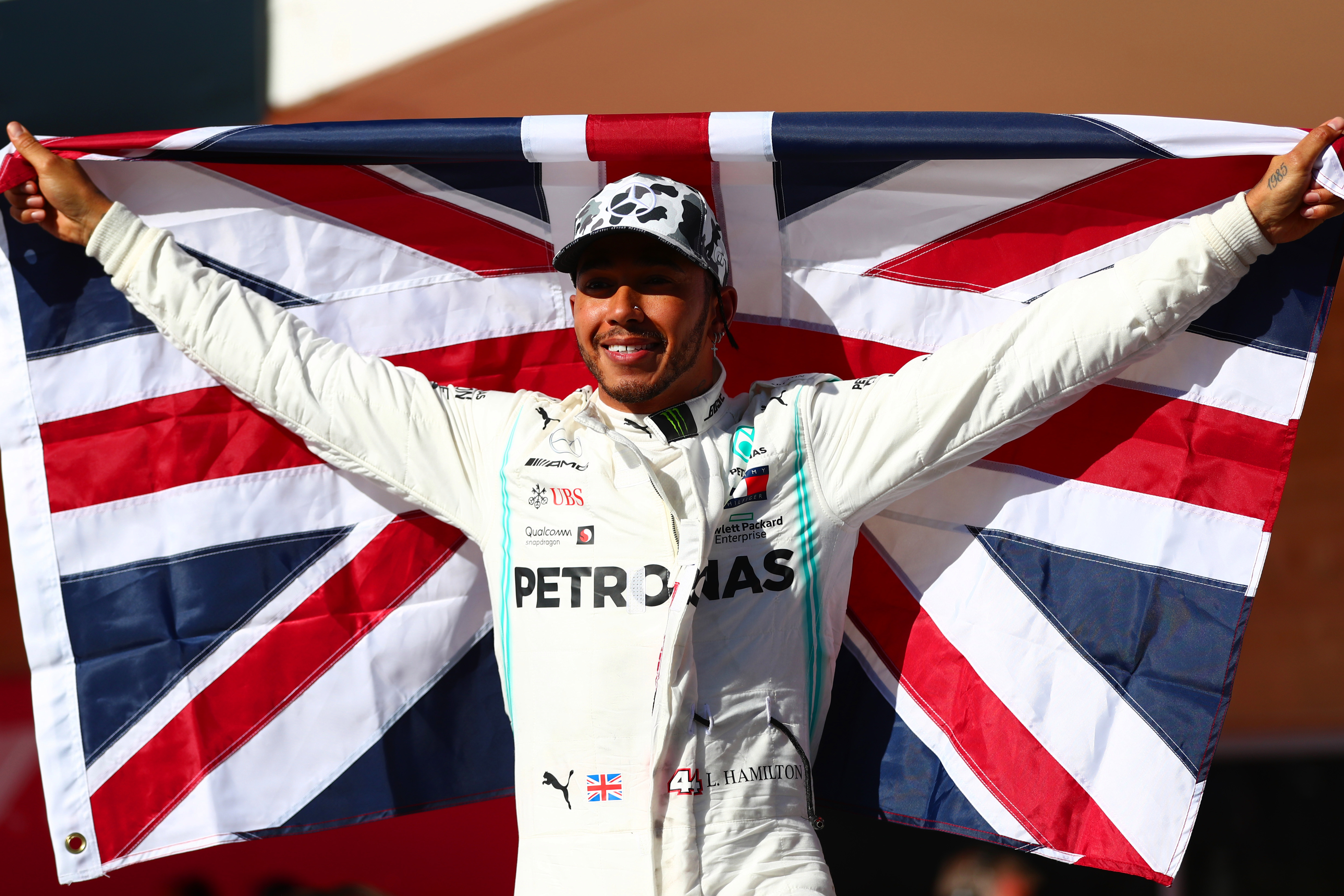
Lewis Hamilton celebrates with a Union Jack.
Image credit: Getty Images

The two other obvious contenders for ‘Best Brit’ would be Jim Clark and Sir Jackie Stewart. But then Stewart is quite adamant that Clark was a superior driver to himself so let’s focus on the two-time world champion.

Clark is still frequently referred to as the best ever by some. Even the great Juan Manuel Fangio himself described Clark as “outstandingly the greatest grand prix driver of all time”. We will never know what the Scot could ultimately have achieved, as his life was cut tragically short at 32 with a crash at the Hockenheimring, but he was undoubtedly the phenom of his era.

Out of the car, Clark was an introverted, simple farm boy from Scotland who was notoriously on edge before a race. Jack Brabham recalls that a doctor taking pulses and blood pressures before the race start thought that Clark was “in such a state that he shouldn’t start” But once behind the wheel, he was transformed. Ferociously fast with the deftest of touch; he had an absolute natural ability.

Whilst Clark’s career was obviously far shorter than Hamilton’s, the two men’s statistics are somewhat comparable once converted to percentages. Win percentage is at 34.72% for Clark and 33.60% for Hamilton. Clark has an advantage when it comes to pole position percentage (45.83% to 35.20%) whilst Hamilton has the lead in podium percentage (60.40% to 44.44%).

Ultimately, even those statistics are fairly meaningless as they are intrinsically linked to the subtleties of the sport at that time. For example, Hamilton will claim more podiums through better reliability whilst qualifying held less importance and was given far less attention in Clark’s day. But, nonetheless, they make it clear that both men were the class of their respective fields.

I fall back to my point that it is basically impossible to definitively say whether a driver from the 1960s or 2010s is better, but Hamilton certainly doesn’t fall short of Clark’s incredibly high standards when it comes to piloting a racing car.

The Greatest of All Time?

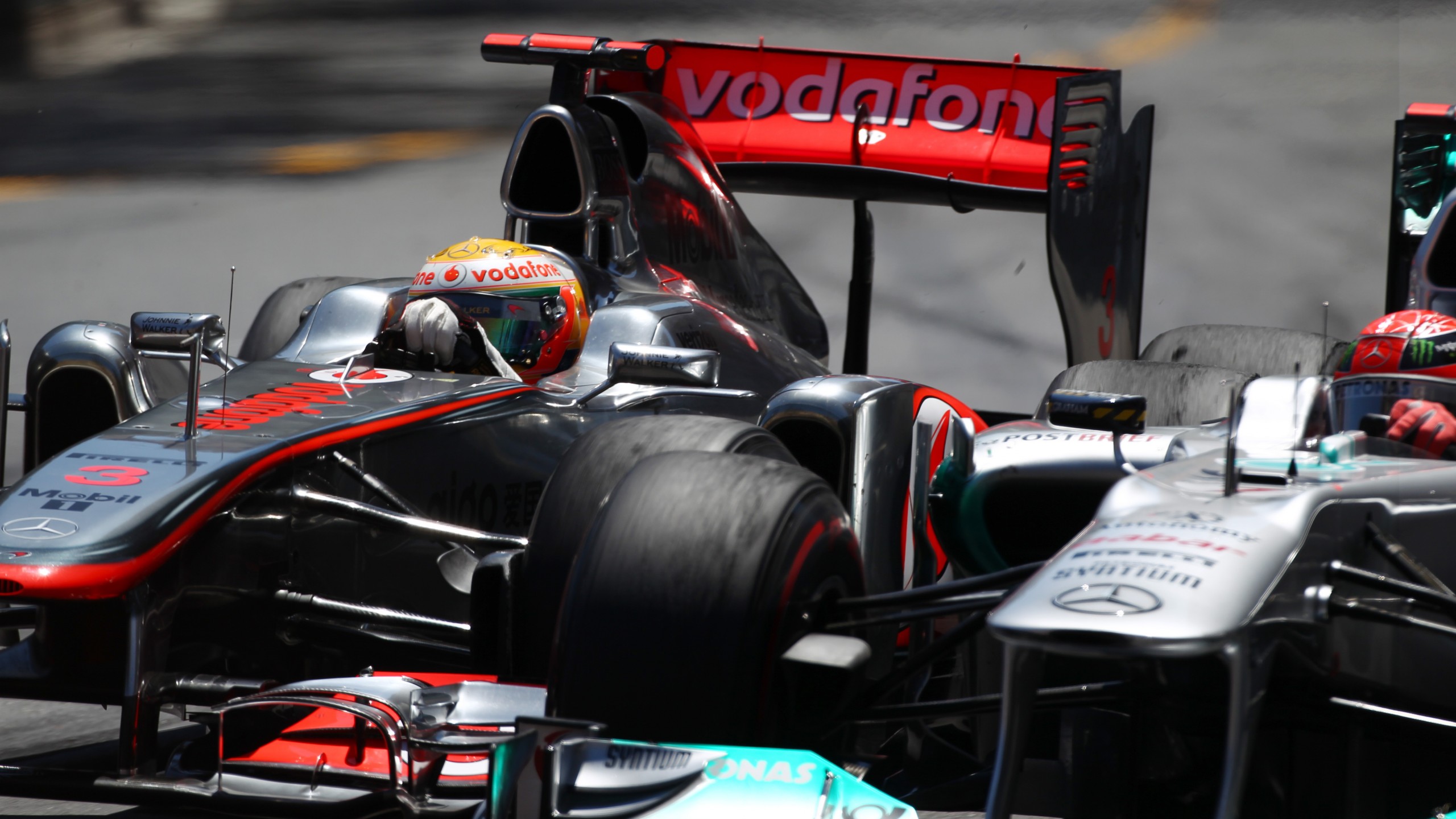
Lewis Hamilton and Michael Schumacher go wheel-to-wheel at the 2011 Monaco Grand Prix.
Image credit: Reuters

G.O.A.T. (or Greatest Of All Time) is a term that is thrown about far too often on the internet these days, to the point that it is now used facetiously about as often as it is genuinely. But is Hamilton actually the G.O.A.T.?

As per the aforementioned point, comparing drivers across 70 years of F1 history and trying to conclusively choose the best ever is basically impossible. Fangio in the 50s was a winning machine and every driver racing today still has the utmost respect for him. Hamilton referred to him as the ‘Godfather’ upon matching his five titles in 2018 and Schumacher partied into the night having surpassed that former record.

Beyond Fangio and Clark, however, the two most commonly proffered names are Schumacher and the late, great Ayrton Senna. Whilst now spanning more than thirty years, all their careers narrowly overlapped – Senna and Schumacher between 1991 and 1994, Schumacher and Hamilton between 2010 and 2012 – and I think this period of time can be considered as modern Formula 1 and thus they are just about comparable…ish. So, let’s give it a shot.

The Numbers

On pure numbers, Schumacher still leads the way in most categories. The conversation obviously extends far beyond numbers, but they are at least a foundation.

The German racked up 91 wins, 155 podiums, 68 pole positions, 77 fastest laps and, of course, seven world championships over the course of 307 grands prix. Those are simply ridiculous numbers and ones that many thought would never be beaten. But then came Hamilton.

The consistency of both Hamilton and his team has been such in the hybrid era that he now stands on the cusp of surpassing all those hitherto unassailable records. He has long since passed the record for pole positions and is now just seven wins and four podiums behind Schumacher. If all seasons are converted to the current points system, Hamilton is 141 points behind. One more season comparable to his recent ones and all those records will be his, along with likely matching Schumacher’s seven world titles.

It is well noted that it is easier to rack up the numbers now as the F1 calendar has expanded and the tally of races per season has gradually increased. But when analysing Schumacher’s numbers, it is also worth considering his consistent status as clear number one driver. Senna experienced this to some extent with Gerhard Berger for a couple of years and Valtteri Bottas has been Hamilton’s ‘wingman’ on a handful of occasions, but Schumacher had outright number one driver privileges throughout basically his entire career at Benetton and Ferrari. Many of his teammates struggled to challenge him anyway but they were certainly not allowed to even on days where they could have.

Senna’s career was another cut tragically short in 1994 – I went into great depth in hypothesising what he potentially would have achieved in a post last year – but once the statistics are converted to percentages, the three drivers are fairly evenly matched. Hamilton probably has a slight edge when looking as a whole, but there is not much in it and obviously his percentages could go either way between now and the end of his career.

Schumacher has been undeniably the greatest driver statistically for over 15 years now. And yet, generally, more people seem to have considered Ayrton Senna the greatest when the debate has arisen. That’s because being the greatest of all time goes far beyond the numbers.

Going Beyond the Numbers

There are two main components to being an incredible racing driver: raw speed and racecraft. There are other attributes, of course, such as technical aptitude, discipline, focus, being able to build a team around you and so on. Senna, Schumacher and Hamilton obviously all excel at these but who comes out on top?

Raw speed is best demonstrated in qualifying; man and machine pushed to the absolute limit over the course of one lap. And this is where Senna and Hamilton are arguably a level above Schumacher. They have both produced laps that are scarcely believable. Senna claiming pole in Monaco in 1988, nearly one and a half seconds ahead of teammate Alain Prost, or Hamilton in Singapore 30 years later, producing a lap faster than the Mercedes computer thought possible. Mercedes Team Principal Toto Wolff described it as “the best lap I have ever seen in a Formula 1 car“.

Some have said that Schumacher’s qualifying record was hindered by the rules that had drivers qualifying with their race fuel in the car during the years when refuelling was a part of the sport, thus making qualifying more strategic and less about outright speed. But that was only the case for 4 of his 19 seasons. Schumacher was just not quite as good in qualifying.

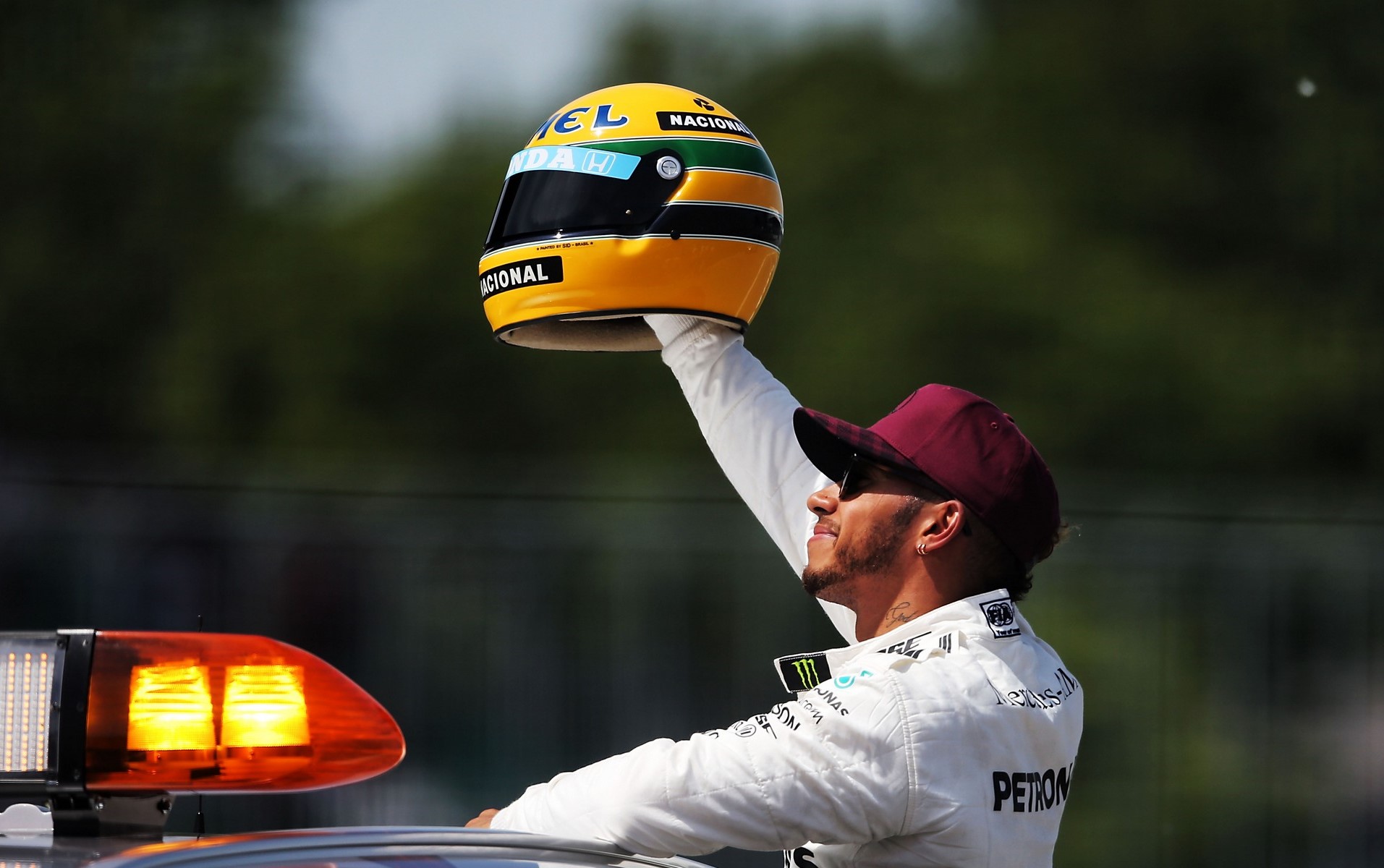
Lewis Hamilton with his Ayrton Senna helmet.
Image credit: XPB Images

Racecraft is something that is tricky to define but – simply put – it is a driver’s ability to manage the entirety of a Grand Prix and everything that may be thrown at them. So that’s measuring their pace and the toll it is taking on the car, wheel-to-wheel racing, strategy calls, etc.

This is where Hamilton and Schumacher perhaps have a slight edge over Senna.

Schumacher’s ability to produce lap after lap at full qualifying pace during the race is well-known and, if he was on pole position, it was very unlikely anyone would be able to find a way past him.

Once again, the goalposts have moved slightly when it comes to racecraft these days. With the current car and tyre designs, drivers are rarely pushing flat-out on a Sunday and it has become predominantly about tyre conservation. Hamilton has transcended his reputation of being blisteringly quick but not quite as smart during races, a decade or so ago, and is now famed for his racecraft; Paddy Lowe describing it as “unparalleled among the F1 greats”.

His ability to eke out the life of his tyres has been demonstrated numerous times recently. Just last season, he had to manage most of a race on ancient tyres in Monaco, Mexico and the US, coming away with two victories and a second place. Sure, he moans all the way but, boy, does he get the job done…

Whilst discussing some of the technical ways in which Hamilton manages his car, Mercedes Technical Director James Allison – a man who has also worked with Schumacher and Alonso – describes his “instinctive ability” as “remarkable”.

When it comes to the other factors, it is hard to separate them. All three are famously relentless in their pursuit of perfection, leaving no stone unturned. It is possibly what sets them aside from the rest of the greats. All are very technically minded and each built a hugely successful team around them – McLaren, Ferrari and Mercedes respectively.

Hamilton, Schumacher and Senna are all incredibly good at basically every aspect of the sport. Of course. But there is something else beyond speed and ability that should be considered.

Going Beyond the Speed

There is undoubtedly a level of ruthlessness that is necessary to become a champion. But there is also a line. Senna and Schumacher crossed that line on multiple occasions, most famously in the two images above.

Whilst Senna’s infamous crash with Prost can be understood to some extent when you hear the full story of the politics with Jean-Marie Balestre, he still intentionally crashed into another driver to win the title, in an era of much-reduced safety. Senna’s intensity and unflappable self-belief often resulted in uncompromising driving to the very edge of acceptability and, on more than one occasion, beyond it. It was part of what made him so great, but he sometimes went too far and that has to be seen as a negative.

Schumacher has an unfortunately long string of misdemeanours. His attempts – one successful and one unsuccessful – to take out a Williams in the title decider were the biggest blots on his copybook. There is no doubt in my mind that both his collision with Damon Hill in 1994 and the one with Jacques Villeneuve in 1997 were fully intentional. He would be disqualified from the entire 1997 season for his actions but somehow escaped unpunished with his world championship intact in 1994.

There were plenty more to come; another notable transgression being parking his car at Rascasse during qualifying in the 2006 Monaco Grand Prix in an attempt to prevent Alonso claiming pole position, which also led to a disqualification from the session. And even upon his return to the sport in 2010, he very nearly put his former teammate Rubens Barrichello into the wall at high speed in Hungary. The Brazilian describing it as “the worst piece of defensive driving I have ever seen”.

Off the track, things weren’t squeaky clean either. There were plenty of rumours – some proven – regarding the 1994 Benetton’s legality, Ferrari used every trick in the book (including threatening to end a Sauber driver’s career) to hinder Villeneuve in 1997 and their team orders in the early 2000s brought the sport to its knees.

These varying kinds of misconduct are something we have never really seen from Hamilton.

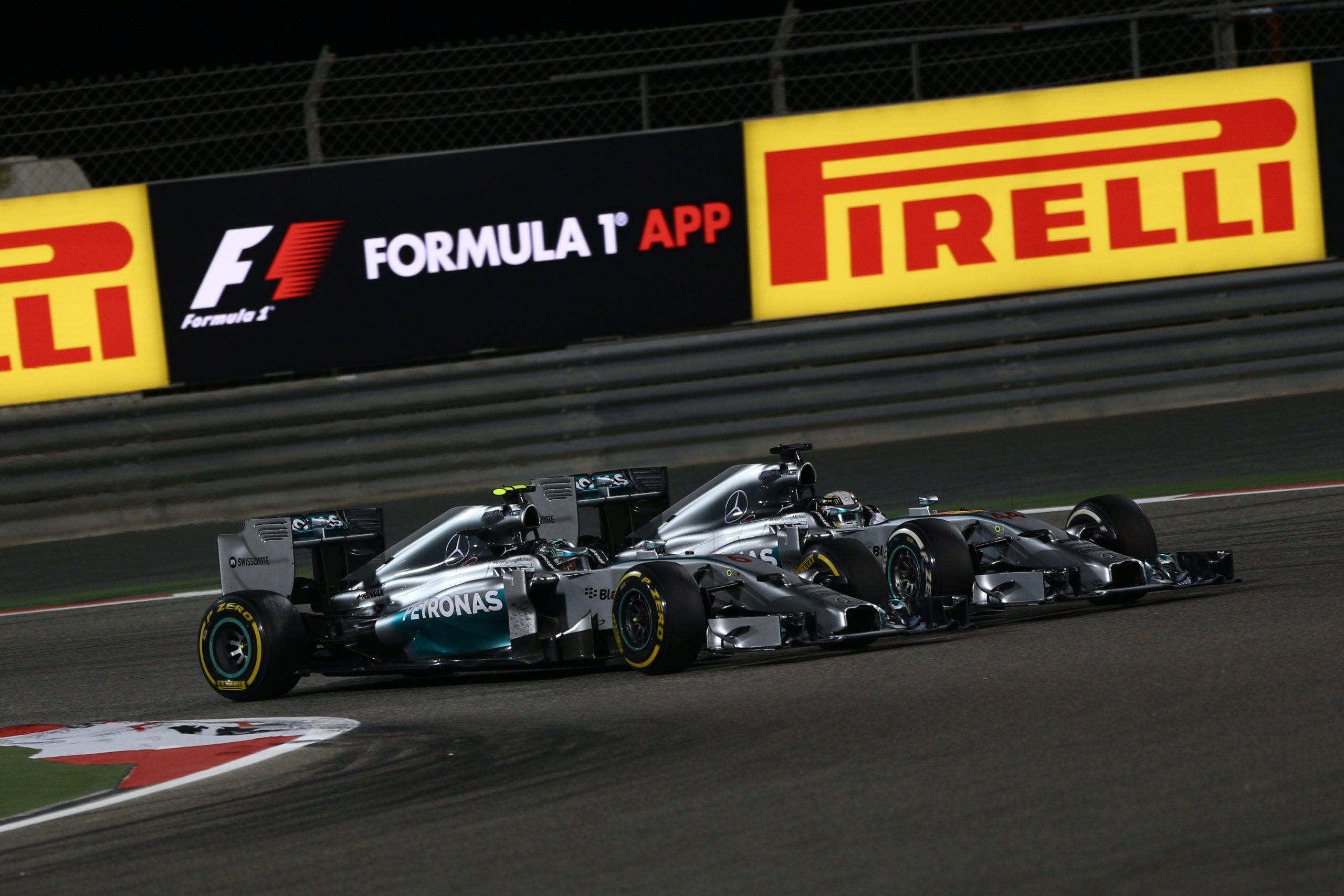
Of course, there has been the odd drama. Off the track, there was ‘lie-gate‘, where he was instructed to lie to the stewards by his McLaren Sporting Director, and his tweeting of sensitive telemetry. But these were fairly minor discretions and on-track, Hamilton can only ever fall under the category of firm but fair. Even during his prickly relationship with teammate Nico Rosberg, as the German set about all-out psychological warfare, he would push his wheel-to-wheel racing to the limit but never beyond.

Lewis Hamilton and Nico Rosberg battle in Bahrain.
Image credit: Getty Images

This is what really sets Hamilton aside from the other two men. He has that steel and the relentless will to win…but he is also truly committed to winning the right way.

So…the Greatest?

Well.

I’m not going to be quite that definitive…not yet anyway. But he is well on his way.

There is a good chance that, by the end of this year, he will hold most of the records the sport has to offer. He is accepted as one of the very fastest ever when it comes to raw speed and has, in recent years, added maturity, technical prowess and experience to create a winning machine.

Wolff says that the media, and people in general, should “recognise the opportunity [to] see maybe the best driver that has ever existed on an exceptional journey”. He has a point. It may be easy to grow tired of seeing the same driver win again and again but it will always be looked back upon with nostalgia and misty eyes. We are witnessing history being made.

It is worth remembering that Hamilton’s story has been something of a fairy tale. From a council estate in Stevenage, he came through the ranks the hard way, funded by his father working multiple jobs, and has now reached the very pinnacle of his sport. He has also broken down barriers as the sport’s first black driver – even having to deal with racist abuse early in his career – and brought F1 to a whole new audience through his numerous extracurricular activities and massive social media presence.

Did anyone expect this when a fresh-faced Hamilton showed up to Melbourne in 2007? Probably not. Although, there is a surprisingly prophetic quote from Schumacher on the eve of Hamilton’s first title the following year.

I will stick by my opinion that defining a clear ‘G.O.A.T.’ is near impossible, but there is nobody I consider to have a better claim than Hamilton anymore.

And there is still more to come. As the man himself says, “I am working on a masterpiece and I haven’t quite finished it yet”. When he has finished, maybe we will have a definitive answer.

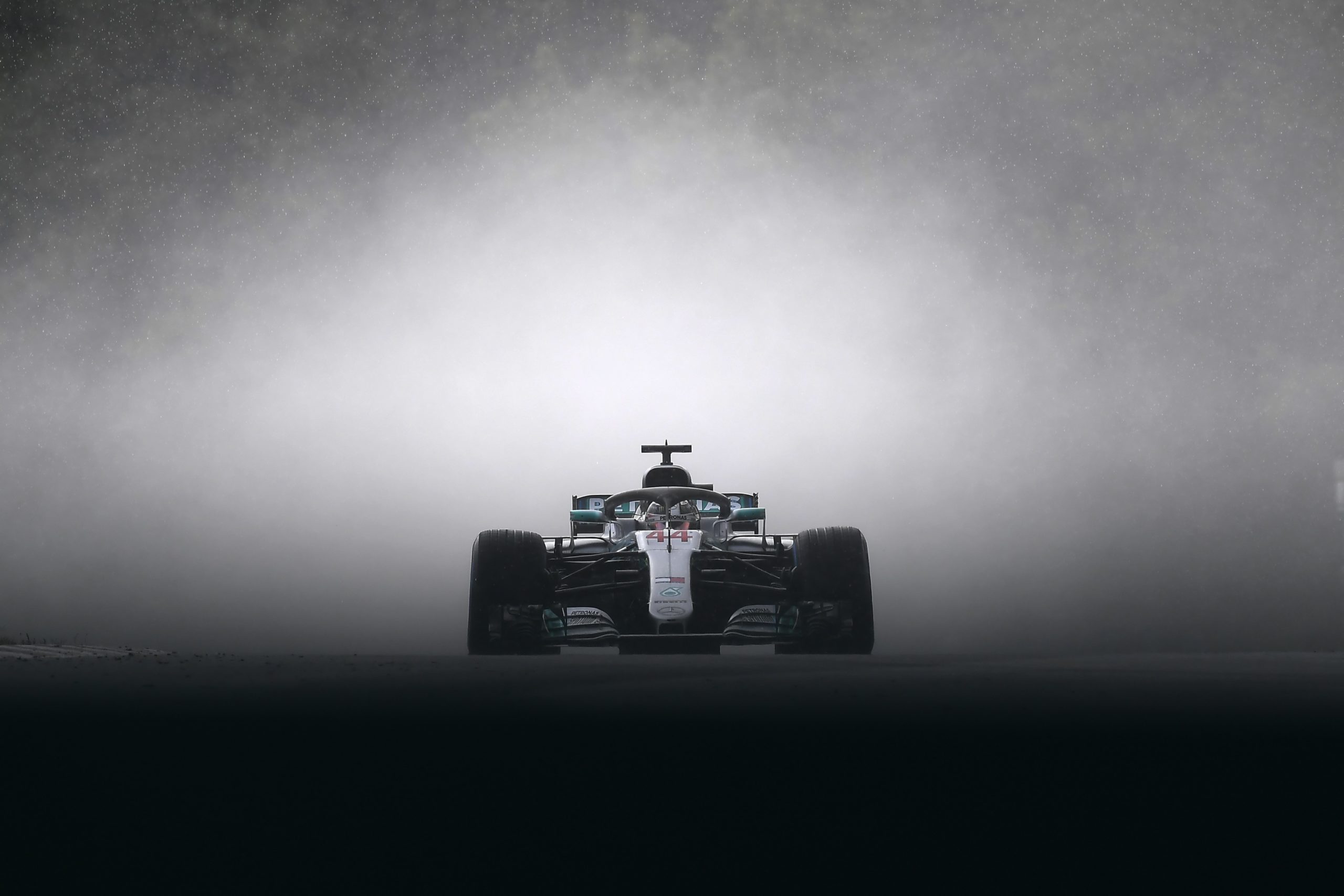
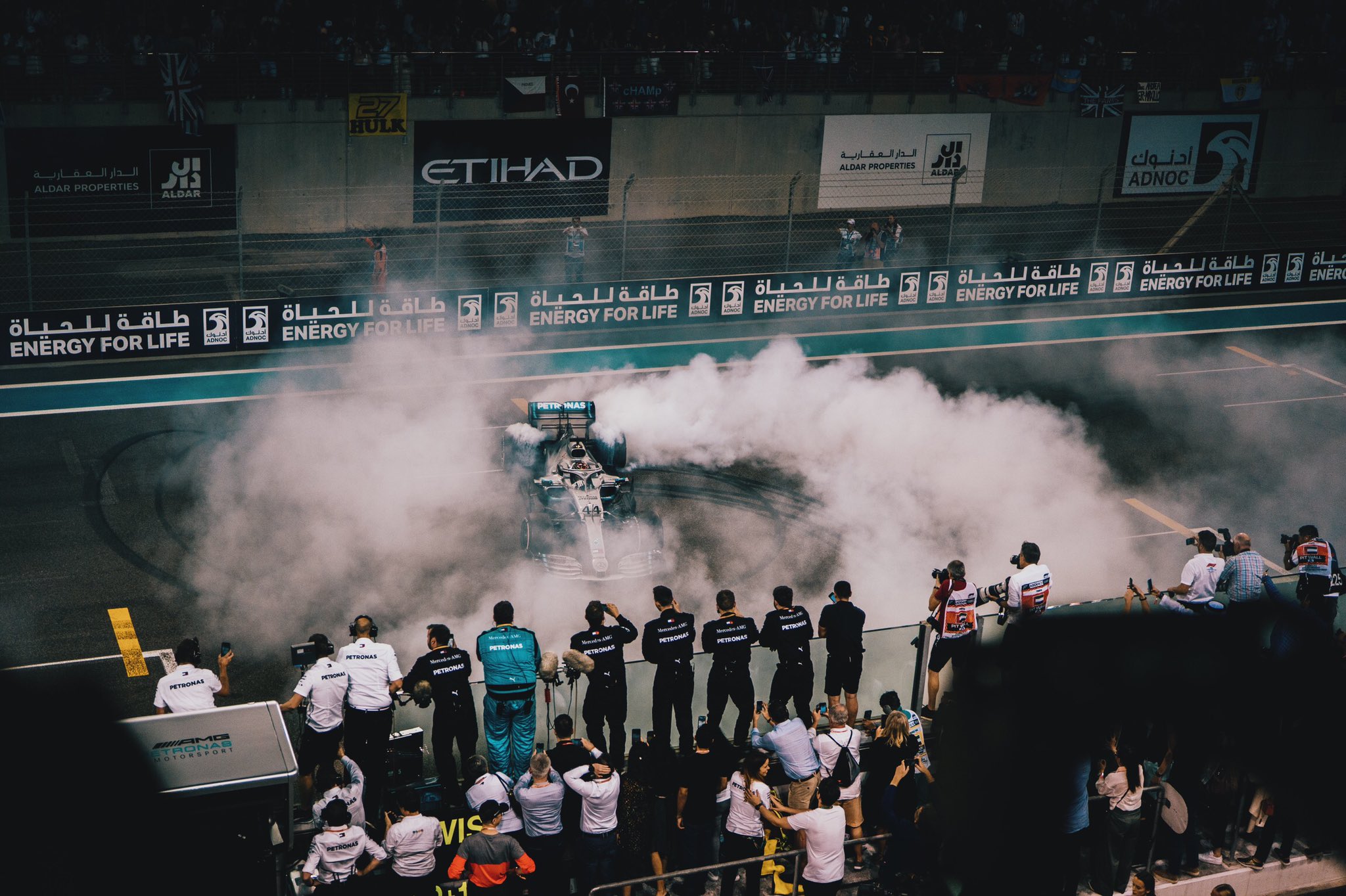
Lewis Hamilton in a cloud of spray.
Image credit: PAP/EPA

The 2019 Mostly F1 Awards

Happy New Year, one and all!

But let’s quickly focus on 2019 just once more and dish out some awards for what was a pretty eventful season.

Driver of the Year

Lewis Hamilton celebrates with a Union Jack in 2019.
Image credit: Getty Images

It is near impossible to separate Lewis Hamilton and Max Verstappen but, having just won a sixth title and more than half of the 2019 races, this award has to go the world champion. Both men barely put a foot wrong all year but we are yet to find out whether Verstappen can keep that level of up over the course of a title battle. Hopefully we won’t have to wait too long to find out.

Hamilton has been operating at that level for some time now and discussions have moved from whether he is the greatest of his generation to whether he is the greatest of all time. Whilst it may sometimes feel a little dull watching one man win 50% of the races, we should all be appreciative that we are witnessing greatness and the creation of a legend. It was similar during the Michael Schumacher years and many now look back on that time with much nostalgia.

Honourable Mentions: Max Verstappen, Carlos Sainz

Team of the Year

Mercedes celebrate becoming the F1 Constructors' Champions of 2019.
Image credit: Mercedes

Once again, you just can’t overlook the champions. Yes, there was the utter fiasco of the German Grand Prix with Benny Hill-esque scenes as the team ran about, bumping into each other in their fancy dress outfits. But that was almost a nice reminder that this juggernaut of metronomic success was, in fact, human.

Over the past three seasons, Mercedes haven’t always had the fastest car. But their operational level is such that they still finish each year with the championship having looked a formality by the end. This is now arguably the greatest team in F1 history. Can they keep it up for another year? It seems very likely. Can they even then carry their supremacy over into the new set of regulations? You wouldn’t bet against it.

Honourable Mentions: McLaren, Red Bull

Race of the Year

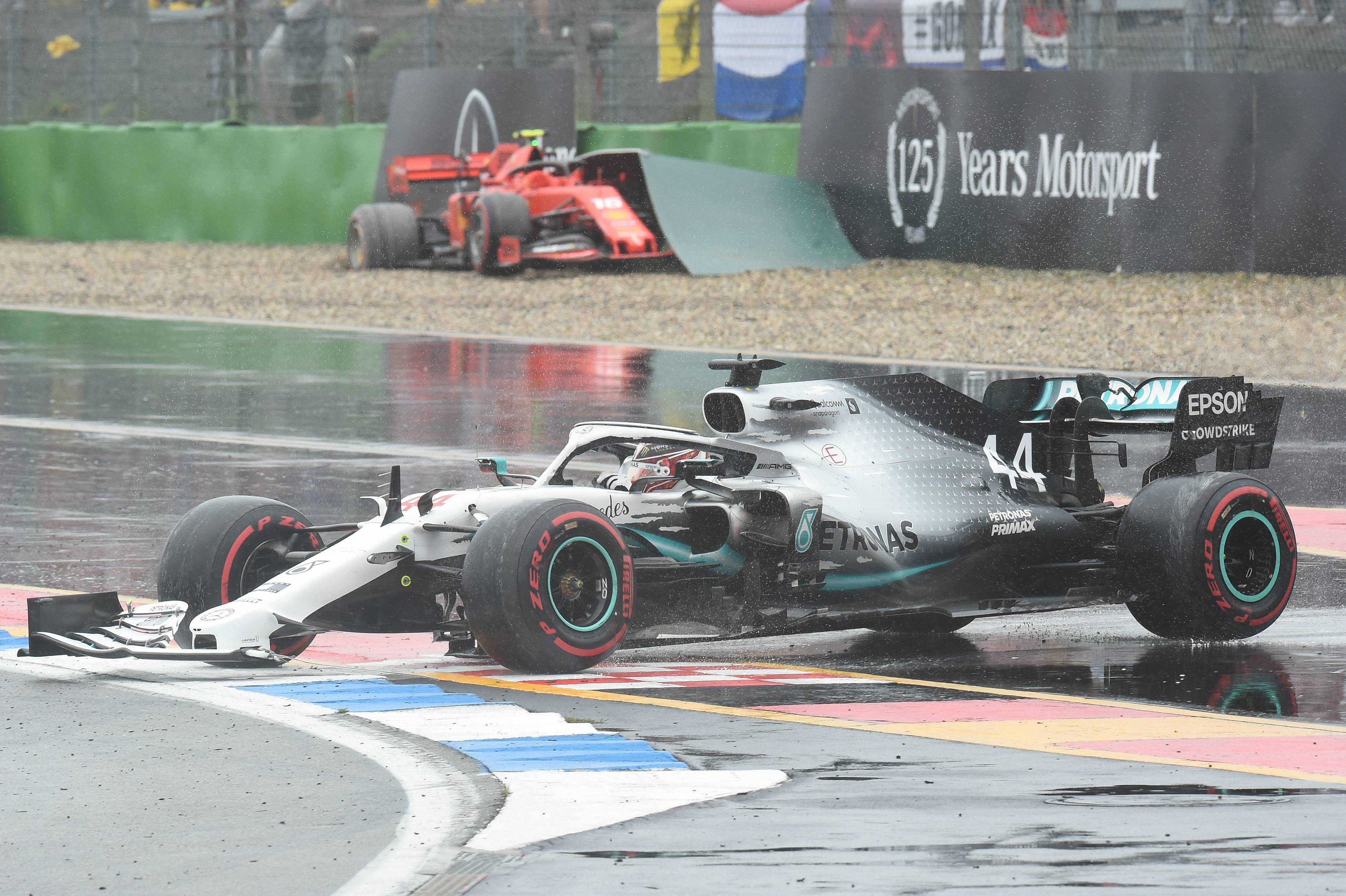
Chaos at the German Grand Prix.
Image credit: AFP

The second half of the Brazilian Grand Prix was full of incident, entertainment and drama but the German Grand Prix had all of those from the first lap to the last. The only wet race of the year made up for the lack of another (and made you wonder whether Bernie was right about those sprinklers all along…) with absolute carnage from the outset.

A literal soaped-up drag strip on the outside of the final corner added to the Wacky Racers scenes and left many drivers sliding helplessly into the wall. There was the aforementioned Mercedes pit stop, Lance Stroll temporarily leading, Sebastian Vettel fighting through from last to second and a Toro Rosso on the podium for the first time in over a decade. Yeah, it was alright.

Honourable Mentions: Brazilian Grand Prix, Austrian Grand Prix, British Grand Prix

Drive of the Year

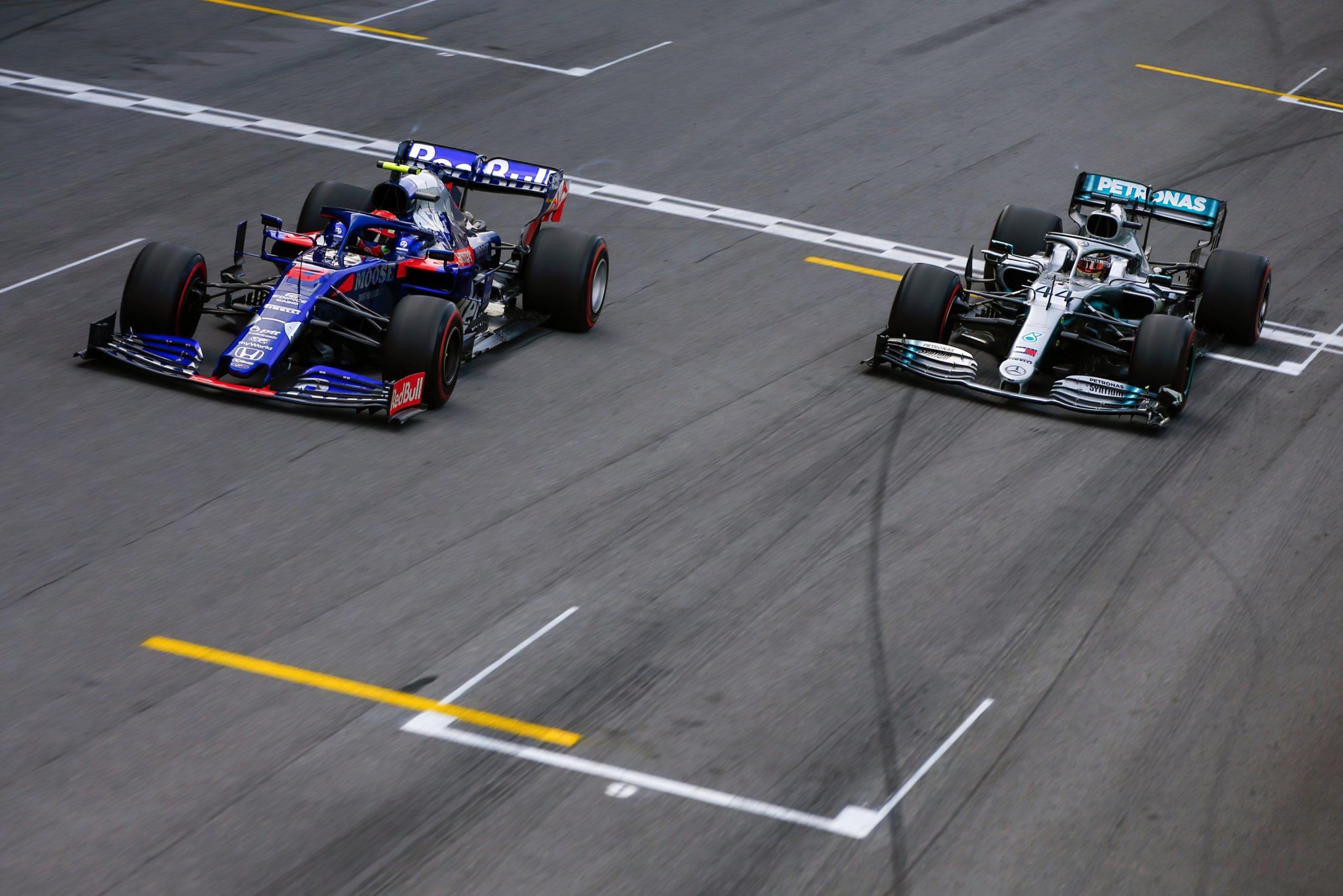
Pierre Gasly beats Lewis Hamilton to the line at the 2019 Brazilian Grand Prix.
Image credit: Motorsport Images

It is very hard to pick just one drive as there are so many different factors that are hard to compare – just look at all the honourable mentions below – and that’s before you even consider the Hamilton dominations which, whilst less spectacular, are just as impressive.

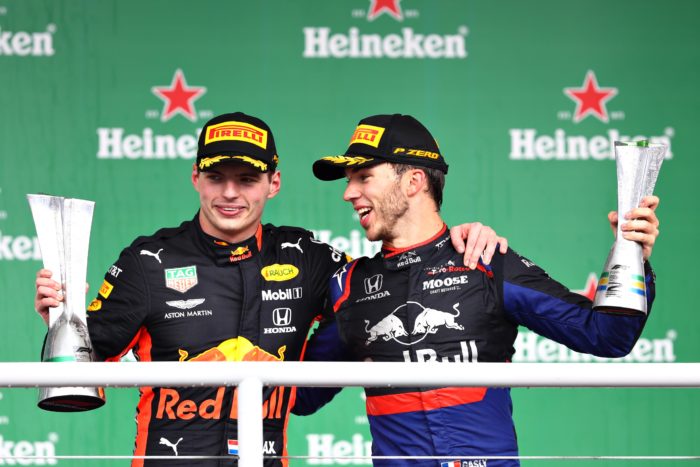
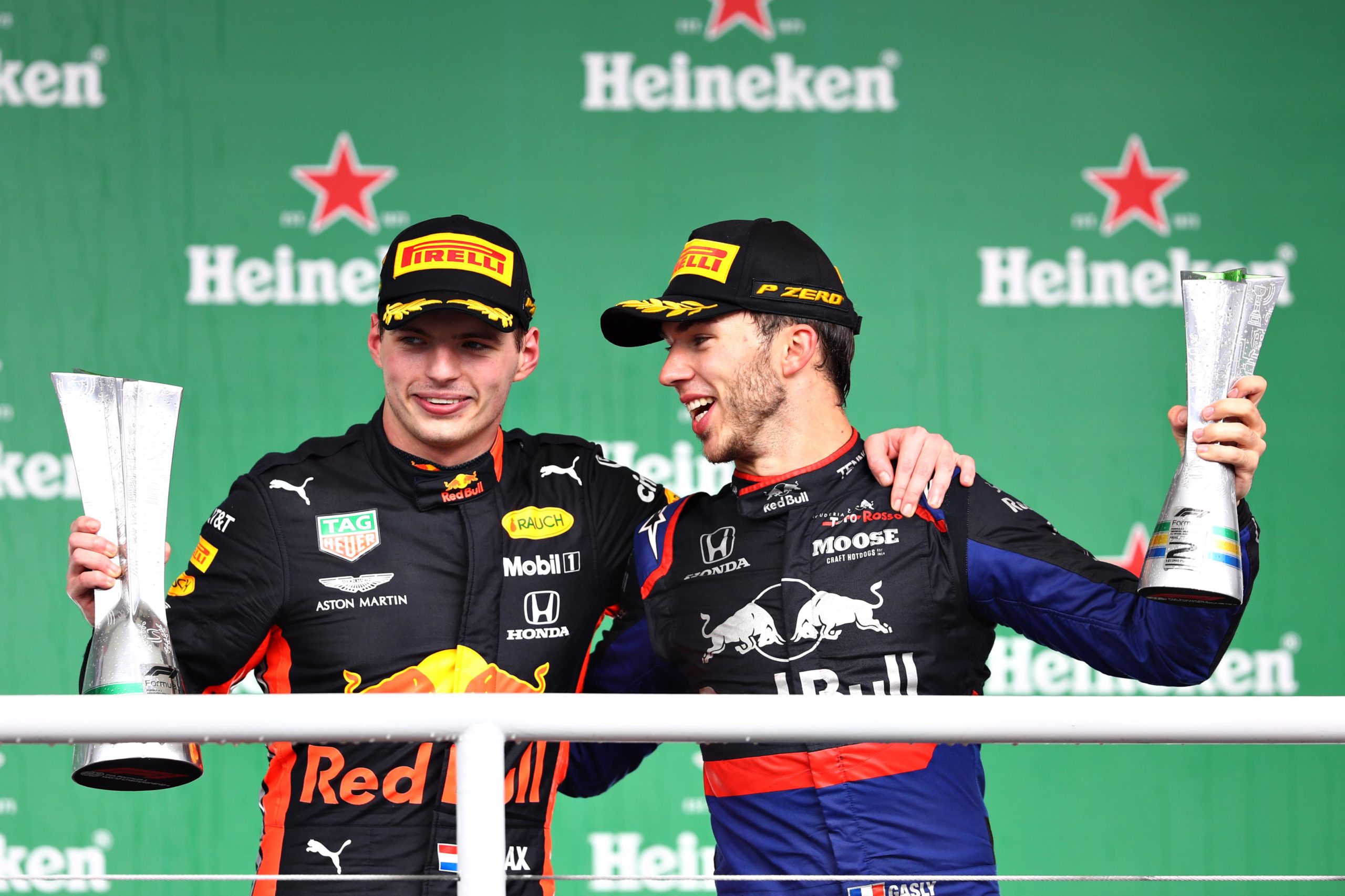
But I’m going for Pierre Gasly‘s second place at Interlagos. After such a tough year – both professionally and personally, with a demotion to Toro Rosso and the loss of his close friend Anthoine Hubert – Gasly’s performances towards the end of the season were highly commendable. And they were capped off by a shock podium in Brazil. Gasly had been ‘best of the rest’ throughout the weekend and thus was in position when all those around him lost their heads. He kept his and the outpouring of emotion on the radio after was genuinely moving.

Honourable Mentions: Leclerc in Bahrain, Verstappen in Austria, Vettel in Germany, Hamilton in Hungary, Sainz in Hungary, Norris in Belgium, Albon in Belgium

Blunder of the Year

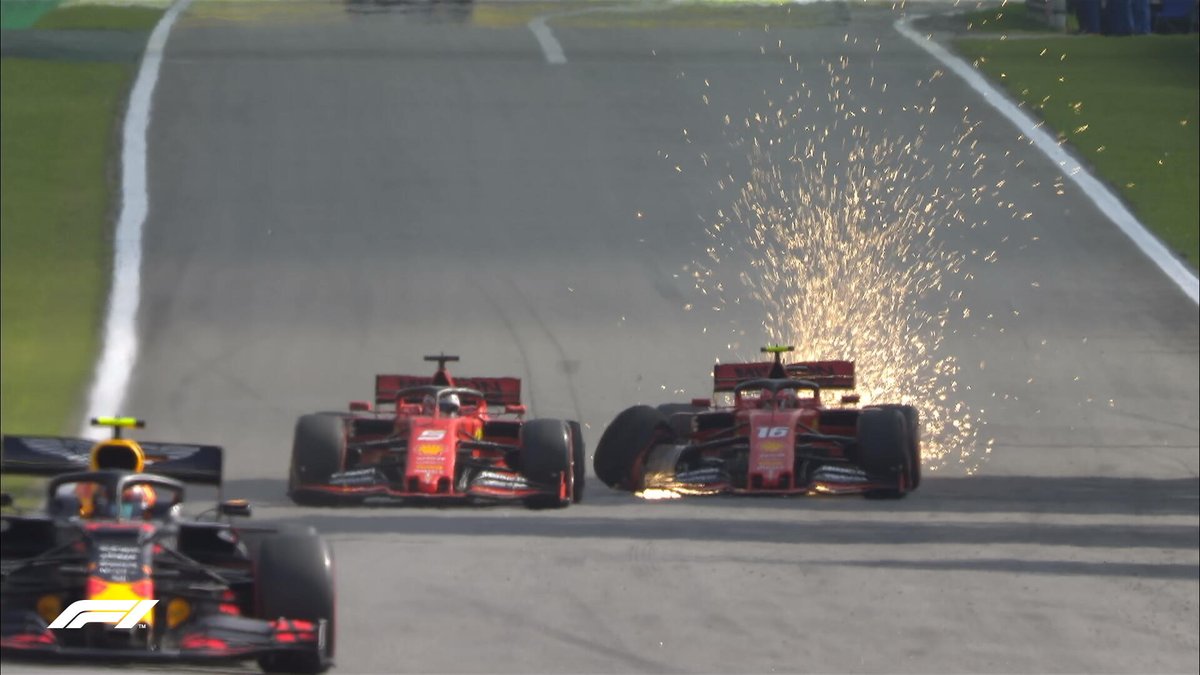
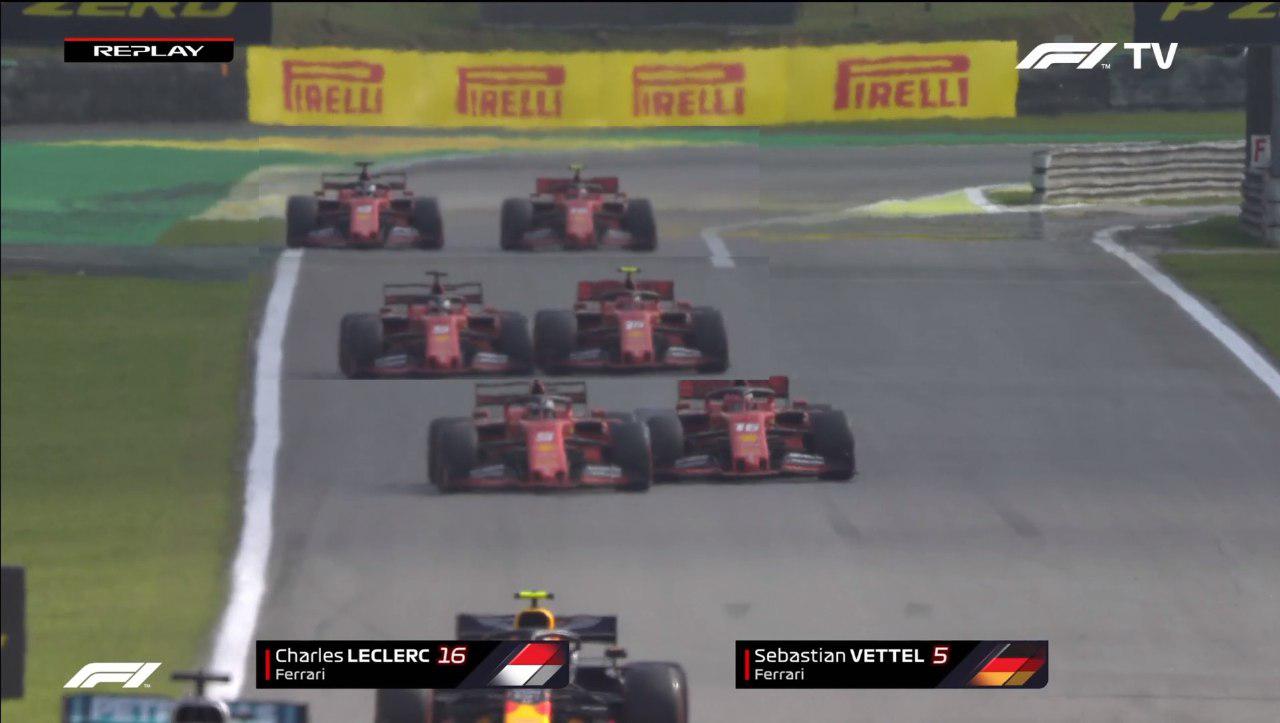
Unfortunately Vettel is front and centre in both the main contenders for this award. His mistake at the Italian Grand Prix, spinning out in front of the Tifosi (whilst his teammate went on to win) and then rejoining unsafely was amateurish. But the collision between the two Ferraris in Brazil had greater ramifications.

Whilst the championships were already decided, this was acutely embarrassing for such a proud marque as Ferrari. It was easily avoidable. And yet, it seemed equally inevitable. As the sparks flew from Leclerc’s destroyed front right suspension, the tensions that had been boiling under the surface for a few races came to the fore.

Honourable Mentions: Vettel in Italy, Bottas in Germany, Grosjean in Britain

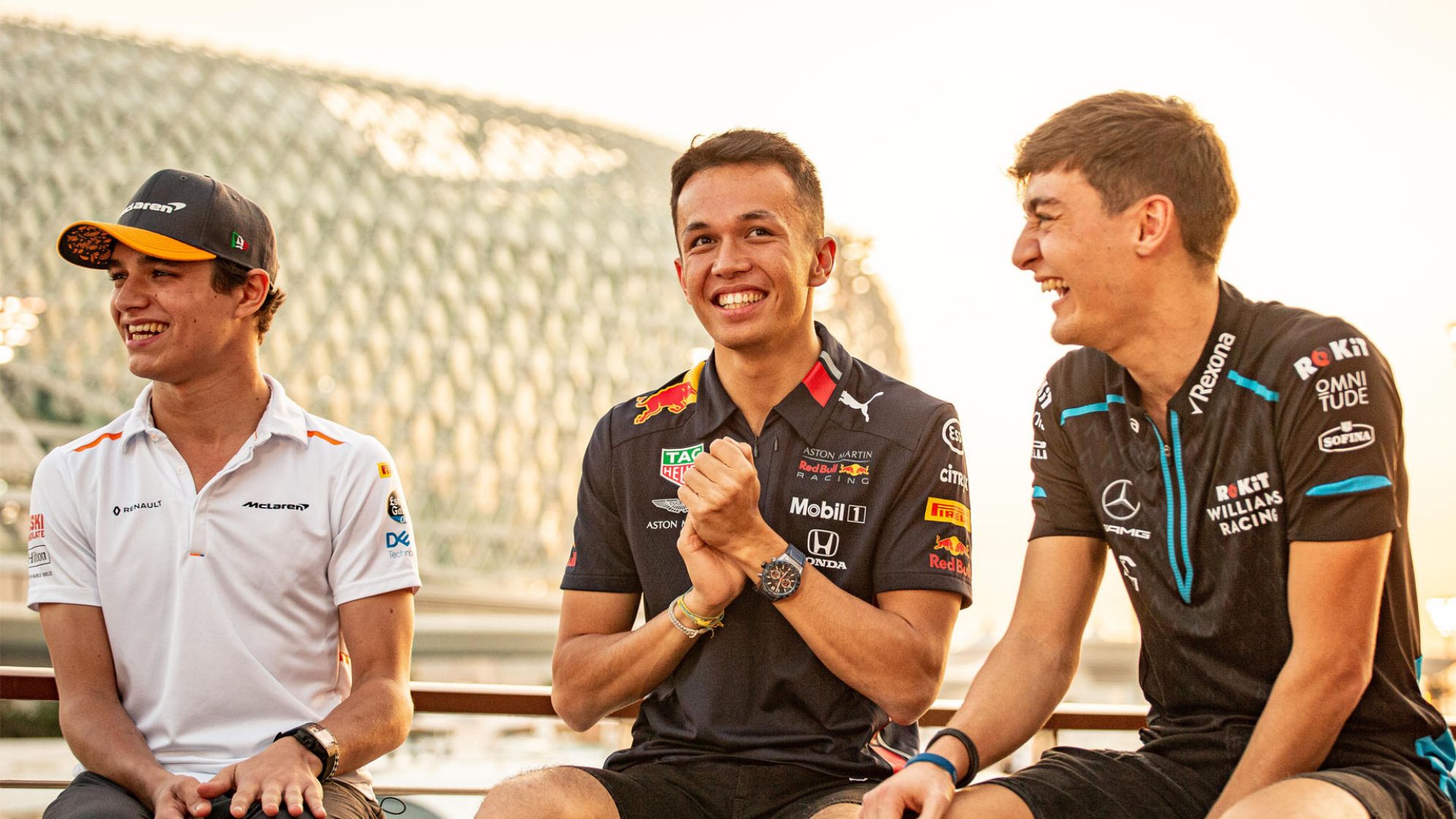
Rookie of the Year

F1's three rookies for 2019.
Image credit: James Moy

A tough one as each has done very well in varying circumstances. Alexander Albon came in with little hype but drove well at Toro Rosso and earned himself a mid-season promotion to Red Bull. In the difficult circumstances of a top drive halfway through your rookie year and a teammate the calibre of Verstappen, he has performed very respectably.

George Russell has also done all he can with a very poor Williams, thoroughly outperforming Robert Kubica and completing a 21-0 qualifying head-to-head whitewash. But then the Pole was an unknown quantity upon his return and was effectively driving with one hand. So, all things considered, Lando Norris takes the gong. He suffered some terrible luck throughout the year but was generally neck-and-neck with his more experienced teammate, Carlos Sainz. A few stellar performances – including sixth in his second ever race – clinch the deal. Plus, he’s just so damn likeable.

Wheel-to-Wheel Battle of the Year

Hamilton and Verstappen in Hungary was box office and had more at stake but the battle between Leclerc and Verstappen at Silverstone was personal. And lasted practically half the race.

Coming just one race after Verstappen controversially bumped Leclerc out of the way with a couple of laps remaining in Austria to take the win, the young Monegasque decided he was going to get his own back. He did everything in his power (and just about within the rules) to remain ahead and set the stage for what is sure to be a thrilling rivalry for many years to come.

Honourable Mentions: Hamilton vs Verstappen in Hungary, Kvyat vs Albon in Hungary, Hamilton vs Bottas in Britain, Grosjean vs Sainz vs Ricciardo vs Stroll in Singapore

Controversy of the Year

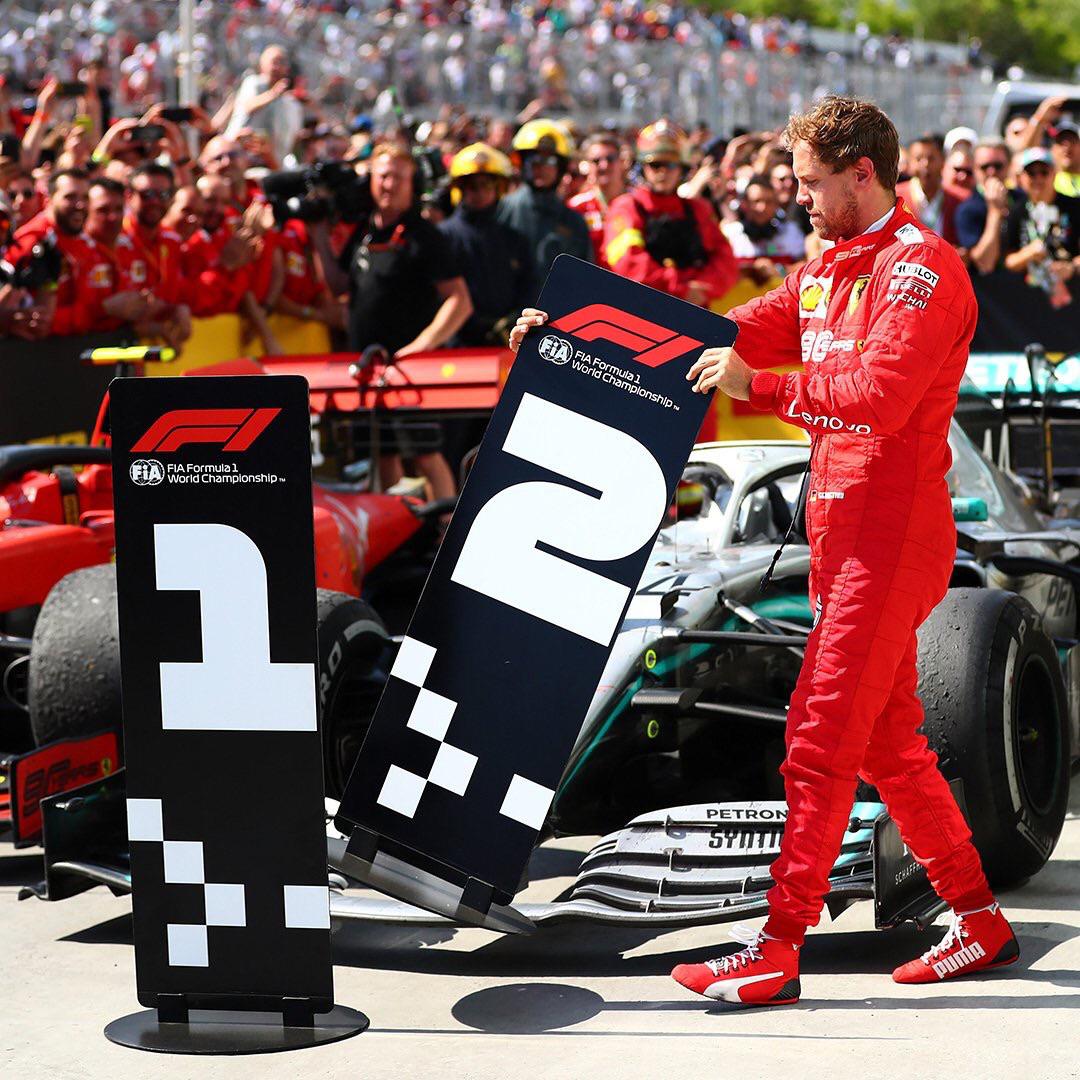
Sebastian Vettel switching the boards after the 2019 Canadian Grand Prix.
Image credit: AFP

Whilst the rest of 2019 was not without controversy, there is a clear winner here. The decision to penalise Vettel in Canada for rejoining the track in an unsafe manner, which effectively handed the win to Hamilton, sent shockwaves through the sport. And the reaction to it changed the way Race Director Michael Masi has handled the regulations ever since.

I went into great depth in my race report at the time – and still feel the penalty was just about the correct decision all things considered – but it came on the back of six consecutive Mercedes victories and was a less than ideal time to hand out a penalty that resulted in another one. Ferrari hung their victory flag in Maranello nonetheless and the sport recovered with a new outlook on applying rules and some excellent races soon after.

Honourable Mentions: Verstappen not being penalised in Austria, Ferrari’s engine legality, the Ferraris clashing in Brazil, the HaasRich Energy debacle

Crash of the Year

There were no Fernando Alonso or Marcus Ericsson-sized crashes this year, so instead the award can go to the most bizarre crash. Daniel Ricciardo not checking his mirrors and reversing into Daniil Kvyat in Azerbaijan was just downright comical.

Honourable Mentions: Magnussen in Canada, Bottas in Austria, Albon in China

Bromance of the Year

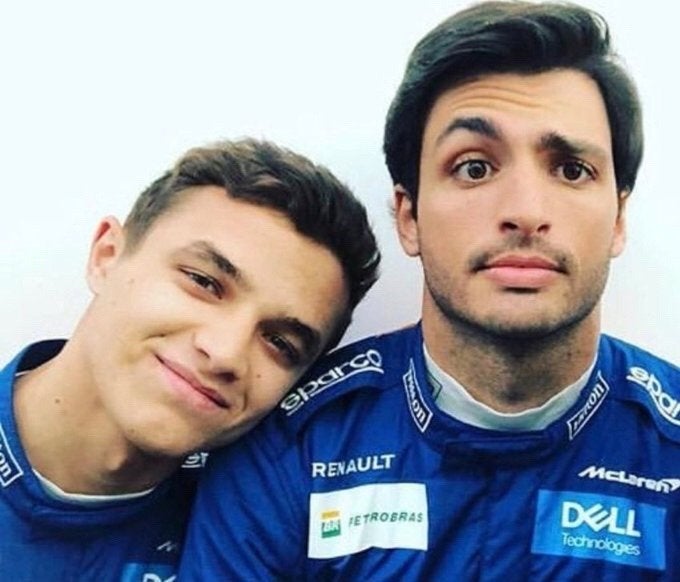
Carlando.
Image credit: McLaren

This was very much a year for bromance. Amongst others, we had Hamilton and Vettel, Ricciardo and pretty much everyone, but the duo at McLaren really took it to another level.

Norris and Sainz were as inseparable off the track as they were on it. Hopefully it can last if McLaren continue their upward trajectory and start fighting for podiums or wins…

Honourable Mentions: Ricciardo and Verstappen, Hamilton and Vettel, Norris and Albon

Press Conference of the Year

No real competition here.

The Championship in 60 Seconds

2019 teams’ end-of-year report cards

Mercedes

1st | Pts: 739 | Wins: 15 | Podiums: 32 | Poles: 10 | FL: 9 | Ret: 2

The Mercedes juggernaut steams on, crushing all in its path. Coming into this season, the dominance of the Silver Arrows looked under real threat…but then they set a record for consecutive one-two finishes from the start of the season and had both championships all but wrapped up by the summer break.

There was one calamitous race in Germany which, unfortunately, coincided with their celebrations for their 200th GP and 125 years of motorsport. But, aside from that, it was another pretty flawless year from Mercedes which ended with them taking a sixth consecutive championship double. That surpasses the record they previously shared with Ferrari from the Michael Schumacher era – a quite incredible achievement.

And you certainly wouldn’t bet against them making it seven next year. Ferrari and Red Bull closed up towards the end of the year, and we had some closer racers, but you get the impression Mercedes were coasting to the title and keeping their updates minimal to help them get a jump on the competition for 2020.

Grade: A

Ferrari

2ND | PTS: 504 | WINS: 3 | PODIUMS: 19 | POLES: 9 | FL: 6 | RET: 6

It was Ferrari who were supposed to be posing the aforementioned threat to Mercedes. But their apparent speed in pre-season testing was not realised come Melbourne and they only managed their first victory in the 13th race, albeit having come excruciatingly close in Bahrain, Canada and Austria.

The Scuderia went on a great run in qualifying after the summer break but were always on the back foot when it came to race pace and continued to find new and more inventive ways to shoot themselves in the foot – whether it was overcomplex team orders and strategies or drivers attempting to exert authority but instead crashing into each other.

And there is the debate as to whether clarifications over engine regulations have caught Ferrari out in some dodgy practices. Either way, they’ll need to find some speed and some stability next year to mount a sustained title challenge.

Grade: C+

Red Bull Racing Honda

3RD | PTS: 417 | WINS: 3 | PODIUMS: 9 | POLES: 2 | FL: 5 | RET: 4

Red Bull and Honda far exceeded their expectations from the first year of their partnership. Whilst they learnt a fair bit last year through Toro Rosso taking on the Honda engines, Red Bull management still expected something of a learning curve for both parties in 2019.

But Honda delivered a much-improved power unit and, after at first struggling to understand some of the aerodynamic intricacies of this year’s car, Red Bull kept Mercedes very much on their toes at a few types of circuit; high altitude still seems to do wonders for them, however.

They are aiming to build on this year and, for once, produce a car capable of taking victories from the very start of the season. If they do, they could well usurp Ferrari’s position as main challenger to Mercedes.

Grade: B+

McLaren Renault

4TH | PTS: 145 | WINS: 0 (BEST: 3rd) | PODIUMS: 1 | POLES: 0 | FL: 0 | RET: 9

2019 has been exactly the kind of year that McLaren would have been aiming for in their task of rebuilding a once great team. After a few years of calamity and collapse, they seem to finally be getting things back on track.

They have two excellent young drivers, a much-improved atmosphere within the team and, suddenly, they have found themselves comfortably at the front of the midfield. It has been the real feel-good story of the season and they even managed their first podium in over five years at Interlagos.

Onwards and upwards for the popular, papaya team.

Grade: A-

Renault

5TH | PTS: 91 | WINS: 0 (BEST: 4TH) | PODIUMS: 0 | POLES: 0 | FL: 0 | RET: 8

Renault totally failed in their goal of closing the gap to the ‘big three’ teams. They, in fact, fell further into the clutches of a very competitive midfield and even finished well behind a McLaren team who are using their Renault engine.

Things picked up a little in the second half of the season with some more consistent performances and the French team managed to cling on to fifth in the Constructors’ Championship. But that is still well below the lofty aims of Renault senior management.

Nico Hülkenberg’s head was the only notable one to roll so far – in favour of young Frenchman Esteban Ocon – but, if there is not significant progress made next year, you can be sure more will follow.

Grade: D

Scuderia Toro Rosso Honda

6TH | PTS: 85 | WINS: 0 (BEST: 2nD) | PODIUMS: 2 | POLES: 0 | FL: 0 | RET: 5

The competitiveness of the 2019 midfield has made it hard for teams to stand out but Toro Rosso took a noticeable step forward from 2018 and two unlikely driver pairings – namely, Daniil Kvyat and Alexander Albon/Pierre Gasly worked well.

Achieving not one but two podiums – having only experienced one before in the Faenza-based team’s long history – is another great story of 2019 and, whilst they narrowly lost out in their battle with Renault for fifth in the standings, this is a season Toro Rosso can look back on with pride.

Grade: B

Racing Point BWT Mercedes

7TH | PTS: 73 | WINS: 0 (BEST: 4TH) | PODIUMS: 0 | POLES: 0 | FL: 0 | RET: 5

This was always likely to be something of a transitional year for Racing Point, following Lawrence Stroll’s buy-out of the team midway through 2018, so they will probably be reasonably satisfied to have remained in the main fight for the midfield spots.

Whilst they have often been ‘best of the rest’ in past years, the lack of funding, and thus development, as Force India came to an end could have seen them well off the pace this year but, after a slow start to the season, they came on strong after the summer break. Sergio Pérez‘s impressive run of points-scoring finishes moving them clear of Alfa Romeo and into the battle with Renault and Toro Rosso.

They even nearly managed their habitual unlikely podium in Germany with Lance Stroll‘s fourth place. They will now look to build on these foundations into next year and push back up the order.

Grade: C+

Alfa Romeo Racing Ferrari

8TH | PTS: 57 | WINS: 0 (BEST: 4TH) | PODIUMS: 0 | POLES: 0 | FL: 0 | RET: 4

Alfa Romeo came into the season with some impressive testing times and talk of them being dark horses with their radical design ideas; particularly around the front wing. Whilst not exactly making waves at the front, the first half of the year was pretty strong with the ageless Kimi Räikkönen picking up steady points.

Things somewhat tailed off, though and, although Antonio Giovinazzi upped his performances on the other side of the garage, the car spent most of the latter season in the lower half of the order. Still, they will probably be happy to finish ahead of Haas and this is a significant improvement on where the team was as Sauber just a couple of years ago.

Grade: C

Haas Ferrari

9TH | PTS: 28 | WINS: 0 (BEST: 6TH) | PODIUMS: 0 | POLES: 0 | FL: 1 | RET: 10

It was a strange year for the Haas team on a few fronts. On the racing side, they had some real issues – at the start of the year qualifying well but, largely due to issues with tyre temperatures, disappearing come race day and, after updates to the car actually made it worse, basically writing off the season and picking up just two points after the summer break. It also didn’t help that their drivers kept crashing into each other…

And away from the actual racing, there were the frankly bizarre dealings with their title sponsor. A company that had already raised many an eyebrow, Rich Energy then acted out a childish soap opera after just a few races, with twists and turns as to who had dumped whom in the partnership, or whether nobody had been dumped at all. Haas have a lot of work to do across the board.

Grade: D

Williams Mercedes

10TH | PTS: 1 | WINS: 0 (BEST: 10TH) | PODIUMS: 0 | POLES: 0 | FL: 0 | RET: 4

It is a real shame to see what has become of this once mighty team. The last 15 years have had many ups and downs for Williams but this is surely their lowest ebb. It’s amazing to think that they were, arguably, the main competitor to Mercedes at the beginning of the hybrid era.

They started the season seconds off the pace – having missed a fair portion of pre-season testing – and never got themselves much closer to the pack. Williams are a proud outfit and refuse to become anything resembling a B-team but, with the way things are going, is that a sustainable stance? Will their pride come before an even bigger fall?

Grade: E-

2019 drivers’ end-of-year report cards

Lewis Hamilton

1st | Pts: 413 | Wins: 11 | Podiums: 17 | Poles: 5 | FL: 6 | Ret: 0

The above statistics sum it up pretty well. Whilst Lewis Hamilton was unusually lacking in pole positions this year – by his usual standards at least – he dominated pretty much every other aspect of the season. He finished every single race in the points, was only off the podium in four of them and won more than half.

It’s that relentless consistency that sums up the world champion these days. Whilst still obviously incredibly quick, it is the metronomic excellence of his performances that have made this championship something of a formality, wrapped up fittingly with a ‘grand chelem’ in the final race.

And with no real changes to next season’s regulations, could we be talking about Hamilton as statistically the greatest driver ever this time next year?

Highlight: Clinching his sixth title with all his family (and Matthew McConaughey…) there.

Lowlight: Uncharacteristic mistakes from driver and team in Germany.

GRADE: A

Valtteri Bottas

2nd | Pts: 326 | Wins: 4 | Podiums: 15 | Poles: 5 | FL: 3 | Ret: 2

2019 proved to be something of a false dawn for Valtteri Bottas, or certainly ‘Bottas 2.0’ anyway. Whilst the Finn undoubtedly improved on what was a disappointing 2018, he still ultimately came up a fair way short of his world champion teammate in the end.

Of course, being Hamilton’s teammate is one of the hardest ever jobs in Formula 1 but, even in what was probably his best year so far, Bottas did not challenge Hamilton to the extent that Nico Rosberg did.

He will need to find another way to step up his level next year if he is to do so. Bottas 3.0 maybe?

Highlight: Redemption in Baku after last year’s heartbreak.

Lowlight: That costly crash at the Hockenheimring.

Grade: B

Sebastian Vettel

5th | Pts: 240 | Wins: 1 | Podiums: 9 | Poles: 2 | FL: 2 | Ret: 3

Sebastian Vettel came into this season as Ferrari number one and with aspirations of a world title challenge after the Italian team’s strong showing in winter testing. But that challenge looked thoroughly over by the summer break and he finishes the season with his number one status severely under threat, if not already gone.

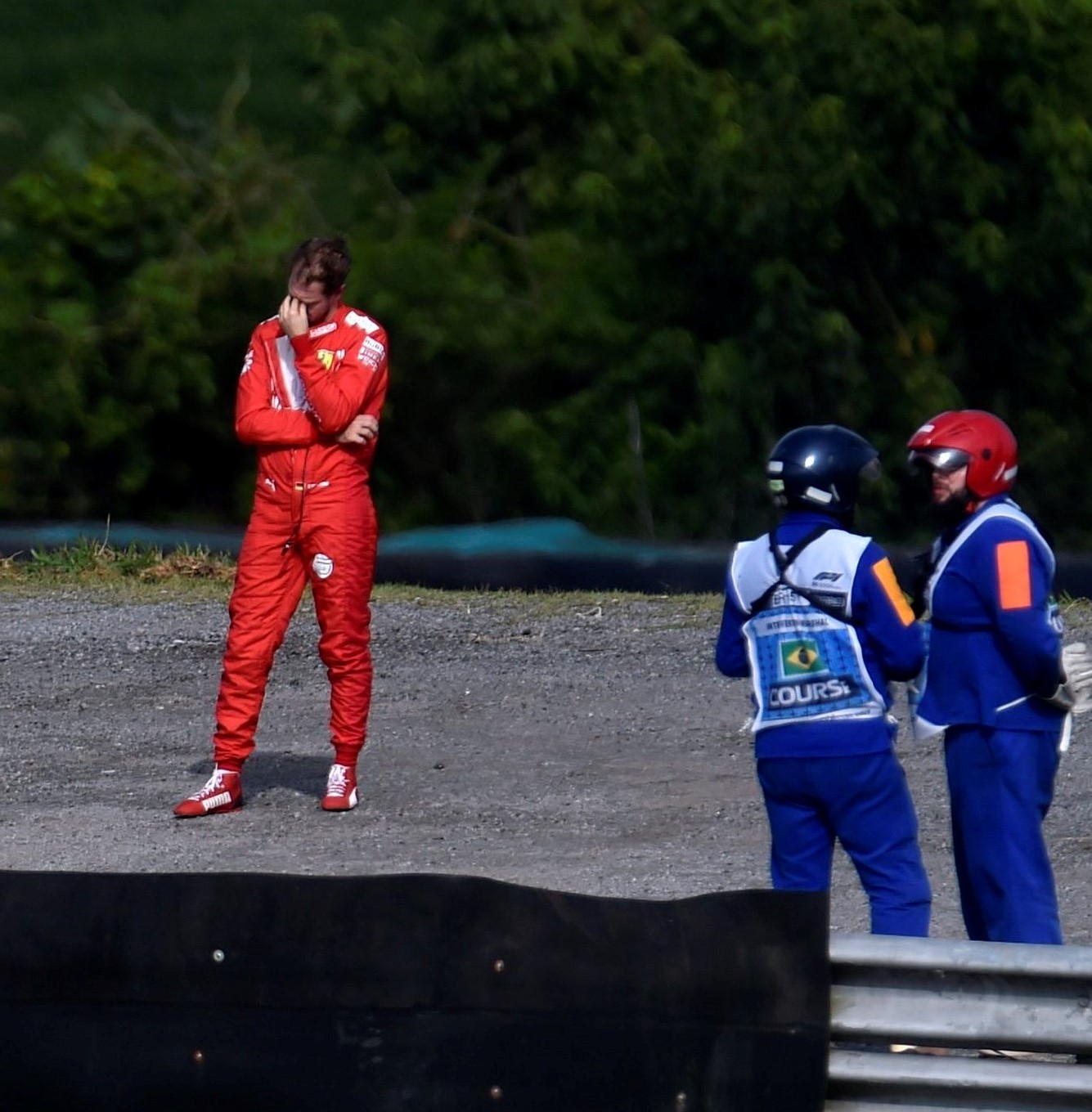
Things went from bad to worse when the Ferrari drivers collided in Brazil and were both forced to retire, with most attributing the largest share of the blame to Vettel. The German has some soul-searching to do over the winter and will need to come back stronger next year to compete with his increasingly impressive teammate.

With his contract up at the end of 2020, will next season be Vettel’s last in the red of Ferrari? Could it even be his last in the sport?

Highlight: Laying to rest his Hockenheim demons with a drive from last to second place.

Lowlight: The highly controversial penalty that cost him a win in Canada.

Grade: C+

Charles Leclerc

4TH | PTS: 264 | WINS: 2 | PODIUMS: 10 | POLES: 7 | FL: 4 | RET: 3

Charles Leclerc has made quite the impression in his debut year for Ferrari. He came in hoping to be able to match the four-time world champion on the other side of the garage but has ended up beating him in pretty much every measurable way: more points, more wins, more poles and comfortably winning the qualifying head-to-head.

After a period of things not quite clicking, Leclerc changed his approach on a Saturday and promptly outqualified Vettel nine times in a row, claiming five poles and two wins during that run. The wins were both very emotional. His maiden victory coming on the tragic weekend in Spa where his friend, F2 driver Anthoine Hubert, was killed and the second in front of the Tifosi in Monza; a first win for Ferrari on home soil since 2010.

The crash at Interlagos may have cost him third in the championship but he can be very satisfied with his performances this season under the severe pressure of driving for the Scuderia in only his second year in the sport. With a bit more experience under his belt, next year could be even better.

Highlight: Making himself an instant hero for the Tifosi with a hard-fought win at Monza.

Lowlight: The victory that was snatched oh so cruelly away in the closing laps in Bahrain.

Grade: B+

Max Verstappen

3rd | PTS: 278 | WINS: 3 | PODIUMS: 9 | POLES: 2 | FL: 3 | RET: 2

Max Verstappen has competed with Hamilton for ‘driver of the year’ rights throughout the season and there is very little to separate them. Verstappen has often outperformed his Red Bull machinery and his level of performance is causing those in charge to struggle to fill the seat alongside him. The flying Dutchman crushed Pierre Gasly into a mid-season demotion to Toro Rosso and, certainly on sheer pace, his replacement hasn’t managed to get much closer.

We did see a couple of glimpses of ‘the old Verstappen’ in a first corner crash at Spa and some impetuosity during the qualifying debacle in Mexico. But, overall, he appears to have reached a new level of maturity whilst holding onto his raw speed.

He can be very proud of three wins this year. If Red Bull can keep up the momentum they have ended the year with, he could take even more next season.

Highlight: All three wins were showstoppers but the Austria comeback was particularly impressive.

Lowlight: Throwing away pole in Mexico by not slowing for yellow flags and then crashing early in the race.

Grade: A

Alexander Albon

8th | PTS: 92 | WINS: 0 (BEST: 4th) | PODIUMS: 0 | POLES: 0 | FL: 0 | RET: 1

What a journey Alexander Albon has been on. A little over a year ago, he thought his F1 dream was over and was preparing to join the Nissan e.dams teams in Formula E. But when Daniel Ricciardo announced he was leaving Red Bull, and Gasly was brought in to replace him, Albon was urgently parachuted into a Toro Rosso drive for 2019.

He gave a good account of himself in the first half of the year, generally matching his more experienced teammate, Daniil Kvyat, despite never having driven a Formula 1 car before pre-season testing. And then, suddenly, he was presented with a race-winning seat when Red Bull decided to give him a chance after Gasly’s demotion. He started promisingly with a great comeback drive in Spa but has not quite been able to keep up with Verstappen in a straight fight thus far.

Still, he did enough to retain the seat for 2020 and time will tell what he can do with a proper winter’s preparations.

Highlight: Impressing on his Red Bull debut and even passing Ricciardo around the outside during his comeback.

Lowlight: Being denied a first podium by an overambitious move from Hamilton on the penultimate lap in Brazil.

Grade: B-

Carlos Sainz

6TH | PTS: 96 | WINS: 0 (BEST: 3rd) | PODIUMS: 1 | POLES: 0 | FL: 0 | RET: 4

Carlos Sainz re-announced himself as a star of the future – if not present – this year. After never quite getting to grips with the Renault, his star had seemed to be fading but, having stepped into the racing boots of his compatriot and idol Fernando Alonso, he has flourished as McLaren team leader.

One solid, understated, rarely filmed performance followed another, Sainz making the position of ‘best of the rest’ his own and was properly rewarded with an unlikely podium in the chaos of Brazil. He then claimed sixth in the drivers’ standings thanks to a great pass on the last lap of the last race. A fitting way to cap off his year.

Whilst obviously two drivers shared the second Red Bull seat, breaking into the top three teams’ usual lock-out of the top six positions is some achievement. He is one smooth operator.

Highlight: A first ever podium in Brazil and (eventually) celebrating it with the entire team.

Lowlight: Forgetting how few prisoners Verstappen takes in Bahrain and costing himself dearly.

Grade: A-

Lando Norris

11TH | PTS: 49 | WINS: 0 (BEST: 6TH) | PODIUMS: 0 | POLES: 0 | FL: 0 | RET: 6

Lando Norris had more than his share of bad luck in his first F1 season but, nonetheless, he has made a name for himself. He got into Q3 in his first ever qualifying session and finished sixth in the next race. Whilst thoroughly outscored by Sainz, the gap in their points tallies isn’t totally representative due to the high number of issues outside the young Brit’s control. Numerous mechanical failures, poorly timed safety cars and botched pit stops have all blighted him.

But he has remained positive throughout and even made memes out of most of his misfortune. Norris is a breath of fresh air in the sport and has marked himself out as the joker of the paddock. He can be serious when needed, though, and shouldn’t be underestimated. He certainly has the speed, as shown by clinching the qualifying head-to-head with his teammate 11-10 at the final race of the season.

Highlight: Sixth place in only his second ever race.

Lowlight: A gut-wrenching mechanical failure on the last lap when running fifth in Spa.

Grade: B+

Daniel Ricciardo

9TH | PTS: 54 | WINS: 0 (BEST: 4TH) | PODIUMS: 0 | POLES: 0 | FL: 0 | RET: 5

For the most part he has put on a brave and predictably smiley face…but this year must have been tough for Daniel Ricciardo. Renault splashed the cash and were aiming to close the gap to the big three but, in fact, dropped further back into the midfield and Ricciardo has been left fighting to scrape into the points at most races. He certainly enjoys that scrap and the intense racing that comes with it but, surely, he will be evaluating his options if Renault don’t make significant progress next year.

After a period of acclimatisation to his new surroundings, he stamped his authority over teammate Nico Hülkenberg and, by the end of the season, was comfortably ahead. Next year he will have a new challenge in the form of the incoming Esteban Ocon. He will once again be the elder statesman of the team with a feisty young upstart challenging him. Isn’t that what he was aiming to leave behind?

Highlight: Fourth place in Italy was Renault’s highest finish since the start of 2011.

Lowlight: Another mechanical failure in Germany costing him the chance of an upset.

Grade: B

Nico Hülkenberg

14TH | PTs: 37 | WINS: 0 (BEST: 5TH) | PODIUMS: 0 | POLES: 0 | FL: 0 | RET: 3

Whatever or whoever cursed Nico Hülkenberg, did so very thoroughly. This year’s German GP looked like being his best chance of a long overdue podium but yet again it wasn’t to be, as he slid agonisingly into the barriers whilst very much in contention. And that may have been his last chance, it turns out.

Renault have decided to replace him with Ocon and, after deciding a pay cut to drive for Haas wasn’t worth it, he is suddenly out of the sport. Will he be back? Potentially. There will be a lot of change in 2021 and his reputation as an experienced head and reliable source of points remains intact, despite losing out to Ricciardo this year. Maybe at Alfa Romeo if Kimi Räikkönen finally decides to call it a day next year?

Highlight: A strong fifth place at Monza.

Lowlight: That crash in Germany costing another chance at a podium.

Grade: C

Daniil Kvyat

13TH | PTS: 37 | WINS: 0 (BEST: 3RD) | PODIUMS: 1 | POLES: 0 | FL: 0 | RET: 3

Daniil Kvyat had some good moments this year – particularly the podium in Germany, obviously – but has returned somewhat to his previous grumpy persona and torpedo-ish ways since missing out on the Red Bull drive when Gasly was demoted. He seemed to be glad just to be back in the sport early in the year but that has evaporated and back-to-back penalties for late, desperate lunges in Mexico and the US (and his reaction towards those justified penalties) revealed the frustrations boiling under the surface.

He was also beaten too often by a rookie in the first half of the year and what was initially a crushed man in the second half of the year. He keeps his drive for next year (potentially competing under a neutral flag) but you get the feeling it may be his last one in the Red Bull system.

Highlight: An unlikely podium on the same weekend that his first child was born.

Lowlight: Missing out on a Red Bull seat again; another dip in his Red Bull rollercoaster.

Grade: C+

Pierre Gasly

7th | PTS: 95 | WINS: 0 (BEST: 2nd) | PODIUMS: 1 | POLES: 0 | FL: 2 | RET: 3

One could describe Pierre Gasly’s 2019 season as a rollercoaster but, if so, it was basically a big dipper with just the one drop at the start before being returned to the station. So, it’s an overused cliché from football rather than F1 that best sums up his year: it was very much a tale of two halves. He never got to grips with the Red Bull and, under the pressure of Verstappen’s relentless performances, started to fall apart. A demotion after just 12 races seems harsh but was ultimately not that much of a shock to the paddock.

To compound an already tough weekend in Belgium – his first since being demoted – Gasly lost a very close friend in Hubert and his performance in that race is a great credit to him. In fact, once back in the more familiar surroundings of Toro Rosso, the Frenchman showed what he is capable of on a consistent basis. And that culminated in a fully-deserved second place in Brazil, the release of emotion after the crossing the line palpable.

Highlight: That incredible podium at Interlagos and the Ayrton Senna-esque radio message that followed.

Lowlight: Finishing a lap down on his teammate in Hungary spelt the end of his time at Red Bull.

Grade: (D-)+(B+)=C

Sergio Pérez

10TH | PTS: 52 | WINS: 0 (BEST: 6TH) | PODIUMS: 0 | POLES: 0 | FL: 0 | RET: 2

After a pretty disappointing first half of the season, Sergio Pérez had a ridiculously consistent second half. He went into the summer break with just 13 points – most of which came in Azerbaijan – but since coming back from his ‘holidays’ scored points in every race bar a mechanical retirement in Singapore. It was often, as ever, his expertise when it comes to preserving tyre life that proved crucial.

That consistency saw him climb into the top half of the standings and, in the end, crush his teammate in the way many were expecting. Racing Point made decent progress with their car after a step back at the start of the year – most likely due to the transition from Force India – and Pérez is staying with the team next year for a sixth season.

Whilst he continues to prove himself an ever-reliable set of hands, will he ever get another shot in a top team?

Highlight: Qualifying fifth and then holding on to sixth in Azerbaijan.

Lowlight: A clumsy spin in the German rain ending his chances in his type of Grand Prix.

Grade: B

Lance Stroll

15TH | PTS: 21 | WINS: 0 (BEST: 4TH) | PODIUMS: 0 | POLES: 0 | FL: 0 | RET: 3

In stark contrast to his teammate, Lance Stroll barely picked up another point after the summer break, with just a 10th place in Spa and a ninth in Japan – the latter only coming courtesy of Renault’s double disqualification. Truthfully, even his 21-point tally is somewhat flattering, given 12 of them came from Racing Point’s successful gamble to switch to dry tyres in Germany which left the Canadian temporarily leading the race.

Stroll has held up his reputation for starting races very well but much of that is down to his awful qualifying record. He finished 18-3 down against Pérez and had the worst average grid position of anyone other than the Williams drivers. He will have to do more than this to shake off that ‘pay driver looked after by Daddy’ reputation.

Highlight: Suddenly, incredibly finding himself leading a Grand Prix in Germany.

Lowlight: Most qualifying sessions.

Grade: D+

Kimi Räikkönen

12TH | PTS: 43 | WINS: 0 (BEST: 4TH) | PODIUMS: 0 | POLES: 0 | FL: 0 | RET: 2

Kimi Räikkönen started the season very well with talk of rejuvenation and Indian summers as he consistently racked up points and spent some of the first half of the season as ‘best of the rest’. But, as Alfa Romeo went off the boil after the summer break, so did Räikkönen to some extent, scoring points just once.

He also went from having his teammate comfortably covered to suddenly being pretty evenly-matched and often qualifying behind him. But Kimi doesn’t seem to care, as ever. He’s just enjoying racing still…even at 40. Who’d have thought that possibly the most apathetic driver ever will next year take the record for the most races in F1 history? He must love it really.

Highlight: Bwoah, who knows? It was all okay.

Lowlight: See above.

Grade: B-

Antonio Giovinazzi

17TH | PTS: 14 | WINS: 0 (BEST: 5TH) | PODIUMS: 0 | POLES: 0 | FL: 0 | RET: 2

In the first half of the year, it looked like Antonio Giovinazzi was potentially not up to scratch as he failed to score points whilst teammate was racking up a fair haul. But the Italian got stronger as the year progressed and did enough to convince Alfa Romeo to keep him on for another season.

Unfortunately for him, as his performances increased, his team’s dwindled and, whilst he was often matching or beating Räikkönen, he wasn’t earning points. A freak fifth place in Brazil accounts for nearly 75% of his points tally. He will have to push on and find another level in 2020 to prove to Ferrari that he is worthy of their young driver slot in the junior Alfa Romeo team. After all, he’s not particularly young at 26.

Highlight: An unlikely fifth place at Interlagos.

Lowlight: Crashing out of a points-paying position on the last lap at Spa.

Grade: C-

Romain Grosjean

18TH | PTS: 8 | WINS: 0 (BEST: 7TH) | PODIUMS: 0 | POLES: 0 | FL: 0 | RET: 7

It has been another error-strewn season for Romain Grosjean. From repeated clashes with his teammate to spinning at the pit exit during a practice session, these are incidents that a driver of his experience shouldn’t be making; certainly not with this frequency.

He certainly still has a flash of speed on his day and the fact that he was proven right with regards to his idea to revert to the Australia-spec Haas car is probably what kept him in a seat for next year. Grosjean performed more consistently towards the end of the year but the Haas performance had fallen off a cliff and he didn’t pick up a single point after the summer break.

Highlight: Having his suspicions that the car had actually become worse proven right.

Lowlight: Immediately spinning into the barriers at the pit exit during Practice 1 in Britain.

Grade: D

Kevin Magnussen

16TH | PTS: 20 | WINS: 0 (BEST: 6TH) | PODIUMS: 0 | POLES: 0 | FL: 1 | RET: 3

Earlier in the year, Kevin Magnussen was generally qualifying very well but then suffering from Haas’s non-existent race pace and coming out of the weekend without much to show for his efforts. And, again, as the Haas car fell down the pecking order through the season, his qualifying performances were barely getting him out of Q1.

He was also, obviously, on the other end of those inter-team collisions with Grosjean, though, which didn’t help. The fault has generally laid somewhere between 50/50 and Magnussen and he continues to not make many friends out on the track. Not that he seems to care. His outright speed is currently keeping him in an F1 seat but, at some point, surely he’ll have to ask himself if there isn’t another way when it comes to wheel-to-wheel racing. Particularly with your teammate.

Highlight: Starting the season with a strong sixth-place finish in Australia.

Lowlight: The collision with Grosjean at Silverstone taking out both cars.

Grade: C+

Robert Kubica

19TH | PTS: 1 | WINS: 0 (BEST: 10TH) | PODIUMS: 0 | POLES: 0 | FL: 0 | RET: 2

Robert Kubica’s return was not quite the fairy-tale story that many had hoped for. The Williams has, of course, been a long way off the pace but Kubica has also been a fair way off the pace of his rookie teammate. There had been rumours regarding whether the drivers had equal machinery but, even after swapping chassis, it would appear that the Pole sadly just didn’t have the pace and that was backed up by an eventual qualifying 21-0 whitewash.

He did at least claim the unlikeliest of points in Germany to have something to show for what was nonetheless an incredible comeback, almost a decade after a near-fatal injury. We must not forget the man was basically driving with one hand.

Highlight: A points-finish in Germany in a car that seemed unlikely ever to achieve one.

Lowlight: Consistently driving round in last place, being lapped two or three times.

Grade: D (But A for Effort)

George Russell

20TH | PTS: 0 | WINS: 0 (BEST: 11TH) | PODIUMS: 0 | POLES: 0 | FL: 0 | RET: 2

George Russell finished the season as the only driver without a point but that is far from the story of his impressive debut season thus. Whilst Kubica is an unknown quantity since his return, Russell frankly destroyed him. 21-0 in qualifying and 17-4 on Sunday. And beating your teammate is about all you can do in a car so off the pace as this year’s Williams.

Russell very nearly dragged the car miraculously into Q2 when the playing field was levelled a little in Hungary and even set a lap record whilst testing the Mercedes earlier in the year. Last year’s F2 champion would appear to have a very bright future ahead of him.

Highlight: That Hungarian qualifying lap. 16th in this Williams is stunning.

Lowlight: Missing out on a point in Germany.

Grade: B+

2019 Abu Dhabi GP report | Hamilton rounds out championship year with grand slam

That’s a wrap on F1 2019.
Image credit: Mercedes-AMG F1

Lewis Hamilton finished the year at the 2019 Abu Dhabi Grand Prix in the fashion he has spent much of it – leading from the front. And in the most emphatic fashion so far this season, as he took his only ‘grand chelem’ – achieved by claiming pole, the win, the fastest lap and leading every lap – of the year.

That is the his sixth grand slam, moving him beyond Alberto Ascari and Michael Schumacher to outright second on the all-time list, two behind the late, great Jim Clark. Yet another record for Hamilton to set his sights on.

The race itself was sadly a fairly standard Abu Dhabi affair – a pretty dull race with the action limited mostly to Valtteri Bottas’s fight through the field from the back of the grid. The Finn’s job was also made slightly harder by the bizarre lack of DRS for 18 laps, apparently caused by a ‘data server crash’.

As Martin Brundle had feared may be the case, Hamilton ‘checked out’ at the front of the field, controlling his pace and keeping a comfortable lead throughout. He showed just how much pace he had to spare by setting the fastest lap of the race on reasonably old hard tyres when many behind had pitted for new, softer ones in the final few laps.

The fight for the other podium positions was slightly spicier. Charles Leclerc passed Max Verstappen on the first lap as the Red Bull seemed to initially struggle heating its tyres. But Verstappen ran 13 laps longer and comfortably passed the Ferrari, having rejoined just four seconds back on far fresher tyres, despite nursing a subtle engine issue throughout the race. Leclerc then switched to a two-stop strategy and just about managed to hold off the closing Bottas in the closing laps. Leclerc had spent the entire race aware that he could well be disqualified for a technical infringement from Ferrari before the race but, after a post-race investigation, the team were fined €50,000 and his third place stood.

It was another amateur-ish mistake from F1’s most experienced team – simply a case of the amount of fuel Ferrari had said was in Leclerc’s car being significantly different from the actual amount once it had been checked by the FIA. If they are to put together a real title challenge in 2020, Ferrari will have to iron out these basic operational failings…as well as the rather larger ones such as strategy and their drivers crashing into each other…

Sebastian Vettel at the 2019 Abu Dhabi Grand Prix.
Image credit: Foto Colombo Images

Sebastian Vettel came home a fairly underwhelming fifth, followed by the other Red Bull of Alexander Albon, the Anglo-Thai finishing a disappointing 52.5 seconds behind his teammate. Whilst, overall, Albon has done a solid job in what has undeniably been a big ask of a rookie driver, that is similar to the gaps we were seeing between Verstappen and Pierre Gasly before his demotion. With a proper preparation for next year, Albon will surely have better foundations to build on for 2020 but he will have to be consistently and markedly closer to the superstar on the other side of the garage to cement his place in both the team and the sport for the future.

Sergio Pérez claimed ‘best of the rest’ thanks to some trademark tyre conservation and a good strategy, nicking seventh from Lando Norris on the last lap with what he described as “one of the best moves in my career”.

Sainz Leaves it Late to Snatch Sixth

Another move on the last lap – this time with a McLaren being the overtaker rather than the overtaken – brought Carlos Sainz the single point he required to seal sixth in the Drivers’ Championship, with the Spaniard clearly ecstatic with the manner in which he claimed it.

Carlos Sainz at the Abu Dhabi Grand Prix.
Image credit: Sutton

Sainz absolutely deserves that sixth place. Whilst it has obviously been made possible by two drivers getting half a season each in the second Red Bull, the level of consistency achieved by the Spaniard has been excellent and he nearly broke the 100-point barrier despite a fair share of bad luck. He lost a haul of points in Bahrain through a coming together with Verstappen and more via a botched pit-stop in Italy.

Surely Red Bull are looking somewhat longingly at Sainz now as they struggle to find a driver worthy of their second seat. Verstappen and Sainz were very evenly matched as teammates in their rookie years and it seems that, in the last 12 months certainly, Sainz has pushed onto another level and is relishing his role as team leader at McLaren.

Tension between their respective fathers supposedly played a part in Sainz not being considered for the Red Bull drive when Daniel Ricciardo dropped the bomb that he was leaving for Renault last year. But you have to wonder, with a Verstappen-Sainz pairing, would Red Bull have been able to truly challenge Ferrari for seconds in the Constructors’ Championship this year?

Verstappen Claims the Other ‘Best of the Rest’

Whilst, at times, Ferrari and Red Bull have looked very fast – the Ferrari particularly in qualifying and the Red Bull particularly at altitude – over the course of the season, the Mercedes team has been somewhat in a class of one.

With his second place in Abu Dhabi – and a helping hand from the Ferrari clash last weekend – Verstappen claimed third in the championship and what is effectively ‘best of the rest’ beyond the Silver Arrows. It is another deserved unofficial crown, as Verstappen has surely stood out, alongside Hamilton, as the star of the field this year.

Image credit: Red Bull

Where, in past seasons, he had shown unquestionable raw speed but flashes of immaturity and rashness, this year has been nearly devoid of those flies in the ointment. There were perhaps a couple of overambitious moves but that comes with the territory when you are a bold driver like Verstappen.

If Red Bull can actually start a season competitively for once next year, and Verstappen can keep his head once faced with a real title battle, 2020 could even be a case of him going for ‘best of the best’.

But the final word must go to Hamilton.

Having been challenged more consistently by the other teams since the summer break, the world champion’s superlative performance at the Yas Marina Circuit was a pointed reminder to the prentenders to his throne that he is still very much the king.

The Abu Dhabi Grand Prix in 60 Seconds

Answering the Burning Questions

Who can go into the winter break on a high? Certainly Hamilton. But Verstappen and Leclerc will be pretty content too.

How will relations be between the two Ferrari drivers and within the team? There was a hint of tension with Leclerc missing his final qualifying lap and seeming to blame Vettel but really it was the team’s fault. That was followed by another silly error from the team on race day… Will any heads roll over the winter break?

Who will claim third in the Drivers’ Championship? Verstappen, pretty comfortably in the end.

Can Hülkenberg get a podium in possibly his last ever race?? Of course not. A token Driver of the Day award though!

2019 Abu Dhabi GP preview

The Burning Questions

Who can go into the winter break on a high?

How will relations be between the two Ferrari drivers and within the team?

Who will claim third in the Drivers’ Championship?

Can Hülkenberg get a podium in possibly his last ever race??

The Track

The Stats

Track Length: 5.554 km

Laps: 55

Race Distance: 305.355 km

First Grand Prix: 2009

Race Lap Record: Sebastian Vettel | Red Bull | 2009 | 1:40.279

Outright Lap Record: Lewis Hamilton | Mercedes | 2018 | 1:34.794

Most Driver Wins: Lewis Hamilton | 2011, 2014, 2016, 2018

Most Constructor Wins: Mercedes | 2014, 2015, 2016, 2017, 2018

The Weather

The Quotes

Charles Leclerc | “Seb probably shouldn’t have gone to the left and he knows it and I could have done a better job of avoiding him going to the left. What is important is everything is clear now and we move forward.”

Mattia Binotto | “We discussed together and I think that they understand what happened was not acceptable. We know how to move forward.”

Toto Wolff | “The underperformance in Brazil means we head to Abu Dhabi with a point to prove. Yas Marina has been a good circuit for us in the last years and we’ll push hard to continue in the same way.”

Claire Williams | “We look forward to [Nicholas Latifi] stepping up into this new role, as we look to fight our way back to the midfield.”

Lewis Hamilton | “There’s always room to improve and we’ve not been perfect all year, we’ve not won every single race and there are areas we can definitely round up and do better.”

The Photos

The Predictions

Podium

Pole Position

Fastest Lap

Driver of the Day

2019 Brazilian GP report | Verstappen thrills in Brazil and Gasly claims second as the Ferraris collide

A fairly average race for 50 laps…and then absolute bedlam.
Max Verstappen and Pierre Gasly on the Brazilian Grand Prix podium.
Image credit: Getty Images

Max Verstappen took a commanding victory at the 2019 Brazilian Grand Prix as all around him – or certainly most – were losing their heads.

Verstappen led away from pole with Lewis Hamilton passing Sebastian Vettel for second place around the outside of the first corner. From there, it looked likely to be a tale of whether the young Dutchman could keep the newly-crowned world champion at bay. Mercedes had shown strong pace during race simulations in the practice sessions and, whilst never quite getting close enough for an overtaking attempt, Hamilton remained within touching distance throughout the first phase of the Grand Prix.

Mercedes triggered the undercut on lap 20 by pitting Hamilton and committing to a two-stop strategy. Red Bull responded a lap later but, via the combination of an unhelpful Williams pit release and a strong out lap from Hamilton, Verstappen emerged behind the Mercedes driver.

That would not remain the case for long, however. Hamilton had completely depleted his battery on his flying out lap and so was slow on the start/finish straight; Verstappen took the opportunity to fly past and regain his net lead.

The two drivers matched each other as they worked their way through backmarkers until, after another 20 or so laps, Mercedes attempted another undercut. This time with less success. Hamilton appeared happier on the medium tyres than he had been on the soft, though, and was closing the gap. But everything was about to be flipped on its head.

Whilst trying to find a way past Charles Leclerc for fourth, Valtteri Bottas’s Mercedes engine overheated and the Finn ground to a halt – the first mechanical retirement for Mercedes this year – which, despite some good parking, brought out the safety car. Mercedes told Hamilton to do the opposite to Verstappen; the Red Bull driver came in and so Hamilton stayed out, but almost immediately began to question the decision to leave him vulnerable on older, harder tyres.

His fears were quickly proven to be well-founded as, despite Hamilton’s best efforts to catch him out at the restart, Verstappen flew by once more before the first corner. Alexander Albon also made a great move to jump past Vettel, before starting to pressure Hamilton, with the Ferraris close behind. But not for long.

With five laps remaining, Leclerc dived down the inside of his teammate at the first corner but Vettel stayed close behind and pulled alongside on the following straight. As he passed, he drifted left, Leclerc did not move fast enough, there was slight tyre-to-tyre contact and Ferraris race quite literally fell apart.

The Ferraris collide at the Brazilian Grand Prix.
Image credit: Formula 1

Leclerc’s front left suspension was broken and Vettel was also parked up with the damage caused by a rear right puncture within a lap. As is tradition, both drivers blamed each other. (More on that later.)

This brought about another safety car. This time Mercedes gambled and brought Hamilton in, dropping him to fourth and leaving a Honda 1-2-3, as things stood, in the form of Verstappen, Albon and Pierre Gasly’s Toro Rosso. Lance Stroll had also retired after hitting debris from the Ferrari theatrics and it looked as though the race may finish behind the safety car.

It was restarted, however, with an effective two-lap sprint race to the chequered flag. Hamilton, on his fresh, soft tyres, dispatched Gasly at the first corner and was immediately onto the gearbox of Albon. Was the gamble about to pay off for Mercedes?

No. It was, in fact, about to end in tears, as Hamilton made an ambitious dive into the Bico de Pato corner. Albon certainly left the door open but, when he took the normal racing line and effectively closed it, Hamilton was too committed and made contact with the Red Bull, leaving it pointing in the wrong direction as the field sailed past. Agony for Albon, apologies from Hamilton post-race, but euphoria at Toro Rosso as Gasly moved into second position.

A lap later, coming out of the last corner, Hamilton got a run on the Frenchman and pulled alongside to produce a drag race to the line. But, in a show of just how far Honda have come this year, the Toro Rosso won that drag race and Gasly took a stirring first podium in F1, after an incredibly trying year. Cue an emotional release and a Senna-in-91-esque radio message.

Image credit: Motorsport Images

Once Hamilton had been given a five second penalty, we were left with a bizarre top five of Verstappen, Gasly, Carlos Sainz and the Alfa Romeos of Kimi Räikkönen and Antonio Giovinazzi. It was also a debut podium for Sainz and, although he was not part of the initial ceremony, he was later allowed up to the podium to celebrate with his team.

Again, there were some questionable strategy decisions from Mercedes. Bottas was confusingly pitted just 14 laps into a stint on the hard tyres as the team drastically bailed out of a one-stop. And whilst the undercuts for Hamilton were fairly well executed, the decision not to pit him under the first safety car left him a sitting duck and, but for the Ferrari incident, Hamilton could easily have found himself behind all four cars that had been following at that point. This was supposed to be a race for Mercedes to be set free from the constraints of playing it safe with the championship in mind but it came across more like rash, ill-considered decisions with a whiff of desperation at points. Especially in contrast to the excellence of the Red Bull strategies, pit stops and drive by Verstappen.

But hey, it could have been worse. They could be…

Ferrari…

After two years of near misses and now a season that promised so much but has massively under-delivered, the Tifosi fans are pretty numb to pain at the moment.

But this one will have hurt.

Tensions that have been in danger of boiling over for some time now, finally did so. And with disastrous consequences. The two drivers conspired to crash into each other whilst on a straight and, just like that, Ferrari’s season surely hit its nadir. But who was primarily to blame, if anyone?

Image credit: Formula 1

The stewards have ruled ‘no further action necessary’ but, for me, the blame must lie closer to Vettel’s door than that of Leclerc. It was a slightly rude divebomb – particularly on a teammate – by Leclerc into the first corner, but a fair and successful one. Maybe that stung Vettel – with Hamilton and Albon having also robbed him at the same corner earlier in the race – as there was no need for him to come across his teammate in the way that he did as he came back past. He had the overspeed to be ahead by the corner anyway.

Watching the onboards, you can see how little time Leclerc had to react. It was all a bit Turkey 2010 with Webber. Vettel has been under such pressure this season and has seen his number one status within the team come under serious threat; was this an attempt to show dominance? We can’t be sure.

Between the many spins and the incidents like this – remember that, just two races ago, Vettel squeezed Hamilton onto the grass at the start and was saved by the latter bailing out – the four-time world champion sometimes seems to lack a bit of spacial awareness in the car. He may have a bit of soul-searching to do before next season.

Image credit: Getty Images

It will be interesting to see how Ferrari handle the fallout from this. They have one race left to patch things up or it could be a very frosty winter…

Two Very Wholesome Podiums

The podium finishes for both Gasly and Sainz will be hugely popular throughout the paddock.

Gasly has had such a tough year. Obviously, struggling badly in the Red Bull and seemingly losing all confidence before being demoted during the summer break. But then particularly, during his first race back at Toro Rosso, losing his close, lifelong friend Anthoine Hubert to that tragic, fatal accident in Spa.

That makes his redemption arc in the second half of the season all the more impressive. He has generally had the better of new teammate Daniil Kvyat, despite having to readapt to the Toro Rosso, and has just kept getting stronger. He was ‘best of the rest’ for the majority of the weekend in Brazil and fully capitalised on the chance he was given. It also leaves him with the record for France’s youngest ever podium.

Carlos Sainz with his trophy at the Brazilian Grand Prix.
Image credit: EFE

Sainz, meanwhile, deserves it for the sheer quality of his performances this year. The Spaniard was starting to look like he may have contracted the Nico Hülkenberg podium curse with so many fourth and fifth place finishes in a generally impressive career.

But he has broken that duck and, judging by the consistently high level he has been (smoothly) operating at this year, it would not be a surprise to see him pick up many more trophies.

The Brazilian Grand Prix in 60 Seconds

Answering the Burning Questions

With the title wrapped up, can we still get an exciting race? Just a bit, yeah.

Will we get any more clues as to the effect the power unit clarifications have had on Ferrari? There is still talk from Mercedes and Red Bull that they are seeing a reduction but the Ferrari straight-line speed appeared closer to what we’re used to here. And the altitude made it hard to come to a definite conclusion.

How will Albon perform now that his seat for next year is confirmed? He still has work to do when it comes to qualifying pace but he looked at home mixing it with the big names during the race.

Who of Leclerc, Verstappen and Vettel will leave the weekend leading the battle for third in the championship? Verstappen, by a surprisingly comfortable 11 points.

Surely we’re overdue another crazy, wet race? Interlagos quite often delivers them… Well it wasn’t wet but it was certainly crazy.