For a variety of reasons, including a lot of work and a trip to Mexico, I haven’t been able to write race reports for the first three grands prix this season.
There was also the issue of my falling out of love with F1 at the end of last year, which left me short on motivation.
However, the first race of the year did a lot to counter that.
A Positive Start in Bahrain
After pre-season testing, I was wary of a season of Red Bull and Max Verstappen domination. All allegiances aside, that really was the last thing the sport needed as it headed into its new era.
With the huge controversy of Abu Dhabi having left a bitter taste in the mouth for many, a runaway championship for the man who earned his maiden title via Michael Masi’s questionable decisions on lap 57 at the Yas Marina Circuit would not have been a good way for F1 to turn over a new leaf.
Whilst Mercedes have faltered, as their dramatic sidepod – or lack thereof – design seemingly left them suffering worse than most with the returning phenomenon known as ‘porpoising’, Ferrari have fortunately returned to the front to give us a title battle.
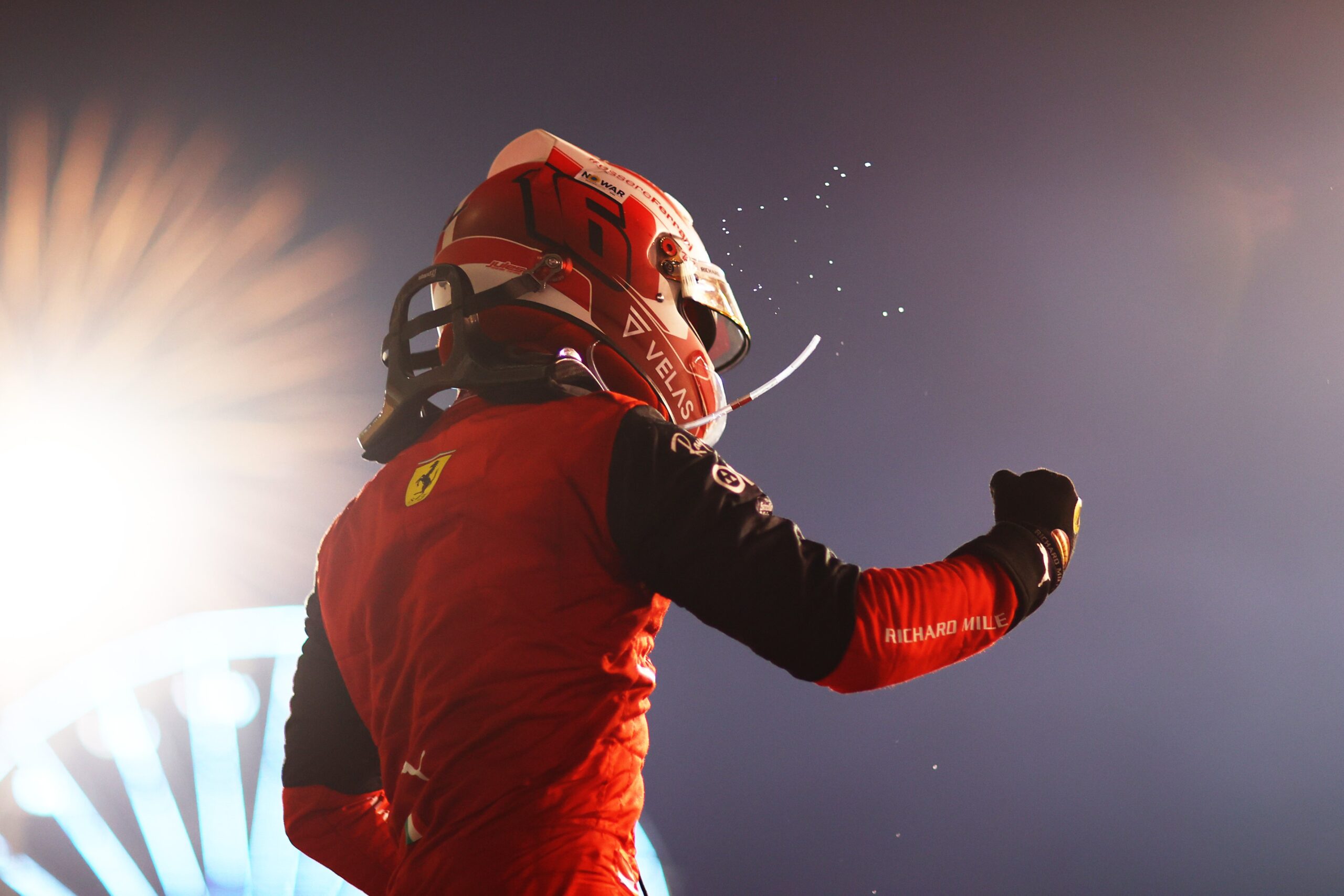
And armed with a truly frontrunning car, Charles Leclerc has been reminding the world exactly what he is capable of.
A thrilling battle with Verstappen at the season-opener in Bahrain ended up with the Ferrari man on top, the pair having gone wheel to wheel for a number of laps, but Leclerc using the DRS zones smartly and then building a gap to take his first victory since delighting the Tifosi at Monza in 2019.
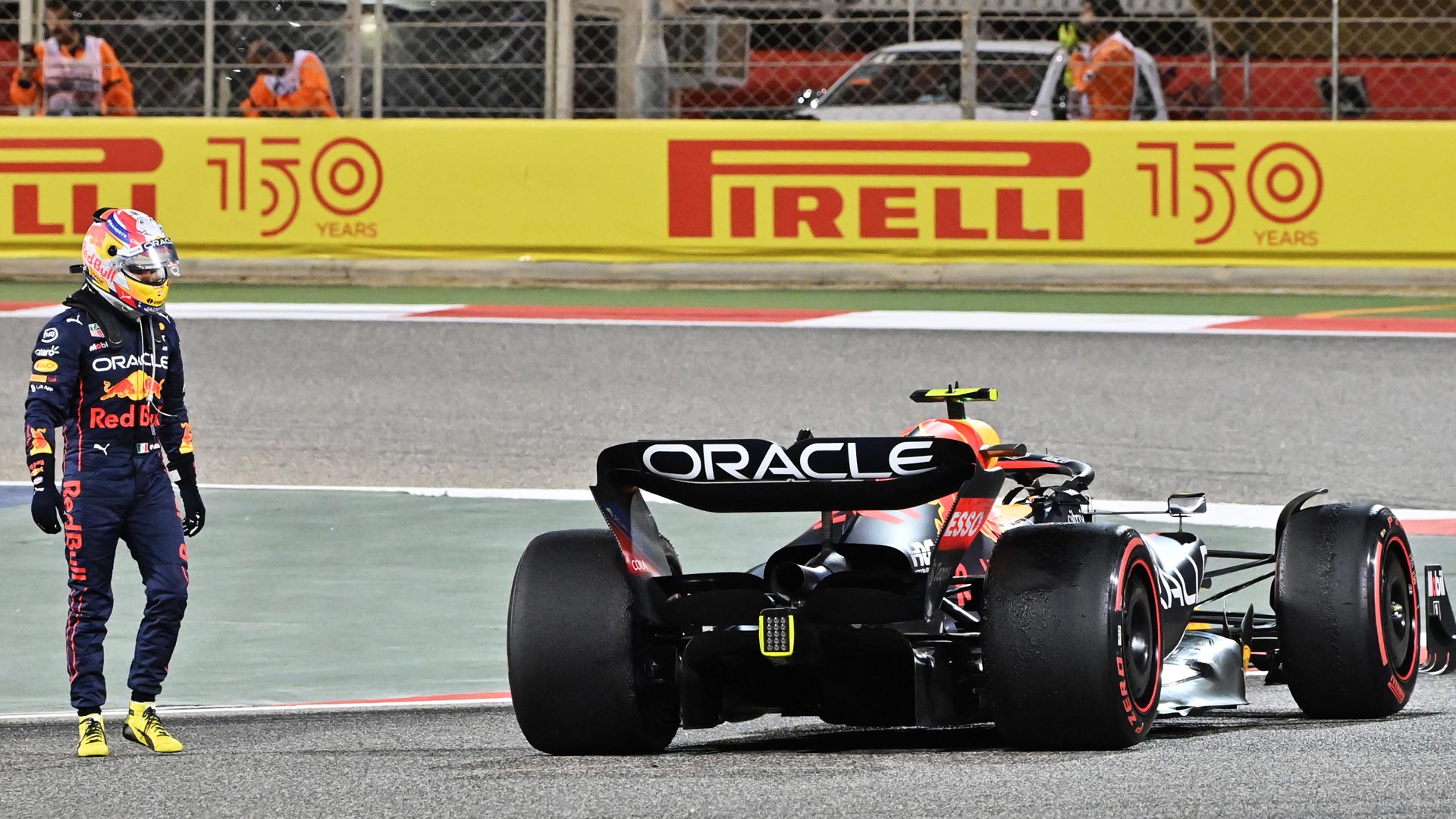
Things fell apart for the Red Bulls late on – Verstappen was forced to pull into the pits and retire just three laps from the end with a lack of fuel pressure, and teammate Sergio Pérez then suffered the same issue two laps later.
An exciting fight for the win – that hinted towards an exciting fight for the title – culminating in late drama, a Ferrari 1-2 and a surprise Lewis Hamilton podium – how many years has it been since those words would make sense together?.. – meant that the start of this season did a decent job of starting to make amends for the end of the previous one.
The Wrong Kind of Drama in Jeddah
The two drivers – who have been rivals since their karting days – were back at it again a week later in Saudi Arabia.
The scene of perhaps Verstappen’s most contentious performance during the title battle with Hamilton last year, this time the Dutchman kept it clean and ultimately took the win.
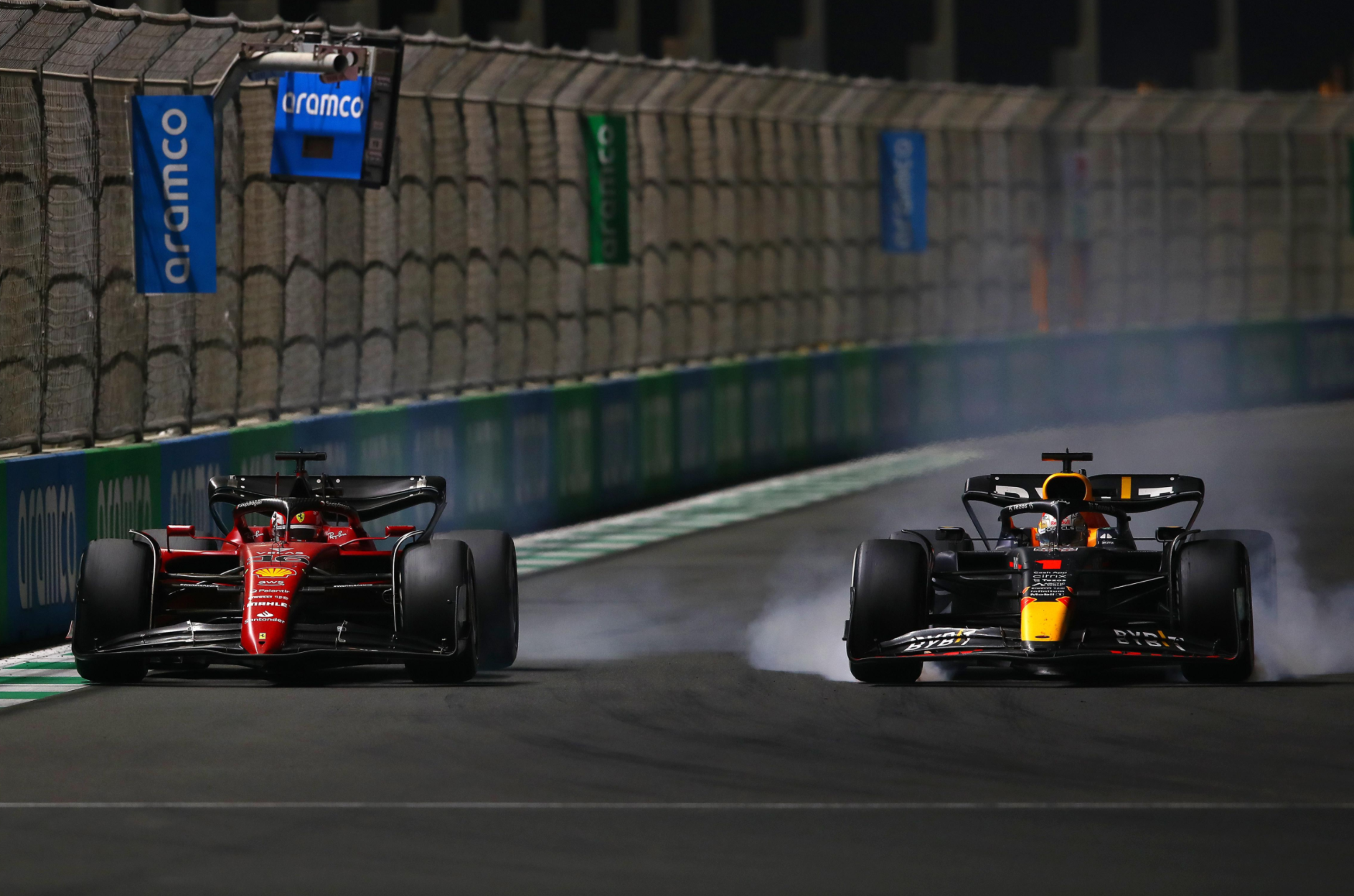
Another battle revolving around the strangely placed DRS zone before Jeddah Corniche Circuit’s final corner produced what could become an iconic photo as both drivers locked up whilst trying not to cross the detection line first.
This time, happily, there was no contact made and we avoided another brake-test-gate like in 2021.
Verstappen eventually found his way into the lead with just four laps remaining in what was probably the marginally quicker car over the course of the weekend, but was actually fortunate to be the leading Red Bull.
Pérez had finally taken his first ever pole position on Saturday – at the 215th time of asking – and was leading the race until he was scuppered by a poorly timed Safety Car.
Although the on-track action was largely entertaining, this was not a good weekend for Formula 1, and on a personal note, undid a lot of the work the race in Sakhir had done in rebuilding my faith in the sport.
Putting aside the questions about whether F1 should be in Saudi Arabia at all, there were plenty more questions to be raised.
The ‘world’s fastest street circuit’ produced a horrible crash for Mick Schumacher. Luckily, the young German escaped mostly unharmed, but the incident solidified the feeling of many that the track is not truly fit for racing.
The fastest street circuit tag was simply a USP for the Saudi Arabian owners, and there is a reason that F1 cars had not previously been forced to fly through 300 km/h+ sections of consecutive blind corners at any point in its 70-year history.
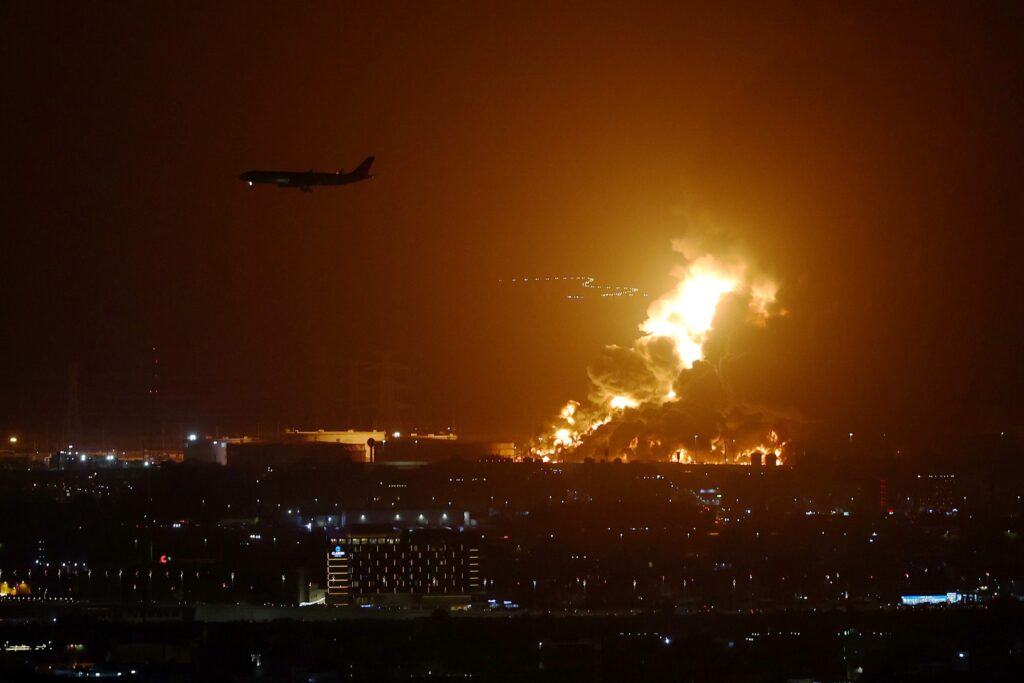
And, of course, there was also the missile attack on the Aramco oil plant just 10 kilometres from the circuit.
The drivers were clearly not okay with racing, and held talks with the various bigwigs deep into the early hours of Saturday morning before eventually agreeing to race.
Paddock rumours swirled about drivers and teams being forced to race, with the threat of ‘having a difficult time leaving the country’ if they did not.
Whether or not there was any truth to them, one thing is clear – the race should not have happened.
The irony of pushing on with the weekend in what was an effective warzone mere days after the Russian Grand Prix was cancelled and the drivers had held up ‘no war’ signs in Bahrain was obvious to all and uncomfortable to behold.
Moving onto Melbourne
A fortnight or so later, Formula 1 finally returned Down Under.
At the track where everything fell apart in March 2020, and at a time when the world appears to be moving past COVID, it felt like things had come full circle.
In terms of the F1 season, things also felt somewhat cyclical.
After a – this time very brief – battle with Verstappen, Leclerc dominated the race, if not the weekend, achieving his first ever grand chelem.
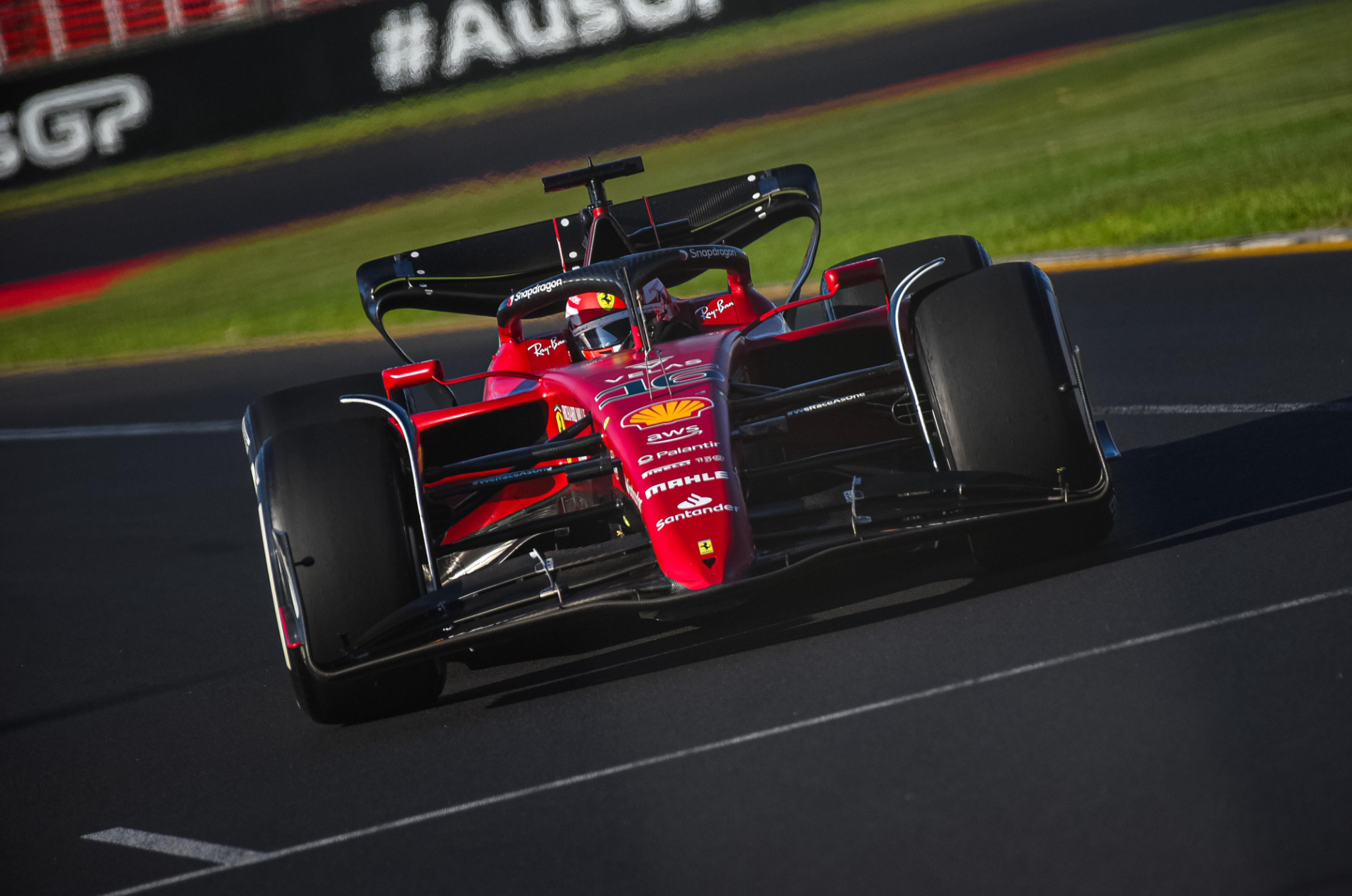
He also extended his lead in the drivers’ standings to a mammoth 34 points as Red Bull suffered more reliability trouble and Verstappen had to pull over with a fuel leak.
The 46-point gap between the Dutchman and the Monegasque is far more than anything Hamilton or Verstappen had to overcome at any point during their battle last year, and it feels like the championship battle we all expected is already slipping away.
Of course, there are still 19 or 20 rounds to go and plenty of twists and turns to come.
Mercedes could well solve their problems and return to the battle at the front; there appears to be a lot of potential within the car.
McLaren also showed huge signs of improvement in Melbourne after a painful start to the season and Alpine have been hinting at a challenge at times.
With so much scope for development at this early stage of the new regulations, the playing field has the potential to change dramatically from race to race.
So, who knows? We could yet even end up with a four- or five-team fight at certain grands prix.
A guy can dream… And after the 2021 Abu Dhabi Grand Prix, an optimistic outlook at F1 is pretty much crucial for this writer.