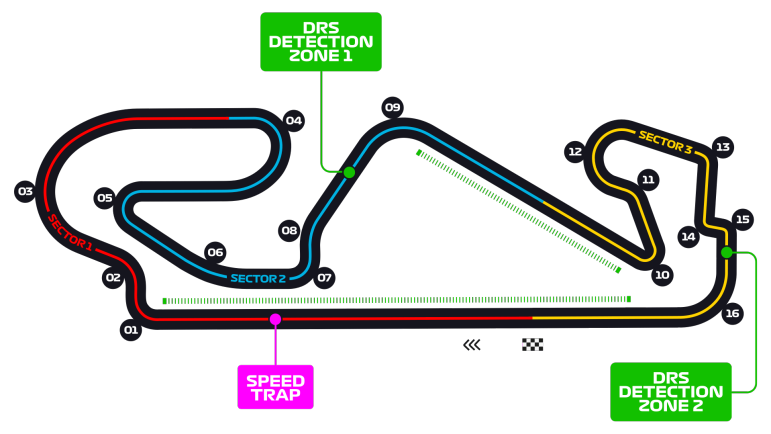
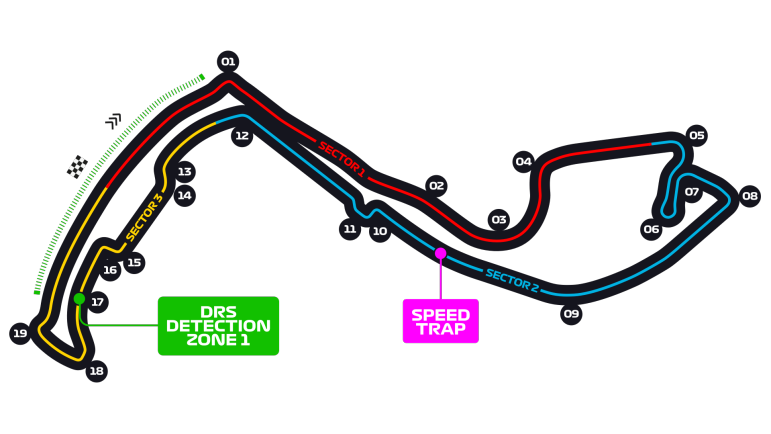
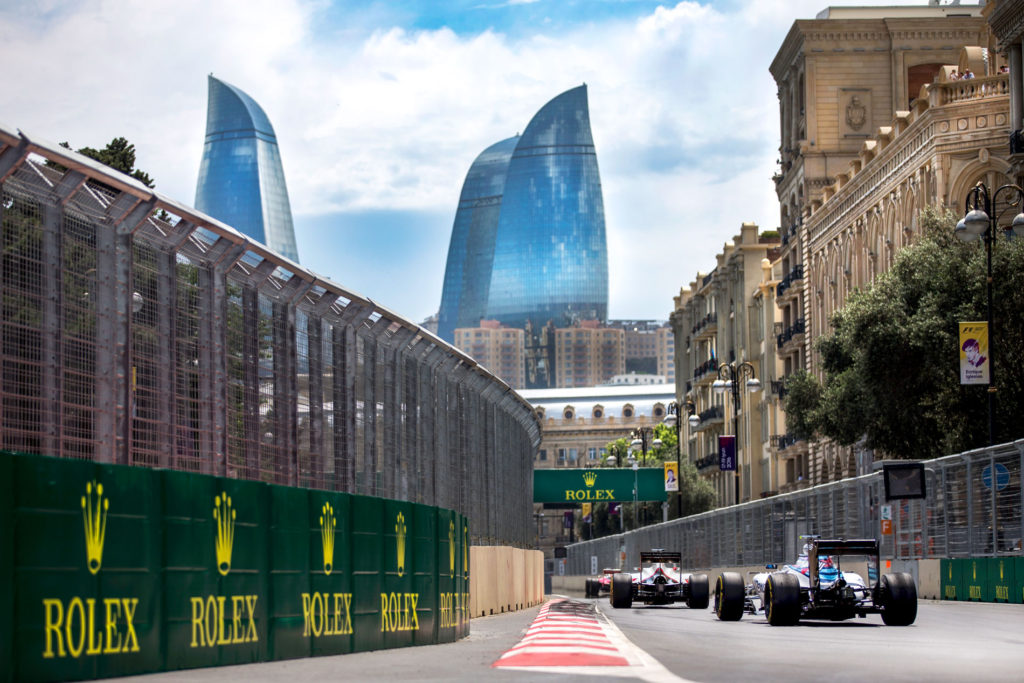
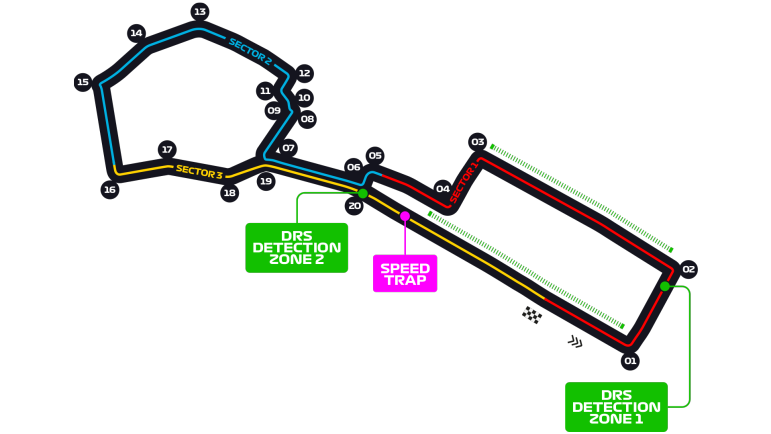
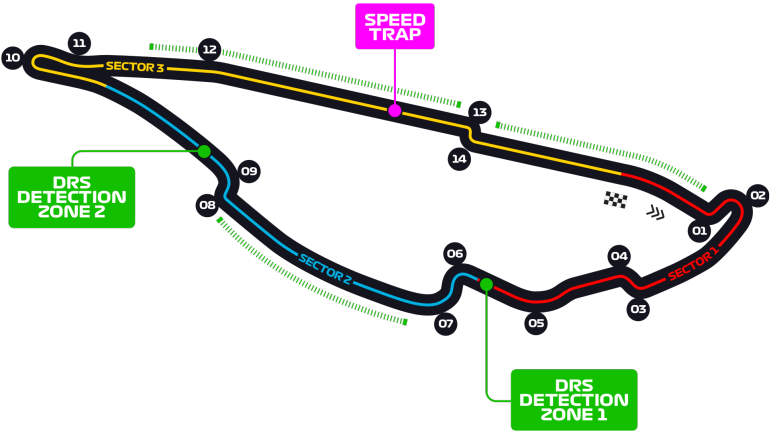
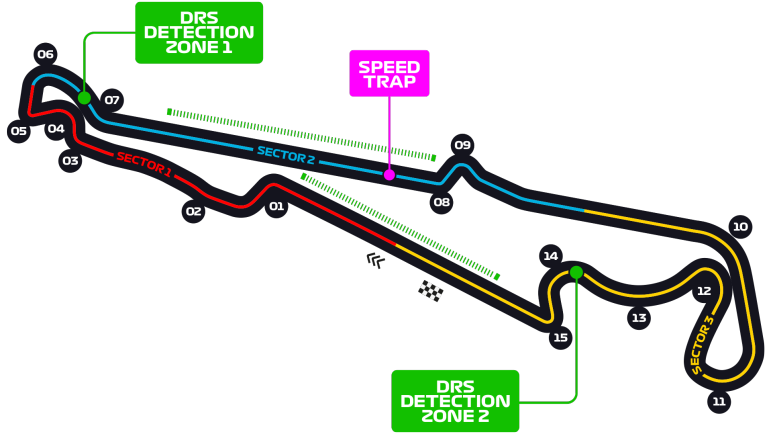
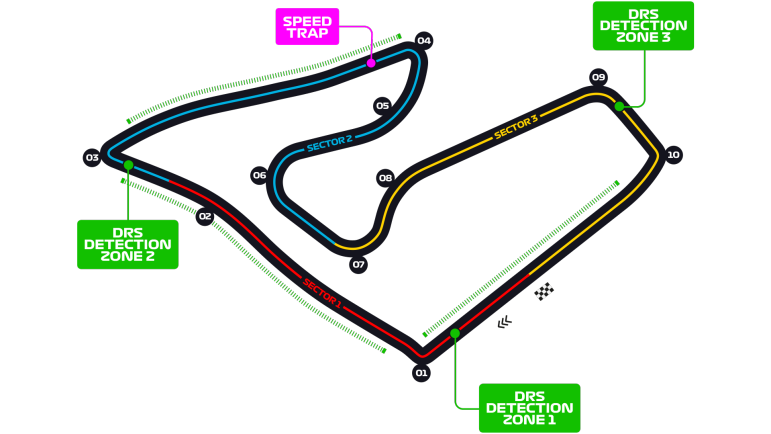
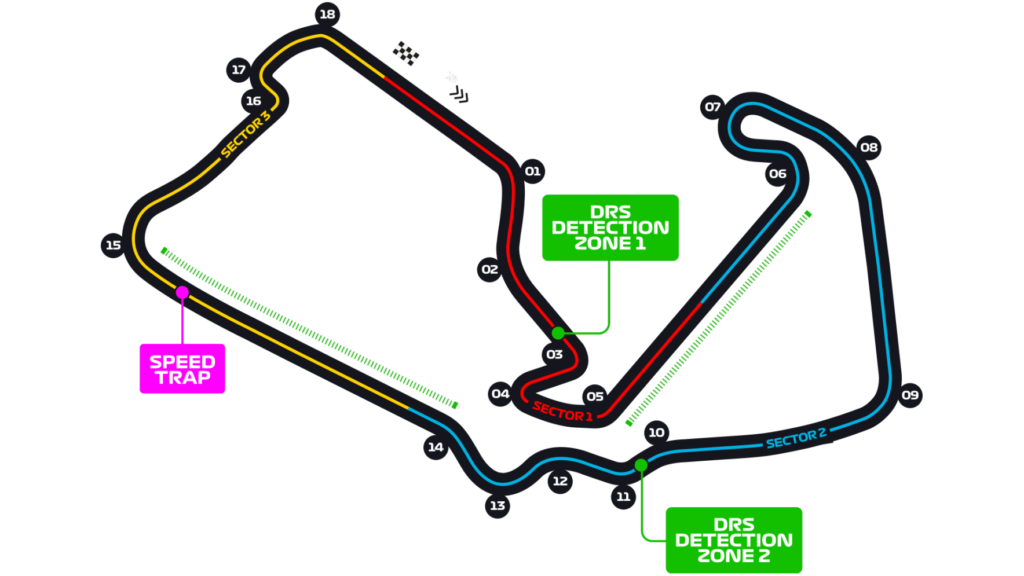
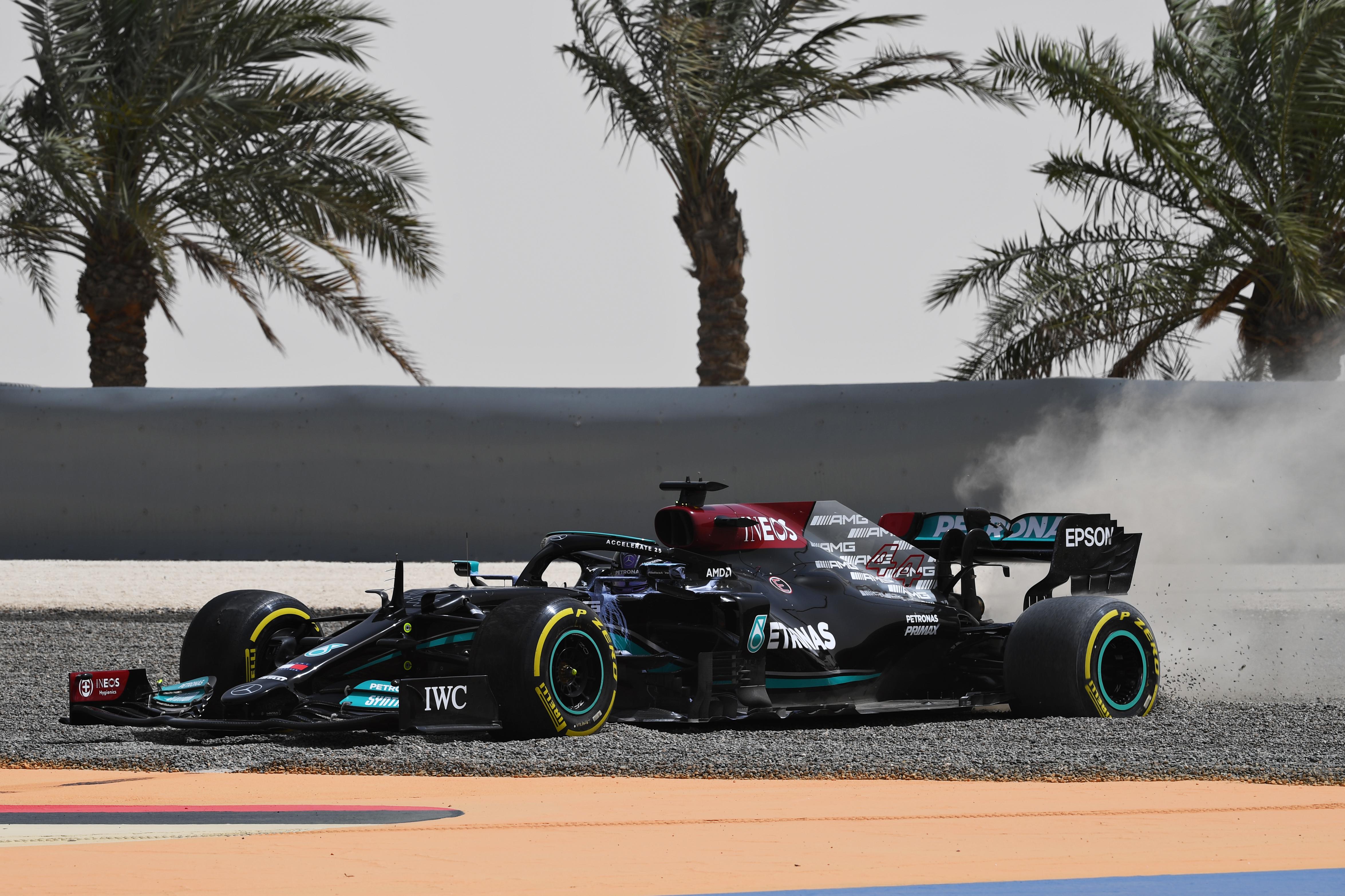
Lewis Hamilton | “You can see that Red Bull currently are ahead and we are the hunters. I think we like that position. I like it. That’s what I started out with back when I was racing karts at Rye House. It’s nothing new for me and it’s definitely exciting.”
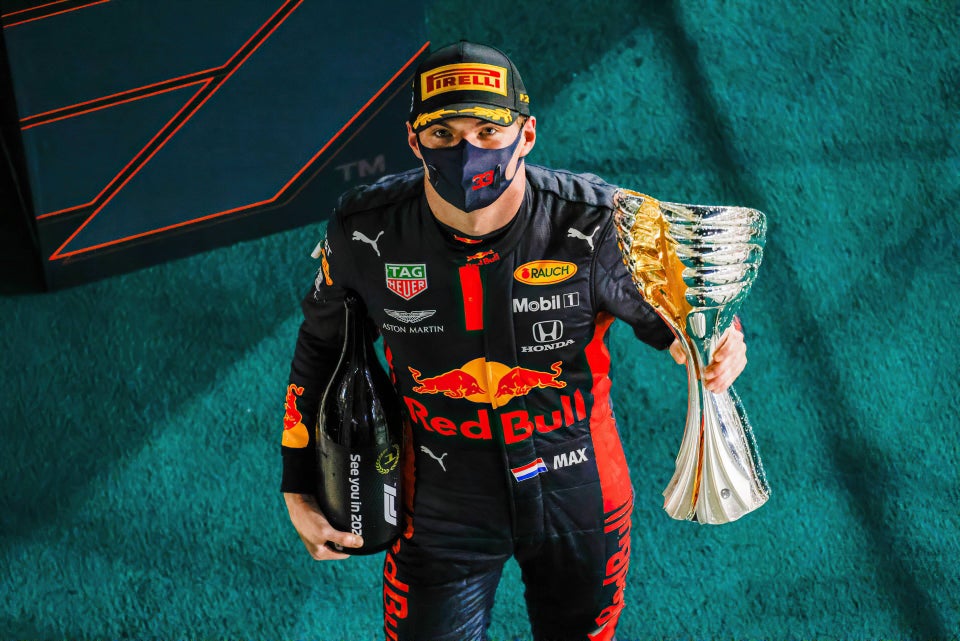
Max Verstappen | “They are very close even if they don’t say it. [Bahrain] is definitely an opportunity missed, but if we have the fastest car it won’t matter because we have 22 races to finish in front of them.”
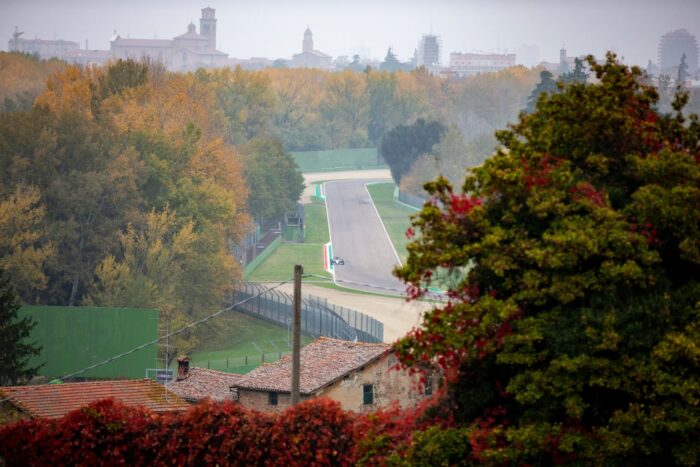
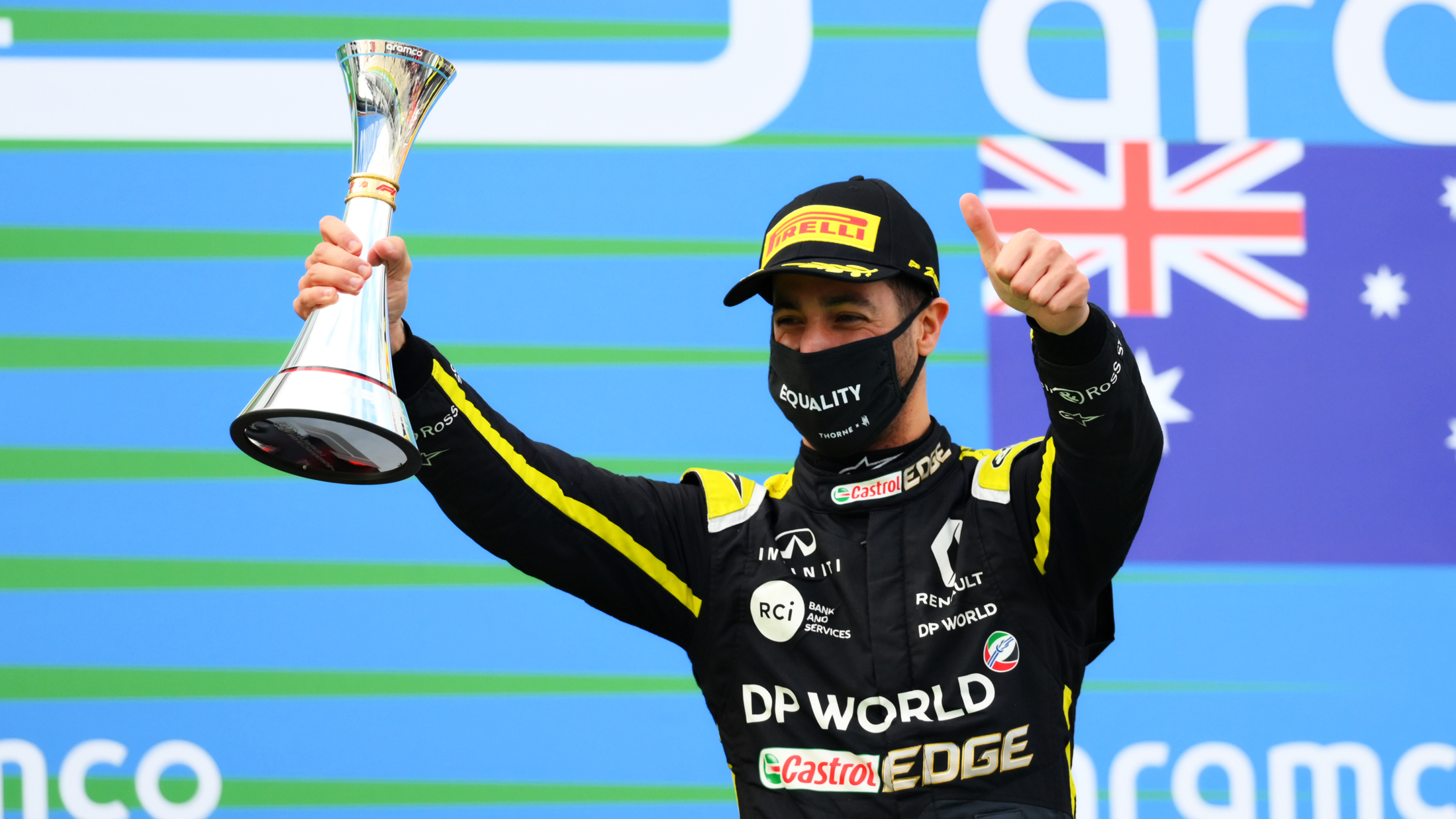
Daniel Ricciardo | “Such a fun circuit. It’s so fast. I think last year was my favourite qualifying lap of the year. It’s awesome.”
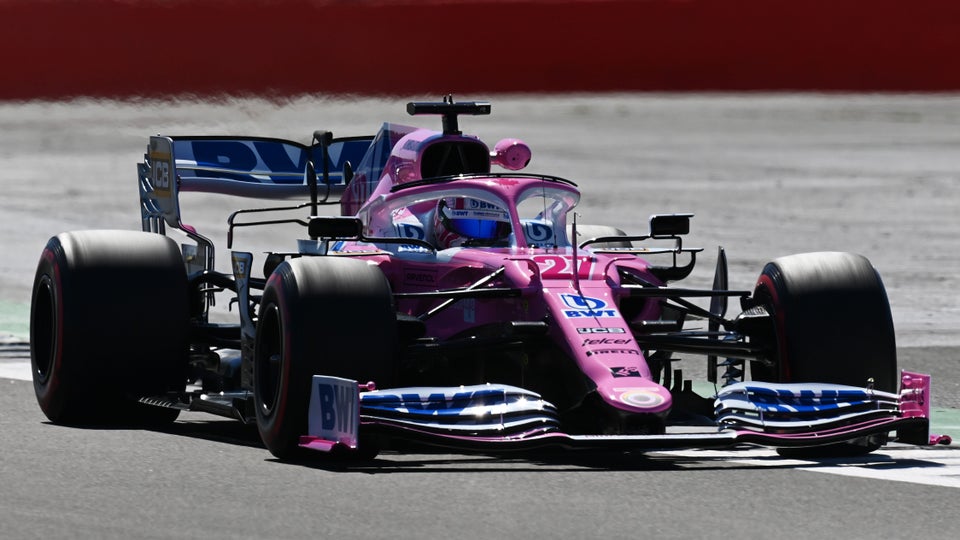
George Russell | “I made what is probably the biggest mistake of my career at Imola in 2020 when crashing under the safety car. It’s a track where, if you make a mistake, you’re out. But that’s what racing should be about! I’ll look to try and rectify my mistake from last year with a good result this weekend.”
Last weekend saw the inaugural event of a brand new racing series. And it´s one worth taking note of.
Image credit: LAT Images
Not only does Extreme E spread an important message via an exhilarating format, but it also features some familiar names to fans of F1. Firstly, there is Jenson Button driving for and managing his own team – JBXE.
There are further F1 connections in former driver Stéphane Sarrazin, Zak Brown working as Team Principal for the Andretti United team, Carlos Sainz Sr and both Adrian Newey and Jean-Eric Vergne working for the Veloce Racing team, who have British W Series champion Jamie Chadwick behind the wheel.
Most importantly, however, it would appear that my time machine works and it is 2014 again…as Lewis Hamilton and Nico Rosberg are battling it out at the front.
Okay, they’re not driving, but it is the respective teams of the Mercedes friends-turned-foes that largely battled for supremacy in the opening X-Prix. Hamilton’s X44 team took pole position on Saturday after a time penalty for Rosberg’s RXR (Rosberg X Racing). But it was the German team that triumphed on race day with X44 eventually having to settle for third behind Andretti United.
So, How Does It Work?
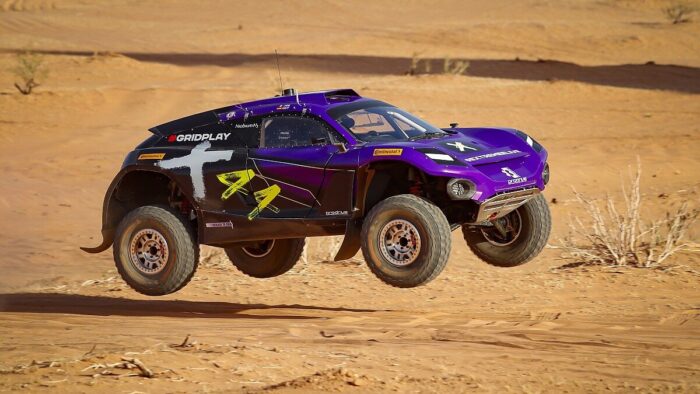
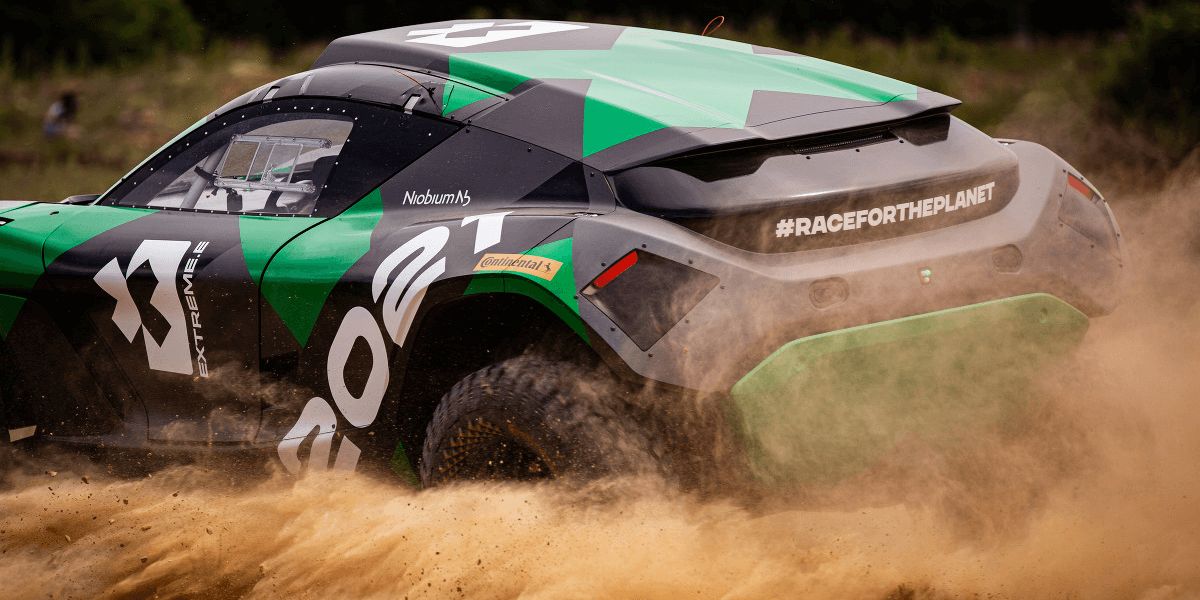
Every team uses the same all-electric Spark ODYSSEY 21 car, which utilises a 400kW battery designed by the Williams team and a McLaren drivetrain. It’s pretty nippy – producing 550 bhp and getting from 0-100kph in 4.5 seconds – and designed to be absolutely all-terrain.
Image credit: Extreme E
There are nine teams, each with one male and female driver. Along with the aforementioned F1 connections, there is plenty of royalty from other major forms of motorsport. Sébastian Loeb – who won nine straight titles between 2004 and 2012 – represents the WRC. And rallycross is represented mainly by the Swedish trio of Johan Kristoffersson, Timmy Hansen and Mattias Ekström, who between them have won the last five world titles.
All the action takes place over two days. On Saturday the teams do two qualifying runs of the course, with the male and female driver each driving a lap with a changeover – known as ‘The Switch’ – in between. The aggregate times produce an order.
From that order, the fastest three teams will go through to the first semi-final race on Sunday, the middle three teams battle it out in another semi dubbed the ‘Crazy Race’ and the slowest three teams will race in ‘The Shootout’. From that first semi, the top two finishers progress through to the final, joined by the winner of the Crazy Race. In the final, quite simply the winner of the race is crowned the X-Prix winner.
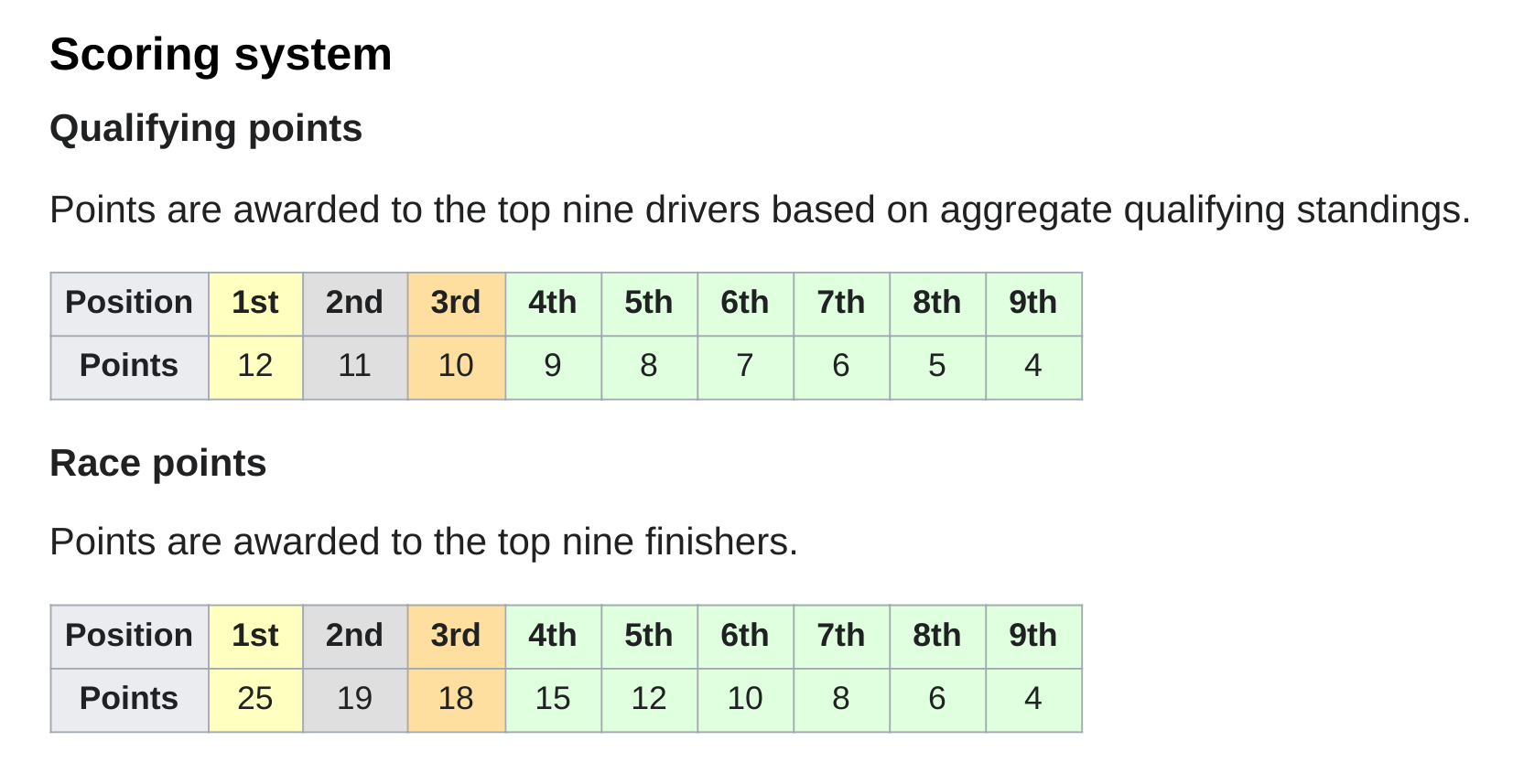
Points are awarded for both qualifying and the race, like so:
There are other unique features to spice up the racing yet further, such as ‘Hyperdrive’: whoever performs the longest jump on the first jump of each race is awarded an additional boost of speed and receives a bonus championship point.
What Does the Calendar Look Like?
There are five different venues for the inaugural season, each in a different remote location and themed around a related environmental issue. The season-opening Desert X-Prix took place in Al-‘Ula, Saudi Arabia, in support of the Great Green Wall Initiative and Red Sea turtle conservation.
The next stop will be Lac Rose in Senegal in late May for the Ocean X-Prix, where Extreme E is teaming up with local NGO Oceanium to plant one million mangrove trees in Senegal and aims to raise awareness regarding ocean crises. That is followed by a three-month gap before round 3 in Greenland, on the retreating Russell Glacier near Kangerlussuaq for the Arctic X-Prix.
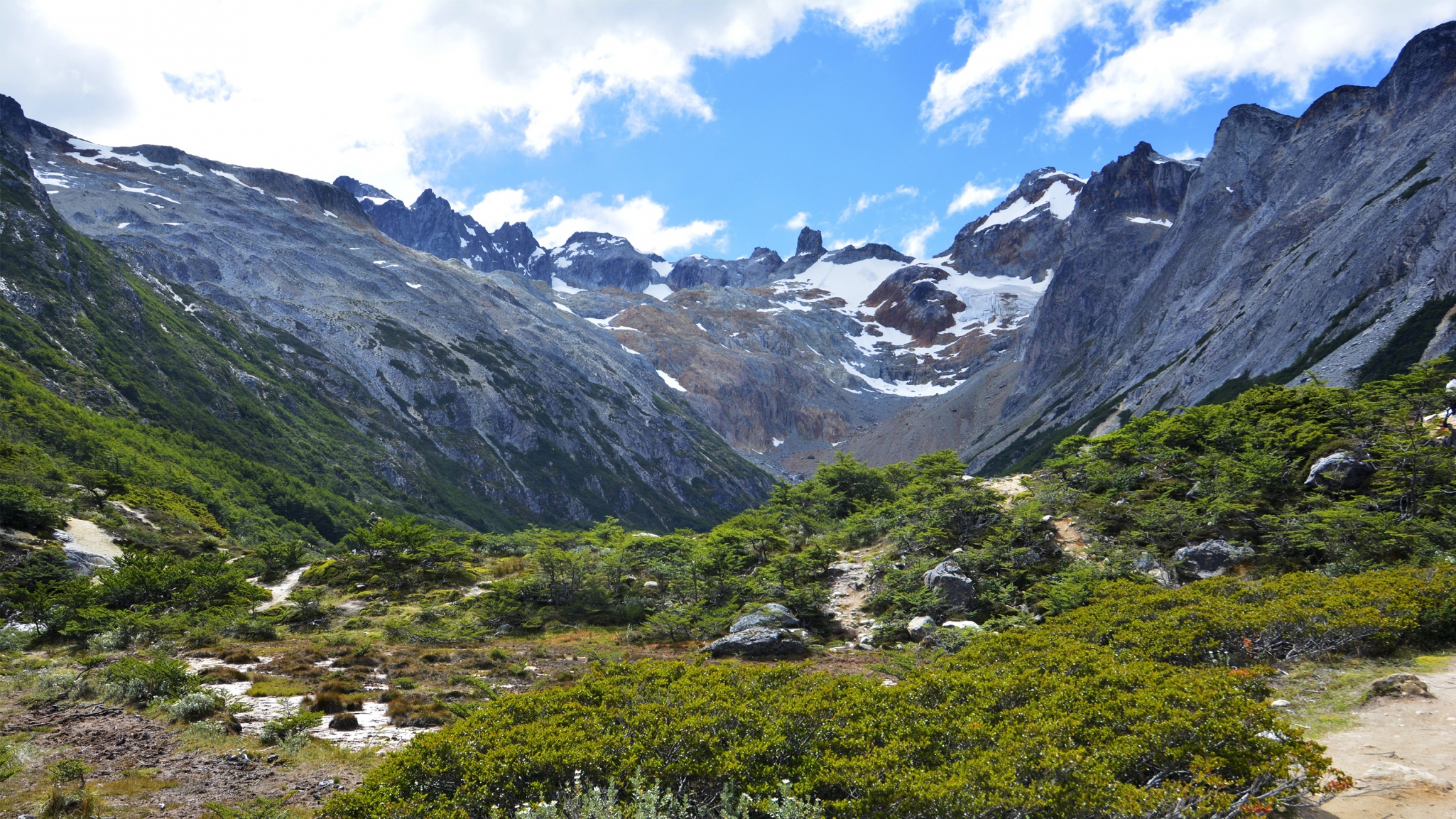
The series then heads south – which it’s hard not to do from Greenland… – first to Santarém in the Pará region of Brazil for the Amazon X-Prix in October, working with The Nature Conservancy to protect and replant an area with agroforest which will provide crops that can be harvested by locals. And then finally to the Tierra del Fuego in Argentina for the finale – the Glacier X-Prix in mid-December.
Image credit: Martin Gunter
Is It Really That ‘Green’, Though?
The series is obviously very focused on promoting sustainability and gender equality, but it also wants to make a tangible impact. There will be a ‘legacy programme’ for each event – many of which are mentioned above – which aims to leave the venue in a better situation than before Extreme E visited.
A feature called ‘Gridplay’ allows fans to vote for their favourite driver to gain grid advantage – the team who receives the most votes can select its grid position for the final if they are in it – and each vote includes a micro-payment towards the legacy programme.
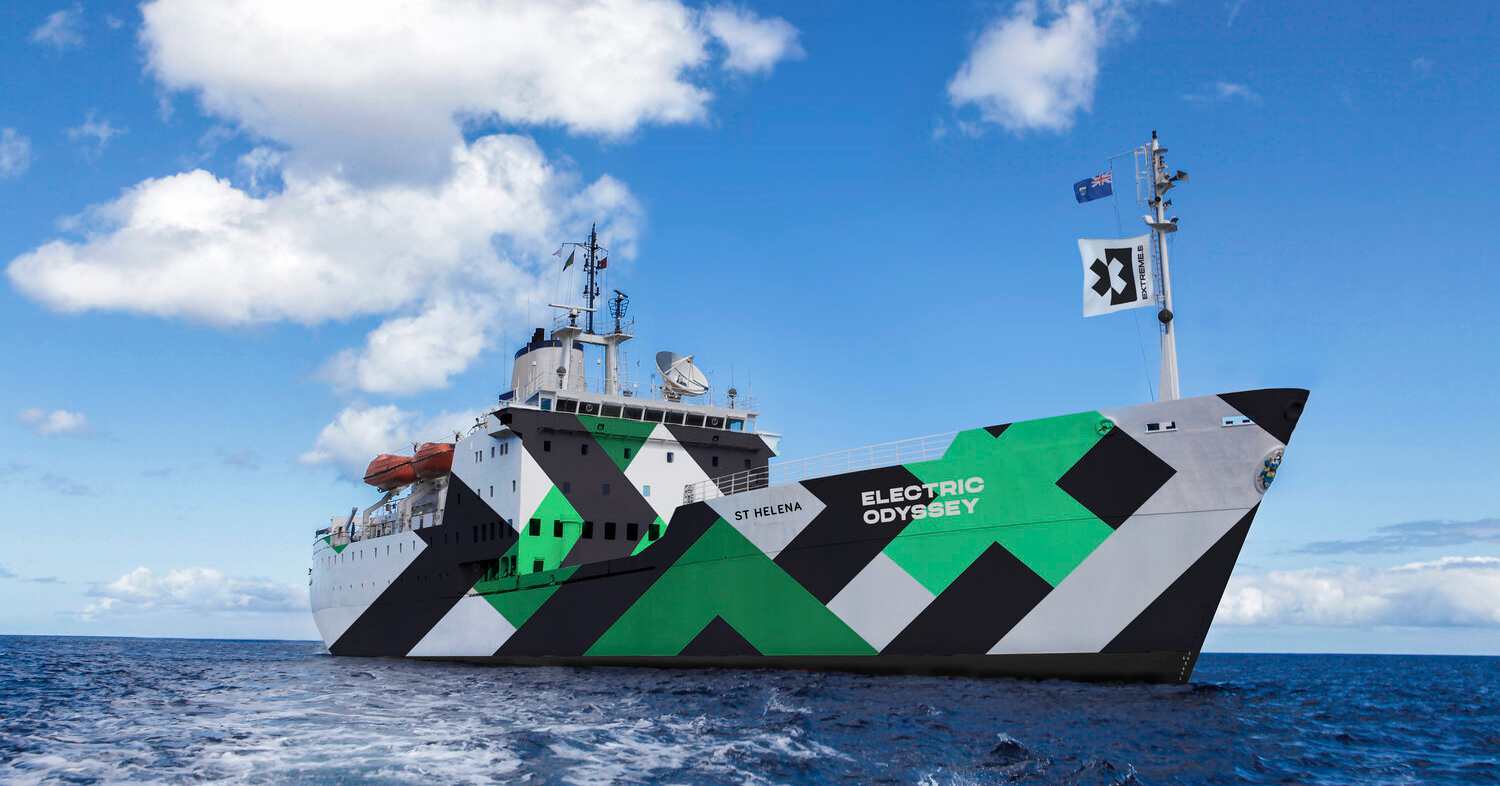
Extreme E is also, of course, very aware of its own carbon footprint. Thus, there will be no fans in attendance at the races and, more importantly, the RMS St. Helena will form an effective floating operations hub for the entire season.
It is a former Royal Mail passenger-cargo vessel which has undergone an extensive refit and will carry the cars and all other equipment required to each location. It will also house laboratories for scientists to carry out invaluable research on climate change and features chairs made from recycled plastic bottles.
Image credit: Extreme E
To keep things as low-carbon as possible, the cars’ batteries are charged by hydrogen fuel cells. This innovative idea from British company AFC Energy uses water and sun to generate hydrogen power. Not only will this process emit no greenhouse emissions, but its only by-product will be water, which will be utilised elsewhere on-site.
The logistics choice of sea rather than sky reduces their carbon footprint by at least two thirds and you have to say that they have left no stone unturned in their quest to be as green as possible.
To quote a great man: catching is one thing, passing is quite another.
Image credit: Getty Images
If the Bahrain Grand Prix is anything to go by, 2021 could be the year when F1 fans finally get to see the no-holds-barred fight between Lewis Hamilton and Max Verstappen that they have been craving for years.
It was largely expected that this season would prove to be another tale of Mercedes dominance; one more efficient stroll to an eighth consecutive title double. But those expectations have gradually dissipated over the last few weeks. Pre-season testing may always boil down to rumours, sandbags and cloak-and-dagger lap times but, by the end of the truncated three-day meeting, there was a growing consensus that Red Bull may actually have the fastest car.
And so it proved to be, as Verstappen claimed pole position by nearly four tenths on Saturday, with Hamilton claiming he “gave it everything”. It was Red Bull‘s race to lose – but lose it, they did.
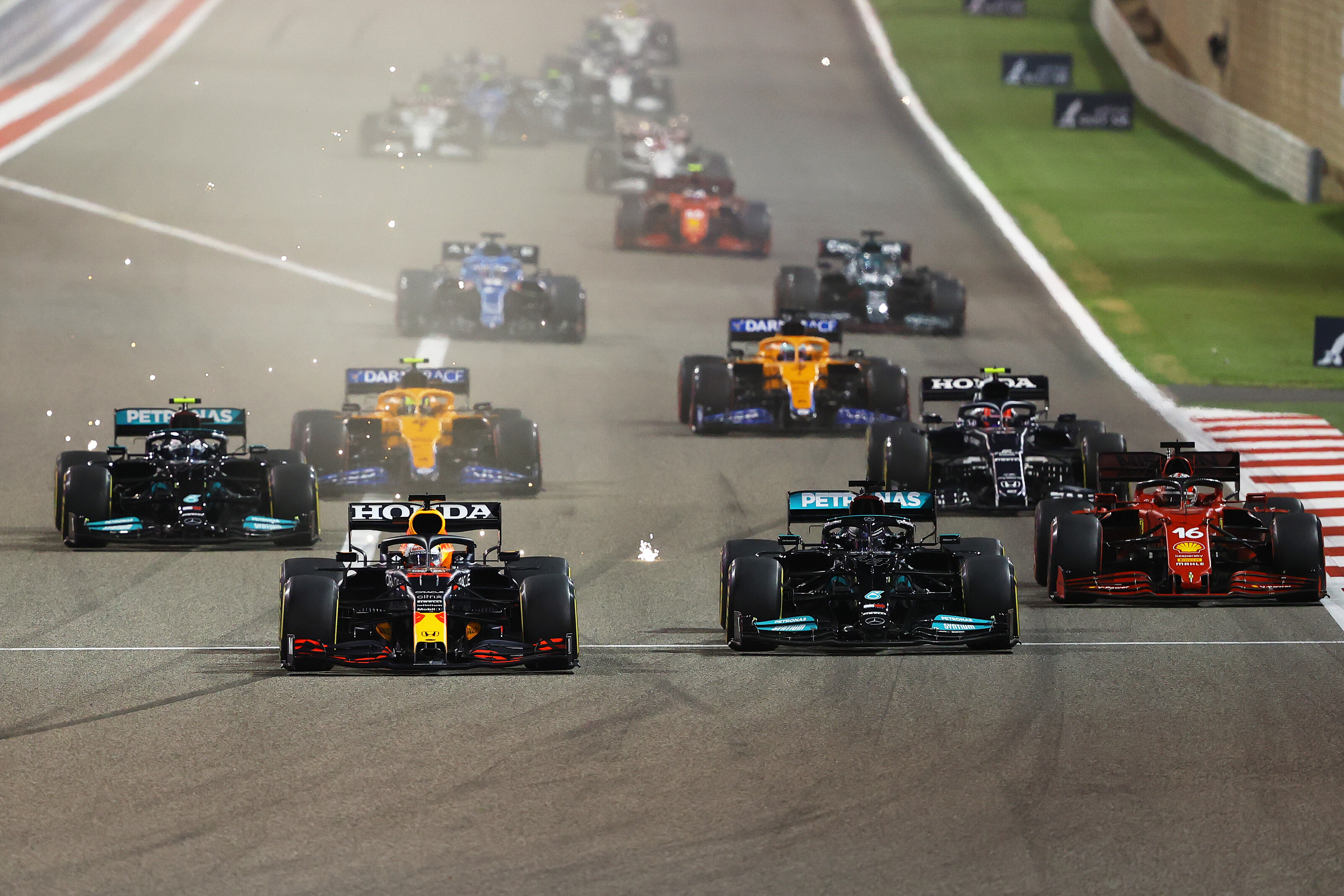
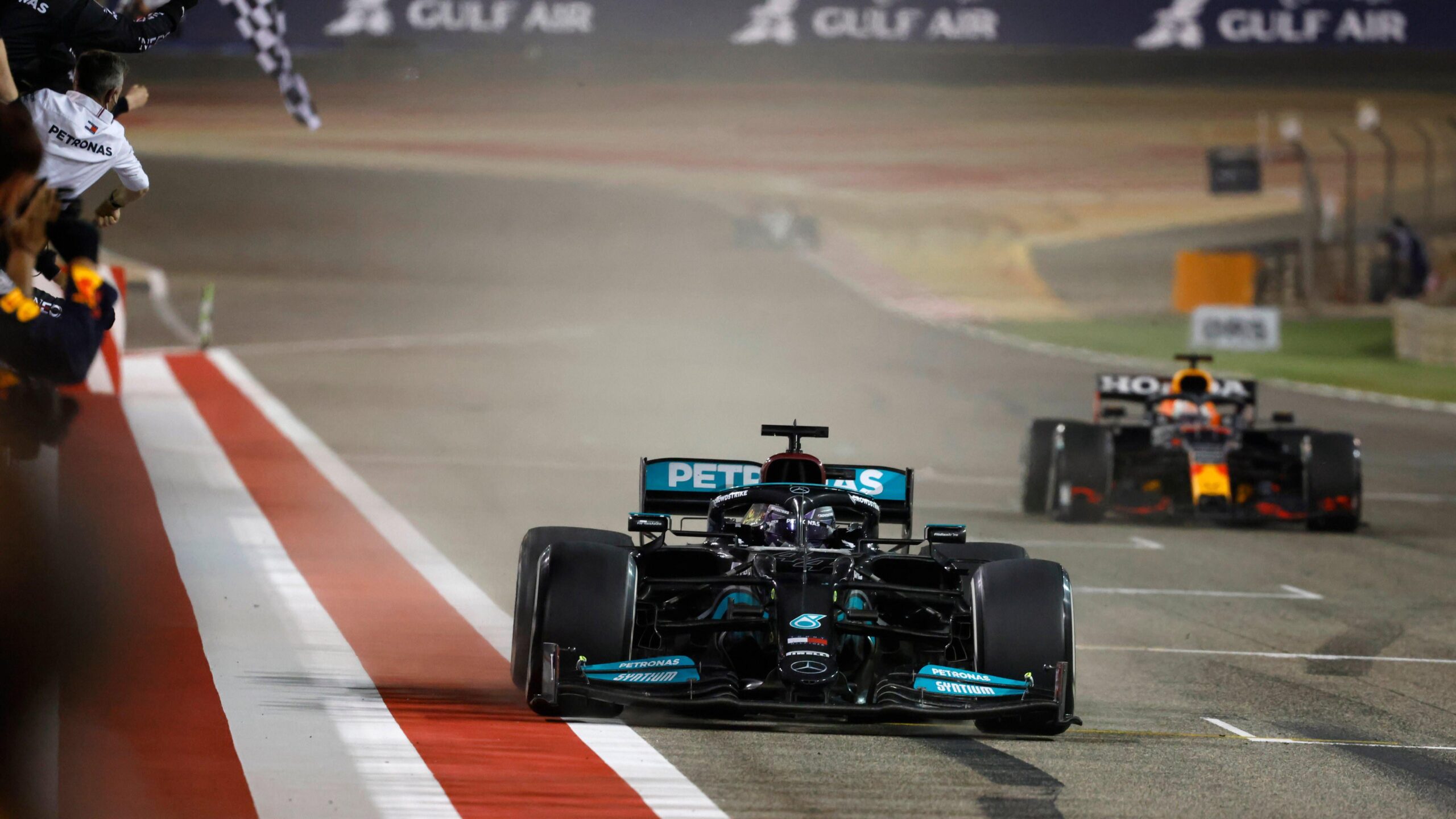
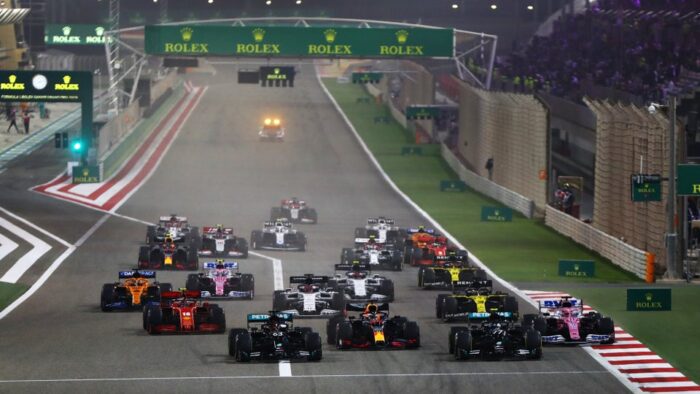
Both leading drivers got away well and the first stint was something of a stalemate. Crucially, though, Hamilton was able to remain within two seconds of the Red Bull and could therefore undercut the Dutchman when his pit window opened on lap 13. That gained the World Champion the lead and he – just about – kept it to the end.
Image credit: Getty Images
Verstappen still appeared the more likely victor as he closed the Mercedes down with a set of tyres that were 10 laps fresher. The gap reduced steadily to the point that, when Hamilton ran wide on lap 51, Verstappen was straight into the DRS window. And, sure enough, the Red Bull was ahead a couple of laps later. However, not legally, as he had passed Hamilton whilst off the circuit.
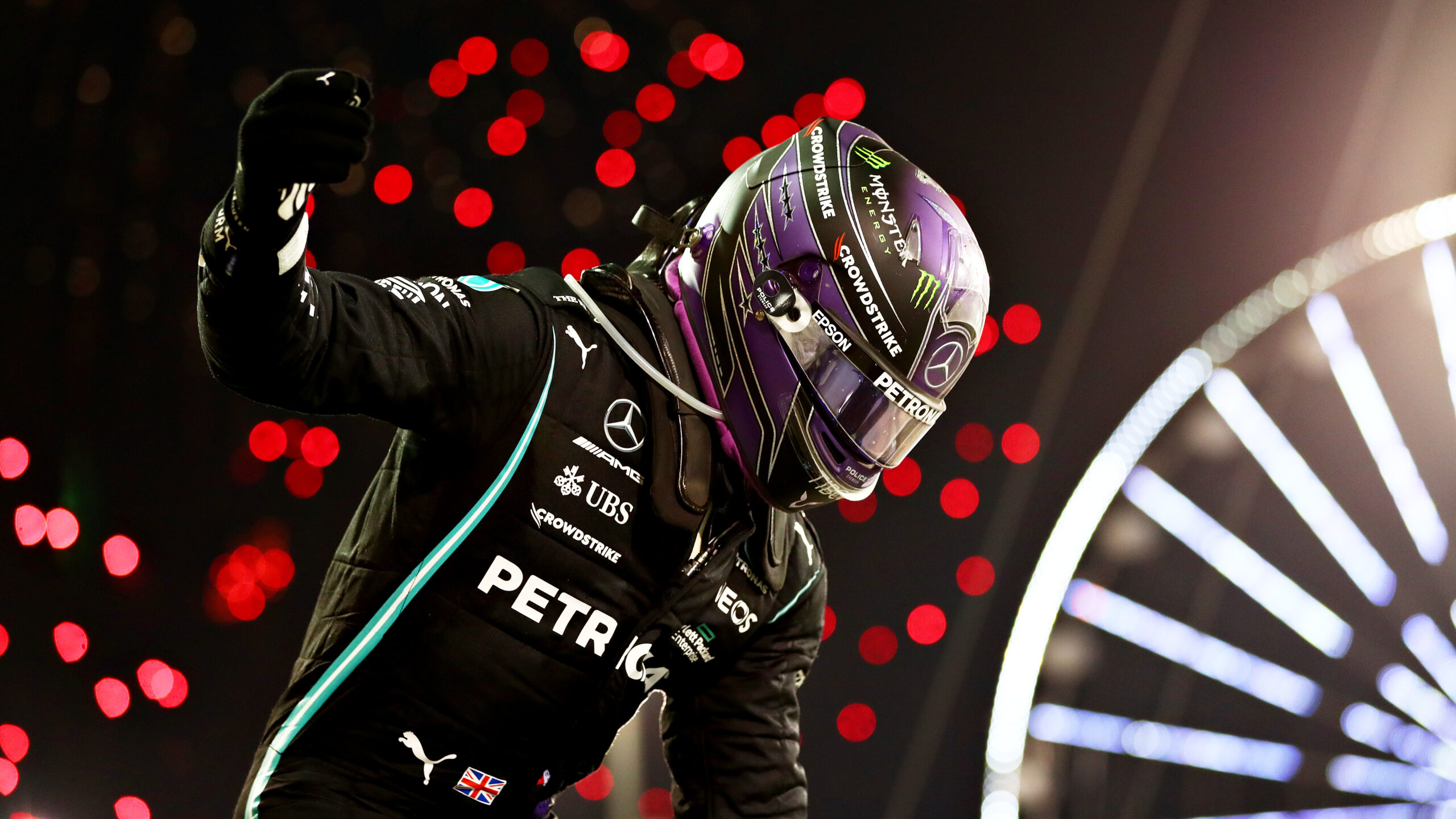
Going around the outside at Turn 4, Verstappen had a snap of oversteer which took him wide and his team immediately informed him to allow Hamilton back past. That would prove to be his best chance, as his tyres overheated following the Mercedes and his advantage was significantly reduced. The frustrated Dutchman gave it his all over the remaining three laps but ultimately had to watch as Hamilton took the chequered flag, ending a gripping battle of strategy and racecraft.
There has been some controversy regarding the track limits. Not really with the decision for Verstappen to give up the place – the drivers know you can’t complete a pass off the track. But that temporary overtake ironically came at the corner where the Mercedes drivers were told to stop ‘extending’. So, the question has revolved around what constitutes a ‘lasting advantage’. As ever, the stewards lacked consistency and, having initially told the drivers there would be no issue with track limits at Turn 4, changed their minds and sent Mercedes a warning halfway through the race. The pundits and fans have said it numerous times, but surely grass run-offs are the easiest way to clear up this issue…
How Mercedes Won the Battle
For once, this was a Mercedes team acting as the hunter rather than the hunted. We have grown so accustomed to the Silver Arrows leading from the front in the hybrid era that this felt like something of a novelty. And they proved that they are predictably good at it.
Image credit: LAT Images
It is usually Red Bull doing the chasing and making the aggressive strategy calls with Mercedes maintaining a conservative approach. This time, it was Hamilton who profited from a perfectly executed undercut. By the end of the following lap, Verstappen’s gap back to Hamilton was too small to get out ahead and, with Valtteri Bottas uncomfortably close behind, Red Bull were stuck between a rock and a hard place.
Red Bull’s second seat really is the Defence Against the Dark Arts professor of F1. And the curse didn’t hang about this year, as the latest victim – Sergio Pérez – ground to a halt on the formation lap. He was able to get moving again but had to start from the pit lane, which meant – as has usually been the case for the last two years – Red Bull were left to fight one-handed. Bottas pitted two laps after Hamilton and forced Red Bull to respond against another undercut; this prevented them from building the tyre offset they would have liked.
The second stops would likely have followed a similar pattern, but a painful, 10-second pit stop for Bottas meant Red Bull could leave their driver out this time and he was able to pit 10 laps later than the race leader. At this point, it was largely out of Mercedes’ hands. Fortunately for them, it was in the hands of Hamilton. And if there is one man on the grid who can keep his tyres alive whilst still pounding out respectable lap times then it is the seven-time world champion at their disposal.
It was another masterclass in tyre management. By rights, Verstappen should have been on his tail far sooner than lap 51. And, if he had been, the pass would likely have been more of a done deal. When he did catch up, the pair traded blows with the excellent car control and positioning you would expect. Under immense pressure, each made one slight mistake, but eventually it was Hamilton who held his nerve as the Red Bull breathed down his neck for the final three laps.
How Red Bull Have Started the War
Image credit: Honda Racing F1
They may have lost on the day, but Red Bull undoubtedly had the fastest car in Bahrain. So, how has that happened when we were all told repeatedly that so little was changing on the cars between 2020 and 2021?
Well, it would appear the regulation changes that did happen have affected the teams with low rake far more significantly than those with high rake. A large portion of the rear of the floor has effectively been chopped off over the winter in a bid to reduce downforce. The idea being to reduce speed and, thus, the strain on the overworked tyres in the wake of the multiple blow-outs experienced at last year’s British Grand Prix.
One of the greatest strengths for Mercedes was their rear downforce. And it would appear that the chunk removed has severely affected their rear stability. They have done an impressive job in the two weeks since the pre-season test to improve that and close the gap – which they believe was around 0.8 seconds – to Red Bull.
This theory is backed up by the other main losers in this regulation change – Aston Martin. The former Racing Point team infamously did their best to copy the Mercedes philosophy and appear to have been hit hard in the same area, but with less of an advantage to fall back on. They have seemingly gone from arguably the third best car last year to Lance Stroll fighting for a solitary point in Bahrain, whilst Sebastian Vettel had a debut to forget further back.
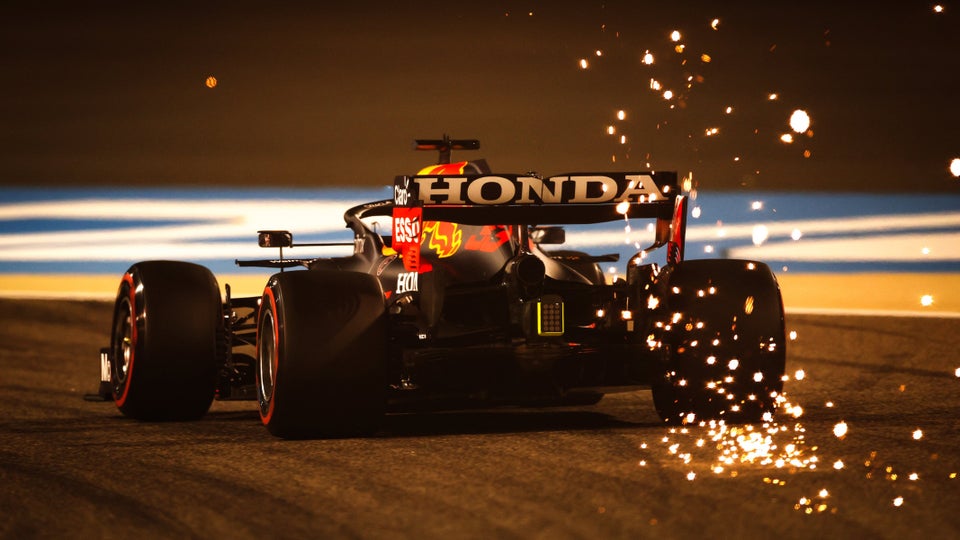
Honda have also given Red Bull a significant helping hand. The Japanese marque leaves the sport – again – at the end of the year, so rushed through its 2022 engine a year early and it would appear to be a masterpiece. This was also demonstrated by AlphaTauri‘s pace at the opening weekend.
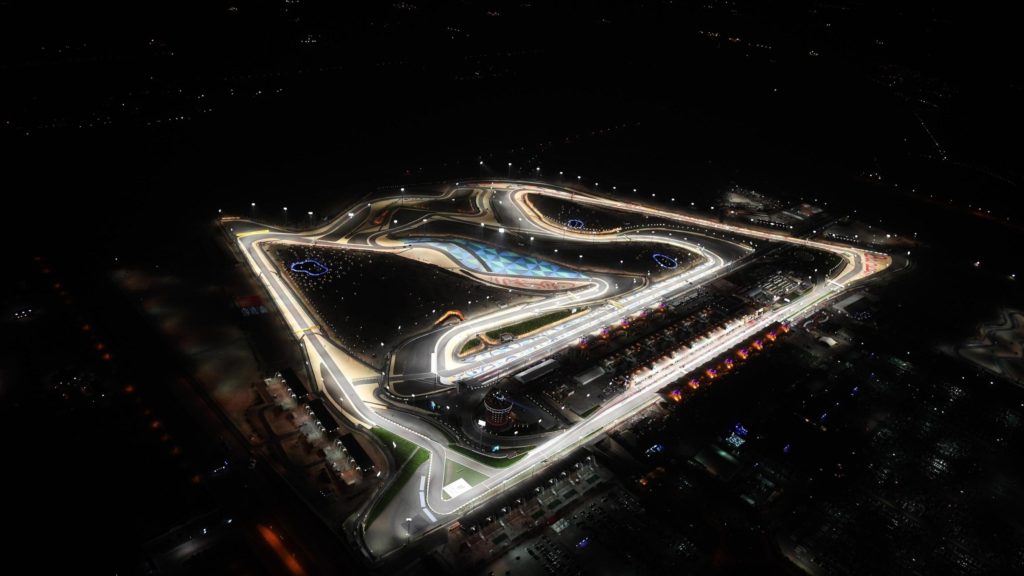
Time will tell who is truly the team to beat. Bahrain is a fairly unique circuit, located in a gusty desert, and there is now a three-week gap for teams to further refine their new machines. It would also not be a surprise to see some updates in time for the return to Imola – so let’s watch this space. Either way, it appears that we have a race on our hands.
What About the Rest?
Now, bear with me as I attempt to condense down a lot of information into a few paragraphs…
McLaren lived up to expectations, claiming ‘best of the rest’ thanks to an impressive fourth for Lando Norris and a solid debut for Daniel Ricciardo in seventh. Surprisingly, it is Ferrari who seem to be their biggest challengers currently.The Scuderia were pleasantly surprised by the performance of the much-improved SF21 and Charles Leclerc produced a signature qualifying lap for fourth on the grid. The red cars reached the chequered flag in sixth and eighth and, whilst you still couldn’t exactly call that success for a team like Ferrari, it is certainly a big step up from last year.
Pérez recovered impressively after his nightmare start to claim fifth place and remind those instantly writing him off what he can do on a Sunday. The experienced Mexican claimed Driver of the Day and will surely continue to improve as he gets better acquainted with the RB16B. Another contender for Driver of the Day was Yuki Tsunoda. The AlphaTauri rookie shocked the paddock by finishing Q1 in second, before making a mess of Q2 and starting down in 13th. But he produced a mature performance on Sunday and finished ninth to become the first Japanese rookie ever to score points on his debut.
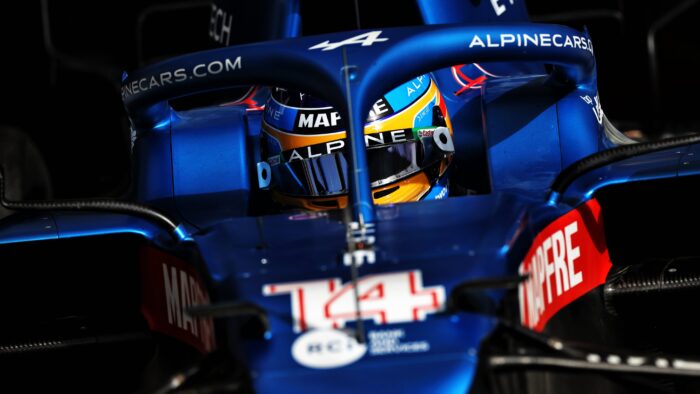
Aston Martin and Alpine appear to have dropped back from their positions – under different names – last year. Fernando Alonso briefly ran in the points on his return before retiring due to an unwanted sandwich wrapper. Meanwhile, the other multiple world champion in the midfield – Vettel – crashed into the back of Esteban Ocon to cap off a terrible first weekend in British racing green. That earned him two penalty points to add to the three he picked up for ignoring yellow flags on Saturday.
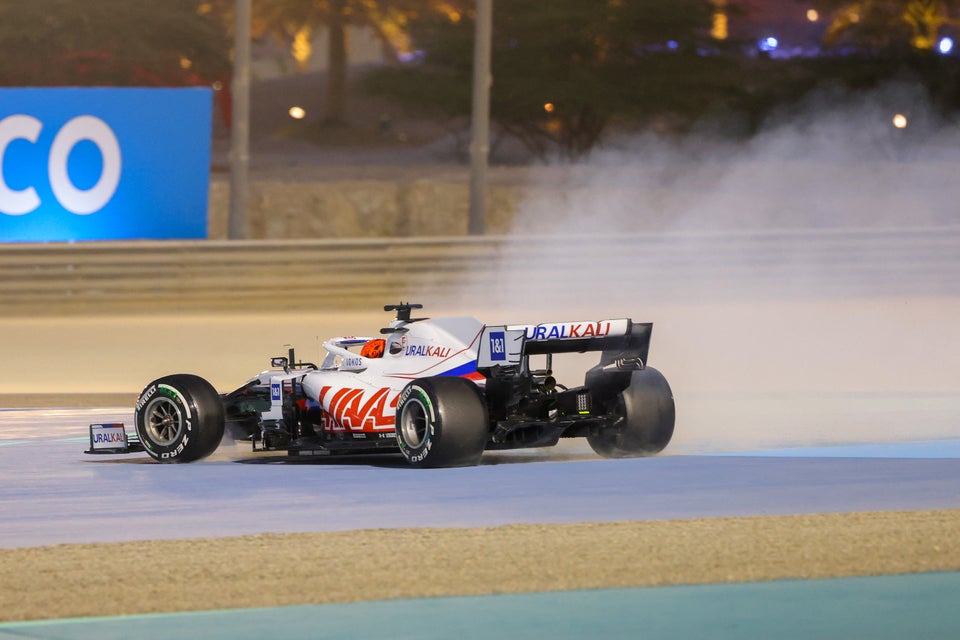
Alfa Romeo appear to have made progress but didn’t end up with anything to show for it, finishing just outside the points in 11th and 12th. Williams will be happy to at least no longer be propping up the field, as that honour now goes to the Haas team. The controversial Nikita Mazepin immediately earned himself a new nickname of Mazespin, with no fewer than five spins over the course of the weekend, the final one pitching him into the barriers three corners into his debut race.
Image credit: Getty Images
The Bahrain Grand Prix in 60 Seconds
Answering the Burning Questions
What is the pecking order? Who was holding the most back during testing? …See above.
Do Red Bull actually have the fastest car?! It’s close but, for now at least, it appears they do!
How will Sergio Pérez do in his first race for Red Bull? A tricky start but a trademark race performance.
How will Fernando Alonso fare on his return? Showed that he still has the speed…but does his car?
Have Ferrari made progress since last year? Yes, quite a lot!
What is the pecking order? Who was holding the most back during testing?
Do Red Bull actually have the fastest car?!
How will Sergio Pérez do in his first race for Red Bull?
How will Fernando Alonso fare on his return?
Have Ferrari made progress since last year?
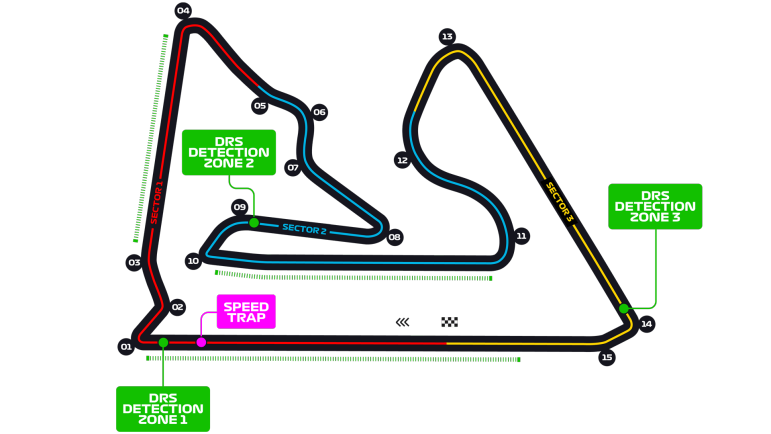
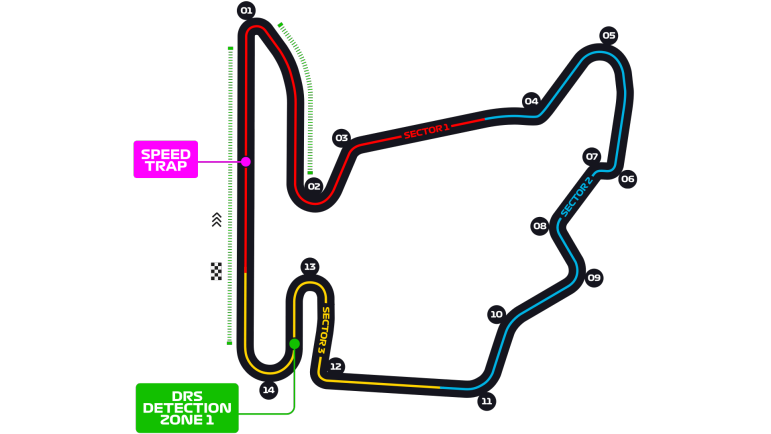
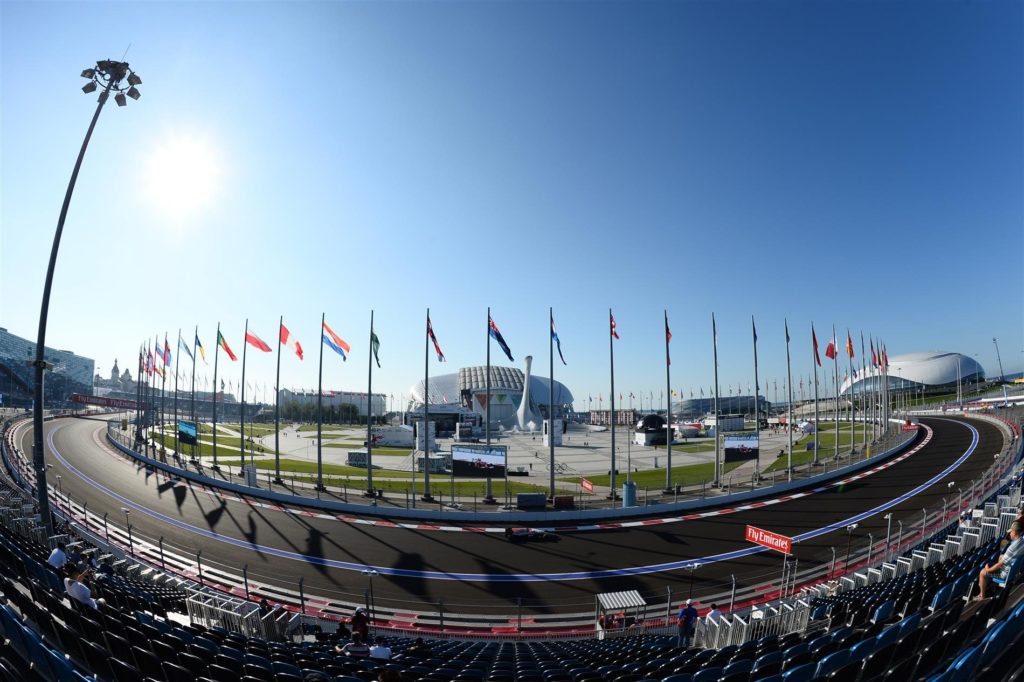
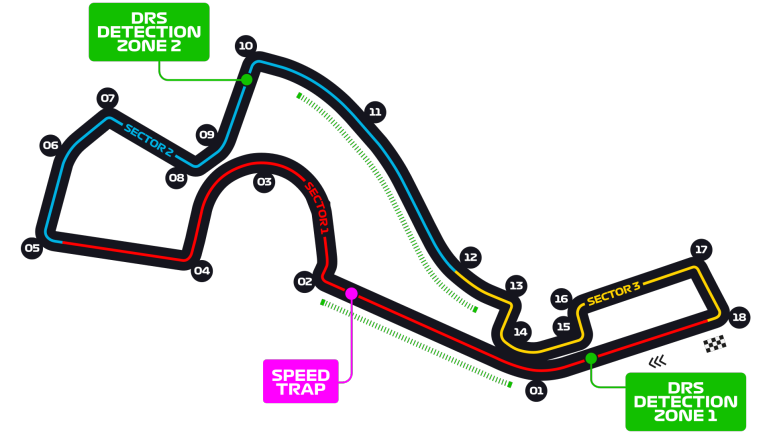
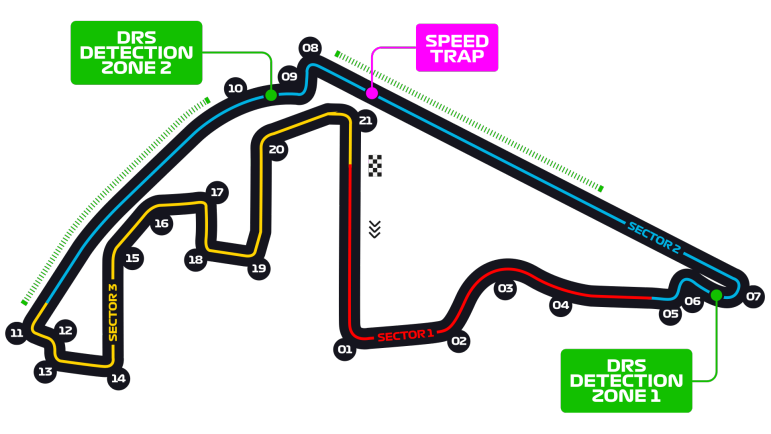
The Track
The Stats
Track Length: 5.412 km
Laps: 57
Race Distance: 308.238 km
Maximum Speed: 321 km/h
Lap Time at Full Throttle: 69%
First Grand Prix: 2004
Race Lap Record: Pedro de la Rosa | McLaren | 2005 | 1:31.447
Outright Lap Record: Lewis Hamilton | Mercedes | 2020 | 1:27.264
Most Driver Wins: Lewis Hamilton/Sebastian Vettel | 2014, 2015, 2019, 2020/2012, 2013, 2017, 2018
Most Constructor Wins: Ferrari | 2004, 2007, 2008, 2010, 2017, 2018
The Weather
The Quotes
Lewis Hamilton | “It’s massively exciting for us as a team. We’re not the fastest. How are we going to work to get to where we want to be? That challenge is so exciting.”
Max Verstappen | “I’m not downplaying anything, I’m just realistic. We don’t know what the others have done. We know what we have done but let’s see if it’s enough.”
Fernando Alonso | “My age is a big question but I am a little bit surprised by that. I am not that old. The guy who is dominating the sport is 36. I am not 20 years older.”
Mick Schumacher | “Thinking about it, it’s 30 years since my dad started his first race, and now I’m starting mine. The fact that I’m in Formula 1 and away to be racing – it feels so amazing.”
A budget cap of $145 million per year has been introduced
The floor of the cars will be ‘clipped’ in order to reduce downforce
Slots on the edge of the floor will be removed, brake duct winglets will be narrowed by 40 mm and diffuser fences will be narrowed by 50 mm to further reduce downforce
DAS has been banned
Teams will be required to allow a driver who has competed in fewer than two grands prix to replace one of their race drivers in a Friday practice session
Drivers using mixed compound sets or using sets allocated to another driver on their cars will be permitted to complete two laps before the driver must pit to correct the error before facing a penalty
Cars will be under parc fermé conditions following the end of free practice three instead of qualifying
All of Thursday’s events (media, promotions, scrutineering) will be moved to the Friday morning with the times between Friday’s activities being reduced
Will anyone be able to challenge him? Can Red Bull produce a car capable of doing so? Can Valtteri Bottas upgrade again to 4.0 or whatever model we’re up to?
Can Ferrari improve on their calamitous 2020 season and move back towards the front?
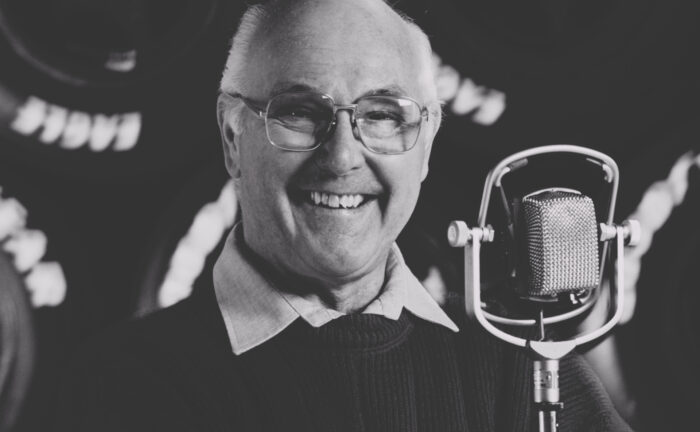
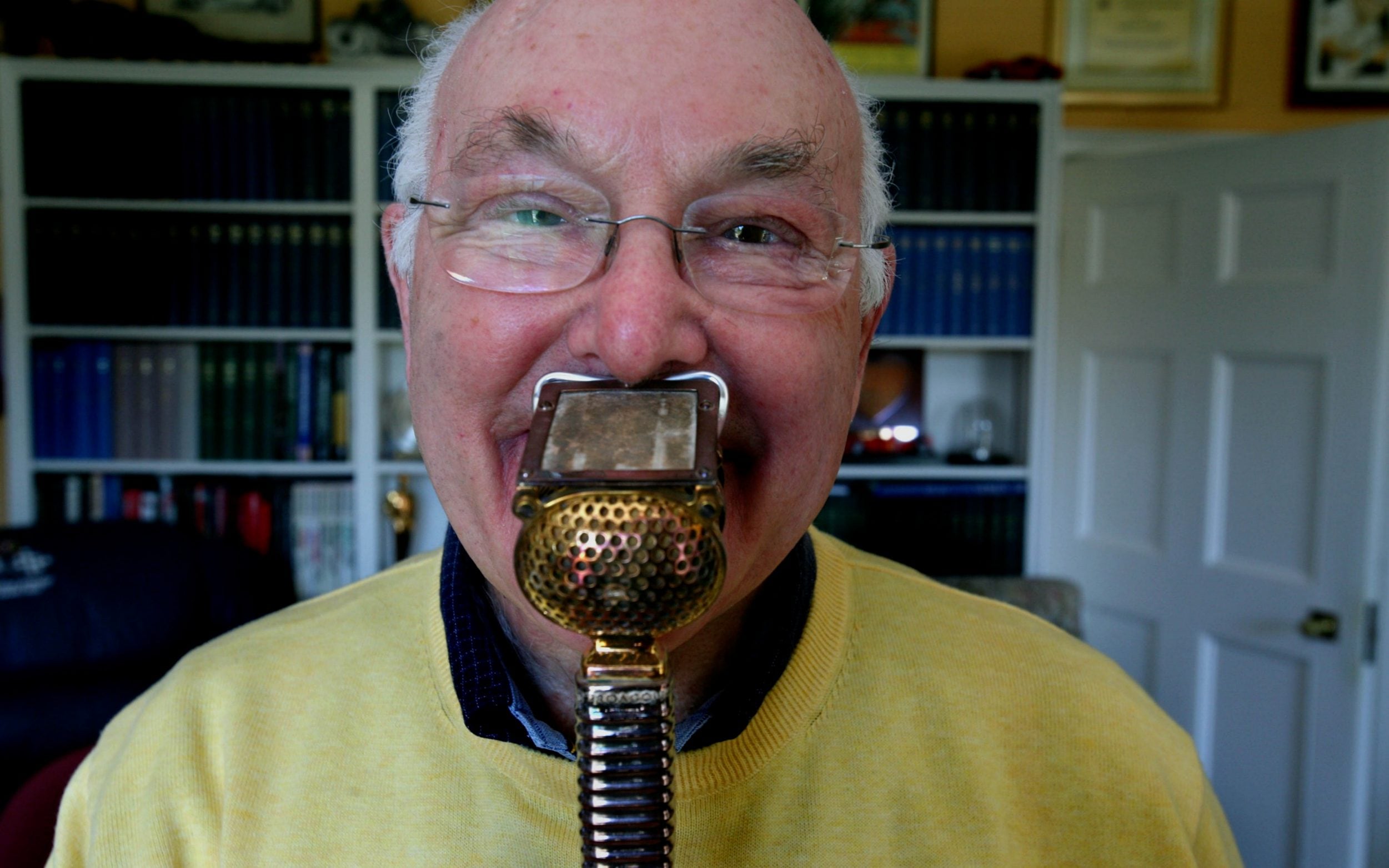
It’s rare that it feels as though somebody has been taken too soon at 97. And yet that is how it feels with the loss of Murray Walker.
The voice of Formula 1 for half a century, Murray – as the entire sport affectionately referred to him – had what was described as a ‘pants on fire’ style of commentary; his infectious enthusiasm for the sport oozed from his every word and he had an innate ability to produce the perfect line for the moment. This most likely stemmed from his earlier career in advertising. Murray famously coined the slogan ‘made to make your mouth water’ for Opal Fruits and his team created ‘a Mars a day helps you work, rest and play’.
Of course, there were the ‘Murrayisms’: “This would have been Senna’s third win in a row, if he’d won the two before…”; “Mansell is slowing down, taking it easy. Oh no he isn’t – it’s a lap record!”; “I’m ready to stop my startwatch!”; and of course, “There is nothing wrong with his car, except that it is on fire!”
A lesser commentator would likely have been criticised for these mistakes but, if anything, they just made Murray even more treasured – both by the viewers at home and every member of the paddock.
And he was never above poking fun at himself – he called his autobiography ‘Unless I’m Very Much Mistaken’ and often played up to his caricature, such as in his Pizza Hut advert alongside Damon Hill.
It is unfair to focus solely on the enthusiasm and the endearing mistakes, though, as Murray was a true professional. He would often visit races in the lower formulae to spot the next up-and-coming talent and was never without his fastidious notes, which he would not allow James Hunt to see during their pairing in the commentary box. The Walker-Hunt partnership was a tale of two totally opposing characters who – whilst they often disagreed and even nearly came to blows – made an incredibly entertaining team and came to share a great mutual respect.
The later combination of Murray with Martin Brundle was another huge success, Brundle politely correcting Murray when he made an overexcited mistake and complimenting the experienced man’s excitement with his technical nous and ability to turn a phrase of his own. Brundle says, “Learning to commentate on motorsport alongside Murray Walker for a number of years was like having Pele teach you how to kick a ball”.
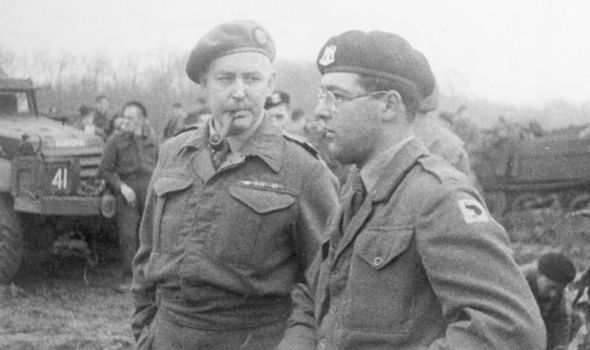
It is worth remembering just how much Murray achieved in his life. In addition to his commentary and advertising careers, a young Walker joined the armed forces and went on to command a Sherman tank in World War 2, eventually leaving the Army having attained the rank of captain. He even once recalled visiting the area of the Spa-Francorchamps circuit in a tank in 1944.
Murray claimed that his OBE was the proudest moment of his life. It is a real shame that he never received what would have been a thoroughly deserved knighthood, but that doesn’t change the fact that he was, and will remain, a national treasure who defined a sport for far more than one generation of fans.
As Brundle elegantly puts it, ‘It was never work to Murray, it was never just commentating, it was simply telling the world about something he loved”.
In the words of the great man, “I’ve got to stop because I’ve got a lump in my throat.”
Pre-season testing is infamously hard to decipher and usually ends up in fans, pundits and the media jumping to conclusions that are, more often than not, totally wrong.
As you can see from this quiz, the car ending testing on top has very rarely proved to be on top when the lights go out for the opening race. And this year, more than ever before, there is very little to go on. Testing usually consists of two sets of three or four-day blocks but this year, thanks to the pandemic, the teams have had just three days to get to grips with their latest machines.
To compound matters further, conditions in Bahrain were very blustery and there was even a sandstorm…
Nonetheless, let’s see what we can figure out.
Not Plain Sailing for Mercedes
Image credit: Getty Images
Mercedes have often been accused of ‘sandbagging’ during testing – and that would certainly have been easy in the Sakhir sandstorm – but this year, things look a little different. They have never been a team that does glory runs, but they have always maintained their metronomic consistency in pounding out lap after lap without issue.
This test, however, started badly with a gearbox glitch limiting Valtteri Bottas to seven laps on the first morning. And when seven-time world champion Lewis Hamilton got into the car, he struggled to keep it pointing in the right direction. A series of uncharacteristic spins – once even ending up beached in a gravel trap – demonstrated the lack of rear stability that currently blights the W12.
Mercedes have proven themselves especially adept at problem solving, though, and nobody would be surprised to see them lock out the front row in two weeks. After all, it is better to find these issues now than in Q1 at the first grand prix.
Red Bull on the Rise
The struggles over at the Silver Arrows garage give a little hope for a more competitive season in 2021 and, if they do falter, Red Bull appear well-positioned to capitalise.
Max Verstappen produced the fastest time of the test and the Red Bull appeared on rails barring one early half-spin for the Dutchman. With AlphaTauri also often near the top of the timesheets – rookie Yuki Tsunoda even finished the final day a little under a tenth off Verstappen’s headline time – perhaps the new Honda power unit has made a significant jump in performance.
Either way, Red Bull’s Achilles’ heel in recent years has been a lack of understanding of their car in the early part of the season so, if they are on top of it already, that bodes well for their title challenge. The experience of Sergio Pérez should also help to develop the car; an area in which their academy prospects of the last two years will have struggled.
The Battle for Best of the Rest
Behind the likely top two teams, it’s anybody’s guess. The midfield was incredibly close last year, with McLaren ultimately edging the battle for third in the Constructors’ Championship, just ahead of Racing Point and Renault.
In the three months since the Abu Dhabi Grand Prix, those two names have ceased to be, with Racing Point transforming into Aston Martin and Renault becoming Alpine. Aston Martin were many experts’ choice for the bronze medal this year, thanks to their acquisition of the fabled 2020 Mercedes rear suspension and the expertise brought by four-time world champion Sebastian Vettel.
Things have not started smoothly for the British racing green team, however, with varying technical problems reducing their running time significantly. Vettel completed the fewest laps of any driver. Their ultimate pace is still an unknown, though, as they focused exclusively on long runs and propped up the timing sheets on the final day, three seconds slower than the rest of the field.
McLaren are looking strong with no issues from their change to Mercedes power and some decent flying lap times. They also have a somewhat controversial interpretation of the new diffuser regulations which has garnered much attention. It has not yet been banned by the FIA and, if allowed to remain, will not be easy for the other teams to copy.
Alpine also kept their true pace under wraps but showed impressive consistency and ended with a healthy number of laps completed. Fernando Alonso picked up where he left off in 2018 and didn’t appear to be suffering any ill effects from his cycling accident last month. Whilst there were a few niggles for Ferrari – Charles Leclerc brought about the first red flag of the test – they are fairly positive with their progress. Particularly in terms of straight line which was, by far, their largest issue in 2020. The Scuderia will be hopeful of, at the very least, moving up from their lowly sixth position in last year’s standings.
As mentioned, AlphaTauri have looked very strong throughout the test and tied with Alfa Romeo for most laps completed at 422. Veteran Kimi Räikkönen said, “I guess we are faster than at our best at the end of 2020, but whether that translates into a better performance in the races, that we will have to see.” It looks likely that Williams and Haas will be fighting over the wooden spoon but with the order from last year reversed. Particularly as Guenther Steiner confirmed there would be no updates to this year’s Haas.
Some Predictions I’ll Probably Regret Making
Okay, time to put my neck on the line, make some outrageous predictions and then see just how wrong I was in nine months’ time.
World Champion
.
MAX VERSTAPPEN
I know, I know. All the smart money is on Hamilton to seal that record-breaking eighth title in a year where the regulations have changed a relatively small amount since a Mercedes domination. But I just have a gut feeling. Verstappen seems to be getting stronger and, as mentioned, the Red Bull start to the year was far smoother than that of Mercedes. So, why not? Maybe the changing of the guard will arrive one year early than expected…
Surprise Winner
.
DANIEL RICCIARDO
2020 saw two shock victories from Pierre Gasly and Pérez. They were arguably the first surprise winners since Pastor Maldonado in 2012 but, with Ferrari now in the midfield, there are only four front-running cars and that increases the chance of someone sneaking in there when the leaders trip up. And who better than Daniel Ricciardo? He has that knack for capitalising when the chance is there and McLaren appear to be on an upward trajectory. Shoeys all round.
Surprise Podium
.
NICO HÜLKENBERG
The Hulk appears to be the reserve driver for half of the grid at this point, after proving his ability to step into a car on short notice and produce an impressive performance three times last year. He has been linked with stand-in roles for Red Bull, Aston Martin, McLaren and even Mercedes. Whilst Verstappen has been controversially vaccinated against COVID-19, most of the grid still has not and it seems likely that somebody will be forced to miss at least one race at some point. Let the curse finally be broken.
All the teams’ new challengers have now been launched – or at least the liveries have, with as little as possible given away in terms of their actual design.
So, as ever, there’s not a huge amount to garner from these launches but let’s at least talk about how pretty (or not, or familiar) the new liveries are and look for any significant design tweaks.
Mercedes-AMG Petronas Formula One Team
Image credit: Mercedes-AMG
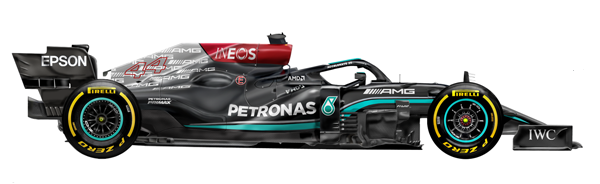
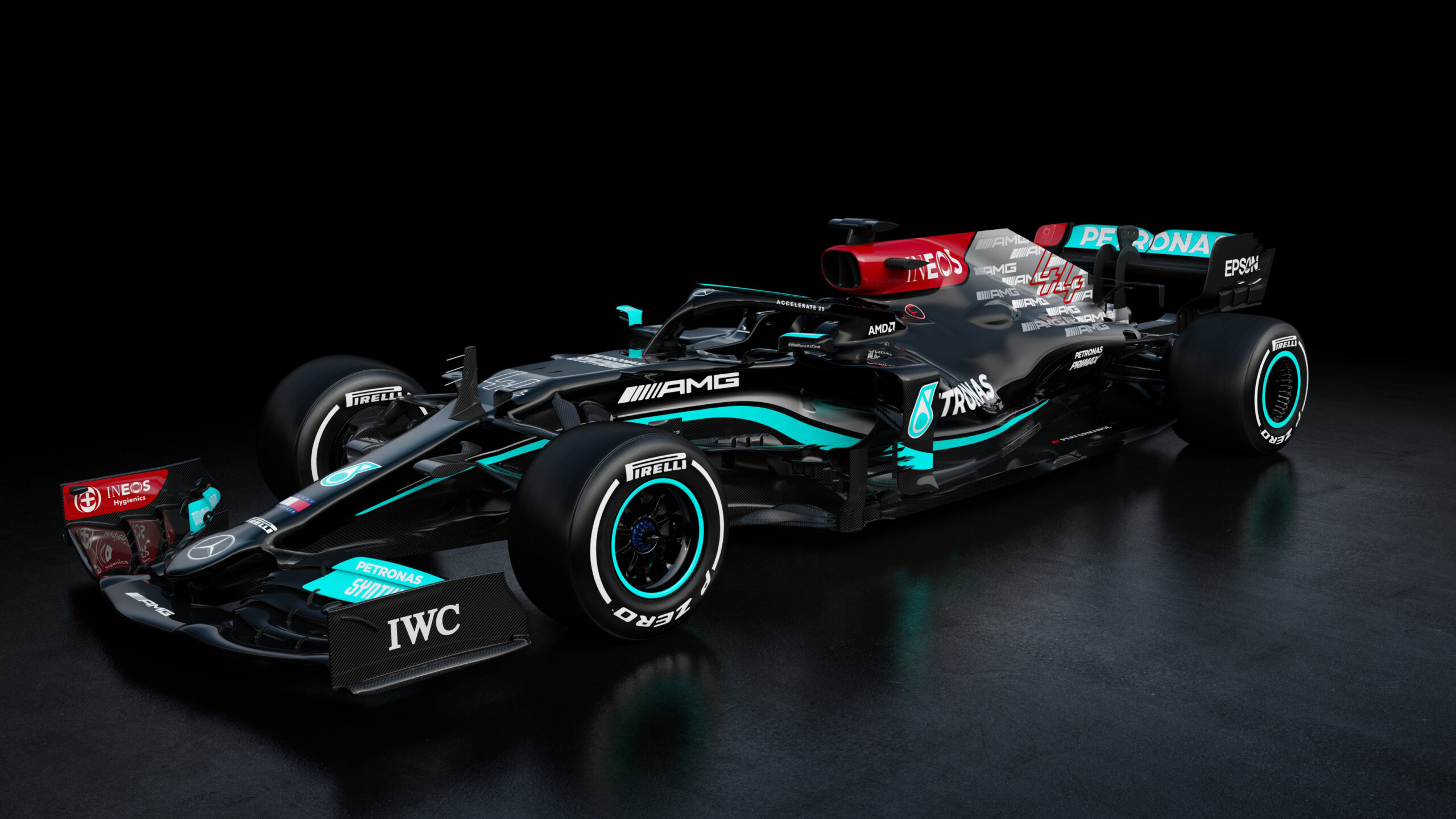
Mercedes stick with a black arrow for one more season, but have removed the sea of stars that adorned the rear of the engine cover on the last two cars. They have, in fact, been replaced by a sea of AMGs…
Whilst that has proved somewhat unpopular, the rest of the car is as sleek as ever. There is an increased presence of INEOS red, in line with their increased stake in the team, which makes the entire livery feel more together than last year’s. The font of the driver numbers has also finally been changed from what appeared to be default Arial in recent years.
Predictably Mercedes have revealed none of the tricks they may have up their sleeve this year – remember that they started work on this car earlier than any other team – so let’s see what car arrives at the pre-season tests…
Red Bull Racing Honda
Image credit: Red Bull Racing
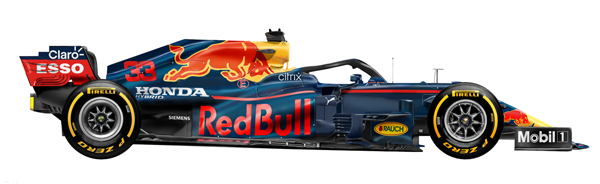
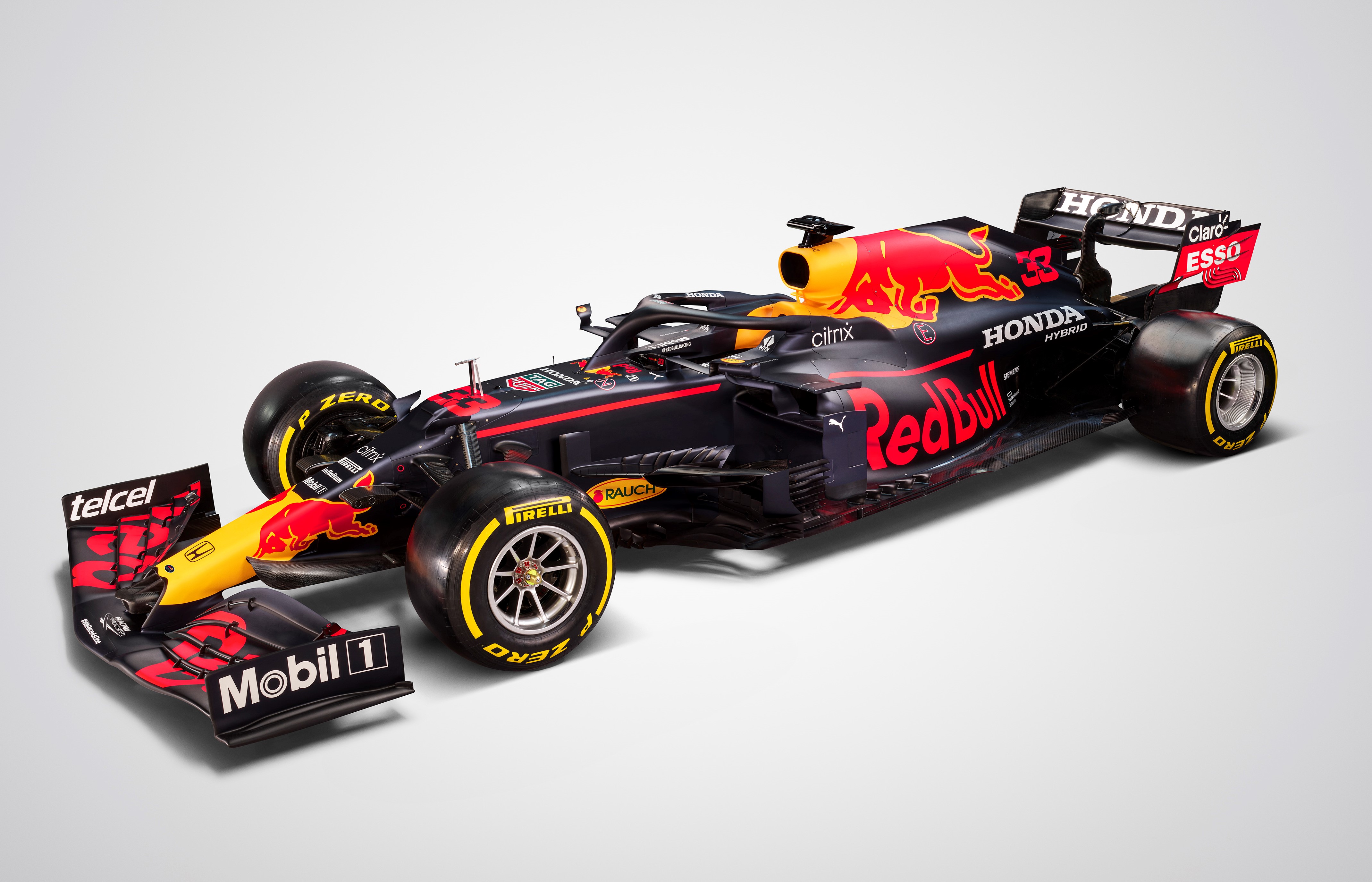
It’s yet another Ctrl+C, Ctrl+V job from Red Bull. Whilst it’s still a nice livery, it would have been nice to see a bit of a change. Perhaps they could have leaned a bit harder on the Red Bull yellow now that Renault have left that spot on the F1 colour wheel vacant.
There is some intense bargeboard work going on in the release photos, but Red Bull have often put something on the car to draw the eye at launch day only for it to disappear by the first test. So, let’s take that with a pinch of salt.
McLaren F1 Team
Image credit: McLaren F1
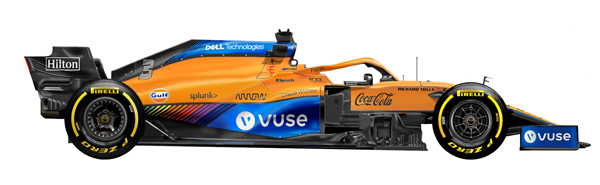
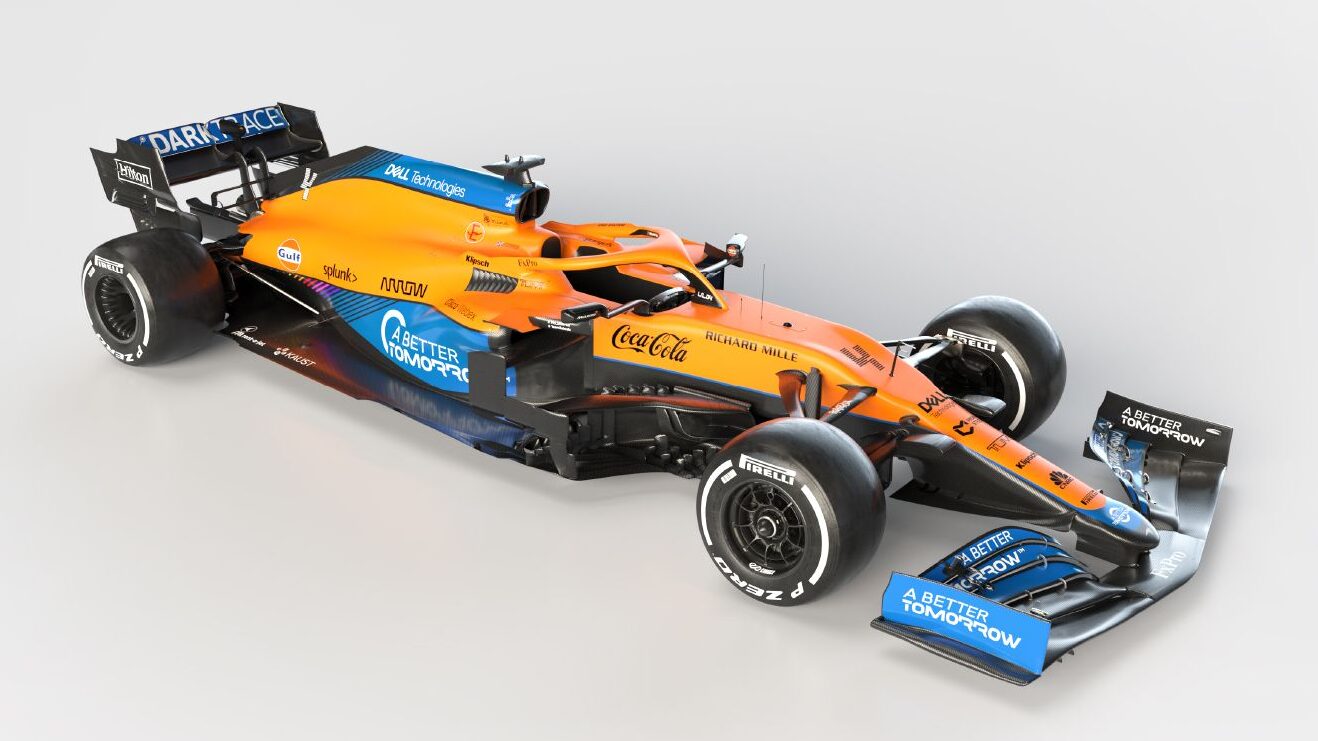
Bar a tiny bit of extra blue on the nose, the MCL35M is a carbon copy of the MCL35 in terms of livery. However, that ‘M’ is very significant and means that McLaren have likely had the biggest change in car over the winter.
That’s because that ‘M’ stands for Mercedes. McLaren have left Renault behind and the difference it has made to their aerodynamics around the power unit are huge. The cumbersome Renault engine took up a lot of space but the MCL35M’s engine cover is narrower even than last year’s Mercedes. If the Mercedes power pushes McLaren forward in the manner than many expect, they could well be challenging for regular podiums.
Aston Martin Cognizant Formula One Team
Image credit: Aston Martin F1
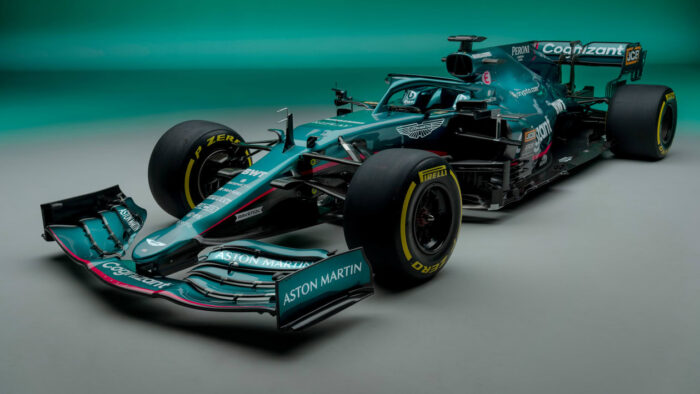
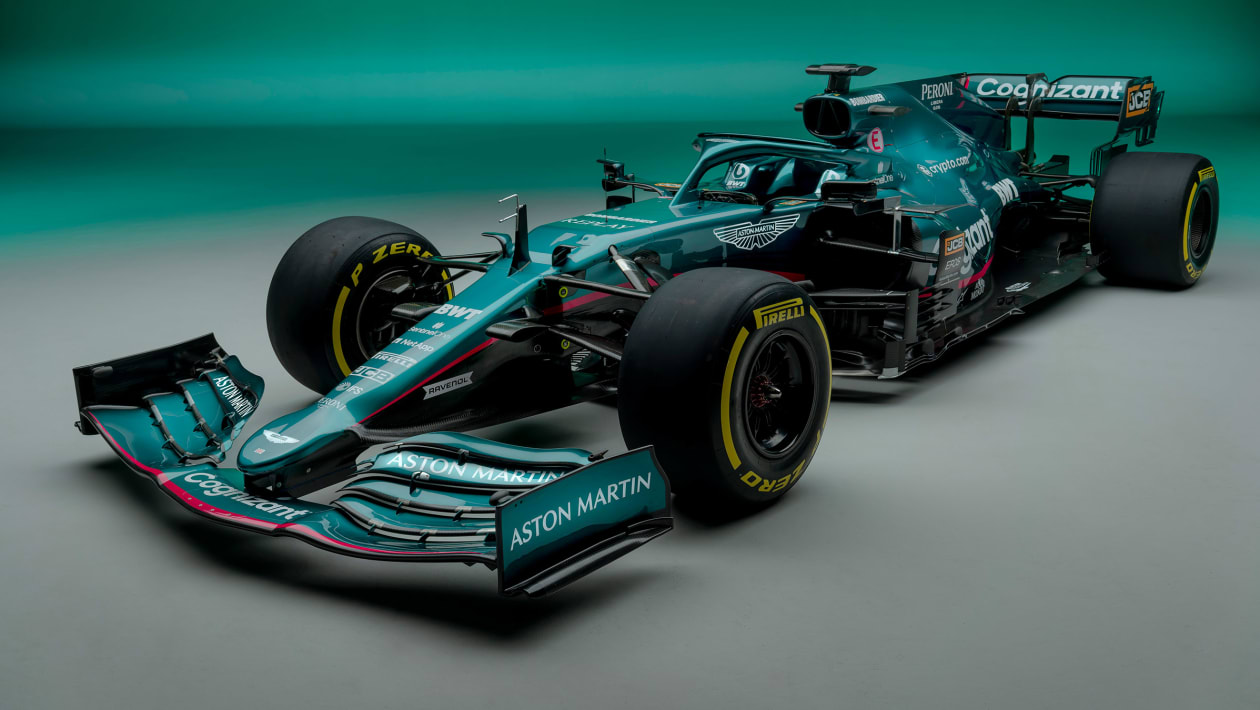
Aston Martin are finally back – and so is British racing green! Once the deal with BWT was announced, many feared the pink linked with their sponsorship would produce some kind of watermelon monstrosity. But the designers have, in fact, succeeded in combining the two elegantly.
It is deeper shade of pink and kept to just a couple of accents which surprisingly compliment the green. The rest of the design is very simple – one could argue unambitious – but the colour is the main attraction and looks predictably stunning in natural light. Will last year’s ‘Pink Mercedes’ be as successful as a ‘Green Mercedes’?
Alpine F1 Team
Image credit: Alpine F1
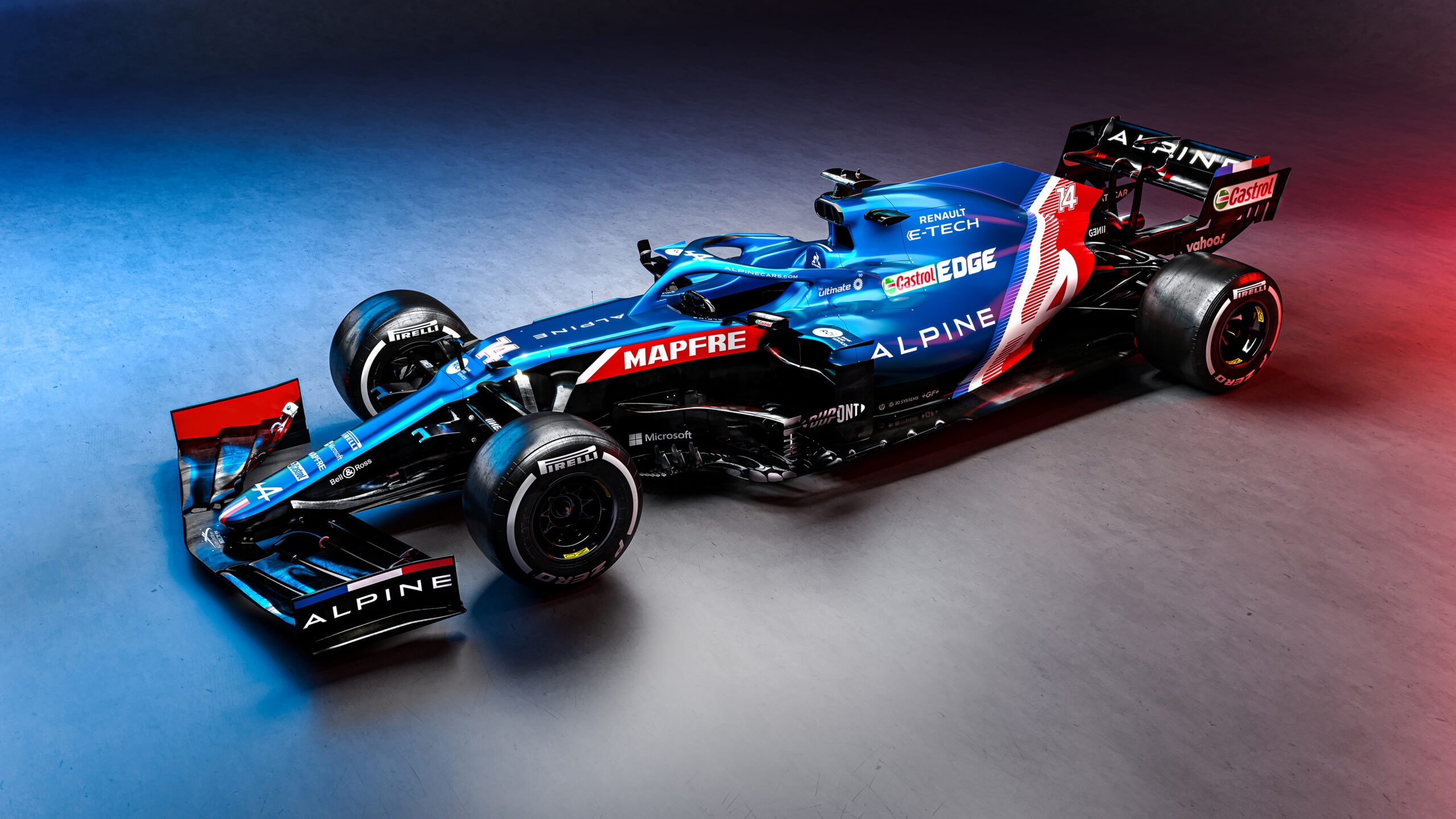
Onto another rebrand; this one with a distinctly French feel. The traditional Renault yellow has sadly gone from the grid, but the Alpine livery has turned out to be stunning. A metallic, electric blue, combined with a simple Tricolore effect towards the back is elegant but striking.
With a Renault engine underneath, the Alpine still has a distinctly wider engine cover than the rest of the grid. However, if the engine has been improved and can help move them closer to the top end of the field, they won’t mind one bit. They certainly won’t want Fernando discussing GP2 engines over the radio again.
Scuderia Ferrari Mission Winnow
Image credit: Scuderia Ferrari
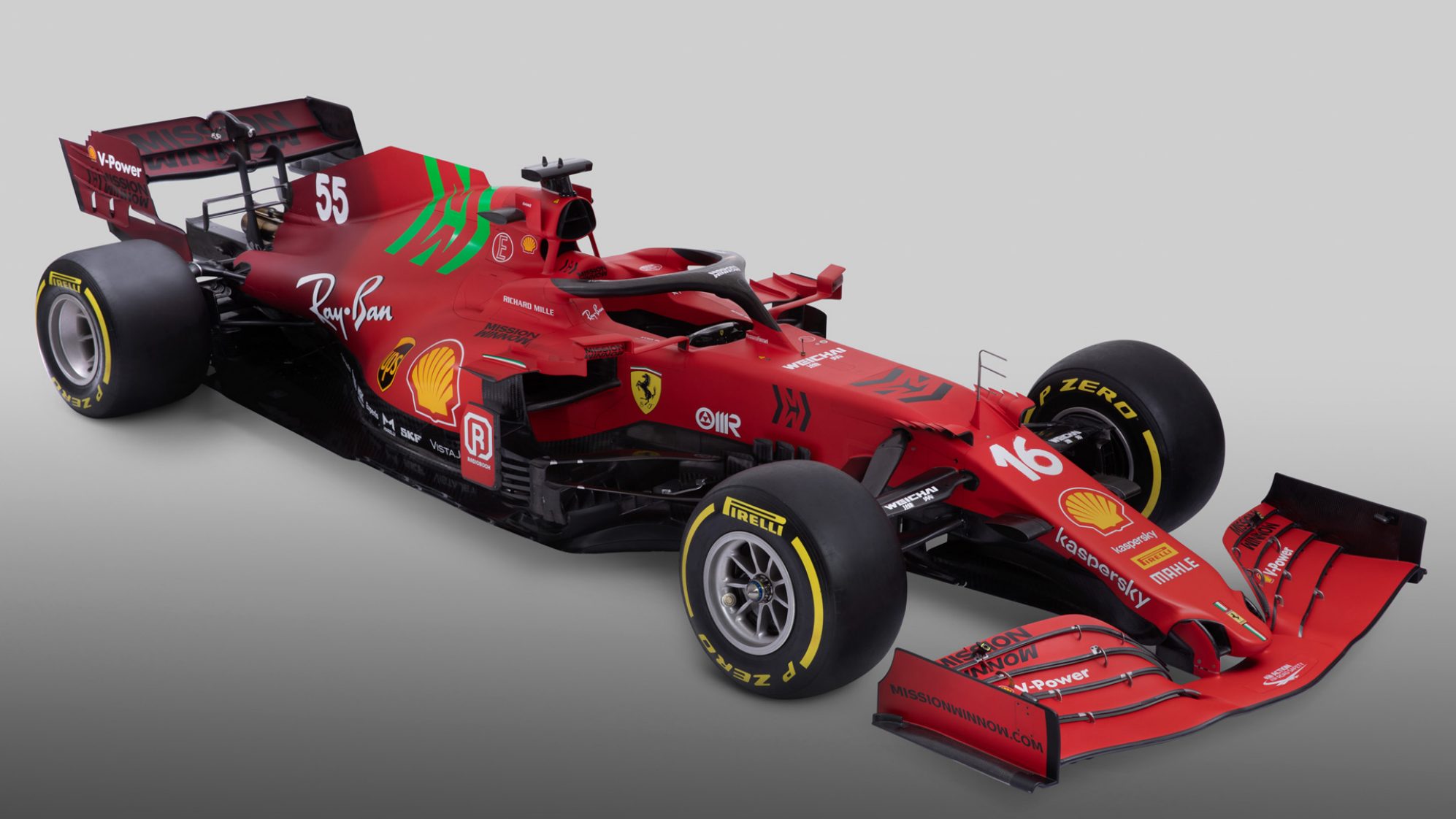
Shockingly, it’s not just red! Usually the most predictable launch of the year, Ferrari have gone more controversial for 2021. With a fade towards a darker shade of red at the back and a real curveball with a green Mission Winnow logo on the engine cover.
There are some interesting ideas but the execution seems slightly off – a white border around the green would likely have made it clash less. Not that the green logo is all that important in the grand scheme of things as Mission Winnow is banned in most of the Western world and will likely be gone after the Bahrain Grand Prix.
The nose has changed significantly as Ferrari move in the direction the rest of the field has already pursued and the Scuderia will have all their fingers crossed that the engine has been significantly improved so that they can claw back some performance after last year’s embarrassment. The new livery was leaked by a ‘hacker’ who set their computer clock ahead…so it’s not been the best start.
Scuderia AlphaTauri Honda
Image credit: Scuderia AlphaTauri
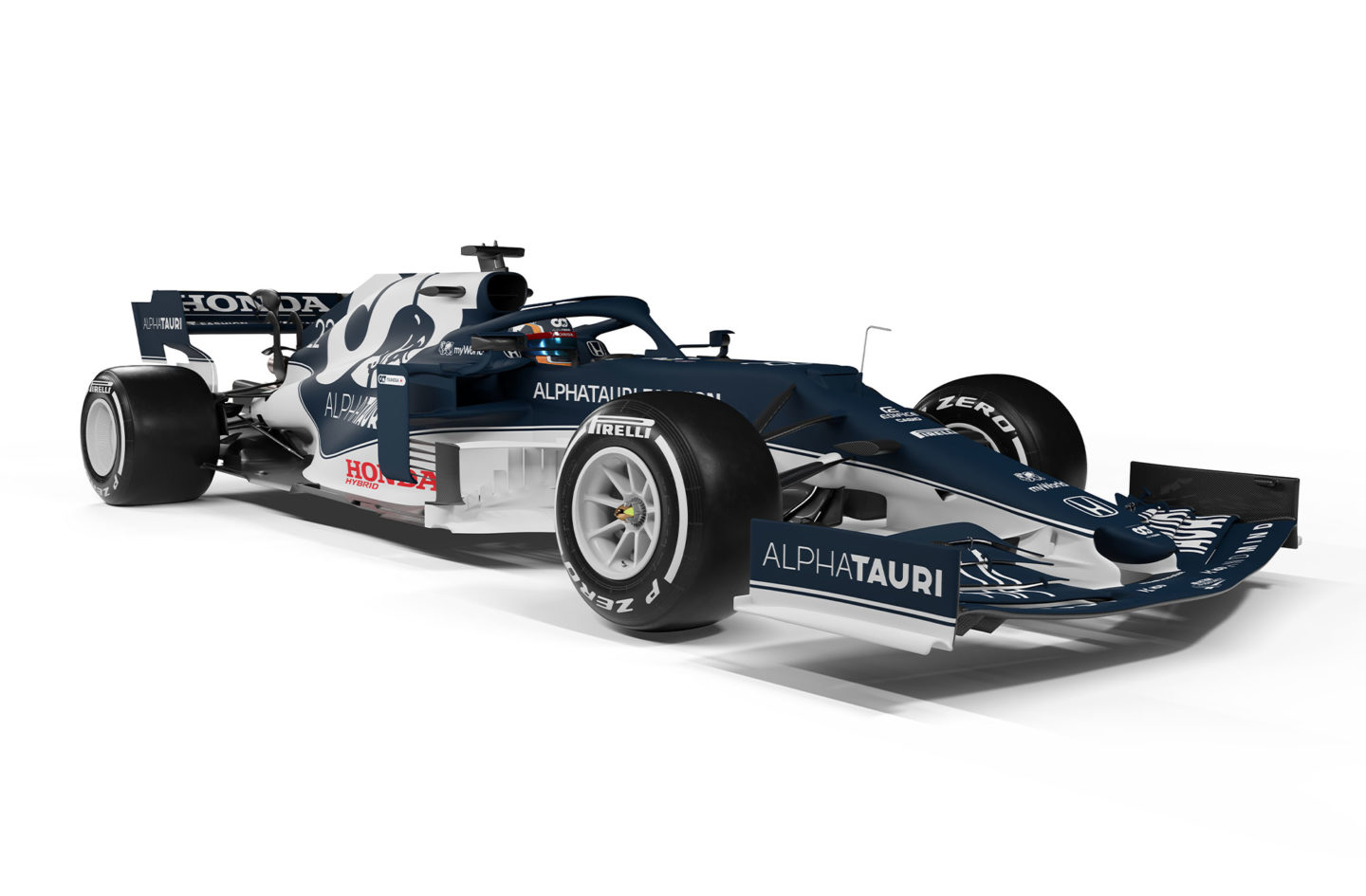
The team formerly known as Toro Rosso (and Minardi, of course) have produced another decent livery. It is similar to their design from last year but with the navy blue to white ratio skewed towards the former.
AlphaTauri have also used their allotted development tokens to redesign the nose. Whilst the official release images show last year’s nose, the team tested at Imola a few days later with a noticeably more slender design.
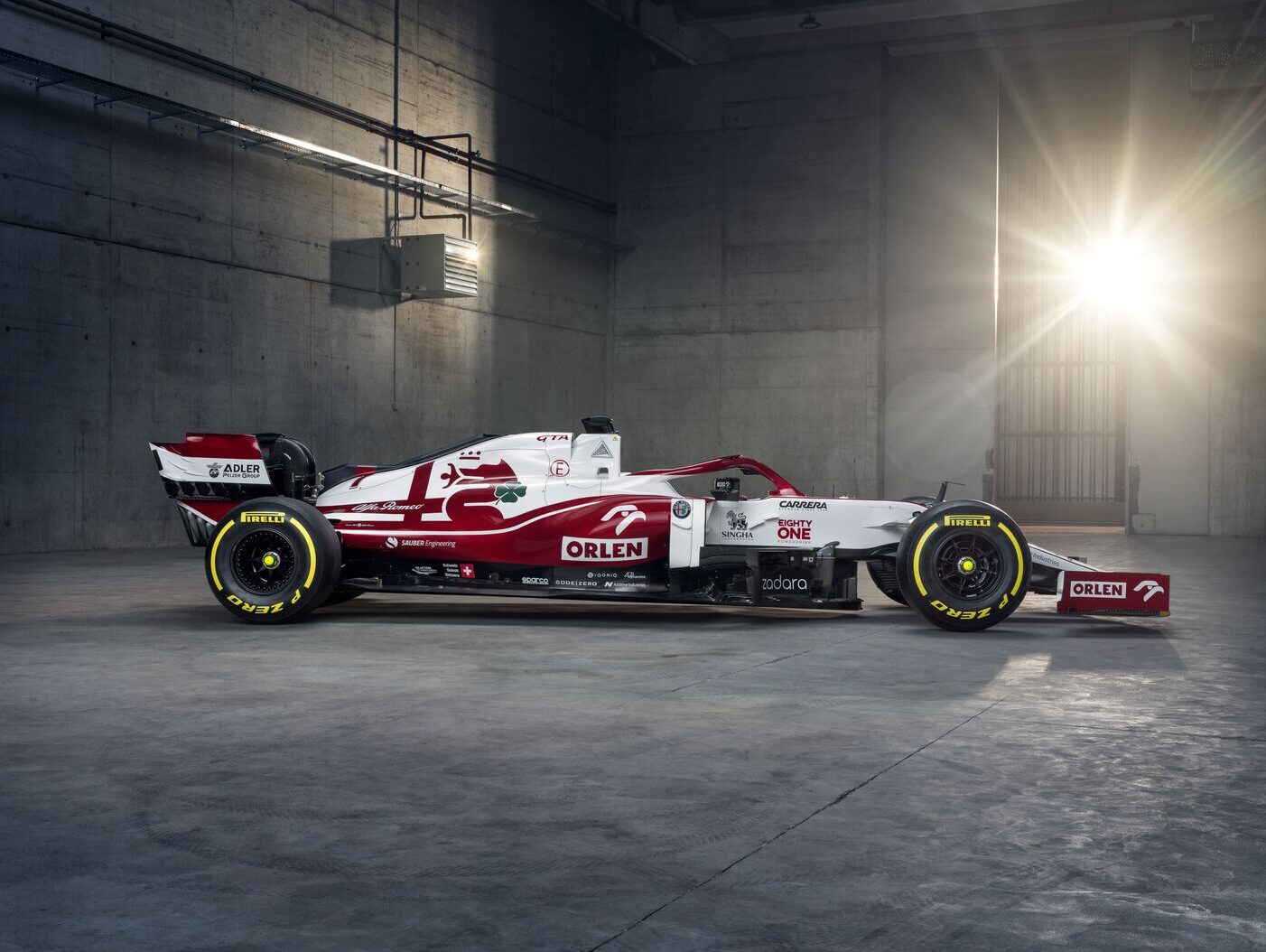
Alfa Romeo Racing Orlen
Image credit: Alfa Romeo Racing
Seemingly one of the Alfa Romeo designers accidentally hit ‘invert’ on last year’s livery and then decided it actually looked pretty good. And, in fairness, it does. It oozes that Alfa Romeo class and the green quadrifoglio added to the engine cover is also a nice touch.
They have added some interesting design features to the front of the car; the purpose of which I won’t claim to understand just yet, but will likely be hypothesised by Ted Kravitz as some point during the Sky testing coverage.
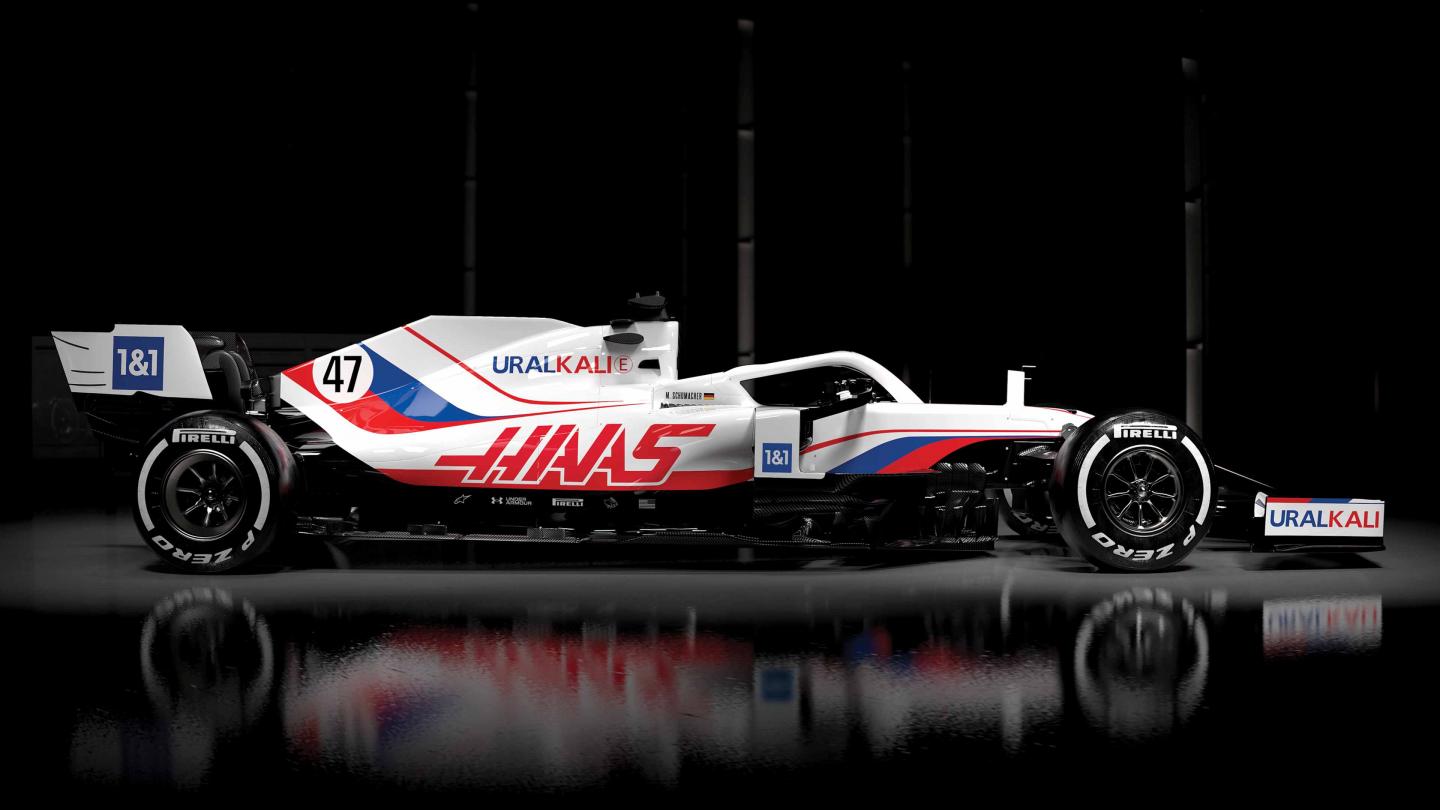
Uralkali Haas F1 Team
Image credit: Haas F1
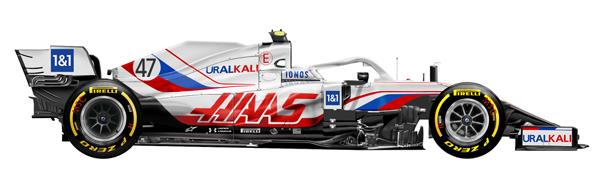
Well then. Formula 1’s ‘American’ team is now effectively sporting a shiny, Russian flag. Since their arrival in 2015, Haas have resisted the temptation to produce any kind of stars and stripes livery, sticking to their traditional brand colours of grey and red. But then in came the controversial Mazepin family.
Rookie driver Nikita received backlash for a series of misdemeanours – both on track and off track – and many are pushing the #WeSayNoToMazepin movement. It appears, though, that he is going nowhere, largely thanks to Haas’s desperation for his father’s Uralkali funding. It would not be a surprise to see the Russian oligarch buy out the team within the next couple of years.
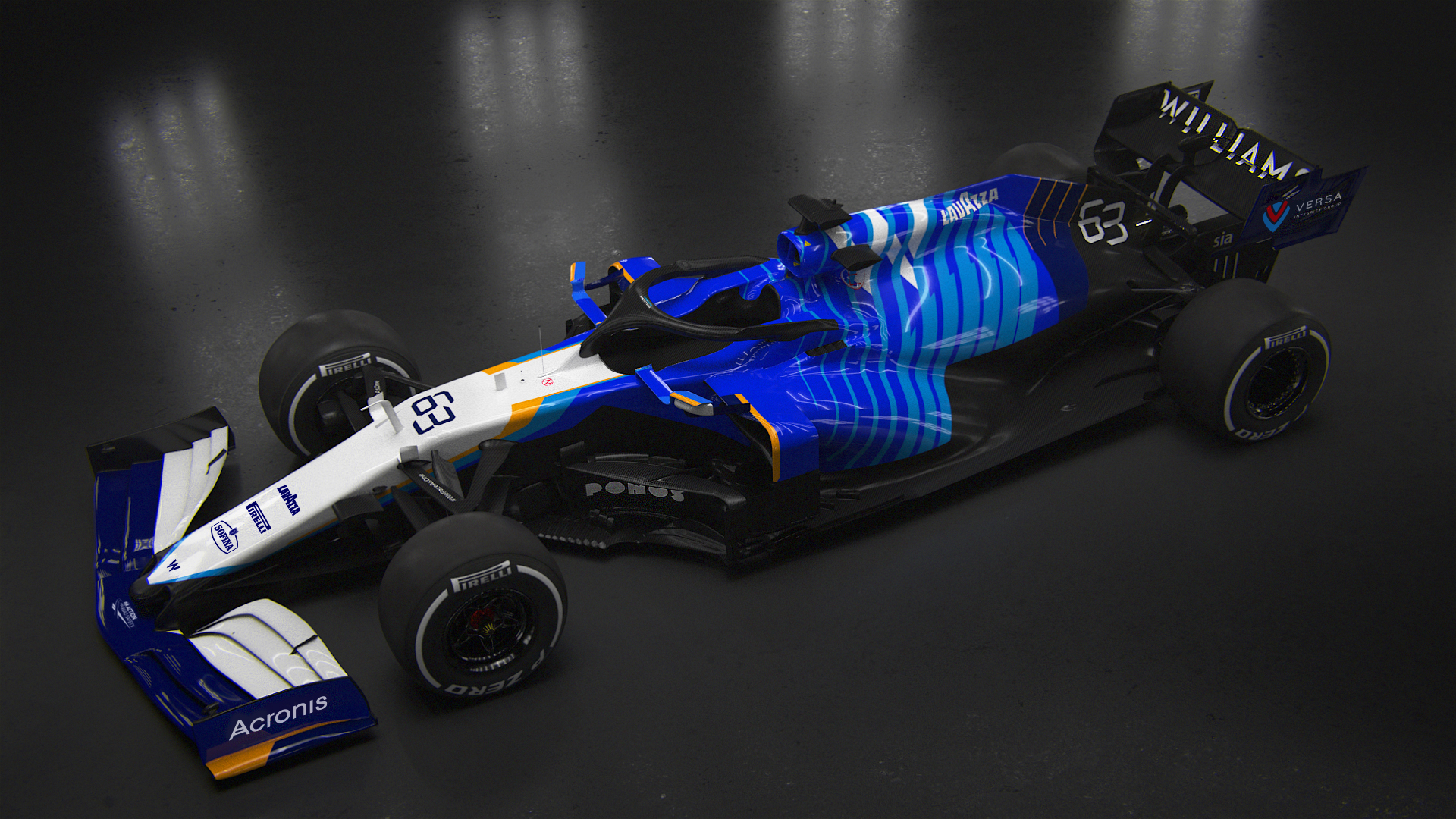
Williams had planned for an innovative VR launch of their new livery but, unfortunately, the app they were using was hacked and the designs leaked early. The response has been mixed but the blue, yellow and white is a nice nod to their infamous liveries in the early 90s.
True, the final design could perhaps have been improved – as shown by many armchair designers on Reddit – but it is a decent attempt at something different. Plus, it is always more difficult with the constraints of board executives and sponsors to please. It’s a shame BWT didn’t sign up with Williams and produce a blue-and-pink number akin to Damon Hill’s 1992 Brabham, perhaps. There is a lot of blue and white on this year’s grid…
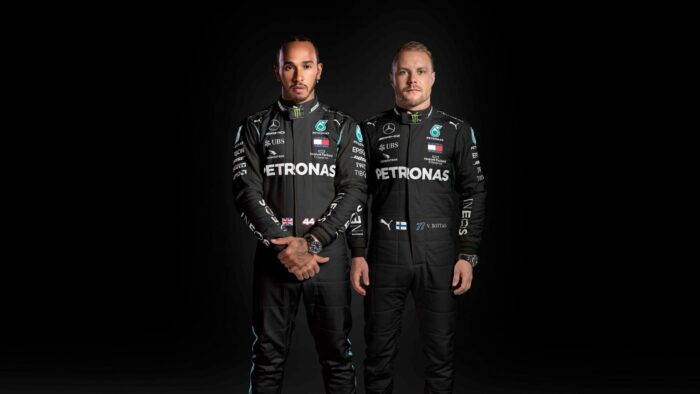
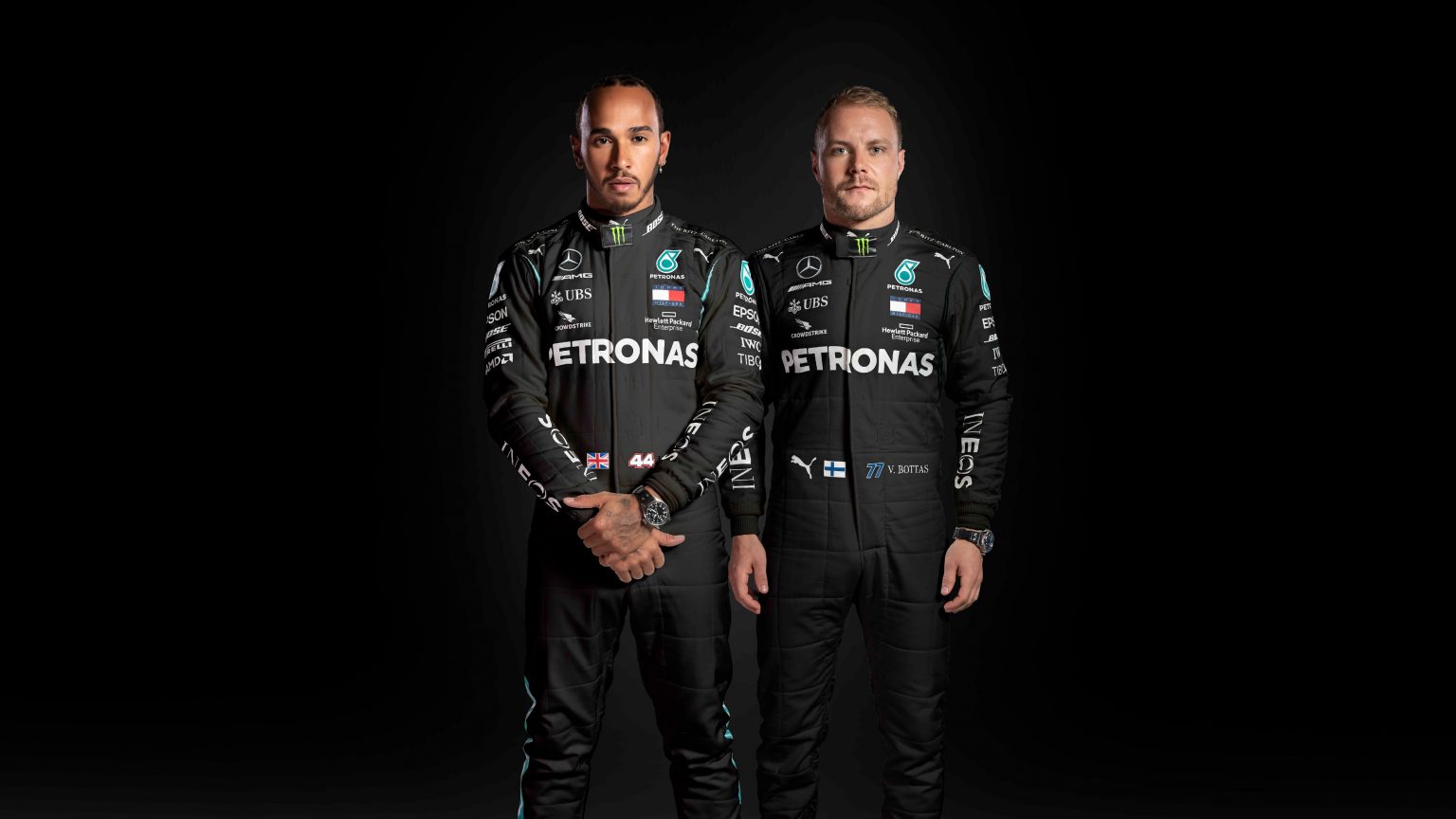
If Valtteri Bottas is to become a world champion, he faces the unenviable task of beating Lewis Hamilton, in the same machinery, over the course of a season. That is something that the seven-time world champion’s varying teammates have achieved just twice, from 14 attempts; Jenson Button in 2011 and Nico Rosberg in 2016.
Fernando Alonso tied on points with a rookie Hamilton in 2007 during their fractious single season together at McLaren but technically lost out, courtesy of having achieved fewer wins.
So, how did Button and Rosberg achieve it?
2011
Image credit: LAT Photographic
2011 was something of an annus horribilis for Hamilton, during which he allowed multiple issues in his personal life to affect his performance on the track. There were tensions with then-girlfriend Nicole Scherzinger and, even more so, with his father.
Anthony Hamilton had managed his son’s career since the age of eight but, during 2010, the driver decided that he would rather have an independent manager who would allow him more freedom. It would take father and son several years to fully repair their relationship.
These stresses and strains manifested themselves mostly in the form of erratic driving and Hamilton suffered an error-filled season. He and Felipe Massa were practically inseparable on track; not in the sense that they were closely matched as much as that they managed to have no fewer than five collisions during the season.
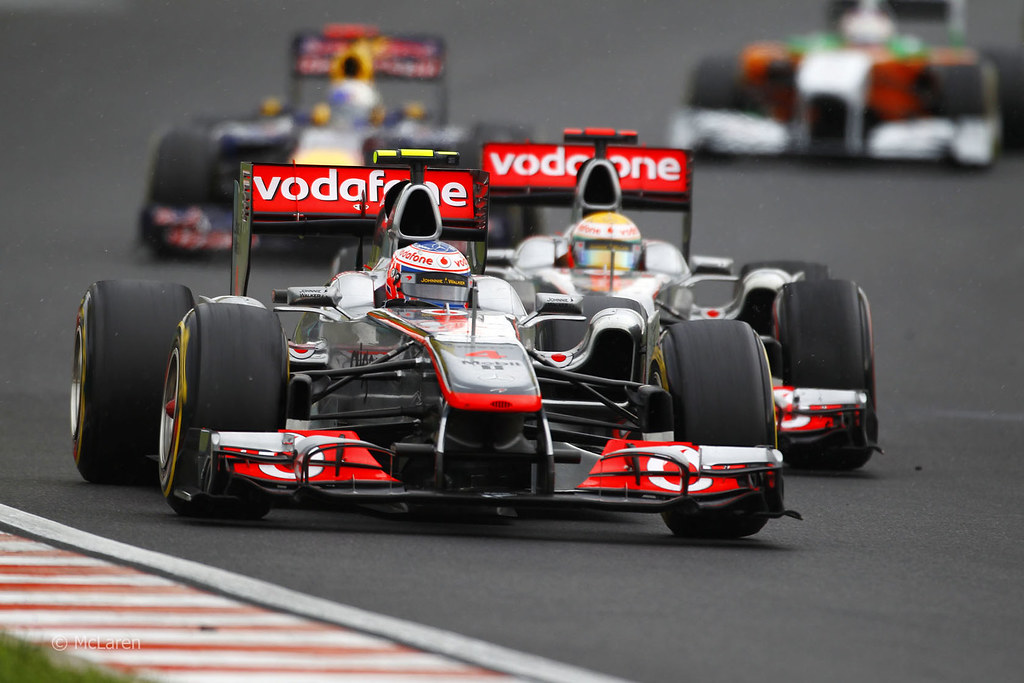
That’s not to discredit Button, who had an excellent season and was clearly ‘best of the rest’ behind a runaway Sebastian Vettel. It was arguably his best year in the sport, even including his title win in 2009, and featured the truly epic, four-hour Canadian Grand Prix where Button came from last place to steal the victory from Vettel on the final lap.
It was a clear dip in form for Hamilton, though, compared to 2010 and 2012 when he was held back more by McLaren’s lack of reliability and operational issues.
Hamilton has clearly matured greatly in the decade since and is now generally able to keep any personal troubles away from the track. Bottas will need to do more than rely on some off days.
2016
Image credit: Zak Mauger/LAT/Rex/Shutterstock
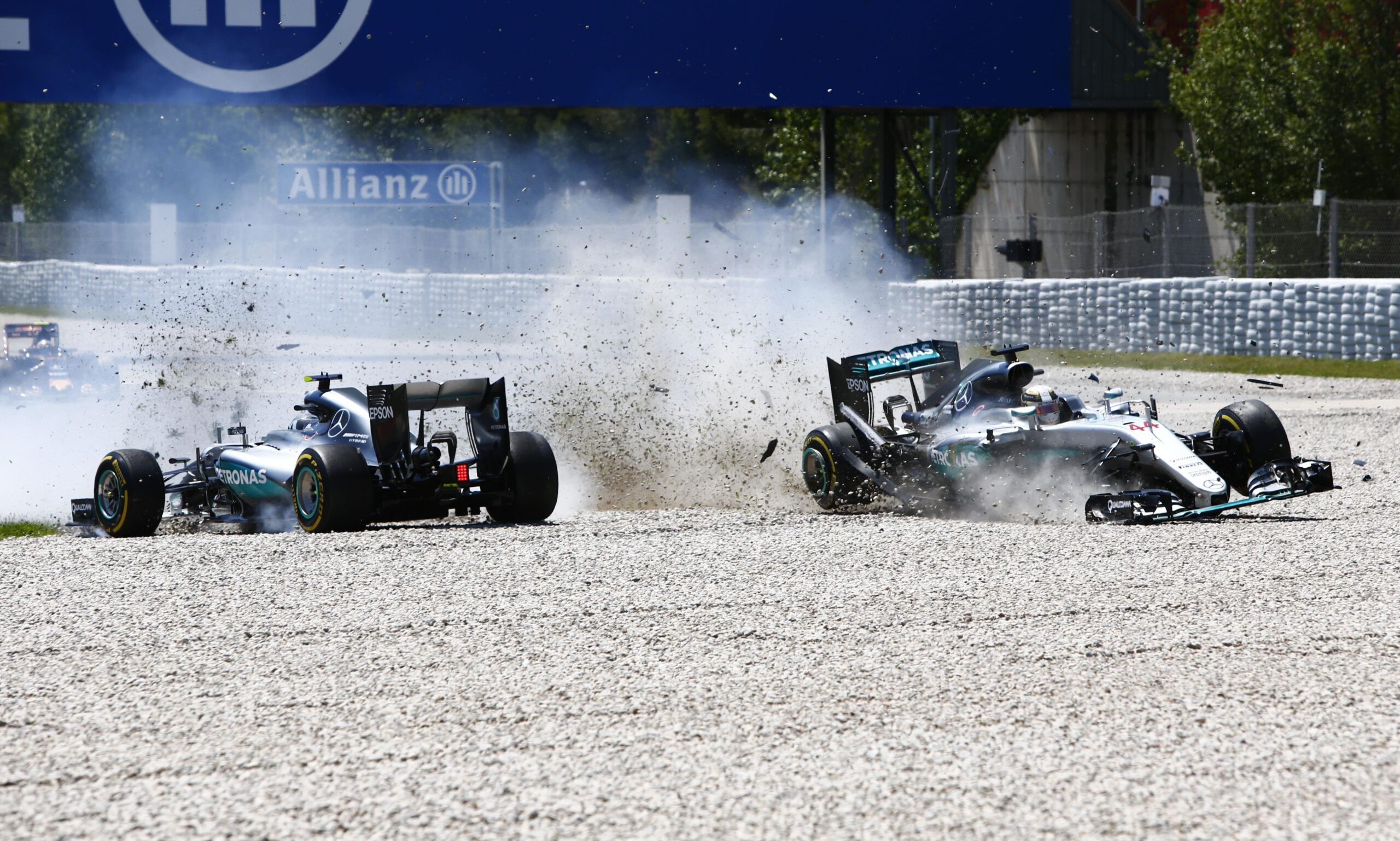
Hamilton versus Rosberg was the ultimate friends-turned-foes story of the early hybrid era. Rosberg spent years trying to gain a psychological advantage over his rival but, having fallen short in 2014 and 2015, realised he needed to focus more on himself.
The start of the season went very much Rosberg’s way, with a string of issues blighting Hamilton – he was hit by Bottas at the start in Bahrain, before consecutive power unit failures left him far down the grid at the next two grands prix. He came back strongly, however, and – despite starting from last in Belgium after serving a penalty for having used too many power units – was leading at the summer break.
At a time when driver weight was still a critical factor, Rosberg decided to stop cycling in an attempt to lose weight from his legs during the break and succeeded in losing one kilogram. That translates to around four hundredths of a second per lap and Rosberg took pole from Hamilton in Japan by just two hundredths. It is those kind of marginal gains that can make all the difference in a season of fine margins.
Ultimately, another engine failure from the lead of the Malaysian Grand Prix would prove to be too much for the Briton to make up in the final races of the year – despite winning all of them – and, whilst Hamilton’s shocking reliability was undeniably a crucial factor in 2016, Rosberg had to be there to take every opportunity presented to him and he unfailingly was.
2021?
Image credit: Mercedes
So, what have we learnt?
That Bottas will likely need to extract every ounce of his ability, go to extreme lengths to enhance his performance wherever possible, make almost no mistakes, and could probably do with a decent slice of luck. But hey, stranger things have happened.
He has started the last two seasons strongly with a controlled win at the opening grand prix, before falling back as Hamilton builds up momentum and he – understandably – struggles to match the most successful driver of all time.
He will have to find a way to keep up the challenge in 2021, however, as it looks like it could well be his final season with Mercedes. George Russell proved he could, at the very least, match the Finn without any preparation at last year’s Sakhir Grand Prix and, once again, Bottas has only been given a one-year contract.
He seems to be in a great place in his life right now; whilst it was unknown to most, he was going through a divorce in 2019, but is now in a new relationship and seems content and motivated.
Will we see Bottas 3.0 or 4.0 or whatever software update he’s up to now this year? Could we get yet another Finnish world champion? And maybe one that would even break into a smile?!
He’ll need his coffee and his porridge, that’s for sure.