2019 Spanish GP report | Another Mercedes 1-2

Great first corner…not too much after that.
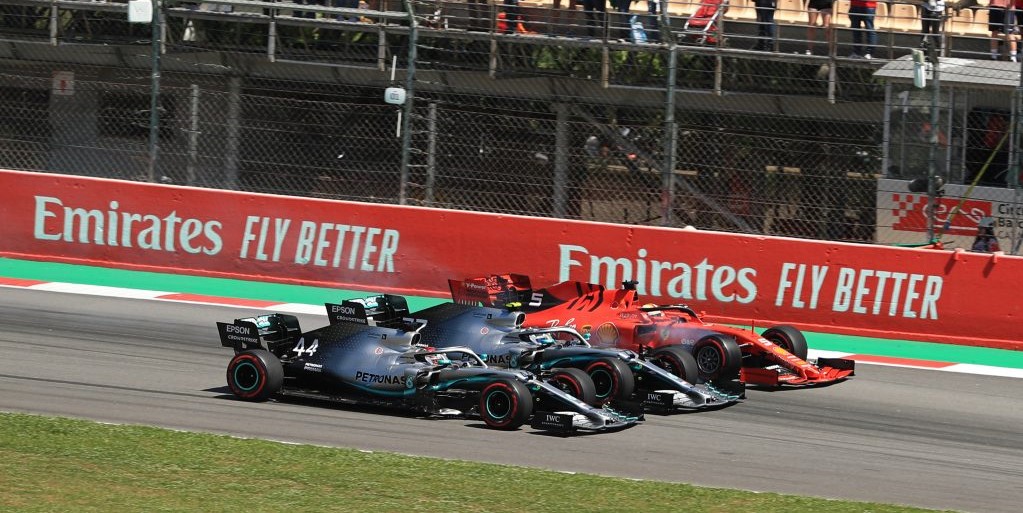
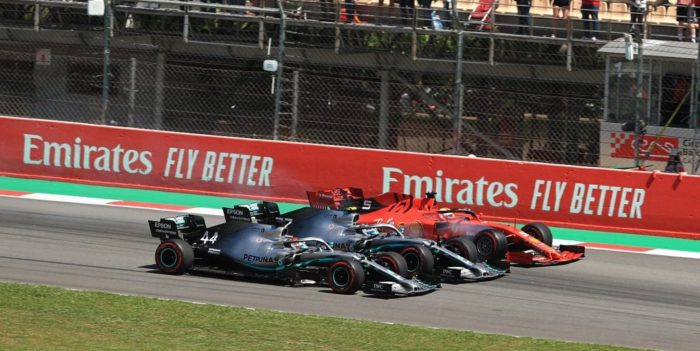
Lewis Hamilton, Valtteri Bottas and Sebastian Vettel go three wide into the first corner of the 2019 Spanish Grand Prix.
Image credit: Octane Photographic

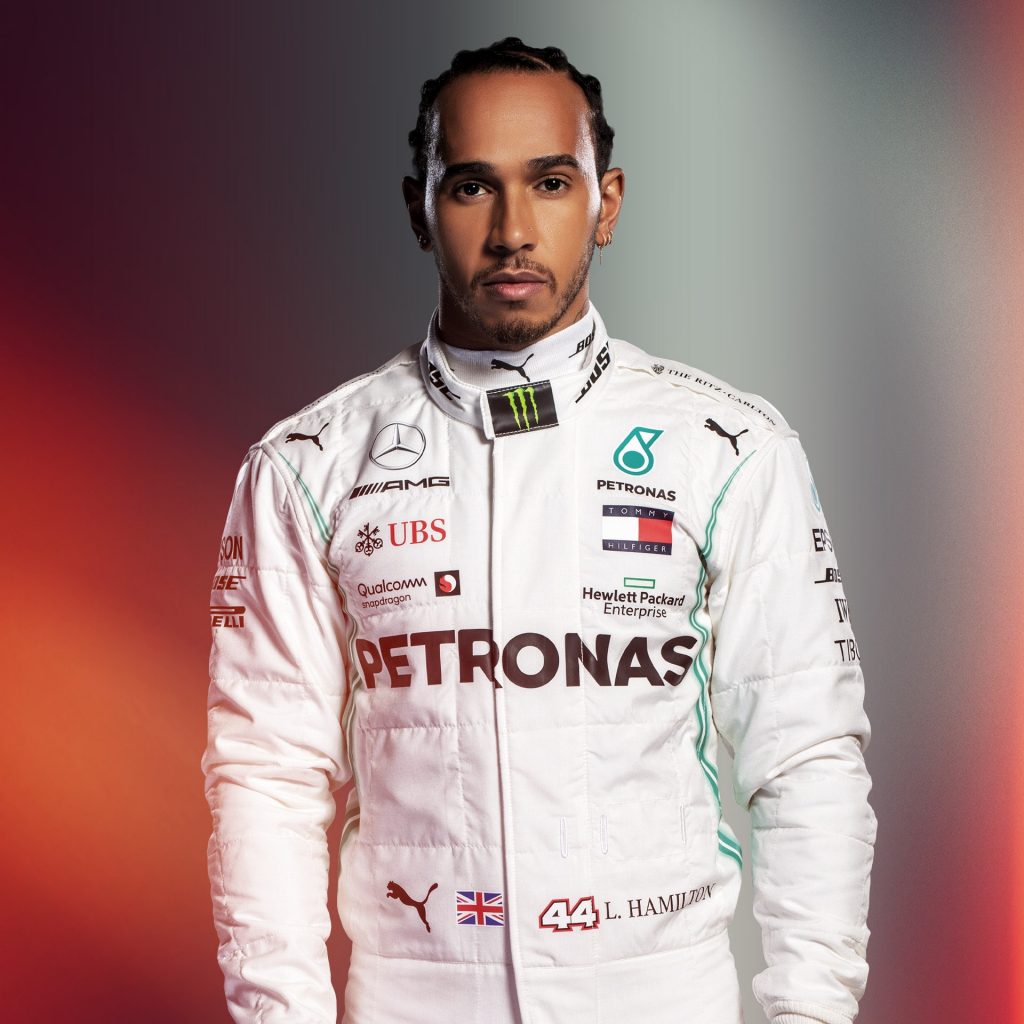
Lewis Hamilton dominated at the 2019 Spanish Grand Prix as Mercedes secured yet another 1-2.

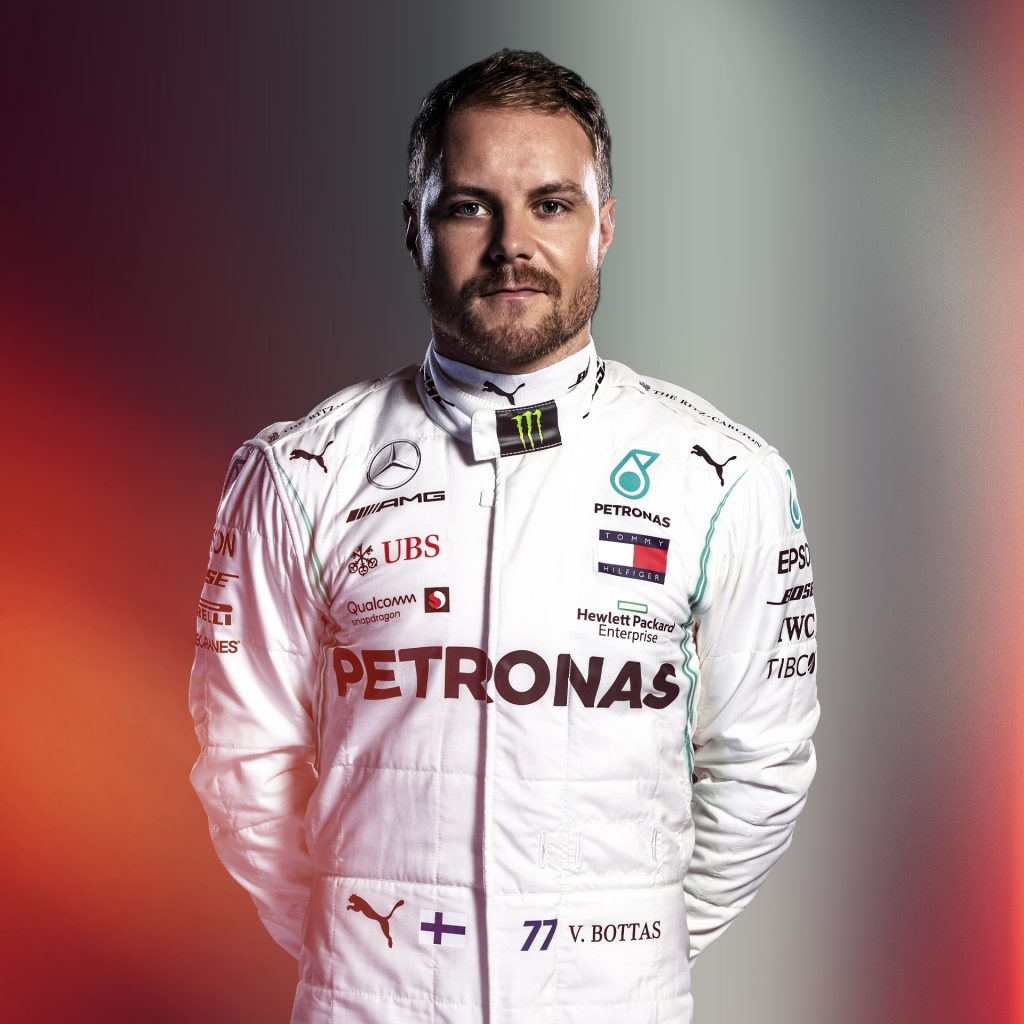
On Saturday, Valtteri Bottas, in full Bottas 2.0 mode, produced a stunning qualifying lap to take pole from his teammate, Hamilton, by 0.6 seconds. People don’t tend to do that to Hamilton… The reigning champion said he “just didn’t put the laps together” but was determined to make amends come race day. And that he did. Good starts from Hamilton and the Ferrari of Sebastian Vettel, combined with another poor one from Bottas, led to all three racing into the first corner side by side. Bottas found himself the filling in that sandwich and had to back out but Vettel, desperate to be the latest on the brakes, locked up and ran wide, handing second place back to the Finn. And from there, the remainder of the race turned out to be something of a formality.

Bottas believes his poor start was due to a mechanical issue rather than any failure on his part, saying “I had a strange behaviour on the clutch; biting, releasing, biting, releasing. I’ve never had it before. So I lost it there. I’m keen to find out why the start was so bad and why the issue happened.”

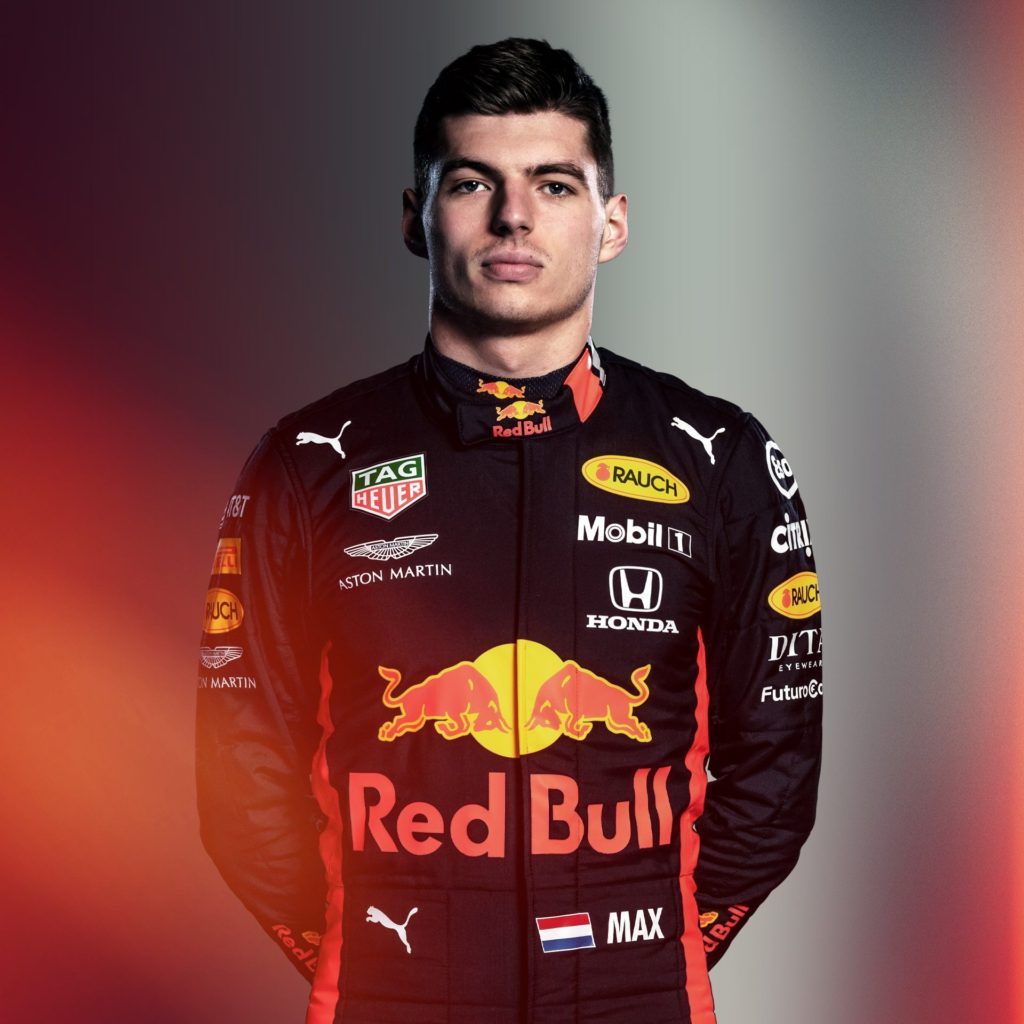
A late safety car, caused by a collision between the two youngest drivers on the grid in Lando Norris and Lance Stroll, closed the pack up but produced no further action at the front and Mercedes further extended their latest record, with a fifth consecutive 1-2 from the start of the season. Max Verstappen continued to impress with an excellent drive to take the final step on the podium, navigating the first corner with maturity and nous before flawlessly executing a move around the outside of both Ferraris when the chance presented itself.

Next up is the Monaco Grand Prix, where Mercedes have struggled in recent years. But judging by their performance in sector three at Barcelona – a sequence of slow corners, similar to the Monte Carlo track – where they were generally more than half a second faster than the Ferraris, another 1-2 is far from out of the question. It is beginning to look like Bottas 2.0 could be the only thing that keeps this championship interesting.

The Debate is Emphatically Over: Ferrari Are Just not Fast Enough

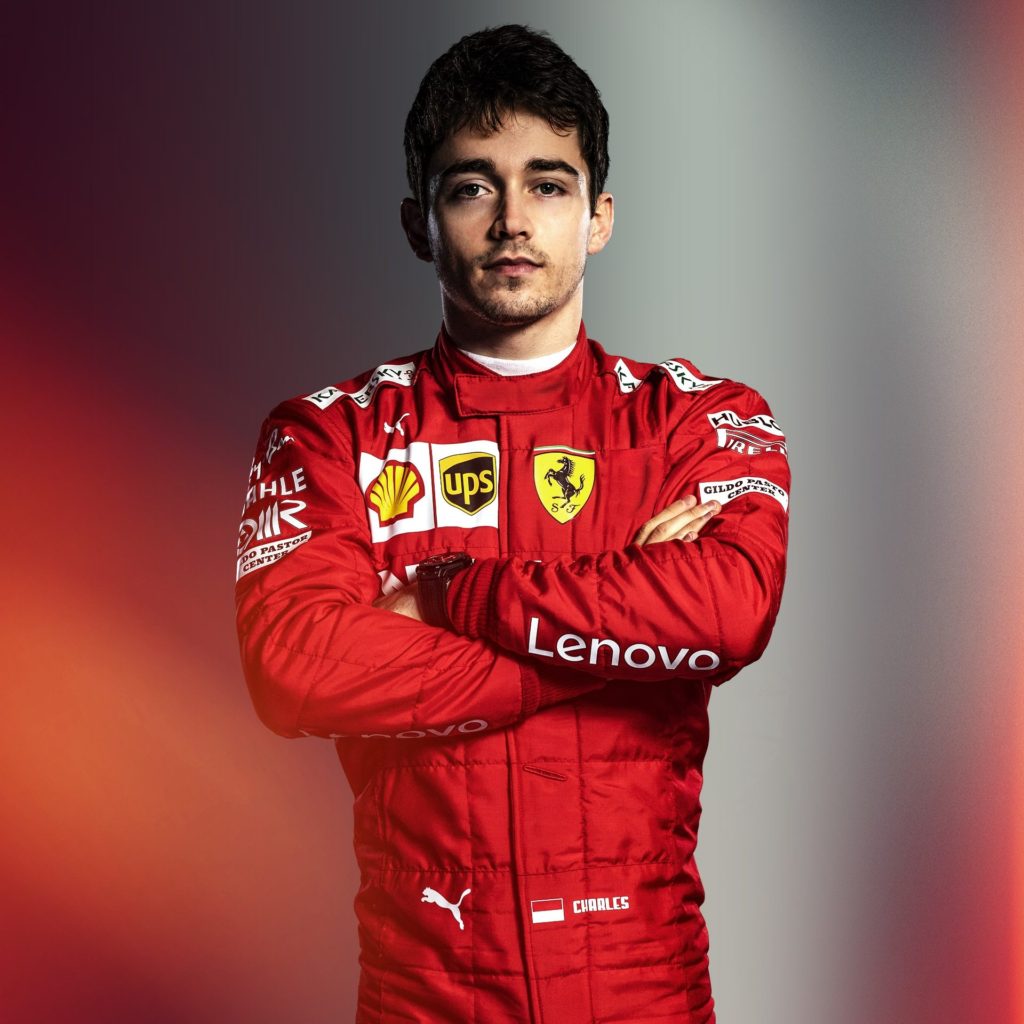
A result in Barcelona would have kept some hopes alive of the Scuderia taking the fight to Mercedes this year. But this was – along with the opening race in Melbourne – the most resounding defeat yet. Throughout pre-season testing, at the very same track, Ferrari had given the impression that they were the team to beat, but just over two months later the Silver Arrows were in a class of one. And to make it worse, their drivers’ squabbling for position arguably cost Ferrari third place to Verstappen.
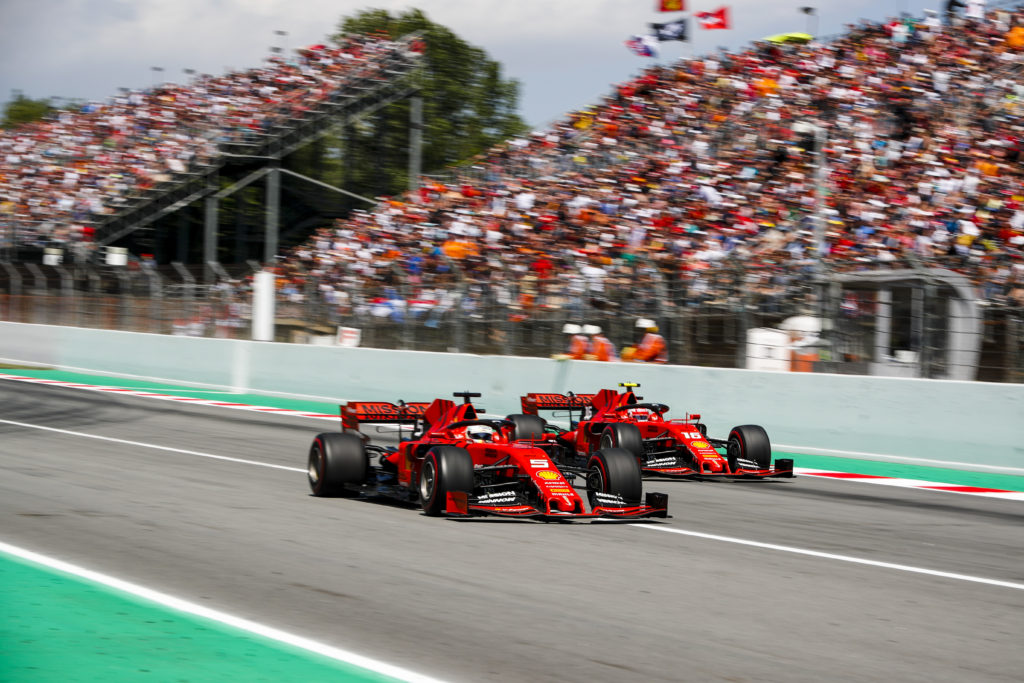
Vettel’s daring attempt around the outside at the first corner ultimately ended in him running wide and, upon rejoining the track, he put his car very much in the way of Charles Leclerc. thus allowing Verstappen to sail around the outside of both red cars. From there, they never really challenged the Dutchman and instead got caught up again with whether to use team orders. Firstly, with Leclerc stuck behind Vettel, who was suffering with a flat spot from his first corner lock-up, and then the reverse when Vettel caught Leclerc with the young Monegasque on old, hard tyres. Hearing the two drivers’ team radios, it becomes clear that their respective race engineers were on different pages. In the situation where Leclerc was the driver in front, his engineer was somehow unaware that the two drivers were on different strategies. These are basic errors.

This was supposed to be Ferrari’s season. But, after missing out on potential victories in Bahrain and Azerbaijan through a combination of mechanical, operational and driver errors, they now find themselves 96 points behind Mercedes after just five races. Along with the obligatory aero update for Spain, a new power unit was rushed through and fitted two races earlier than planned. But the aero upgrade that Mercedes brought is believed to have been worth three to four tenths on its own and thoroughly trumped whatever improvements Ferrari had managed. It is starting to look like the Italian team are more likely battling Red Bull for second place than Mercedes for first, with team principal Matteo Binotto going as far as saying that the problem was “maybe even car concept”. If so, that is not going to be fixable during the season.

The Last Spanish Grand Prix?

The rumours are that this will be the last Spanish Grand Prix, for the time being at least and almost certainly with Barcelona as its venue. Spain is one of five races without contracts for next year, along with Great Britain, Mexico, Italy and Germany. The organisers for the Italian Grand Prix have agreed a deal in principle and Silverstone looks likely to follow. But there is apparently a good chance the other three could all fall off the calendar.

I would hope as a fairly recent addition, and with a clearly very passionate following, Mexico can figure something out. But Spain and Germany feel perhaps in need of a change. There have been few notable races in Barcelona’s 28-year history – barring Pastor Maldonado’s extraordinary victory in 2012 – and crowds this year have visibly reduced, most likely due to Fernando Alonso’s departure from the sport. Germany has been struggling for a while now, briefly alternating between the Hockenheimring and the Nürburgring, before the latter proved unable to host a Grand Prix any longer. And then having the event cancelled altoghether in 2015 and 2017. Spain and Germany are major European countries with a history of motorsport though so it would be good to see them reinvigorated and returned to the calendar in some way.
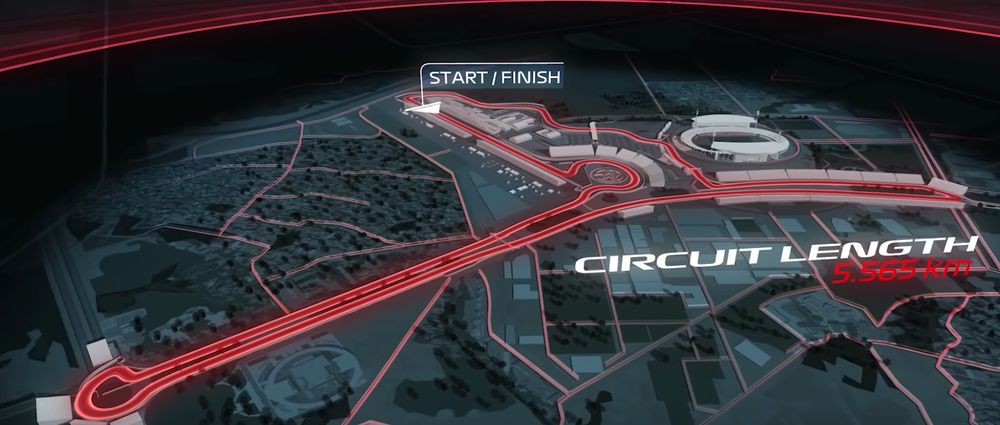
Image credit: Formula 1

Whether as direct replacements or not, there will be the brand new Vietnamese Grand Prix and – expected to be confirmed on Tuesday – a return to Zandvoort for the Dutch Grand Prix. We will have to see how these work out. Vietnam is yet another new location in Asia without any significant motorsport heritage and will be another Hermann Tilke-designed circuit. Zandvoort is in need of a significant upgrade in the next 12 months to be ready for F1. Both in terms of infrastructure and the track itself.

Maybe the Regulations Have Worked

Whilst there was little to no action at the front, the midfield teams all continued to duke it out for the positions around the fringes of the top 10. And that’s on a track where passing has always been difficult. Romain Grosjean’s Haas seemed to spend more time in the run-off area around turns one and two than on the track, after wheel-banging moments with his teammate, amongst others. Scenes that I’m sure led to a few more coins entering Guenther Steiner’s swear jar.

Throughout Formula 1.5, there was a decent amount of battling so, whilst nobody seems to be particularly discussing it, maybe the stop-gap regulation changes for this year have helped somewhat when it comes to the on-track action. That bodes well for the major regulation changes in 2021. We live in hope.

The Spanish Grand Prix in 60 Seconds

Answering the Burning Questions

Can anyone stop Mercedes and will Bottas 2.0 keep it up? An emphatic no to the first part and a tentative yes to the second. Bottas on Saturday was exceptional but Hamilton had him covered on Sunday.

With updates everywhere, will the pecking order change noticeably? Not particularly. Although Haas appear to have fixed their tyre issues and moved up the field.

Who will be the faster Ferrari driver this time? In terms of pure results, Vettel. But it was mostly strategy and a small error from Leclerc on Saturday that saw to that.

Will the Williams updates restore some credibility to the team? They were slightly closer to the pack – at least in the hands of George Russell – but there’s a fair way to go still.

Will anyone pull a Pastor Maldonado? That will be a no.
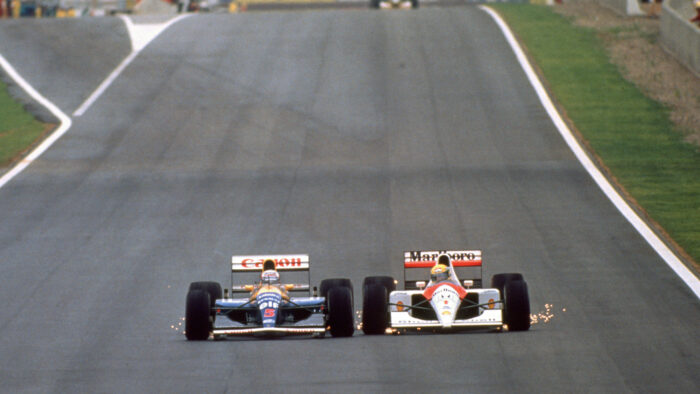
2019 Spanish GP preview

The European season kicks off.

The Burning Questions

Can anyone stop Mercedes and will Bottas 2.0 keep it up?

With updates everywhere, will the pecking order change noticeably?

Who will be the faster Ferrari driver this time?

Will the Williams updates restore some credibility to the team?

Will anyone pull a Pastor Maldonado?

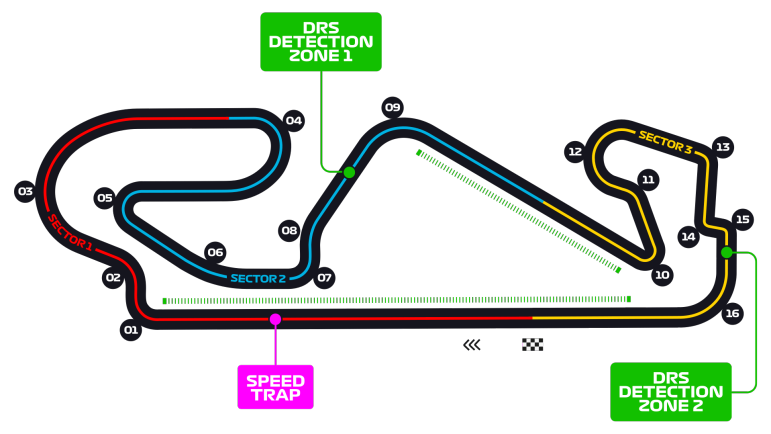
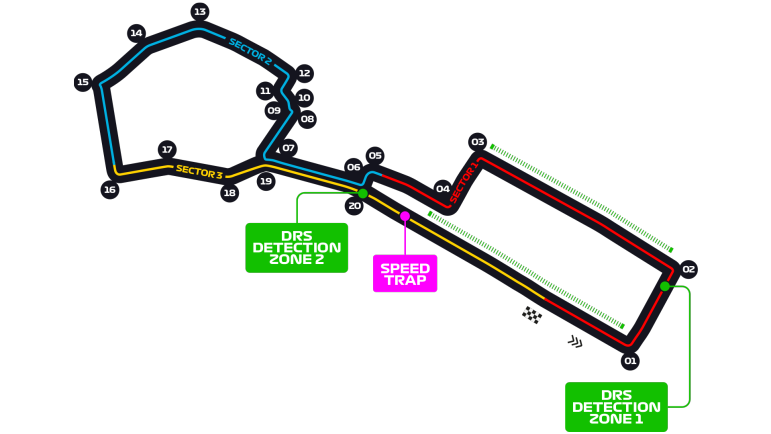
The Track

The Stats

Track Length: 4.655 km

Laps: 66

Race Distance: 307.104 km

First Grand Prix: 1991 (Barcelona) | 1951 (Spanish GP)

Race Lap Record: Daniel Ricciardo | Red Bull | 2018 | 1:18.441

Outright Lap Record: Lewis Hamilton | Mercedes | 2018 | 1:16.173

Most Driver Wins: Michael Schumacher | 1995, 1996, 2001, 2002, 2003, 2004

Most Constructor Wins: Ferrari | 1996, 2001, 2002, 2003, 2004, 2007, 2008, 2013

The Photos

The Predictions

Podium

Pole Position

Fastest Lap

Driver of the Day

Hypocrisy in athletics or athletics fighting to survive?

Time for a tangent.
Image credit: PA

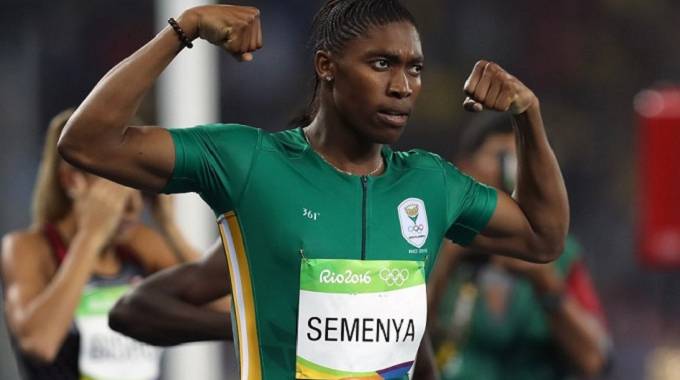
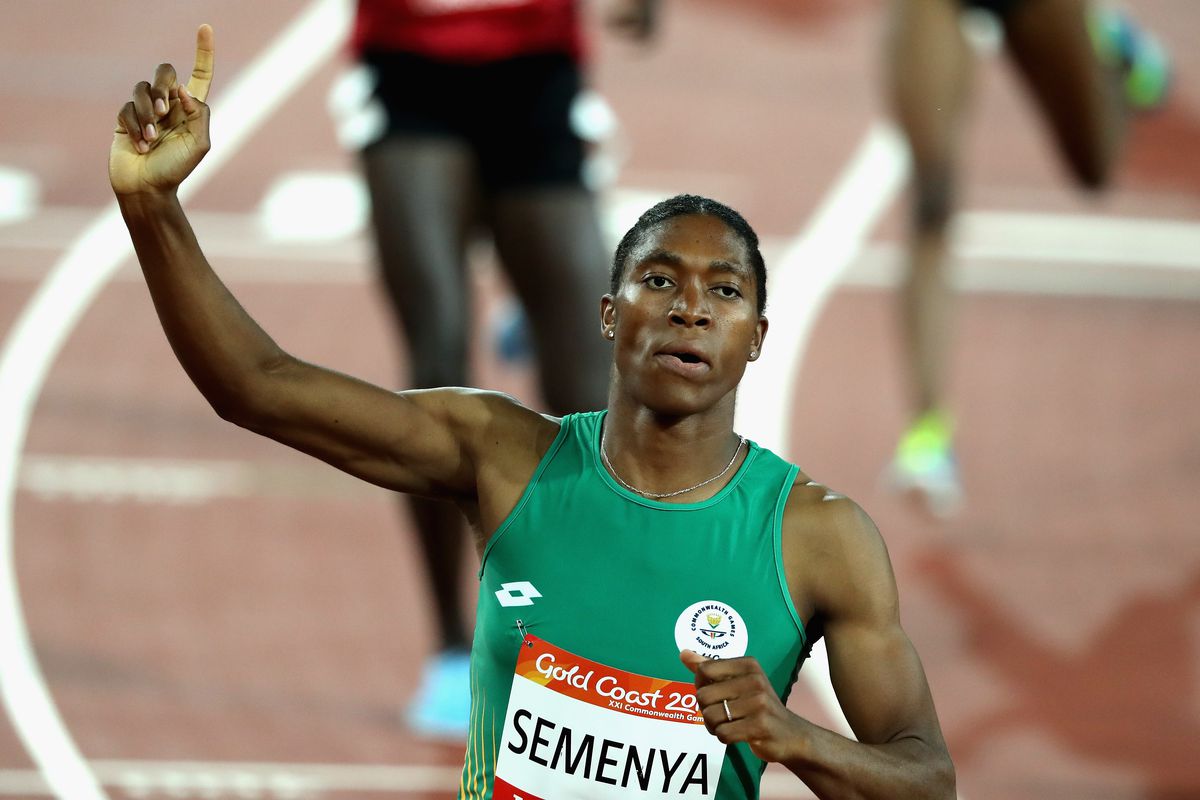
On Wednesday 1st May 2019, the Court of Arbitration for Sport (CAS) passed judgement on a case that it considered to be ‘one of the most pivotal’ it had ever heard. The case was Caster Semenya’s challenging of new rules imposed by the International Association of Athletics Federations (IAAF) that require hyperandrogenous athletes to take medication that will lower their testosterone levels. And the judgement was that those new rules will stand.

This has caught the eye of the general public and many are making sweeping, partially-informed statements about cruelty, discrimination and hypocrisy.

It is very easy to throw together a side-by-side photo of Semenya and, for example, Michael Phelps, with a quote demonstrating the apparent hypocrisy of one being punished for the testosterone her body naturally produces whilst the other is praised for his luck in having a genetic advantage. Namely, that his body produces less than half the lactic acid of his competitors; one of a number of factors that contribute to the most-decorated Olympian of all time’s unrivalled achievements.

But, whilst that hypocrisy is impossible to ignore, it is far from the whole story.

An Unenviable Position

The IAAF, and the world of athletics as a whole, has been put in the unenviable position of having to find the difference between a ‘genetic gift’ and a ‘condition’. It is an issue abundant in grey areas and dangerous precedent, where a ruling must be made in the best interests of the sport, whilst also walking the fine line of political correctness.

A good example of this fine line being that the debate revolves around DSD – an acronym that at one point stood for ‘Disorders of Sexual Development’ but has now been changed to ‘Differences of Sexual Development’, with the term ‘disorder’ being considered too controversial.

The world is a wildly different place now to what it was at the turn of the 20th century, when the modern Olympic Games and the IAAF were established. Back then, lines were very easily drawn between male and female. But we now live in an age where gender is becoming less binary and many people choose to be identified as gender neutral.

Surely a line must be drawn somewhere though. Across almost all events, even the very best women would struggle to compete with the men; Semenya’s personal best over 800m of 1:54.25 is over 13 seconds slower than the male world record.

Any more than one definitive line and there is the risk of athletics losing that base appeal of finding the human that is the very fastest, strongest, best at throwing a pointy stick, etc. – instead having a large series of categories and groups that could make the sport too complex to the average spectator. Or a beige sport where all athletes are forced to have the same levels of different aspects of genetics.

But where is the fairest point to draw said line?

The Science Behind The Decision

In backing up its case, the IAAF points out that, whilst most females have testosterone levels ranging from 0.12 to 1.79 nmol/L, DSD athletes – who are often born with testes and experience similar increases in muscle size, strength and haemoglobin levels as a male does after puberty – are usually in the normal adult male range, which is from 7.7 to 29.4 nmol/L. Therefore, it wants DSD athletes to reduce their testosterone to below 5 nmol/L.

Image credit: Getty Images

Semenya’s team have argued, however, that DSD women with high testosterone may not get the same performance benefits from the hormone because their bodies do not convert the testosterone into a fully active form.

Whilst ruling in favour of the IAAF rules, CAS has set out serious concerns regarding the application of them. And there is also the fact that the proposed policy applies only from the 400m to a mile, which is strange given that testosterone has more of an effect in power events.

There are apparently not enough DSD athletes in many field events for the IAAF to make its case in those disciplines. This further muddies the waters; how can you make such a momentous decision regarding biology and then not implement it across the board? In limiting the rules to a certain aspect of athletics, the IAAF are undermining their own standpoint.

No Stranger to Adversity

Semenya feels persecuted. “For a decade the IAAF has tried to slow me down, but this has actually made me stronger. The decision of CAS will not hold me back,” she said in a statement. A gay, black woman from a South African township, Semenya is no stranger to discrimination and adversity. Even her own country’s governing body has tricked her in the past.

In August 2009, at just 18 years of age, Semenya undertook a gender test before the World Championships in Berlin. She was unaware of the purpose of the test, however, with Athletics South Africa (ASA) president Leonard Chuene telling her it was a random doping test. Some of the results were then leaked to the press, despite never being officially published, and led to idle chatter and Chinese whispers regarding an intersex trait.

Semenya’s coach, Wilfred Daniels, resigned because he felt that ASA “did not advise Ms. Semenya properly”.

Past Mistakes

Image credit: EFE/PA Images

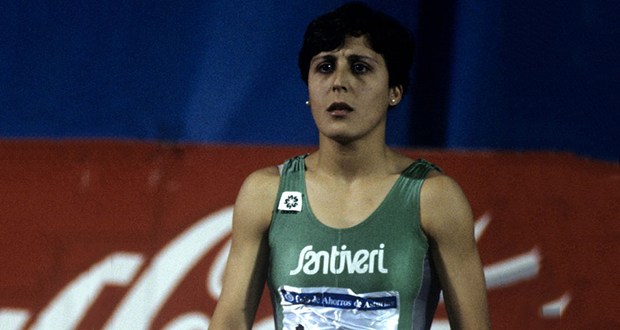
It doesn’t help the IAAF’s case that they have been proven wrong before. In the early 1990s, Spanish hurdler Maria Jose Martinez-Patino was banned for producing abnormal results in her chromosome test but, after refusing to quit or feign injury as she had been advised, she was able to prove that a genetic condition meant she was insensitive to testosterone that was in her blood. There is always the danger that the constant advances in scientific technology will render past results outdated, incorrect and often embarrassing.

Athletics has struggled for viability and with its public image for a long time in the face of consistent drug issues and corruption. This is particularly pertinent as Russian athlete Mariya Savinov actually beat Semenya to gold in the 2011 World Championships and the 2012 Olympics before being retrospectively banned for doping.

If one thing is certain, it is that this incredibly fragile situation must be handled with the utmost care and rectitude. In the face of decades of drug abuse within the sport, the irony of forcing innocent, gifted athletes to take drugs – in order to reduce aspects of their genetic make-up that they were naturally born with – is impossible to ignore.

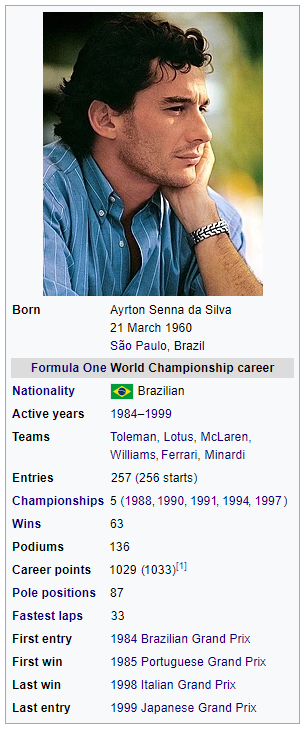
How many titles would Senna have won?

Ayrton Senna won three world titles. All at the Japanese Grand Prix. Each in very different circumstances.

1988 showed him at his very best. After stalling on the grid, he carved his way through the field in changeable weather conditions to take a famous victory.

1990 arguably showed him at his worst. Whilst there were extenuating circumstances involving which side of the grid pole position should be on and an injunction by FISA president Jean Marie Balestre, the Brazilian crashed into Alain Prost – deliberately, he later admitted – to claim the title. A mirror of their controversial collision a year earlier that saw Prost crowned champion.

And then, in 1991, Senna honoured an agreement with teammate Gerhard Berger to let him pass to claim his first win for McLaren after Senna’s championship was confirmed.

That is just a snapshot of an incomparable character in the world of F1. But this is not about stories told many times over; it is about what could have been…

The two years following Senna’s third championship were tales of Williams dominance – with Nigel Mansell in 1992 and Prost in 1993 – which saw Senna become disillusioned with McLaren and their ability to provide him with a championship-winning car. When Prost retired at the end of 1993, Senna took his Williams seat.

Sadly, with barely 50 laps completed for the team, the 1994 San Marino Grand Prix brought about the great man’s untimely demise. But now, more than a quarter of a century on, let’s explore the possibilities of what may have happened had he successfully navigated Tamburello.
I’ve gone through the following seasons and done my best to hypothesise the outcomes, based on race events, drivers’ records on the circuits, overall driver ability, car reliability, statistical luck and (where possible) the butterfly effect.
(I will be writing definitively and in the past tense, but obviously I am not stating this absolutely would have been the case – it’s just easier that way.)

1994

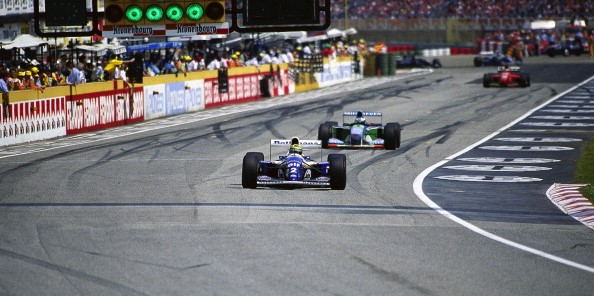
Ayrton Senna leads the 1994 San Marino Grand Prix.

We know how the 1994 season started – with two retirements for Senna and two wins for Michael Schumacher. But Williams were beginning to understand the FW16 at this point, with Senna saying it had felt noticeably better in the Imola warm-up, and that was to continue as the season progressed. Whether Benetton’s performance also decreased, after Senna’s suspicions regarding their car’s legality were proved to be at least partially true, is up for debate.

Senna held off the threat of Schumacher in Imola to finally get off the mark with a first victory for his new team, raising an Austrian flag from the cockpit in memory of Roland Ratzenberger who had died the previous day. He then went on a consistent run of podium finishes through the European season, featuring wins in Spain, Belgium and Portugal, whilst two disqualifications followed by a two-race ban for Schumacher thoroughly brought Senna back into the championship fight.

On his return from the ban, Schumacher found himself four points behind. A win at Jerez levelled things up with two rounds to go, before a Senna masterclass in the rain at Suzuka saw him regain the advantage, albeit with the championship still finely balanced for the final race.

The championship leader took pole but was beaten off the line by Damon Hill and Schumacher. The three pulled away from the field with the order remaining the same through the tight Adelaide turns; Hill’s lead was crucial to Senna’s championship hopes. But, on lap 36, Schumacher made that mistake. Senna bided his time in passing, and a collision was no use to the German with a six-point deficit, so Hill took the victory and Senna the world title.

1995

Michael Schumacher and Ayrton Senna clash in 1995.

There would surely have been flashpoints in 1995. There were enough between Schumacher and Hill, so factor in some South American fire and the already-growing tension between the two drivers and fireworks would have been an inevitability.

Now kitted out with the Renault engine, Benetton came back stronger in 1995. The Williams, whilst fast, was very unreliable, the two drivers experiencing a combined eight retirements caused by mechanical failures. Despite some opportunities for Senna to show his brilliance in changeable conditions at Imola and Suzuka, the Benetton/Schumacher combination was too strong.

Tensions came to a head when the reigning champion and the champion-elect collided at Monza, resulting in both retiring and each laying the blame at the other’s door.

The German went on to claim eight wins in total and wrapped up his maiden championship with one round to spare. It was a deserved victory with some inspired Schumacher drives, Hill even applauding his rival’s performance at the side of the track after having retired from the European Grand Prix. Senna pondered his next move…

1996

Ayrton Senna driving a Ferrari at the 1996 Spanish Grand Prix.

Now. Things are about to get a bit more complex…and even more hypothetical.

Senna had spoken of his want to drive for Ferrari. Luca di Montezemolo revealed fairly recently that he had met with Senna just days before that tragic San Marino Grand Prix to discuss a potential future move, with Senna saying that he ‘really appreciated’ Ferrari’s stand against electronic driver aids. They reportedly offered him a US$22 million-a-year deal to join from 1996 and his former manager, Julian Jakobi, believes he would have accepted it.

Schumacher would still have wanted out of Benetton, though. Having been a Mercedes protégé in his junior career, the opportunity to join them in their new project with McLaren would have appealed and, in this universe, David Coulthard would not have had his chance at Williams in 1994 so would not be filling the seat alongside Mika Häkkinen.

To tie up the loose ends, Jean Alesi still moves to Benetton but Berger would not have left Ferrari with Senna arriving rather than Schumacher. And then Jacques Villeneuve fills Senna’s vacated Williams seat.

At the front, the Williams car was the dominant force. Senna experienced something of a repeat of the previous season with an occasionally fast but unreliable car, allowing him to take a few impressive victories but ultimately falling short.

The Spanish Grand Prix was the race of the season; a battle for the ages with Senna and Schumacher on a different plane to the others, navigating the soaked Catalunya circuit three seconds per lap faster than the rest of the field. The original ‘Rainmaster’ took on the new ‘Regenmeister’ and narrowly came out on top after a two-hour masterclass in wet weather driving from the pair.

Ferrari came on strong towards the end of the season, with Senna winning three of the last four races, but it was too late and Hill comfortably won the championship. The Brazilian was at ease, though, comfortable in his new surroundings at Maranello and inspired by the prospect of returning the Scuderia to former glories.

1997

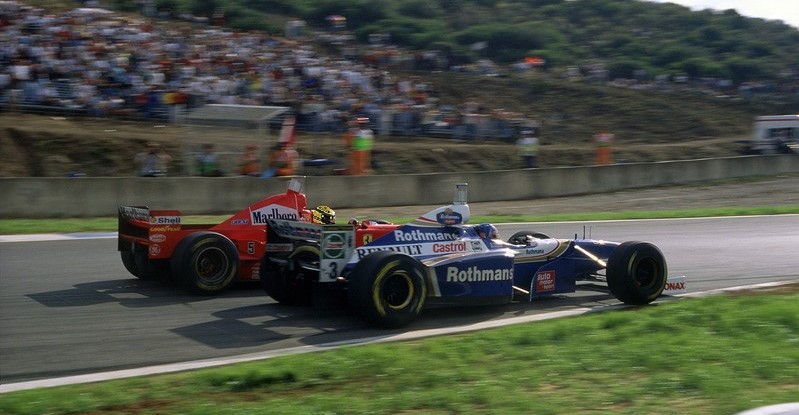
Jacques Villeneuve and Ayrton Senna in 1997.

Hill still leaves Williams as champion but the rest of the main players stay put, meaning we have a title battle between Villeneuve in the Williams, Senna in the Ferrari and the McLaren pair of Schumacher and Häkkinen.

The season opened with a McLaren-dominated race but that would prove to be a false dawn. The newly silver machines’ form fell away dramatically and Schumacher would only manage one podium in the next 10 races. So, it was to be a tale of Senna vs. Villeneuve.

The Brazilian finally won again in Monaco, after an unthinkable four-year wait, before triumphing in three of the next five races to establish a comfortable lead. Villeneuve and Williams rallied, though, and won two on the bounce in Austria and ‘Luxembourg’ (the Nürburgring) to retake the lead with two rounds remaining, before inexplicably withdrawing an appeal against Villeneuve’s disqualification in Japan and handing the advantage back to Senna.

This left a title showdown in Jerez with Villeneuve closing in on Senna for the lead… You could argue Schumacher’s infamous ‘you’ve hit the wrong part of him, my friend’ move would not be entirely out of character for Senna.

However, this was a more mature Senna, free of Balestre’s politics, and – more importantly – second place was enough for the Brazilian to win the championship. Villeneuve passed Senna to take the win but that was not enough to deny him a fifth world title.

1998

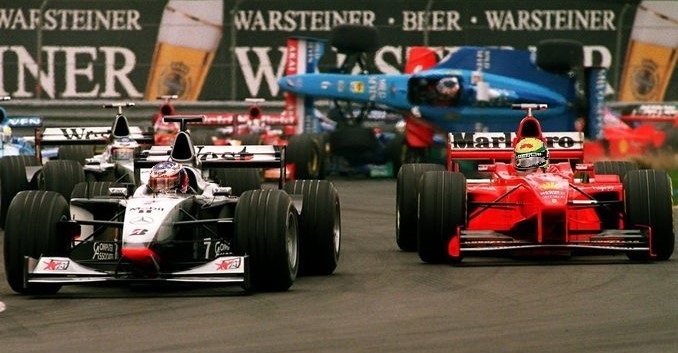
The McLaren of Michael Schumacher leads Ayrton Senna's Ferrari in Monaco.

There is a question as to whether Senna – about to turn 38 and having emulated his hero Juan Manuel Fangio‘s five World Drivers’ Championships – would then retire. But I can’t see his passion and drive relinquishing just yet. Teammate Berger, however, does retire and, much to the chagrin of Senna, Ferrari hire his former boxing partner, Eddie Irvine.

It quickly became apparent that Adrian Newey had designed a gem at McLaren, with Schumacher and Häkkinen dominating the early races and Senna struggling to remain unlapped in a third-place finish at Interlagos. The reigning champion did manage to sneak a win at the Argentine Grand Prix, though; a race featuring the worst pit stop ever.

The Ferrari was reliable but ultimately didn’t have the pace to match the McLarens at most races where they stayed out of trouble. Senna remained in the hunt for the championship thanks to some excellent drives and the McLaren pair taking points away from each other.

Häkkinen had opened up an early lead whilst Schumacher had suffered three retirements, but the German gradually clawed his way back. Häkkinen span in Belgium and suffered an engine failure in Italy, which set up an epic finale with all three drivers capable of winning the title at the final race. A second-place finish was good enough for Schumacher to narrowly take his second title and, in scenes similar to Senna and Prost in 1993, the former champion held his rival’s arm aloft on the podium. Senna was satisfied with his achievements and already aware of his next – and final – move.

1999

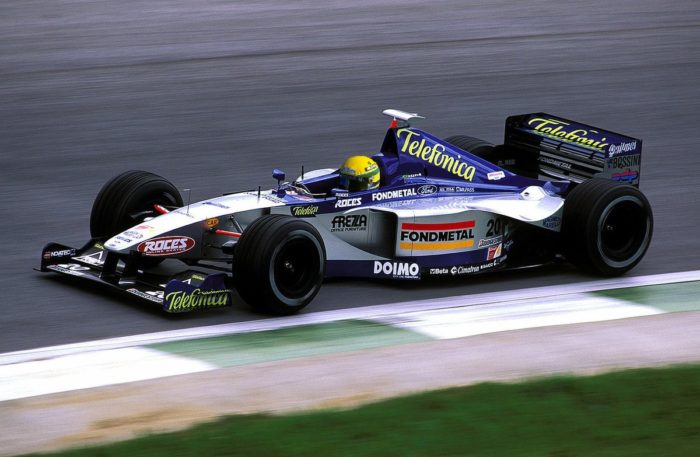
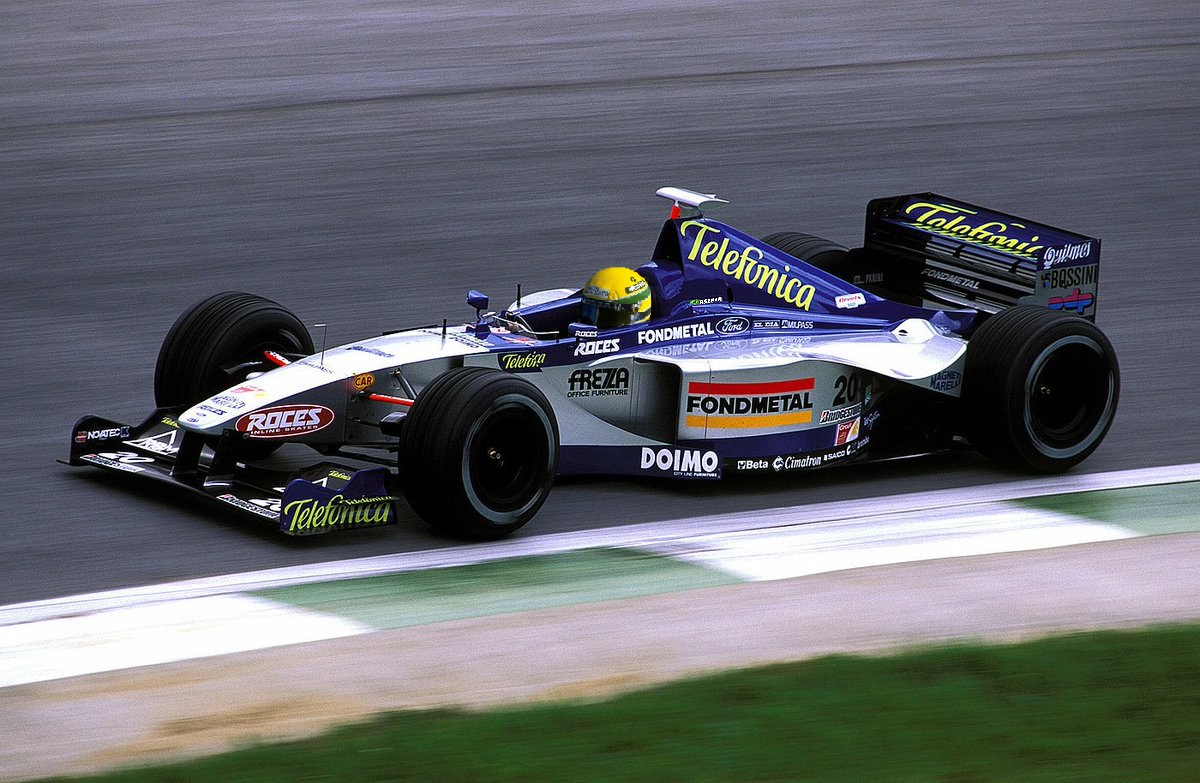
Ayrton Senna in a Minardi.

Senna apparently told his good friend Gian Carlo Minardi several times that he wanted to end his career at Faenza. “The last year I do in Formula 1 will be with you”, Autosprint quotes Senna as having told Minardi. “I’ll drive for free but we’ll take away the satisfaction of bringing your car away from the back row.” Senna was largely an honest man and I see him being true to his word. A different, one-season challenge for the Brazilian to round off his career in the final year of the millennium.

(Yes, yes – I know that the new millennium technically began in 2001…)

A shock move to perennial backmarkers Minardi saw Senna trying to drag the team away from the back of the grid, in what he announced would be his final year in the sport. At the season-opening Australian Grand Prix, a race with only eight finishers, Senna ran in the points briefly before retiring with gearbox issues.

Another race of high attrition at the following round in Brazil, though, saw Senna take Minardi’s first point in five seasons in front of an adoring home crowd. Astonishingly, that was followed up by another point in San Marino, thanks in part to yet another race with fewer than 10 drivers seeing the chequered flag.

Reality then hit, however, with no points in the next 10 races. Senna’s technical ability, along with money brought in from newly interested sponsors, helped develop the 1999 Minardi but it was nonetheless mostly a case of Senna wrestling the car into decent midfield positions.

That was, until the European Grand Prix. An incident-packed race in changeable conditions – very much playing to the veteran’s strengths – saw Johnny Herbert take an unlikely victory for the Stewart team and Senna an even more unlikely first ever podium for Minardi.

Sadly, Senna was to retire from his last ever race with an engine failure but walked back to the pits with a fitting send-off of a standing ovation from the ever-enthusiastic Japanese fans.

So, there you have it. For what they’re worth, those are my wild hypotheses for a scenario that sadly wasn’t to be.

The hypothetical final career stats for Ayrton Senna.

Had Senna survived, five world championships – whether or not they would have occurred in a way even remotely similar to my fictional universe – seems a fair legacy for the driver that many still class as the greatest in the sport’s history.

Maybe the way in which he was taken from us has added to his legacy – rose-tinted glasses can be especially rosy in this kind of situation. But having analysed the potential twists and turns his career could have taken, this feels quite fitting.

To go with those five championships, Senna would also have precisely matched Riccardo Patrese’s record for races entered and surpassed Prost’s records for wins, podiums and points. As well as extending his own pole position record to 87.

How many of those would then still have been rewritten by Schumacher and Lewis Hamilton is another rabbit hole, and one which I’m not going to go down on this occasion.

It is no secret how adored Senna was in Brazil and his ambition to one day move into politics and improve his beloved home country were well-known. The ramifications of Senna’s loss extend beyond the sport, potentially to a global, political level. A successful run for presidency would have been far from a pipe dream; much crazier things have happened in the world of politics. (Just look at the last few years…)

But one thing is certain – Ayrton Senna da Silva would always have been and will forever be an icon and a legend. His intensity, passion and charisma transcended the sport. He will never be forgotten.

2019 Azerbaijan GP report | The return of Bottas 2.0

Apparently Azerbaijan used up its quota of carnage on Friday and Saturday.
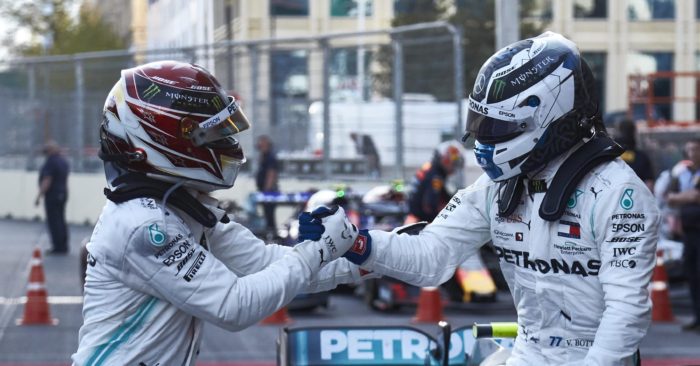
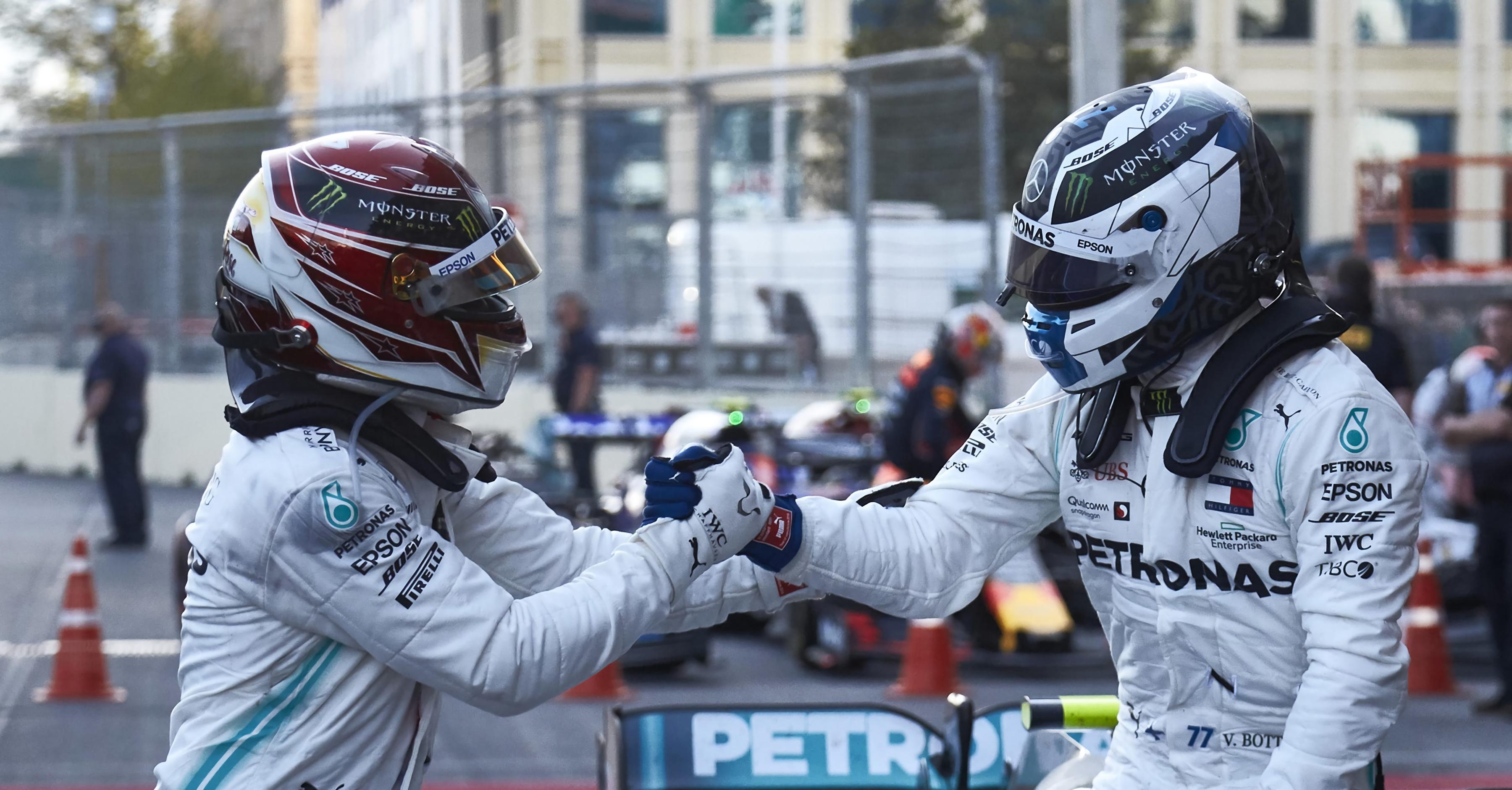
Valtteri Bottas and Lewis Hamilton after the 2019 Azerbaijan Grand Prix.
Image credit: Steve Etherington

Valtteri Bottas took his second win of the season and the championship lead after an impressive performance at a surprisingly uneventful 2019 Azerbaijan Grand Prix.

After an impressive start to the season with a dominant victory at Melbourne (albeit with Lewis Hamilton having suffered floor damage), the supposed rebirth of Bottas in 2019 as much more than just a ‘wingman’ had seemed to stutter. He was nowhere in Bahrain and, after taking pole in China, was beaten off the line by Hamilton and never really threatened for the remainder of the race. But the Finn was near enough flawless in Baku, grabbing what looked an unlikely pole position, holding his own in the first few corners and then not putting a foot wrong on his way to victory and the lead of the championship.

Hamilton will have regrets though. He had been the stronger Mercedes driver through the practice sessions and the earlier parts of qualifying. He produced an excellent first lap in Q3 but on the second runs, after Mercedes had successfully thrown Ferrari and Sebastian Vettel a dummy, they got their timings a bit wrong. Both drivers were at the back of a queue of drivers trying to get space for their runs. Hamilton was worst affected, losing a lot of tyre temperature which caused him to lose three tenths in the first sector and he couldn’t quite claw that back through the rest of the lap. He got the better start on Sunday but, as he put it, was “a little bit too kind”, giving his teammate a lot of space as they ran wheel-to-wheel. From there, despite following closely throughout, he never really got another chance.

You get the sense that the world champion still feels pretty comfortable that he has Bottas covered. Or maybe it’s just that he genuinely gets on with the Finn and is enjoying an honest fight after all the psychological warfare with Nico Rosberg. Either way, Bottas 2.0 still has a long way to go. He should have been leading the championship at this point last year too but for a dramatic puncture. The European season was where Hamilton started to pull away and he is infamously strong in the latter part of the year, as the tension builds. Maintaining the fight will be far from easy for Bottas but, if Ferrari continue to falter, hopefully he can do so for the sake of a competitive championship. Speaking of which…

Are Ferrari Actually Fast?

Another race and another missed opportunity for the Scuderia. At what point though do we actually start to question the speed of the car? In Bahrain, they were clearly quickest, certainly in the hands of Charles Leclerc. In China, Mercedes regained the upper hand. Through practice in Azerbaijan, they were miles ahead – over a second in Practice 3 – and it looked like we might have another season where certain tracks are more suited to each of the two leading teams and a title battle that would swing to and fro.

Image credit: Getty Images

But it all unravelled after Leclerc’s crash in qualifying and here we are with a record-breaking fourth consecutive 1-2 finish from the start of the season for Mercedes. How much of that is down to the ongoing operational issues that have hindered Ferrari over the past few years and how much of it is just a lack of pace? Qualifying would appear to be down to the former but then Vettel didn’t really look like threatening the Mercedes at any point during the race. Or is it just those Mercedes sandbags out in force again? At least it meant they didn’t have to deal with team orders…

Barcelona will be key. People were referring to the race in Azerbaijan as a must-win for the red cars; Barcelona is far more of one in this writer’s opinion. Testing at Barcelona was what had fans, pundits and the media alike convinced that Ferrari were the team to beat this year. If they get comfortably beaten there too, that could be it. Last year, Mercedes had built a wild animal of a car but learnt how to tame it. This year, it seems they are the ones with the more consistent machine and Ferrari have built the wild animal…but have no ringmaster to do the taming.

What Happened to the Baku Mayhem?

Well, it all happened too early really. A Chuckle Brothers-esque start to the weekend saw a loose manhole cover thankfully not cause any harm to George Russell but cause a lot of damage to his car a few minutes in. Then the rescue truck that came to pick up the Williams promptly crashed into a bridge and proceeded to leak hydraulic fluid on the car. Talk about insult to injury. Practice 1 was cancelled as they checked the bridge and 300 manhole covers around the circuit.

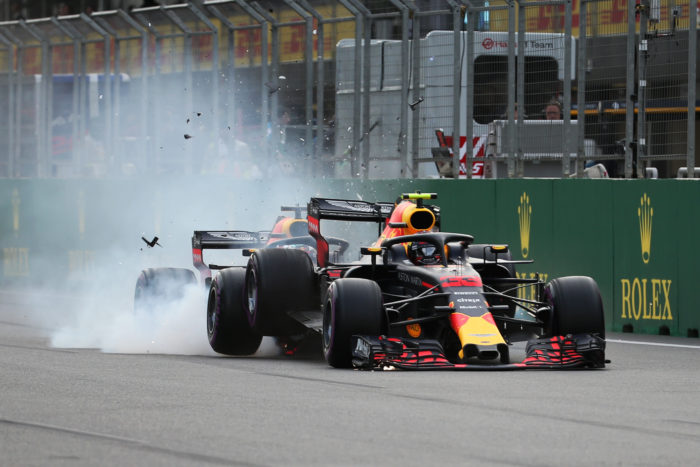
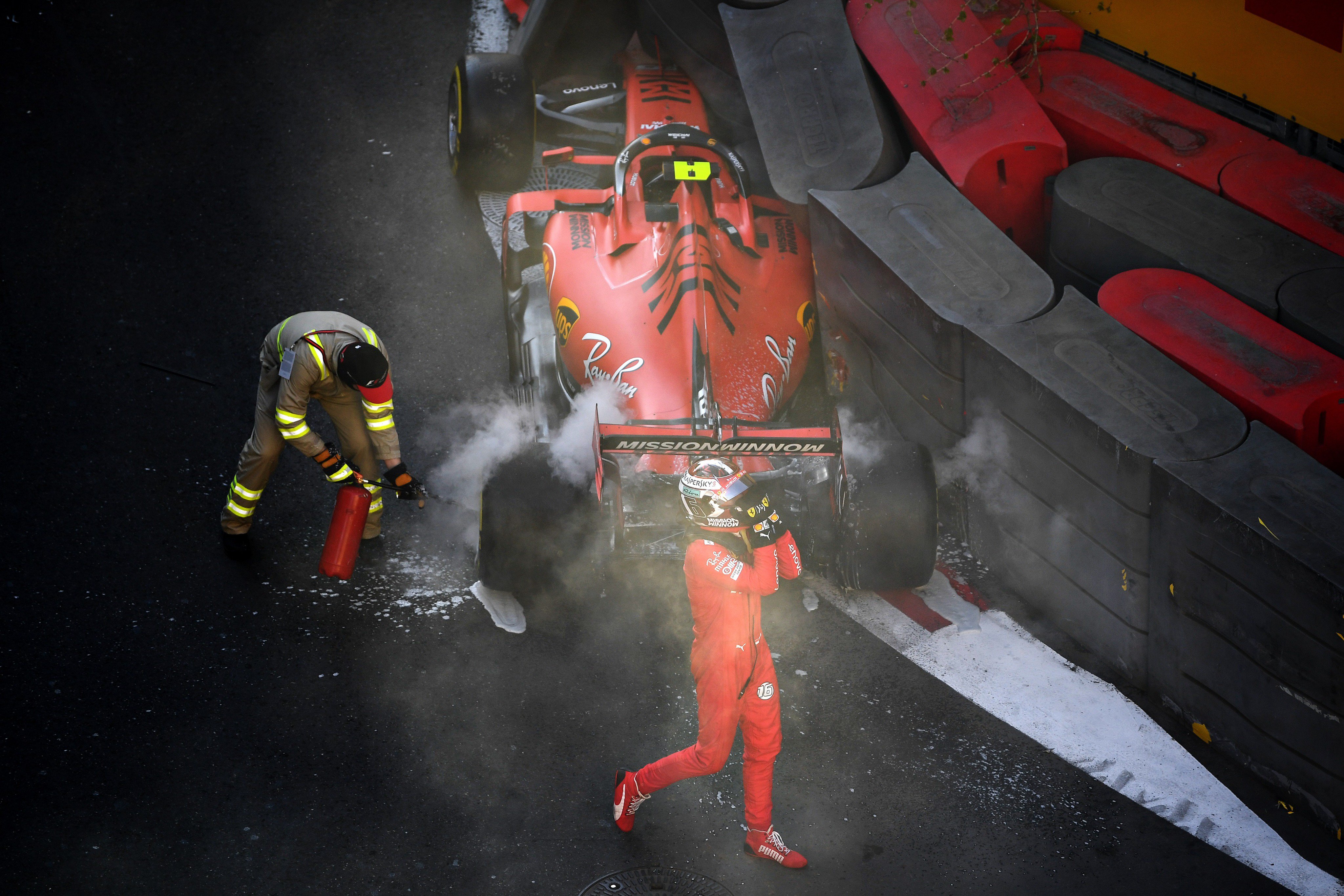
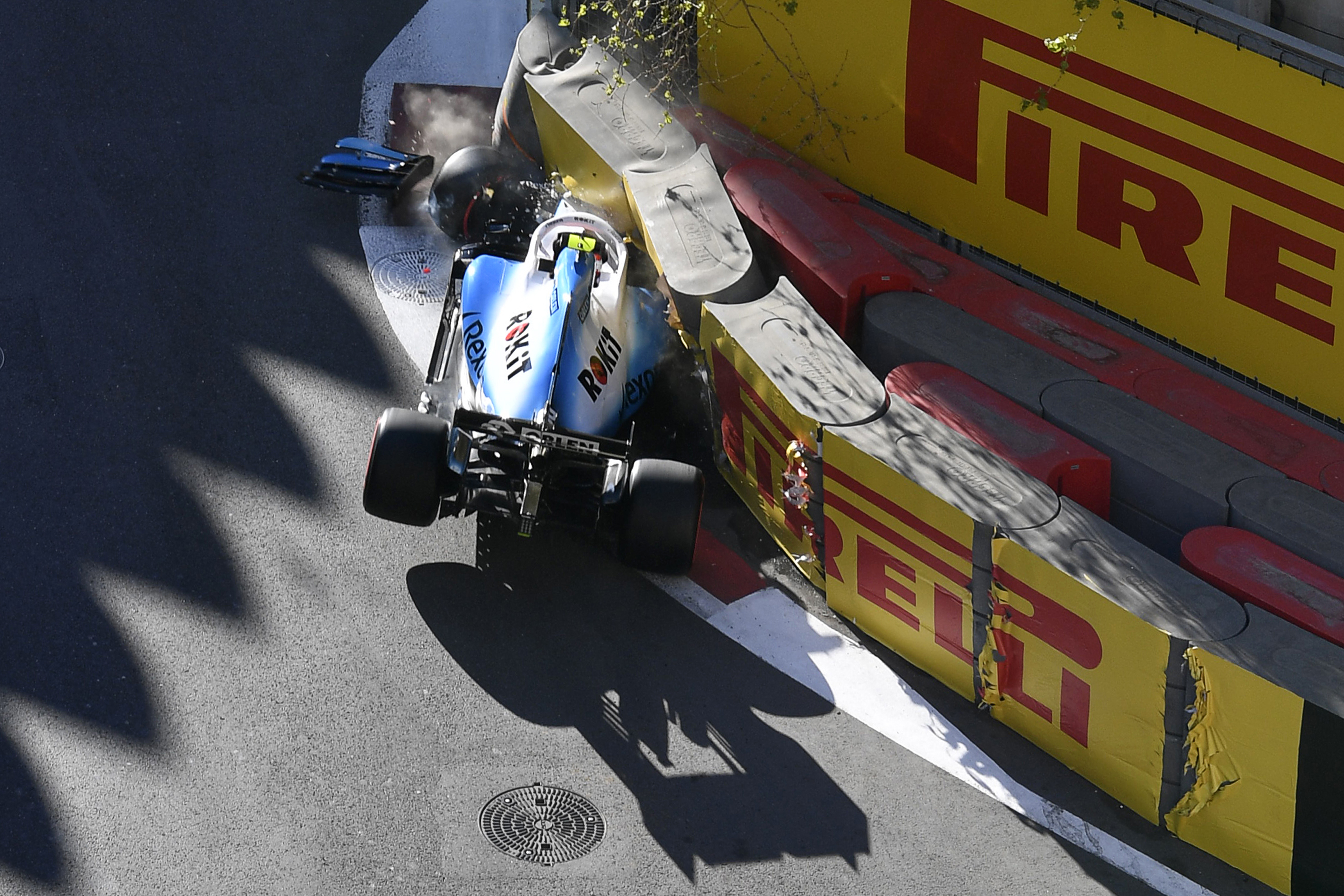
Saturday was all about Turn 8. First Robert Kubica and then, more dramatically, Leclerc’s Ferrari ended up in the barriers there, each causing long delays whilst it was repaired. But sadly, in terms of a spectacle at least, Sunday passed mostly without incident. Except for Daniel Ricciardo bizarrely reversing into his former teammate, Daniil Kvyat, after the Australian had outbraked himself in an overtaking attempt and forced them both down an escape road.

Another Draining Weekend for Williams

Yes, that’s a drain pun. No, I’m not sorry.

If people thought things couldn’t get worse for the Williams team, they were proven thoroughly wrong by the weekend’s events in Baku. First there was the drain cover incident, destroying the floor of Russell’s car and damaging the chassis severely enough that it had to be replaced. Claire Williams put the damage in the hundreds of thousands and stated she would be “taking it up with race control”.

Image credit: AFP via Getty Images

And then Kubica binned the sister car in Q1 on Saturday. Some feared Williams wouldn’t have the spare parts to rebuild another car after having to use the spare chassis for Russell, but fortunately they did and at least both cars were able to compete on Sunday. Not without one more kick in the teeth though. Kubica received a drive-through penalty for ‘pit lane irregularities’, with the team apparently confused as to what they had done wrong. It transpired that, with this being their first pit lane start since the race times shifted to 10 past the hour, Williams hadn’t clocked (no pun intended this time) that you’re supposed to bring the car to the exit 20 minutes before the race start time as opposed to 20 minutes before the hour…

It feels that Williams could, and should, be learning from McLaren. In coming to the realisation that their way of working was outdated and to then basically strip everything apart and rebuild from scratch. Zak Brown has done that for the more recent of the two British former champions and they are now pushing on and regaining dignity and competitiveness, with a solid double-points finish in Baku. But as things stand, it appears that Williams are too proud. And if they’re not careful, that could be their downfall.

The Azerbaijan Grand Prix in 60 Seconds

Answering the Burning Questions

Will there be more team orders at Ferrari? Leclerc’s crash removed that specific elephant from the room.

Can either Ferrari or Red Bull’s upgrades take them to the front? It looked like that could be the case for Ferrari on Friday but by Sunday normal service seems to have resumed.

Will Azerbaijan keep up its so far 100% record of producing highly dramatic races? No.

Will any of the midfield teams stake a claim for being best of the rest? Racing Point and McLaren had strong races but overall it’s still certainly in the balance.

2019 Azerbaijan GP preview

Expect carnage.

The Burning Questions

Will there be more team orders at Ferrari?

Can either Ferrari or Red Bull’s upgrades take them to the front?

Will Azerbaijan keep up its so far 100% record of producing highly dramatic races?

Will any of the midfield teams stake a claim for being best of the rest?

The Track

The Stats

Track Length: 6.003 km

Laps: 51

Race Distance: 306.049 km

First Grand Prix: 2016 (Baku) | 2017 (Azerbaijan GP)

Race Lap Record: Sebastian Vettel | Ferrari | 2017 | 1:43.441

Outright Lap Record: Lewis Hamilton | Mercedes | 2017 | 1:40.593

Most Driver Wins: Daniel Ricciardo/Lewis Hamilton | 2017/2018

Most Constructor Wins: Red Bull/Mercedes | 2017/2018

The Photos

The Predictions

Podium

Pole Position

Fastest Lap

Driver of the Day

Walking away from a big team

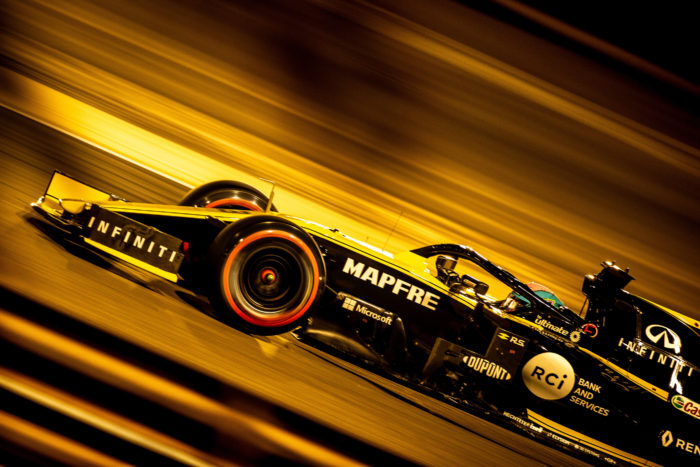
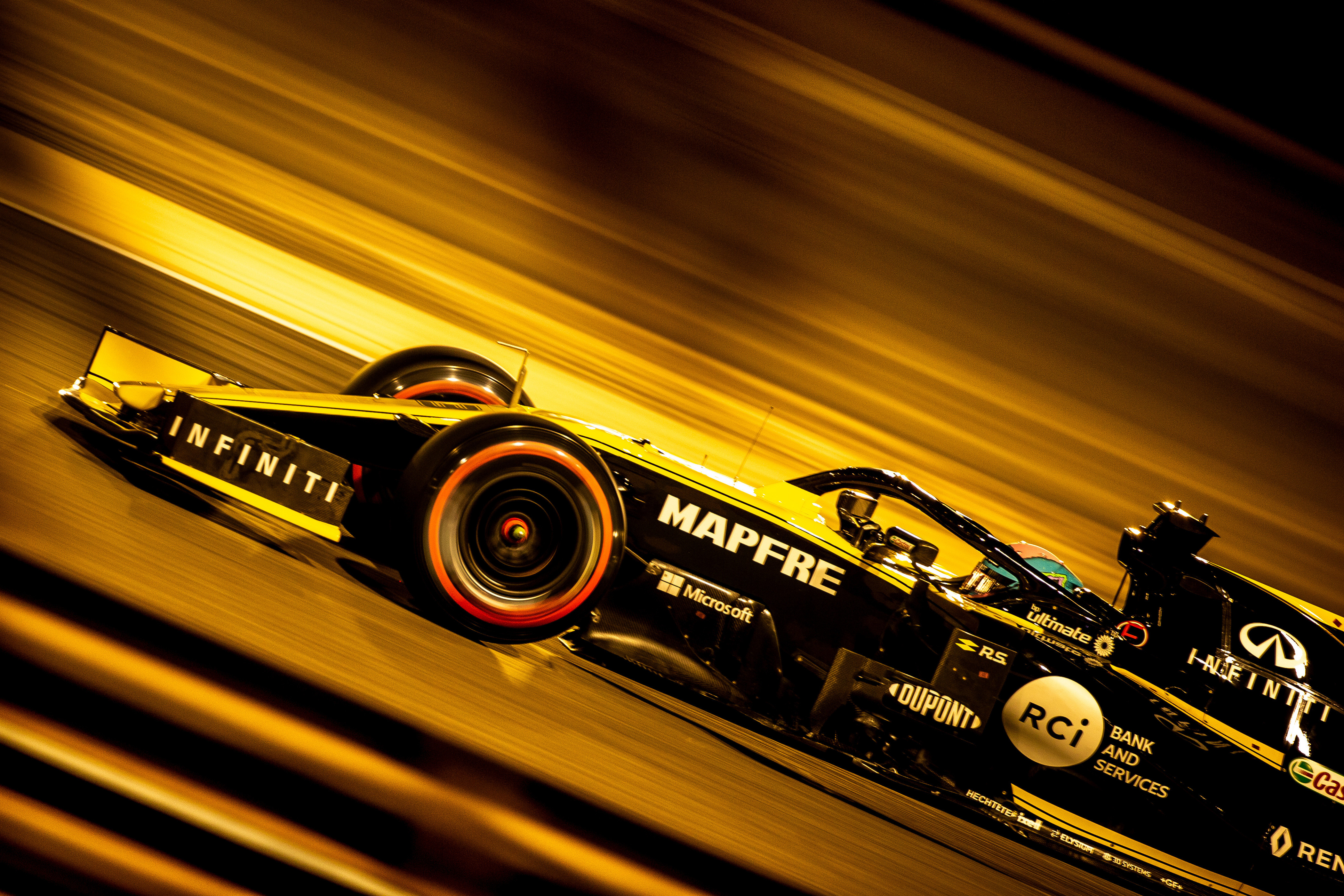
Daniel Ricciardo driving a Renault in 2019.
Image credit: XPB/James Moy Photography

In honour of Daniel Ricciardo‘s first points for Renault, this is a piece on the history of established, successful drivers leaving established, successful teams and how it worked out for them.

I’m only discussing drivers who left of their own accord – or at least as best we can tell without knowing all the ins and outs – so moves such as Damon Hill’s from Williams to Arrows in 1997 as world champion won’t be included. The 50s had a far more fluid driver-team dynamic; for example, Juan Manuel Fangio regularly changing teams depending on which he thought had the best car at that time. So let’s begin in the 60s.

Results are mixed.

Jack Brabham | 1962 | Cooper > Brabham

Jack Brabham won back-to-back championships with Cooper in 1959 and 1960 but during the second of those seasons was already becoming convinced that he could produce a better car himself, particularly once having helped design the T63 that took him to the championship. After a poor showing from Cooper in 1961, Brabham left to start the team this bore his name.

The first few years were not successful. His team suffered poor reliability, not helped by Brabham’s reluctance to spend money, and in 1965 he was beginning to consider retirement. He handed his car over to several other drivers and the lead-driver role to Dan Gurney. During that season, Gurney took the team’s first win but then announced he was leaving to start a team of his own and so Brabham decided to continue.

It was a good decision. Largely thanks to an inspired decision regarding the new engine regulations, 1966 saw Brabham win his third world championship. And in doing so, became the only man to win the world championship in a car that carried his own name. A record that still stands and likely will for a long time.

Success? Definitely.

Emerson Fittipaldi | 1976 | McLaren > Copersucar

Titles in 1972 with Lotus and 1974 with McLaren saw Emerson Fittipaldi become the youngest double world champion in the history of the sport. A record that lasted more than two decades until Michael Schumacher‘s second title in 1995. Fittipaldi finished the 1975 season as runner-up to the Ferrari of Niki Lauda before shocking the F1 world by announcing he was leaving McLaren for Copersucar – a team funded by a Brazilian sugar marketing company and run by his brother, Wilson.

13th place on his debut set the tone for the venture, however. The Brazilian never won again and managed only two podiums in the remainder of his career, staying at the team until retiring at the end of 1980. He moved into management of the team but it folded in 1982.

Meanwhile, James Hunt won the 1976 world title in the seat Fittipaldi had vacated…

Success? Definitely not.

Niki Lauda | 1978 | Ferrari > Brabham

Niki Lauda’s relationship with Ferrari never really recovered from his decision to withdraw from the crucial Japanese Grand Prix of 1976. Having recently returned from his horrific crash at the Nürburgring and in appalling weather conditions, Lauda said “my life is worth more than a title”.

The following year, despite Lauda comfortably winning the championship, tensions continued to grow. The title was won due to consistency rather than outright pace and Lauda disliked his new teammate, Carlos Reutemann. He said he felt let down by Ferrari for them putting extra pressure on him and announced his decision to quit.

He moved to a Brabham team that had struggled for most of the 1970s and sadly for the Austrian not much was to change during his two years there, with unreliability a major issue. That was except for one race and one infamous car – the Brabham BT46B. A radical design that became known as the ‘Fan Car’. It won its first and only race but was never used again; other teams vigorously protested its legality and team owner Bernie Ecclestone did not want any legal complications whilst he worked on his acquisition of the sport’s commercial rights.

At the end of 1979, Lauda retired, stating he had “no more desire to drive around in circles”. He would return in 1982 with McLaren, however, and win the world championship in 1984.

Success? Not at Brabham but the decision was understandable and he got his third title in the end.

James Hunt | 1979 | McLaren > Wolf

Things went steadily downhill for James Hunt at McLaren after winning the 1976 World Championship. His title defence derailed early in the season due to problems with the new car and, whilst that season ended reasonably well, 1978 was a disaster. Lotus had developed very effective ‘ground effect’ aerodynamics and McLaren were slow to respond. The car was eventually revised midway through the season but it did not work. This, along with the death of his close friend Ronnie Peterson, crushed Hunt’s motivation.

Despite a poor 1978, Hunt was still very much in demand. He turned down an offer from Ferrari, due to their complicated political environment, electing instead to move to Walter Wolf Racing. A team which had won its very first race and powered Jody Scheckter to second in the world championship in its first season. However, the team’s ground effect car was uncompetitive and unreliable.

Hunt retired from six of the first seven races and, after the Monaco Grand Prix, announced his immediate retirement from the sport. He could only watch on as Scheckter won the championship in the Ferrari seat he had turned down.

Comebacks almost transpired. First as a replacement for the injured Alain Prost in 1980 but Hunt broke his leg whilst skiing. Then in 1982 he was offered a drive at Brabham by Bernie Ecclestone but turned it down. And even in 1990, at least somewhat due to financial troubles, Hunt considered a comeback with Williams – testing a modern car but running several seconds off the pace.

Success? No. But leaving McLaren was less the issue than turning down Ferrari.

Nelson Piquet | 1988 | Williams > Lotus

Despite winning the title in 1987 at Williams, Nelson Piquet became obsessed with his feeling that he was not being given the undisputed number one driver status he claims was promised to him by the team. Even going as far as saying they actually favoured Nigel Mansell. And so he left for Lotus, having been promised the status he craved there.

Honda, who paid most of his salary, were unhappy with Williams and moved their engines along with the Brazilian. McLaren, also with Honda power, then dominated the next two seasons. Lotus were stagnating and Piquet himself also wasn’t performing. It could be that he was never the same driver after a bad concussion suffered in a crash the previous year, but he significantly harmed his reputation and resorted to attacking his rivals via petty comments in the media.

He later moved to Benetton and won three races in two seasons but never again challenged for the championship.

Success? No and dragged his former team down with him too.

Michael Schumacher | 1996 | Benetton > Ferrari

You could argue that moving to Ferrari is never going to be that much of a risk, certainly compared to some others on this list. But Michael Schumacher left Benetton as the constructors’ champions, having won back-to-back titles himself with them, for a Ferrari team that hadn’t won a drivers’ title since 1979 and had only won two races in the past five seasons.

But Schumacher had grown tired of the way Benetton was run and wanted both an increased salary and a new project.

He got both and we all know how the next decade with the Scuderia played out. After a few years of near misses (or distinctly not missing Jacques Villeneuve’s Williams and subsequently being disqualified from the 1997 season), Schumacher dominated the early 2000s, winning every title available between 2000 and 2004.

Fernando Alonso then arrived and dethroned him with the seven-time champion retiring at the end of 2006. A brief return to the sport with Mercedes in 2010 produced just one podium but Schumacher will always be remembered as the dominant force in Ferrari red.

Success? The success story.

Jacques Villeneuve | 1999 | Williams > BAR

After winning both championships in 1997, Williams had a strange title defence, both in terms of livery – in red for the first time – and performance, without a single win. They had been hampered by the underpowered Mecachrome engine and Villeneuve decided to join the newly formed BAR team for 1999. That decision was also certainly swayed by his friend and personal manager, Craig Pollock, who partly owned the team.

They had lofty ambitions and made boastful claims of winning the championship in their debut year. Claims that ultimately became embarrassing when they failed even to score a point, Villeneuve setting an unwanted record of failing to finish the first 11 races of the season.

During the four seasons that followed, BAR improved somewhat but never enough to take a win. Pollock was sacked in 2002 and, after being outpaced by a young Jenson Button in 2003, Villeneuve left the team. Without a drive, he was forced into a sabbatical before returning for three races with Renault at the end of the year but was off the pace.

He eventually retired from F1 during the 2006 season, whilst racing for BMW Sauber, having effectively been replaced by Robert Kubica after refusing to be part of a potential ‘shoot-out’ with the Pole.

Success? Not at all. A career that nose-dived.

Lewis Hamilton | 2013 | McLaren > Mercedes

When Lewis Hamilton announced he was moving from McLaren to Mercedes for the 2013 season, there were not many that thought it was a wise decision. McLaren were serial winners and, whilst the last few seasons had seen them second or third best, with Red Bull dominant, Mercedes had generally been also-rans since returning to the sport in 2010. But Niki Lauda had convinced Hamilton that it was a wise decision. And boy, was he right.

There was a solid first season with a victory and fourth place in the championship. But then in 2014, having spent years preparing for the new regulations and hybrid engines, Mercedes produced a car that was in a different league to the rest and Hamilton himself found a new level of excellence.

How certain he, or Lauda, were of the Silver Arrows’ impending dominance is up for debate. But Hamilton’s place now amongst the greats is not. He has won four of the last five titles, narrowly losing out to teammate Nico Rosberg in 2016 after a season plagued with unreliability, and is closing in on Schumacher’s all-time records. Records that most thought would never be threatened.

Whether or not, he can pass those records, Hamilton undeniably made the correct career move. McLaren have not won a race since he left.

Success? If Schumacher is the success story then Hamilton is well on his way to replicating that story.

Fernando Alonso | 2015 | Ferrari > McLaren

Fernando Alonso could arguably be on this list on more than one occasion. At the end of 2007, he left McLaren, after the most dramatic and political of seasons, to return to Renault. Alonso won just two races in two seasons there, but his second spell with the French team had only ever been a stopgap on his journey to Ferrari.

He succeeded in joining the Scuderia in 2010 and came agonisingly close to titles in both his debut year and 2012. Poor strategy in the final race put paid to his hopes in 2010 and then, in 2012, Alonso drove arguably one of the best seasons in the history of the sport, regularly dragging an underperforming Ferrari to places it had no right to be but agonisingly lost out to Sebastian Vettel by three points, once again at the final race.

The Spaniard became disillusioned, doubting he would ever be provided with a truly title-winning machine, and made a decision that stunned the sport – to return to McLaren.

In 2008, Alonso ever rejoining McLaren would have seemed unthinkable. Indeed, it still did to most in 2014. But McLaren had linked up with Honda on their return to the sport and Alonso dreamed of emulating his hero, Ayrton Senna, and winning in a McLaren Honda.

Sadly, it was not to be. Honda struggled to catch up with the other engine manufacturers, stifled by massively complex technology and McLaren’s strict regime, and Alonso spent the remainder of his career once again dragging the car to places it had no right to be. But now that was the top ten, rather than the top of the podium.

Success? Alonso’s career decisions have almost become a running joke within the sport. The guy just couldn’t pick the right path. A story of what could have been.

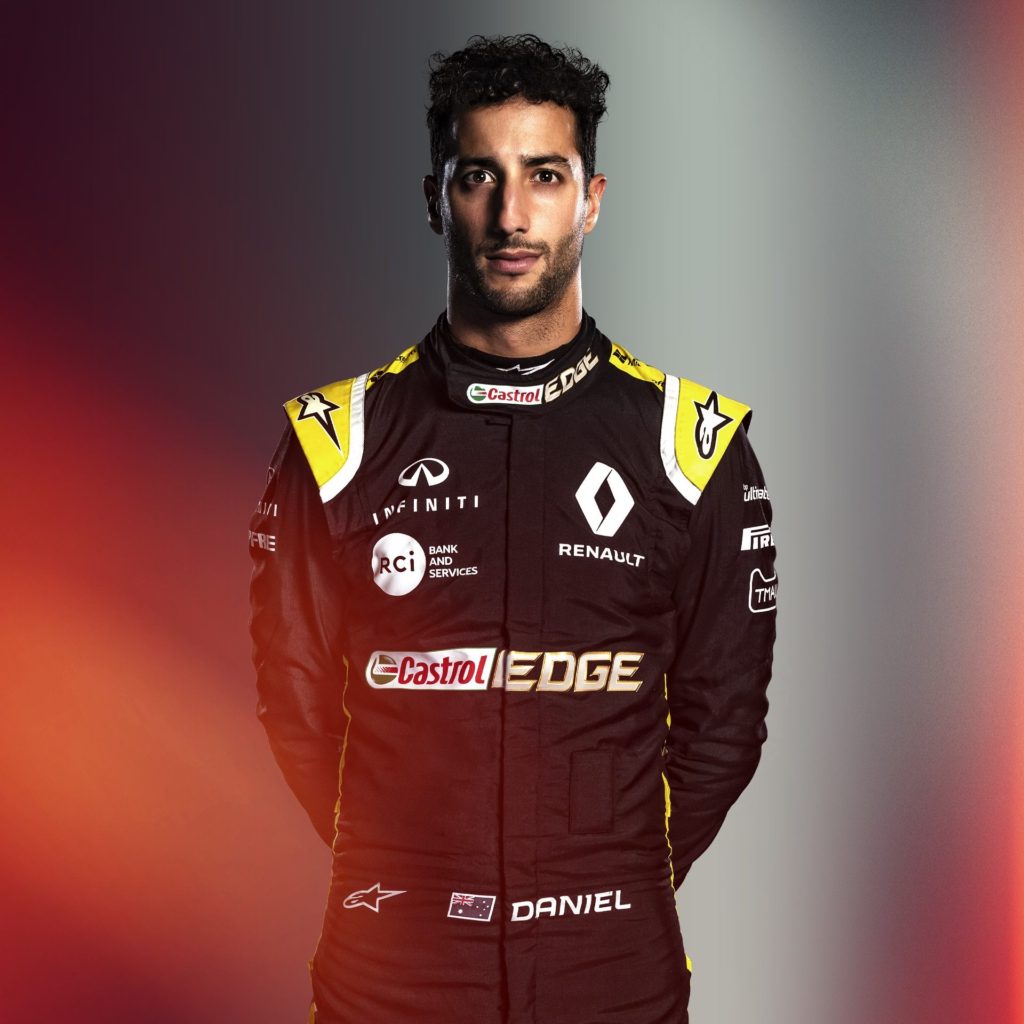
Daniel Ricciardo | 2019 | Red Bull > Renault

Daniel Ricciardo worked his way through the Red Bull junior system, progressing to Toro Rosso in 2012 and then being promoted to the big boy seat in 2014, promptly putting the reigning four-time world champion, Vettel, in his place. Ricciardo beat him fair and square and, when Vettel left the team at the end of the season, he became the team leader.

He then spent the last four seasons picking up plucky wins against the odds and pulling off audacious overtakes from way too far back, or “licking the stamp and sending it” as he’d put it. But the ever-likeable Aussie came to feel that Red Bull were beginning to favour their new golden boy, Max Verstappen, and decided to throw the dice with a move to Renault.

Only time will tell how he will compare to the others on this list. It could be an inspired move like Hamilton or a failed experiment like Villeneuve. Renault certainly have the aim of breaking into the current top 3 in years to come and there are new regulations coming in 2021 that could change the playing field completely.

We will just have to wait and see which part of that field Renault end up in.

Success? TBC.

2019 Chinese (1000th) GP report | Hamilton wins with ease

Mercedes domination and Ferrari politics. Not much has changed in 1000 races.
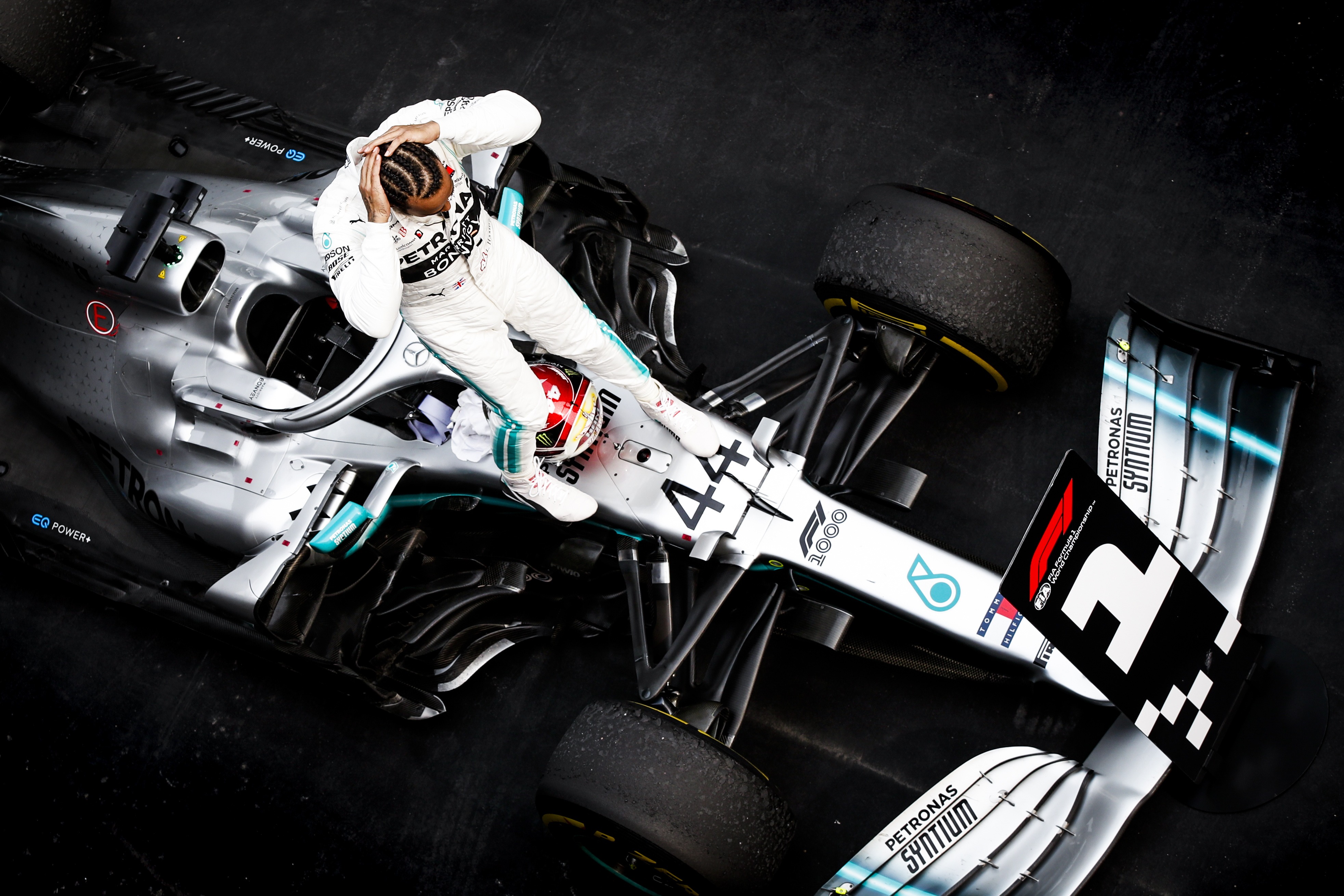
Lewis Hamilton wins F1's 1000th grand prix.
Image credit: Daimler AG

Lewis Hamilton recovered from a tricky start to the weekend at the 2019 Chinese Grand Prix and ultimately took a comfortable win on what was Formula 1’s 1000th grand prix.

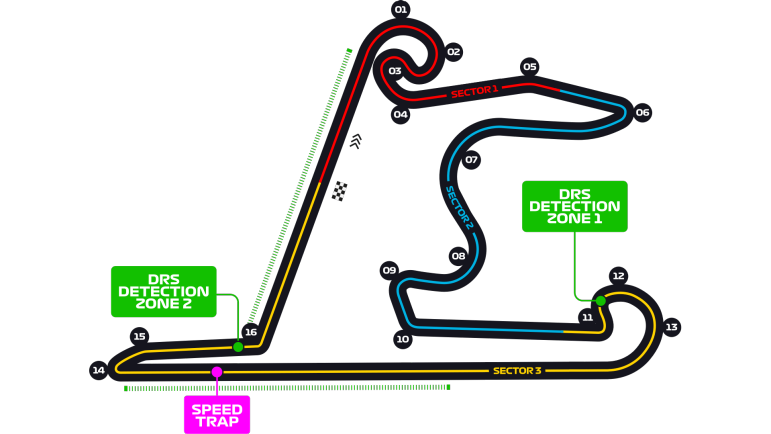
Coming into the weekend, most were expecting Ferrari to be on top. It was somewhat in the balance, with the top two teams having had superiority at one race each this year, but the track layout appeared to favour Ferrari. Particularly considering their straight line speed and the Shanghai International Circuit’s 1.2 km back straight. But it was the Mercedes team who seemed to have the edge throughout the weekend.

The Ferraris had two main problems. Firstly, they don’t seem to be able to release their full engine power consistently on a Sunday. Surely if that’s the case on a grey day in April, they are going to struggle at most races. And secondly, they were losing so much to Mercedes on the long, right-hand corner before the straight, that it didn’t matter anyway. There could be fundamental issues with this car.

Between the two drivers of the Silver Arrows, Valtteri Bottas had held a reasonably comfortable margin of around half a second over his world champion teammate through all the practice sessions. But then Lewis Hamilton did what Lewis Hamilton does. He pulled a bunch of speed from nowhere in qualifying to get within a few hundredths of the Finn’s pole time, then nailed the start and never looked back, sailing off into the distance to claim the honour of winning F1’s 1000th race. The Ferraris meanwhile were struggling – not only with speed but also decision-making…

Ferrari Team Orders: Round 3

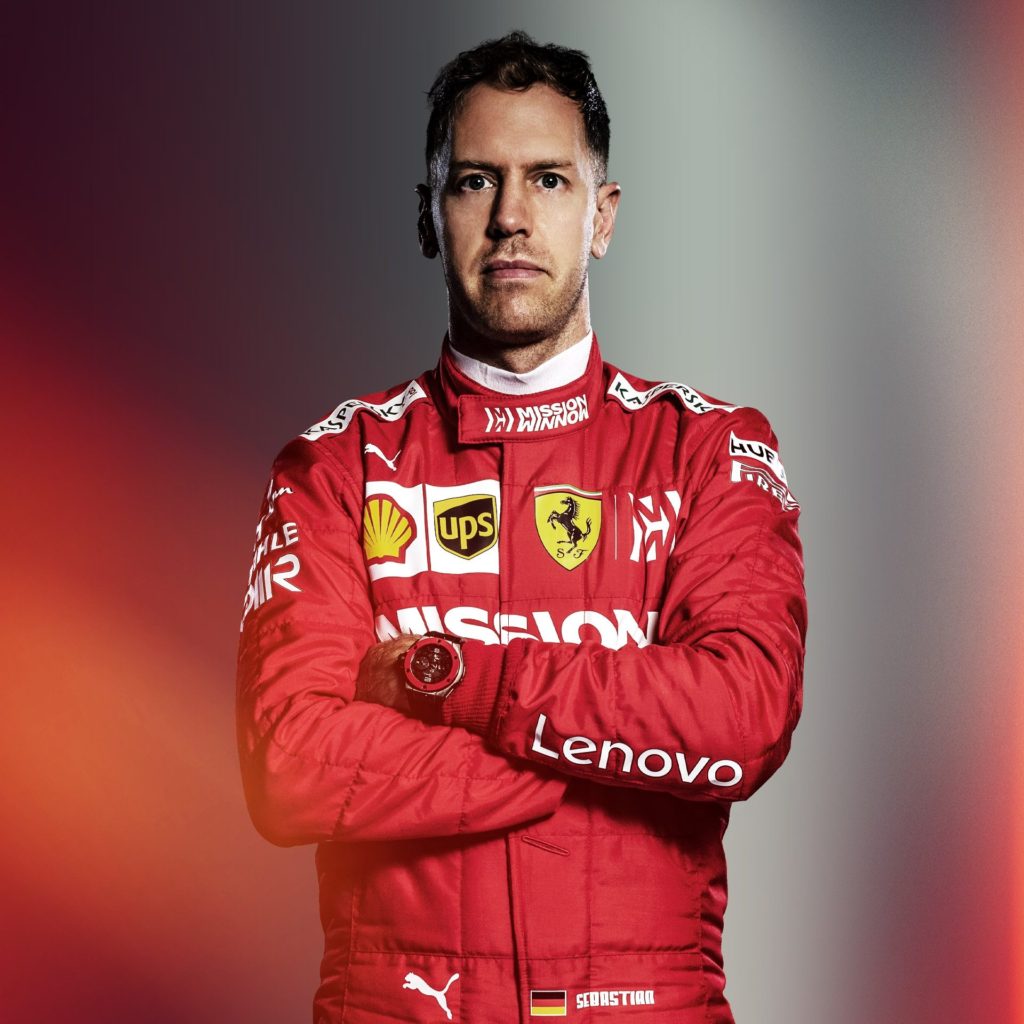
That’s three team orders given out in the first three races…and not much to show for them. Charles Leclerc has remained magnanimous and toed the company line thus far, but has certainly given the impression that he has a backbone and won’t stand for this in the long run. In Australia, he dutifully stayed behind Sebastian Vettel in the closing stages despite clearly being faster. In Bahrain, he was asked to stay behind for two laps (for a reason I’m unsure of) but the pass presented itself too easily and he was gone. And now in China, he has been asked to move aside, before being sacrificed in an attempt to slow up Bottas.

At the time, the first part of that was pretty understandable – Vettel had been the quicker driver through the weekend and did appear to be stuck behind his teammate. But once freed, he didn’t get away…the Mercedes did. But the second part harked back to the days of Kimi Räikkönen being left on an incomprehensible strategy, purely to cost a Mercedes maybe a couple of tenths. Ferrari waited too long to order Vettel past and his tyres were already damaged from Leclerc’s dirty air, but it doesn’t look like they were ever going to challenge Mercedes this weekend. All they did was cost themselves a 4th place finish.

It could be argued that without these team orders Leclerc would be significantly closer to Hamilton in the title race than Vettel is even with their favouring of him. Either way, these team orders will only matter if Ferrari solve their car issues. And fast.

A Flying McLaren and a Flying Thai

McLaren came back down to earth with a bang here (quite literally in the case of Lando Norris) after their excellent result in Bahrain. They had said that they expected to struggle in Shanghai and so it proved to be with the drivers only managing to qualify 14th and 15th. And then came the torpedo. In fairness, Daniil Kvyat can count himself quite unlucky to receive that penalty. Whilst a little clumsy from the Russian, it looked the type of crash that would normally be filed under ‘first lap racing incident’. Norris was rejoining the track at a pretty sharp angle and left the other McLaren of Carlos Sainz nowhere to go. Add in a bit of understeer from Kvyat and you have an airborne teenager and three damaged cars. Norris did at least utilise the opportunity to continue his reign as F1’s Resident Memelord.

Meanwhile, his former GP2 rival, Alexander Albon, was not long out of the pit lane and possibly wondering if he was set for a tough race fighting his way into the midfield. You could wonder how a rookie would cope mentally with a big crash in Practice 3 that left him out of qualifying and starting from the pit lane. The answer, in this case, was ‘commendably’. The young Thai driver moved slowly but surely through the field and somehow found himself in the points, then impressively holding off Romain Grosjean’s Haas in the final few laps despite being on far older tyres. These are the kind of performances that could have him entering the frame for a future Red Bull drive. And one that could be not too far away considering Pierre Gasly’s current struggles…

An Underwhelming 1000th Grand Prix

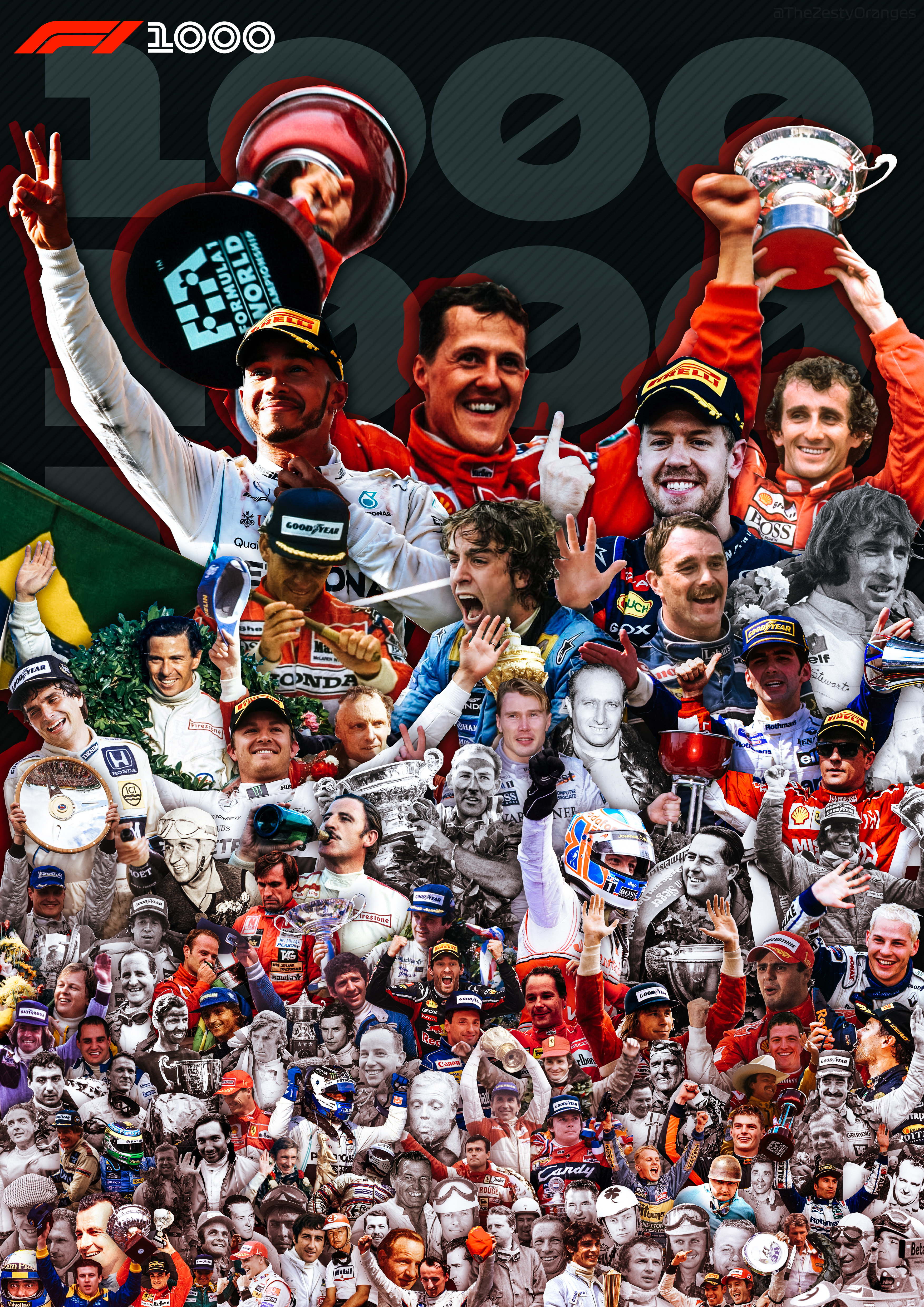
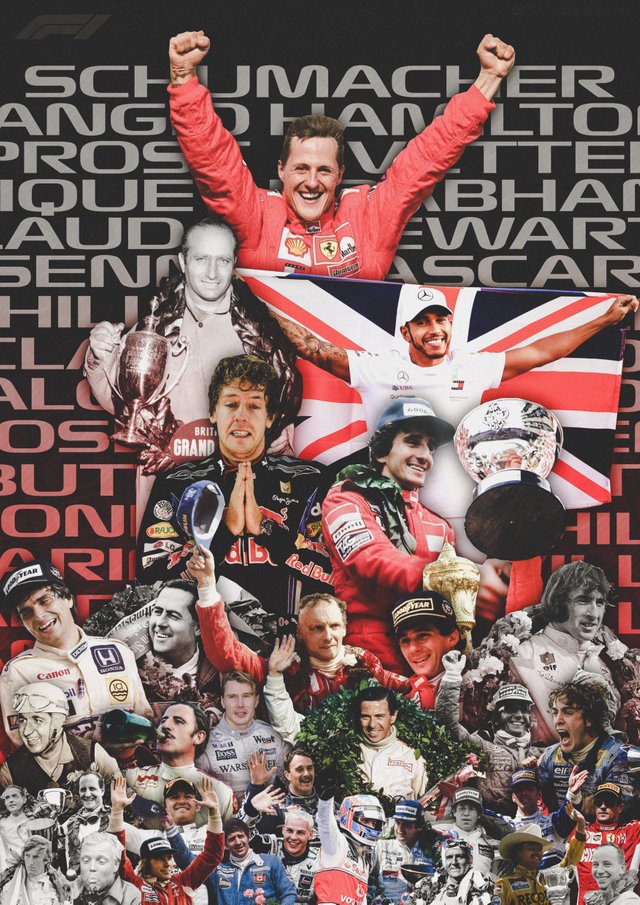
The Grand Prix was fairly uneventful beyond the first few laps, but it was the event itself that particularly disappointed. It had been built up for a long time, with a countdown extending back to last season, but in the end it was something of a damp squib.

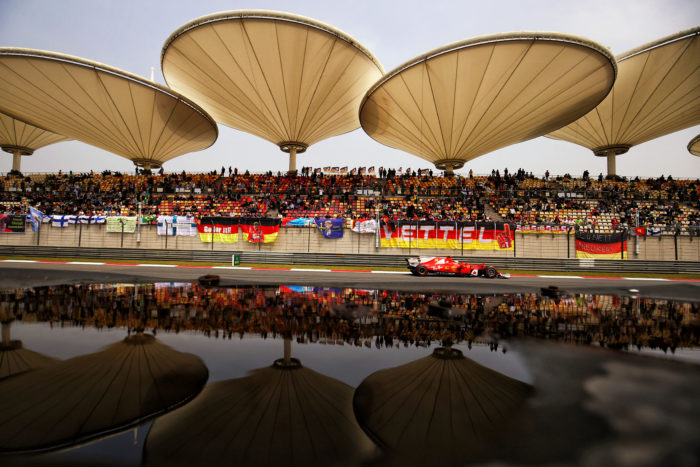
It’s a shame number 1000 ended up falling in China. The complexities of getting old champions and cars to Shanghai proved too much, so we were left with just Damon Hill driving his father’s Lotus 49B. It also doesn’t help that the country itself has little to no motorsport heritage. Just look at all the empty stands. The promoters claim it was sold out but that’s only due to them closing huge expanses of grandstand. This should have been a massive event. Race 1000 – that’s the milestone. But for all the build up, in reality it amounted to not much more than a few special helmets, some stickers on the cars and the champagne bottles being painted red.

Still, at least people on Reddit made some cool stuff.

The 1000th Grand Prix in 60 Seconds

Answering the Burning Questions

Will Charles Leclerc pick up where he left off after his stunning performance in Bahrain? Not quite. But it’s complicated…

With one dominant race each (in terms of pace anyway), who will come out on top between Mercedes and Ferrari this time? Mercedes, pretty comprehensively.

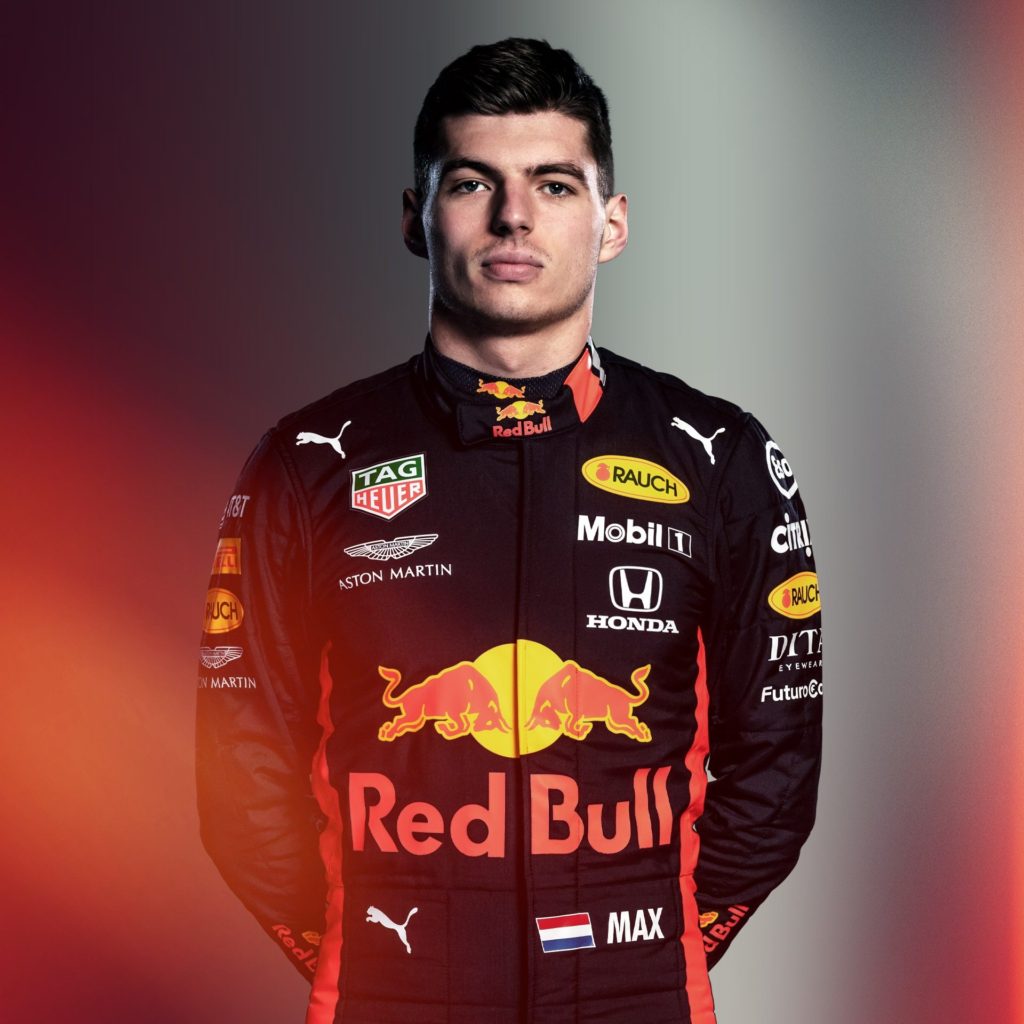
Can Pierre Gasly get his Red Bull closer to its probably rightful place in the top 6? Well, he did get into the top 6… And claimed the fastest lap. But realistically was still a long way shy of Max Verstappen’s pace.

What happened to Bottas 2.0? Will he reappear here? Inconclusive. Was it Lewis lacking early in the weekend or Bottas 2.0? Either way, we know who ended up with the win.

Who will have the best special one-off helmet design for the 1000th GP? For me, the retro simplicity of Daniel Ricciardo’s Brabham-inspired lid takes it.

2019 Chinese (1000th) GP preview

Round Three sees Shanghai host Formula 1’s 1000th Grand Prix, hopefully with a race fitting of the occasion.

The Burning Questions

Will Charles Leclerc pick up where he left off after his stunning performance in Bahrain?

With one dominant race each (in terms of pace anyway), who will come out on top between Mercedes and Ferrari this time?

Can Pierre Gasly get his Red Bull closer to its probably rightful place in the top 6?

What happened to Bottas 2.0? Will he reappear here?

Who will have the best special one-off helmet design for the 1000th GP?

The Track

The Stats

Track Length: 5.451 km

Laps: 56

Race Distance: 305.066 km

First Grand Prix: 2004

Race Lap Record: Michael Schumacher | Ferrari | 2004 | 1:32.238

Outright Lap Record: Sebastian Vettel | Ferrari | 2018 | 1:31.095

Most Driver Wins: Lewis Hamilton | 2008, 2011, 2014, 2015, 2017

Most Constructor Wins: Mercedes | 2012, 2014, 2015, 2016, 2017

The Photos

The Predictions

Podium

Pole Position

Fastest Lap

Driver of the Day