Naomi Osaka: Mental health vs. modern journalism

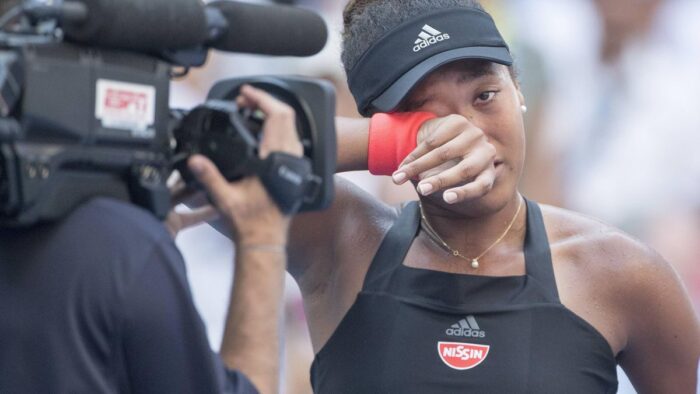
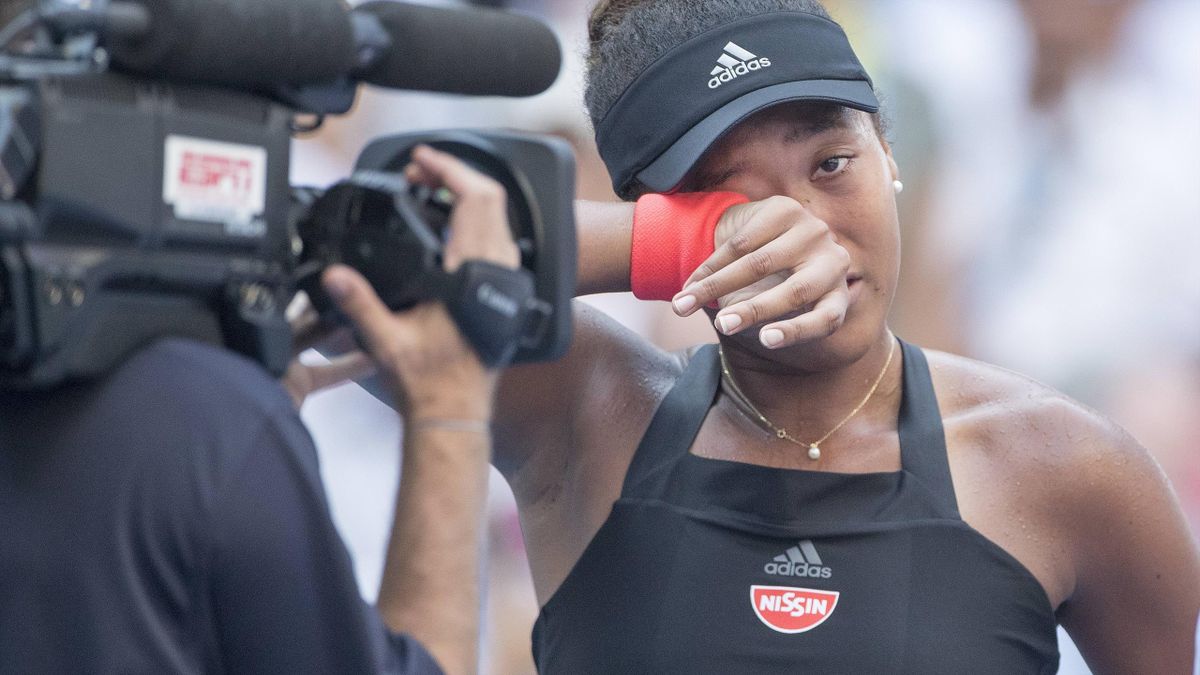
Naomi Osaka being filmed at close quarters.

A messy situation has come to a close with Naomi Osaka’s announcement that she has withdrawn from the French Open.

Could the organisers have handled it better? Could Osaka have handled it better? Could the media have handled it better? The answer to all those questions is almost certainly yes. But this entire episode is just a microcosm of the modern state of journalism and raises questions about the stress put on athletes in our unquenchable thirst for more and more content.

The Japanese world number 2 announced in the build-up to the Roland Garros tournament that she would not be participating in any press conferences in order to protect her mental health. All forms of media were immediately awash with widely varying opinions – some supportive, others sadly predictably vitriolic.

Whilst public awareness of mental health has undoubtedly increased considerably over the last decade or so, there is still a long way to go to tame the stigma surrounding it; particularly amongst the older generations.
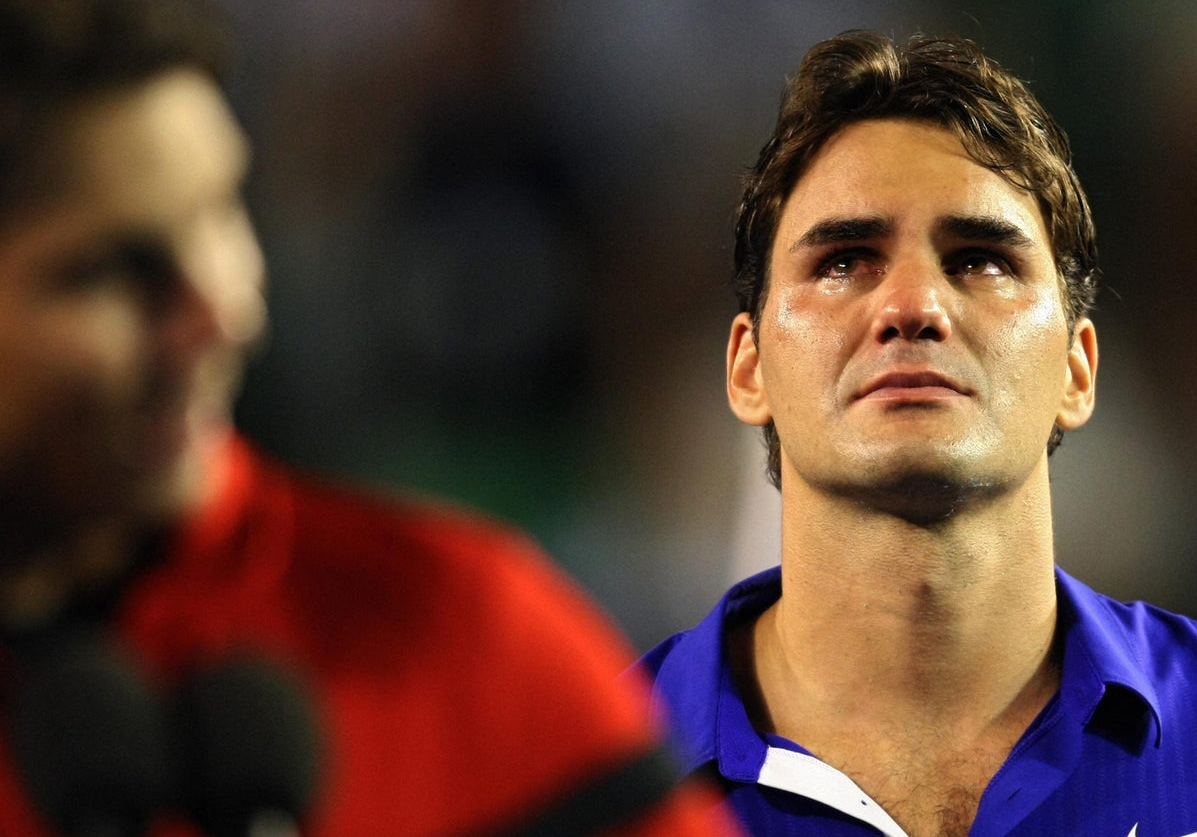
A tearful Roger Federer.

On a personal note, I have seen the effects of mental health up close. I lost a friend to bipolar disorder and then, upon losing my father in 2018, watched as my mother refused to let herself truly grieve and snapped at simply the utterance of the phrase ‘mental health’.

This still appears to be some people’s immediate response. ‘Mental health’, in the eyes of a portion of the public, is reserved solely for ‘crazy people’.

“Men don’t cry”, they hark. “Maintain that British stiff upper lip.”

This is a notion particularly apparent in sport. It is perhaps linked to the inherent physicality; each discipline’s modern-day gladiators, battling it out in the appropriate arena, doing their best not to show any signs of weakness.

But we no longer live in a gladiatorial age. There is not an emperor watching from above, ready to deliver the competitors’ fate via a thumbs up or thumbs down. We live in an age of millions of self-appointed emperors, ready to deliver their thumbs down emojis and far, far worse over social media.

So, it should come as absolutely no surprise that Osaka – amongst many others who no doubt suffer in silence – endures bouts of depression. Even if you swear off social media and/or delegate management of your social platforms to a hired team, abuse is unavoidable. Below is the reception Osaka received in person as the winner of the US Open in 2018.

And once you’ve survived the mental onslaught of performing under the most intense spotlight in a daunting amphitheatre, you are sat down – with adrenaline still coursing through your veins – in front of the headline-hungry press.

This is the crux of the issue. We now live in a world where elements of the media have grown slowly redundant. In a time of smartphones, with all the world’s information seconds away via one Google search, newspapers are no longer essential in letting the world know the score, and how that score came to be. So, they are forced into predatory tactics, desperate for a quote that can be twisted to form a suitably clickbait-y headline and get those oh-so-precious page views.

But that’s not what journalism should be. There are other ways in which to refine the modus operandi; to adjust to the modern world in a manner befitting what was once a profession aimed to enlighten, rather than muddy the waters.

It is possible to produce an article without a reliance on quotes from competitors. I have done so here.

It is possible to provide meaningful insight and technical knowledge in one’s own words to produce an article worthy of the reader’s time. Rather than relying on a momentarily lapse from the athlete’s carefully rehearsed public relations spiel.
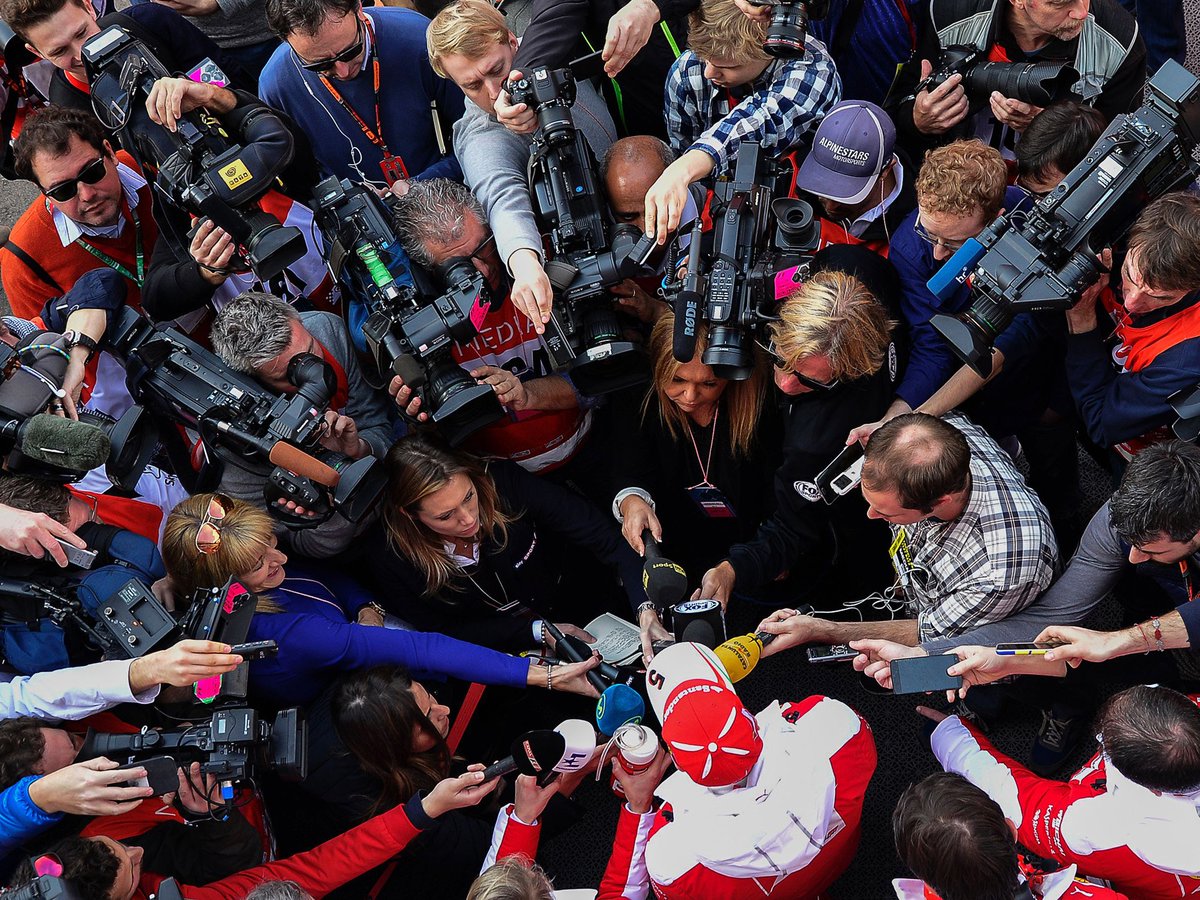
Sebastian Vettel surrounded by the press.

Yes, perhaps Osaka and her team could have handled this situation better. Maybe by going to the organisers directly rather than making the announcement on Twitter. But it would be no surprise to learn that she has done exactly that in the past, only to have her protestations fall on deaf ears.

The 23-year-old has made a real statement in Paris. She has effectively called the organisers’ bluff, after being threatened with expulsion from the tournament in the wake of her absence at Monday’s press conference. Osaka is likely far from the only young tennis player to feel this way and, if others follow suit, there won’t be a tournament to report on at all.

Raw emotion is a part of what makes sport so great, but watching the drama unfold should be enough. Immediately shoving a microphone in the loser’s face should not be deemed a necessity. And a tennis player forcing journalists to be a little creative with their writing should not be punishable by expulsion.

Introducing: Extreme E

Last weekend saw the inaugural event of a brand new racing series. And it´s one worth taking note of.

The dramatic backdrop of an Extreme E race.
Image credit: LAT Images

Not only does Extreme E spread an important message via an exhilarating format, but it also features some familiar names to fans of F1. Firstly, there is Jenson Button driving for and managing his own team – JBXE.

There are further F1 connections in former driver Stéphane Sarrazin, Zak Brown working as Team Principal for the Andretti United team, Carlos Sainz Sr and both Adrian Newey and Jean-Eric Vergne working for the Veloce Racing team, who have British W Series champion Jamie Chadwick behind the wheel.

Most importantly, however, it would appear that my time machine works and it is 2014 again…as Lewis Hamilton and Nico Rosberg are battling it out at the front.

Okay, they’re not driving, but it is the respective teams of the Mercedes friends-turned-foes that largely battled for supremacy in the opening X-Prix. Hamilton’s X44 team took pole position on Saturday after a time penalty for Rosberg’s RXR (Rosberg X Racing). But it was the German team that triumphed on race day with X44 eventually having to settle for third behind Andretti United.

So, How Does It Work?

Every team uses the same all-electric Spark ODYSSEY 21 car, which utilises a 400kW battery designed by the Williams team and a McLaren drivetrain. It’s pretty nippy – producing 550 bhp and getting from 0-100kph in 4.5 seconds – and designed to be absolutely all-terrain.

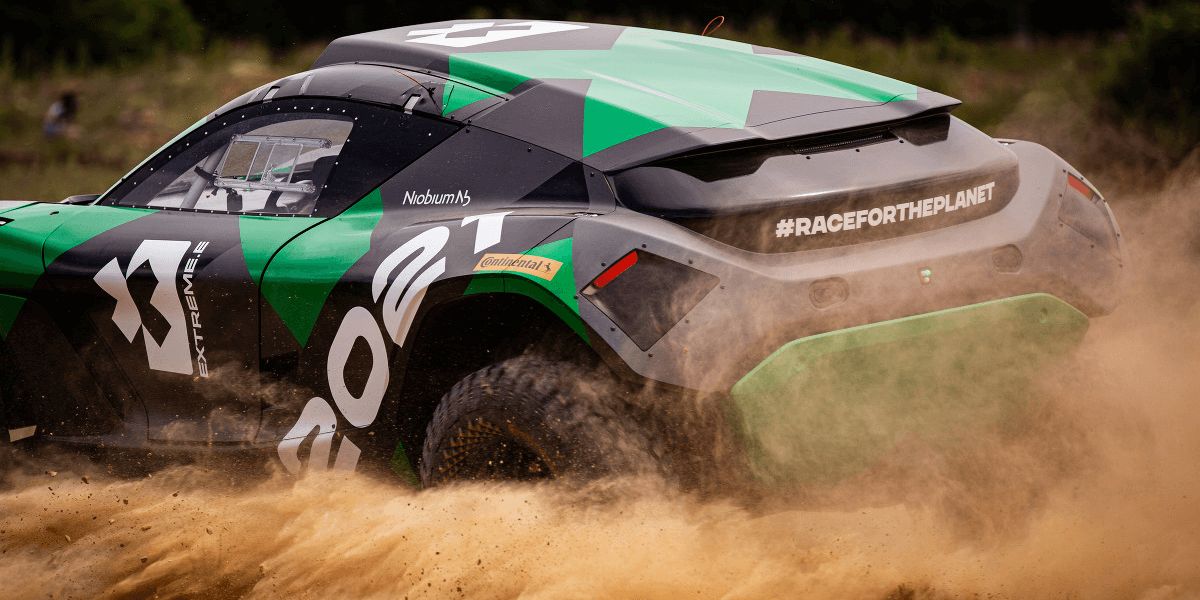
An Extreme E car kicking up dirt.
Image credit: Extreme E

There are nine teams, each with one male and female driver. Along with the aforementioned F1 connections, there is plenty of royalty from other major forms of motorsport. Sébastian Loeb – who won nine straight titles between 2004 and 2012 – represents the WRC. And rallycross is represented mainly by the Swedish trio of Johan Kristoffersson, Timmy Hansen and Mattias Ekström, who between them have won the last five world titles.

All the action takes place over two days. On Saturday the teams do two qualifying runs of the course, with the male and female driver each driving a lap with a changeover – known as ‘The Switch’ – in between. The aggregate times produce an order.

From that order, the fastest three teams will go through to the first semi-final race on Sunday, the middle three teams battle it out in another semi dubbed the ‘Crazy Race’ and the slowest three teams will race in ‘The Shootout’. From that first semi, the top two finishers progress through to the final, joined by the winner of the Crazy Race. In the final, quite simply the winner of the race is crowned the X-Prix winner.

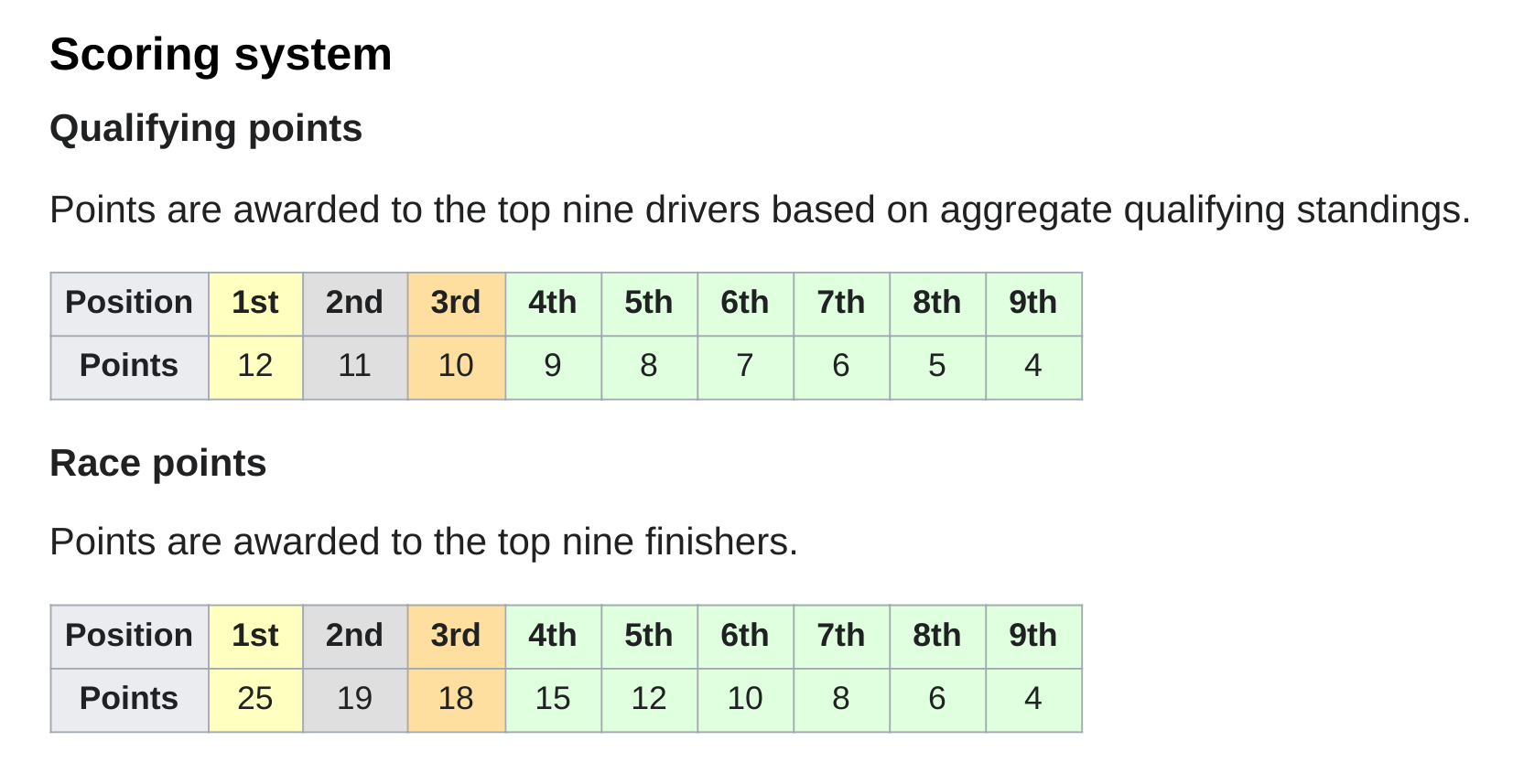
Points are awarded for both qualifying and the race, like so:

There are other unique features to spice up the racing yet further, such as ‘Hyperdrive’: whoever performs the longest jump on the first jump of each race is awarded an additional boost of speed and receives a bonus championship point.

What Does the Calendar Look Like?

There are five different venues for the inaugural season, each in a different remote location and themed around a related environmental issue. The season-opening Desert X-Prix took place in Al-‘Ula, Saudi Arabia, in support of the Great Green Wall Initiative and Red Sea turtle conservation.

The next stop will be Lac Rose in Senegal in late May for the Ocean X-Prix, where Extreme E is teaming up with local NGO Oceanium to plant one million mangrove trees in Senegal and aims to raise awareness regarding ocean crises. That is followed by a three-month gap before round 3 in Greenland, on the retreating Russell Glacier near Kangerlussuaq for the Arctic X-Prix.

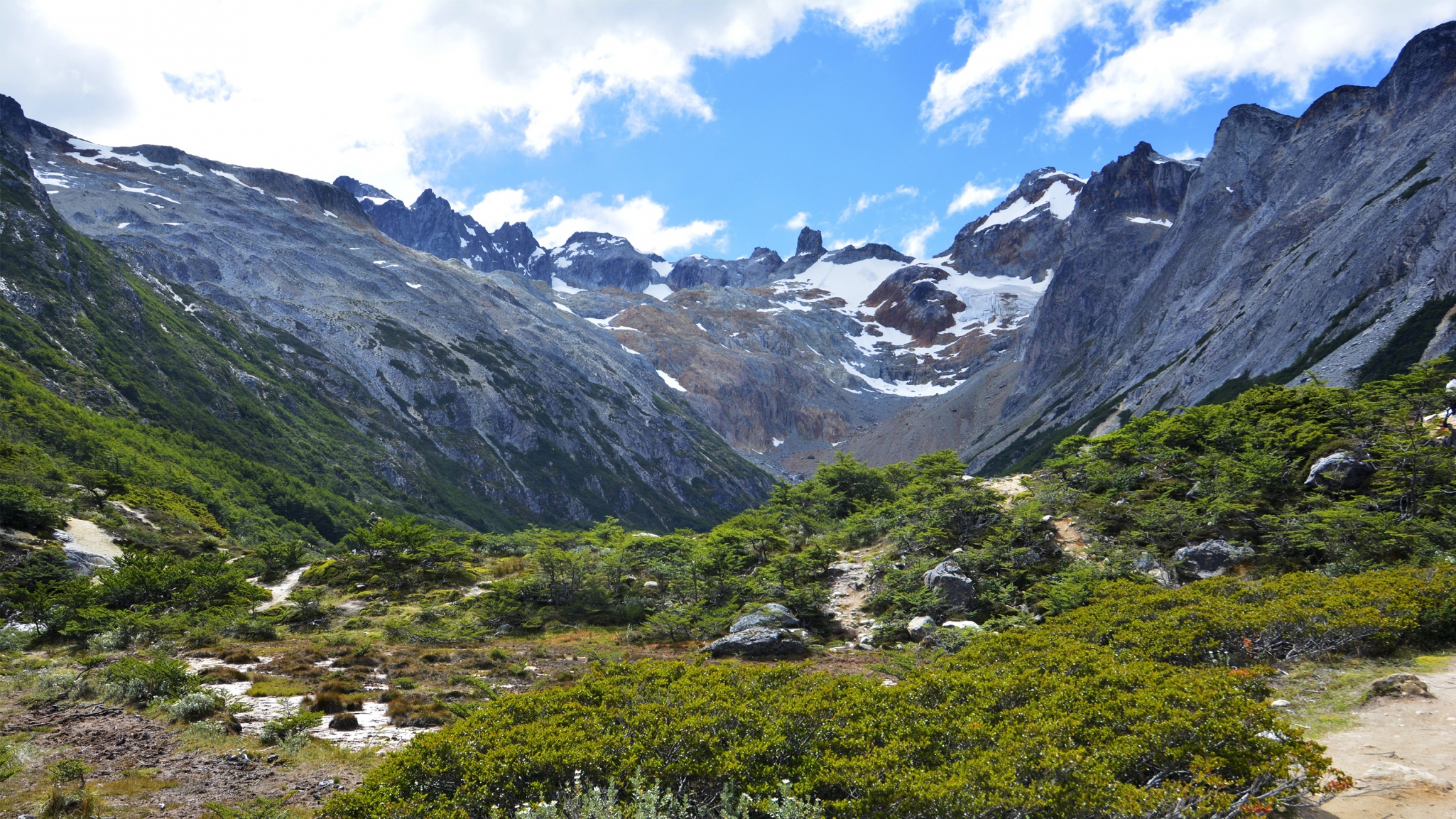
The series then heads south – which it’s hard not to do from Greenland… – first to Santarém in the Pará region of Brazil for the Amazon X-Prix in October, working with The Nature Conservancy to protect and replant an area with agroforest which will provide crops that can be harvested by locals. And then finally to the Tierra del Fuego in Argentina for the finale – the Glacier X-Prix in mid-December.

The spectacular scenery of the Tierra del Fuego.
Image credit: Martin Gunter

Is It Really That ‘Green’, Though?

The series is obviously very focused on promoting sustainability and gender equality, but it also wants to make a tangible impact. There will be a ‘legacy programme’ for each event – many of which are mentioned above – which aims to leave the venue in a better situation than before Extreme E visited.

A feature called ‘Gridplay’ allows fans to vote for their favourite driver to gain grid advantage – the team who receives the most votes can select its grid position for the final if they are in it – and each vote includes a micro-payment towards the legacy programme.

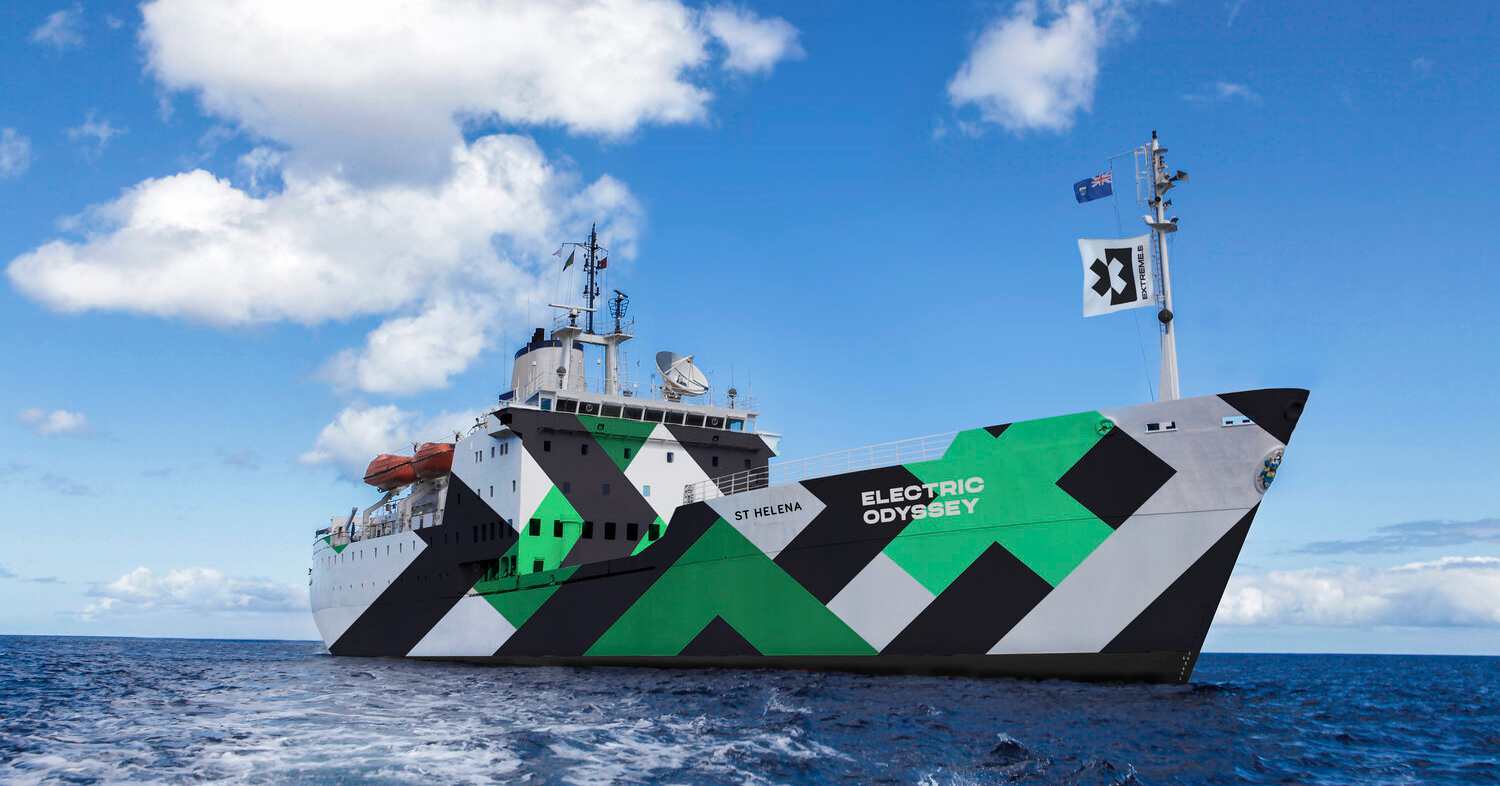
Extreme E is also, of course, very aware of its own carbon footprint. Thus, there will be no fans in attendance at the races and, more importantly, the RMS St. Helena will form an effective floating operations hub for the entire season.

It is a former Royal Mail passenger-cargo vessel which has undergone an extensive refit and will carry the cars and all other equipment required to each location. It will also house laboratories for scientists to carry out invaluable research on climate change and features chairs made from recycled plastic bottles.

The Electric Odyssey.
Image credit: Extreme E

To keep things as low-carbon as possible, the cars’ batteries are charged by hydrogen fuel cells. This innovative idea from British company AFC Energy uses water and sun to generate hydrogen power. Not only will this process emit no greenhouse emissions, but its only by-product will be water, which will be utilised elsewhere on-site.

The logistics choice of sea rather than sky reduces their carbon footprint by at least two thirds and you have to say that they have left no stone unturned in their quest to be as green as possible.

And Hey, if You’re Only Interested in Crashes…

Well, the first event certainly wasn’t short of a few spectacular ones.

So, why not give it a try? You can watch the highlights of the Desert X-Prix on YouTube and then tune in for the Ocean X-Prix next month. Mother nature might even thank you.

Lights to Leave Behind

It’s definitely mentioned in the ‘About‘ section but, for those who are unaware, my other passion is music. I have been the drummer for You Win Again Gravity for…well, a long time now…and we just released our latest video (and single).

It’s a tale of the expectations vs. reality of being in a band. There are some cool animated versions of us (because we don’t have the budget to make the expectations side…) and even some Batman-esque “THWACK!!” effects.

If that intrigues you at all then give this a click:

If not, don’t worry – normal F1 service will be resumed in a few days.

Hypocrisy in athletics or athletics fighting to survive?

Time for a tangent.
Image credit: PA

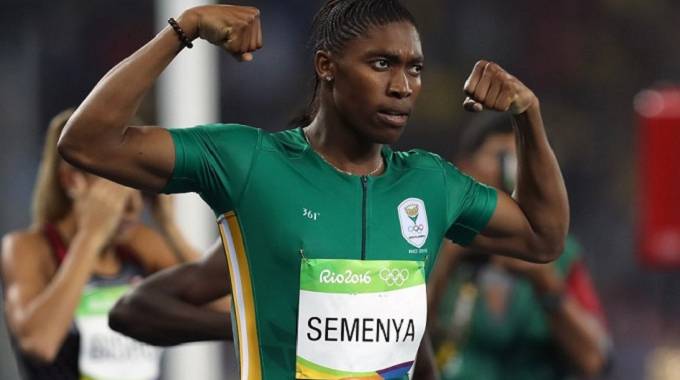
On Wednesday 1st May 2019, the Court of Arbitration for Sport (CAS) passed judgement on a case that it considered to be ‘one of the most pivotal’ it had ever heard. The case was Caster Semenya’s challenging of new rules imposed by the International Association of Athletics Federations (IAAF) that require hyperandrogenous athletes to take medication that will lower their testosterone levels. And the judgement was that those new rules will stand.

This has caught the eye of the general public and many are making sweeping, partially-informed statements about cruelty, discrimination and hypocrisy.

It is very easy to throw together a side-by-side photo of Semenya and, for example, Michael Phelps, with a quote demonstrating the apparent hypocrisy of one being punished for the testosterone her body naturally produces whilst the other is praised for his luck in having a genetic advantage. Namely, that his body produces less than half the lactic acid of his competitors; one of a number of factors that contribute to the most-decorated Olympian of all time’s unrivalled achievements.

But, whilst that hypocrisy is impossible to ignore, it is far from the whole story.

An Unenviable Position

The IAAF, and the world of athletics as a whole, has been put in the unenviable position of having to find the difference between a ‘genetic gift’ and a ‘condition’. It is an issue abundant in grey areas and dangerous precedent, where a ruling must be made in the best interests of the sport, whilst also walking the fine line of political correctness.

A good example of this fine line being that the debate revolves around DSD – an acronym that at one point stood for ‘Disorders of Sexual Development’ but has now been changed to ‘Differences of Sexual Development’, with the term ‘disorder’ being considered too controversial.

The world is a wildly different place now to what it was at the turn of the 20th century, when the modern Olympic Games and the IAAF were established. Back then, lines were very easily drawn between male and female. But we now live in an age where gender is becoming less binary and many people choose to be identified as gender neutral.

Surely a line must be drawn somewhere though. Across almost all events, even the very best women would struggle to compete with the men; Semenya’s personal best over 800m of 1:54.25 is over 13 seconds slower than the male world record.

Any more than one definitive line and there is the risk of athletics losing that base appeal of finding the human that is the very fastest, strongest, best at throwing a pointy stick, etc. – instead having a large series of categories and groups that could make the sport too complex to the average spectator. Or a beige sport where all athletes are forced to have the same levels of different aspects of genetics.

But where is the fairest point to draw said line?

The Science Behind The Decision

In backing up its case, the IAAF points out that, whilst most females have testosterone levels ranging from 0.12 to 1.79 nmol/L, DSD athletes – who are often born with testes and experience similar increases in muscle size, strength and haemoglobin levels as a male does after puberty – are usually in the normal adult male range, which is from 7.7 to 29.4 nmol/L. Therefore, it wants DSD athletes to reduce their testosterone to below 5 nmol/L.

Image credit: Getty Images

Semenya’s team have argued, however, that DSD women with high testosterone may not get the same performance benefits from the hormone because their bodies do not convert the testosterone into a fully active form.

Whilst ruling in favour of the IAAF rules, CAS has set out serious concerns regarding the application of them. And there is also the fact that the proposed policy applies only from the 400m to a mile, which is strange given that testosterone has more of an effect in power events.

There are apparently not enough DSD athletes in many field events for the IAAF to make its case in those disciplines. This further muddies the waters; how can you make such a momentous decision regarding biology and then not implement it across the board? In limiting the rules to a certain aspect of athletics, the IAAF are undermining their own standpoint.

No Stranger to Adversity

Semenya feels persecuted. “For a decade the IAAF has tried to slow me down, but this has actually made me stronger. The decision of CAS will not hold me back,” she said in a statement. A gay, black woman from a South African township, Semenya is no stranger to discrimination and adversity. Even her own country’s governing body has tricked her in the past.

In August 2009, at just 18 years of age, Semenya undertook a gender test before the World Championships in Berlin. She was unaware of the purpose of the test, however, with Athletics South Africa (ASA) president Leonard Chuene telling her it was a random doping test. Some of the results were then leaked to the press, despite never being officially published, and led to idle chatter and Chinese whispers regarding an intersex trait.

Semenya’s coach, Wilfred Daniels, resigned because he felt that ASA “did not advise Ms. Semenya properly”.

Past Mistakes

Image credit: EFE/PA Images

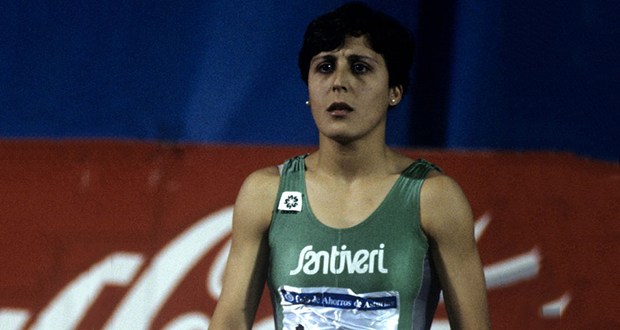
It doesn’t help the IAAF’s case that they have been proven wrong before. In the early 1990s, Spanish hurdler Maria Jose Martinez-Patino was banned for producing abnormal results in her chromosome test but, after refusing to quit or feign injury as she had been advised, she was able to prove that a genetic condition meant she was insensitive to testosterone that was in her blood. There is always the danger that the constant advances in scientific technology will render past results outdated, incorrect and often embarrassing.

Athletics has struggled for viability and with its public image for a long time in the face of consistent drug issues and corruption. This is particularly pertinent as Russian athlete Mariya Savinov actually beat Semenya to gold in the 2011 World Championships and the 2012 Olympics before being retrospectively banned for doping.

If one thing is certain, it is that this incredibly fragile situation must be handled with the utmost care and rectitude. In the face of decades of drug abuse within the sport, the irony of forcing innocent, gifted athletes to take drugs – in order to reduce aspects of their genetic make-up that they were naturally born with – is impossible to ignore.

The first tangent

So, yes…the reason my post on the Australian GP was delayed is also the reason for my first official tangent.

And that is that I was skiing in Switzerland.

It has been a lifelong dream to experience a proper slope, having only ever been to indoor slopes in Tamworth and Milton Keynes…not the most glamorous of locations. Certainly not compared to Gstaad anyway.

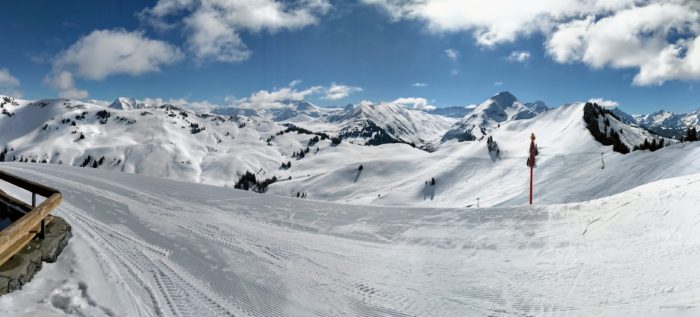
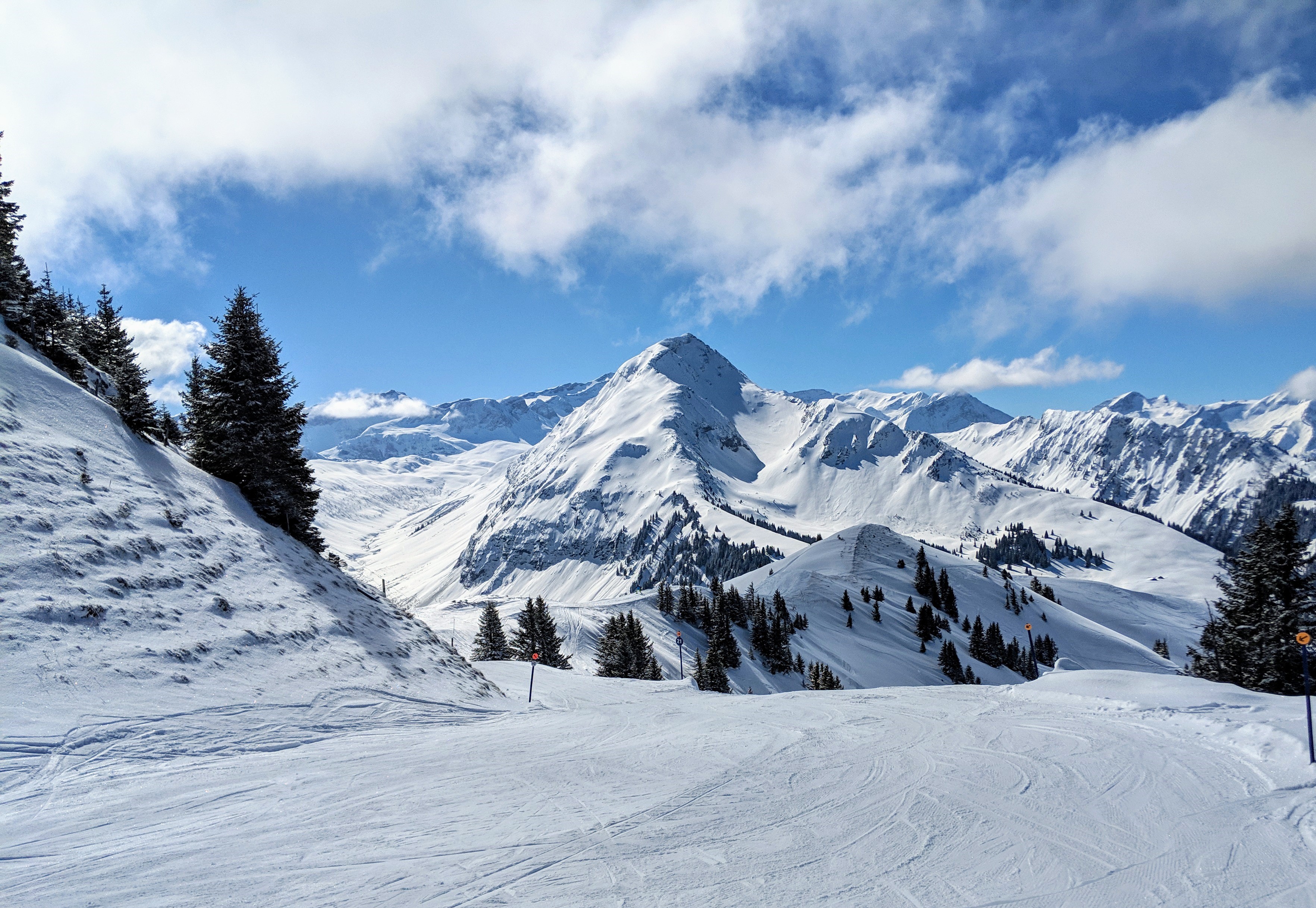
The beautiful mountains of Gstaad.
A reasonable view, I guess

I have about 50 almost identical pictures of the surrounding mountains because every time you turn you around, you think you’ve seen the most picturesque section yet.

This isn’t a travel blog so I won’t go into too much detail but, in a nutshell, Switzerland is everything you will have heard before. It is beautiful. And it is expensive. Our bill at a local bar/restaurant which consisted of fondue (admittedly, a full kilogram of cheese between 4), a couple of desserts, a few drinks, and a round of shots (in honour of St. Patrick’s day) topped out at about 200 Swiss Francs – that’s over £150.

So, be prepared to have to steal a few bread rolls from breakfast to tide you over if you’re there for any period of time. Nonetheless, I would thoroughly recommend this trip or one similar to it. I was lucky enough to experience everything almost untouched as I was there during the working week and the end of the season.

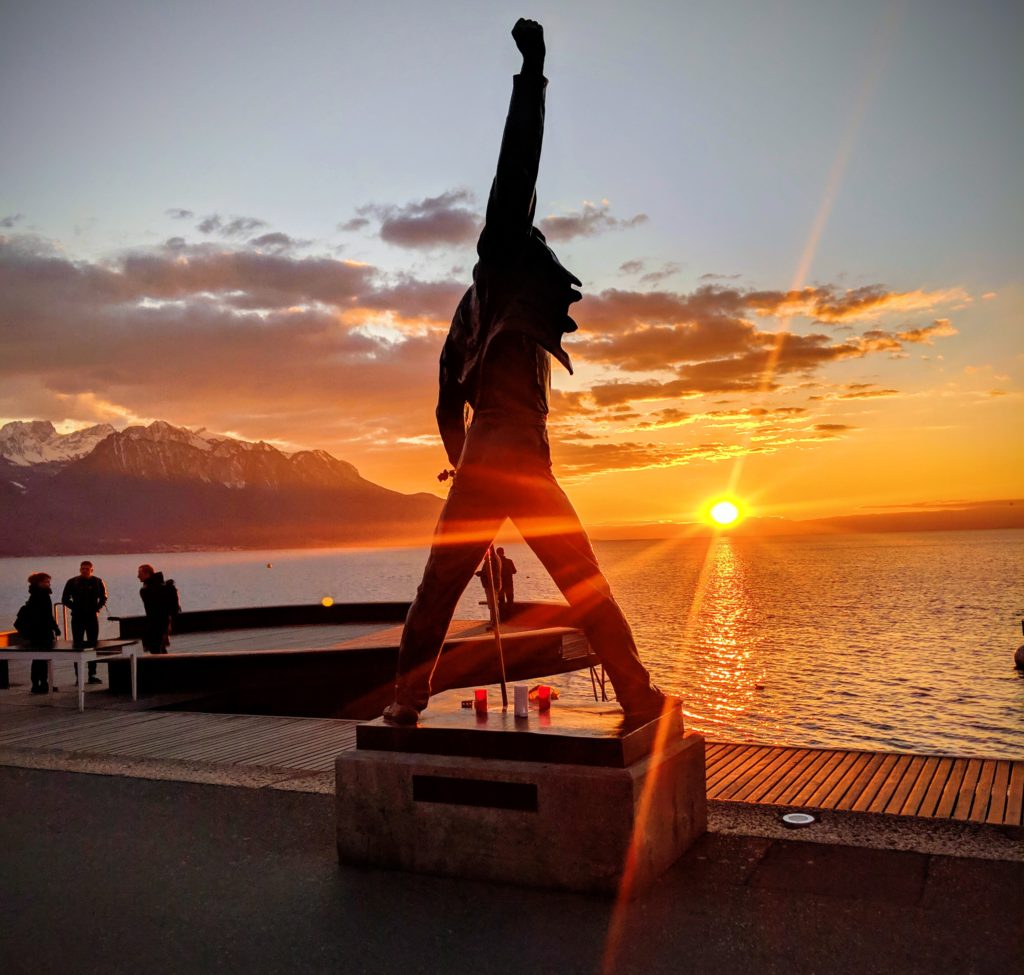
A brief trip to Montreux, and its Freddie Mercury statue, also proved fruitful for my photo collection.

The dramatic backdrop of the mountains makes almost anything look spectacular and the beauty seems to produce an unavoidable air of relaxation. As the Queen frontman himself said: “If you want peace of mind, come to Montreux”.