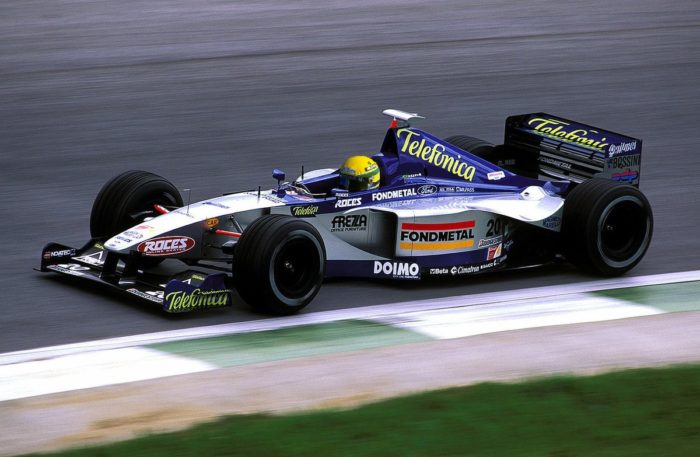
How many titles would Senna have won?

Ayrton Senna won three world titles. All at the Japanese Grand Prix. Each in very different circumstances.

1988 showed him at his very best. After stalling on the grid, he carved his way through the field in changeable weather conditions to take a famous victory.

1990 arguably showed him at his worst. Whilst there were extenuating circumstances involving which side of the grid pole position should be on and an injunction by FISA president Jean Marie Balestre, the Brazilian crashed into Alain Prost – deliberately, he later admitted – to claim the title. A mirror of their controversial collision a year earlier that saw Prost crowned champion.

And then, in 1991, Senna honoured an agreement with teammate Gerhard Berger to let him pass to claim his first win for McLaren after Senna’s championship was confirmed.

That is just a snapshot of an incomparable character in the world of F1. But this is not about stories told many times over; it is about what could have been…

The two years following Senna’s third championship were tales of Williams dominance – with Nigel Mansell in 1992 and Prost in 1993 – which saw Senna become disillusioned with McLaren and their ability to provide him with a championship-winning car. When Prost retired at the end of 1993, Senna took his Williams seat.

Sadly, with barely 50 laps completed for the team, the 1994 San Marino Grand Prix brought about the great man’s untimely demise. But now, more than a quarter of a century on, let’s explore the possibilities of what may have happened had he successfully navigated Tamburello.

I’ve gone through the following seasons and done my best to hypothesise the outcomes, based on race events, drivers’ records on the circuits, overall driver ability, car reliability, statistical luck and (where possible) the butterfly effect.

(I will be writing definitively and in the past tense, but obviously I am not stating this absolutely would have been the case – it’s just easier that way.)

1994
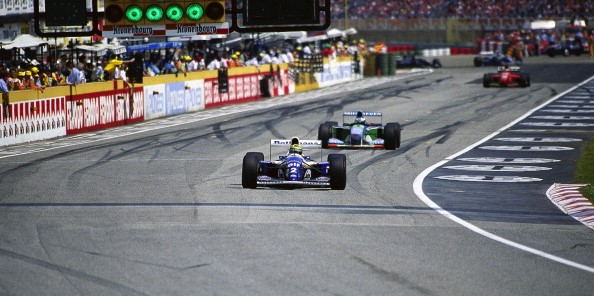
Ayrton Senna leads the 1994 San Marino Grand Prix.

We know how the 1994 season started – with two retirements for Senna and two wins for Michael Schumacher. But Williams were beginning to understand the FW16 at this point, with Senna saying it had felt noticeably better in the Imola warm-up, and that was to continue as the season progressed. Whether Benetton’s performance also decreased, after Senna’s suspicions regarding their car’s legality were proved to be at least partially true, is up for debate.

Senna held off the threat of Schumacher in Imola to finally get off the mark with a first victory for his new team, raising an Austrian flag from the cockpit in memory of Roland Ratzenberger who had died the previous day. He then went on a consistent run of podium finishes through the European season, featuring wins in Spain, Belgium and Portugal, whilst two disqualifications followed by a two-race ban for Schumacher thoroughly brought Senna back into the championship fight.

On his return from the ban, Schumacher found himself four points behind. A win at Jerez levelled things up with two rounds to go, before a Senna masterclass in the rain at Suzuka saw him regain the advantage, albeit with the championship still finely balanced for the final race.

The championship leader took pole but was beaten off the line by Damon Hill and Schumacher. The three pulled away from the field with the order remaining the same through the tight Adelaide turns; Hill’s lead was crucial to Senna’s championship hopes. But, on lap 36, Schumacher made that mistake. Senna bided his time in passing, and a collision was no use to the German with a six-point deficit, so Hill took the victory and Senna the world title.

1995

Michael Schumacher and Ayrton Senna clash in 1995.

There would surely have been flashpoints in 1995. There were enough between Schumacher and Hill, so factor in some South American fire and the already-growing tension between the two drivers and fireworks would have been an inevitability.

Now kitted out with the Renault engine, Benetton came back stronger in 1995. The Williams, whilst fast, was very unreliable, the two drivers experiencing a combined eight retirements caused by mechanical failures. Despite some opportunities for Senna to show his brilliance in changeable conditions at Imola and Suzuka, the Benetton/Schumacher combination was too strong.

Tensions came to a head when the reigning champion and the champion-elect collided at Monza, resulting in both retiring and each laying the blame at the other’s door.

The German went on to claim eight wins in total and wrapped up his maiden championship with one round to spare. It was a deserved victory with some inspired Schumacher drives, Hill even applauding his rival’s performance at the side of the track after having retired from the European Grand Prix. Senna pondered his next move…

1996

Ayrton Senna driving a Ferrari at the 1996 Spanish Grand Prix.

Now. Things are about to get a bit more complex…and even more hypothetical.

Senna had spoken of his want to drive for Ferrari. Luca di Montezemolo revealed fairly recently that he had met with Senna just days before that tragic San Marino Grand Prix to discuss a potential future move, with Senna saying that he ‘really appreciated’ Ferrari’s stand against electronic driver aids. They reportedly offered him a US$22 million-a-year deal to join from 1996 and his former manager, Julian Jakobi, believes he would have accepted it.

Schumacher would still have wanted out of Benetton, though. Having been a Mercedes protégé in his junior career, the opportunity to join them in their new project with McLaren would have appealed and, in this universe, David Coulthard would not have had his chance at Williams in 1994 so would not be filling the seat alongside Mika Häkkinen.

To tie up the loose ends, Jean Alesi still moves to Benetton but Berger would not have left Ferrari with Senna arriving rather than Schumacher. And then Jacques Villeneuve fills Senna’s vacated Williams seat.

At the front, the Williams car was the dominant force. Senna experienced something of a repeat of the previous season with an occasionally fast but unreliable car, allowing him to take a few impressive victories but ultimately falling short.

The Spanish Grand Prix was the race of the season; a battle for the ages with Senna and Schumacher on a different plane to the others, navigating the soaked Catalunya circuit three seconds per lap faster than the rest of the field. The original ‘Rainmaster’ took on the new ‘Regenmeister’ and narrowly came out on top after a two-hour masterclass in wet weather driving from the pair.

Ferrari came on strong towards the end of the season, with Senna winning three of the last four races, but it was too late and Hill comfortably won the championship. The Brazilian was at ease, though, comfortable in his new surroundings at Maranello and inspired by the prospect of returning the Scuderia to former glories.

1997
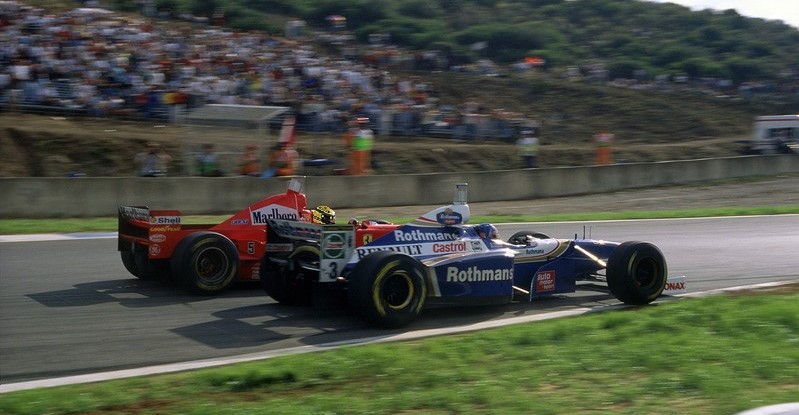
Jacques Villeneuve and Ayrton Senna in 1997.

Hill still leaves Williams as champion but the rest of the main players stay put, meaning we have a title battle between Villeneuve in the Williams, Senna in the Ferrari and the McLaren pair of Schumacher and Häkkinen.

The season opened with a McLaren-dominated race but that would prove to be a false dawn. The newly silver machines’ form fell away dramatically and Schumacher would only manage one podium in the next 10 races. So, it was to be a tale of Senna vs. Villeneuve.

The Brazilian finally won again in Monaco, after an unthinkable four-year wait, before triumphing in three of the next five races to establish a comfortable lead. Villeneuve and Williams rallied, though, and won two on the bounce in Austria and ‘Luxembourg’ (the Nürburgring) to retake the lead with two rounds remaining, before inexplicably withdrawing an appeal against Villeneuve’s disqualification in Japan and handing the advantage back to Senna.

This left a title showdown in Jerez with Villeneuve closing in on Senna for the lead… You could argue Schumacher’s infamous ‘you’ve hit the wrong part of him, my friend’ move would not be entirely out of character for Senna.

However, this was a more mature Senna, free of Balestre’s politics, and – more importantly – second place was enough for the Brazilian to win the championship. Villeneuve passed Senna to take the win but that was not enough to deny him a fifth world title.

1998
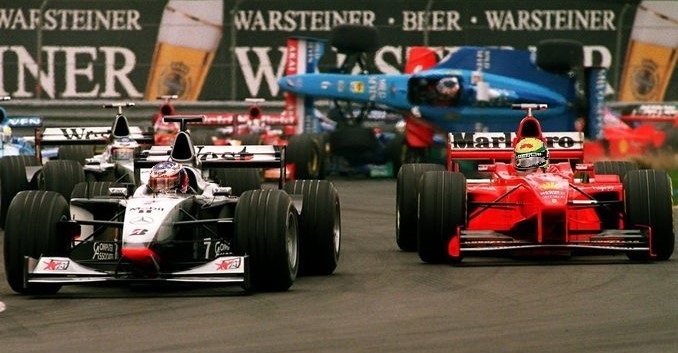
The McLaren of Michael Schumacher leads Ayrton Senna's Ferrari in Monaco.

There is a question as to whether Senna – about to turn 38 and having emulated his hero Juan Manuel Fangio‘s five World Drivers’ Championships – would then retire. But I can’t see his passion and drive relinquishing just yet. Teammate Berger, however, does retire and, much to the chagrin of Senna, Ferrari hire his former boxing partner, Eddie Irvine.

It quickly became apparent that Adrian Newey had designed a gem at McLaren, with Schumacher and Häkkinen dominating the early races and Senna struggling to remain unlapped in a third-place finish at Interlagos. The reigning champion did manage to sneak a win at the Argentine Grand Prix, though; a race featuring the worst pit stop ever.

The Ferrari was reliable but ultimately didn’t have the pace to match the McLarens at most races where they stayed out of trouble. Senna remained in the hunt for the championship thanks to some excellent drives and the McLaren pair taking points away from each other.

Häkkinen had opened up an early lead whilst Schumacher had suffered three retirements, but the German gradually clawed his way back. Häkkinen span in Belgium and suffered an engine failure in Italy, which set up an epic finale with all three drivers capable of winning the title at the final race. A second-place finish was good enough for Schumacher to narrowly take his second title and, in scenes similar to Senna and Prost in 1993, the former champion held his rival’s arm aloft on the podium. Senna was satisfied with his achievements and already aware of his next – and final – move.

1999
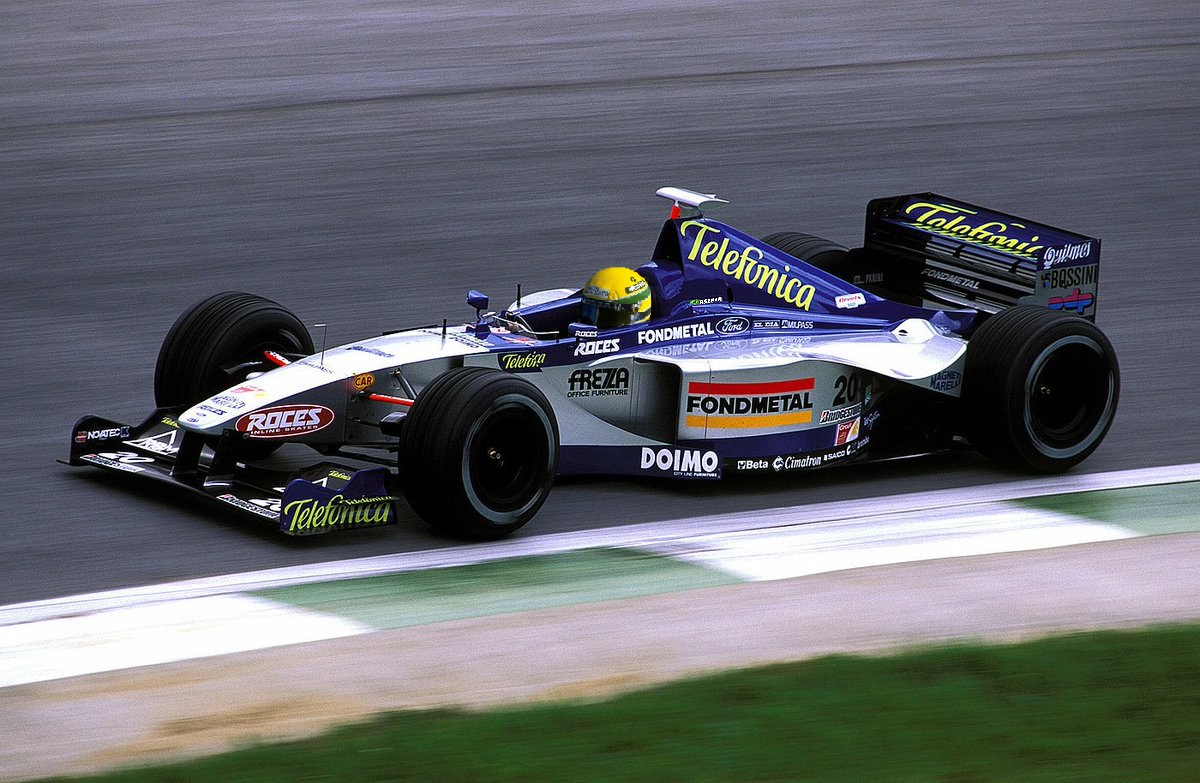
Ayrton Senna in a Minardi.

Senna apparently told his good friend Gian Carlo Minardi several times that he wanted to end his career at Faenza. “The last year I do in Formula 1 will be with you”, Autosprint quotes Senna as having told Minardi. “I’ll drive for free but we’ll take away the satisfaction of bringing your car away from the back row.” Senna was largely an honest man and I see him being true to his word. A different, one-season challenge for the Brazilian to round off his career in the final year of the millennium.

(Yes, yes – I know that the new millennium technically began in 2001…)

A shock move to perennial backmarkers Minardi saw Senna trying to drag the team away from the back of the grid, in what he announced would be his final year in the sport. At the season-opening Australian Grand Prix, a race with only eight finishers, Senna ran in the points briefly before retiring with gearbox issues.

Another race of high attrition at the following round in Brazil, though, saw Senna take Minardi’s first point in five seasons in front of an adoring home crowd. Astonishingly, that was followed up by another point in San Marino, thanks in part to yet another race with fewer than 10 drivers seeing the chequered flag.

Reality then hit, however, with no points in the next 10 races. Senna’s technical ability, along with money brought in from newly interested sponsors, helped develop the 1999 Minardi but it was nonetheless mostly a case of Senna wrestling the car into decent midfield positions.

That was, until the European Grand Prix. An incident-packed race in changeable conditions – very much playing to the veteran’s strengths – saw Johnny Herbert take an unlikely victory for the Stewart team and Senna an even more unlikely first ever podium for Minardi.

Sadly, Senna was to retire from his last ever race with an engine failure but walked back to the pits with a fitting send-off of a standing ovation from the ever-enthusiastic Japanese fans.

So, there you have it. For what they’re worth, those are my wild hypotheses for a scenario that sadly wasn’t to be.
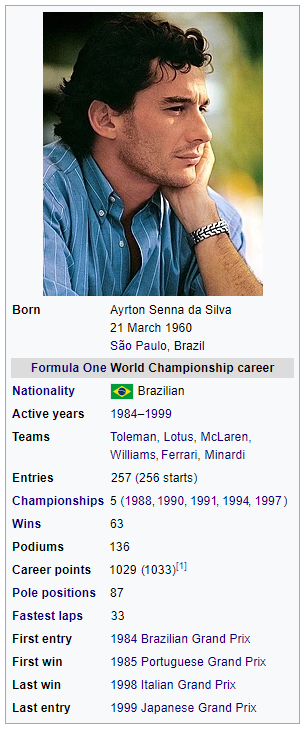
The hypothetical final career stats for Ayrton Senna.

Had Senna survived, five world championships – whether or not they would have occurred in a way even remotely similar to my fictional universe – seems a fair legacy for the driver that many still class as the greatest in the sport’s history.

Maybe the way in which he was taken from us has added to his legacy – rose-tinted glasses can be especially rosy in this kind of situation. But having analysed the potential twists and turns his career could have taken, this feels quite fitting.

To go with those five championships, Senna would also have precisely matched Riccardo Patrese’s record for races entered and surpassed Prost’s records for wins, podiums and points. As well as extending his own pole position record to 87.

How many of those would then still have been rewritten by Schumacher and Lewis Hamilton is another rabbit hole, and one which I’m not going to go down on this occasion.

It is no secret how adored Senna was in Brazil and his ambition to one day move into politics and improve his beloved home country were well-known. The ramifications of Senna’s loss extend beyond the sport, potentially to a global, political level. A successful run for presidency would have been far from a pipe dream; much crazier things have happened in the world of politics. (Just look at the last few years…)

But one thing is certain – Ayrton Senna da Silva would always have been and will forever be an icon and a legend. His intensity, passion and charisma transcended the sport. He will never be forgotten.
Walking away from a big team

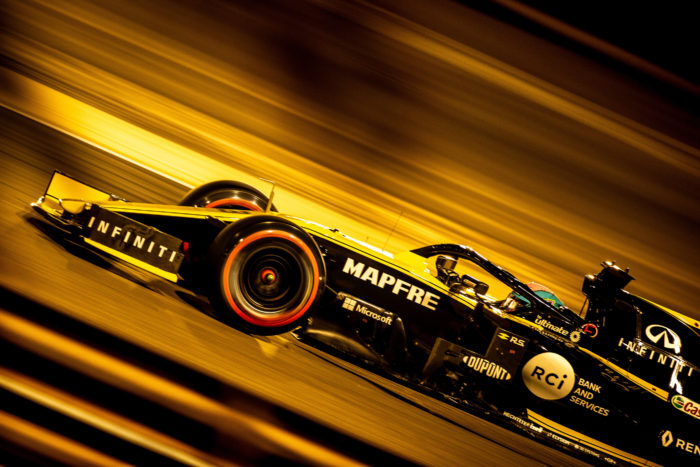
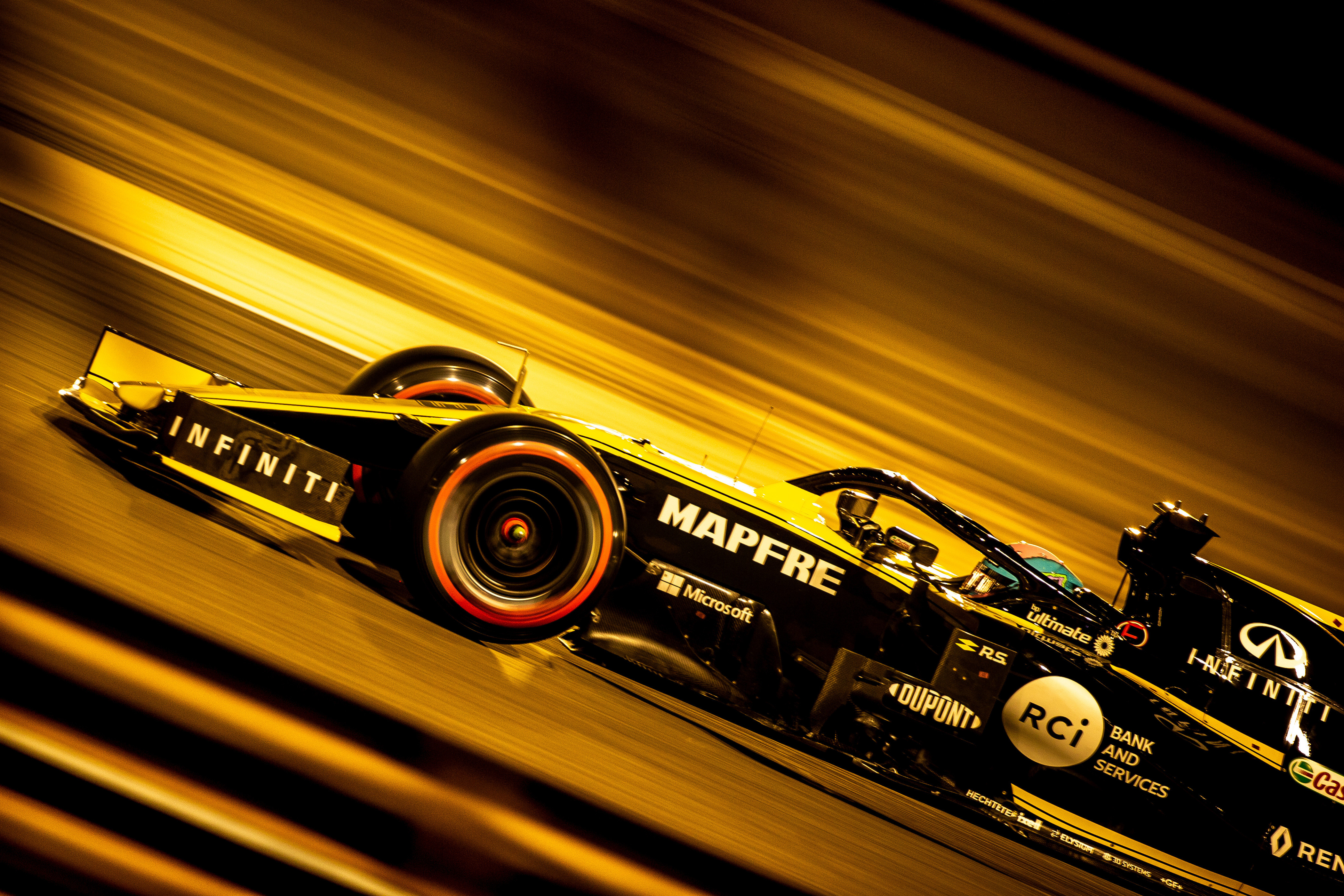
Daniel Ricciardo driving a Renault in 2019.
Image credit: XPB/James Moy Photography

In honour of Daniel Ricciardo‘s first points for Renault, this is a piece on the history of established, successful drivers leaving established, successful teams and how it worked out for them.

I’m only discussing drivers who left of their own accord – or at least as best we can tell without knowing all the ins and outs – so moves such as Damon Hill’s from Williams to Arrows in 1997 as world champion won’t be included. The 50s had a far more fluid driver-team dynamic; for example, Juan Manuel Fangio regularly changing teams depending on which he thought had the best car at that time. So let’s begin in the 60s.

Results are mixed.

Jack Brabham | 1962 | Cooper > Brabham

Jack Brabham won back-to-back championships with Cooper in 1959 and 1960 but during the second of those seasons was already becoming convinced that he could produce a better car himself, particularly once having helped design the T63 that took him to the championship. After a poor showing from Cooper in 1961, Brabham left to start the team this bore his name.

The first few years were not successful. His team suffered poor reliability, not helped by Brabham’s reluctance to spend money, and in 1965 he was beginning to consider retirement. He handed his car over to several other drivers and the lead-driver role to Dan Gurney. During that season, Gurney took the team’s first win but then announced he was leaving to start a team of his own and so Brabham decided to continue.

It was a good decision. Largely thanks to an inspired decision regarding the new engine regulations, 1966 saw Brabham win his third world championship. And in doing so, became the only man to win the world championship in a car that carried his own name. A record that still stands and likely will for a long time.

Success? Definitely.

Emerson Fittipaldi | 1976 | McLaren > Copersucar

Titles in 1972 with Lotus and 1974 with McLaren saw Emerson Fittipaldi become the youngest double world champion in the history of the sport. A record that lasted more than two decades until Michael Schumacher‘s second title in 1995. Fittipaldi finished the 1975 season as runner-up to the Ferrari of Niki Lauda before shocking the F1 world by announcing he was leaving McLaren for Copersucar – a team funded by a Brazilian sugar marketing company and run by his brother, Wilson.

13th place on his debut set the tone for the venture, however. The Brazilian never won again and managed only two podiums in the remainder of his career, staying at the team until retiring at the end of 1980. He moved into management of the team but it folded in 1982.

Meanwhile, James Hunt won the 1976 world title in the seat Fittipaldi had vacated…

Success? Definitely not.

Niki Lauda | 1978 | Ferrari > Brabham

Niki Lauda’s relationship with Ferrari never really recovered from his decision to withdraw from the crucial Japanese Grand Prix of 1976. Having recently returned from his horrific crash at the Nürburgring and in appalling weather conditions, Lauda said “my life is worth more than a title”.

The following year, despite Lauda comfortably winning the championship, tensions continued to grow. The title was won due to consistency rather than outright pace and Lauda disliked his new teammate, Carlos Reutemann. He said he felt let down by Ferrari for them putting extra pressure on him and announced his decision to quit.

He moved to a Brabham team that had struggled for most of the 1970s and sadly for the Austrian not much was to change during his two years there, with unreliability a major issue. That was except for one race and one infamous car – the Brabham BT46B. A radical design that became known as the ‘Fan Car’. It won its first and only race but was never used again; other teams vigorously protested its legality and team owner Bernie Ecclestone did not want any legal complications whilst he worked on his acquisition of the sport’s commercial rights.

At the end of 1979, Lauda retired, stating he had “no more desire to drive around in circles”. He would return in 1982 with McLaren, however, and win the world championship in 1984.

Success? Not at Brabham but the decision was understandable and he got his third title in the end.

James Hunt | 1979 | McLaren > Wolf

Things went steadily downhill for James Hunt at McLaren after winning the 1976 World Championship. His title defence derailed early in the season due to problems with the new car and, whilst that season ended reasonably well, 1978 was a disaster. Lotus had developed very effective ‘ground effect’ aerodynamics and McLaren were slow to respond. The car was eventually revised midway through the season but it did not work. This, along with the death of his close friend Ronnie Peterson, crushed Hunt’s motivation.

Despite a poor 1978, Hunt was still very much in demand. He turned down an offer from Ferrari, due to their complicated political environment, electing instead to move to Walter Wolf Racing. A team which had won its very first race and powered Jody Scheckter to second in the world championship in its first season. However, the team’s ground effect car was uncompetitive and unreliable.

Hunt retired from six of the first seven races and, after the Monaco Grand Prix, announced his immediate retirement from the sport. He could only watch on as Scheckter won the championship in the Ferrari seat he had turned down.

Comebacks almost transpired. First as a replacement for the injured Alain Prost in 1980 but Hunt broke his leg whilst skiing. Then in 1982 he was offered a drive at Brabham by Bernie Ecclestone but turned it down. And even in 1990, at least somewhat due to financial troubles, Hunt considered a comeback with Williams – testing a modern car but running several seconds off the pace.

Success? No. But leaving McLaren was less the issue than turning down Ferrari.

Nelson Piquet | 1988 | Williams > Lotus

Despite winning the title in 1987 at Williams, Nelson Piquet became obsessed with his feeling that he was not being given the undisputed number one driver status he claims was promised to him by the team. Even going as far as saying they actually favoured Nigel Mansell. And so he left for Lotus, having been promised the status he craved there.

Honda, who paid most of his salary, were unhappy with Williams and moved their engines along with the Brazilian. McLaren, also with Honda power, then dominated the next two seasons. Lotus were stagnating and Piquet himself also wasn’t performing. It could be that he was never the same driver after a bad concussion suffered in a crash the previous year, but he significantly harmed his reputation and resorted to attacking his rivals via petty comments in the media.

He later moved to Benetton and won three races in two seasons but never again challenged for the championship.

Success? No and dragged his former team down with him too.

Michael Schumacher | 1996 | Benetton > Ferrari

You could argue that moving to Ferrari is never going to be that much of a risk, certainly compared to some others on this list. But Michael Schumacher left Benetton as the constructors’ champions, having won back-to-back titles himself with them, for a Ferrari team that hadn’t won a drivers’ title since 1979 and had only won two races in the past five seasons.

But Schumacher had grown tired of the way Benetton was run and wanted both an increased salary and a new project.

He got both and we all know how the next decade with the Scuderia played out. After a few years of near misses (or distinctly not missing Jacques Villeneuve’s Williams and subsequently being disqualified from the 1997 season), Schumacher dominated the early 2000s, winning every title available between 2000 and 2004.

Fernando Alonso then arrived and dethroned him with the seven-time champion retiring at the end of 2006. A brief return to the sport with Mercedes in 2010 produced just one podium but Schumacher will always be remembered as the dominant force in Ferrari red.

Success? The success story.

Jacques Villeneuve | 1999 | Williams > BAR

After winning both championships in 1997, Williams had a strange title defence, both in terms of livery – in red for the first time – and performance, without a single win. They had been hampered by the underpowered Mecachrome engine and Villeneuve decided to join the newly formed BAR team for 1999. That decision was also certainly swayed by his friend and personal manager, Craig Pollock, who partly owned the team.

They had lofty ambitions and made boastful claims of winning the championship in their debut year. Claims that ultimately became embarrassing when they failed even to score a point, Villeneuve setting an unwanted record of failing to finish the first 11 races of the season.

During the four seasons that followed, BAR improved somewhat but never enough to take a win. Pollock was sacked in 2002 and, after being outpaced by a young Jenson Button in 2003, Villeneuve left the team. Without a drive, he was forced into a sabbatical before returning for three races with Renault at the end of the year but was off the pace.

He eventually retired from F1 during the 2006 season, whilst racing for BMW Sauber, having effectively been replaced by Robert Kubica after refusing to be part of a potential ‘shoot-out’ with the Pole.

Success? Not at all. A career that nose-dived.

Lewis Hamilton | 2013 | McLaren > Mercedes

When Lewis Hamilton announced he was moving from McLaren to Mercedes for the 2013 season, there were not many that thought it was a wise decision. McLaren were serial winners and, whilst the last few seasons had seen them second or third best, with Red Bull dominant, Mercedes had generally been also-rans since returning to the sport in 2010. But Niki Lauda had convinced Hamilton that it was a wise decision. And boy, was he right.

There was a solid first season with a victory and fourth place in the championship. But then in 2014, having spent years preparing for the new regulations and hybrid engines, Mercedes produced a car that was in a different league to the rest and Hamilton himself found a new level of excellence.

How certain he, or Lauda, were of the Silver Arrows’ impending dominance is up for debate. But Hamilton’s place now amongst the greats is not. He has won four of the last five titles, narrowly losing out to teammate Nico Rosberg in 2016 after a season plagued with unreliability, and is closing in on Schumacher’s all-time records. Records that most thought would never be threatened.

Whether or not, he can pass those records, Hamilton undeniably made the correct career move. McLaren have not won a race since he left.

Success? If Schumacher is the success story then Hamilton is well on his way to replicating that story.

Fernando Alonso | 2015 | Ferrari > McLaren

Fernando Alonso could arguably be on this list on more than one occasion. At the end of 2007, he left McLaren, after the most dramatic and political of seasons, to return to Renault. Alonso won just two races in two seasons there, but his second spell with the French team had only ever been a stopgap on his journey to Ferrari.

He succeeded in joining the Scuderia in 2010 and came agonisingly close to titles in both his debut year and 2012. Poor strategy in the final race put paid to his hopes in 2010 and then, in 2012, Alonso drove arguably one of the best seasons in the history of the sport, regularly dragging an underperforming Ferrari to places it had no right to be but agonisingly lost out to Sebastian Vettel by three points, once again at the final race.

The Spaniard became disillusioned, doubting he would ever be provided with a truly title-winning machine, and made a decision that stunned the sport – to return to McLaren.

In 2008, Alonso ever rejoining McLaren would have seemed unthinkable. Indeed, it still did to most in 2014. But McLaren had linked up with Honda on their return to the sport and Alonso dreamed of emulating his hero, Ayrton Senna, and winning in a McLaren Honda.

Sadly, it was not to be. Honda struggled to catch up with the other engine manufacturers, stifled by massively complex technology and McLaren’s strict regime, and Alonso spent the remainder of his career once again dragging the car to places it had no right to be. But now that was the top ten, rather than the top of the podium.

Success? Alonso’s career decisions have almost become a running joke within the sport. The guy just couldn’t pick the right path. A story of what could have been.

Daniel Ricciardo | 2019 | Red Bull > Renault

Daniel Ricciardo worked his way through the Red Bull junior system, progressing to Toro Rosso in 2012 and then being promoted to the big boy seat in 2014, promptly putting the reigning four-time world champion, Vettel, in his place. Ricciardo beat him fair and square and, when Vettel left the team at the end of the season, he became the team leader.

He then spent the last four seasons picking up plucky wins against the odds and pulling off audacious overtakes from way too far back, or “licking the stamp and sending it” as he’d put it. But the ever-likeable Aussie came to feel that Red Bull were beginning to favour their new golden boy, Max Verstappen, and decided to throw the dice with a move to Renault.

Only time will tell how he will compare to the others on this list. It could be an inspired move like Hamilton or a failed experiment like Villeneuve. Renault certainly have the aim of breaking into the current top 3 in years to come and there are new regulations coming in 2021 that could change the playing field completely.

We will just have to wait and see which part of that field Renault end up in.

Success? TBC.

Predictions that I’ll probably regret making

As I said, I had planned to do this post on Thursday but delayed it after the news about Charlie Whiting. But with only two practice sessions gone (and Ferrari potentially keeping their true pace under wraps), I think making some F1 2019 predictions for the entire season is still probably fair game… No? Well, I’m doing it anyway.

World Drivers’ Championship Top 5

1st: Sebastian Vettel

I just have a gut feeling that Ferrari are finally going to pull it together this year and that Vettel’s experience in the end will be enough to see him to the title. The Ferrari has been behaving very nicely in pre-season and we know from his Red Bull years what he can do if he’s in a car he likes, leading from the front.

2nd: Lewis Hamilton

Whilst I believe Ferrari will have the better car this year, I also believe that Hamilton is the better driver and that he’ll push Vettel all the way. He won’t be in a hurry to give up the mantle of being the most successful active driver (at least in terms of championships) and he overcame the odds in, arguably, a slightly slower car last season. But it may end up too big a challenge to conquer this year.

3rd: Charles Leclerc

I can see Leclerc surprising people early on and matching Vettel’s pace; potentially leading the championship after a few races (à la Hamilton in ’07). But ultimately I think a bit of inconsistency will creep in and he’ll slip back as it gets to the sharp end of the season. We saw those rookie mistakes in the shape of a few spins last year – not that that couldn’t also be said of Vettel – and I think the unbridled passion of the tifosi weighs on even the strongest of shoulders. Leclerc has remained realistic about this season and finding his feet so, whilst he may not come out on top this year, I expect great things from the young Monegasque.

4th: Max Verstappen

As I have said previously, I think Red Bull will be there or thereabouts this season – snatching the odd win and getting on the podium a fair bit. They’re unlikely to be in a position to challenge for titles in the first year of their partnership with Honda, but I think Verstappen will continue to channel his speed into more consistent results and less crashes this year. And end the season with a repeat of last year’s respectable 4th place.

5th: Valtteri Bottas

It’s very much make or break this year for Bottas. ‘Valtteri, this is James’ became one of the most overused memes of last season and that is how the F1 world now sees him – as the ‘wingman’ he so didn’t want to be. Ironically, his disapproval of the term is what made a headline out of it and caused it to stick. But sadly, excellent new facial hair or not, you just can’t see him posing much more of a challenge to Hamilton this year. It can’t be easy going up against an all-time great but after three years in his shadow, and with the highly-rated Mercedes protégé Esteban Ocon waiting in the wings, will it be the Finn’s final year in a Silver Arrow? I think so.

World Constructors’ Championship Top 5

1st: Scuderia Ferrari

As stated above, I think the Scuderia will finally get it right this season and come out with their first Constructors’ Championship in over a decade. After a lot of pain and a fair few near misses during that decade, it would be a poetic result and a fitting tribute to their former chairman, Sergio Marchione, who died last year.

2nd: Mercedes AMG Petronas Motorsport

Mercedes equalled Ferrari’s record of five consecutive double World Drivers’ and Constructors’ Championship titles last year and they would love to make that record their own. But it appears that the team they are trying to prise that record from have produced the best car and the toughest challenge that the German team have faced since they began their domination of the sport in 2014. They’ll push them all the way but maybe six in a row will be just too big of an ask.

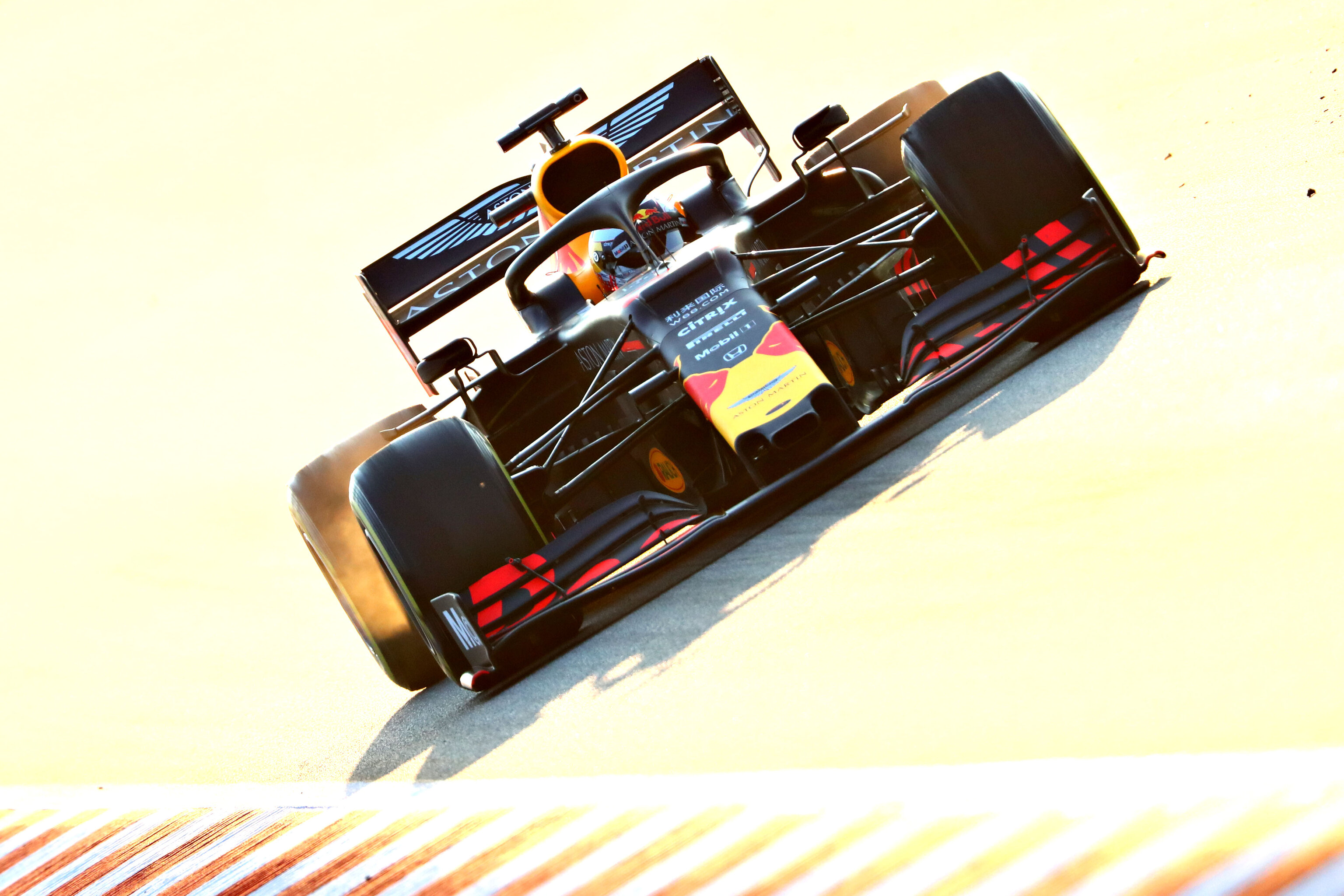
3rd: Aston Martin Red Bull Racing

Come 2021, with a couple more years’ experience and integration for Honda and new regulations for Adrian Newey to get his teeth into, I think Red Bull could well end up the team to beat again if they play their cards right. But for now I don’t see them challenging the top two on a regular basis and probably having a few more retirements than them as well. Obviously no one looks close to challenging them for third though.

4th: Renault F1 Team

The midfield pack is already widely-accepted as very, very tight this year. But if I have to pick someone to finish best of the rest then I’m going for Renault. They probably have the best driver line-up of the group and clear long-term aims of making the top three into a top four, towards which they have been making steady progress in the last couple of years. And being a works team never hurts.

5th: Alfa Romeo Racing

I struggled to decide between Alfa and Haas for fifth place. Both the effective Ferrari B-teams have shown some good form and put forward a good case for being in the top five. Haas produced what some believe to be the second-quickest fuel-corrected run in pre-season testing. But I fancy the Italian team to edge it over the whole season, based mostly on the impressive progress they made through 2018 with their new funding.

Best-Placed Rookie

Lando Norris

I may have gone with Antonio Giovinazzi but he doesn’t count as a rookie, having competed in two races at the start of 2017. So of the three true rookies – Britons, Lando Norris and George Russell, and British-born but racing under a Thai flag, Alexander Albon – my choice would be Norris. Sadly, it looks a lot like Russell’s Williams will be struggling with the 107% rule and, whilst their two teams look finely balanced, Albon has looked a little shaky in testing. Norris also beat him in F2 last year.

Most Exciting Race of the Year

Azerbaijan Grand Prix

Aside from the bizarre aesthetics of Baku itself, as the cars flash between backdrops of castles, Renaissance architecture and new, futuristic towers, the last two races have been absolute corkers. 2017 had Vettel deliberately driving into Hamilton under the safety car and Bottas passing Stroll on the line for 2nd place. Then fast-forward 12 months and we had that Red Bull crash and Bottas this time picking up a puncture whilst leading with a few laps to go. The Azerbaijan GP just seems to have a knack for unpredictability and drama, so it’s where my bet for the race of the year goes.

Craziest Driver Move of Silly Season

Fernando Alonso to Red Bull

If this prediction comes true, then I will quite rightly gloat for the entirety of 2020. Let’s say that… Gasly gets trounced by Verstappen. Helmut Marko refuses to re-promote Kvyat to the big team and Albon hasn’t shone. The Red Bull junior programme has run a little dry. Alonso has won the Indy 500 at his second attempt and, with the Triple Crown under his belt, is now interested in F1 again. Christian Horner picks up the phone…

Will Nico Hülkenberg Finally Get a Podium?

NO

Let’s act like we know what’s going on in testing, pt. 2

In this post I will, for the most part, stick with my modus operandi of not granting the 2019 F1 testing times too much significance. But it’s no fun to entirely ignore them so let’s allow ourselves to read a little into them, especially when it comes to the headline news of the front-runners.

Let me pose some questions.

So, Were Mercedes aCTUALLY Sandbagging Then?

The Mercedes cars did finally unleash a bit of speed but they left it until the final hour of the final day of testing. Ferrari had already packed up, after Sebastian Vettel was left stationary at turn two with an electrical failure an hour or so earlier. That quick run on the softest tyres left him just 0.003 seconds shy of Vettel’s test-topping time of 1:16.221 which, even by Formula 1 standards, is very close. Fuel-and-tyre-corrected lists have put the Ferrari around half a second ahead but I’m not totally convinced; the apparent differences between the tyre compounds always appear to be overestimated in my experience. And will the Silver Arrows still have their infamous ‘party mode’ once it comes to the serious business?

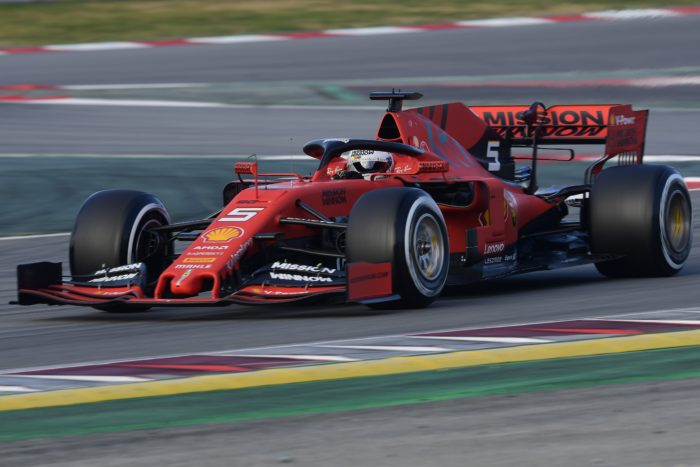
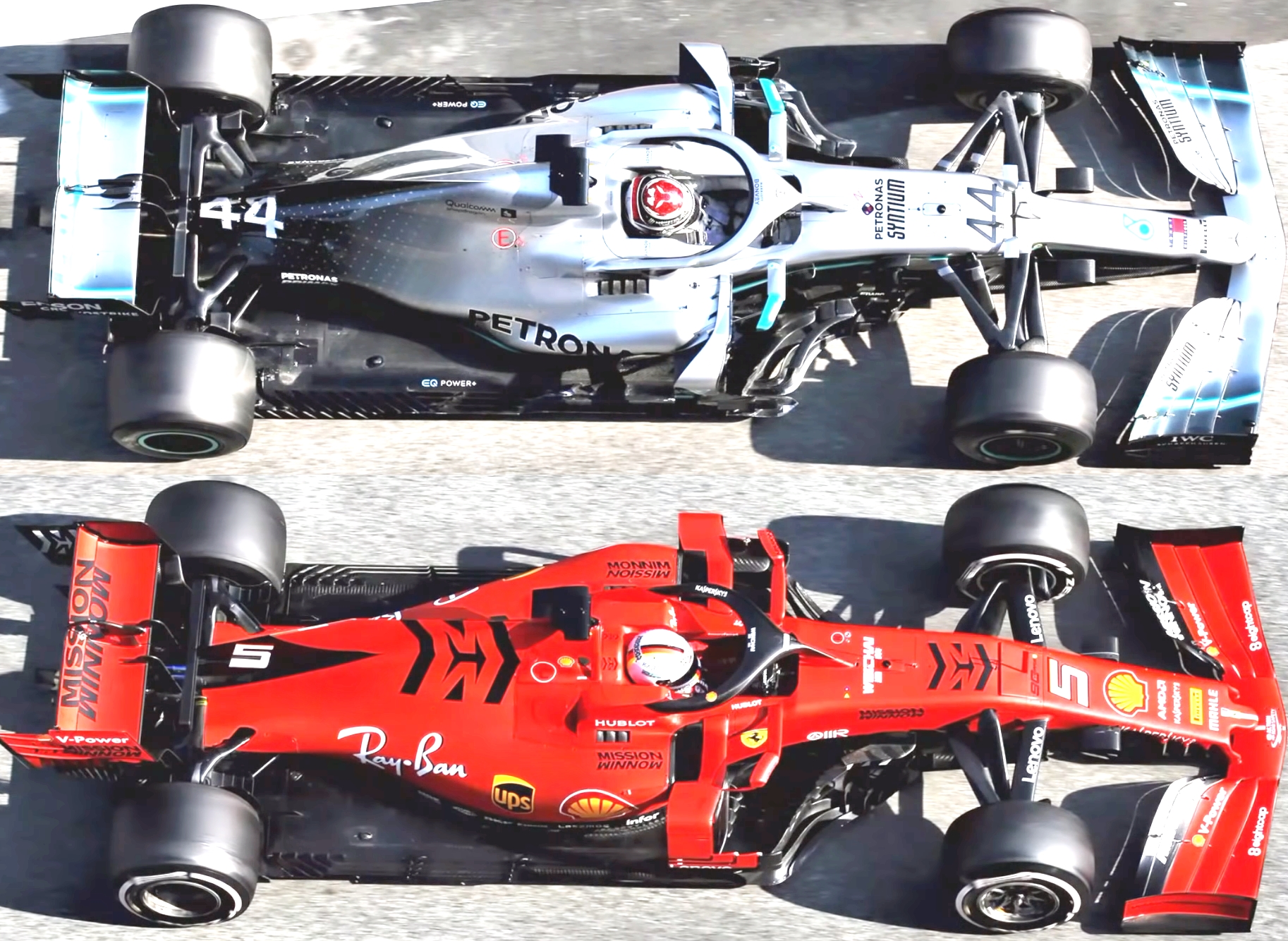
The Mercedes and Ferrari at F1 2019 testing.
The two teams have gone in noticeably different directions with their aero philosophies

From on-board footage, the Ferrari looks by far the easier of the two to drive – very balanced; equally happy in different corner types – and has done so since the first day of testing. An impressive feat with new regulations and a brand new car. My gut feeling is that Ferrari have the edge currently. Lewis Hamilton is unmatched when it comes to throwing a car round Albert Park on a Saturday, so he could well pull yet another pole out of nowhere, but I think by race day the red cars will be on top. One thing to bear in mind, though, is that Mercedes’ Achilles’ heel in recent years has been dealing with the dirty air when following another car. If the regulation changes have done their job, they may now be able to put up more of a fight when not in the lead. The rest of the season will be a story of who wins the development war and whether Ferrari can solves the operational issues that have plagued their last two championship campaigns. Of course, Helmut Marko would have you believe it will be Red Bull bringing the fight to Ferrari…which leads me nicely to my next point…

Where do Red Bull Stack Up?

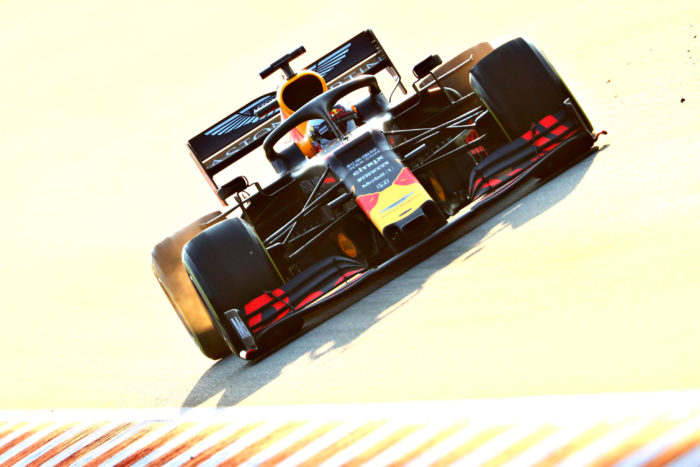
Dr. Marko says a lot of things. And you get the impression a lot of them are just to stir things up – he’s quite similar to the ex-Godfather Bernie Ecclestone in that way. He has made a lot of ambitious claims of Red Bull’s impending success in the recent past which have not really come to fruition. But in fairness, this time round, the RB15 is looking pretty promising. It is a little harder to compare them with the other two of the ‘big three’ as they did not do any qualifying runs, but their long-run pace has been looking pretty good. Unfortunately, Pierre Gasly put paid to one of those on Thursday with a fairly hefty trip into the barriers. And it wasn’t his only one either. The young Frenchman will need to iron out those mistakes if he is to truly challenge Max Verstappen on the other side of the garage. He may be a year older than his teammate, but he has far less experience in the sport and the consensus seems to be that Verstappen has now added much-needed maturity to his undeniable speed.

Image credit: Getty Images

If my hand was forced, I would say I can see Red Bull matching up roughly where they did last season – nicking the odd win whilst also having some off days and a fair few retirements. Whilst their relationship with Honda has certainly started smoothly, Red Bull cars tend to ask a lot of their power units and I can see a few teething issues appearing once everything gets turned up to 11. Nonetheless, I think the Honda deal is a good move in the long-term and could see Red Bull as genuine championship contenders again given time.

How Close is the Midfield Battle?

Very. In a word. Renault, Haas, Toro Rosso, McLaren and Alfa Romeo all appear to be within a couple of tenths of each other, whilst Racing Point were openly running a very basic car for these tests, with many new parts coming for either Melbourne or the first of the European races – the return to Barcelona in May. With all the variables, I don’t think there is a lot of point in dissecting such similar times to try and figure out who is looking the favourite for 4th place. Just rest assured that the ‘Formula 1.5‘ championship, as it has been christened, looks like being even more closely fought than last season. And it seems they have all closed the gap to the front-runners a little, so we may see the odd podium position being stolen more often.
Image credit: Motorsport Images

That just leaves Williams, who are as off the pace as expected after their late arrival. The car has, commendably, not suffered any obvious issues and the team have amassed a fair amount of laps. But Robert Kubica admitted that he had not done a run longer than 15 laps so we will have to see how they deal with a full race distance in two weeks time. It is a real shame to see Williams just making up the numbers.

And Finally, How Quick Are the Cars in General?

This year’s regulation changes were expected to result in a drop in performance and a rise in lap times. But that hasn’t really happened. Whilst some of the lap time can be accounted for by, amongst other factors, more favourable conditions than at last year’s test, the headline time ended up just shy of a second quicker than last year’s. It would appear, as ever, that the brainboxes behind the scenes have found ways around the rules to exploit loopholes and make the air go in exactly the directions around the car they so choose. And they certainly have the potential to go much faster at this stage of development.

Overall, this season has the makings of a fantastic one. Let’s hope that’s still the case come Abu Dhabi in around 9 months time.

Let’s act like we know what’s going on in testing, pt. 1

Every F1 publication will at this point deliver the usual caveat of pre-season testing times being unreliable, misleading and generally useless for forming opinions…and then proceed to do so anyway. In this post, I will attempt to stick to things that we can hopefully establish from this first week of 2019 F1 testing.

(And then maybe make some wild, sweeping statements and predictions at the end if I feel like it.)

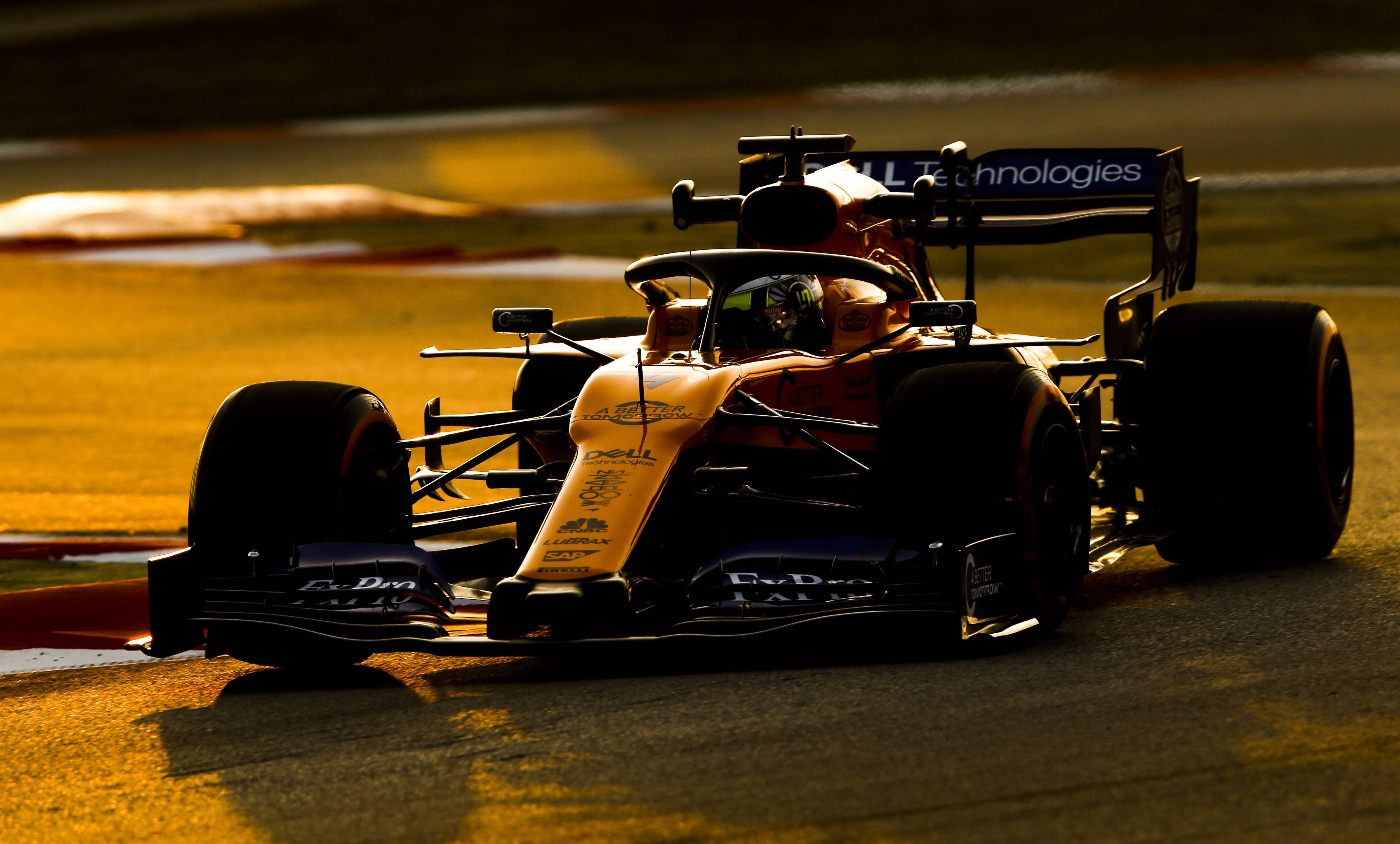
McLaren’s Reliability Has Improved

I think that is fair to say. McLaren have spent the pre-season tests of the last few years in varying levels of crisis. Infamously so with Honda, completing only 425 laps in 2017 and 380 in 2015 whilst generally blowing up every time they left the garage. Fernando Alonso covered almost as many miles on foot as he did in the MP4-30. And then even with Renault last year things weren’t much better. A wheel fell off after literally 6 laps… Whilst things had then started to look more promising to the outside world, the team knew that their times were flattering to deceive and that their lofty aims of returning to the podium were not to be realised. And that maybe it hadn’t been Honda’s fault all along…

Lando Norris at 2019 F1 testing.
Image credit: DPA Picture Alliance

But this year things have been going far more smoothly. They have been quietly getting on with things – under the radar, running through programs without the need to chuck on the softest tyres and jump up higher in the timings than is representative – and have finished the week without any major dramas, solidly in the midfield when it comes to laps completed.

The team abandoned development on last year’s car early on in order to focus on this year’s and thus have far more stable foundations to build from than some of the other teams. The paddock has apparently been impressed by some of their aero ideas. Zak Brown has realistic aims of a ‘step forward’ and it’s looking like that may well have been achieved.

Alfa Romeo Have Improved Massively Since Last Year

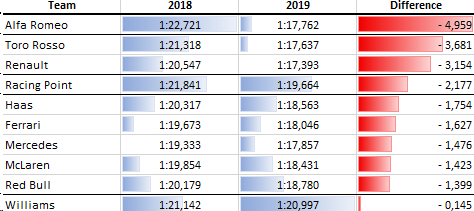
Whilst the steady improvement of the Alfa Romeo Sauber was clear to see through last season, the difference between this and last year’s testing times is quite something.

They are very nearly five seconds better off. In cars that were supposed to be around a couple of seconds slower after these regulation changes, remember? Admittedly, the track had been resurfaced last year and conditions were far colder, hence the improvement from all teams, but the Alfa has clearly taken the biggest step. Having been scraping together pennies just a couple of years ago, the team now has enough of a budget to make one-off Valentine’s Day liveries and hire a former world champion. It will be interesting to see where they can push on to from here.

I get the impression Ferrari have somewhat shunned Haas as their little sister team in favour of Alfa Romeo and you wonder if that might have a similar adverse effect on the American team as it is a positive one on the Italians. Haas were the surprise package of 2018 and many in the paddock were suspicious of their relationship with Ferrari. But with those at Maranello now less reliant on them, will they revert to the also-rans that joined the sport in 2016?

Teams Have Gone In Different Directions With the New Front Wings

The main aim of the new regulations was to aid cars in following each other closely and to help produce better wheel-to-wheel racing. But also to potentially mix up the pack a bit. And whilst the effectiveness of the former is certainly still up for debate, the latter appears to have worked. The teams have gone with visibly different approaches.

The Mercedes front wing is the only to have its endplates angled inwards. They and Ferrari have gone in highly different directions, which is often the case, and time will tell which of them has got it right. For the moment, with Ferrari and Alfa Romeo performing very well at the first test, it is looking more likely to be their philosophy that is the way to go. If that is the case, then will Mercedes (and some of the others) concede defeat and attempt to fit a Ferrari-style wing to their car? History has often proven that just whacking on someone else’s car part isn’t very effective…

Williams Are Somewhat in Trouble

This once legendary team are struggling. They were reduced to a day and a half of shakedown drives as they tried to get to know their new car. Whilst British rookie George Russell appeared excited just to be part of it all, Robert Kubica, who has been there and done it with established teams in the past, appeared visibly frustrated already. And that coming from a man who has finally achieved his incredible goal of returning to the sport after suffering life-changing injuries eight years ago. There are rumours circulating of unrest within the team and questions being asked of Paddy Lowe – the man brought in from all-conquering Mercedes to restore the plucky British team to their once-obligatory place near the front of the grid.

I will say that the times laid down by Russell and Kubica were really not bad considering how far behind the others they started this week. I hope there is more to come from the car as it would be a real waste of a promising, young Brit (and reigning F2 champion) and a walking fairy-tale to be circulating at the back of the field, slowing down for blue flags all year.

And Finally, a couple of Wild Predictions

Because, why not?

  • The Alonso Curse to take full effect and McLaren to dominate the championship, wrapping up both titles by Hungary.
  • Max Verstappen and Pierre Gasly to get into a full-blown fistfight that gets Gasly demoted back to Toro Rosso and Daniil Kvyat reinstated to Red Bull, who then proceeds to wipe the floor with Max and reduce Helmut Marko to a quivering mess.

See you for week two!

Launch season continues to kind of kick off

And on we go with the 2019 car launches!

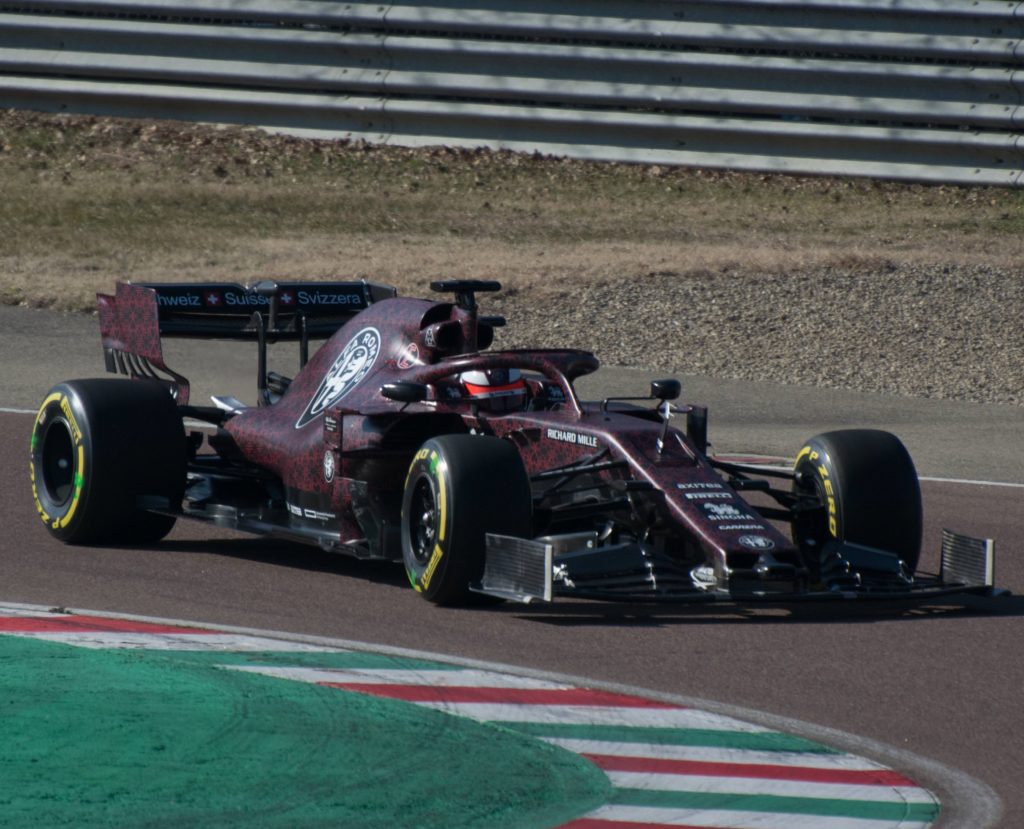
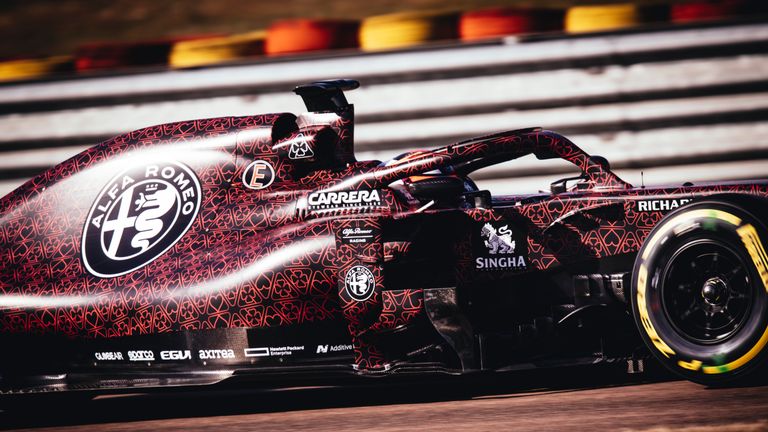
Alfa Romeo don’t officially unveil their latest effort until the first test tomorrow but have had an on-track shakedown (in a rather fetching Valentine’s Day livery) so that will do for now. Plus, they probably revealed more of their hand with the parts on the car than any other team, and there will be enough to write about during testing as is, so let’s see off the launch season posts with what we have.

Aston Martin Red Bull Racing

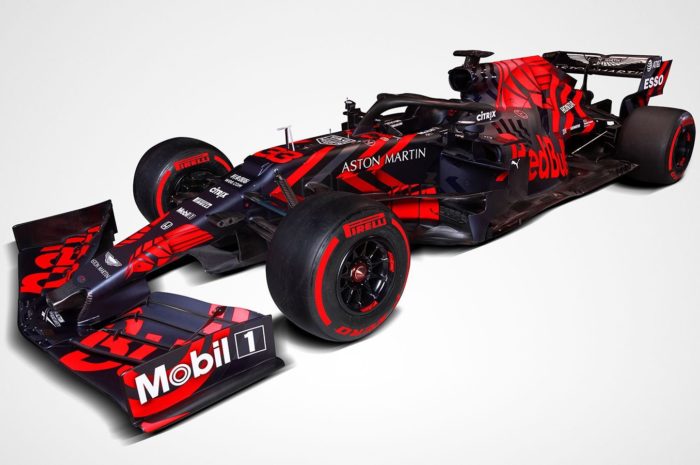
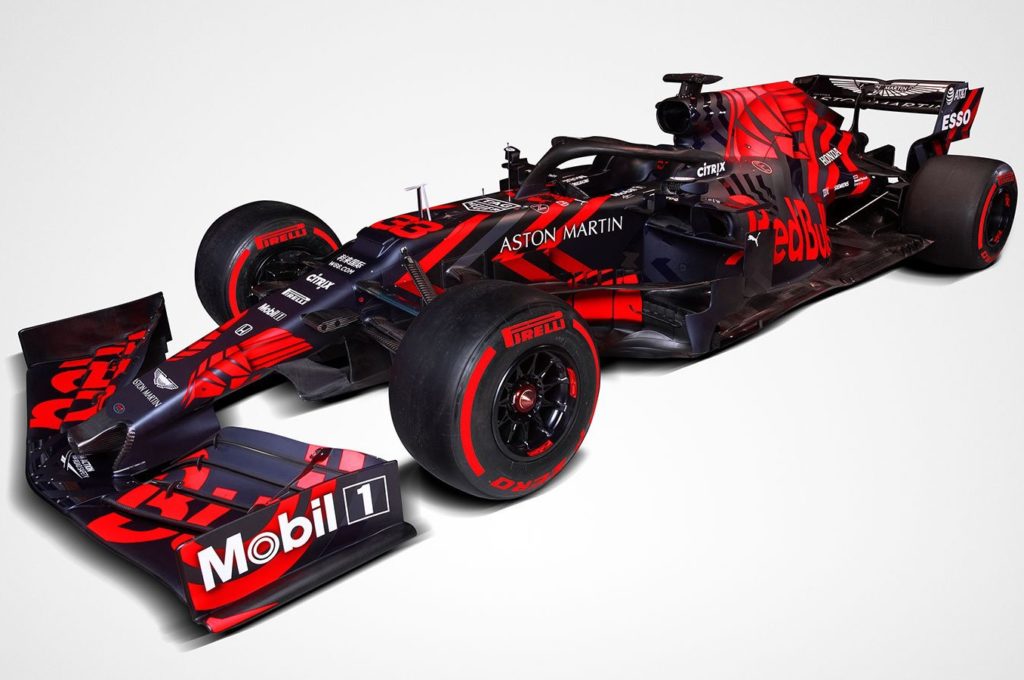
Red Bull have teased us in the past with a dramatic livery reveal which would turn out to be only for testing. And it was to be no different this year. The online F1 world drew a collective intake of breath at the latest camouflage number, which features some nice origami elements presumably in honour of their new deal with Honda. But Red Bull admitted it was just a one-off again and that was that. Maybe the Honda deal will result in a little white being added to the regular brand colours this season, though, at least.

On the more technical side of things, whilst certainly keeping things under wraps – onlookers noticed differences between the car on track and the one in the reveal photos already – the rear end is as tightly packaged as predicted. Even more so than last year’s. You just hope the Honda power unit deals with that better than it did with McLaren’s…

SportPesa Racing Point F1 Team

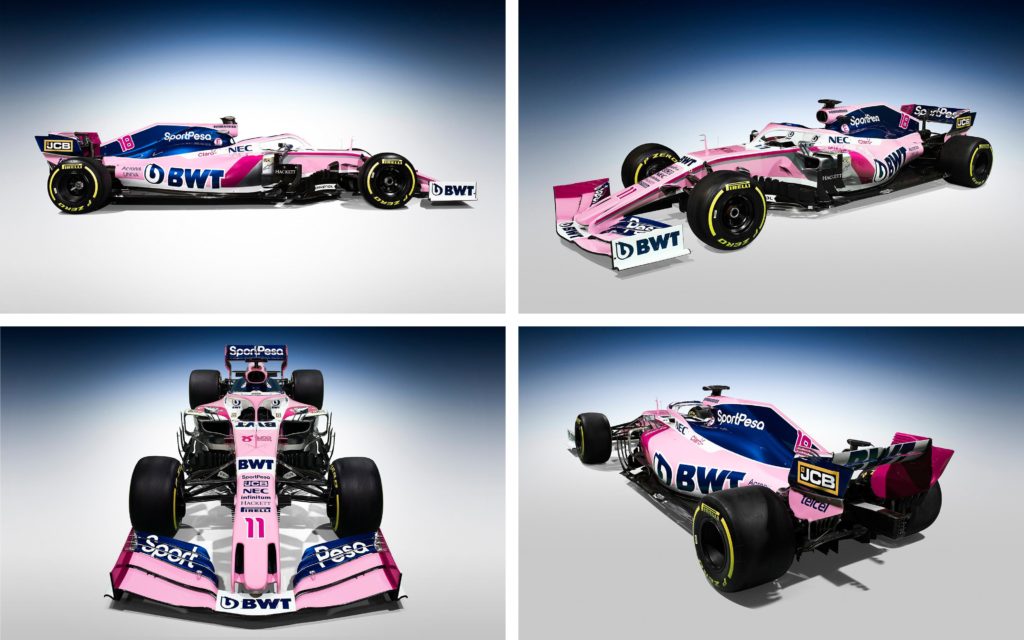
Well. Lots of people seem to disagree but personally I actually quite like this livery. The (royal…I think?) blue combining with the pink gives me some warm, fuzzy, nostalgia for the old Brabham BT60B that Damon Hill drove just before they went bust. And I’m glad that they have stuck with BWT and therefore the pink as more colour on the grid is always welcome. The name and logo on the other hand are pretty shocking. If you have to go to a comments section to figure out the dot after ‘Racing’ is a ‘Point’ something’s gone wrong in the marketing department.

A lot of the aero seems to be just glorified 2018 or basic regulation-meeting parts. It wouldn’t make sense for them to ship everything over the Atlantic for the Canadian launch anyhow so, as with most, we’ll see what they really have to offer in Barcelona. The little team that has perennially punched above its weight, now with financial backing? Could be one to keep an eye on.

McLaren F1 Team

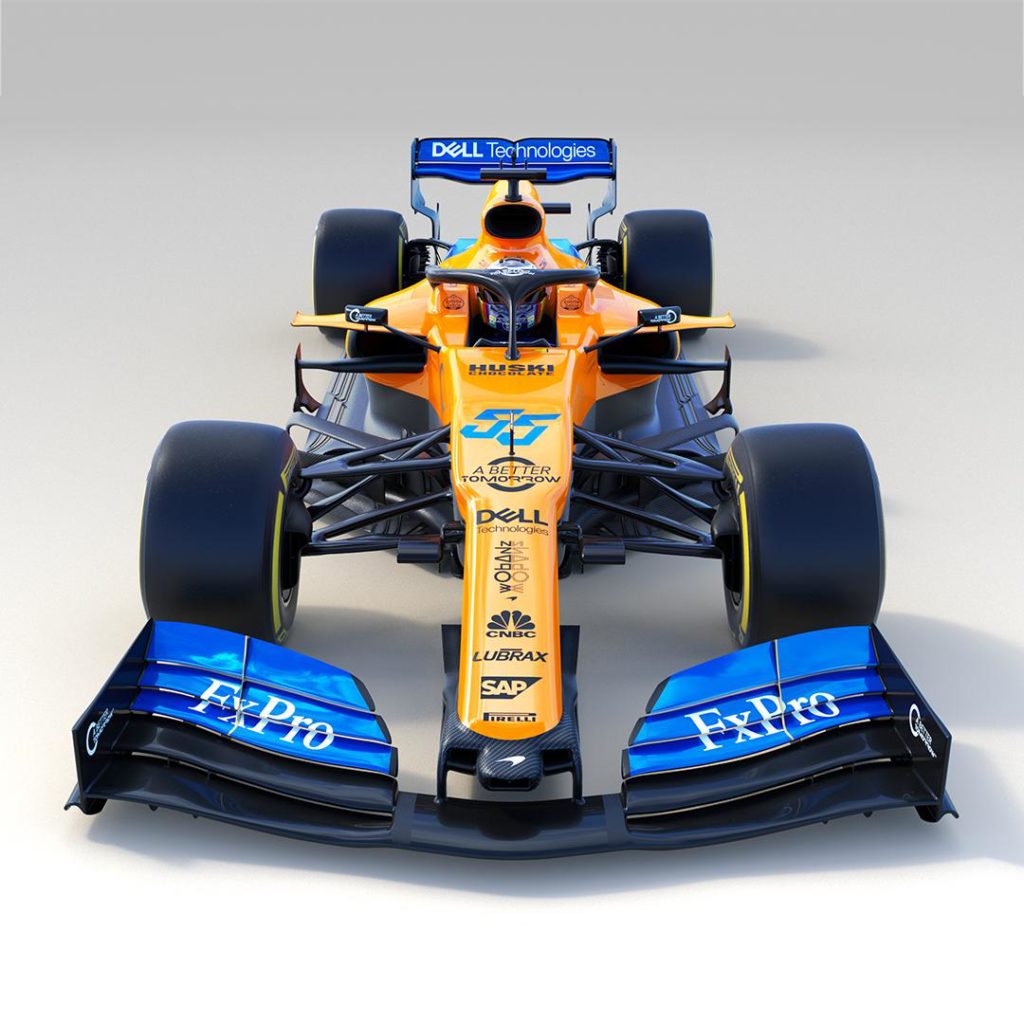
Zak Brown has done a lot for McLaren. You can see that sheerly by the long number of sponsors on the black area of the sidepod. The car certainly looks the part too. It is comfortably the best McLaren livery since the chrome ones circa-2010 at least; the papaya orange and ‘vega’ blue now nicely balanced and with some interesting triangular pixelation at the join.
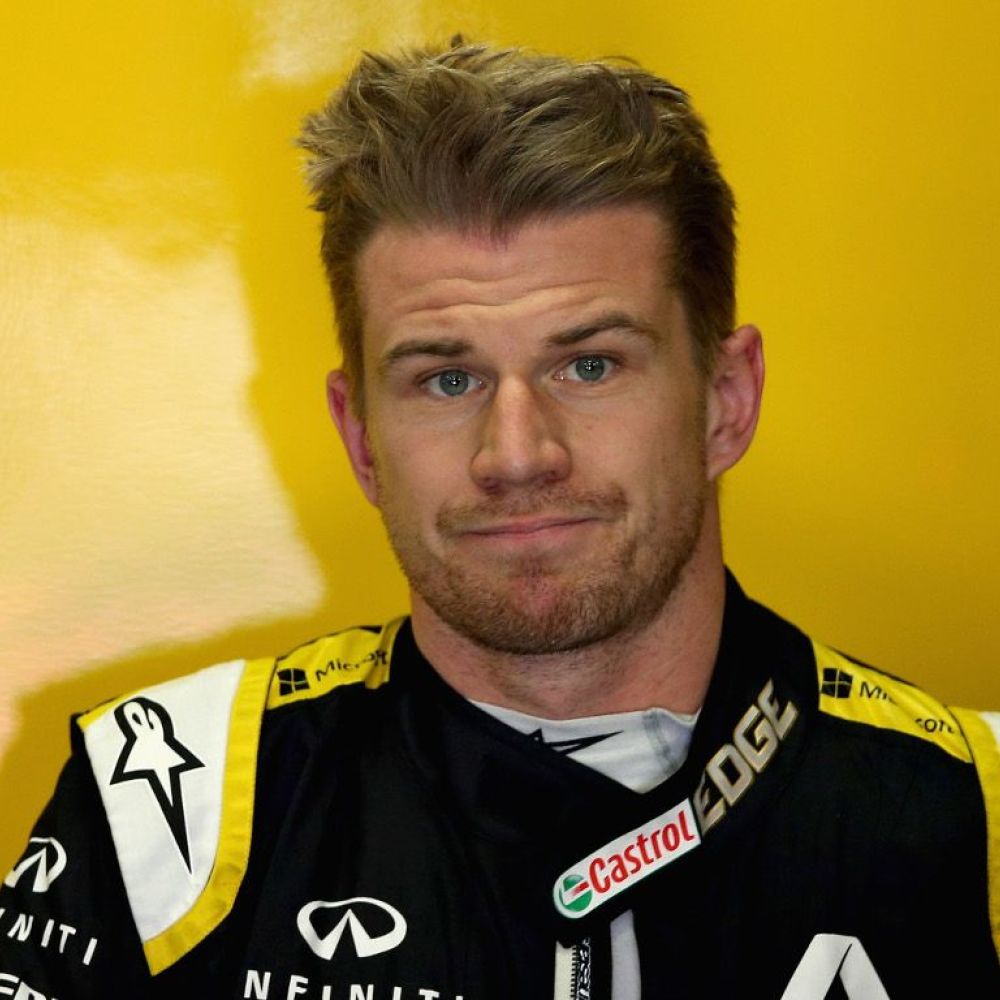
But more importantly, will it perform on track? The design, even at this point, does seem to live up to their radical promises with some pretty aggressive aero, particularly around the bargeboard. They seem to have gone towards the Mercedes school of thinking in some areas – certainly the nose and front wing cape – and Ferrari in others. Clearly, a lot of effort has gone in and, whilst at first some maybe enjoyed McLaren’s struggles, I think the majority would now like to see this once great team fighting back nearer the sharp end of the grid.
Scuderia Ferrari Mission Winnow

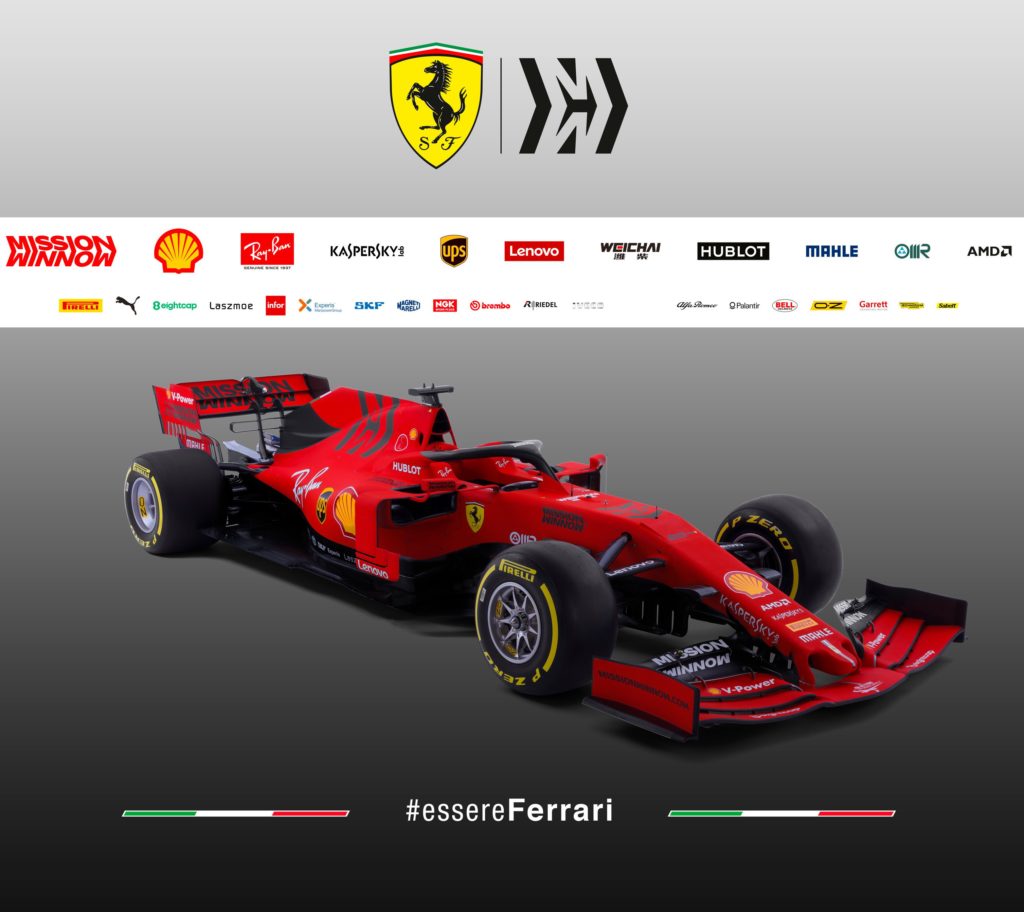
Turns out this year’s Ferrari is red. Blimey. But then actually, some photos have shown it looking a bit orange. It is matte as that apparently saves a few grams on paint and they are pushing the envelope in every possible department. And the Marlb…sorry…Mission Winnow logos are now black, or maybe grey…it’s hard to tell. Either way, they’re not white and that may be a ploy to help Ferrari not be sued by the whole of Australia.

As for as the car itself, I feel like a lot of the pieces you can currently see on the Alfa will end up on the Ferrari if they are a success. The official render shows very little in the way of new design parts so Ferrari are, as they have often done, keeping their cards closest to their chest of all.

Alfa Romeo Racing

So, the Sauber name officially leaves the sport after a quarter of a century. A real shame as the Swiss team have proved to be one of the great survivors. Of course, the team is fundamentally the same as last year but it’s the little things – the tradition of cars being named after Peter Sauber’s wife seems somewhat unlikely to remain. We will also see what livery they have cooked up tomorrow. It will likely remain predominantly white and red. Some green would be nice, though…and it is on both the national flag and the Alfa badge after all.

The car has already been run on track, however. And it is mad. As mentioned above, Alfa Romeo appear to be acting as the guinea pigs for Ferrari; this year’s car having been designed by former Ferrari designer Simone Resta with ‘as little caution as possible’. And we can see some of their experiments already. Front wing flaps that appear unconnected to the endplate, an airbox and nose that both resemble Darth Vader’s helmet and nothing in the way of a shark fin. Watch this space through testing.

That’s it then. Testing starts tomorrow morning and we can all really get our teeth stuck into reading between the lines as to who’s nailed it, who’s blown it and who will make up the midfield, anonymously running in 11th most of the year. And then find out we were all wrong anyway once the season actually starts.

See you all bright and early!

Launch season kicks off! (Kind of…)

So, here we go. The new season is getting tantalisingly ever closer and half the teams have now broken cover!

Except they kinda haven’t…

The launches of Haas and Williams only ever claimed to be livery launches but the others will be giving as little away as possible too. The giant, new front wings are hard to miss but beyond that, teams will be showing the world exactly the angles of the car they desire, to ensure they hide any clever loopholes or strokes of genius they’ll later be introducing. So, there’s not a huge amount to garner from these launches…but I’ll give it a quick go at summarising and at least talk about how pretty (or not, or familiar) the new liveries are.

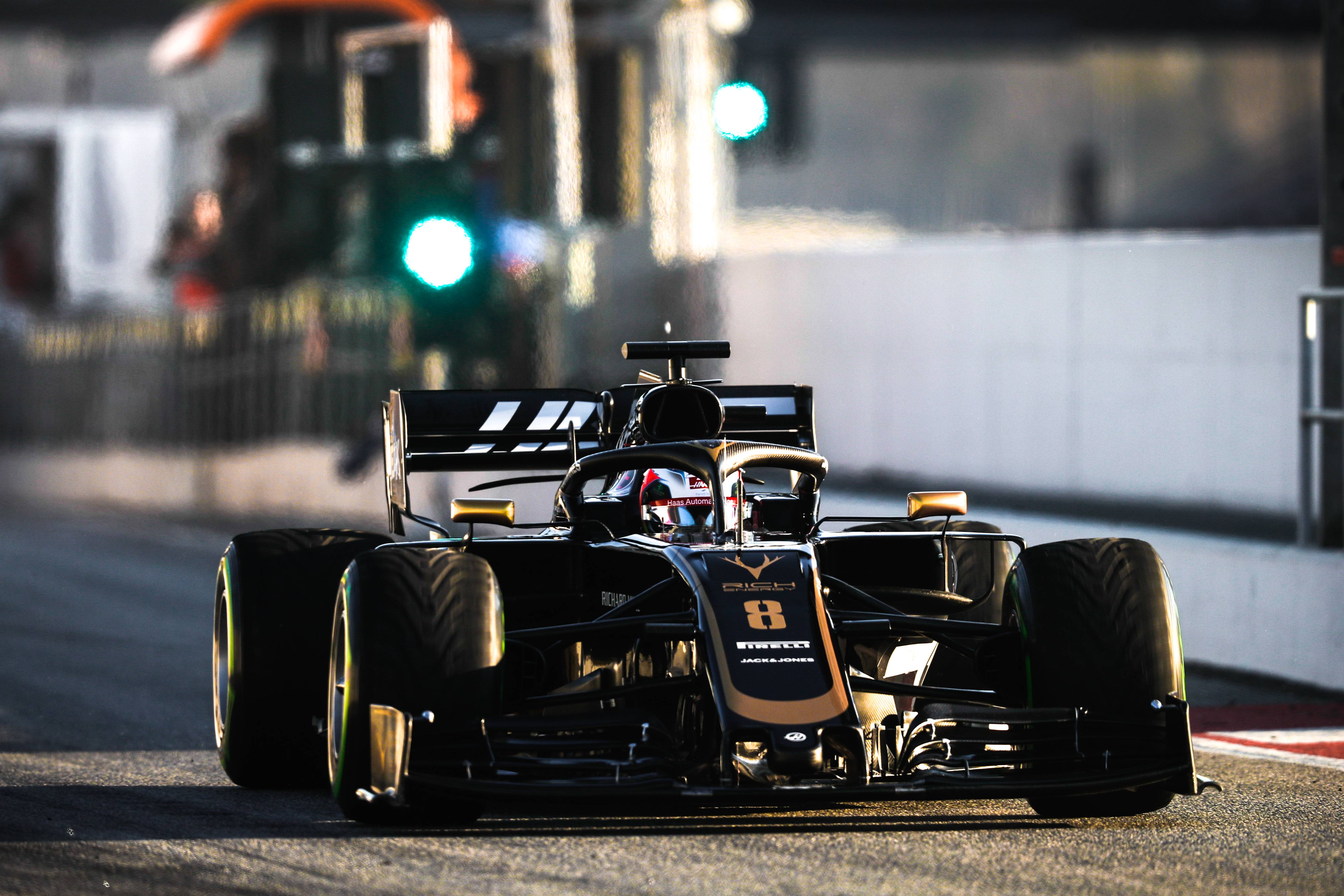
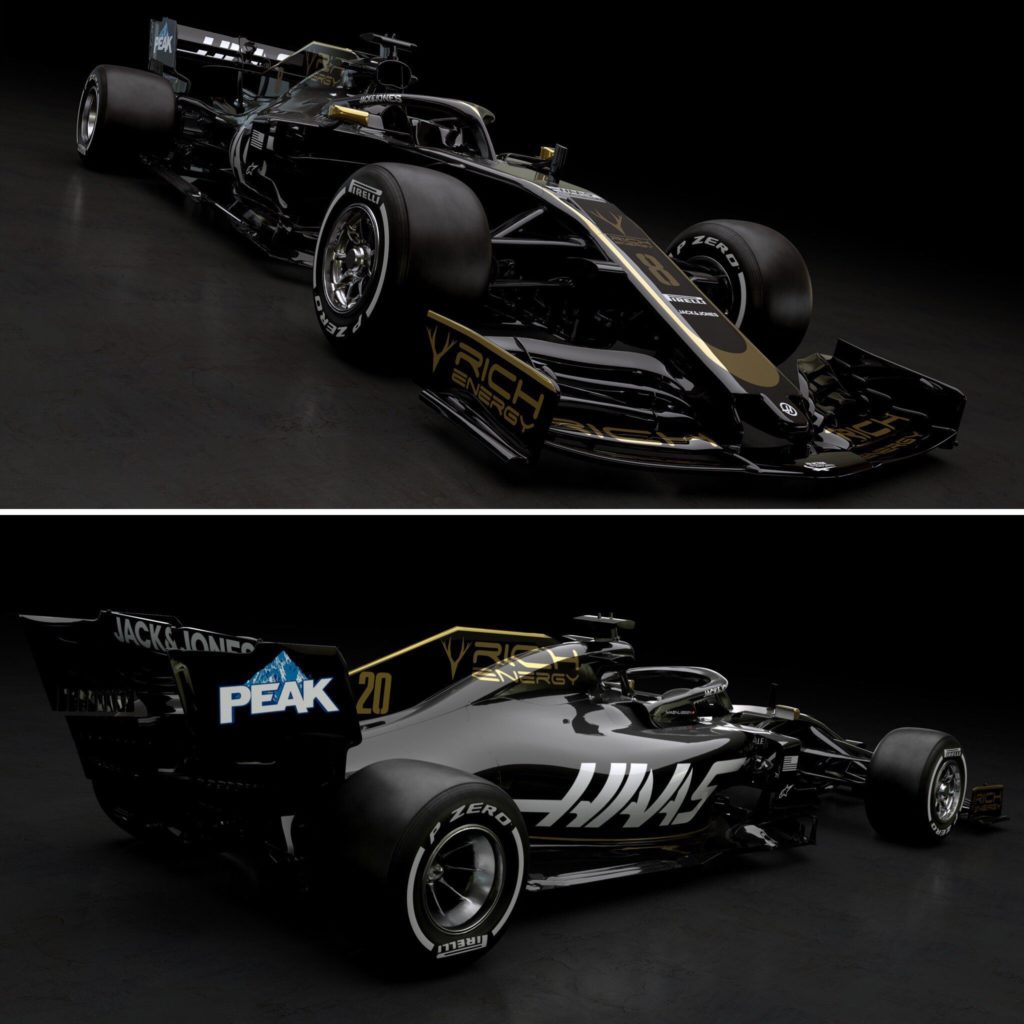
 Rich Energy HAAS F1 Team

Haas began proceedings with the online stream of their livery launch. Their new title sponsorship with Rich Energy (a supposed energy drink that seemingly nobody has ever found a can of in real life) brought about a new colour scheme for the American team.

Whilst a not particularly subtle nod to the legendary JPS Lotus, it’s still a pretty nice black and gold number. But personally I’d have preferred a bit more of the gold and you wonder whether it may end up just looking like a less bright Renault. It has also now come to light that Rich Energy are being sued by ATB Sales – a British company that owns Whyte Bikes and their undeniably almost identical logo – so we’ll have to wait and see what the future holds for both the company and the livery…

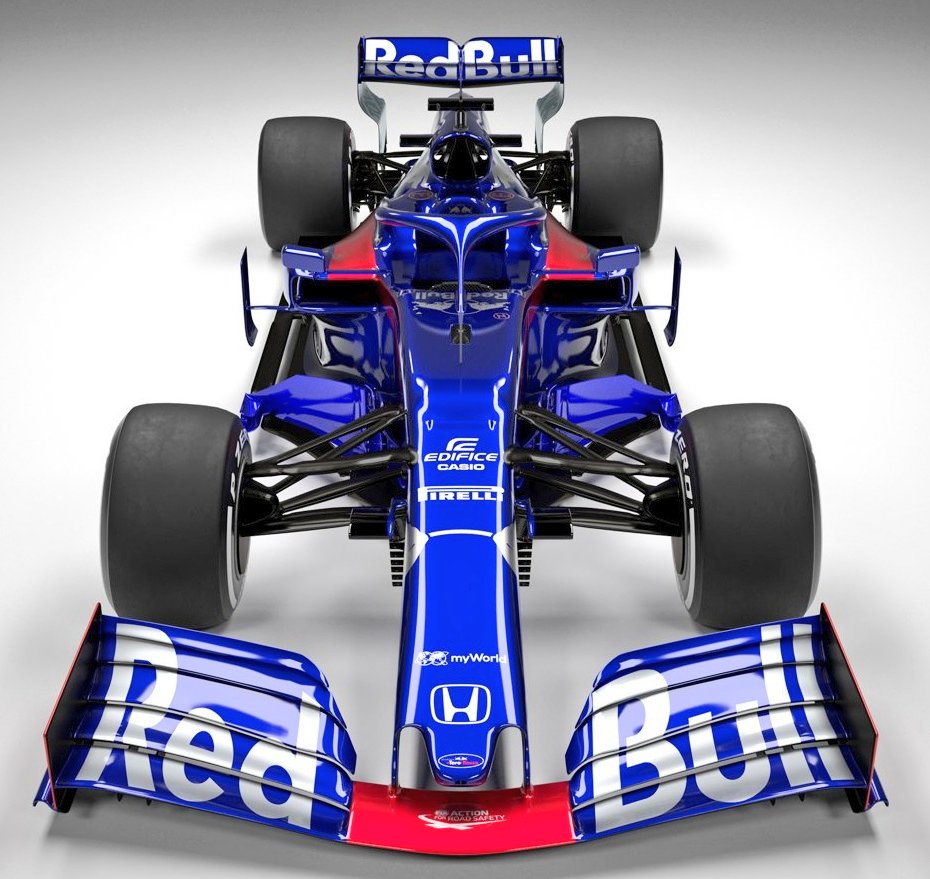
Red Bull Toro Rosso Honda

Then came Toro Rosso with an actual car! But they decided a new car and a new livery would be a bit too much so basically Ctrl-C-Ctrl-V’d last year’s livery. In fairness, ‘if it ain’t broke, don’t fix it’ definitely applies here. Since morphing to the lighter shade of blue at the start of 2017, the Toro Rosso has been one of the best-looking cars on the grid. Certainly combined with James Key’s design expertise, which has made them all very neat and well-packaged.

This is their first venture without Key since his move to McLaren but they appear to have followed the same design philosophy. The team confirmed he will not be directly replaced, mostly thanks to an even closer technical alliance with Red Bull now that they are sharing Honda engines. The rear packaging in particular appears to be bordering on size zero and will apparently be a carbon copy of that of their big brother.

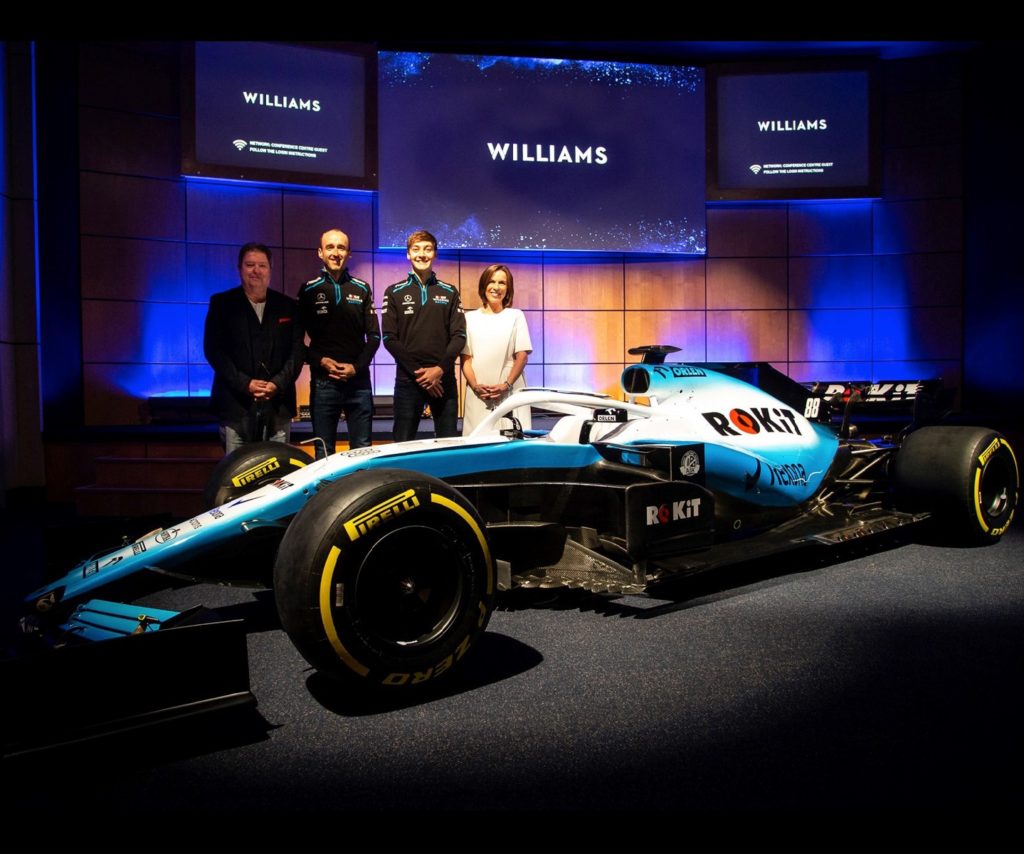
ROKiT Williams Racing

There was some excitement around what livery Williams would adopt having lost Martini, and their iconic livery, at the end of 2018. The team actually bothered to rent somewhere out for their launch, which is something of a rarity these days, but the response to the new livery was…mixed, shall we say?

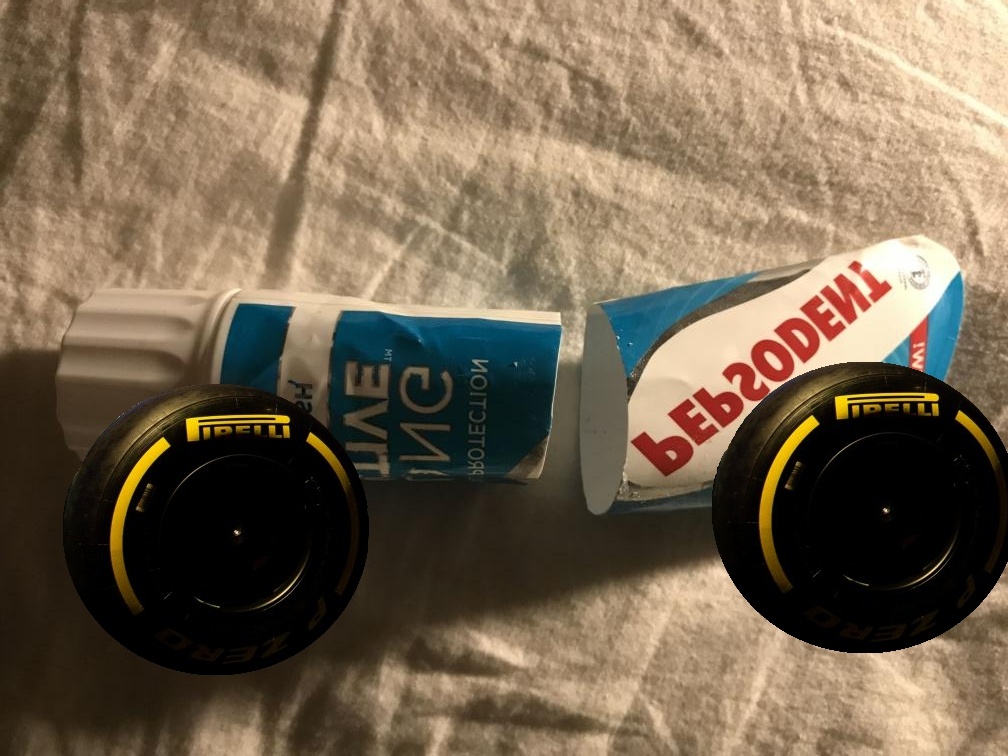
Less kind reviews compared it to a tube of toothpaste, a generic livery from a computer game without any official licences or a dodgy attempt at using that spray can on MS Paint. Following the classy Martini livery, whether we were all tired of it or not, was always likely to be tricky but they could probably have done better. Especially with Claire Williams stating they spent such a long time on the livery. The exposed carbon parts are quite a nice touch though. And hey, the last car looked nice but was a truck when it came to the track. If this one is an improvement on that front, I’m sure they won’t really care what people on the internet think of its appearance.

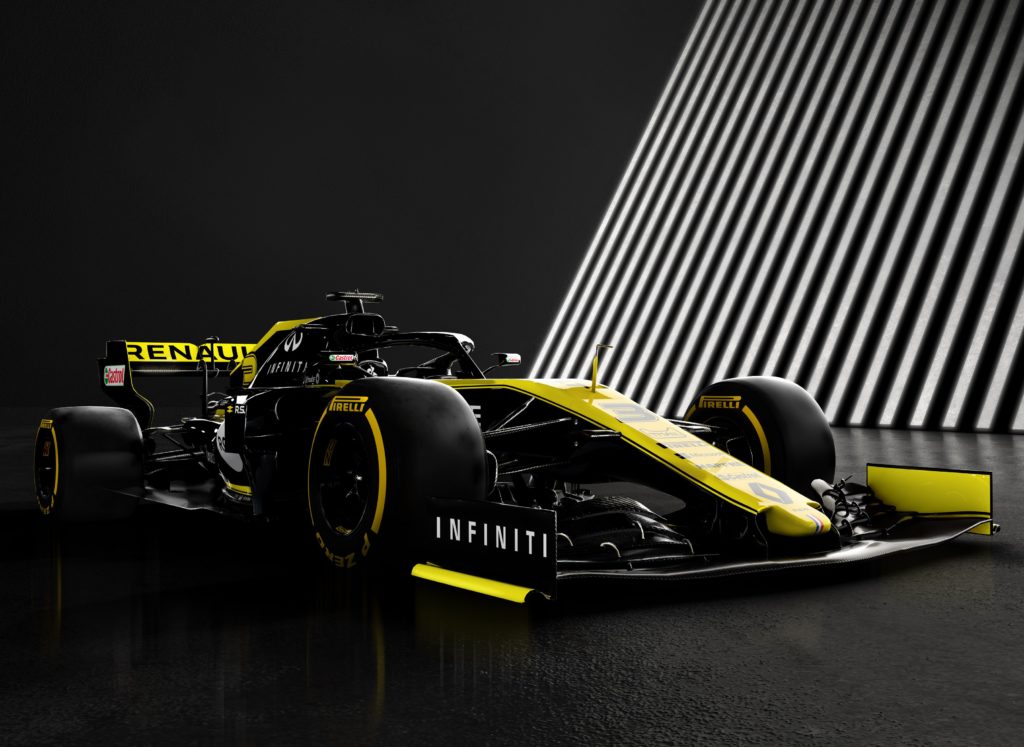
Renault F1 Team

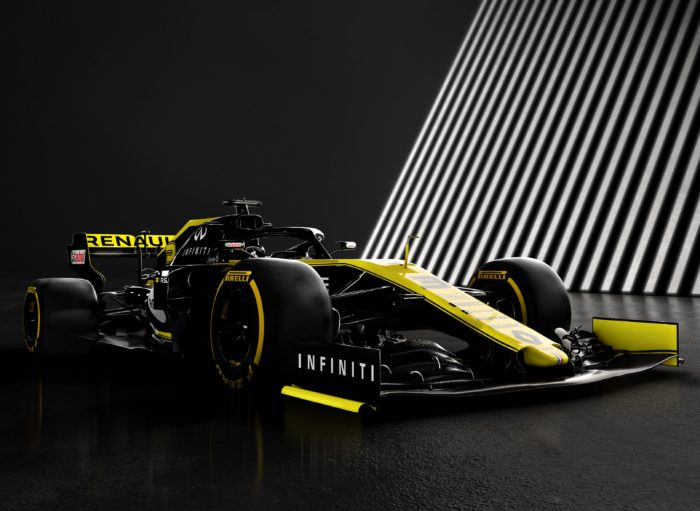
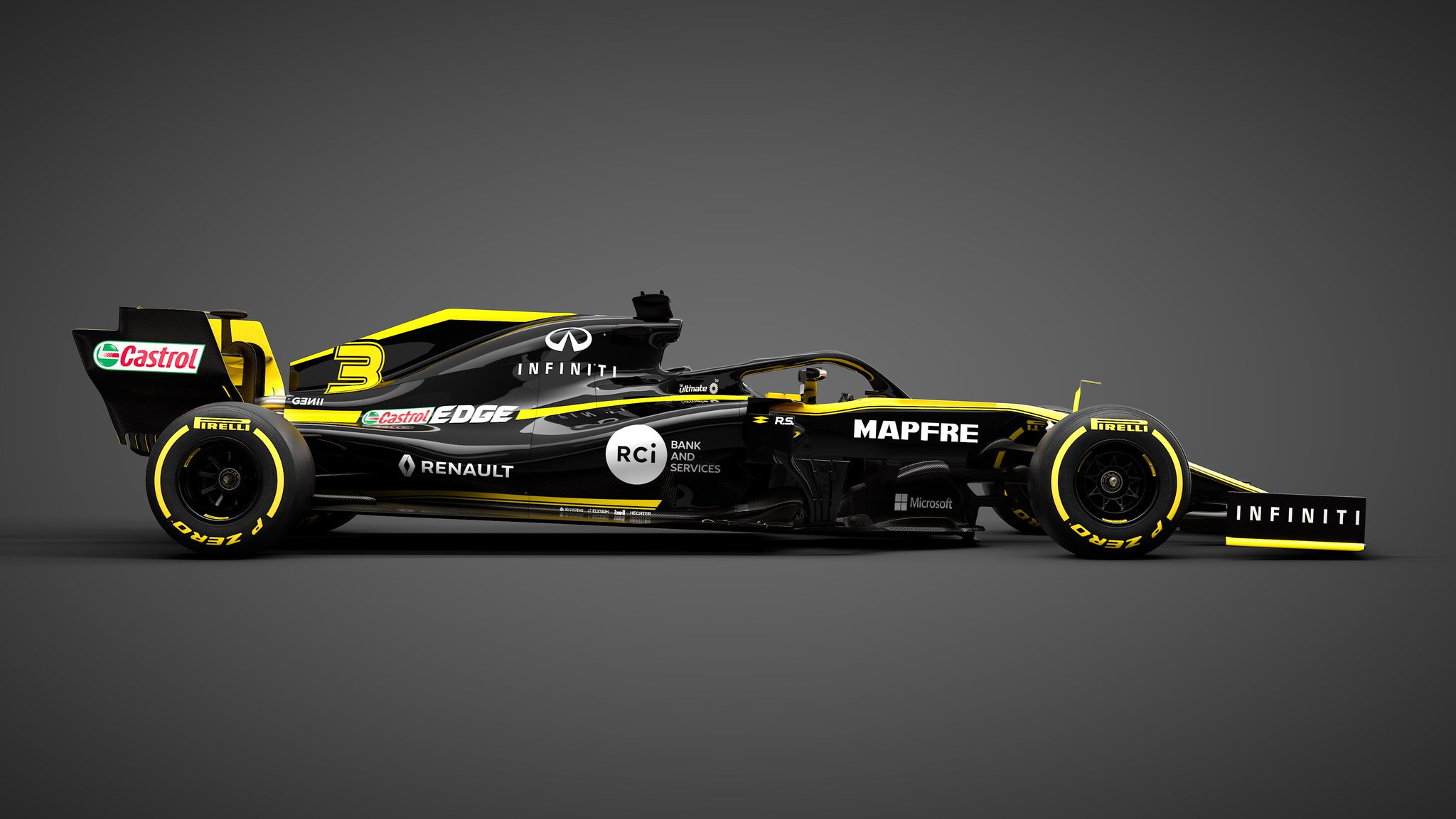
Renault followed suit with both the Haas ‘you get a livery but not the actual car’ approach and the Toro Rosso ‘it looks pretty, let’s keep it as it is’ one. There is a little more yellow than on last year’s RS18 and it arguably accentuates the shape of the car better but that’s about it really.

The profile shots show a noticeably higher rake. Very much the Red Bull approach of recent years, who have arguably had the best chassis on the grid, so you wonder if Mr. Ricciardo knows something that we don’t… Maybe he’s pulled a Lewis-to-Mercedes and we’ll be talking about the first Australian champion since 1980 in a couple of years. Or maybe it’s just high rake. Time will tell.

Mercedes-AMG Petronas Motorsport

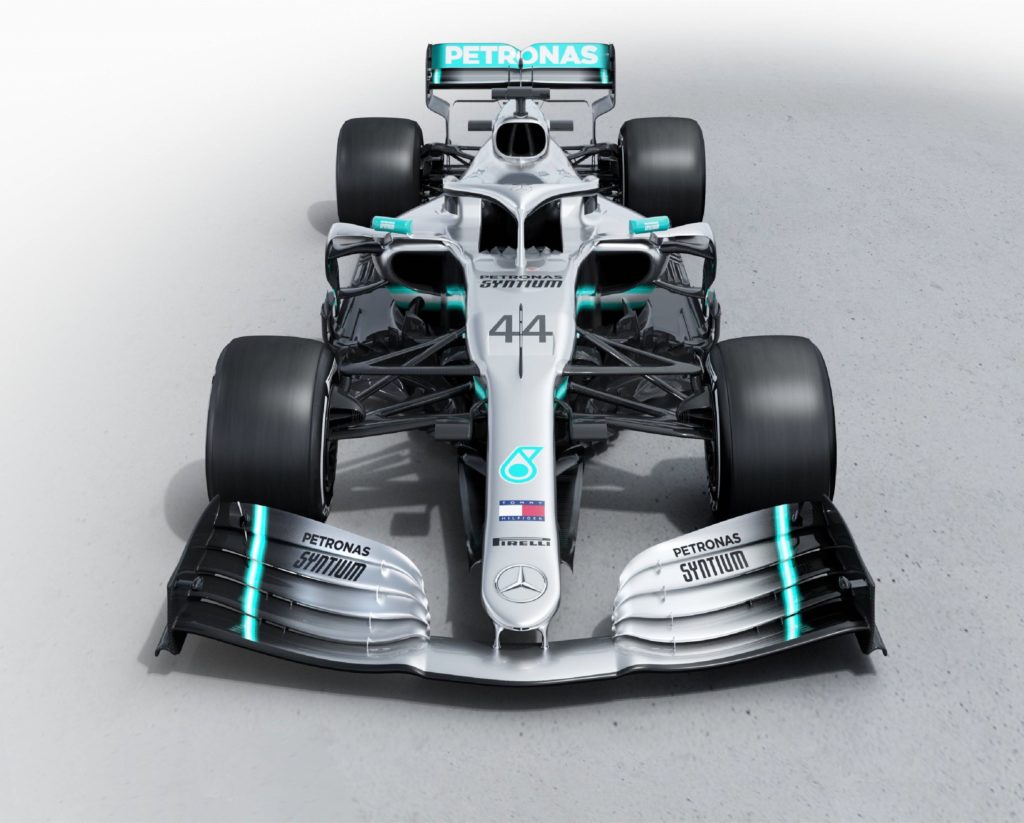
Amazing what a difference a halo can make, huh? Last year’s championship-winning machine was far from an eyesore, but the big, black halo lumped on top certainly was. For whatever reason, Mercedes appeared to put less effort into incorporating the halo than the rest of the grid. Maybe they were too busy focusing on being unbeatable. Either way, this year they have addressed that with some silver paint and it makes a surprisingly big difference. Along with the usual striking splashes of Petronas aquamarine, there is the nice touch of a flock of Mercedes stars towards the back. This is a beautiful car. A true Silver Arrow.

According to James Allison, they have “worked hard on the suspension and aerodynamic characteristics to deliver a car that will be much kinder to its tyres”. That has probably been their Achilles’ heel in the last couple of years so if they succeed, it will be hard work for the rest of the field.

As much as they will undoubtedly be expanded upon in the coming weeks, it’s interesting to see the varying base approaches the teams have adopted for the new front wing regulations. And we are yet to see the supposedly ‘radical’ designs McLaren and Alfa Romeo have in store. I’m an armchair aerodynamicist at best but the main change is that these new front wings will struggle to create ‘outwash’, where air is directed outside the wheels. As has been stated by many a technical director in the past, the front wing is the first part of the car to hit the air and thus is very important. So. we could yet find that someone has had their own brilliant Brawn-double-diffuser moment come Melbourne.

Mostly, these launches have made me long for the days of the massively over the top ones of the late 90s and early 00s. Popstars, lasers, more popstars, celebrities, an Airbus… They had it all. But there are still five to go…and the Spice Girls have reunited… Pretty sure there’s someone in the paddock with a connection there…